Every wag, every excited tremble, every proud flagging of your dog's tail tells a story. It's a primary mode of canine communication and expression. But beyond its functional wonders, your dog's tail is a blank canvas for creativity and a powerful tool to amplify their inherent charm. Styling your dog's tail isn't just about aesthetics; it's a delightful way to bond, express their unique personality, and, let's be honest, make them impossibly adorable. A well-groomed, thoughtfully styled tail can transform your pup's entire silhouette, drawing the eye and accentuating their joyful movements. This comprehensive guide is your go-to resource for mastering the art of tail styling, packed with practical tips, breed-specific advice, and, most importantly, a steadfast commitment to your dog's comfort and health. Let's embark on this journey to turn that wonderful wag into a statement of style!

🧠 Understanding Your Dog's Tail: The Foundation of All Style
Before you pick up a brush or pair of shears, the most critical step is to understand what you're working with. A Dachshund's whip-like tail and a Siberian Husky's luxurious brush are as different as chalk and cheese, and styling approaches must adapt accordingly. Ignoring your dog's natural tail type is the fastest route to a failed style or, worse, an uncomfortable pup.
Tail Types & Hair Texture: The Style Blueprint
Breeds with Plume or Brush Tails: Think Pomeranians, Samoyeds, Siberian Huskies, and Chow Chows. These tails are characterized by long, abundant, and often straight or slightly curved hair. They offer the most versatility for styling, from elegant feathering to defined pompoms. Their dense undercoat requires meticulous brushing to prevent mats, which can hide painfully close to the skin.
Breeds with Flag or Sickle Tails: Common in Golden Retrievers, Beagles, and Irish Setters. These tails are moderately feathered with longer hair on the underside. They carry a natural, flowing elegance, perfect for styles that enhance their feathering with clean lines and a healthy shine.
Breeds with Short or Whip Tails: This includes Dachshunds, Pointers, and Dalmatians. Their short, fine hair offers less surface area for traditional styling but excels with creative accessories and impeccable skin health. The focus here is on shine, cleanliness, and perhaps a perfectly placed, tiny bow.
Curly or Corded Coats: Poodles, Bichon Frises, and Komondors fall here. Poodle tails are often docked, but the remaining pom is a classic styling icon. For corded breeds, tail styling is an intensive process of maintaining the cords themselves, best left to seasoned professionals.
The Non-Negotiables: Health & Comfort
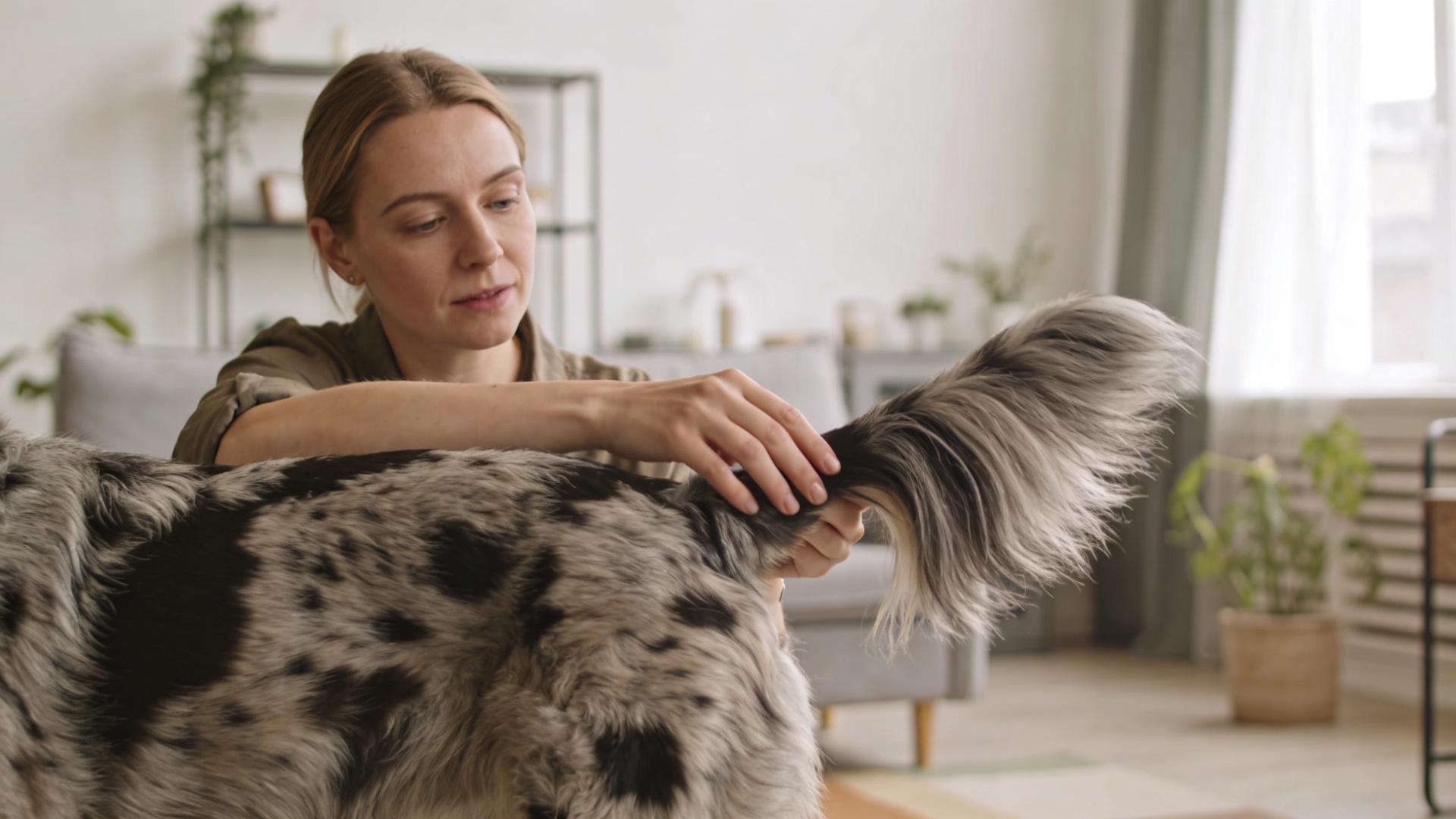
Styling should never compromise welfare. Health is the absolute priority. Always inspect the tail before styling. Look for:
• Dry skin or dandruff: Indicates a need for better nutrition or conditioning.
• Mats and tangles: Never cut them out with scissors against the skin—this is a major cause of grooming injuries. Use a detangling spray and a slicker brush or mat splitter.
• Redness, sores, or "stud tail" (dark, waxy buildup at the base): These require veterinary attention before any styling.
Your dog's comfort is equally vital. If they are stressed, anxious, or resistant, pause the session. Positive reinforcement with treats and praise is key. Never force a style that causes persistent stress.
✨ Tail Styling Tips to Skyrocket the Cuteness Quotient
Now for the fun part! These techniques range from simple daily care to more involved styling projects. Start with what feels comfortable for you and your dog, and gradually build your skills.
Tip 1: The Bedrock of Beauty – Regular & Effective Brushing
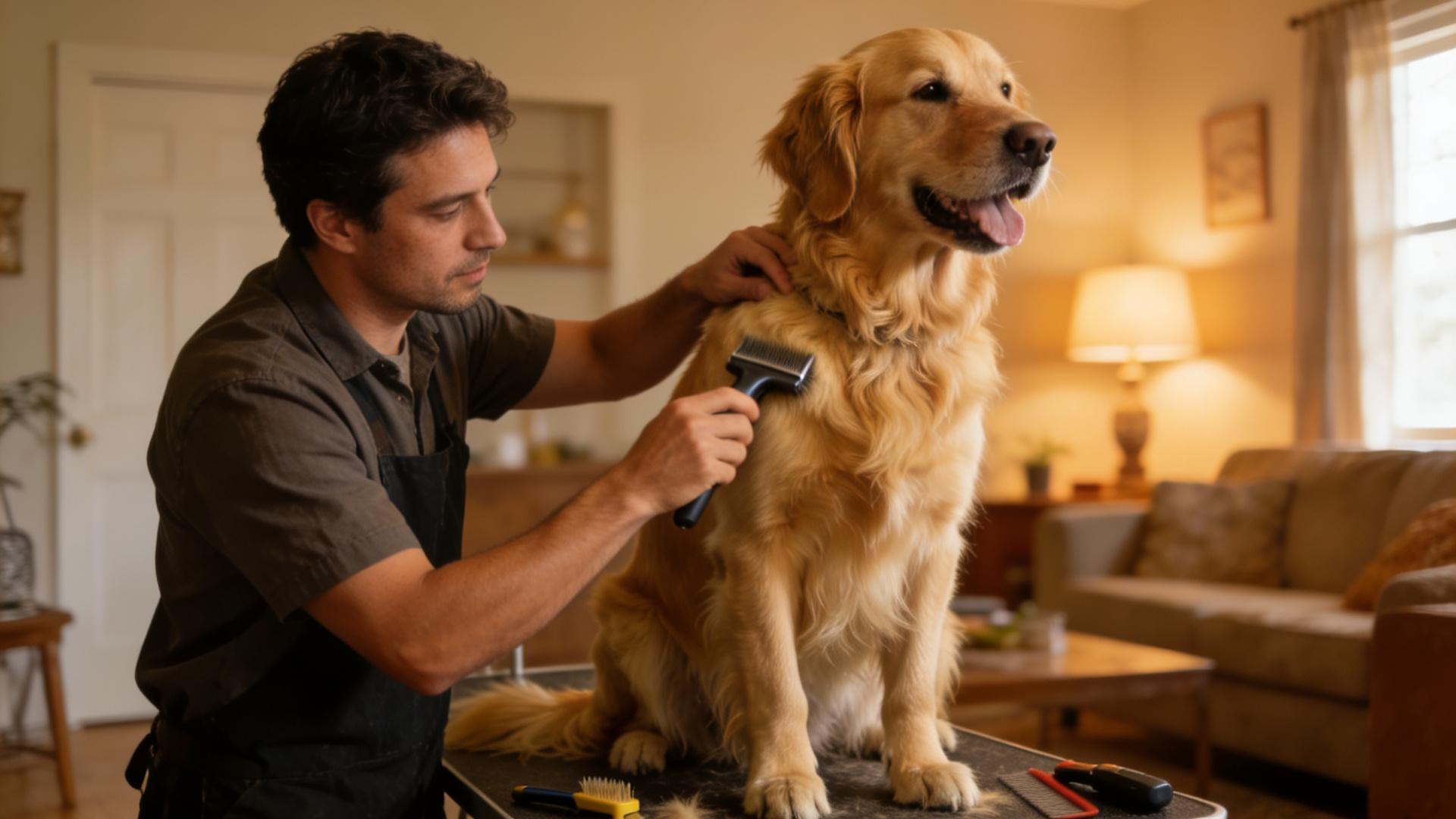
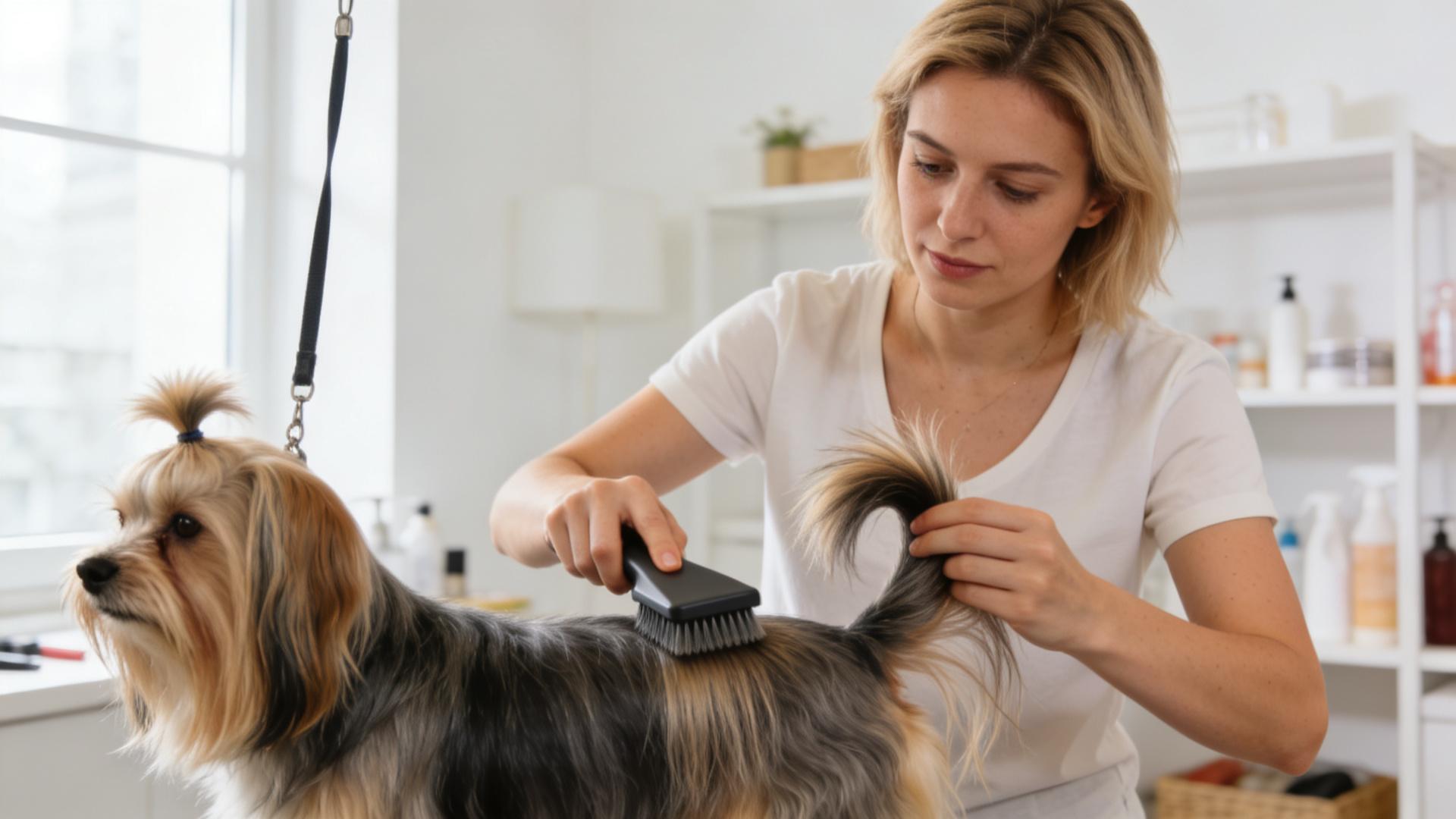
You cannot style a tangled, dirty tail. Daily brushing is the single most important practice for a cute, healthy tail. It distributes natural oils, stimulates blood flow, and prevents painful mats that can pull on the skin.
Method: For long-haired breeds, use a slicker brush to gently work through the tail hair section by section, followed by a wide-toothed comb to check for missed tangles. For short-haired breeds, a rubber grooming mitt or bristle brush is perfect for removing loose hair and polishing the coat.
Pro Data Point: A study on canine welfare suggests that regular grooming sessions of just 5-10 minutes can significantly reduce stress hormones and strengthen the human-animal bond.
Tip 2: Tail Feathering – Emphasizing Natural Elegance
This style is about refinement, not radical change. It involves neatly trimming and shaping the longer hair on the tail to create a smooth, tapered, or feathered look that complements the dog's movement.
Tools Needed: Sharp, high-quality thinning shears and straight-edge shears.
Step-by-Step:
1. Thoroughly brush the tail until it is completely tangle-free.
2. Hold the tail at its natural angle. Using thinning shears, gently point-cut into the ends of the longer hairs to remove bulk and create a soft, blended edge. Avoid blunt cuts.
3. For a more defined look, use straight shears to make a single, clean, diagonal cut across the bottom, following the natural line of the tail when held out.
Best For: Golden Retrievers, Setters, Shetland Sheepdogs, and any long-haired breed.
Tip 3: The Iconic Pom Pom Tail – Playful Perfection
A timeless style that screams adorable and playful. It involves shaping the hair at the very end of the tail into a neat, round ball.
Tools Needed: Blunt-tipped straight shears, a fine-toothed comb, and hair spray (pet-safe).
Step-by-Step:
1. Brush all tail hair downward. Isolate the hair at the very tip (approximately the last 2-3 inches).
2. Hold this section out and comb it into a perfectly round shape. You may lightly mist with pet-safe hair spray to help hold the form.
3. With blunt-tipped scissors, carefully trim around the "ball" to create a uniform sphere. Rotate the tail as you cut, working slowly.
4. Use thinning shears around the edges to blend and soften any harsh lines.
Best For: Poodles, Bichon Frises, and any dog with a suitable curly or fluffy coat. Not recommended for dogs with very fine, straight hair.
Tip 4: Accessorize! Bandanas, Bows & Charms
The instant cuteness upgrade! A small, lightweight accessory at the base of the tail adds a pop of color and personality.
Safety First: Always use non-restrictive, breakaway materials. The accessory should be loose enough to spin freely and should not pull hair. Never leave a dog unattended with an accessory.
How to Secure a Bow:
1. Take a small section of hair from the top of the tail base.
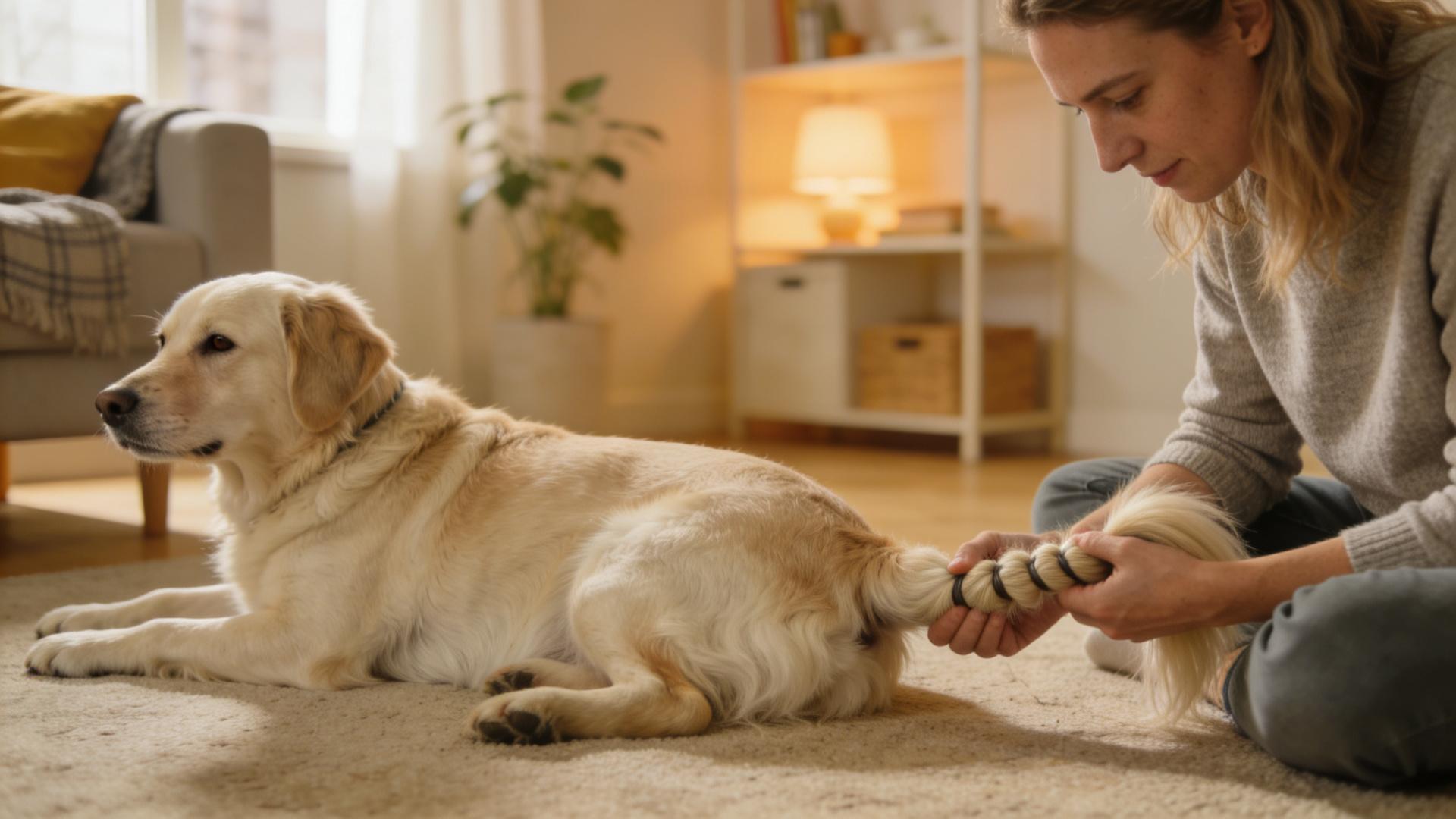
2. Use a small, fabric-covered elastic band to create a tiny ponytail. Ensure it is snug but not tight—you should be able to fit two fingers underneath.
3. Attach a pre-made clip-on bow or tie a lightweight bandana around the elastic.
Seasonal Ideas: A red bow for holidays, a pastel bandana for spring, or a miniature reflective charm for evening safety walks.
Tip 5: The Ultimate Glow-Up: Clean & Conditioned Fur
No style looks good on a dirty, dull coat. Shiny, healthy, and clean fur is the ultimate cuteness enhancer.
Bathing Protocol: Use a high-quality, breed-appropriate shampoo and conditioner. Rinse the tail extra thoroughly, as leftover product can cause itchiness. A leave-in conditioner or detangling spray can be a game-changer for maintaining softness between baths.
Diet & Supplements: A shine starts from within. A diet rich in omega-3 and omega-6 fatty acids (found in fish oil, flaxseed) promotes healthy skin and a lustrous coat. Consult your vet before adding supplements.
🛡️ Safety and Comfort First: The Golden Rules of Creative Grooming
Special Reminder: Creativity must always be bounded by safety. Here are the non-negotiable rules for ethical and safe dog tail styling.
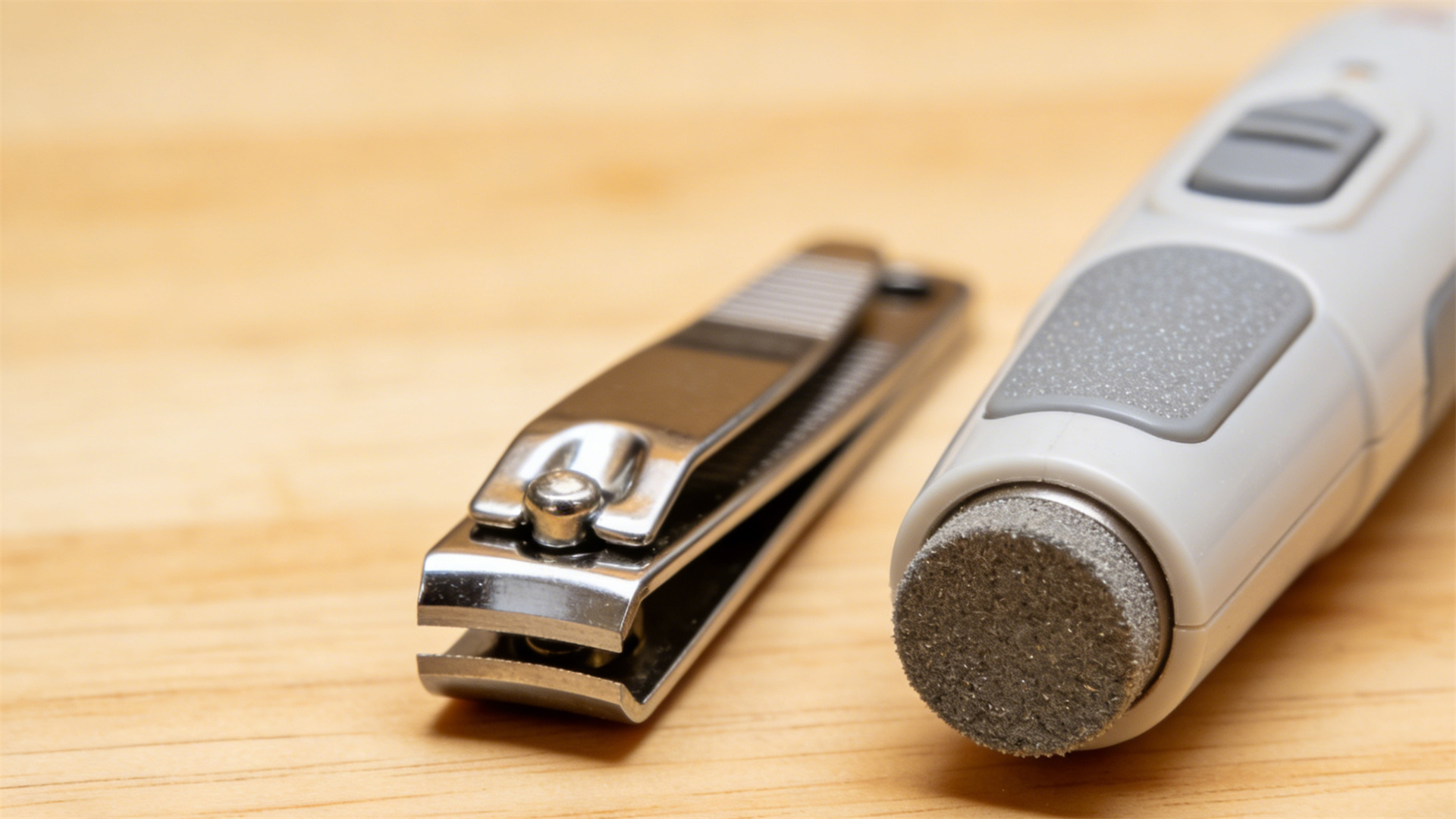
Tool Safety: Always use blunt-tipped scissors designed for pet grooming. Sharp, pointed scissors pose a severe risk if your dog moves suddenly. Clippers should have a guard to prevent nicks.
Chemical Safety (Dyes & Products): If you choose to use pet-safe temporary chalks or dyes, you must verify the product is 100% non-toxic and designed for animals. Human hair dye is poisonous to dogs. Always perform a patch test 24 hours prior.
Know Your Limits: If a style requires intricate scissor work, clipping close to the skin, or dealing with severe mats, consult a professional groomer. It's a worthwhile investment for your dog's safety and a flawless finish.
Respect the Dog: Keep sessions short (10-15 minutes max for styling). Offer frequent treats and praise. If your dog shows signs of stress (whale eye, yawning, lip licking, trying to leave), end the session immediately. Their mental well-being is more important than any style.
🎀 Conclusion: Your Journey to Tail-Wagging Glamour
Styling your dog's tail is a joyful expression of love and care. It’s a creative partnership where you enhance the natural beauty your dog already possesses. Whether you start with the simple act of daily brushing, venture into precise trimming for a feathered look, or just add a festive bow for a special occasion, each step is an opportunity to bond and celebrate your unique companion. Remember, the goal is a happy, healthy, and confident dog who just happens to have an exceptionally cute tail. Keep their comfort and health as your guiding principles, arm yourself with the right tools and knowledge, and most importantly, have fun making memories—and your dog utterly adorable—one stylish wag at a time.