When we think of a "smart dog," images of a Border Collie herding sheep or a Poodle performing complex tricks often come to mind. But canine intellectual development is far more nuanced and accessible to every dog, regardless of breed. It's the cornerstone of a happy, well-adjusted, and behaviorally healthy companion. This journey goes beyond teaching "sit" and "stay"; it's about nurturing your dog's innate ability to process information, solve problems, and adapt to their world. In this comprehensive guide, we'll explore the fascinating science of the canine mind and provide you with a actionable blueprint to foster your dog's cognitive health and unlock their full intellectual potential.
🐾 What is Canine Cognition? Defining Intelligence in Dogs
Intellectual development in dogs, or canine cognitive development, refers to the growth and refinement of a dog's mental capacities. This includes:
- Learning & Memory: How dogs acquire, retain, and recall information.
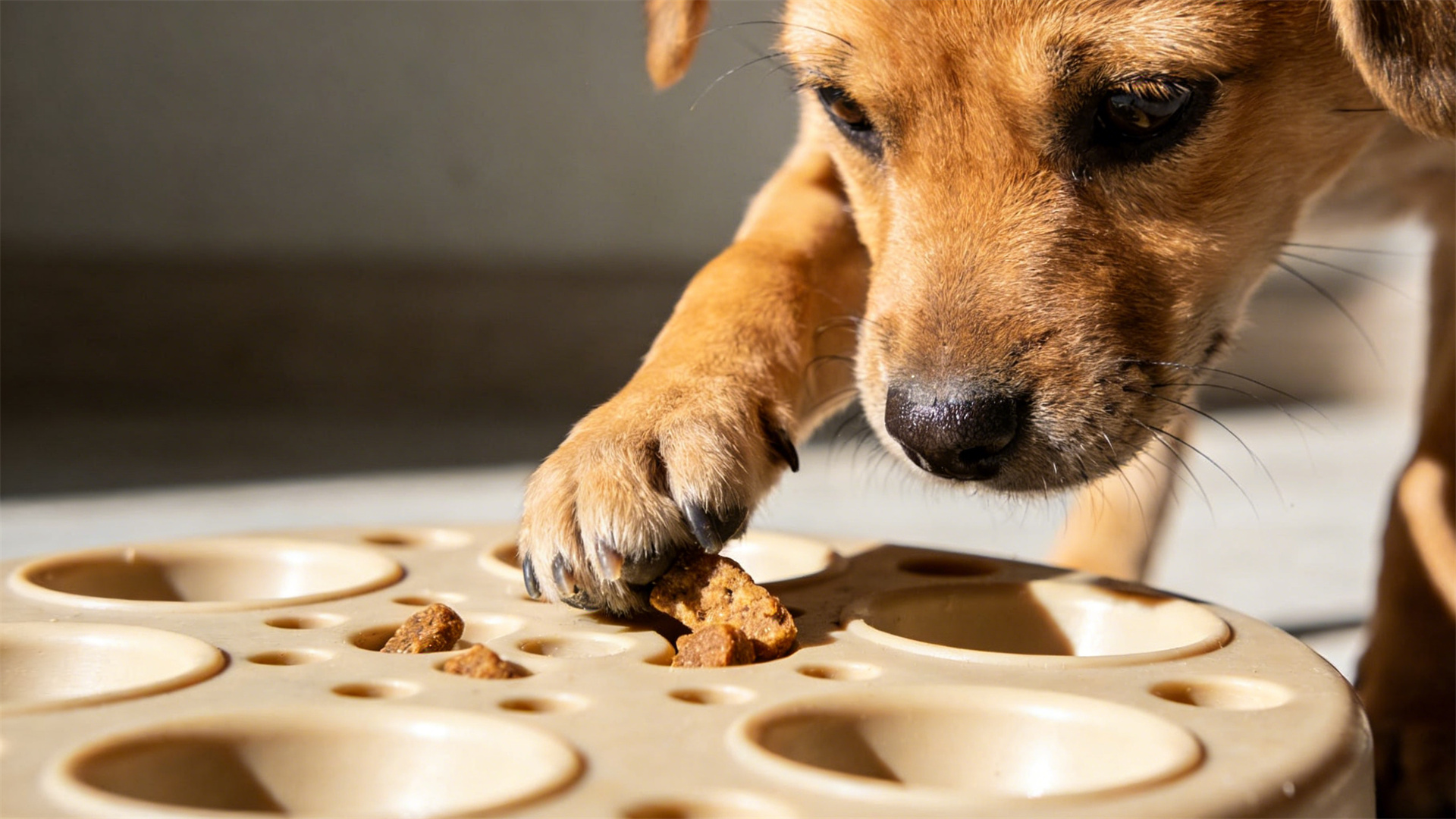
- Problem-Solving: Their ability to navigate obstacles and achieve goals (think: figuring out how to get a treat from a puzzle toy).
- Communication: Understanding human cues (pointing, words, tone) and expressing their own needs.
- Spatial Awareness: Navigating environments and understanding object permanence (knowing something exists even when out of sight).
- Social Intelligence: Interpreting and responding appropriately to social signals from humans and other dogs.
Renowned canine researcher Dr. Brian Hare's work on the "Domestication Hypothesis" suggests that dogs evolved a unique form of social-cognitive intelligence to communicate and cooperate with humans. This means your dog's dog learning capacity is specifically tuned to you!
The Puppy Mind: Critical Windows for Early Puppy Mental Development
A puppy's brain is incredibly malleable. The period from 3 weeks to about 16 weeks is a critical socialization and learning window. Positive experiences with diverse people, dogs, sounds, and surfaces during this time lay the neural groundwork for a confident, adaptable adult. Puppy intellectual growth isn't just about early training; it's about positive exposure that builds a resilient and curious mind.

🚀 Stages of Intellectual Growth: From Pup to Senior
Understanding these stages helps you provide age-appropriate mental stimulation for dogs.
Puppyhood (8 weeks - 6 months): The Sponge Phase
This is peak sensitivity for socialization and canine intellect. The brain is forming connections at a rapid rate. Focus on short, fun training sessions, exposing them to the world, and building positive associations. Simple puppy brain training like "find the treat" under cups begins to engage their canine problem solving skills.
Adolescence to Adulthood (6 months - 7 years): The Refinement Phase
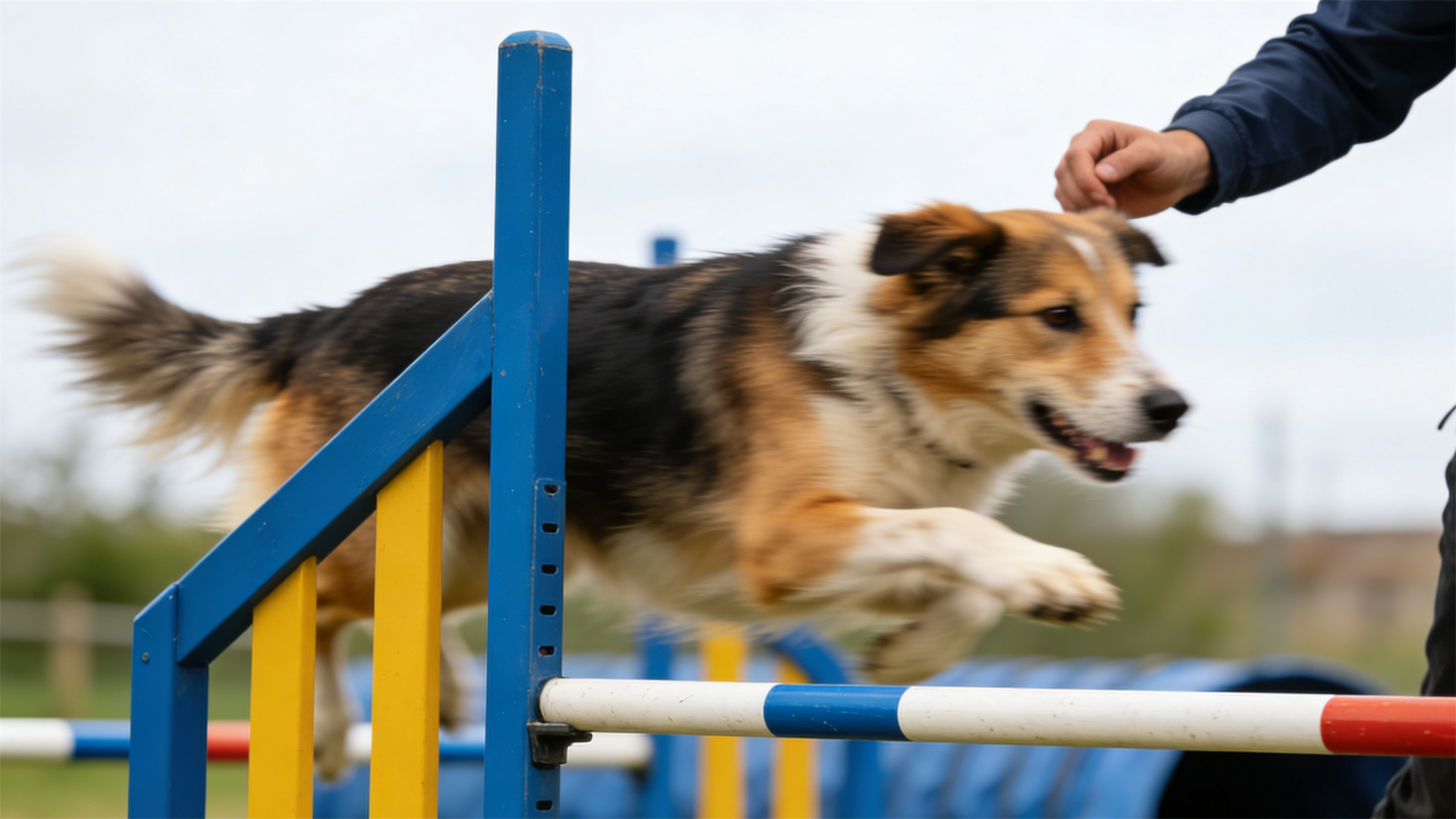
The brain shifts from rapid growth to optimizing neural pathways. This is the prime time for dog intelligence training, including teaching dogs complex commands and engaging in advanced activities like agility, scent work for dog mental exercise, or trick training. Consistency is key to reinforcing learning and building canine confidence through training.
Senior Years (7+ years): The Maintenance Phase
Cognitive decline in senior dogs (Canine Cognitive Dysfunction) is a real concern, similar to dementia in humans. Symptoms can include disorientation, altered sleep-wake cycles, and house soiling. However, consistent lifelong mental enrichment can help delay onset and severity. Gentle, regular brain games for dogs and novel experiences keep the aging mind active and engaged.
💡 The Enrichment Toolkit: Methods for Peak Mental Stimulation
Boredom is the enemy of a good dog. A mentally under-stimulated dog will often create their own "fun" – usually destructive. Here’s how to provide essential canine enrichment activities.
🎲 Interactive Toys & Puzzle Feeders
Interactive dog toys for mental stimulation are not a luxury; they are a necessity. Puzzle feeders for dogs turn mealtime into a engaging cognitive workout, slowing down eating and satisfying their instinct to work for food. Start with simple puzzles and gradually increase difficulty to match your dog's dog learning capacity.
🏆 Training Games & The Power of Nosework
Obedience training and brain development are intrinsically linked. Move beyond basics by teaching fun commands like "spin," "bow," or identifying toys by name. Nosework and canine brain health go hand-in-paw. Hiding treats or toys for your dog to find taps into their most powerful sense and provides immense mental satisfaction. This is a superb way to improve dog intelligence through natural behavior.

🌍 Novel Experiences & Socialization
Regularly changing walking routes, visiting dog-friendly stores, or having calm, new people over provides novel information for your dog to process. This continued socialization and canine intellect pairing keeps their mind agile and prevents rigidity.
🔬 The Science of Benefits: Why Enrichment is Non-Negotiable
The value of intellectual development isn't just anecdotal. Studies show that dogs engaged in regular mental stimulation for dogs exhibit:
- Fewer Behavioral Problems: Reduces anxiety, excessive barking, chewing, and digging.
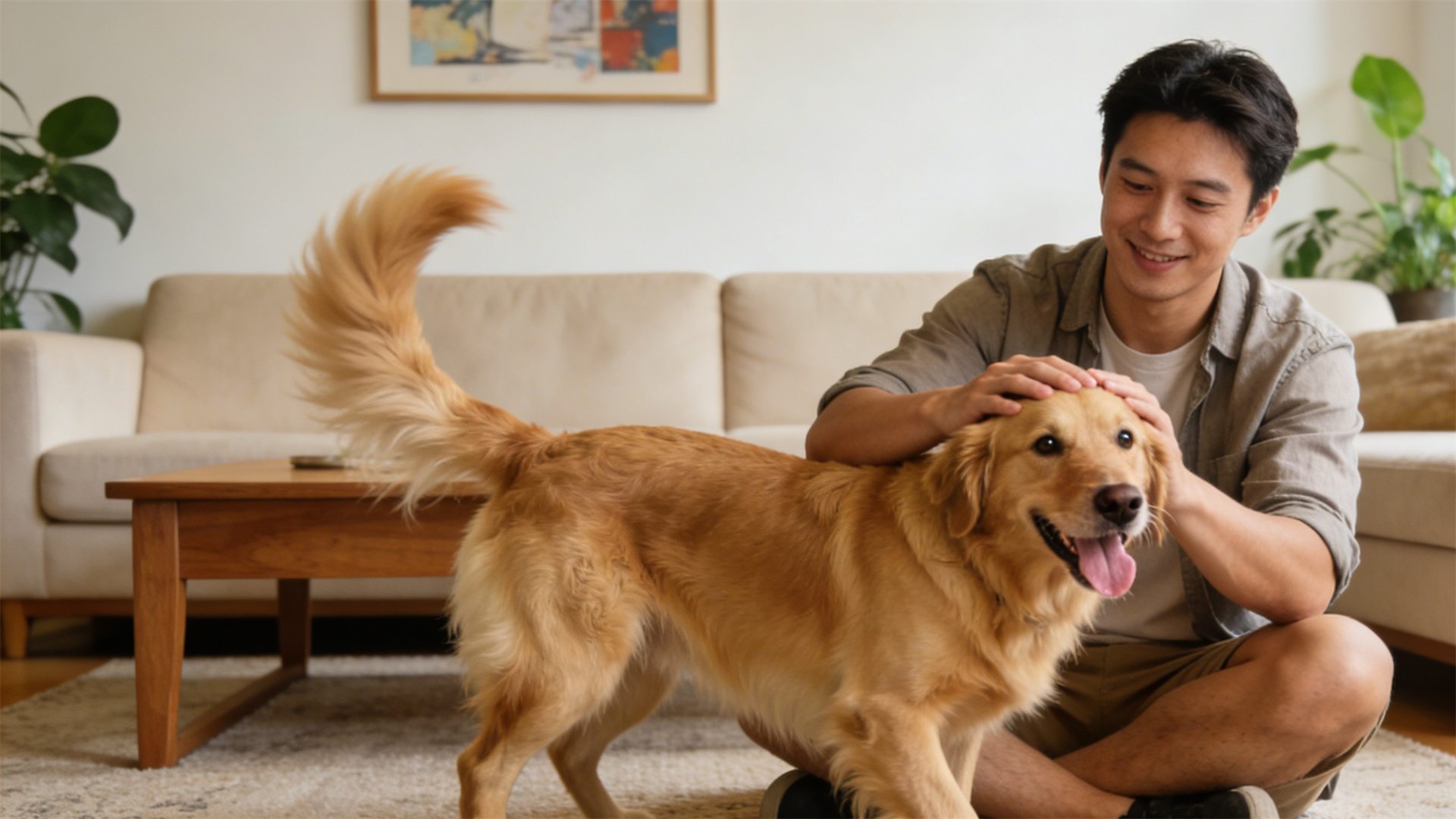
- Enhanced Bonding: Cooperative training strengthens your communication and trust.
- Improved Overall Wellbeing: A mentally tired dog is a content dog, leading to better relaxation.
- Potential Delay of Cognitive Aging: "Use it or lose it" applies to canine brains too.
Special Reminder: Always use positive reinforcement methods (rewarding desired behavior). Force or fear-based training impairs learning and damages the human-canine bond. For specific behavioral concerns, always seek a veterinarian consultation to rule out medical causes.
🎯 Conclusion: Your Path Forward to a Smarter, Happier Dog
Fostering your dog's intellectual development is one of the most rewarding investments you can make in your lifelong partnership. It transcends measuring dog intelligence by breed stereotypes and instead focuses on empowering your individual companion. Start today by introducing one new brain game for dogs, teaching a fun new trick, or investing in a quality puzzle feeder.