
You May Have Missed

Pet-friendly flooring options: a balance of slip resistance, durability, and easy cleaning.
If you share your home with a four-legged friend, you know the unique challenges they bring to your floors. From the frantic “zoomies” that send them skidding around corners to the muddy paw prints after a rainy walk, and the occasional accident or spilled water bowl—our floors take a beating. Choosing the right surface isn't just about aesthetics; it's about creating a safe, durable, and livable environment for the entire family. Your mission, should you choose to accept it, is to find flooring that expertly balances three non-negotiable criteria: slip resistance for safety, durability against claws and impact, and easy cleaning for simple maintenance. Let's dig into the best options that stand up to the "paw-test" of time.
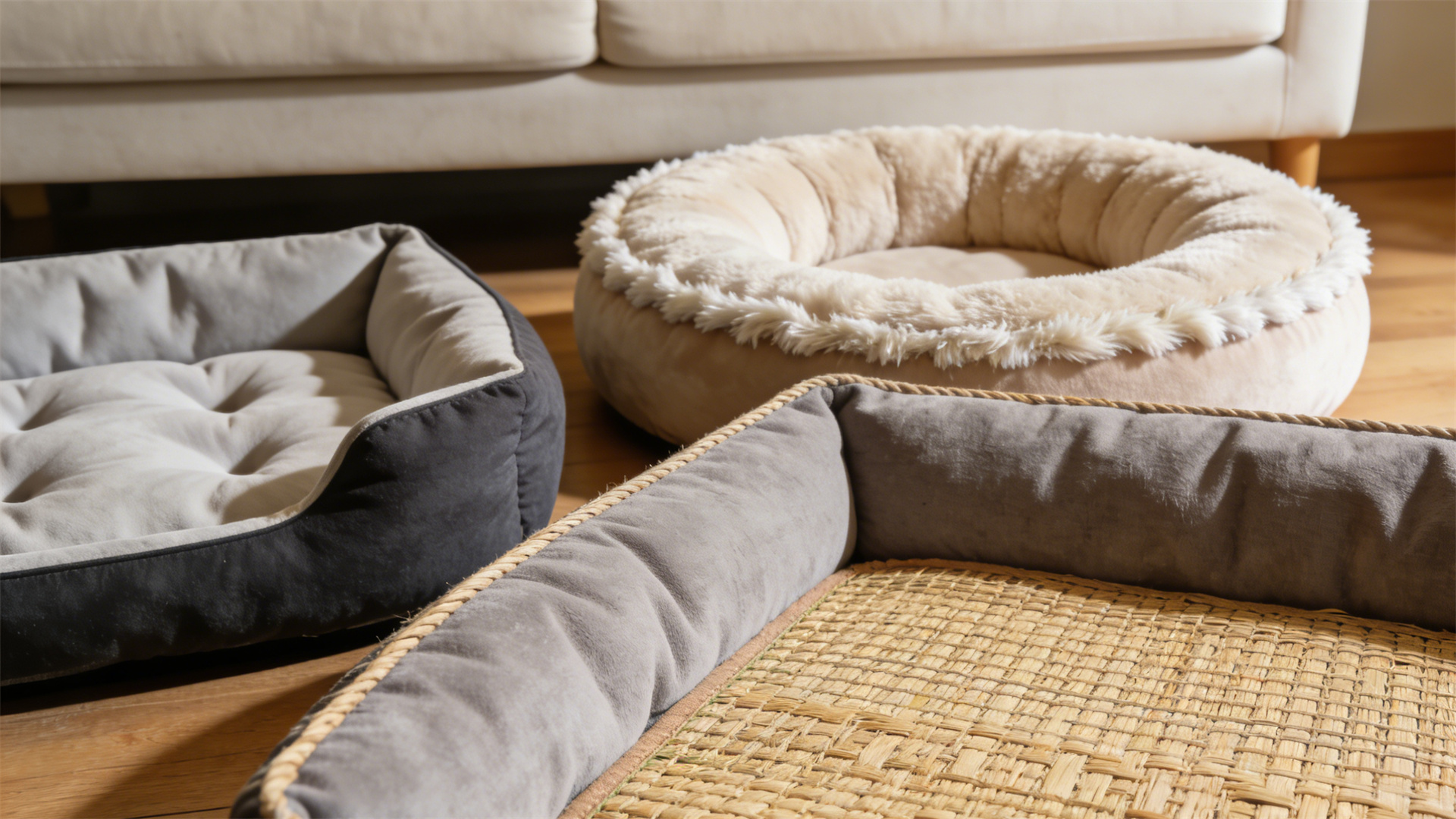
Comfortable sleep
We cherish our dogs for their boundless energy and joyful companionship, but what happens when the zoomies end and the house grows quiet is equally vital. Comfortable, restorative sleep is not a luxury for our canine friends; it is a non-negotiable pillar of their physical health, cognitive function, and emotional stability. A well-rested dog is a happier, healthier, and more trainable partner in life. If you've ever watched your dog twitch, snore, or sigh deeply in slumber, you've witnessed the essential recovery process at work. This guide is crafted from a shared goal: to empower you with the knowledge to transform your dog's sleep from mere rest into a foundation for lifelong health and happiness. Let's embark on the journey to perfect, comfortable sleep.
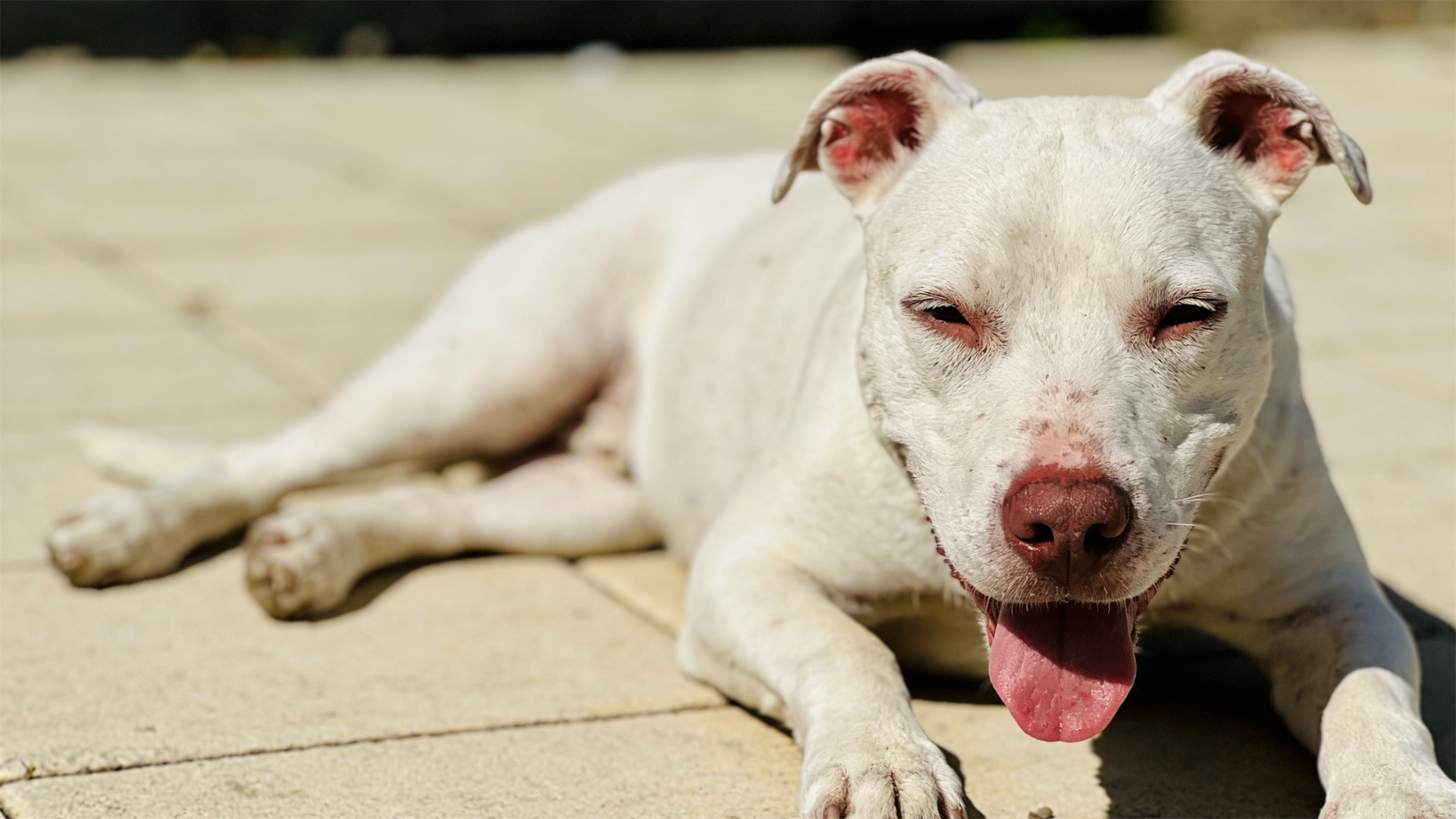
Summer cooling logic
The sun is high, the air is thick, and there lies your best friend: tongue lolling, sides heaving, a picture of pure summer exhaustion. Your first instinct might be to reach for the clippers or hose. But what if the most common "solutions" are working against your dog's natural design? This article cuts through the noise with clear, physiological logic. We will explain how dogs cool down, and from that foundation, build a complete, actionable strategy for summer dog cooling that truly works.

Long-distance travel guide
You’ve dreamed of this trip for months—the winding coastal highways, the cozy mountain cabin, the city lights of a new destination. But as you glance at your dog curled up on the sofa, a familiar knot tightens in your stomach. How will they handle the long hours in the car? What if they get anxious on the plane? Will we find a place to stay that truly welcomes them? I’ve been there, and I know that blend of excitement and worry all too well. This guide is designed to be your trusted companion—a comprehensive, reassuring resource that transforms long-distance travel with a dog from a source of stress into a rewarding adventure for both of you. Let’s get started, step by step.

"Warmth and Cleanliness" for Newborn Puppies: Simulated Care When the Mother is Away
For newborn puppies, the mother is their entire world. She provides nourishment, essential warmth, and meticulous cleanliness through her constant care. Her presence is the cornerstone of their survival in those critical first weeks. When she is absent due to illness, rejection, or unforeseen circumstances, the roles of providing warmth and maintaining cleanliness fall entirely to you, the caregiver. This responsibility is daunting but profoundly rewarding. This guide aims to be your compassionate companion, offering detailed, step-by-step simulated care methods to ensure the health and survival of orphaned or mother-assisted puppies. We will navigate this journey together, focusing on the two most critical pillars of neonatal care: thermal support and hygienic practice.
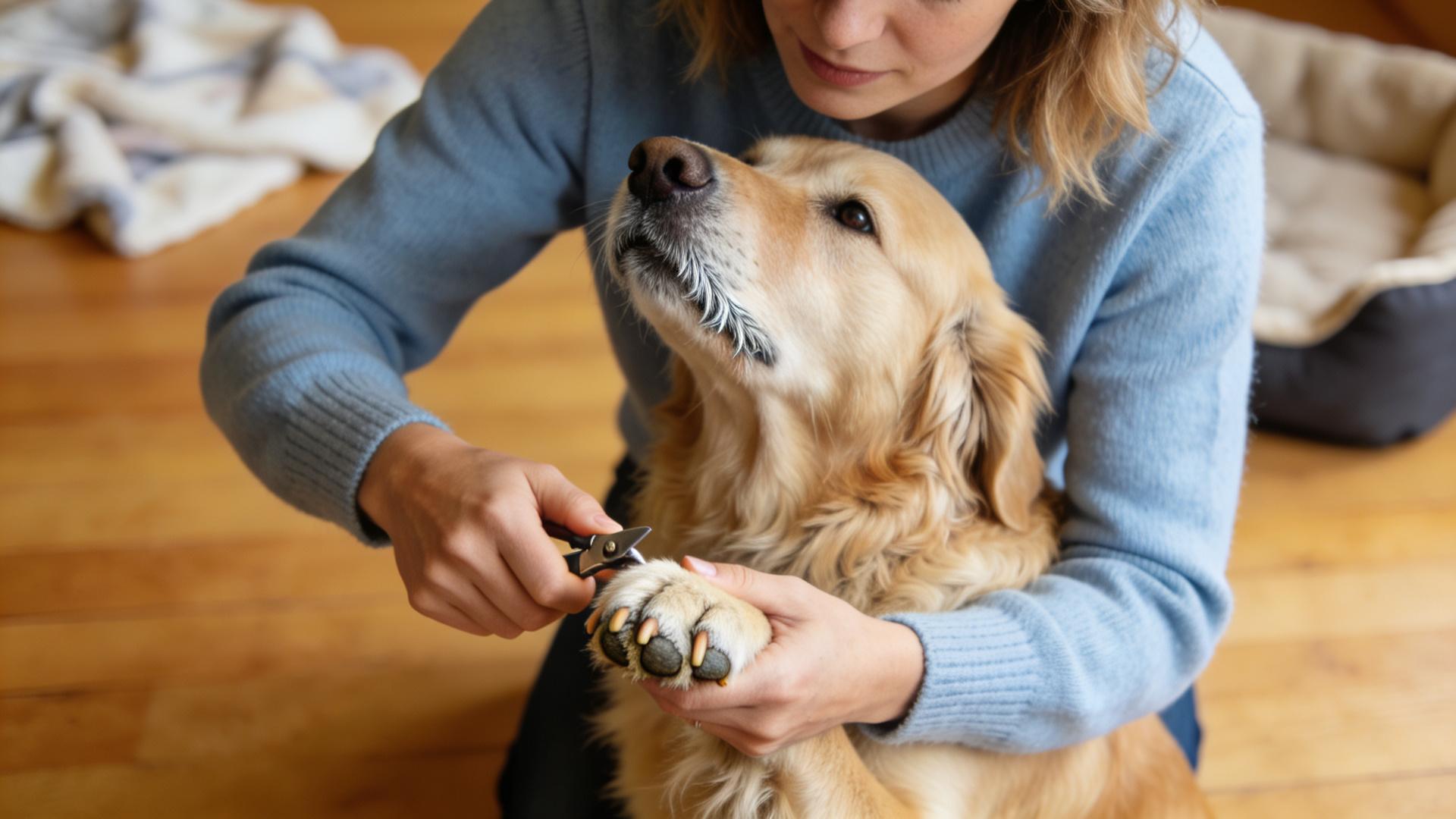
Tips for trimming excessively thickened nails in older dogs: Avoid compressing the nail bed.
As our beloved canine companions enter their golden years, we witness a gentle shift in their needs. One of the most common, yet often daunting, changes for pet parents is the transformation of their dog's nails. What was once a routine grooming task can become a significant challenge. Thickened, hard, and sometimes overgrown nails are not just a Grooming issue; they can affect your dog's posture, comfort, and mobility. The mission, therefore, evolves from simple trimming to a careful, patient process of safe nail reduction. This guide is dedicated to helping you navigate this task with confidence, with the cardinal rule always in mind: Avoid compressing the nail bed.