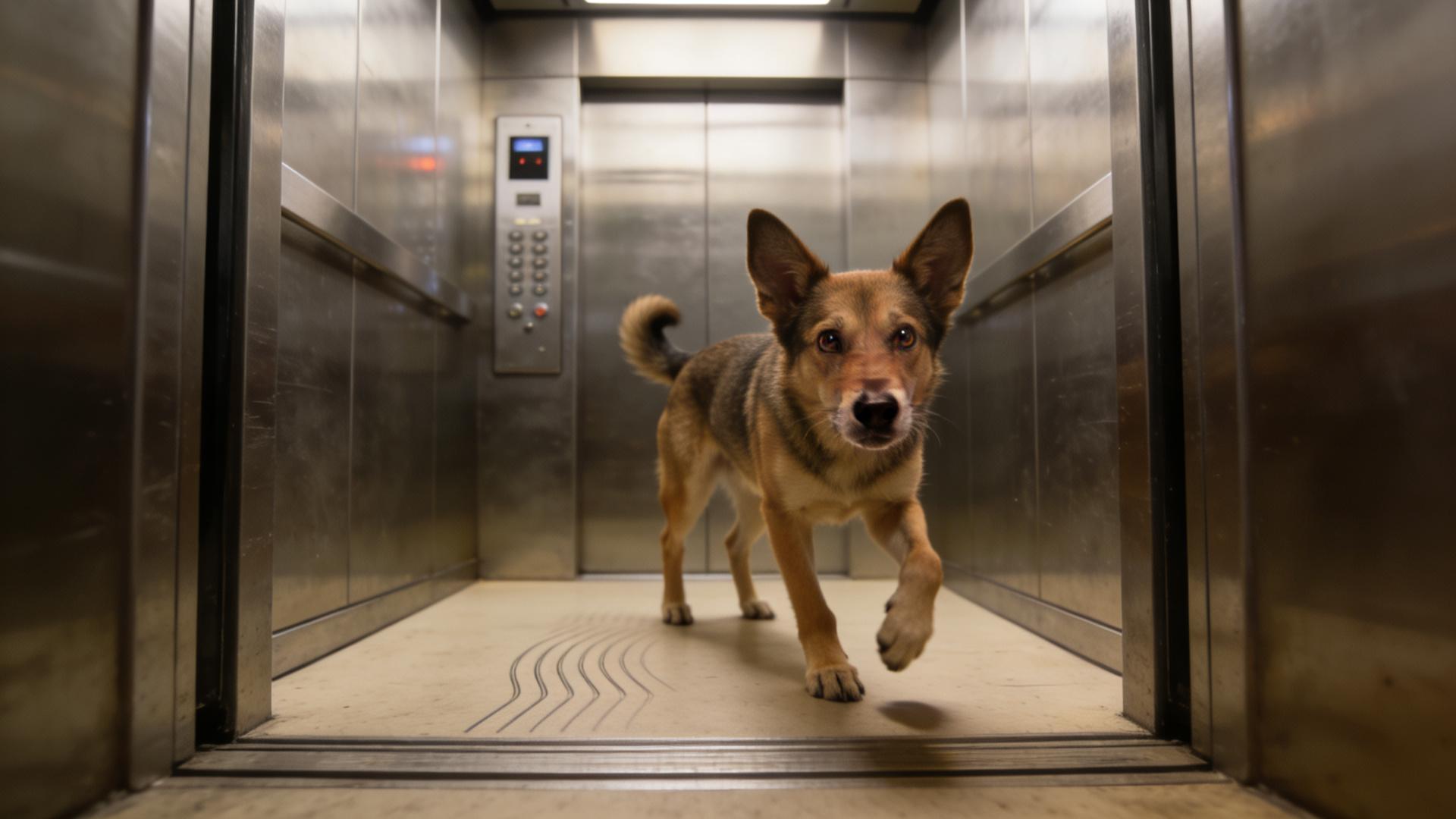
The doors slide shut with a soft whoosh, the floor gives a slight lurch, and suddenly, the world feels very small. For many dogs, an elevator ride is a confusing cocktail of strange sounds, confined space, and unpredictable movement. Imagine your dog, panting heavily, pulling on the leash, or even trying to bolt as the doors open. This common scenario isn't just stressful—it can be a safety risk for everyone involved. Training your dog for elevator etiquette is not a luxury; it's a crucial skill for urban living that ensures safety and comfort for your pet, you, and fellow passengers. With patience and the right approach, you can transform this daunting experience into a calm, controlled routine.
🐾 Why Elevators Are Challenging Confined Spaces for Dogs
To train effectively, it helps to understand why elevators trigger such reactions. Dogs experience the world through their senses, and an elevator presents a sensory overload:
- Confinement: The small, enclosed space can trigger instinctual claustrophobia or a desire to escape.
- Unpredictable Movement: The sudden, weightless sensation of ascent or descent is unfamiliar and can be disorienting.
- Auditory Stress: The ding, mechanical whirrs, and door sounds are often sharp and unexpected.
- Social Pressure: The presence of strangers in a tight space can amplify anxiety or excitement.
This perfect storm makes elevator behavior training for dogs essential. It's a specific form of confined space training that builds confidence and reinforces obedience under pressure.
📋 Preparation Steps: Setting the Stage for Success
Never rush into a full elevator ride. Success hinges on systematic preparation. Think of this phase as laying the groundwork for all future dog elevator training.
🧰 Gathering Your Tools
Before you start, ensure you have:
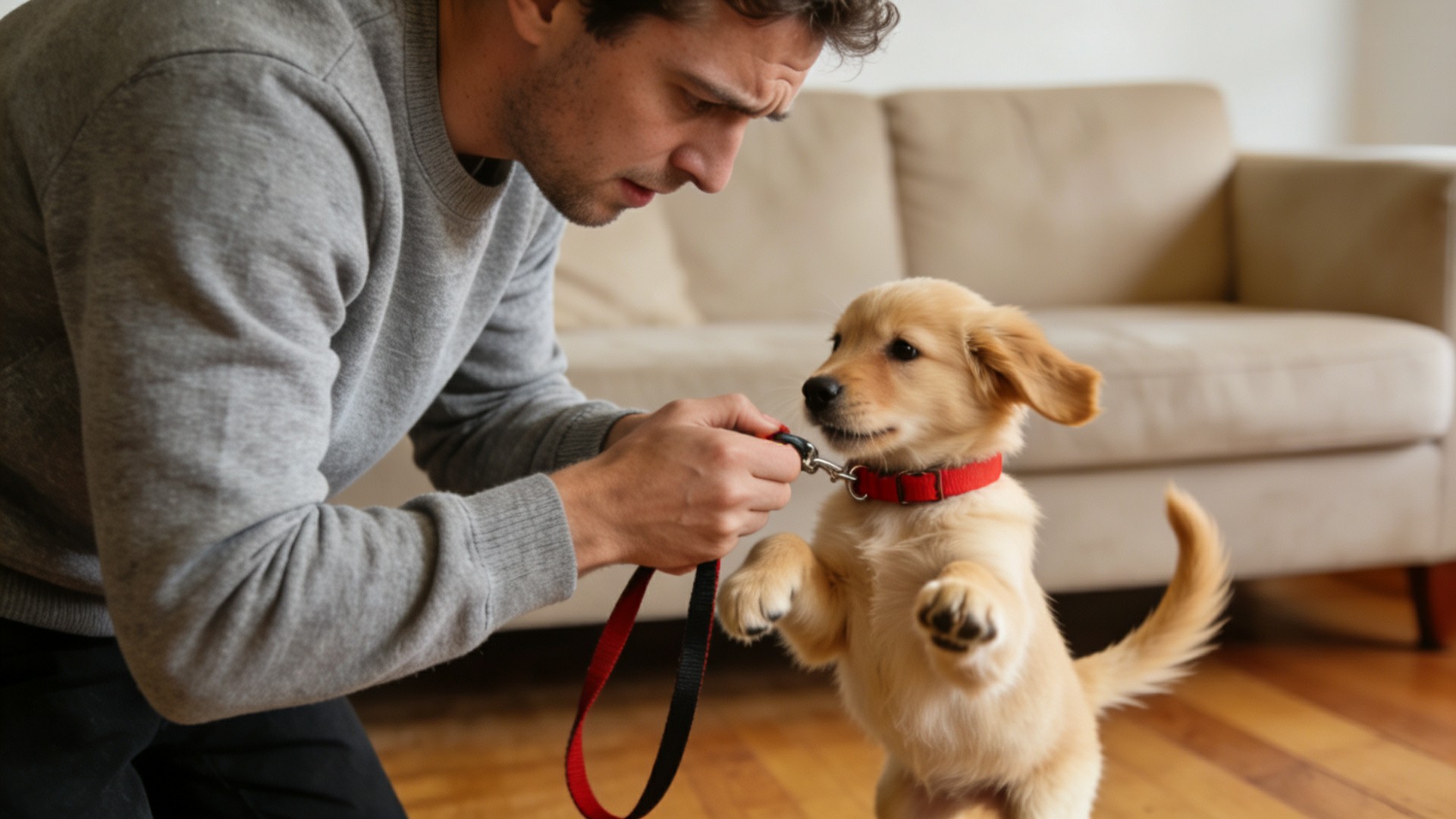
- A well-fitting harness or collar: A front-clip harness offers superior control for guiding your dog. Avoid retractable leashes.
- High-value treats: Small, smelly treats your dog loves (e.g., chicken, cheese).
- A clicker (optional): For precise marker training.
- Patience and a calm demeanor: Your energy sets the tone.
🔬 Desensitization: The First Critical Phase
The goal is to change your dog's emotional response to the elevator's components. Start during off-peak hours.
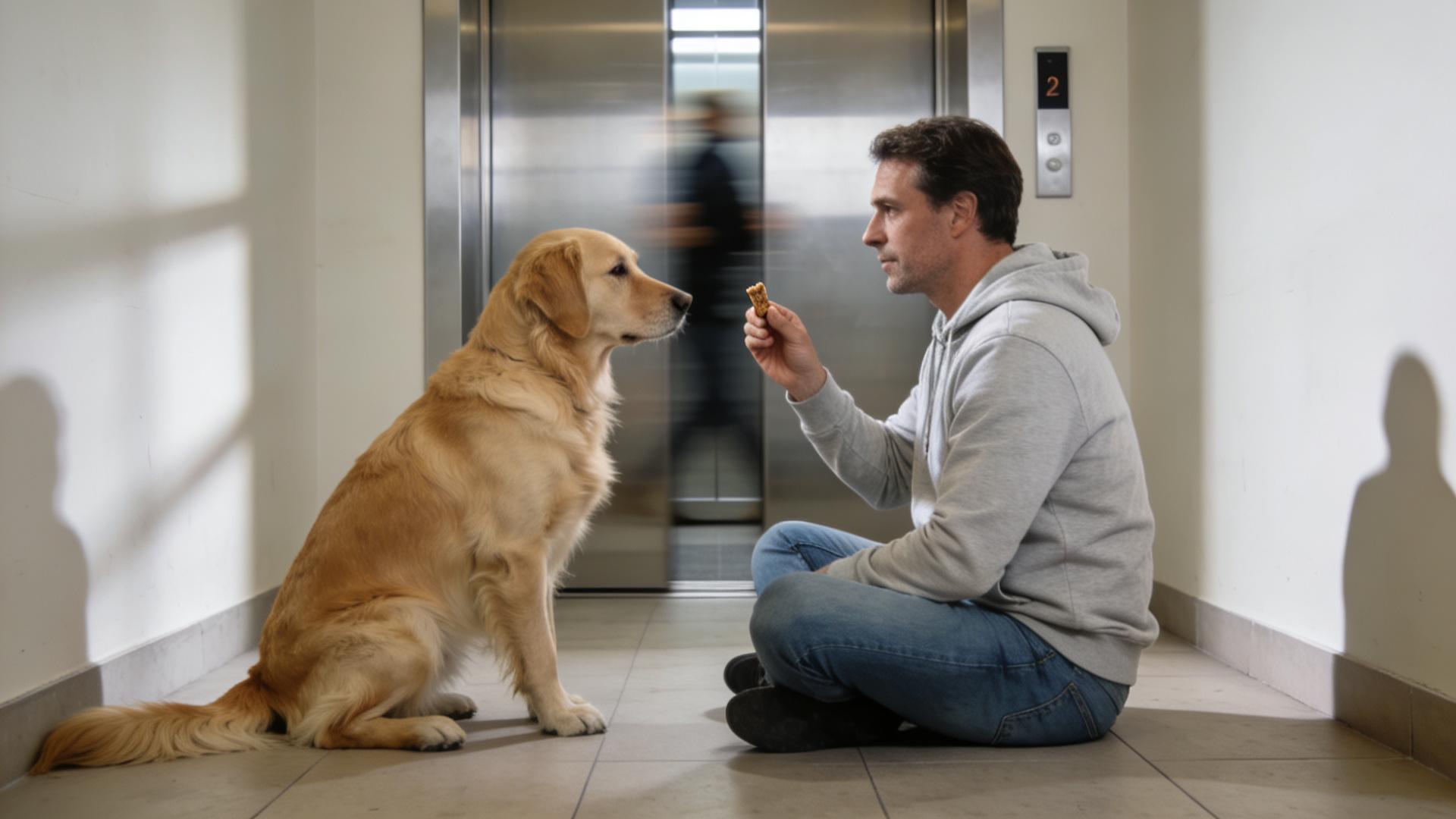
- Observe from a Distance: Start down the hallway from the elevator bank. Sit with your dog, reward calm behavior, and let them watch the doors open and close. Keyword: calm dog in elevator begins here.
- Approach the Call Button: Gradually move closer. Reward for staying focused on you. Press the button and reward, then retreat before the door opens.
- Door Familiarization: Stand near the open elevator (car empty, held open). Feed treats liberally for any calm interest. If your dog shows fear, increase the distance. Special Reminder: Never force your dog into the space.
🦮 Training Techniques: Positive Reinforcement in Action
With desensitization underway, you can begin the structured steps for how to train a dog to enter elevators calmly. Keep sessions short (5-10 minutes) and positive.
Step 1: Approaching the Elevator Door
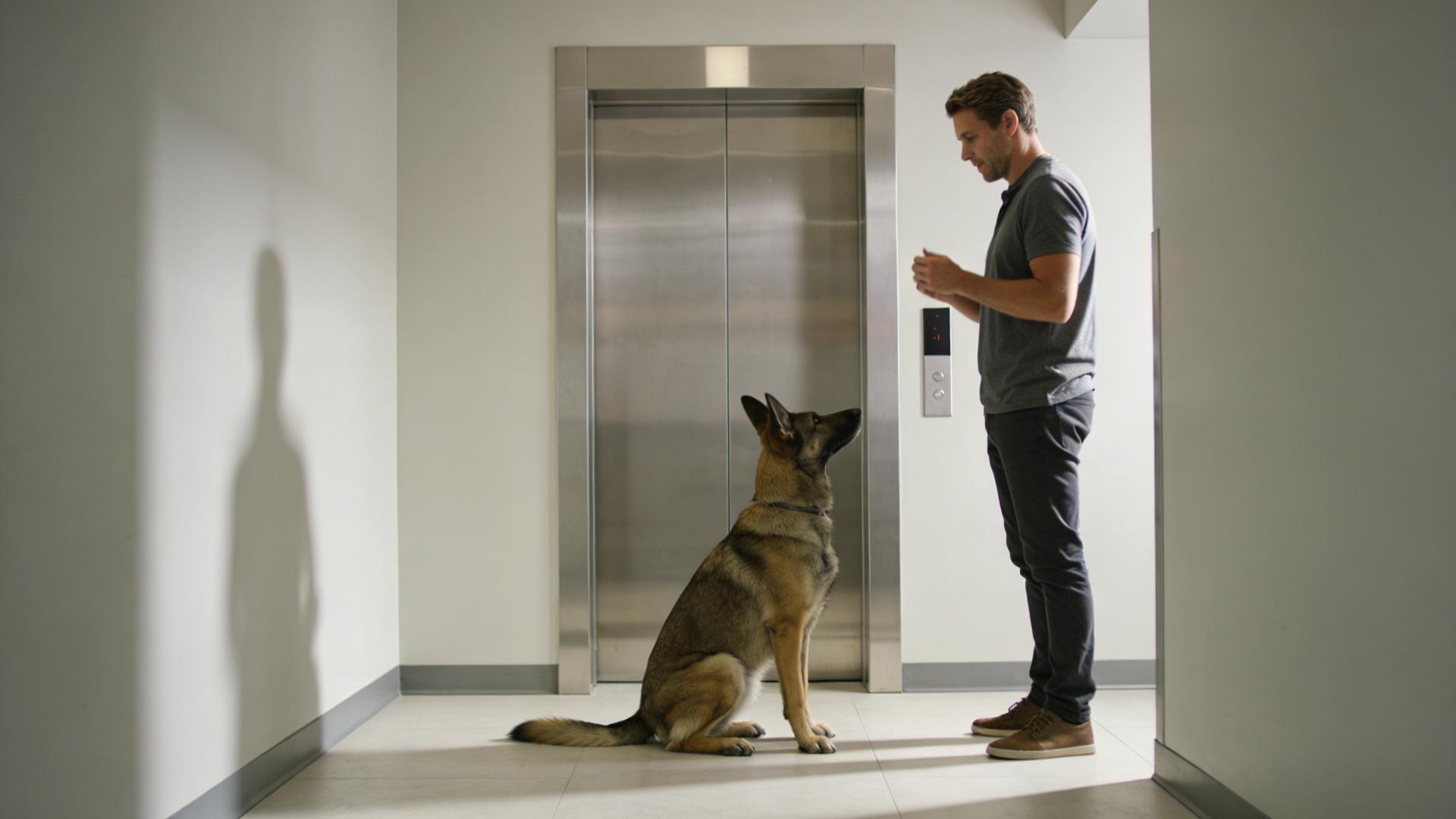
Teach a solid "sit" or "watch me" command several feet from the door. This establishes a calm pre-entry ritual. Practice this until it's automatic. This is the cornerstone of elevator etiquette for dogs.
Step 2: Entering the Elevator Calmly
- With the car empty and held open, cue your dog to sit at the threshold.
- Toss a treat inside. If they enter willingly, click/mark and praise. If not, reward for any forward movement.
- Practice entering, immediately turning around, and exiting. No ride yet. Build the association that the elevator is a "treat zone."
Step 3: Riding the Elevator with Composure
Once entering/exiting is calm, take a very short ride.
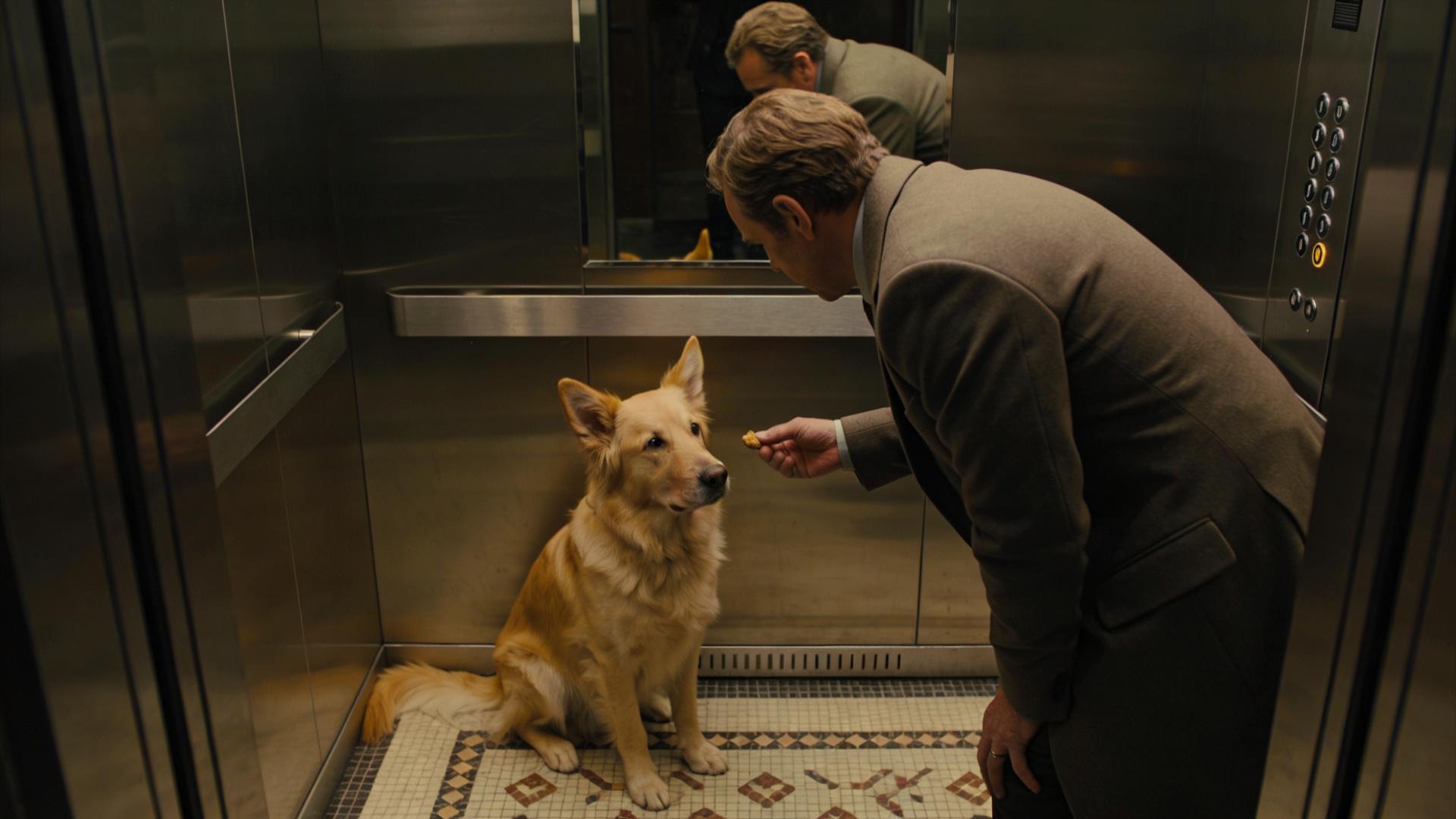
- Enter, have your dog sit or down in a corner (your chosen "spot").
- Reward continuously for staying in position.
- Press the button for the next floor. As the car moves, feed treats to distract from the sensation.
- Exit immediately upon arrival. Gradually increase ride duration and floors traveled.
Step 4: Exiting Smoothly and Safely
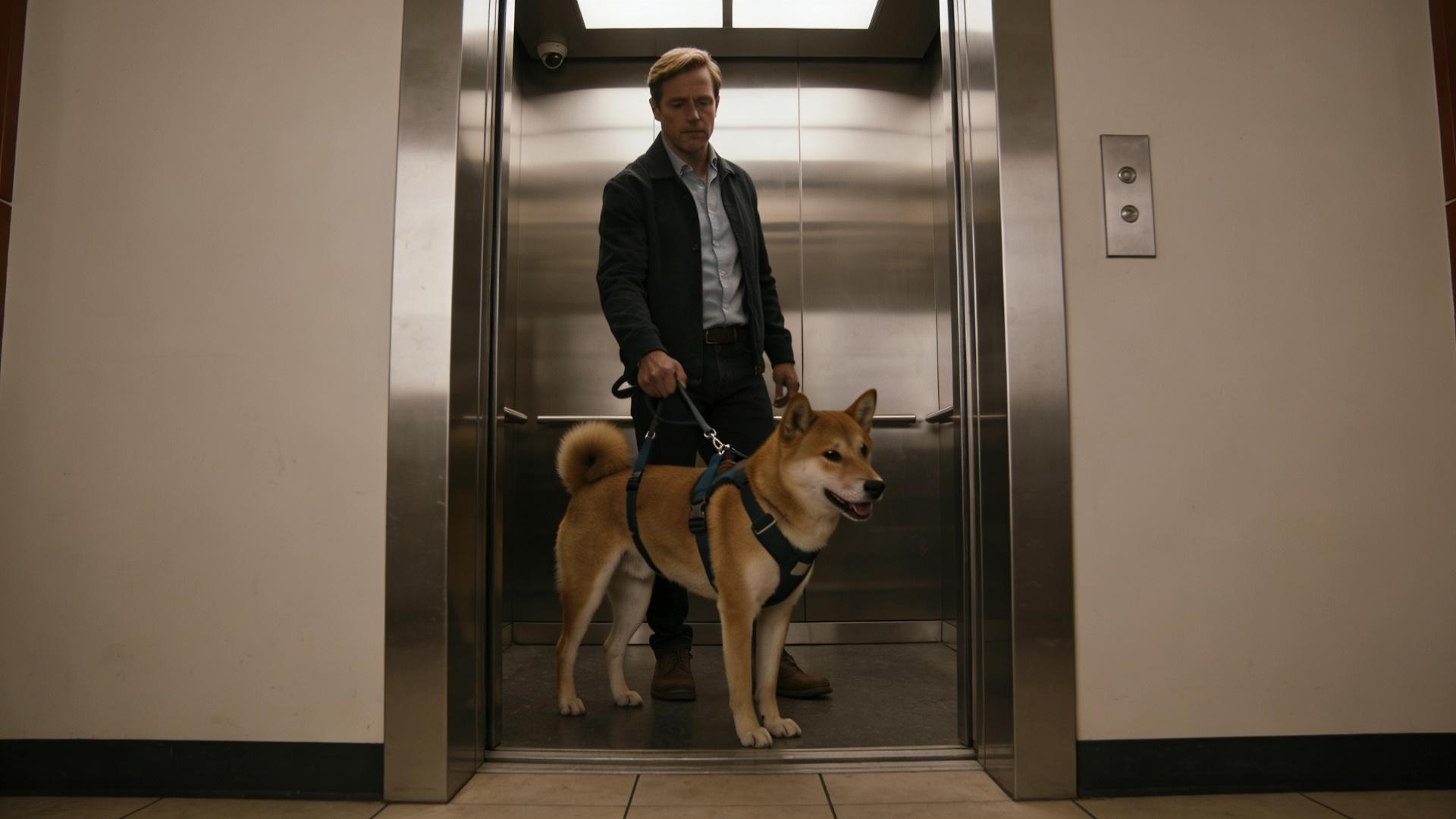
Teach your dog to wait for your release cue before exiting. This prevents bolting into a hallway or, worse, an elevator shaft. Practice a clear sequence: Door opens -> Dog waits in sit -> You say "Okay" -> Exit together.
⚠️ Common Challenges and Practical Solutions
Even with perfect training, hurdles appear. Here’s how to tackle them.
😨 Dealing with Fear and Anxiety
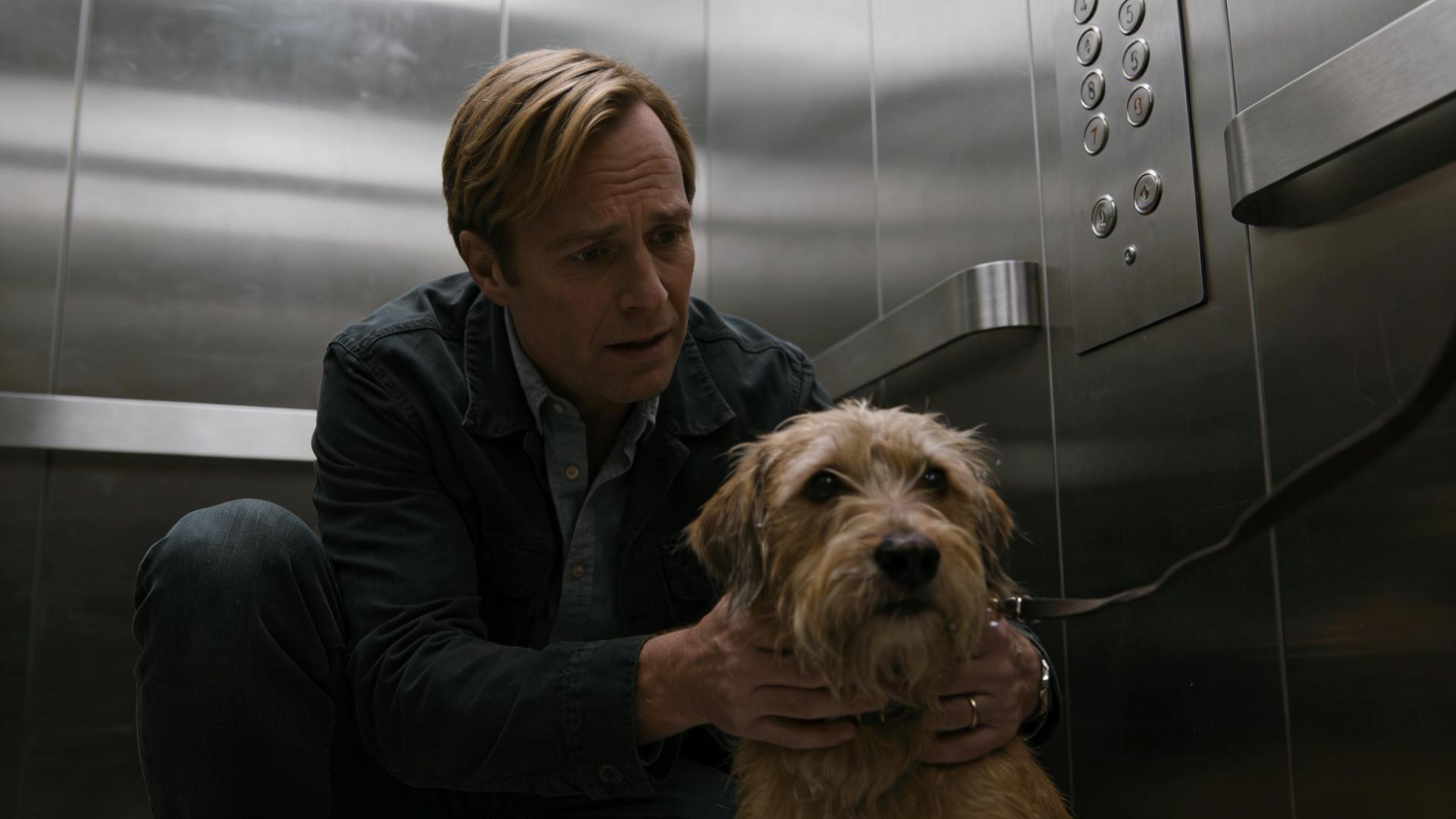
If your dog freezes, trembles, or tries to escape, you've moved too fast. Go back to desensitization. Consider pairing the elevator with something incredibly positive. For severe cases, consult a professional for managing dog anxiety in elevators. (Explore our guide on canine anxiety here.)
🎉 Managing Excitement and Over-enthusiasm
Some dogs see the elevator as a fun game. Jumping, pacing, or vocalizing requires firm calm control. Withhold rewards until all four paws are on the floor. Practice impulse control exercises like "leave it" at the door.
👥 Navigating Crowds and Other Passengers
This is the final test for teaching dogs elevator manners.
- Always ask permission before entering an elevator with others.
- Position your dog in a corner, placing yourself between them and others.
- Use a tight leash hold to minimize space taken.
- If your dog seems overwhelmed, wait for the next car. Special Reminder: Not everyone is comfortable around dogs.
🔒 Safety Tips for Confined Spaces
Dog training for elevator rides must always prioritize safety.
🦺 Leash and Harness Best Practices
Keep the leash short and loose—a tight leash signals tension. A harness protects the trachea if your dog pulls suddenly. Ensure all gear is in good repair. This is non-negotiable for health and safety.
🚨 What to Do in Case of Emergency
- If the elevator stalls, stay calm. Your dog will mirror your panic.
- Use the emergency button or phone for help.
- Carry water and a small foldable bowl, especially for long waits.
- Ensure your dog's ID tags and microchip info are current.
🎯 Conclusion: Consistency is Key
Mastering elevator etiquette for dogs boils down to three principles: progressive desensitization, relentless positive reinforcement, and unshakeable patience. There are no shortcuts. Every successful calm ride reinforces the behavior you want. Remember, you are teaching your dog to trust you in a strange environment, which strengthens your overall bond. (Solid leash training fundamentals will greatly support this process.)
Start slow, celebrate small wins, and don't be discouraged by setbacks. With consistent practice, the elevator will become just another mundane part of your daily walk.