Picture this: You’re in the backyard, treat pouch on your hip, ready to practice a solid "stay." You give the cue, take one step back, and your dog immediately breaks position. A wave of frustration rises. You try again, your voice tightening. Your dog now seems distracted, sniffing the ground, avoiding eye contact. The more you try to "get it right," the worse it gets. Your anxiety climbs, and your dog’s behavior unravels in tandem. Why does it feel like your emotional state is the invisible hand guiding—or sabotaging—your training session? The answer lies in a powerful, biological phenomenon: emotional synchronization. This is the shared emotional leash that connects your inner world directly to your dog's ability to learn, focus, and cooperate.

🧬 The Science of the Shared Leash: How You and Your Dog Connect
At its core, emotional synchronization is the process by which the emotional states of two individuals align and influence each other. In the human-canine emotional bond, this isn't mystical; it's neurobiological.
Mirror Neurons: The Unseen Mimics
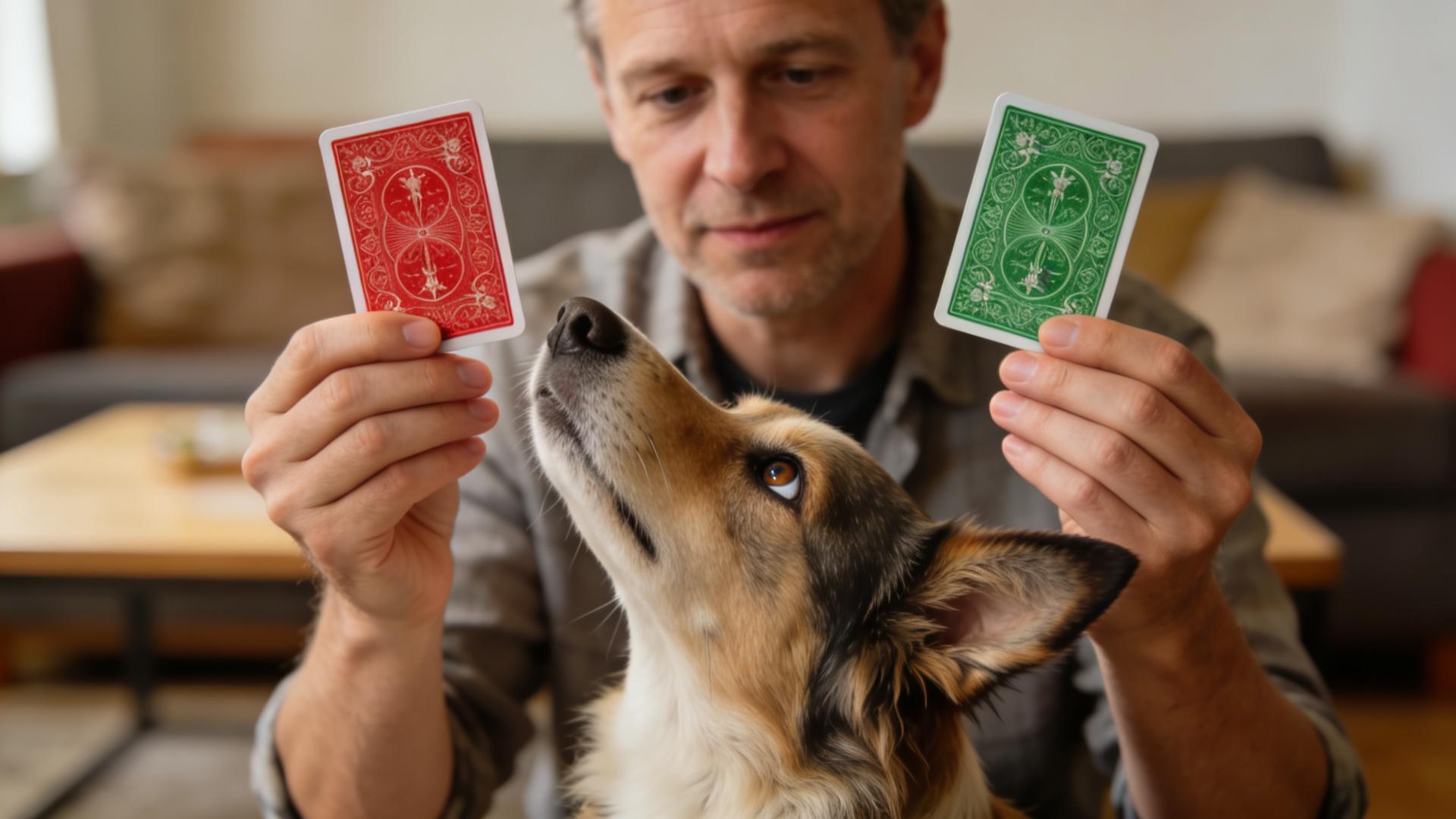
Both humans and dogs possess mirror neuron systems—brain cells that fire not only when we perform an action but also when we observe another doing it. This creates a foundation for empathy and rapid emotional contagion. Your dog is a master at reading the subtlest cues: a slight change in your breathing, a stiffening of your shoulders, a micro-expression of tension around your eyes. They aren't just obeying commands; they are mirroring your emotional state.
The Cortisol Connection: Sharing Stress Chemically
Stress hormones like cortisol are communicable. Studies have shown that when a human is stressed, their dog's cortisol levels can rise in synchrony. Your anxiety has a literal, chemical signature that your dog can detect through scent, touch, and behavior. This creates a state of co-regulation, where two nervous systems constantly feed back into one another, either escalating into a stress loop or harmonizing into calm focus.

😰 How Anxiety Manifests and Disrupts: The Training Saboteurs
Understanding the mechanism is one thing; seeing its disruptive impact on dog training effectiveness is another. An anxious handler unconsciously introduces a series of critical errors.
Inconsistent & Unclear Communication
Anxiety scatters focus. Your timing with markers (like a clicker or "yes") may lag or be premature. Your hand signals might become jerky. Your verbal cues can vary in pitch and tone, sounding more like a plea than a clear instruction. For a dog trying to decipher a complex code, this inconsistency is confusing and undermines learning.
The Punishment Spiral
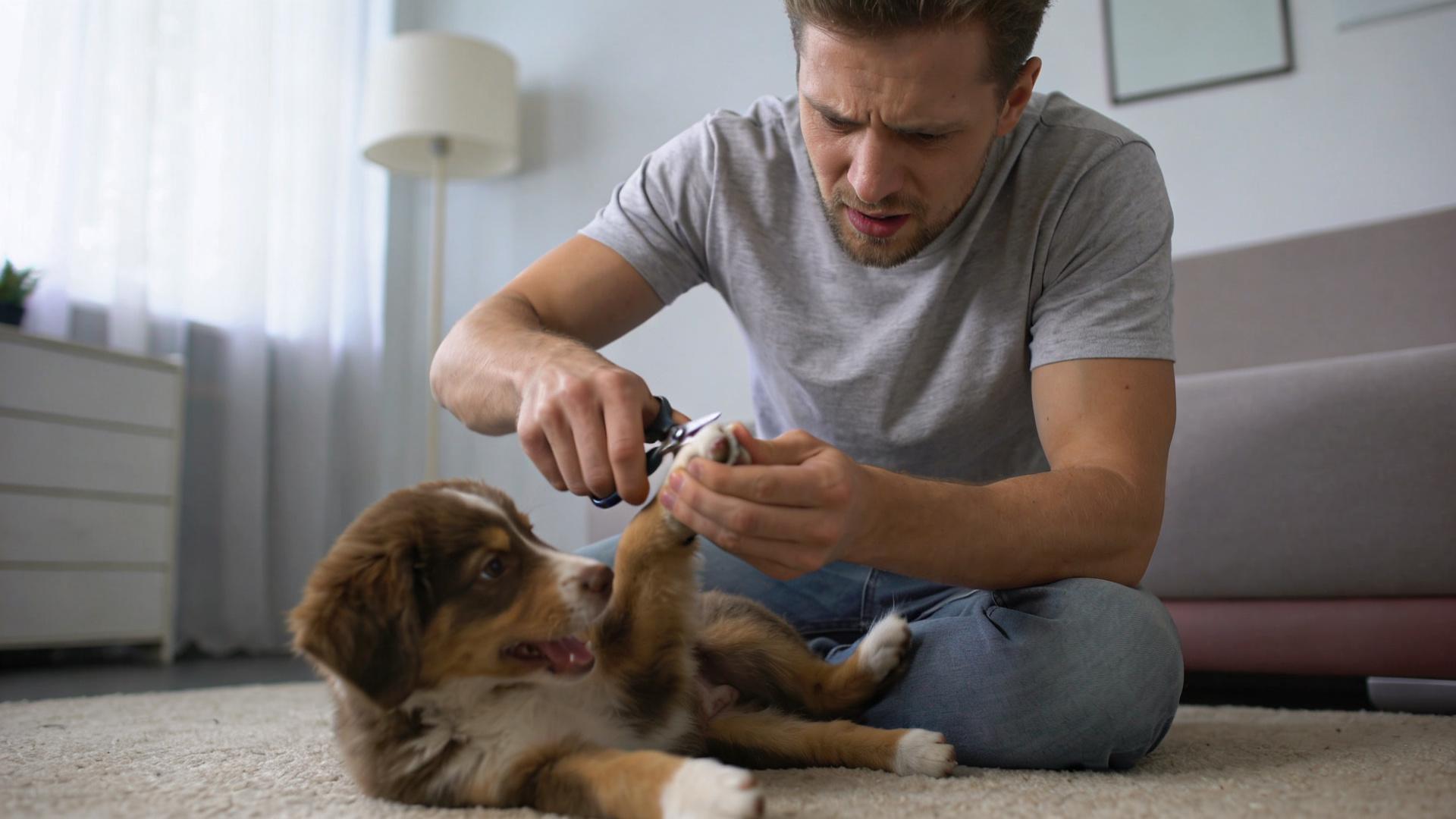
Frustration, born from anxiety over lack of progress, can boil over into punitive reactions—a harsh leash correction, a loud "NO!", a gesture of anger. This damages trust, the bedrock of all training. Your dog isn't learning what to do; they're learning that training sessions are unpredictable and scary, which only amplifies their stress and your own.
The Tight Leash (Literal and Figurative)
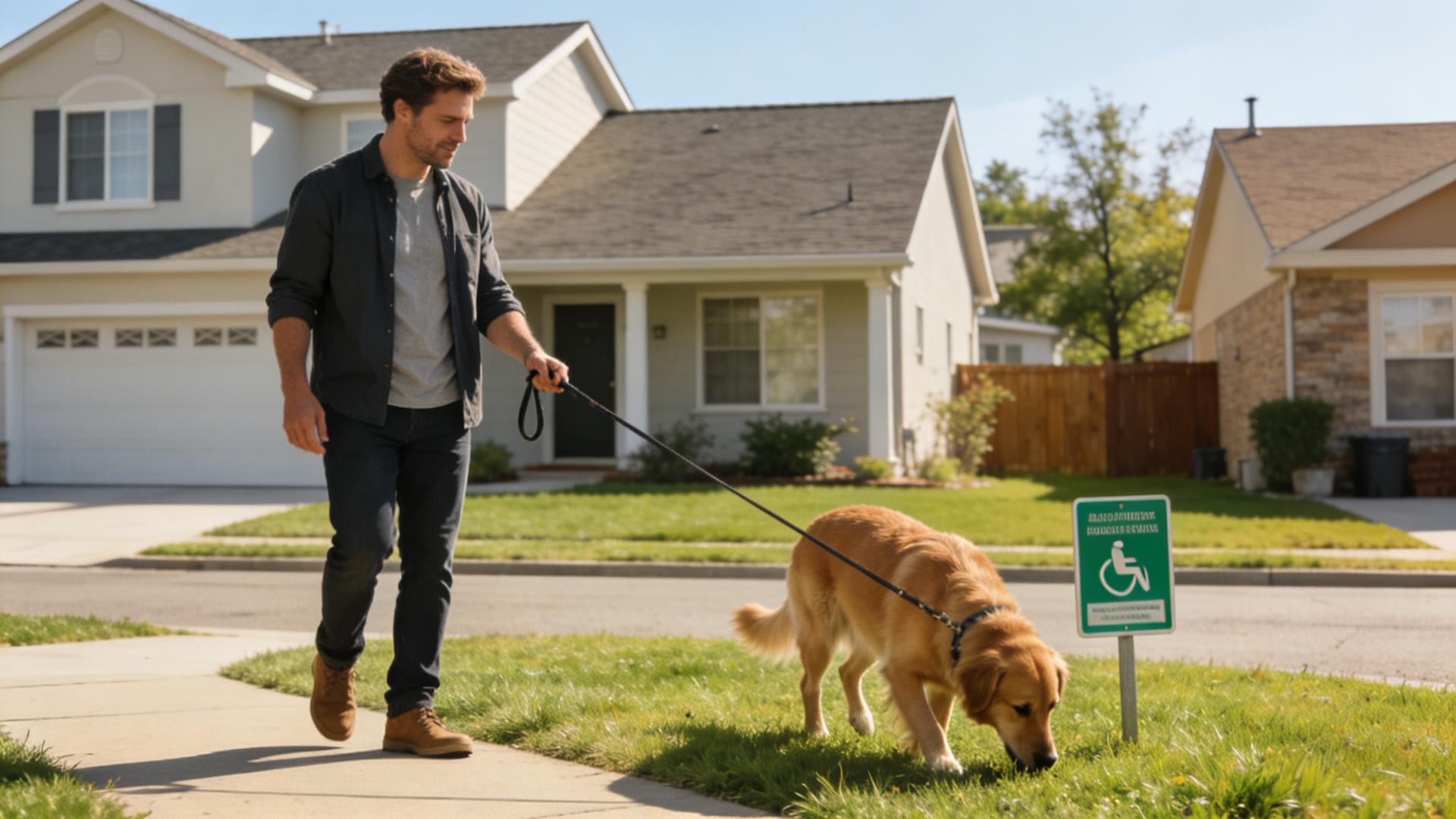
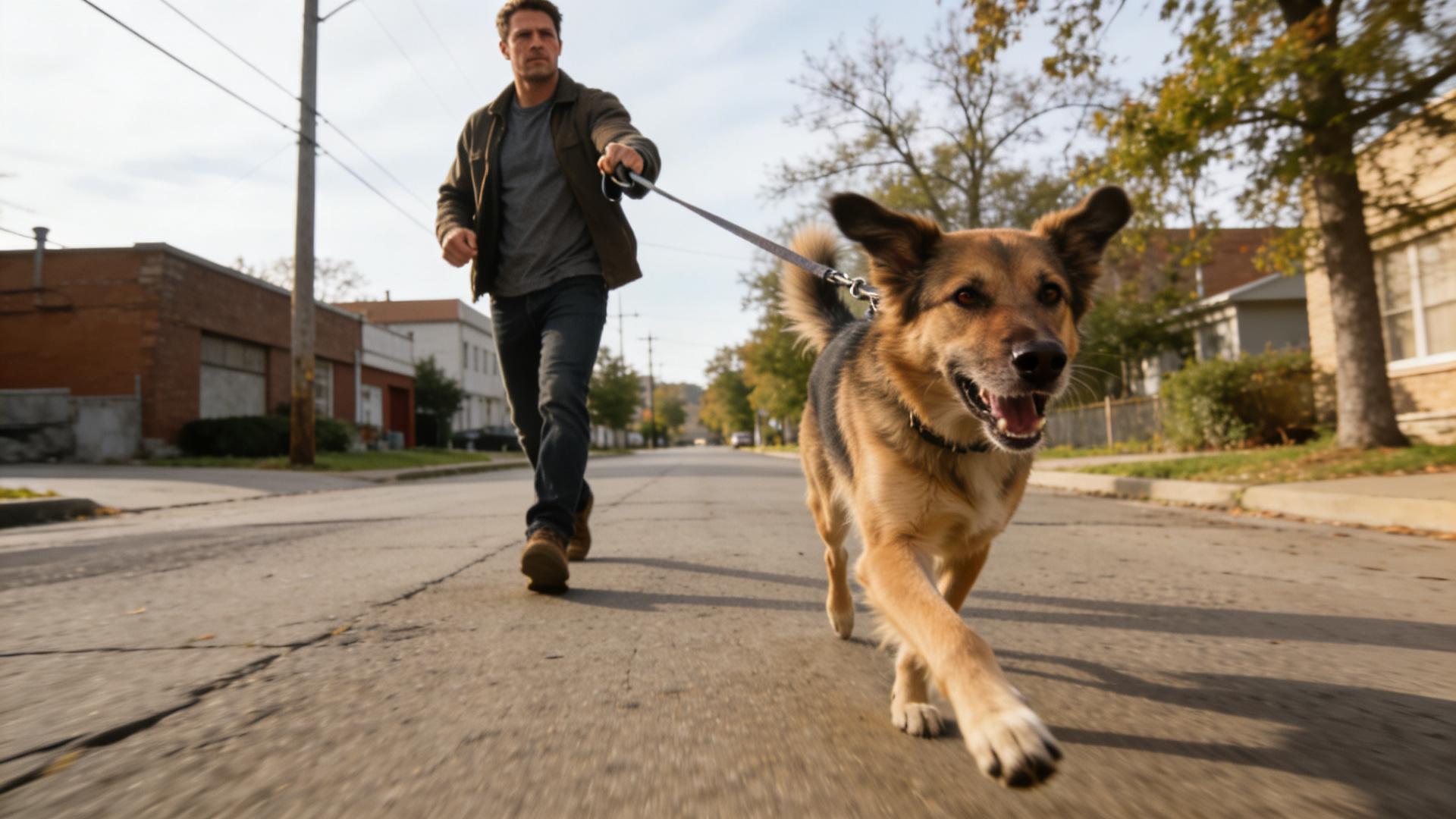
Anxiety physically tenses your body. You grip the leash tighter, hold your breath, and restrict your dog's natural movement and ability to problem-solve. This tension travels straight down the leash. Your dog reads this tightness as a signal that something is wrong, putting them on high alert rather than in a learning mindset.
Watch for these signs of stress transfer in your dog: excessive lip licking, yawning (outside of tiredness), turning away, sniffing persistently, or a lowered body posture. These are often responses to your energy, not just the environment.
🎯 The Practical Consequences in Common Training Goals
Let's apply this interference to real-world scenarios every owner faces. This is where the theory of emotional synchronization becomes a tangible obstacle.
🔗 Loose Leash Walking Falls Apart
You anticipate the pull before it happens. Your shoulders brace, your arm stiffens, and you shorten the leash "just in case." Your dog feels this tension and interprets the world as a place requiring pulling and vigilance, fulfilling your anxious prophecy.
📢 Recall & Stay Cues Lack Reliability
When you call your dog with underlying urgency or doubt in your voice ("Come here, please, come on NOW!"), you telegraph uncertainty. Dogs are less likely to commit to a recall that sounds fraught. Similarly, an anxious release from a "stay" (leaning forward, breath held) can trigger an early break.
🐕 Reactivity Training Hits a Wall
This is perhaps the clearest example. When you see another dog approaching, your heart races, you grip the leash, and whisper "it's okay, easy..." in a tense tone. Your apprehension primes your dog for a threat. You've unintentionally confirmed their fear: "My human is also worried, so I was right to be alarmed!"
🌟 Complex Skill Progress Stalls
Learning new tricks or nuanced skills requires a calm, exploratory mindset from both parties. An anxious environment, charged with pressure to perform, shuts down the cognitive flexibility needed for advanced learning.

🔄 Strategies for Breaking the Cycle: Training Yourself First
The most effective training tool is a calm, present handler. Here’s how to cultivate that.
🎯 Priority #1: Handler Self-Regulation
Your calm is your dog's cue. Before any session, take 60 seconds for focused breathwork. Inhale for 4 counts, hold for 4, exhale for 6. During training, monitor your own body. Is your jaw clenched? Are you holding your breath? Reset with a deep exhale.
🎯 Manage Expectations & Set Micro-Goals
Abandon the goal of "perfect obedience today." Aim for "three successful sits with a calm leash." Celebrating tiny wins builds positive momentum for you and your dog, breaking the frustration cycle.
🎯 End on a Positive Note, Always
If you feel frustration rising, it's time to stop. But don't end in failure. Ask for one simple behavior your dog knows well (like "touch" to your hand), reward it generously, and have a party. This preserves the joy of training.
🎯 Seek Professional Support (For You)
If your anxiety is chronic and significantly impacts life—and training—addressing it is not just self-care; it's an act of kindness for your dog. A calmer you creates a safer, more predictable world for them.
💞 Conclusion: Synchronization as Your Superpower
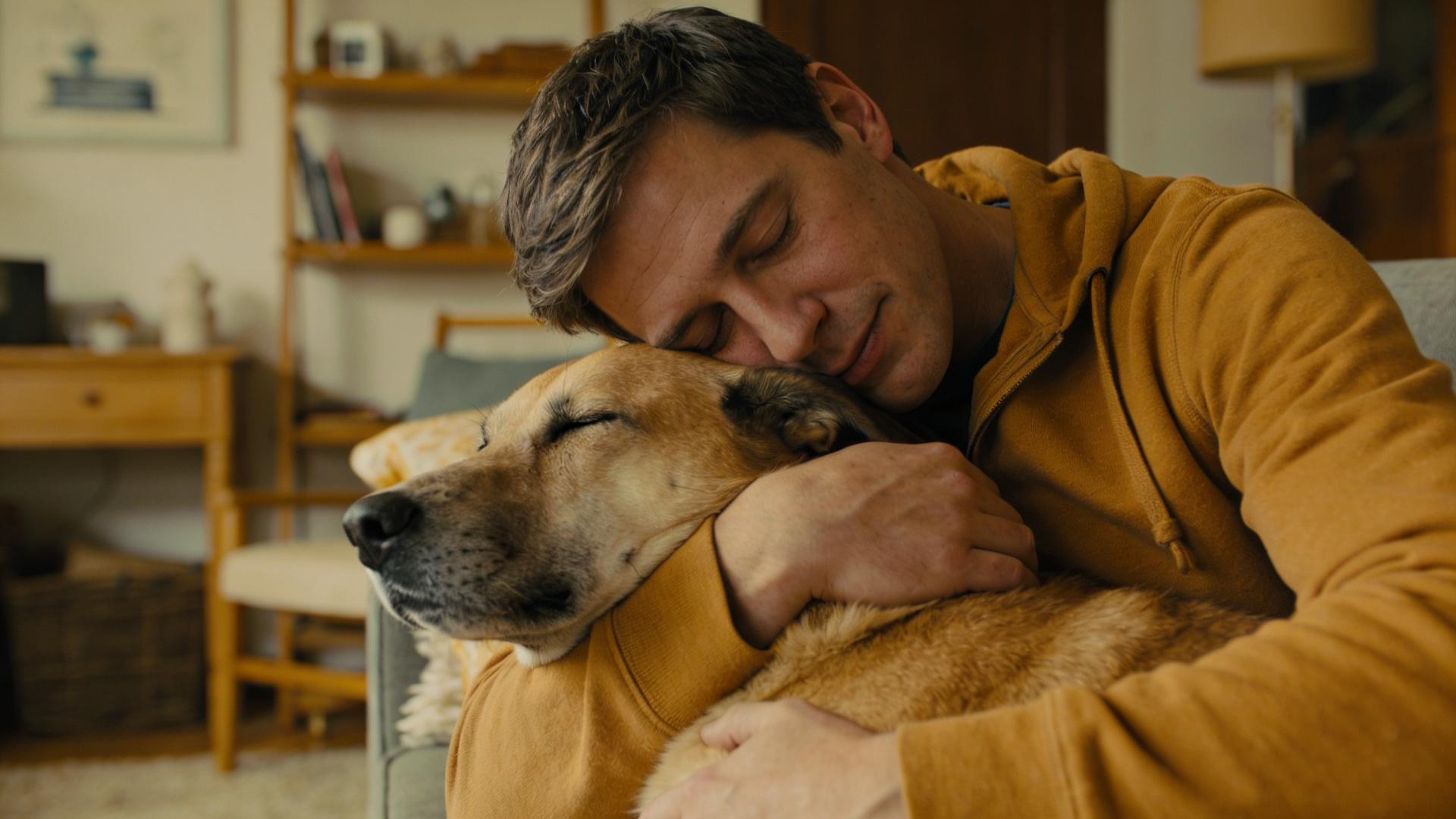
Emotional synchronization is not a flaw in the human-canine emotional bond; it is the very essence of your deep connection. The goal is not to eliminate this link but to master its direction. By cultivating your own calm confidence, you don't just give better commands—you become a secure base from which your dog can explore, learn, and thrive. Effective training is less about dominance and more about harmony; less about forcing compliance and more about achieving alignment.
Your call to action is simple: In your next interaction, observe yourself. Notice your breath, your posture, your internal dialogue. Then, watch your dog's response shift as you consciously adjust your own energy. You hold the other end of the emotional leash. Choose to lead with calm.