You’ve just settled onto the couch with a fresh cup of coffee when you hear it—the distinctive sound of shredding fabric. You turn to see your adorable new puppy gleefully disemboweling the corner of the living room rug. Or perhaps you’re trying to have a calm conversation with a guest, only to be constantly interrupted by a furry little tornado jumping up, nipping at sleeves, and barking for attention. These moments of inappropriate puppy behavior are universal rites of passage for dog owners, sparking equal parts frustration and helplessness. The good news? You don’t need to endure weeks of chaos. With two powerful, clear-cut tools—the NO command and the OFF command—you can communicate your boundaries instantly and effectively, creating a safer, happier home for both you and your pup.

📚 The Foundation: What Are Prohibition Commands?
Before we dive into the “how,” let’s clearly define the “what.” Prohibition commands are short, consistent verbal cues used to immediately halt an action you do not want your dog to perform. They are not punishments, but rather clear communication tools that mark the exact moment a behavior is unacceptable. Think of them as a verbal stop sign.
The Universal "NO": The General Stop Signal
The NO command is your all-purpose interrupter. It is used for a wide array of unwanted actions where the puppy simply needs to stop what they are doing. This includes chewing on shoes, biting hands, barking excessively, digging in houseplants, or scavenging on the floor. It simply means, “Cease that action right now.”
The Specific "OFF": The "Remove Yourself" Directive
The OFF command is more specific. It is used exclusively to tell your dog to get off of something or someone. Its primary applications are for when your puppy jumps on people or climbs onto furniture you’d prefer they avoid. It means, “All four paws on the floor.” Using “OFF” for this specific action is clearer for the dog than a generic “NO” and helps prevent confusion.

🎓 The Step-by-Step Training Methodology
Teaching these commands is a deliberate process. You are building a clear association between the word, the action, and the consequence (stopping the action). Rushing or being inconsistent will only muddy the waters.
🔧 Teaching the "NO" Command
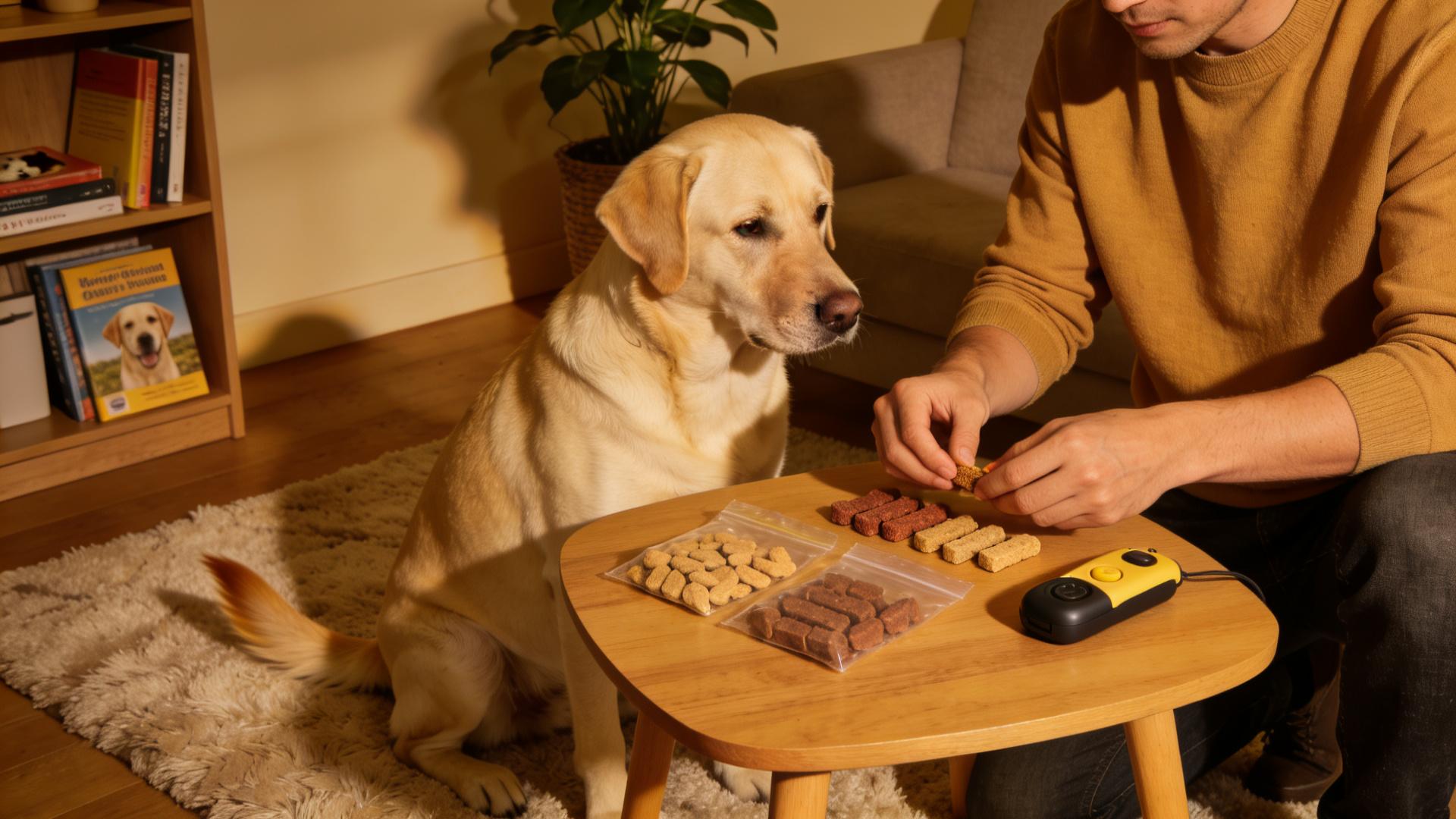
Step 1: Set Up for Success. Start in a quiet, low-distraction environment with your puppy on a leash. Have a stash of high-value treats ready.
Step 2: Create a "Temptation." Place a mildly interesting item (like a toy or a clean shoe) on the floor within your puppy’s reach.
Step 3: Mark and Correct the Moment. The instant your puppy shows interest and moves toward or sniffs the item, say “NO” in a firm, low, and calm tone. Do not yell. Simultaneously, give a gentle, quick tug on the leash to break their focus.
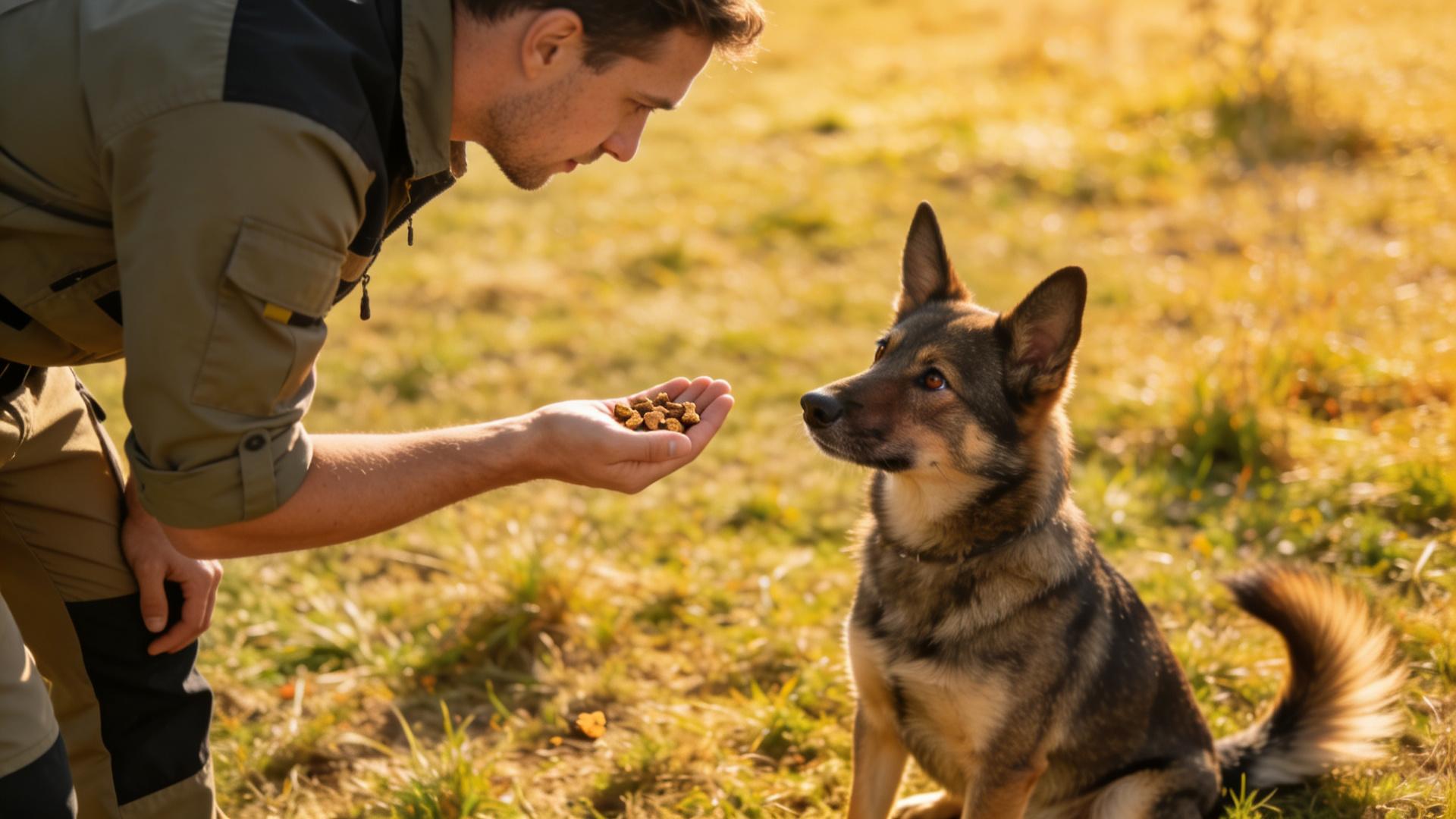
Step 4: Redirect and Reward Immediately. The millisecond they disengage from the item, pivot! Use a happy voice to offer an alternative, like a chew toy you approve of, and say “Yes!” or “Good!” When they take or interact with the approved item, shower them with praise and a treat.
Body Language Tip: Stand tall. Your posture should be confident and still. Avoid looming over the puppy, which can be intimidating.
🛋️ Teaching the "OFF" Command
Step 1: Initiate the Action. You can lure your puppy onto a low stool or the first step of a staircase with a treat to practice, or wait for a natural jumping/hopping-up moment.
Step 2: Issue the Command at the Right Time. As they have their paws on the surface (or person), say “OFF” in that same firm, calm voice.
Step 3: Lure or Guide the Desired Action. Immediately bring a treat to their nose and lure them backwards and down until all four paws are on the ground. You can also gently guide them off with light leash pressure.
Step 4: Reward the Compliance. The moment their paws hit the floor, praise enthusiastically (“Good OFF!”) and give them the treat. The reward must happen on the floor, not in the air.
Body Language Tip: Turn your side or even step slightly into the puppy if they are jumping. This removes the rewarding “face-to-face” contact they seek.

⚡ The Non-Negotiable: Perfect Timing is Everything
This is the single most critical element of effective commands. The prohibition command must be delivered during the unwanted behavior, not three seconds after. A dog’s brain makes immediate associations. If you say “NO” after they’ve already dropped the slipper and walked away, they will associate the “NO” with whatever they are doing at that later moment (e.g., looking at you or walking), creating utter confusion. For instant correction, your timing must be razor-sharp.

🤝 The Golden Rule: Unwavering Consistency
Canine obedience training thrives on predictability. Every family member must use the exact same command words (“NO” and “OFF,” not “Stop it,” “Down,” “Hey!,” etc.) with the same tone and follow the same rules. If the puppy is not allowed on the couch, this must be enforced by everyone, every single time. Inconsistency teaches the puppy that the rules are optional, which will dramatically slow or halt all progress in correcting puppy habits.

❌ Common Pitfalls: What to Avoid in Prohibition Training
- Overusing the Commands: If you’re saying “NO” 50 times a day, it becomes background noise. Save it for important corrections and manage the environment to prevent constant misbehavior.
- Yelling or Sounding Angry: A loud, angry “NO!!” can create fear or excitement, not understanding. Use a firm, interruptive tone, not an emotional one.
- Failing to Follow Through: You cannot say “OFF” and then ignore the puppy if they don’t comply. You must guide them to perform the action to ensure the command has meaning.
- Missing the Redirection: The command tells them what to stop. You must show them what to do instead. This is the heart of positive dog training basics.

🌟 The Positive Balance: Redirection is Key
Prohibition commands are only half of the equation. The ultimate goal of puppy training is to teach what to do. Always pair your “NO” or “OFF” with an opportunity to earn a reward for a good choice. After the “NO” for chewing the table leg, redirect to a bully stick. After the “OFF” from jumping, ask for a “Sit” and reward that lavishly. This turns a potentially negative interaction into a learning moment and strengthens your bond.

🐕 Practical Applications: Putting NO and OFF to Work
Applying NO:
• Chewing Correction: Puppy mouths your hand. Say “NO,” freeze your hand (making it boring), then offer a toy. Praise for chewing the toy.
• Barking Management: Puppy barks at a passerby. Say “NO” as they take a breath, then immediately ask for an incompatible behavior like “Sit” or “Look at me.” Reward the quiet focus.
Applying OFF:
• Jumping Prevention with Guests: Coach guests to say “OFF” as the puppy jumps, turn their body, and only give attention (praise, treats) when all four paws are planted.
• Sofa Boundaries: The moment paws go on the cushion, say “OFF,” guide them down, and reward them with a treat and praise on their dog bed nearby.

🔧 Troubleshooting Guide: When Commands Seem to Fail
Problem: Puppy ignores the command completely.
Potential Reason & Fix: Distraction Level Too High. Practice in a easier environment first. The value of the reward must exceed the value of the misbehavior. Swap kibble for chicken to increase motivation.
Problem: Puppy seems confused or cowers when you say “NO.”
Potential Reason & Fix: Tone is Too Harsh. Recalibrate your tone to be firm but not frightening. Ensure you are always following with a positive redirection opportunity.
Problem: The puppy gets off the couch but jumps right back up.
Potential Reason & Fix: Incomplete Training. You’ve taught “OFF” but not what to do instead. After the “OFF,” immediately ask for and reward a sustained behavior like “Go to your bed” or “Sit-Stay.”

✅ Conclusion: Clarity, Consistency, and Connection
Mastering the NO and OFF prohibition commands provides you with a clear, instantaneous language to guide your puppy away from danger and nuisance behaviors. When executed with pinpoint timing, ironclad consistency, and balanced with positive reinforcement, these commands are not about suppression but about communication. They form the cornerstone of mutual understanding, setting the stage for a lifetime of good manners and a deep, trusting relationship with your canine companion.