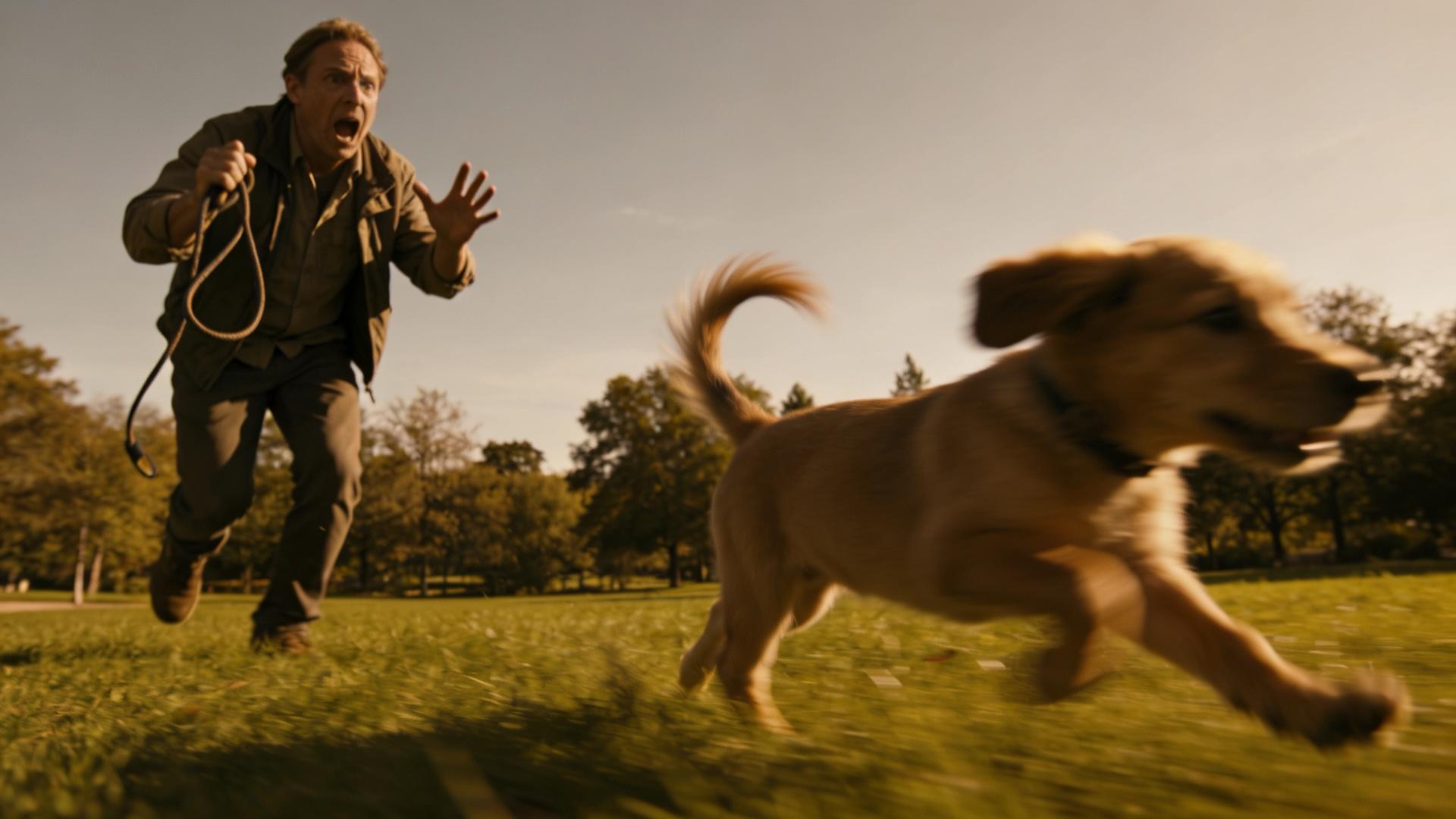
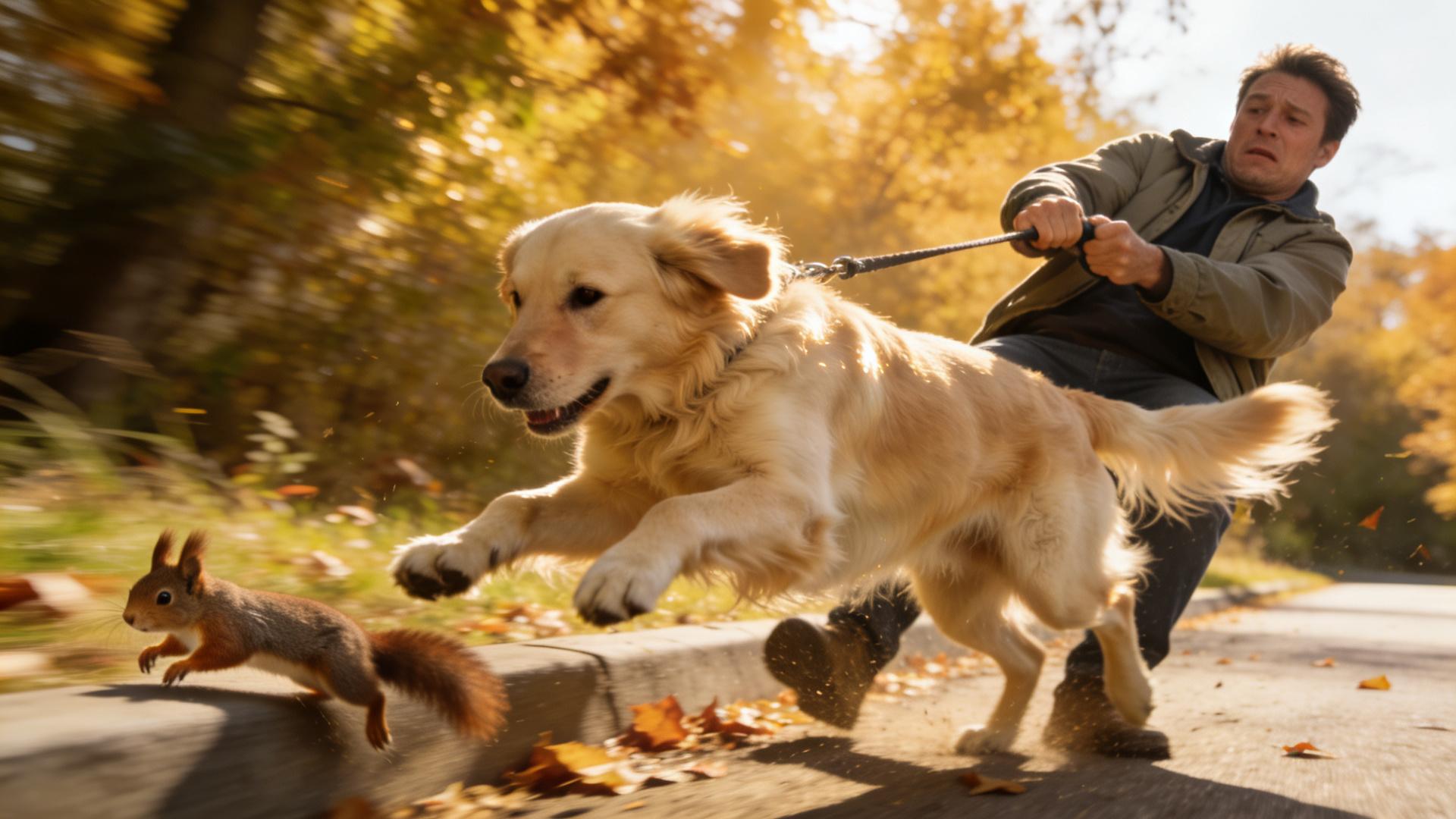
Every dog owner knows the heart-stopping moment: a split-second glance away, the sudden dip of the head, and the frantic, guttural “What is in your mouth?!” 🚨. Your dog has just vacuumed up a mystery morsel from the sidewalk—a discarded chicken bone, a moldy piece of bread, or something far worse. This scavenging crisis isn’t just a frustrating habit; it’s a direct threat to your dog’s health, risking poisoning, intestinal blockage, and severe illness. This guide is your definitive roadmap to building a reliable, automatic “refusal to eat” behavior, transforming your anxious walks into relaxed, safe partnerships.
🐾 Understanding the Why: It's Not Just "Bad Behavior"
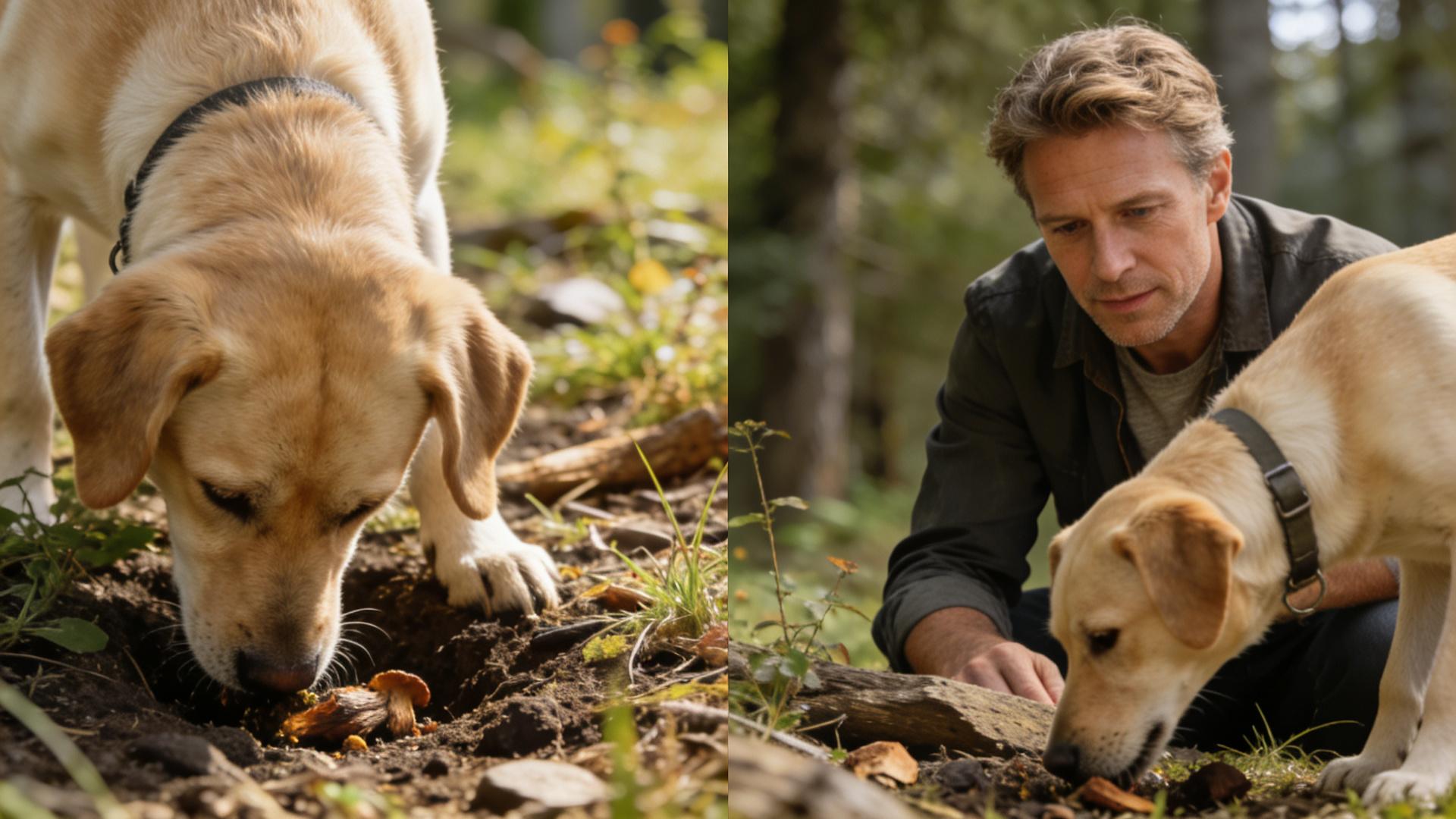
Before we can fix the behavior, we must understand it. Your dog isn’t trying to be disobedient or give you a hard time. Scavenging is rooted in deep-seated instinct and potential need.
The Canine Drives at Play:
- Ancient Hunting & Foraging Instincts: Dogs are opportunistic scavengers by nature. Finding and consuming food is a self-rewarding, primal behavior.
- Boredom & Lack of Enrichment: A dog with pent-up mental and physical energy may turn scavenging into a “treasure hunt” game.
- Nutritional Deficiencies or Medical Issues: Conditions like diabetes, thyroid problems, or malabsorption syndromes can cause excessive hunger. Special Reminder: Your first step should always be a veterinary check-up to rule out any underlying medical causes.
🎓 Foundational Training: The Two Essential Commands
Think of “Leave It” and “Drop It” as your emergency brake and your safety net. You need both for a comprehensive solution.
Mastering the "Leave It" Command
This command means, “Don’t touch, don’t lick, don’t even think about that thing.”
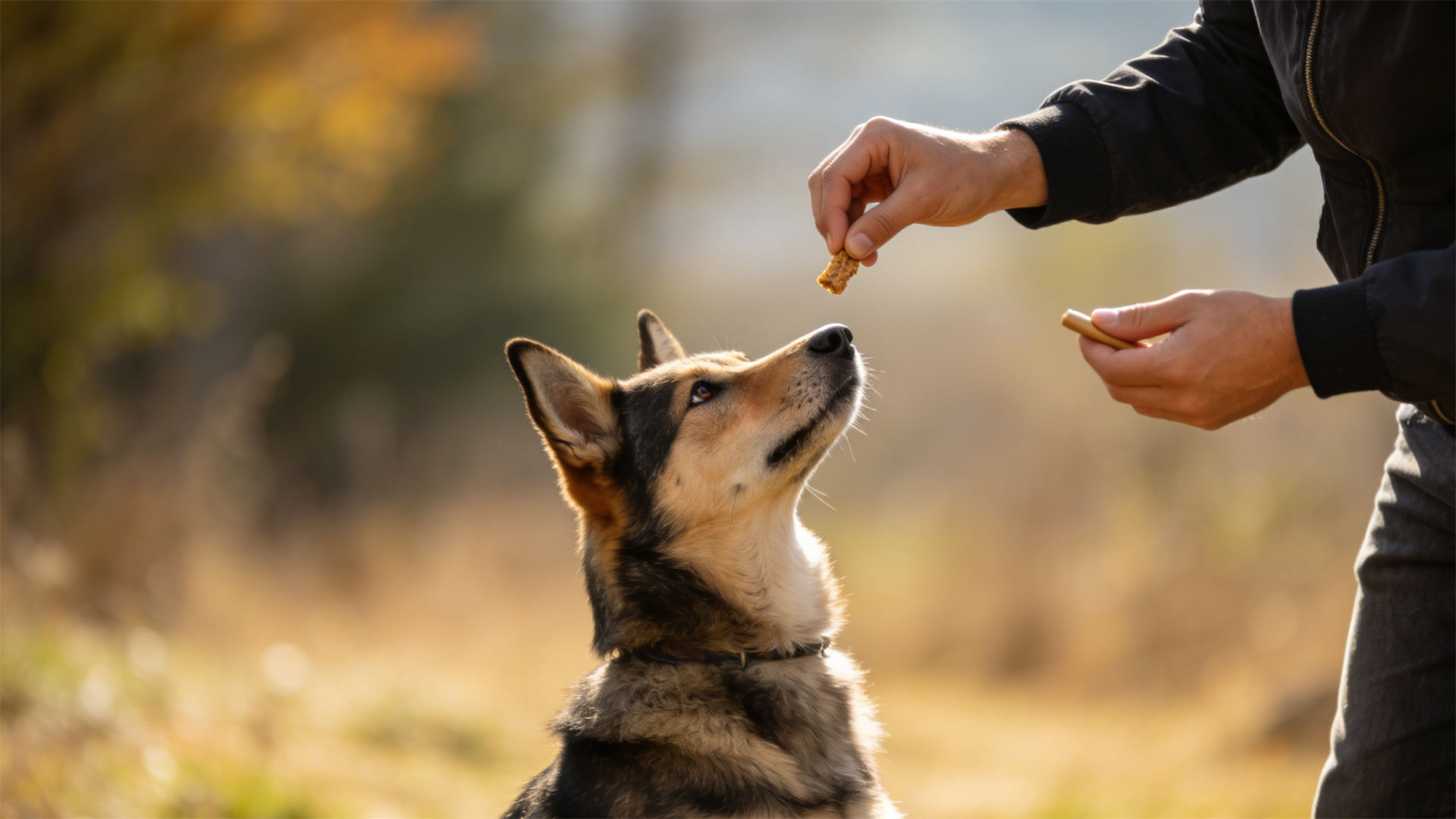
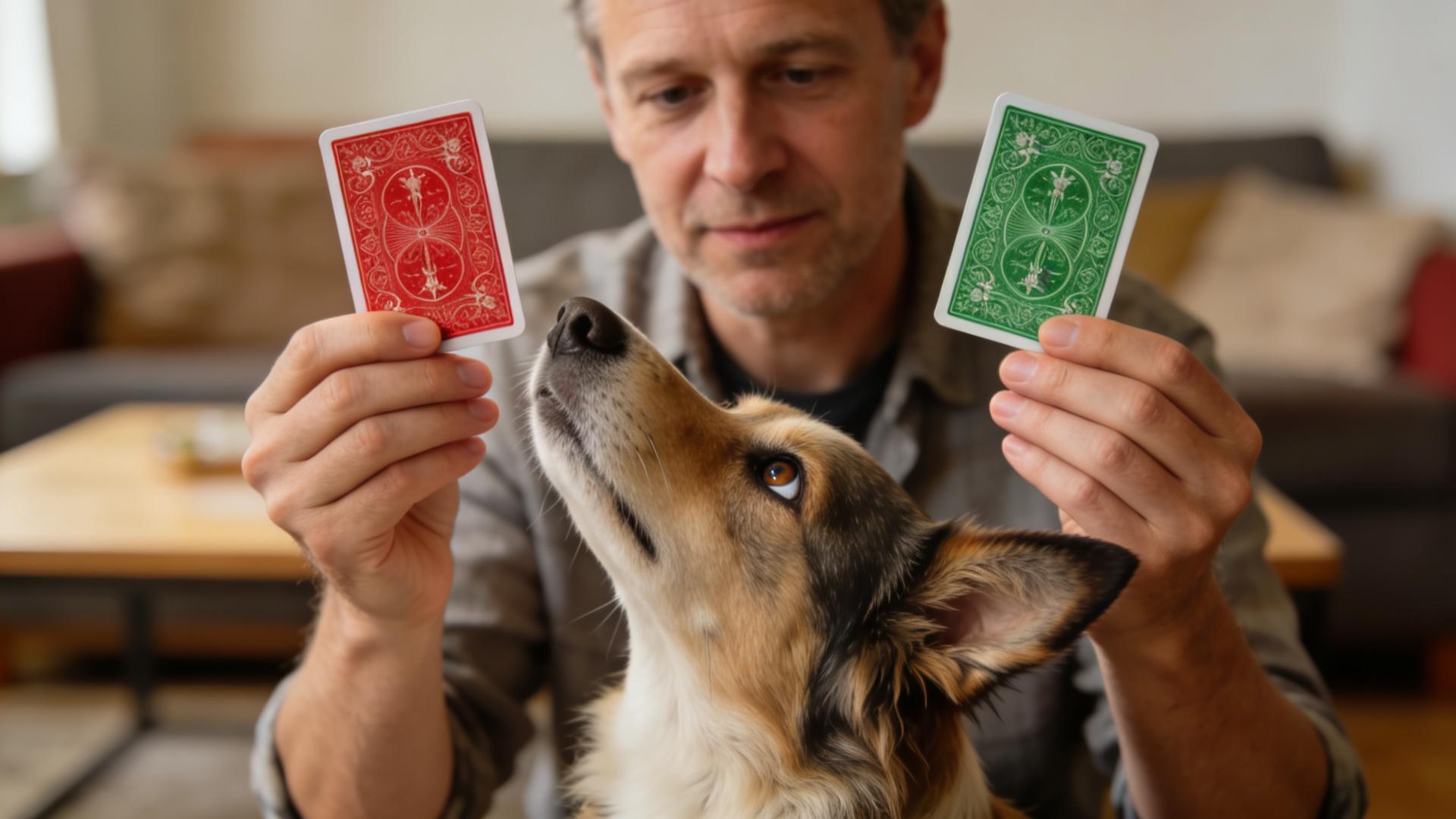
- Start Easy: With your dog on a leash, place a low-value treat (like a piece of kibble) in your closed fist. Let your dog sniff and paw at it. The moment they pull their nose away, even out of frustration, mark that behavior with a clicker or a “Yes!” and reward them with a high-value treat from your other hand.
- Introduce the Cue: Once they reliably back off from your closed fist, add the verbal cue “Leave It” just before you present your fist.
- Increase Difficulty: Progress to placing the low-value treat on the floor under your foot, then on an open palm, and finally on the floor a foot away. Always reward compliance with a higher-value reward than the one they’re leaving.
Perfecting the "Drop It" Command
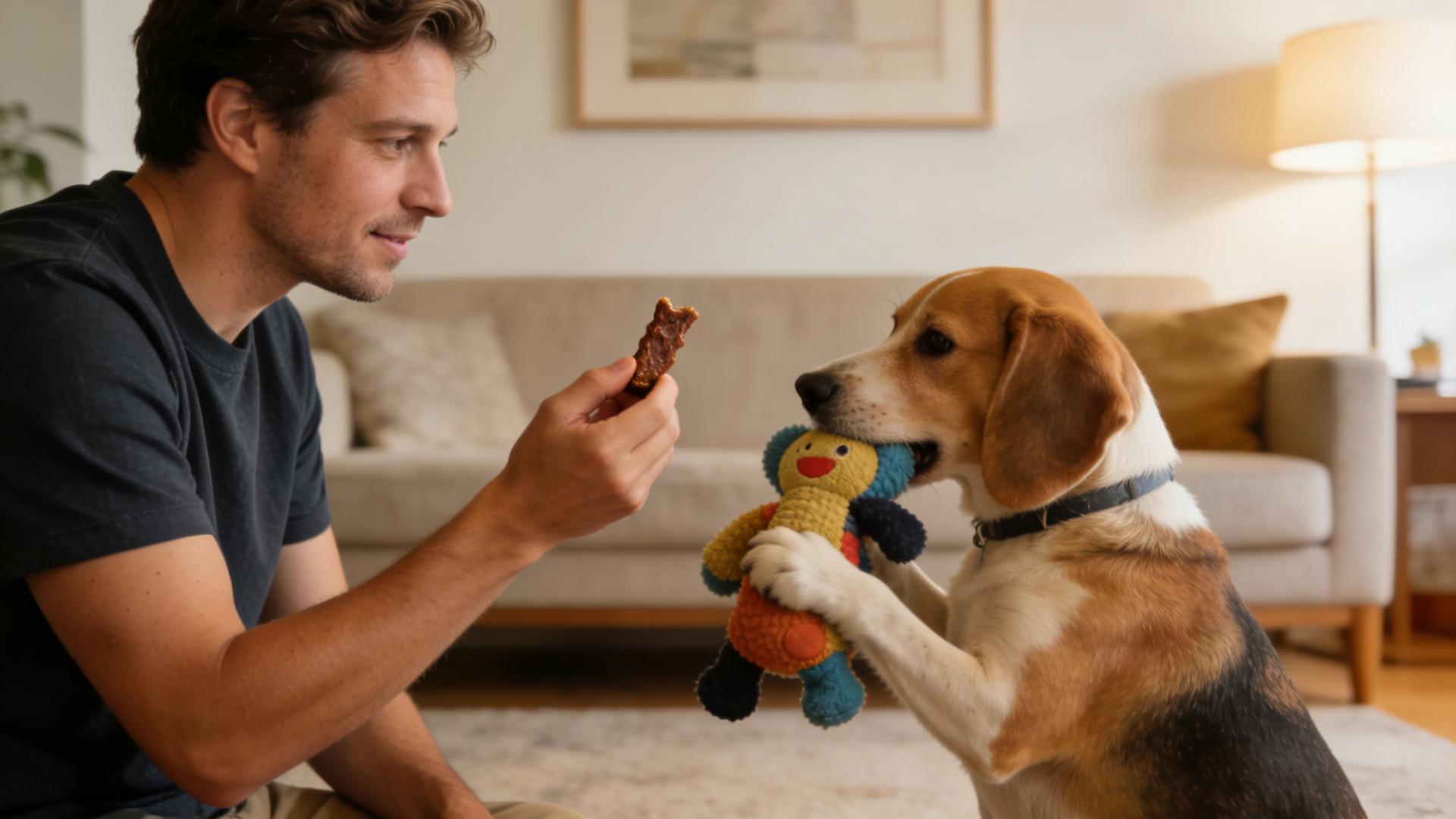
This command saves the day when “Leave It” fails. The goal is to make releasing an item a positive, rewarding experience—not a confrontation.
The Positive Exchange Technique:
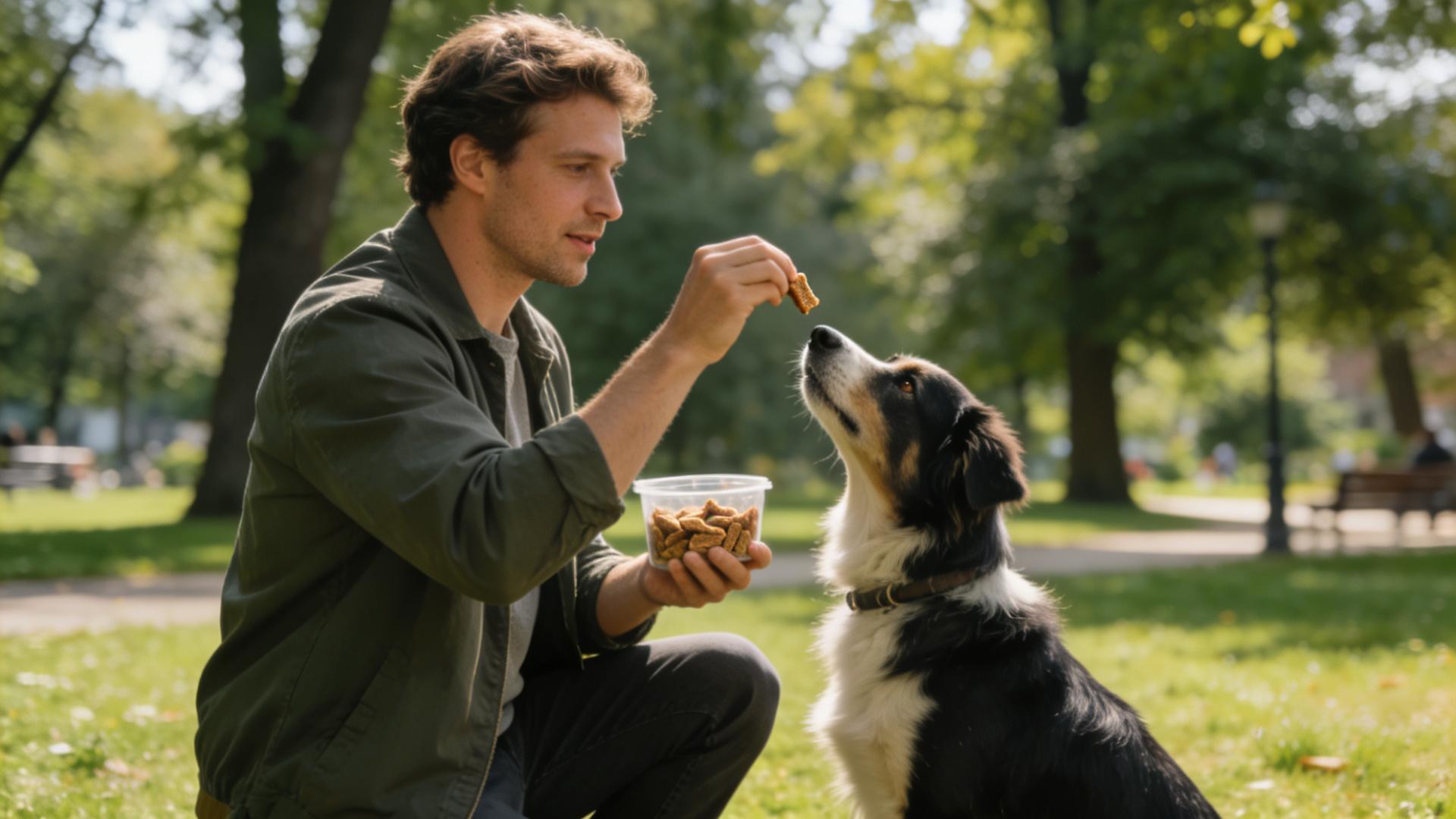
- When your dog has a low-value toy in their mouth, present a high-value treat (like chicken or cheese) right at their nose.
- The moment they spit out the toy to get the treat, say “Drop It,” mark with “Yes!”, and give them the treat. Important: Let them have the toy back after a moment if it’s safe, so they don’t learn “Drop It” means they always lose their prize forever.
🧠 The Core Protocol: Building a Reliable, Automatic Refusal
This is the heart of the training—shifting from a commanded response to an ingrained, default behavior. We are teaching your dog to automatically look to you when they find litter, without you saying a word.
Step 1: Controlled Setup
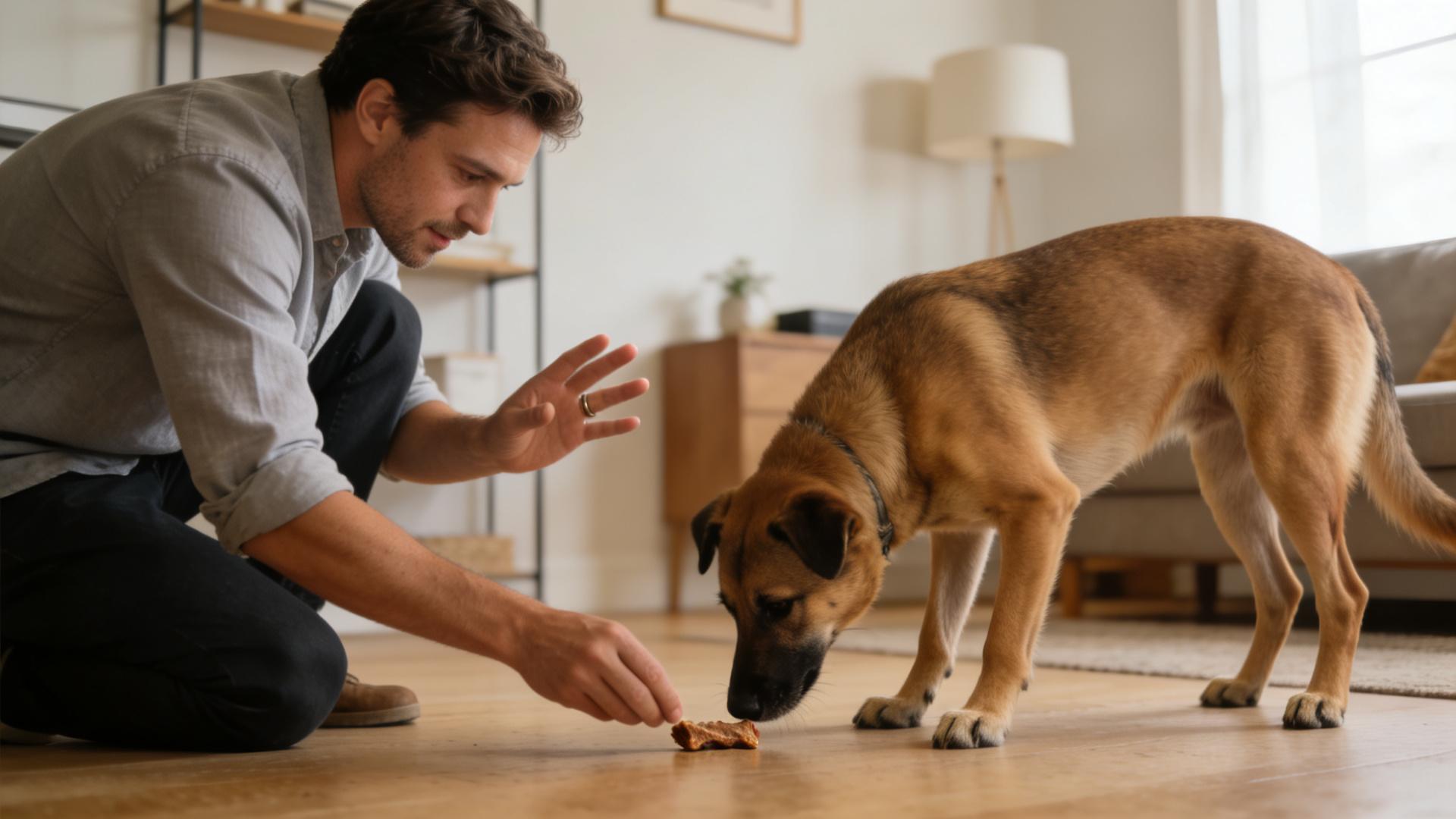
In a quiet room, place several pieces of low-value litter simulators (like plain crackers, old veggies) on the floor. Have a stash of ultimate high-value treats (real meat, cheese) ready.
Step 2: The "Look & Earn" Game
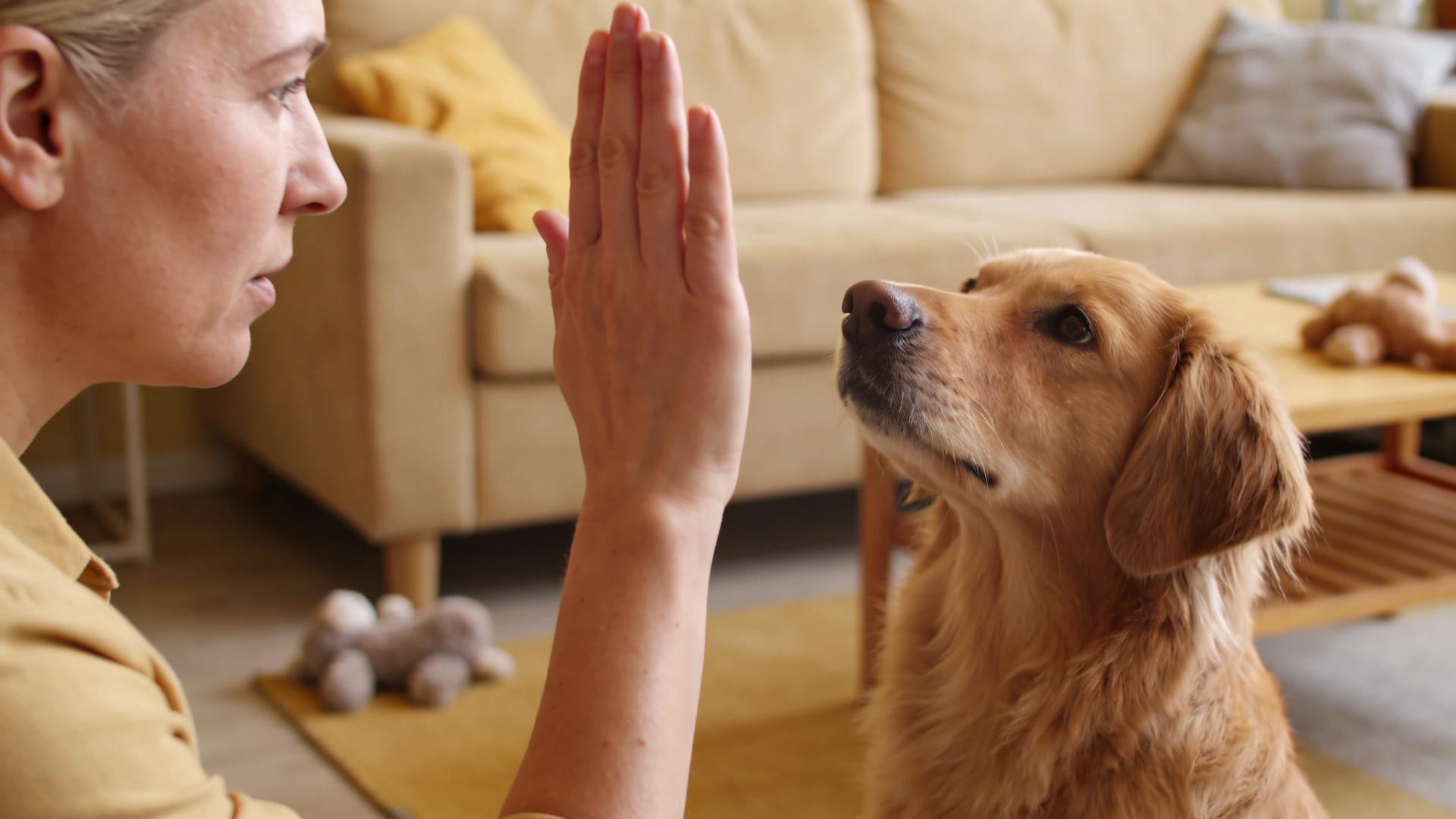
On leash, walk your dog toward the litter. The second they notice it and choose to look away or at you—mark and reward lavishly! You are not using the “Leave It” cue here. You are waiting for and capturing their voluntary choice to disengage.
Step 3: Adding the "Permission" Cue
Once they are consistently ignoring the litter, introduce a release word like “Get It” to let them know when something is safe to take. This teaches them that not all food on the ground is forbidden, only what you haven’t approved.
Step 4: Systematic Proofing
Gradually increase the challenge. Change locations (different rooms, backyard), use more tempting litter simulators (like dry pet food), add mild distractions (a toy nearby), and finally, practice in real-world environments like quiet sidewalks.
🛡️ Management: Setting Your Dog Up for Success
Training takes time. Management prevents rehearsal of the bad behavior in the meantime.
- Leash & Harness: Use a fixed-length leash (not retractable) for maximum control. A front-clip harness can help gently steer their head away from temptations.
- Basket Muzzle: A properly fitted basket muzzle is a kind and responsible tool for extreme cases. It allows panting and drinking while completely preventing scavenging. Frame it positively with treats.
- Environmental Control: Walk in cleaner areas, cross the street to avoid trash zones, and keep your yard meticulously picked up.
⚙️ Troubleshooting Common Setbacks
Problem: “My dog is too fast! He swallows things before I can react.”
Solution: Double down on management (muzzle) and go back to foundational impulse control games in zero-distraction environments. Increase your vigilance and the value of your rewards exponentially.
Problem: “He listens perfectly at home but ignores me on walks.”
Solution: You’ve progressed too quickly. Return to a less distracting environment and “proof” the behavior more thoroughly. Use higher-value treats on walks than you ever use at home.
Problem: “What if the litter is actually high-value food like a burger?”
Solution: This is the ultimate test. Your training rewards must consistently be of higher value than the environmental finds. In early training, avoid these “triggers” if possible. If an encounter happens, use your emergency “Drop It” with an incredible trade (e.g., a piece of steak).
💝 Conclusion: A Partnership of Trust
Training your dog to refuse ground litter without a command is more than an obedience skill—it’s an act of profound communication and trust. It says, “You can look to me for guidance, and I will provide for you.” This process requires immense patience and consistency, but the result—a safe, connected, and truly well-behaved companion—is worth every moment. You’re not just preventing an emergency; you’re building a bond where your dog chooses you over every distraction on the ground.