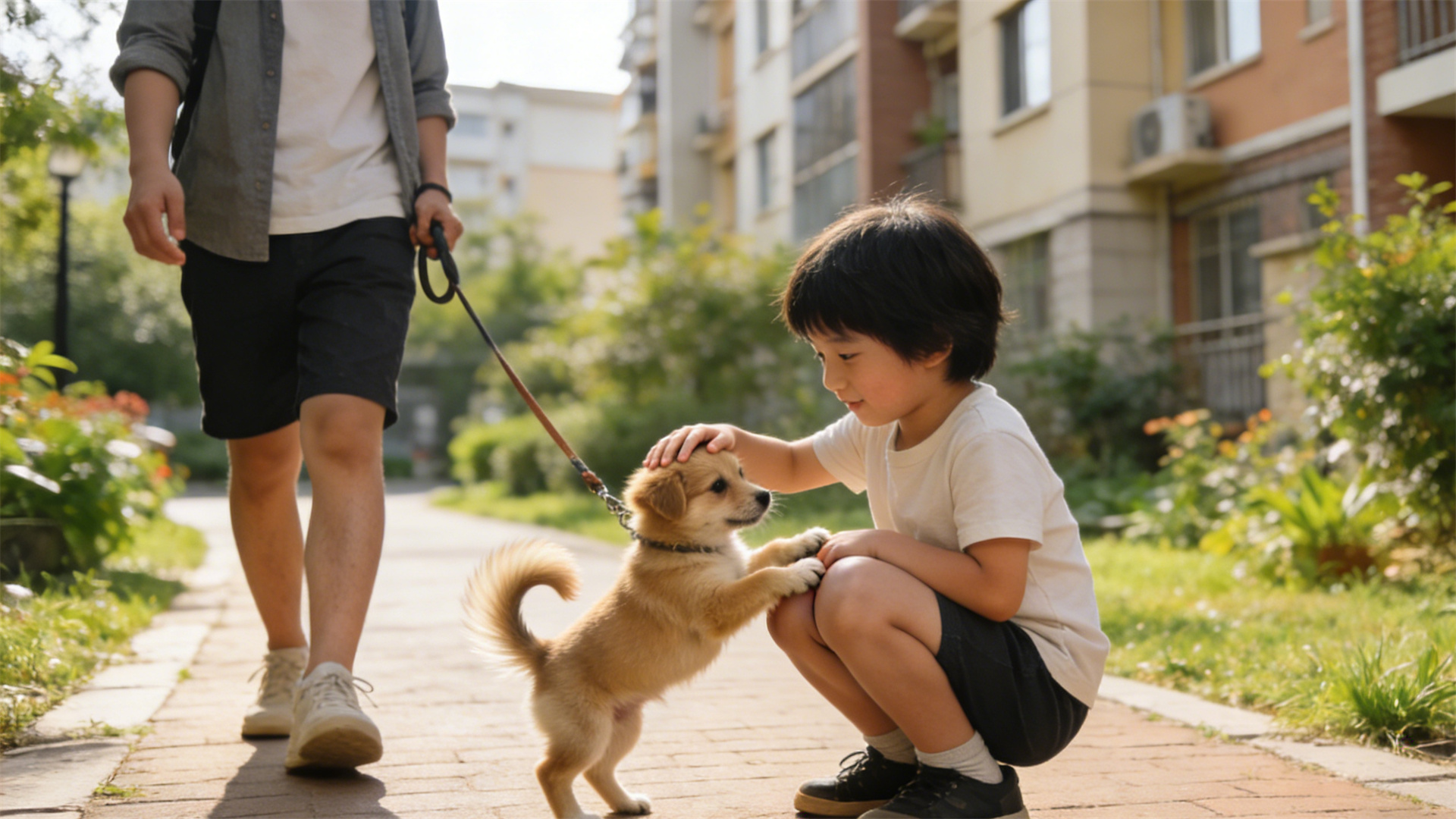
You’ve been looking forward to a quiet evening with friends. The doorbell rings, and instantly, your peaceful home erupts into chaos. Your dog transforms into a furry tornado of barking, jumping, and weaving between legs, desperate for pats and completely derailing any attempt at a calm greeting. If this scene feels familiar, you’re not alone. This is a classic, often frustrating, form of attention-seeking behavior in dogs.
It’s crucial to understand: your dog isn’t being “bad.” They are excited, possibly anxious, and have learned that this frenetic activity is the best way to interact with the exciting new people. Simply scolding them often backfires, as even negative attention is still attention. The solution isn’t to suppress the excitement but to teach an incompatible, positive behavior. Instead of demanding "stop jumping," we teach "go to your kennel and relax." This gives your dog a clear, rewarded job and turns your kennel or mat into a safe, calm space—a win for your dog’s state of mind and your sanity.
🐾 Section One: Laying the Unshakeable Foundation
You cannot expect your dog to perform a complex behavior under high distraction if the basics aren’t rock-solid. This phase is about building value and reliability in two key areas: the kennel itself and a strong recall.
1. Cultivating Kennel Love
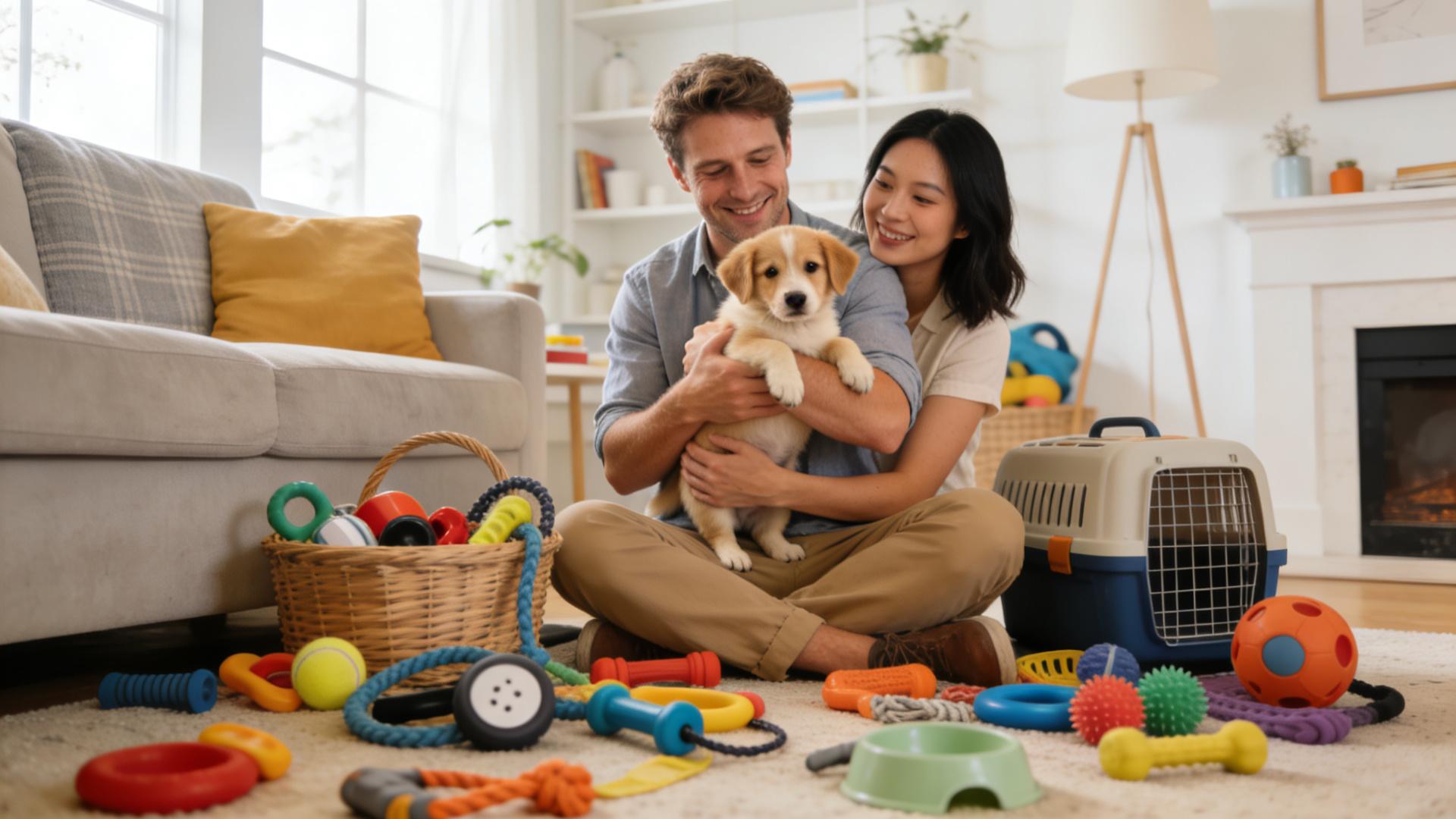
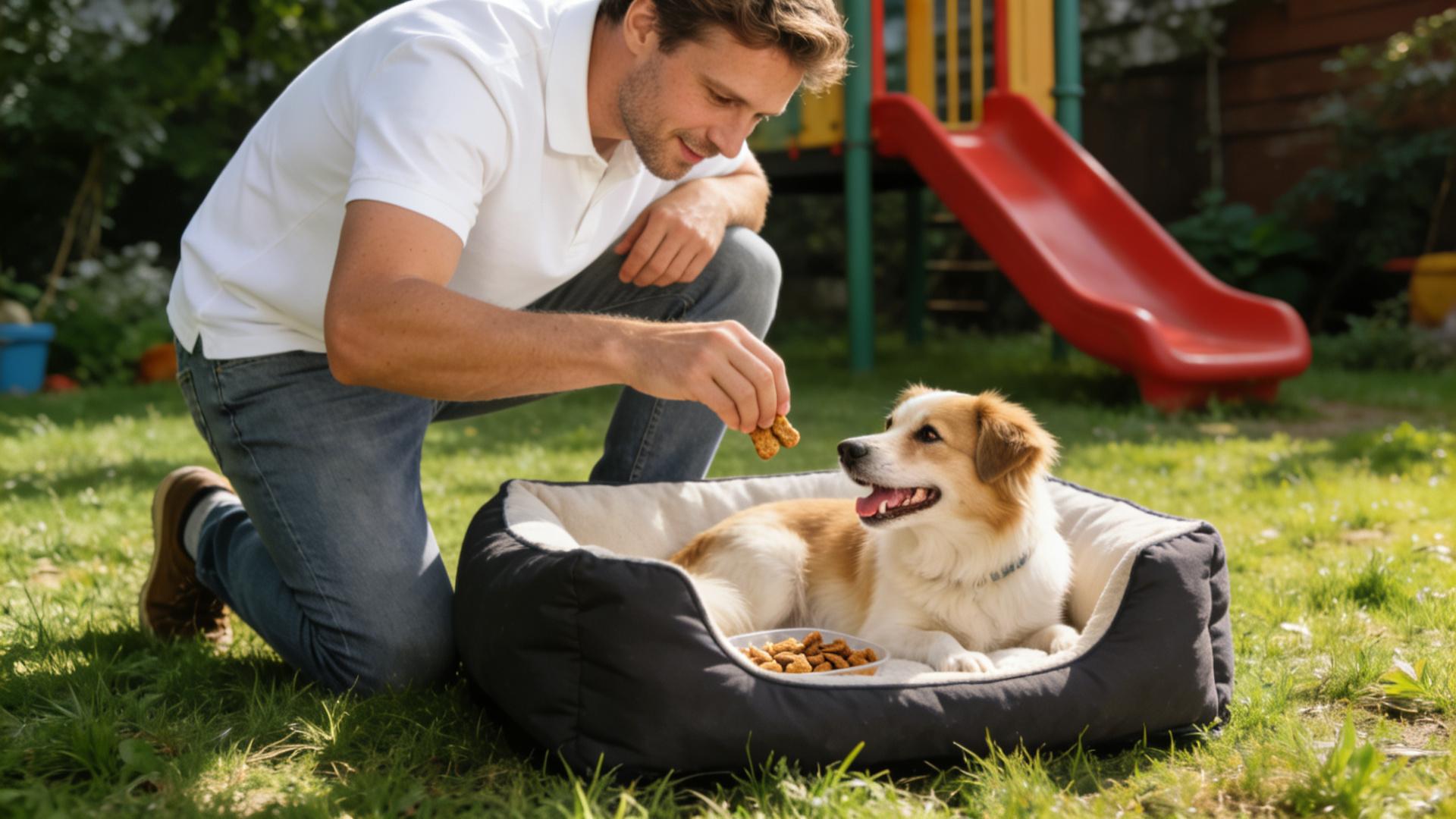
Your dog must view their kennel, crate, or designated bed as a positive sanctuary, not a time-out prison. If your dog hesitates at the sight of their crate, you must first rebuild this association.
How to do it: Throughout the day, casually toss high-value treats into the kennel. Let your dog go in and out freely. Feed meals inside it with the door open. Use a cozy blanket and perhaps a chew toy reserved only for that space. The goal is for your dog to think, “Good things happen in there!” For a deep dive, revisit our guide on crate training basics.
2. Mastering a "Here" or "Come" Command
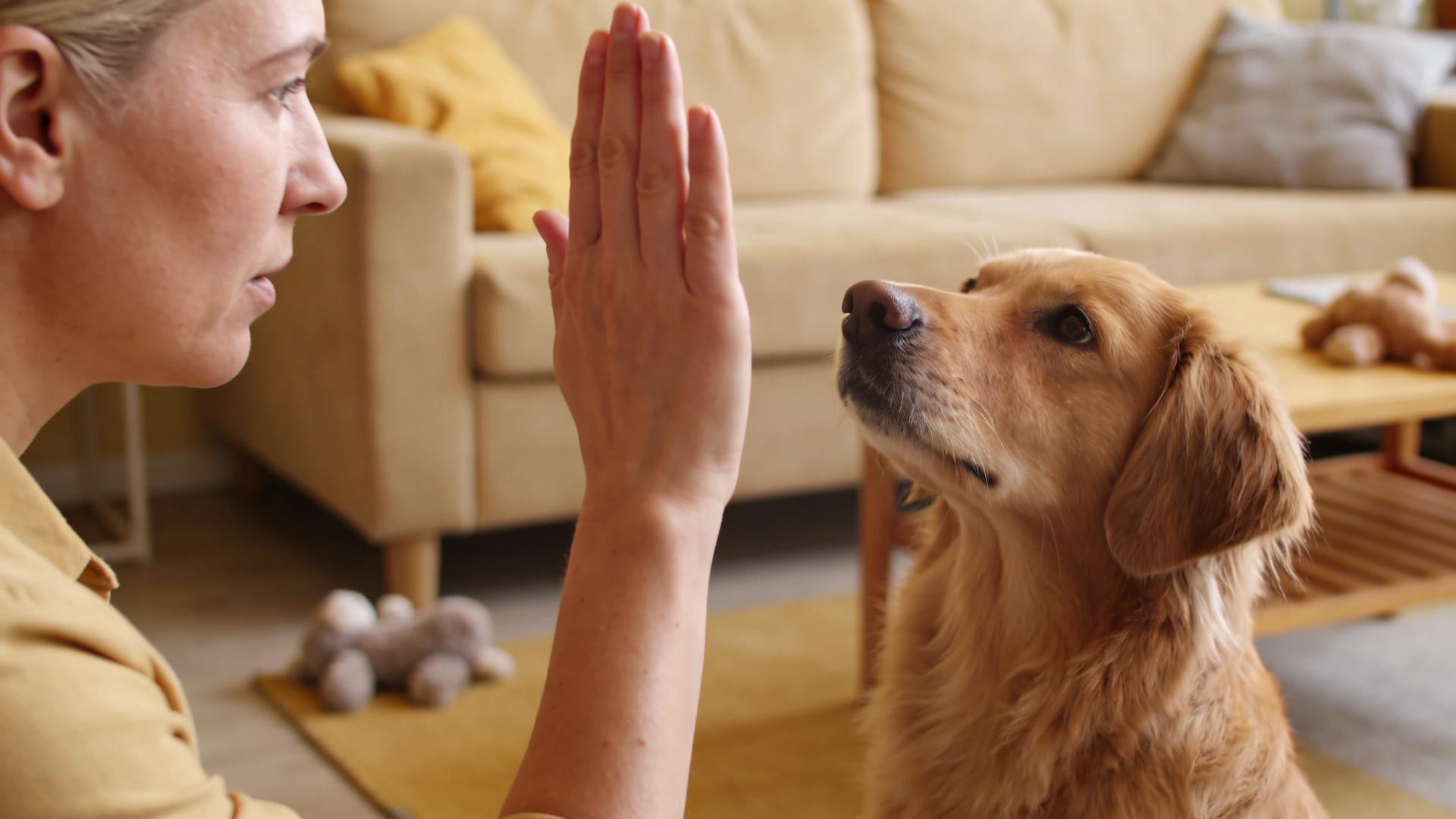
This is the cornerstone of our behavior chain. In a quiet room with no distractions, practice calling your dog to you from a short distance. Use an enthusiastic voice and reward lavishly with something irresistible—think small bits of chicken, cheese, or liver. The recall must be the most rewarding game in town. Practice until your dog responds immediately and happily, every time, in that low-distraction environment.
🔄 Section Two: The Core Training Protocol - Building the Behavior Chain
Now we weave the individual skills into a seamless sequence. Patience and progression are key. Never advance to the next step until your dog is successful at the current one 8 out of 10 times.
Phase One: Training Without Distractions (The Blueprint)
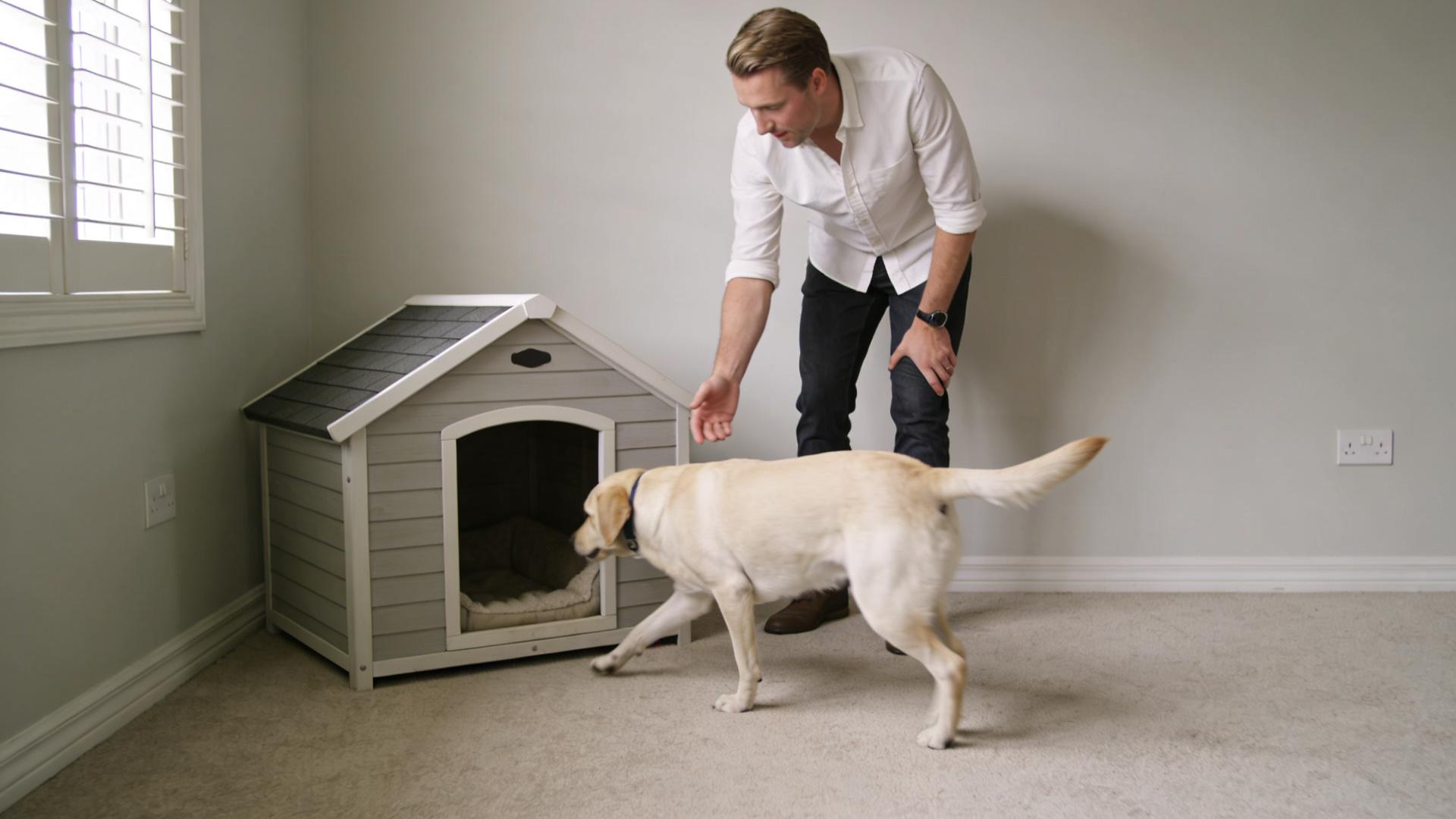
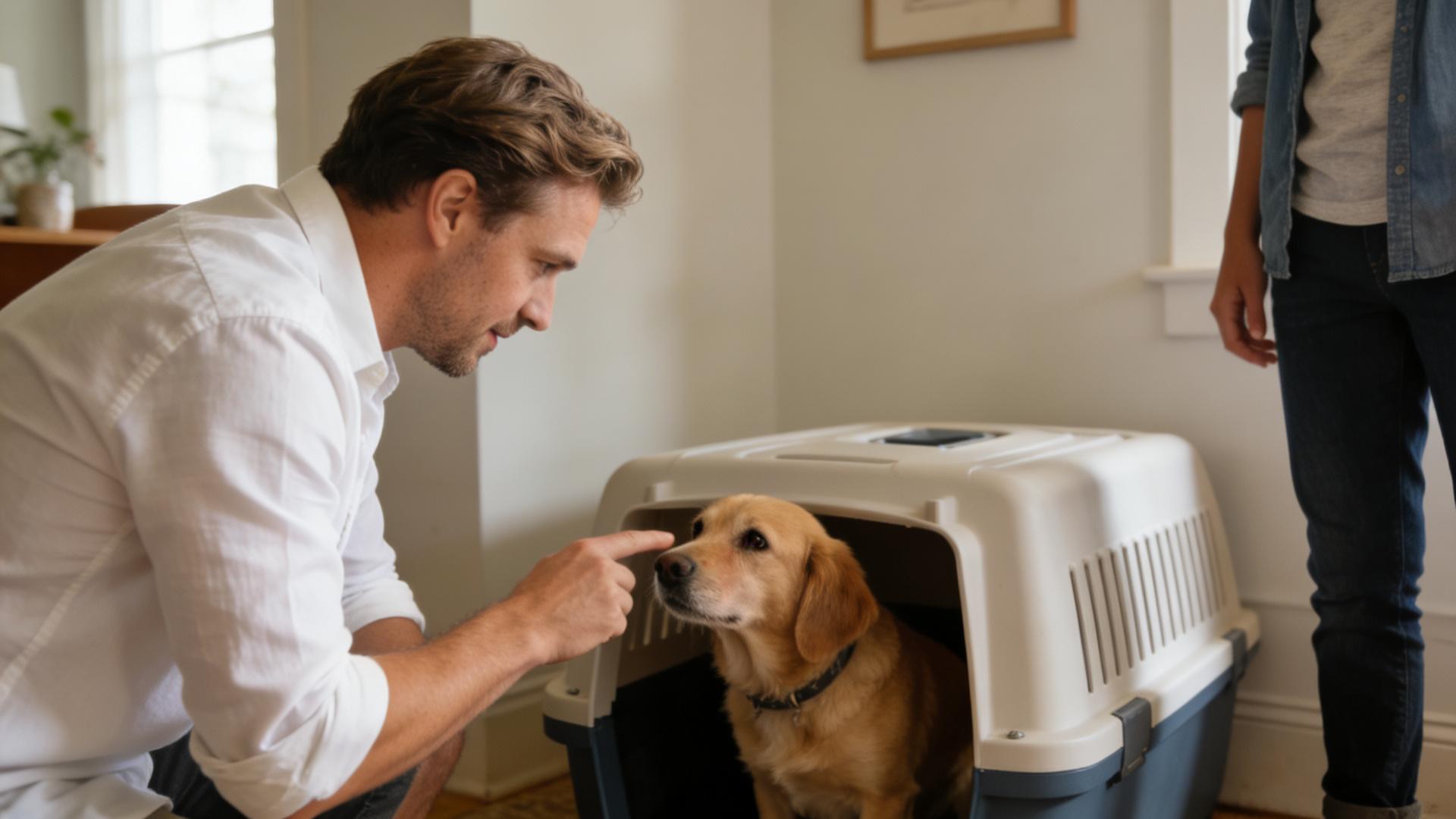
- Stand a few feet from your dog’s open kennel.
- Give your solid recall command: "Bella, Here!"
- When she comes, praise and give her a treat.
- Immediately toss a super high-value treat into the back of her kennel.
- The moment she steps in to get it, say your new cue: "Kennel" or "Go to Bed."
- Give her another treat while she’s inside. Let her exit freely.
Repeat this until the dog starts to move toward the kennel upon hearing the "Kennel" cue after the recall. You are building the chain: Hear recall -> Come -> Hear "Kennel" -> Move into crate -> Get jackpot!
Phase Two: Adding Mild Distractions (Proofing the Behavior)
Now, slightly increase the difficulty to help the behavior generalize. Practice the same chain:
- From across the room.
- After a short play session (when arousal is slightly up).
- With another household member standing quietly in the room.
Keep sessions short (5 minutes max) and end on a success. If your dog fails, go back to an easier step.
Phase Three: Simulating Guest Arrivals (The Critical Drill)
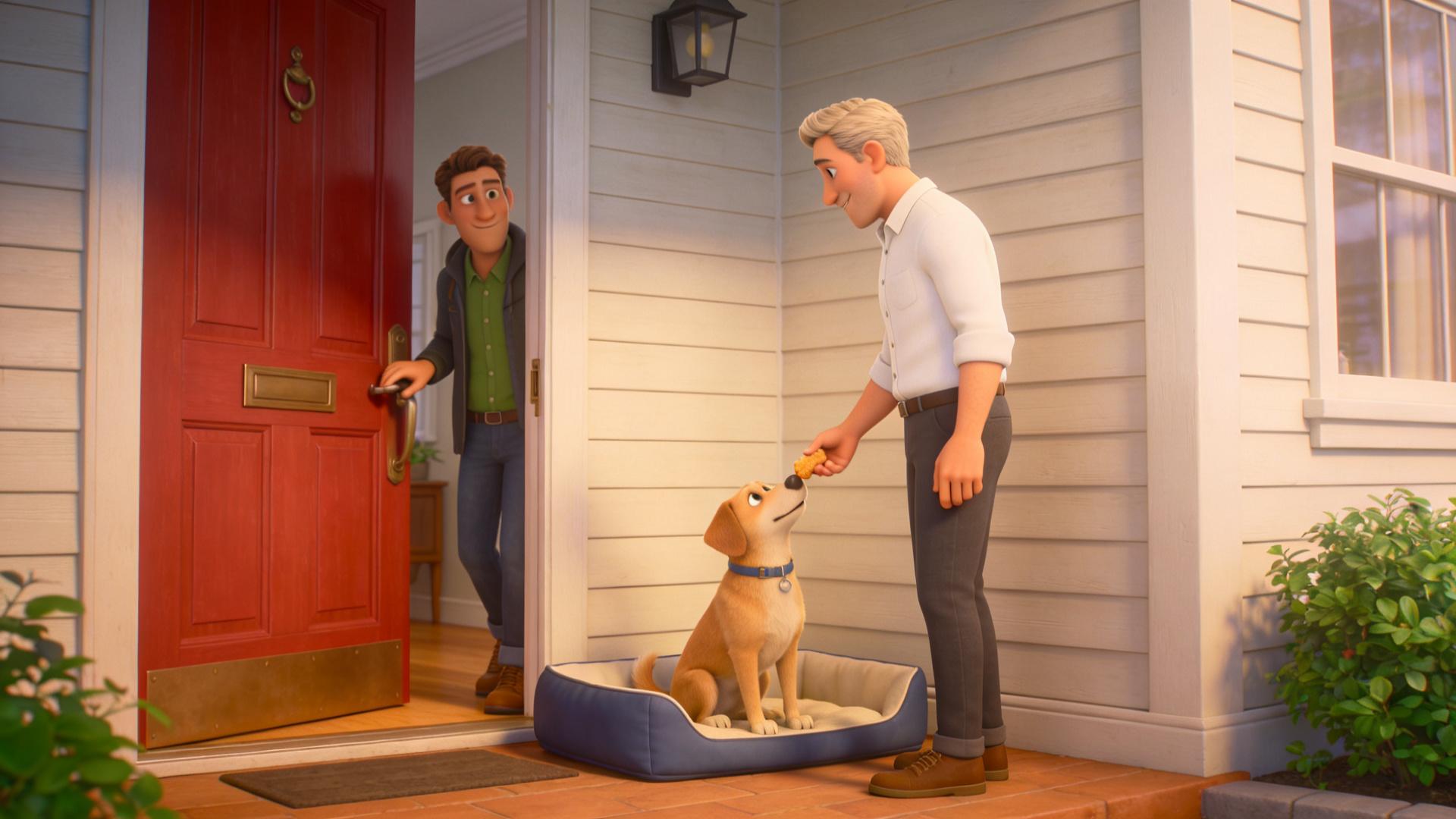
This is where we connect the behavior to the real-life trigger. Enlist a helper.
- Put your dog on a leash for control if needed. Your helper goes outside.
- On your signal, the helper rings the doorbell or knocks.
- Before your dog reacts, you give your recall command, then your "Kennel" command, and guide them in if necessary.
- The instant they are in the kennel, reward with a jackpot of treats (a handful, not just one).
- The helper does not enter. Wait 10-30 seconds with your dog calm in the kennel, then release them. The "party" (the guest) never happened without the calm behavior first.
Repeat this drill until the doorbell becomes a cue for your dog to look at you and move toward their kennel, not a cue to bark and spin.
Phase Four: Adding the "Guest" (The Final Piece)
Now we add the person but manage the interaction meticulously.
- Run the Phase Three drill. Dog goes to kennel, gets jackpotted.
- While your dog is calmly in the kennel, allow your helper to enter quietly. The guest must completely ignore the dog—no talking, no eye contact.
- The guest sits down. You continue to periodically reward your dog for calm behavior in the kennel (lying down quietly).
- After a few minutes, if your dog is settled, you can release them on a leash. Ask the guest to now calmly offer a treat or a pat if the dog has all four paws on the floor. This teaches that calmness, not jumping, earns guest interaction.
⚠️ Section Three: Troubleshooting Common Mistakes
Even with the best plan, you might hit snags. Here’s how to problem-solve:
🚫 Mistake 1: The Dog Barks in the Kennel When the Guest Enters.
Solution: The guest’s entrance is still too exciting. Go back to Phase Three. Have the guest enter only when the dog is silent for 5 seconds, then immediately leave. The dog learns quiet = guest appears; barking = guest disappears. Also, ensure you’re not rewarding while barking. Wait for a quiet moment.
🚫 Mistake 2: The Dog Breaks from the Kennel to Get to the Guest.
Solution: You progressed too fast. Use a leash or a baby gate in front of the kennel during training to prevent rehearsal of the unwanted behavior. Practice more at the earlier, less exciting phases. The American Kennel Club's crate training guidelines emphasize management to prevent errors.
🚫 Mistake 3: The Dog Refuses to Leave the Guest to Recall.
Solution: Your rewards at the kennel are not competitive with the reward of the guest. Use higher-value treats (e.g., real meat) only for this training. Also, practice the recall around the guest when the guest is not interacting with the dog first.
🌿 Section Four: Maintaining and Evolving the Behavior
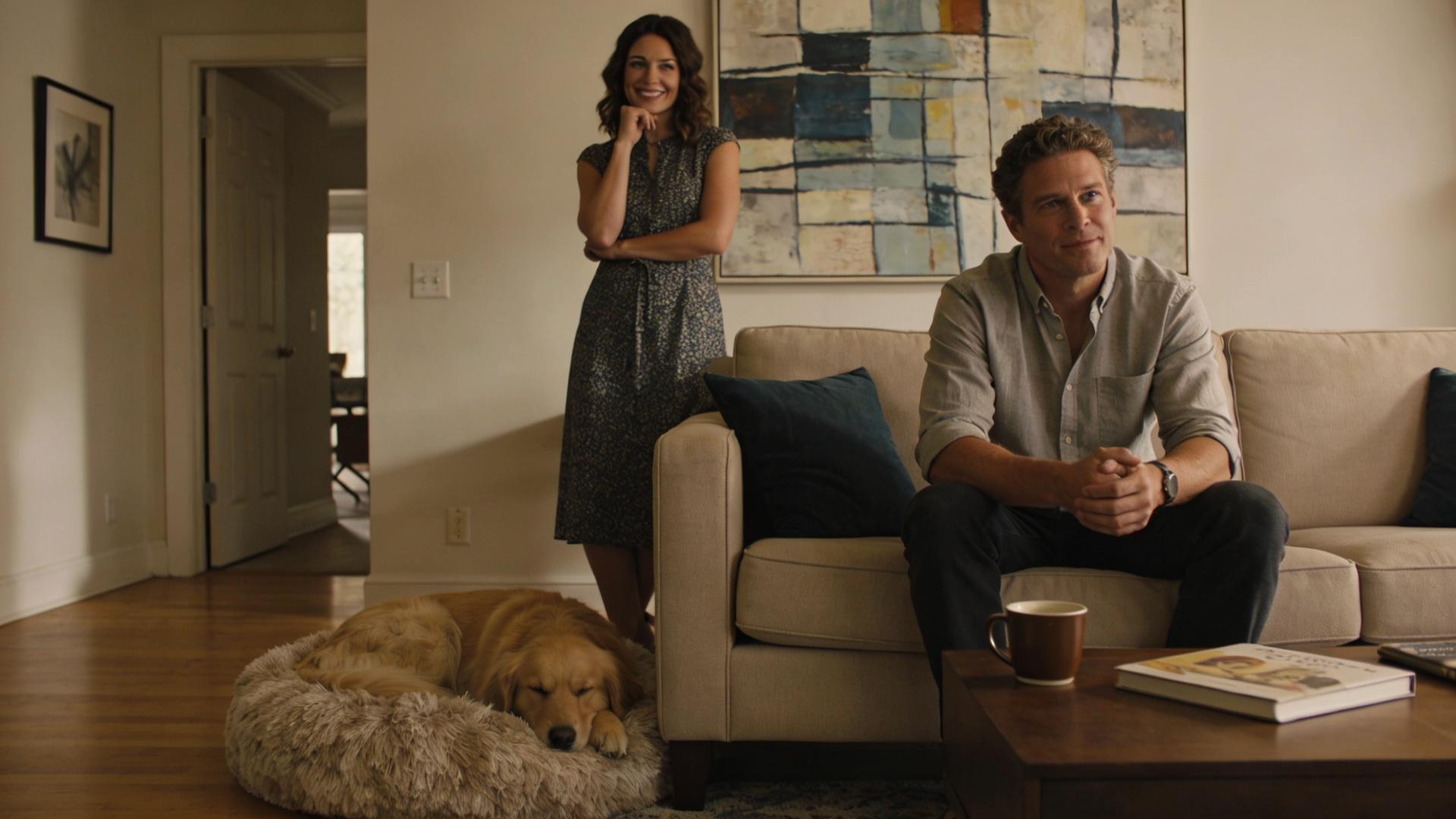
Practice the drills without guests weekly to keep the skill sharp. You can generalize the "place" command to a mat in the living room, using the same training method. Over time, as your dog’s impulse control improves, you can work on a long-term settle on a mat, where they can be in the room with guests calmly without being confined.
🎉 Conclusion: Peaceful Visits Are Your New Reality
Correcting attention-seeking behavior is about proactive teaching, not reactive scolding. By investing time in this positive, step-by-step method, you’re not just managing a symptom; you’re building your dog’s confidence, lowering their anxiety, and strengthening your bond through clear communication. Consistent, force-free training will transform your canine party crasher into a polite host, making gatherings enjoyable for everyone—especially your now-calm and secure dog.
💬 FAQ Section
How long does this training take?
It depends on your dog’s history, age, and your consistency. For a solid foundation and reliable behavior, expect to invest several weeks of short, daily practice sessions. Don’t rush the phases.
What if my dog hates the kennel?
Stop this protocol immediately. You must first create a positive association with the crate. Go back to foundational crate training, making it the best place on earth with meals and amazing treats. Never force them in.
Can I use a mat or bed instead of a kennel?
Absolutely. The process is identical. The "place" (mat/bed) simply becomes the target. This is an excellent option for teaching calm dog with guests in an open space.
What rewards should I use?
Use something extra special and reserved only for this training. Small pieces of boiled chicken, hot dog, or cheese are often high-value enough to compete with the excitement of guests.