In the evolving world of canine professions, a title alone is no longer enough. For those dedicated to reaching the zenith of their craft, the pursuit of an expert dog trainer certification is the defining journey. This isn't just another course; it's a rigorous validation of mastery, a globally recognized passport to elite roles, and a solemn commitment to ethical, science-based practice. This comprehensive guide demystifies the pinnacle credentials, such as the CPDT-KA and KPA-CTP, providing you with the roadmap to transform from a competent trainer into a recognized industry authority.
🐕 What is an Expert-Level Dog Trainer Certification?
An expert dog trainer certification represents the highest echelon of professional achievement in canine behavior and instruction. Unlike foundational courses, these credentials are typically awarded by independent, internationally respected organizations following a stringent, proctored assessment process. They signify that the holder possesses not just experience, but a demonstrable, standardized mastery of advanced training methodologies, complex behavioral modification, and professional ethics.
Why It Matters: The Value of a Peak Credential
In an unregulated industry, certification is the primary differentiator. It tells clients, veterinarians, and employers that you have met an objective, third-party standard of excellence. A 2022 survey by the International Association of Animal Behavior Consultants (IAABC) indicated that certified professionals reported 34% higher average earnings and were significantly more likely to be referred by veterinary practices. It’s the cornerstone of professional credibility.
📚 Decoding Major International Certification Systems
Navigating the landscape of certifications can be daunting. Here, we break down two of the most prominent and respected international dog trainer certification systems, comparing their paths to expertise.

Certification Council for Professional Dog Trainers (CCPDT) - CPDT-KA
The CPDT-KA (Certified Professional Dog Trainer – Knowledge Assessed) is one of the most widely recognized certifications globally, emphasizing a broad knowledge base and practical experience.
Core Philosophy: Tests a candidate’s knowledge across a comprehensive body of skills and theory, adhering to a Least Intrusive, Minimally Aversive (LIMA) ethical framework.
Prerequisites:
- A minimum of 300 hours of dog training experience within the last 3 years.
- Special Reminder: A signed attestation from a veterinarian or a CCPDT certificant is required to validate experience.
Assessment & Examination:
- A 250-question, multiple-choice written exam covering:
• Instructional Skills (40%)
• Animal Husbandry (15%)
• Ethology & Learning Theory (45%)
Validity & Continuing Education:
- Certification is valid for three years.
- Recertification requires 36 Continuing Education Units (CEUs) and a signed Code of Ethics.
Karen Pryor Academy (KPA) - KPA-CTP
The KPA-CTP (Karen Pryor Academy Certified Training Partner) is a rigorous, hands-on certification program built on the solid foundation of positive reinforcement training and clear communication.
Core Philosophy: A comprehensive course-and-assessment program focusing on mastery of clicker training, creative training plans, and exceptional client coaching.
Prerequisites & Process:
- Admission into the intensive online or in-person course program.
- Requires continuous submission of homework videos for faculty feedback—a learning-integrated assessment model.
Assessment & Examination:
- Final Practical Assessment: A proctored, in-person or virtual live test where the trainer must successfully train novel behaviors with a dog within set time limits.
- Written Graduation Project: Designing a complete training plan for a complex case.
Validity & Continuing Education:
- Lifetime certification upon completion.
- Strongly encourages ongoing learning through the KPA alumni community and workshops to stay current.
⚙️ The Core Competencies of an Expert Trainer
Passing these exams requires a symphony of refined skills. Here’s what you truly master on the path to expert dog trainer certification.
1. Deep Knowledge of Canine Behavior & Ethology
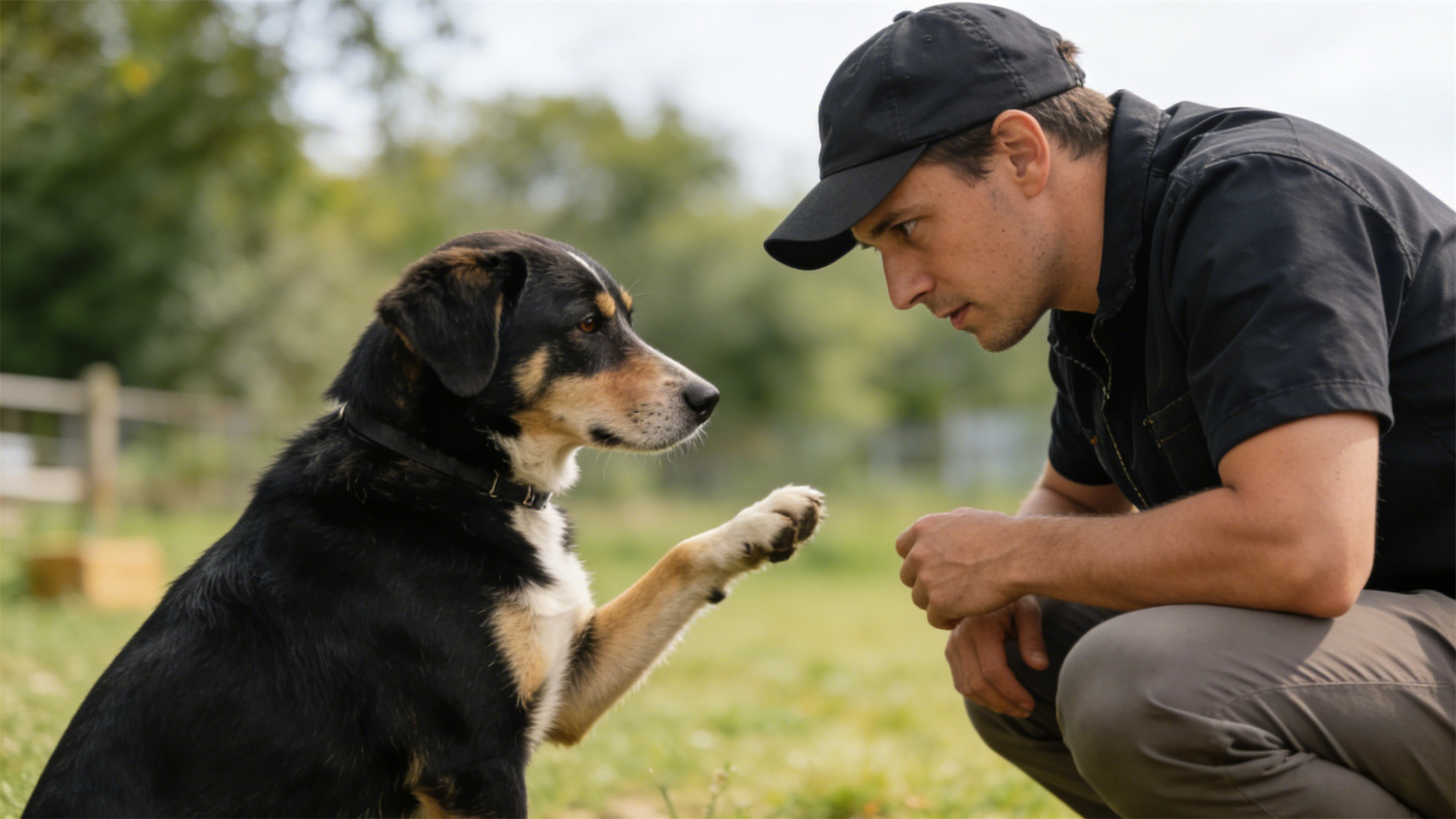
Moving beyond basic commands to understand the "why." This includes canine body language, stress signals, developmental stages, and breed-specific tendencies. An expert can distinguish between a problem behavior rooted in fear versus one stemming from ritualistic compulsion.
2. Mastery of Positive Reinforcement Techniques
This is the non-negotiable bedrock of modern, ethical training. Expertise means flawless timing, strategic reward placement, sophisticated positive reinforcement protocols like shaping and chaining, and the ability to fade lures and rewards effectively.
3. Systematic Problem-Behavior Modification
Expertise shines in resolving aggression, anxiety, and reactivity. This involves conducting a thorough functional assessment, designing a desensitization and counterconditioning (DS/CC) plan, and implementing management strategies that prioritize safety and welfare.
4. Professional Client Communication & Coaching
The dog is often the easier part of the equation. An expert trainer educates and empowers the human client with clarity, empathy, and actionable feedback, ensuring protocol adherence and long-term success.
5. Advanced Training Curriculum Design
The ability to design, sequence, and implement customized training programs for diverse goals—from a family pet needing manners to a service dog learning complex tasks—is a hallmark of expert-level skill.
🚀 Career Ascent: Opportunities Unlocked by Certification
Holding a top-tier certification doesn't just validate your skills; it actively propels your career development in canine training into new stratospheres.
Expanded Professional Roles:
- Master Trainer/School Director: Leading training programs and mentoring junior staff.
- Veterinary Behavioral Consultant: Working in tandem with veterinary practices on referral cases.
- Specialized Service/Working Dog Trainer: Designing and executing training for detection, assistance, or protection work.
- Industry Speaker & Author: Certified experts are sought after for conferences and publications, building a personal brand.
Enhanced Earning Potential: As mentioned, certification correlates directly with higher service rates and income. Clients and veterinarians are willing to pay a premium for verified expertise.
Unshakeable Client Trust: The credential acts as an immediate trust signal, simplifying client acquisition and fostering stronger, more productive relationships.
🌍 Application in the Real World
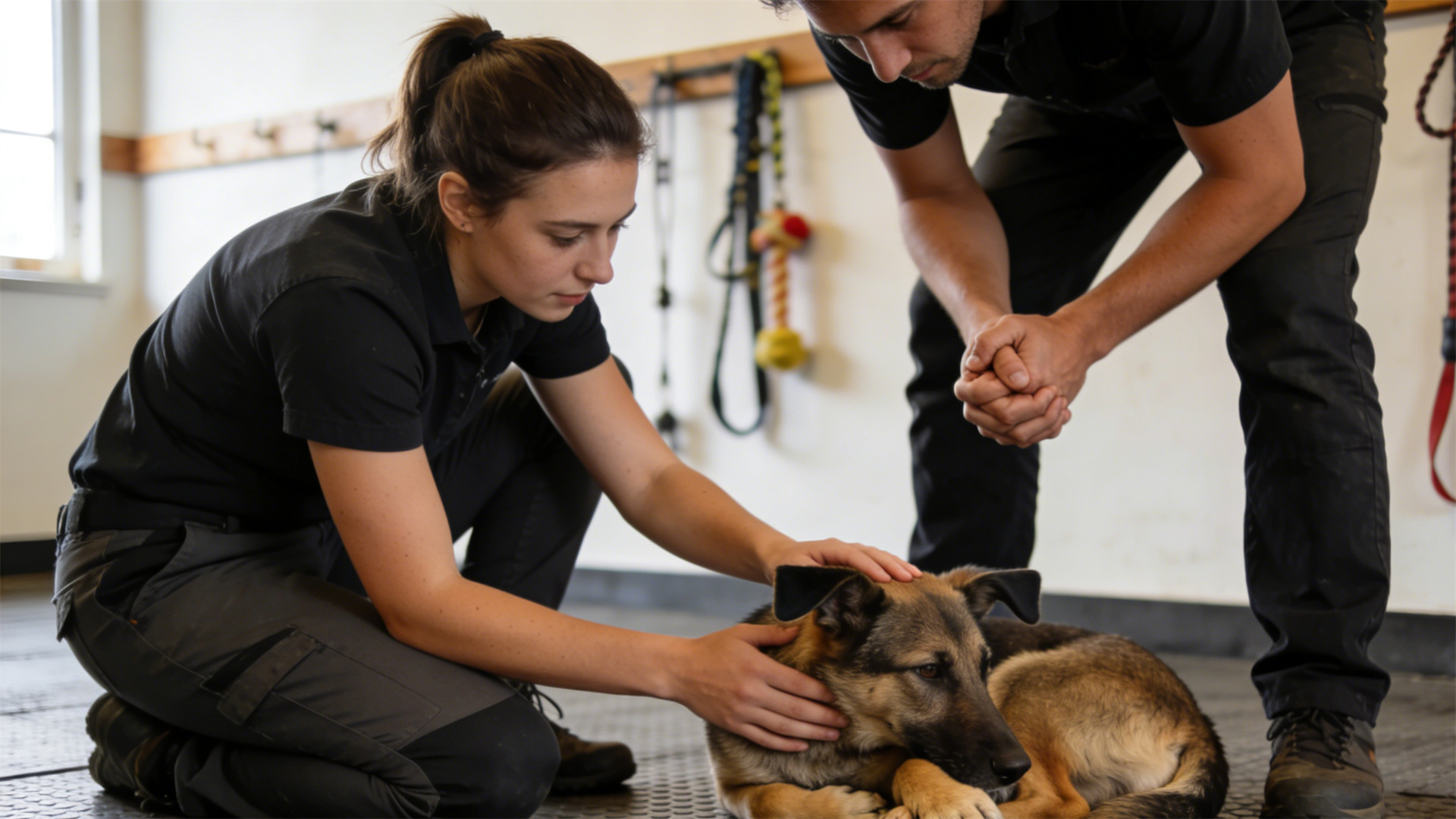
An expert certification isn't theoretical; it's applied daily across critical scenarios.
🏠 Family Dog Training:
Transforming chaotic households by not just teaching "sit," but solving leash reactivity, separation anxiety, and resource guarding with humane, effective plans that involve the whole family.
🦮 Working & Service Dog Training:
Applying precise task-training methodology and public access training to create reliable service dogs for individuals with disabilities, or developing focus and drive in detection dogs.
🔬 Behavioral Consulting:
Acting as a detective and strategist for severe cases, often involving inter-dog aggression or profound phobias, using evidence-based modification protocols.
📈 The Imperative of Continuous Learning
Obtaining certification is a milestone, not a finish line. The science of canine behavior is constantly advancing. Continuing education for dog trainers is a mandatory ethic for the expert.
As noted master trainer and author Jean Donaldson states: "The best trainers are perpetual students. The day you think you know everything is the day you become obsolete." This commitment is formalized through CEU requirements from bodies like the CCPDT and through active participation in seminars, workshops, and peer-review groups.
🎯 Conclusion: Your Journey to the Pinnacle Begins
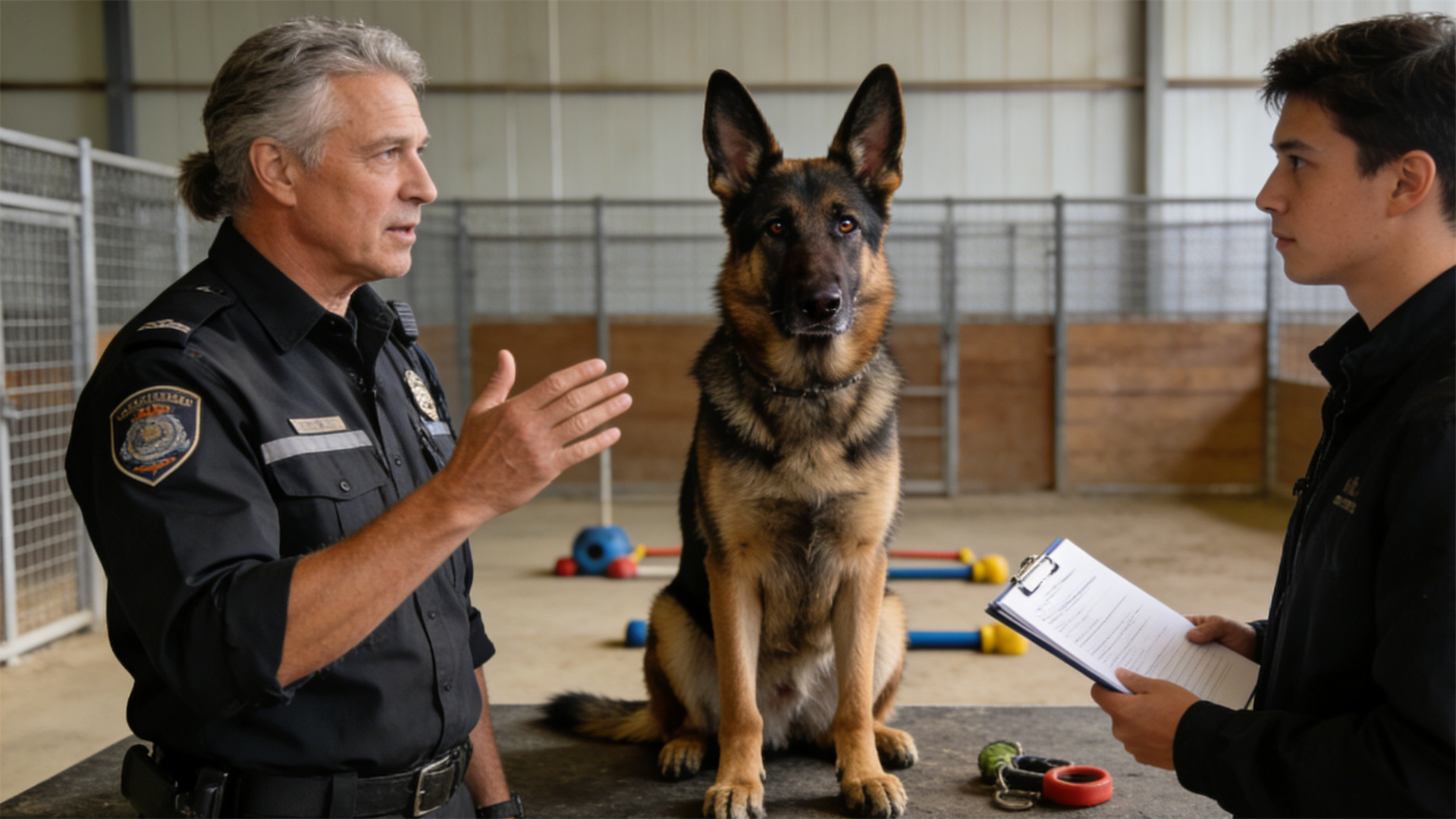
Pursuing a Level 5 Expert Dog Trainer Certification is a profound commitment to excellence, ethics, and the well-being of dogs and their human companions. It demands dedication, intellectual curiosity, and a relentless drive to improve. The path through organizations like CCPDT or Karen Pryor Academy is challenging but unequivocally worth it. It forges not just a credential, but a refined professional identity. It opens doors, builds trust, and elevates the entire standard of the profession. If you aspire to lead, to solve the unsolvable, and to leave a lasting impact on the field of canine training, the journey to expert certification is your essential next step. Start mapping your path today.