The bond between a human and a dog is often built on a shared language. While basic commands like "sit" and "stay" form the foundation, advancing to advanced name recognition opens a thrilling new chapter in communication. Imagine the pure joy—and the impressed guests—when you casually ask your dog to "go find your Teddy Bear," and they confidently navigate a mountain of plush toys to bring back the correct one. This isn't mere parlor trick; it's a profound demonstration of canine cognitive ability and a deeply enriching form of mental stimulation for dogs. This comprehensive guide will walk you through the systematic process of teaching this impressive skill, turning abstract words into meaningful requests and strengthening your partnership through intelligent play.
🐕 Prerequisites: Laying the Foundation for Success
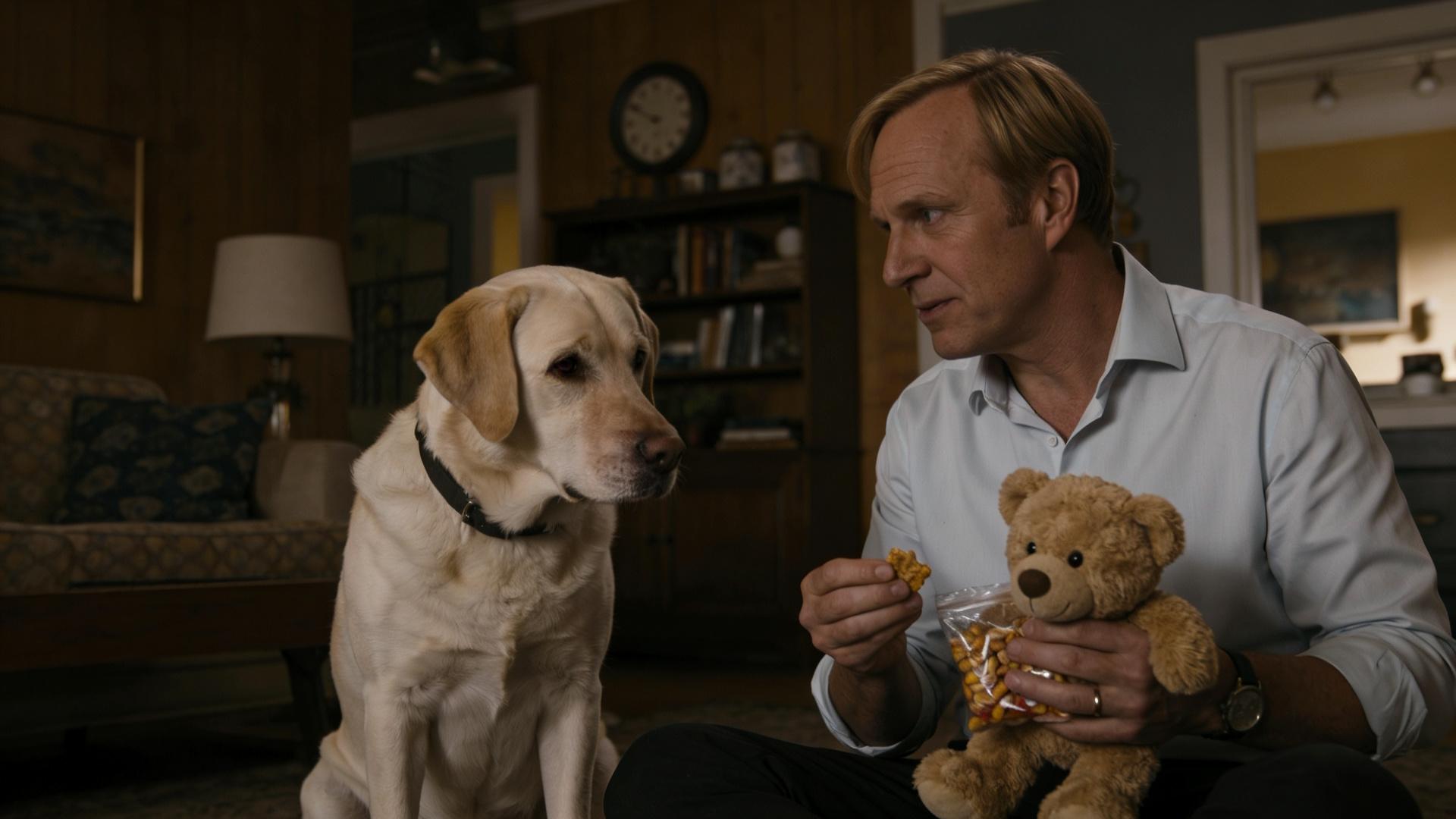
Before embarking on this advanced dog training journey, it's crucial to ensure your pupil has the necessary foundational skills. Attempting to build a skyscraper on sand will only lead to frustration for both of you. Here’s what you need to have in place:
✔️ Solid Basic Obedience
Your dog should reliably respond to basic cues such as "sit," "stay," and most importantly, a general "fetch" or "get it" command. This provides a framework for the more complex task of fetching a specific item. If your dog doesn't understand the concept of retrieval, we must first build that.
✔️ Preliminary Toy Association (Beneficial)
While not strictly mandatory, it's helpful if your dog already associates one or two toys with simple names. For instance, if they already know that "ball" means their favorite tennis ball, they understand that objects can have labels. This pre-existing concept of building dog vocabulary for toys will accelerate the process.
✔️ The Right Equipment & Mindset
- The "Teddy Bear": Choose a toy that is visually and texturally distinct from others. A classic, medium-sized brown teddy bear works perfectly. This toy will now be dedicated solely to training for the initial stages.
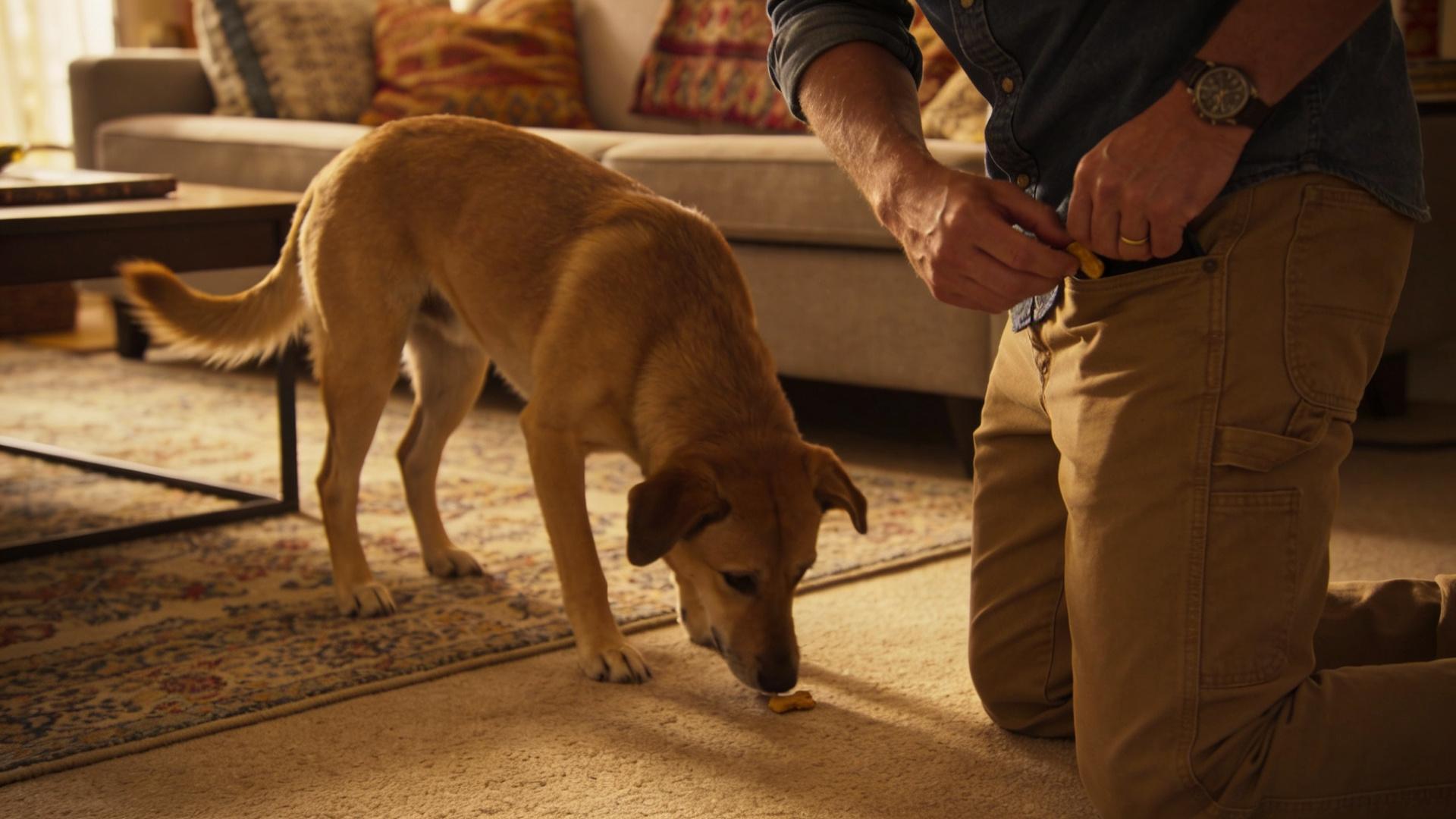
- High-Value Treats: You'll need something irresistible—small pieces of cooked chicken, cheese, or commercial training treats your dog loves. The value of the reward must exceed the distraction of the other toys.
- Patience and Positivity: This is advanced canine obedience. Sessions should be short (3-5 minutes), fun, and always end on a success. Your attitude is the biggest predictor of success.
🔬 The Science Behind the Skill: More Than Just Fetch
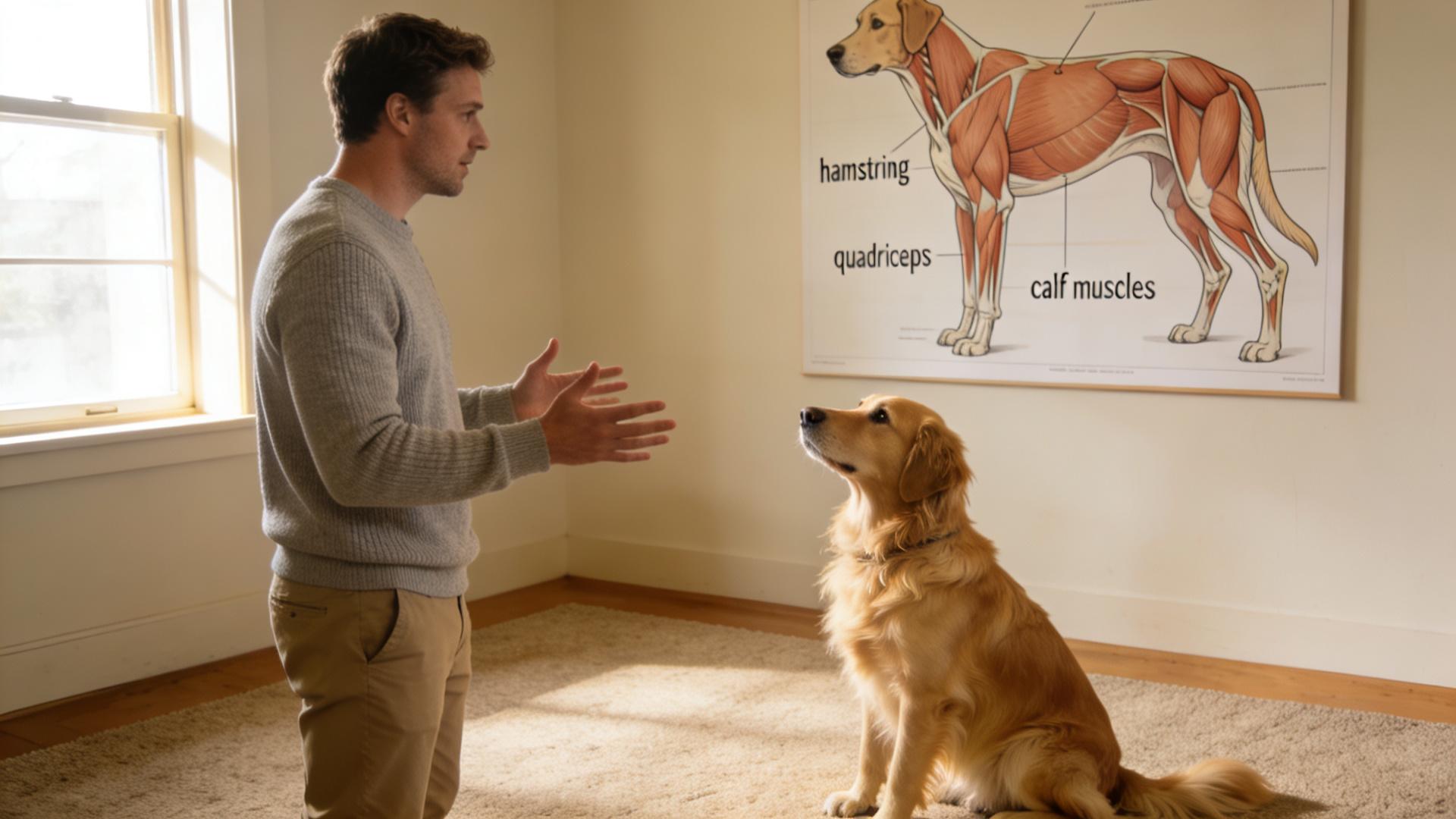
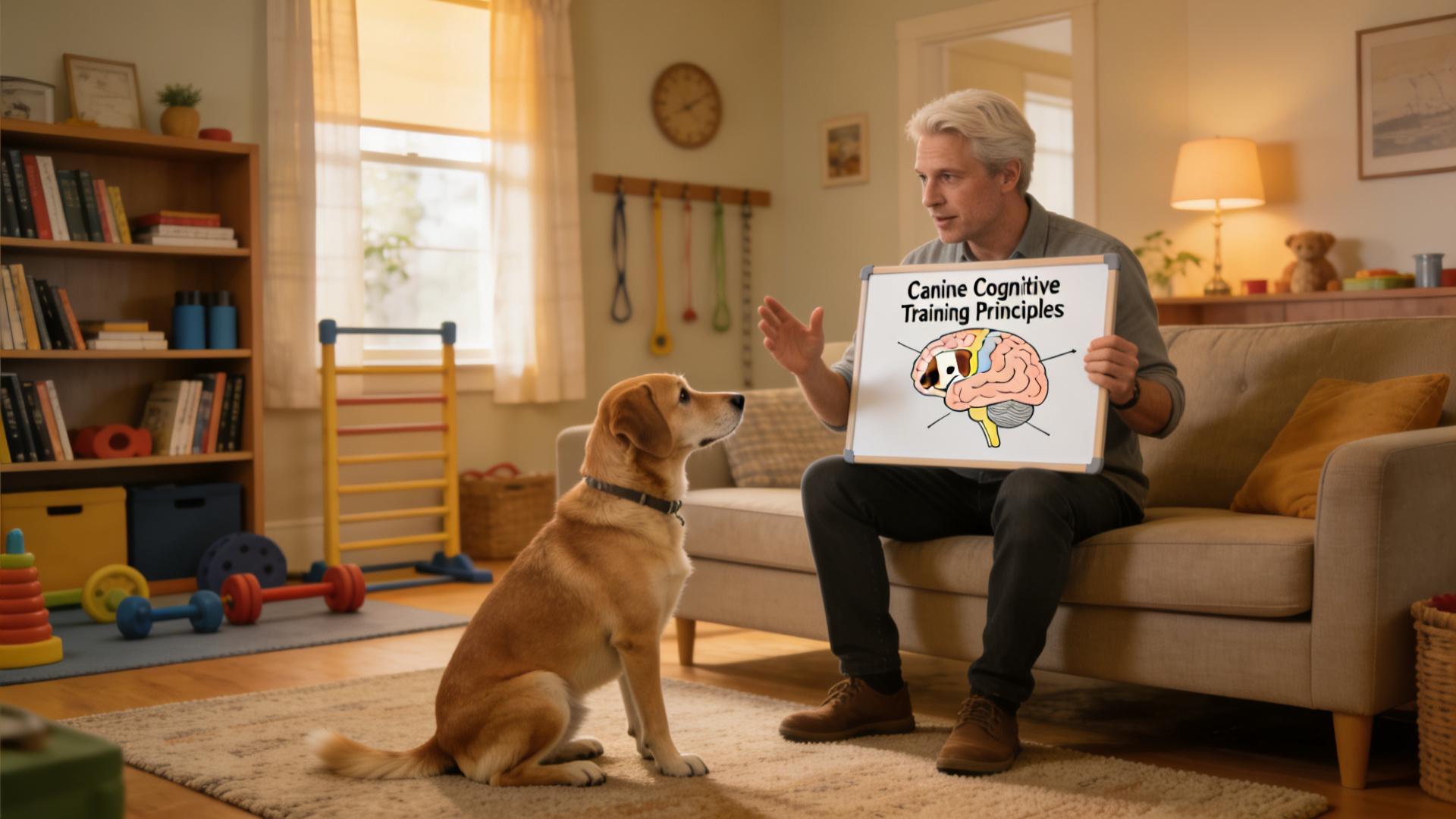
What you are engaging in is a form of dog cognitive training. Dogs can learn hundreds of object names, a capability famously studied in dogs like Chaser the Border Collie, who knew over 1,000 words. This training engages multiple cognitive processes:
- Object Recognition: The dog must form a mental concept of "Teddy Bear" that is separate from "rope" or "ball."
- Memory Recall: They must hold the verbal cue "Teddy Bear" in working memory while searching.
- Selective Attention & Discrimination: They must ignore irrelevant stimuli (other toys) and focus on the target.
This mental workout is as tiring as a physical one, providing crucial mental stimulation for dogs that can curb destructive behaviors born from boredom.
📈 Step-by-Step Training Process: From Introduction to Generalization
Follow these steps methodically. Do not progress to the next step until your dog is achieving about an 80-90% success rate at the current level. Rushing is the most common mistake in advanced dog training techniques.
🎯 Step One: Sole Introduction & Name Association
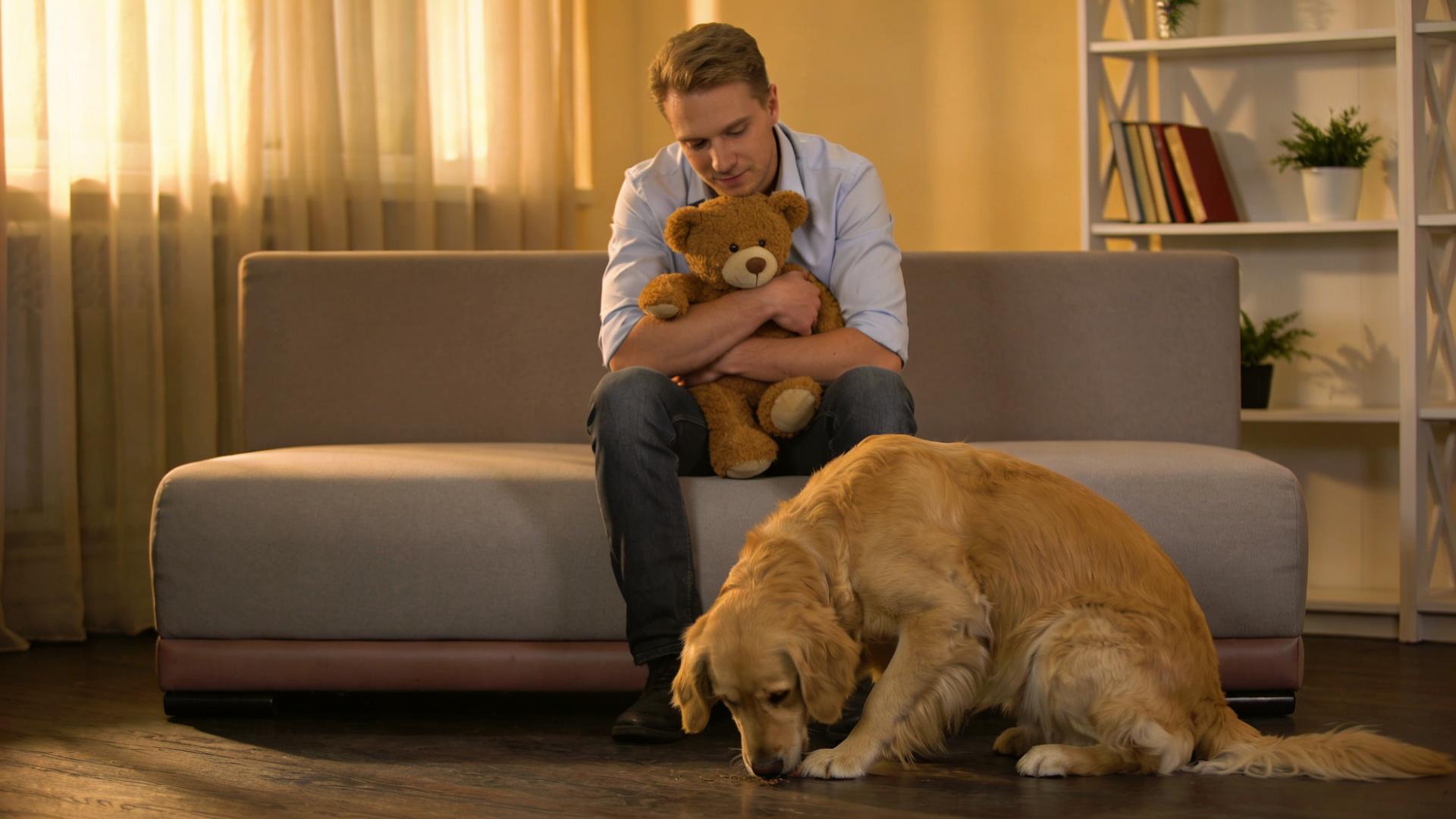
In a quiet room with no distractions, sit with your dog and the Teddy Bear. Hold the toy in front of you, allow your dog to sniff it, and say its name clearly and happily: "Teddy! Look, it's Teddy!". The moment your dog shows any interest—a sniff, a nose touch, a glance—immediately click (if using a clicker) or say "yes!" and give a high-value treat. Repeat this 10-15 times in your first short session. The goal is to build a positive, "magical" association: interacting with the named toy makes amazing things happen.
🏐 Step Two: Solo Retrieval Practice
Now, place the Teddy Bear alone on the floor about 3-5 feet away. Point to it and give the full command: "Fido, fetch Teddy!" Use an excited, encouraging tone. When your dog picks it up, praise enthusiastically: "Good fetch Teddy!" Encourage them to bring it to you. The instant they release it (or you take it gently), reward with a treat and more praise. Practice this from different distances and angles in the room. This solidifies the link between the name, the object, and the action of retrieving it.
⚠️ Step Three: Introducing a Single Distractor
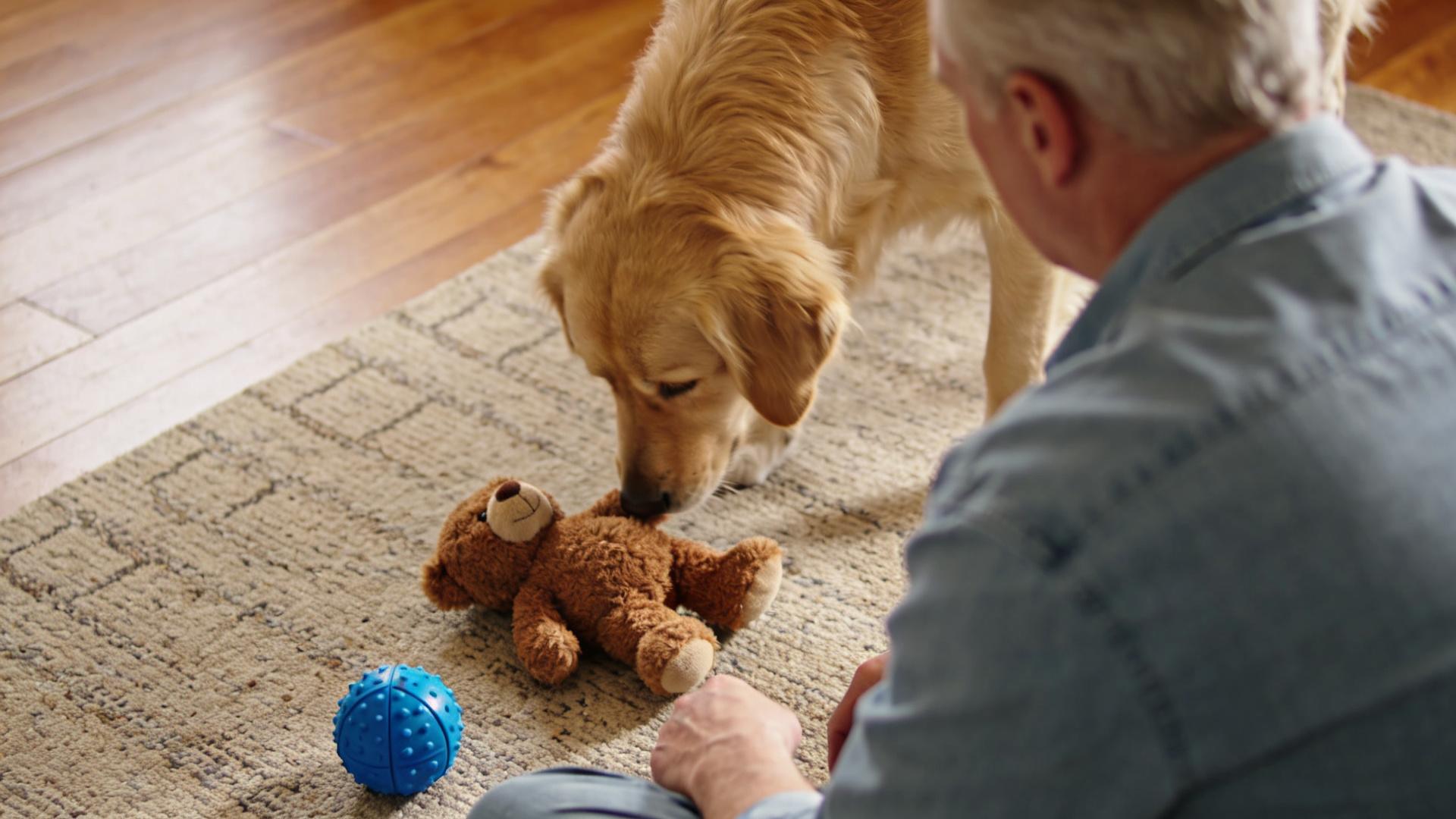
This is the critical juncture where advanced name recognition truly begins. Place the Teddy Bear and one other, very different toy (e.g., a blue ball) side-by-side, about a foot apart. Give your command: "Fetch Teddy!" Your dog will likely hesitate or sniff both. Do not repeat the command. Let them think. If they sniff or pick up the Teddy, instantly mark and reward lavishly. If they go for the distractor, simply say "uh-uh" or "oops" in a neutral tone, pick up both toys, reset, and try again, perhaps with more distance between the two. This step teaches discrimination.
🗻 Step Four: Systematically Expanding the Pile
Gradually increase the difficulty, following a logical progression:
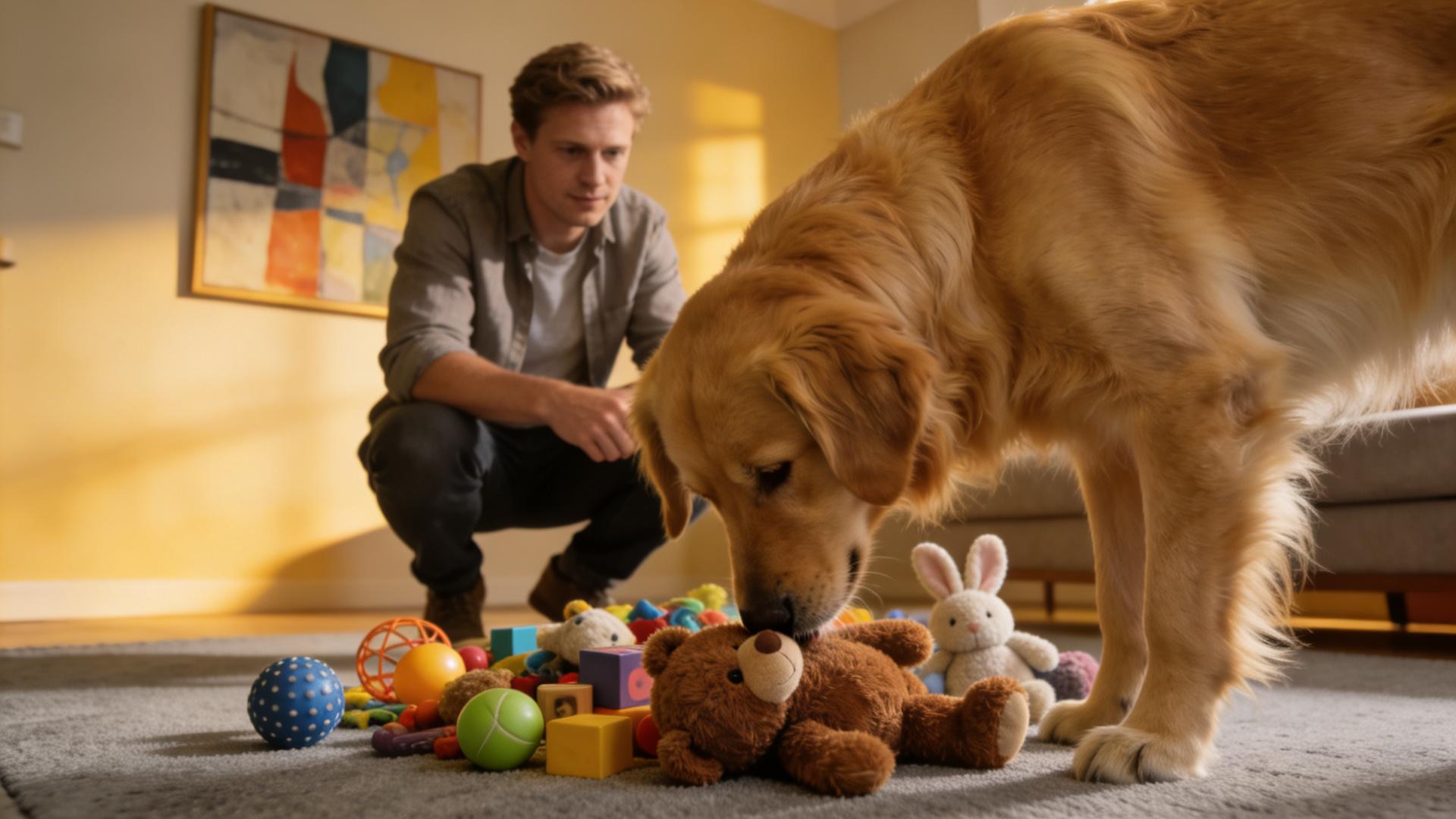
- Three Toys: Add a second distractor. Place the Teddy Bear between two other toys.
- Five Toys: Scatter the toys in a small semi-circle.
- Advanced Piles: Work up to 10+ toys, mixing in similar textures or colors. You can even partially hide the Teddy.
At each new level, be ready to jackpot—give multiple treats or an extra-special one—for a correct find. This reinforces the harder work. This stage is the core of interactive dog training games that challenge the mind.
🌍 Step Five: Generalization – Proofing the Skill
A skill isn't truly learned until it works everywhere. Dogs are context-specific learners. Just because they find Teddy in the living room doesn't mean they'll understand in the backyard. You must generalize.
- New Locations: Practice in the kitchen, bedroom, yard, and even at a calm friend's house.
- New Piles: Use different sets of distracting toys.
- New Positions: Have a family member give the command. Sit in a chair while giving the command.
This phase ensures the command "fetch Teddy" is robust and reliable, a true testament to canine learning advanced commands.
💡 Pro Tips & Troubleshooting for Flawless Execution
Special Reminder: If you hit a plateau, never show frustration. Simply back up to the last step where your dog was successful, have a few easy wins, and end the session. Here are key strategies for success:
- Session Length is Key: Cap training at 5 minutes. It's better to have two short, brilliant sessions a day than one long, slogging one.
- Treat Hierarchy: Use standard treats for easy repetitions, but break out the "jackpot" treats (like diced steak) for breakthroughs with larger piles or in new environments.
- The Power of Scent: In the early stages, you can rub the treat on the Teddy Bear to imbue it with a food scent, leveraging natural dog scent recognition abilities to aid visual learning.
- If They Consistently Fail: Are the distractors too similar? Go back to using a highly distinct toy (e.g., a rubber duck vs. the plush bear). Is the reward high-value enough? Increase it.
- Build a Vocabulary: Once your dog has mastered "Teddy," you can apply the same process to name other toys, creating a whole repertoire of known objects. This is the ultimate goal of teaching toy names to dogs.
🎉 Conclusion: Celebrating a Sharper Mind and a Stronger Bond
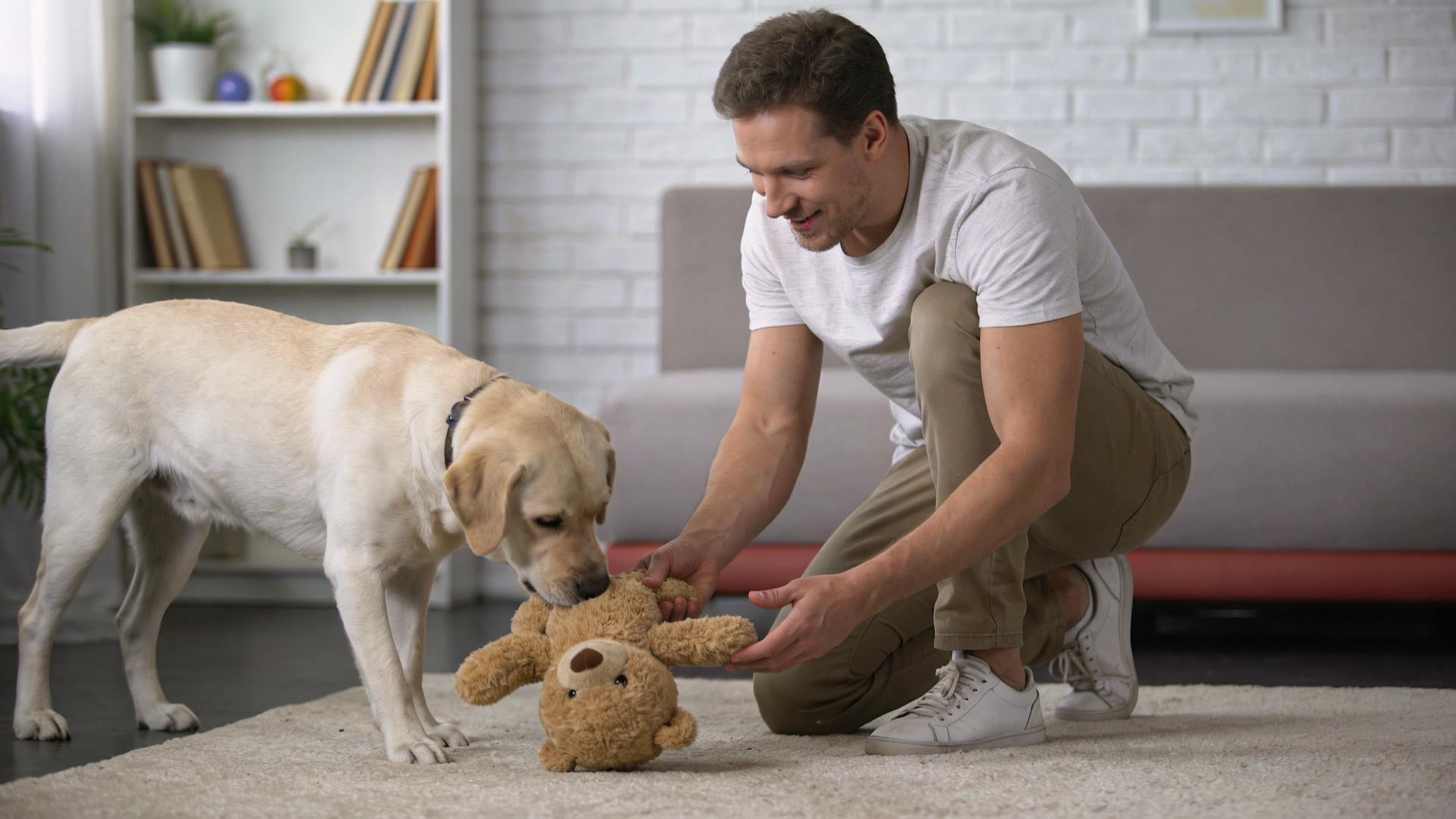
Mastering the advanced dog trick find toy is a milestone that offers far more than a cute party trick. It provides a powerful channel for mental stimulation, staving off canine cognitive decline and providing a satisfying job for your dog to do. It deepens your communication, building mutual trust and understanding. Each time your dog triumphantly drops the Teddy Bear at your feet, you're not just receiving a toy; you're witnessing the impressive results of patience, positive reinforcement, and the incredible, trainable intelligence of your canine companion. Enjoy every step of this rewarding journey. Happy training! 🐾