
You May Have Missed

The Science of Home Destruction: Is it High Energy or Extreme Boredom?
You walk through the front door after a long day, and your heart sinks. The living room looks like a confetti bomb went off—shredded cushions, disemboweled pillows, and the leg of your favorite chair now a gnawed sculpture. Your canine companion greets you with a wagging tail and innocent eyes, oblivious to the carnage. Sound familiar? 🐾 This scene plays out in homes daily, leaving frustrated owners asking one burning question: “Why does my dog do this?” Is it a simple case of a hyperactive, high-energy dog, or is it a cry for help from a deeply bored mind? This article delves into the behavioral science behind the wreckage, separating myth from fact and providing a clear roadmap to peace and intact furniture.
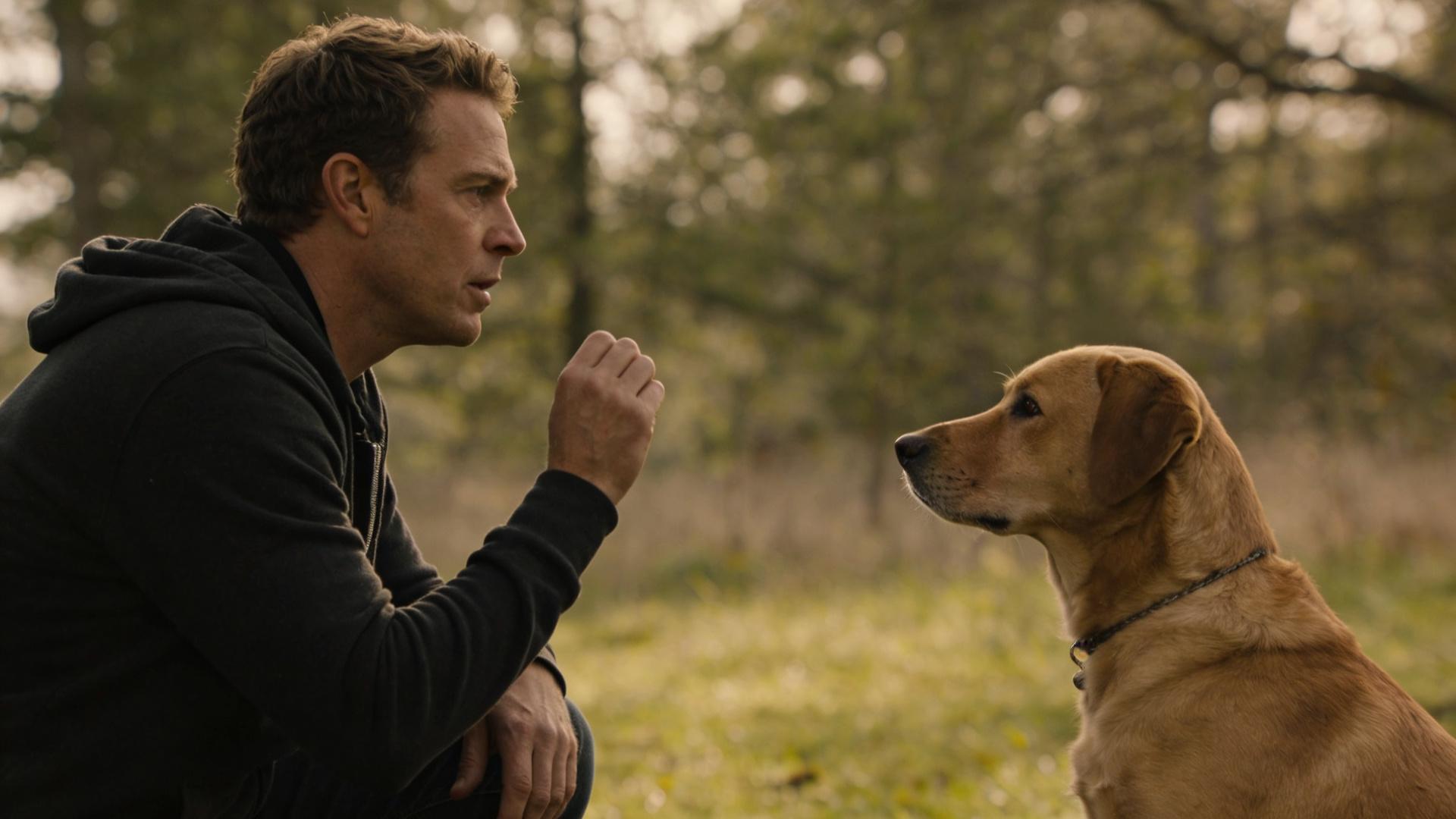
Silent training: achieving tacit understanding by using only eye contact and body language to complete instructions
In the bustling world of dog training, filled with vocal cues, clickers, and treat bags, there exists a profoundly quiet corner. It is a space where communication flows not through sound, but through the subtle, powerful languages of the eyes and the body. Silent dog training is not merely a technique; it is an art form and a philosophy that seeks to cultivate a deep, intuitive bond between human and canine. Imagine directing your dog through a crowded park, navigating an agility course, or simply asking for a polite sit at a curb—all without uttering a single word. This is the pinnacle of tacit understanding dog training, a connection built on mutual observation, trust, and a symphony of non-verbal signals. This comprehensive guide will unveil the methods, science, and soul behind communicating with your dog in silence, transforming your relationship into one of seamless, quiet harmony. $image$
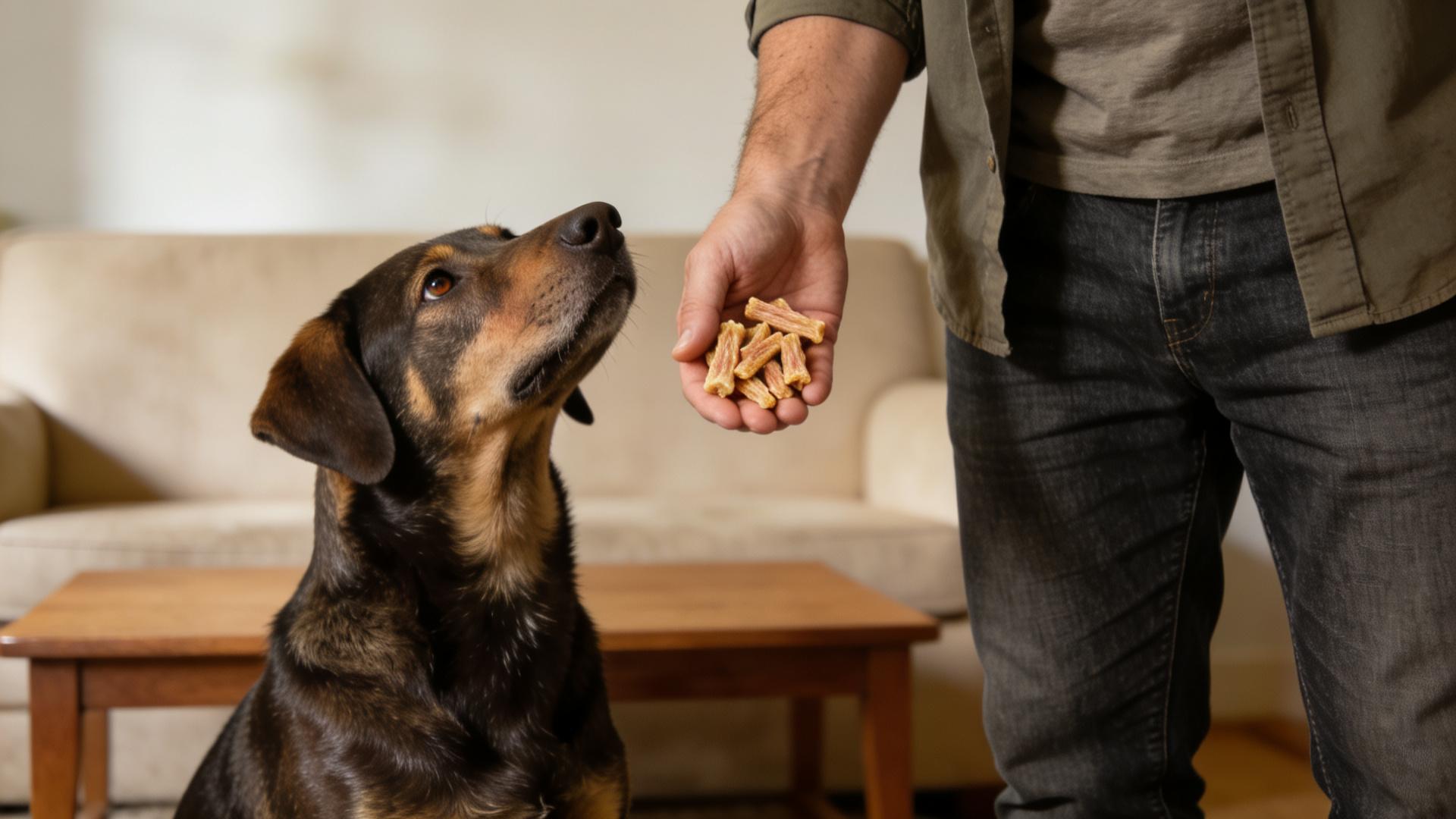
The "Stay" instruction: a step-by-step progression from 3 seconds to 3 minutes.
In the world of canine obedience training, few commands are as vital for both safety and everyday harmony as a reliable "Stay". It's the pause button that can prevent a dog from darting into traffic, the polite manners that keep them settled when guests arrive, and the foundation for more advanced skills. Yet, for many owners, the journey from a fleeting moment of stillness to a calm, prolonged stay command feels daunting. This article is your definitive guide. Our goal is to provide a clear, actionable, and stress-free training protocol that builds duration and distance gradually, transforming impatience into impeccable impulse control.
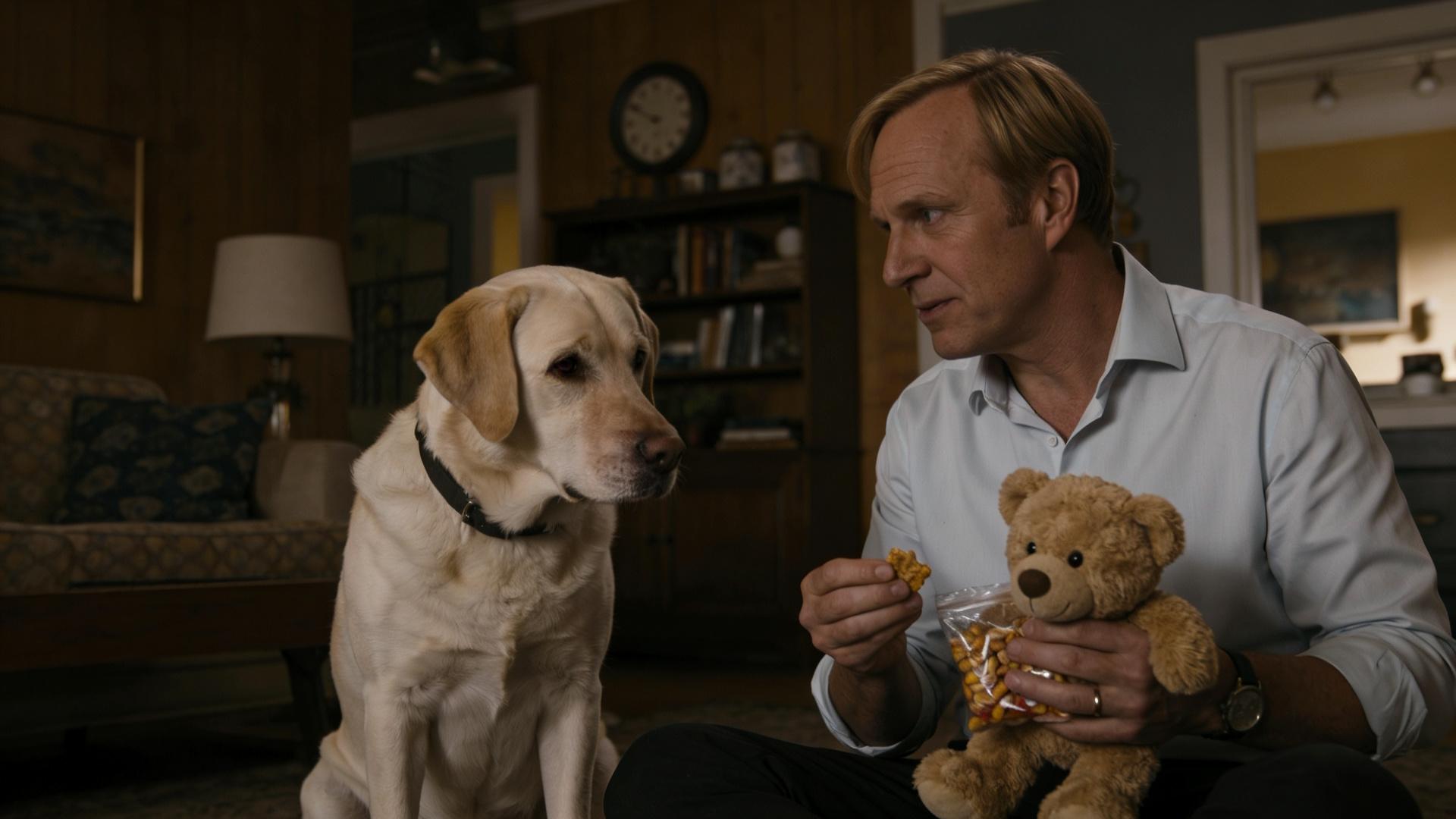
Advanced Name Recognition: Teaching your dog to find the "Teddy Bear" from a pile of toys.
The bond between a human and a dog is often built on a shared language. While basic commands like "sit" and "stay" form the foundation, advancing to advanced name recognition opens a thrilling new chapter in communication. Imagine the pure joy—and the impressed guests—when you casually ask your dog to "go find your Teddy Bear," and they confidently navigate a mountain of plush toys to bring back the correct one. This isn't mere parlor trick; it's a profound demonstration of canine cognitive ability and a deeply enriching form of mental stimulation for dogs. This comprehensive guide will walk you through the systematic process of teaching this impressive skill, turning abstract words into meaningful requests and strengthening your partnership through intelligent play.
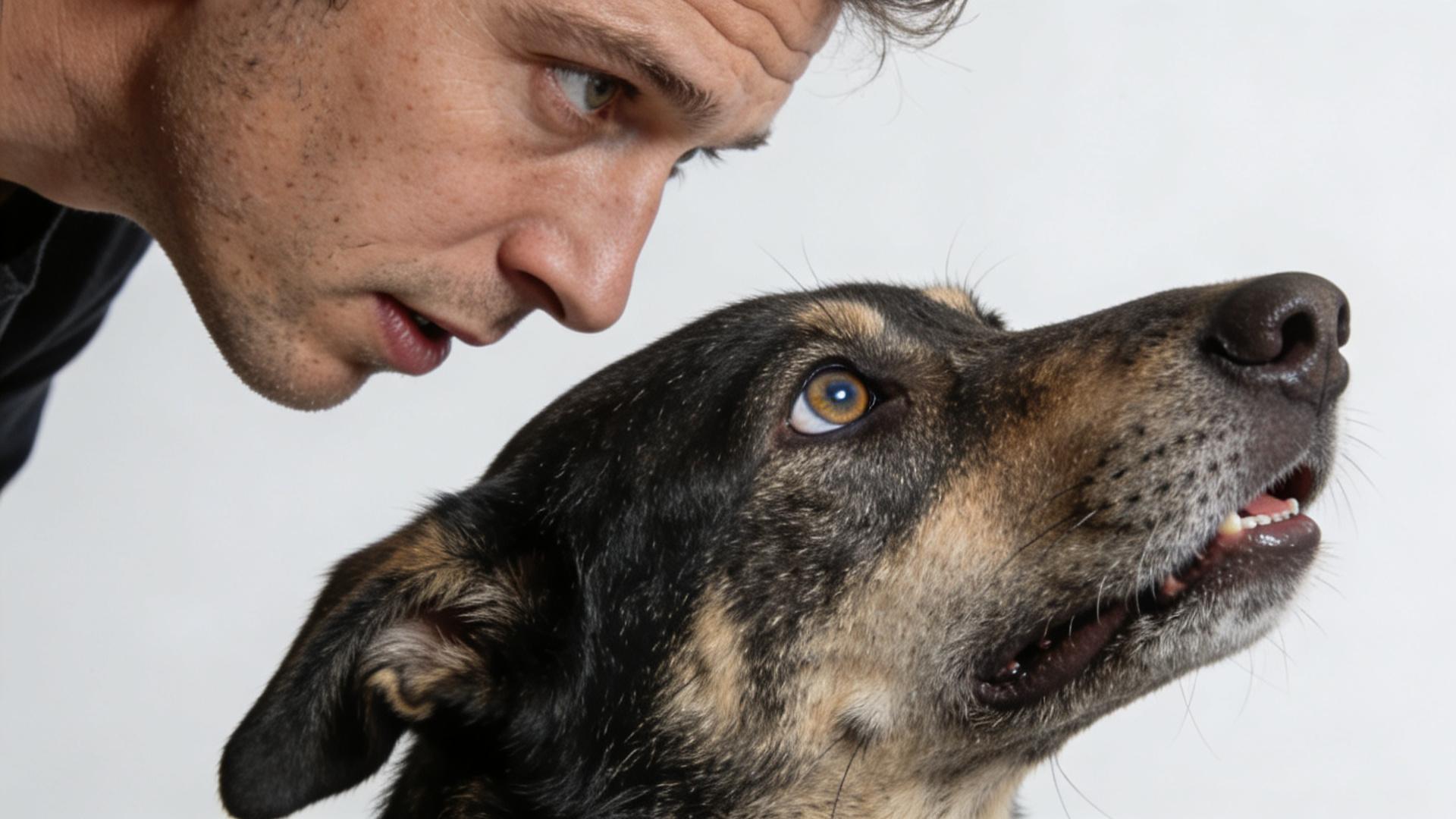
Aggression Prevention: Recognizing 5 Micro-expressions Before a Dog's Attack
In the critical seconds before a dog bite, there is rarely a dramatic growl or a clear snarl. More often, there is a silent, fleeting whisper of tension across the dog's face—a micro-expression that shouts a warning to those who know how to listen. For dog owners, trainers, and anyone who shares their world with canines, learning this silent language is the most powerful tool for aggression prevention. This article will define and detail five critical facial cues that precede an attack. This knowledge is not about fostering fear, but about wielding the proactive power of observation to ensure safety for both humans and dogs.

Tips for using a food-dispensing ball: prolong your dog's eating time and exercise their brain.
Does your dog inhale their dinner in seconds, only to look up with a bored, "What's next?" expression? 🐾 You're not alone. Rapid eating and under-stimulation are common canine complaints with potentially serious consequences. Enter the humble food-dispensing ball—a deceptively simple tool that can revolutionize your dog's daily routine. More than just a toy, it's a portal to enrichment, transforming a mundane meal into a rewarding, brain-engaging adventure. This comprehensive guide delves deep into practical, professional strategies to maximize this tool's potential. You'll learn to artfully slow down a speed-eater, provide essential mental exercise, and cultivate a happier, more fulfilled companion.