In the world of canine obedience training, few commands are as vital for both safety and everyday harmony as a reliable "Stay". It's the pause button that can prevent a dog from darting into traffic, the polite manners that keep them settled when guests arrive, and the foundation for more advanced skills. Yet, for many owners, the journey from a fleeting moment of stillness to a calm, prolonged stay command feels daunting. This article is your definitive guide. Our goal is to provide a clear, actionable, and stress-free training protocol that builds duration and distance gradually, transforming impatience into impeccable impulse control.
🐕 Prerequisites for Success: Setting the Stage
Before you embark on this step-by-step stay progression, ensure you have these fundamentals in place. Rushing in without them is like building a house on sand—it will not hold.
- A solid "Sit" or "Down" command. Your dog must be able to hold this position comfortably as the starting point for the stay.
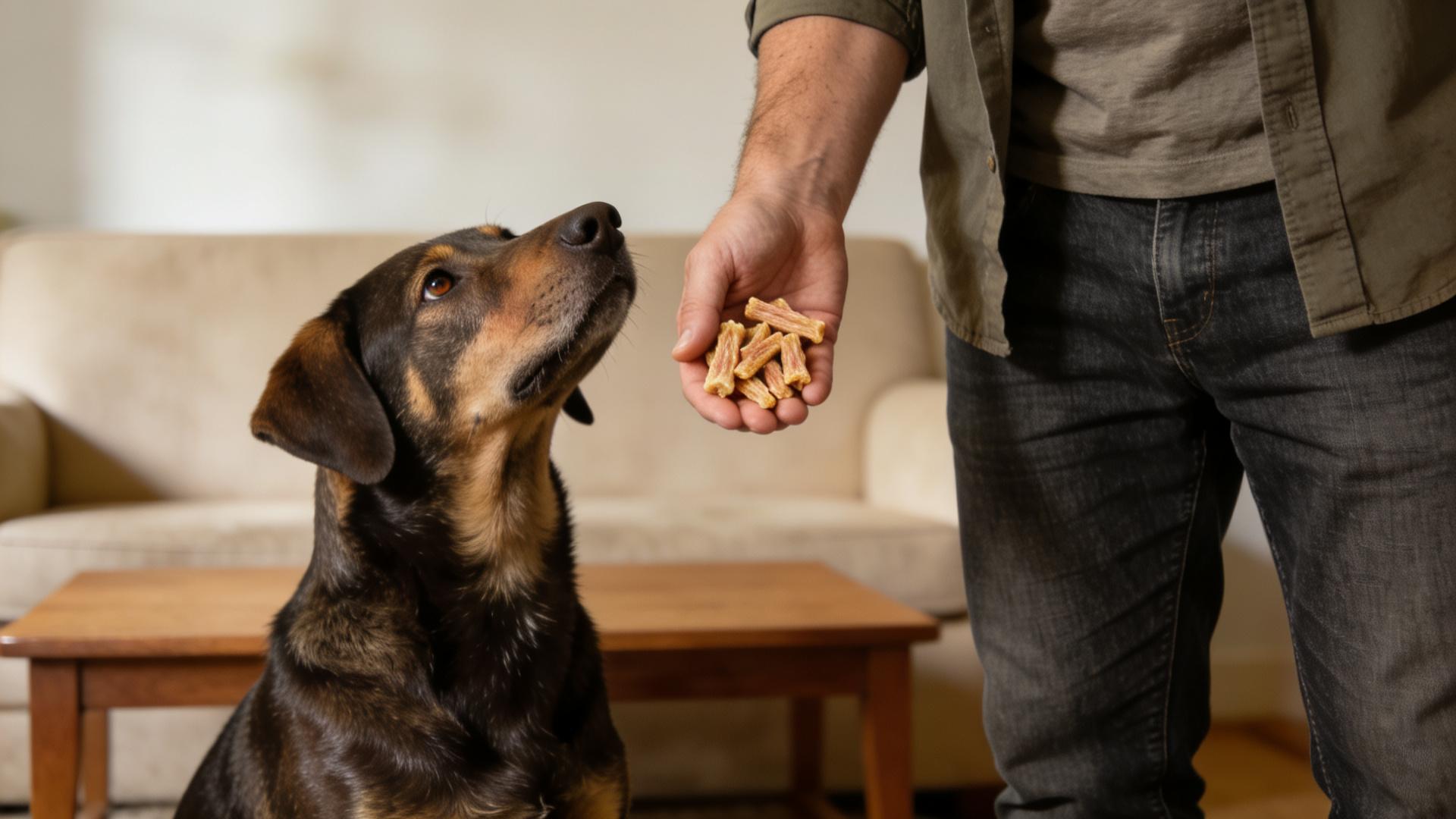
- High-value training treats. Use something irresistible that your dog doesn't get every day, like small pieces of chicken, cheese, or liver. This is crucial for increasing stay duration.
- A quiet, low-distraction environment for initial sessions. Start indoors in a familiar room. Mastering dog stay training requires focus from both of you.
- A clear release word like "Okay," "Free," or "Break." This tells your dog the exercise is over and they can move. Consistency with this word is non-negotiable.
- Patience and short, positive training sessions. Aim for 5-10 minutes, 2-3 times a day. Always end on a success to keep your dog engaged and eager.
Core Training Protocol: The Step-by-Step Progression
This progressive dog training method breaks down mastering the stay command into digestible phases. Never advance to the next step until your dog is confidently successful at the current one.
Phase One: Foundation and Three Seconds
Goal: To teach the dog the concept and mechanics of the "Stay" instruction. We are linking the word, the hand signal, and the act of not moving.
Method:
- Ask your dog to Sit.
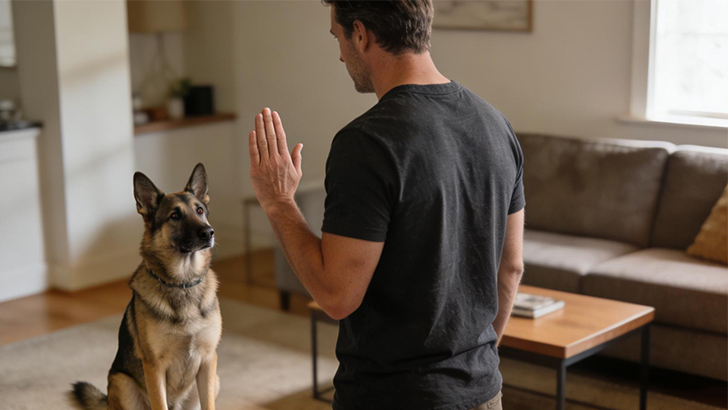
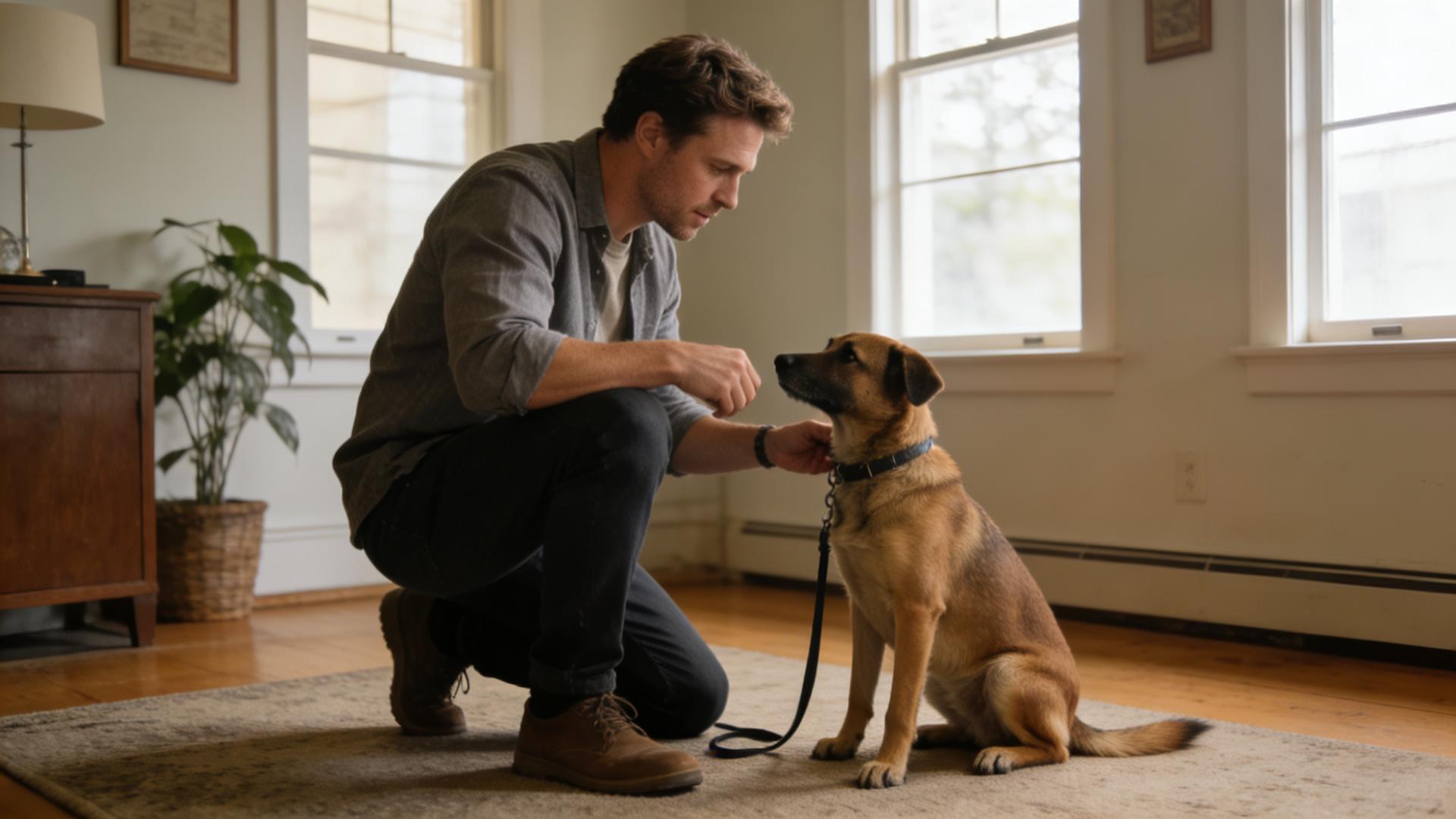
- Say "Stay" in a calm, clear voice while simultaneously showing a clear hand signal (a flat palm facing them is universal).
- Take one small, slow step backward.
- Immediately step back to your dog, deliver a treat to their mouth while they are still sitting, and then say your release word (e.g., "Okay!").
Progression Criteria: Only move to Phase Two when your dog successfully holds the stay for 3 seconds, 8 out of 10 times, with you one step away. This builds a reliable stay foundation.

Phase Two: Building Duration to Fifteen Seconds
Goal: To incrementally increase the time your dog holds the position while you remain close by. We are building a reliable stay by stretching time.
Method:
- Give your "Stay" command with hand signal.
- Stay within one step. Use a calm, still posture.
- Begin to count silently: Start with 5 seconds. The moment time is up, step in, treat, and release.
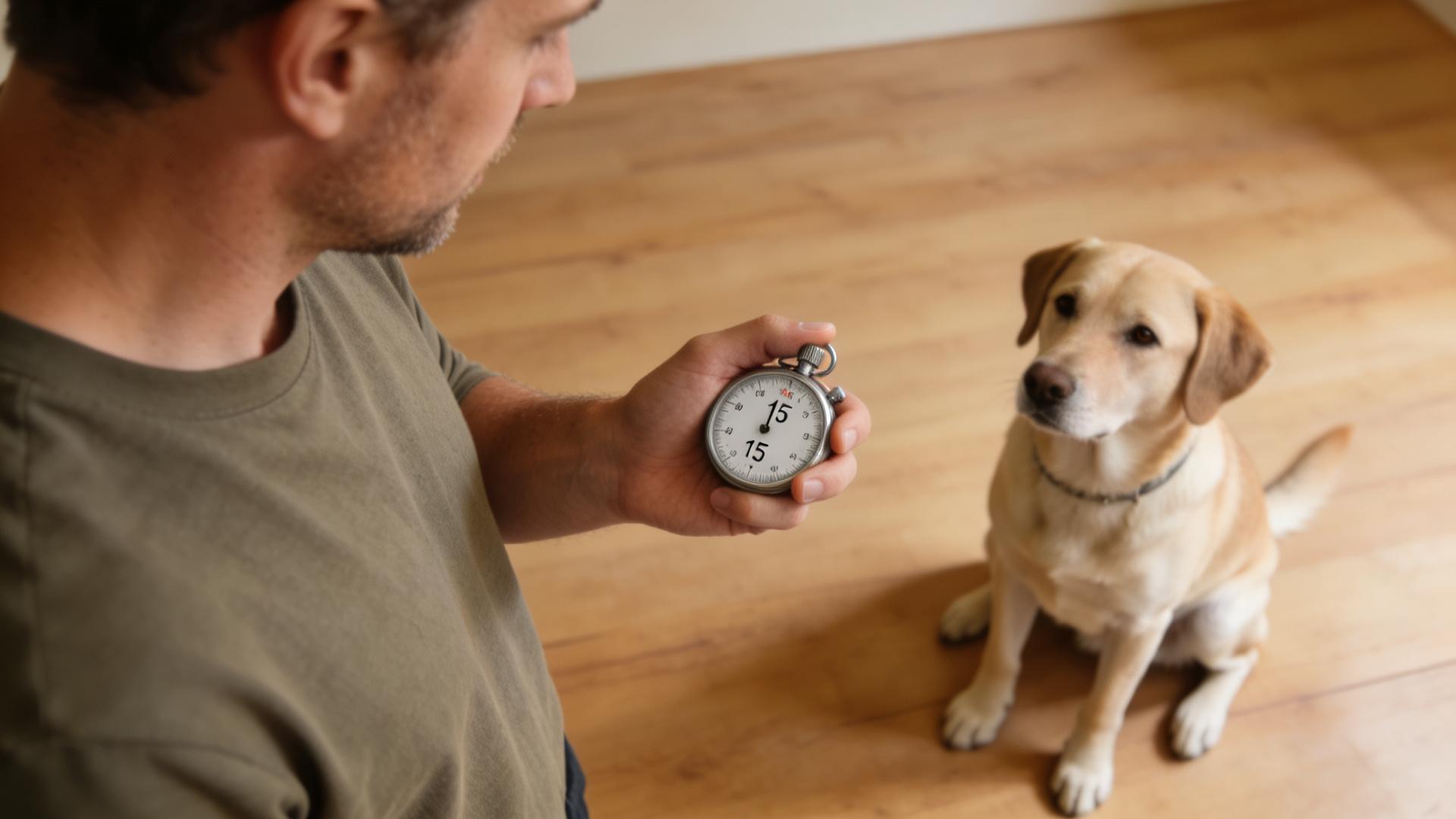
- Over several sessions, randomly vary the duration between 3 and 10 seconds, then gradually work up to a solid 15-second stay. Key Tip: Occasionally reward with a "jackpot" (several treats at once) for longer holds.
Progression Criteria: Your dog can hold the stay command for a full 15 seconds, looking calm and settled, without you moving away. This proves they understand that "stay" means "continue until I say otherwise."
Phase Three: Adding Distance and Duration to Three Minutes
Goal: To combine the duration you've built with increasing distance and more challenging distractions (like you moving). This is the culmination of duration training for dogs.
Method:
- Golden Rule: Never increase distance and duration in the same session. If you're adding steps, keep the time short. If you're adding minutes, stay close.
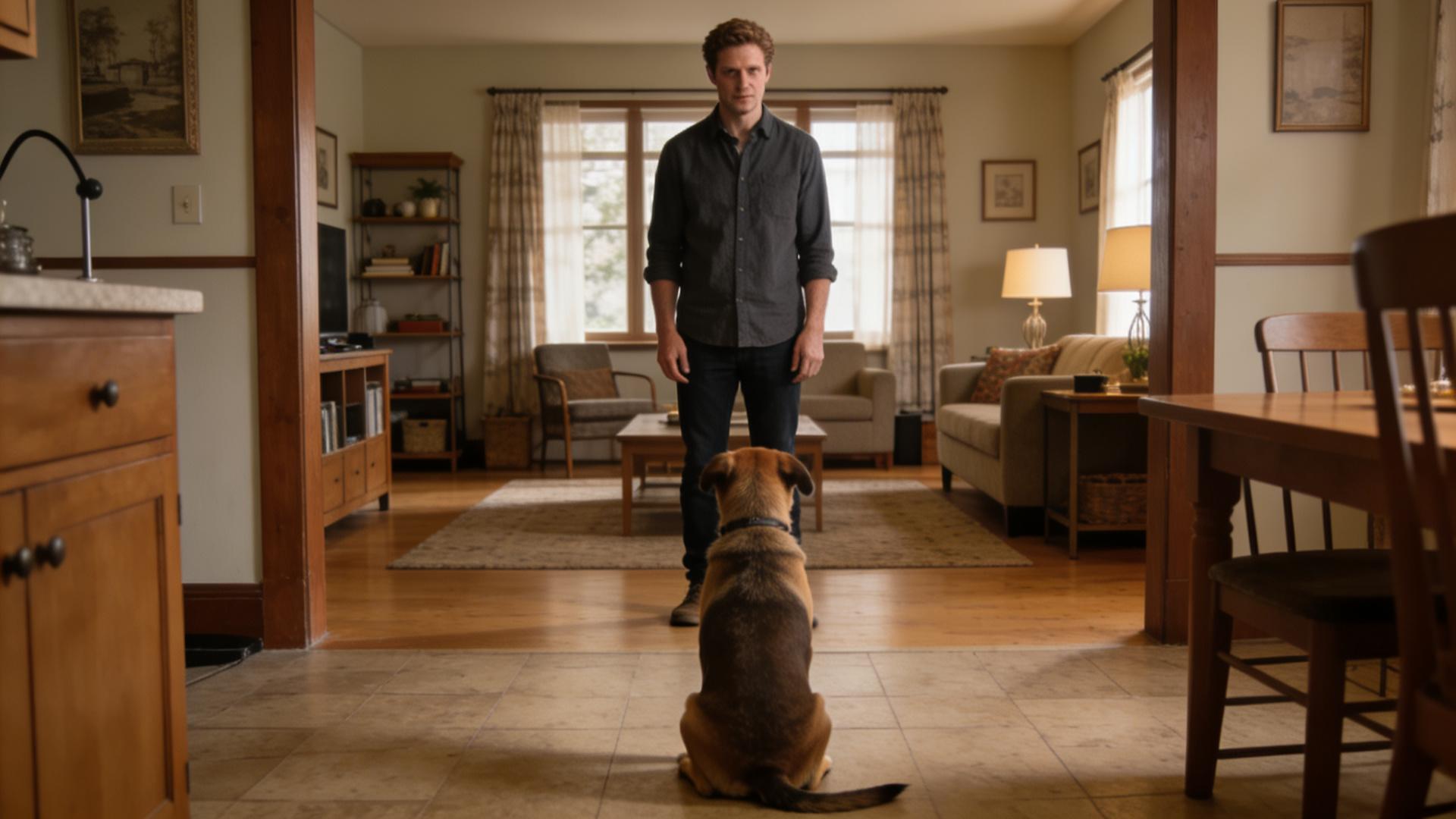
- Adding Distance: Start fresh. Give the "Stay," take one step back, return immediately, reward. Next, try two steps. Then three. Work up to being able to walk across the room. Finally, practice walking a full circle around your dog.
- Combining Challenges: Once your dog is confident with distance, begin to add back duration. Ask for a stay, walk 5 feet away, wait for 10 seconds, return, reward. Slowly increase the time you are at a distance.
- Advanced Proofing: Practice by stepping briefly out of sight (into a hallway) for just 2-3 seconds, then immediately returning and rewarding. Gradually extend this out-of-sight time.
Progression Criteria: Your dog can reliably stay for 3 minutes while you move around the room, sit in a chair, or even go briefly into another room. This demonstrates a true understanding of the stay instruction guide.
🚨 Troubleshooting Common Issues
Every dog learns at their own pace. Here's how to solve common hiccups in your dog training steps.
Breaking Stay Early
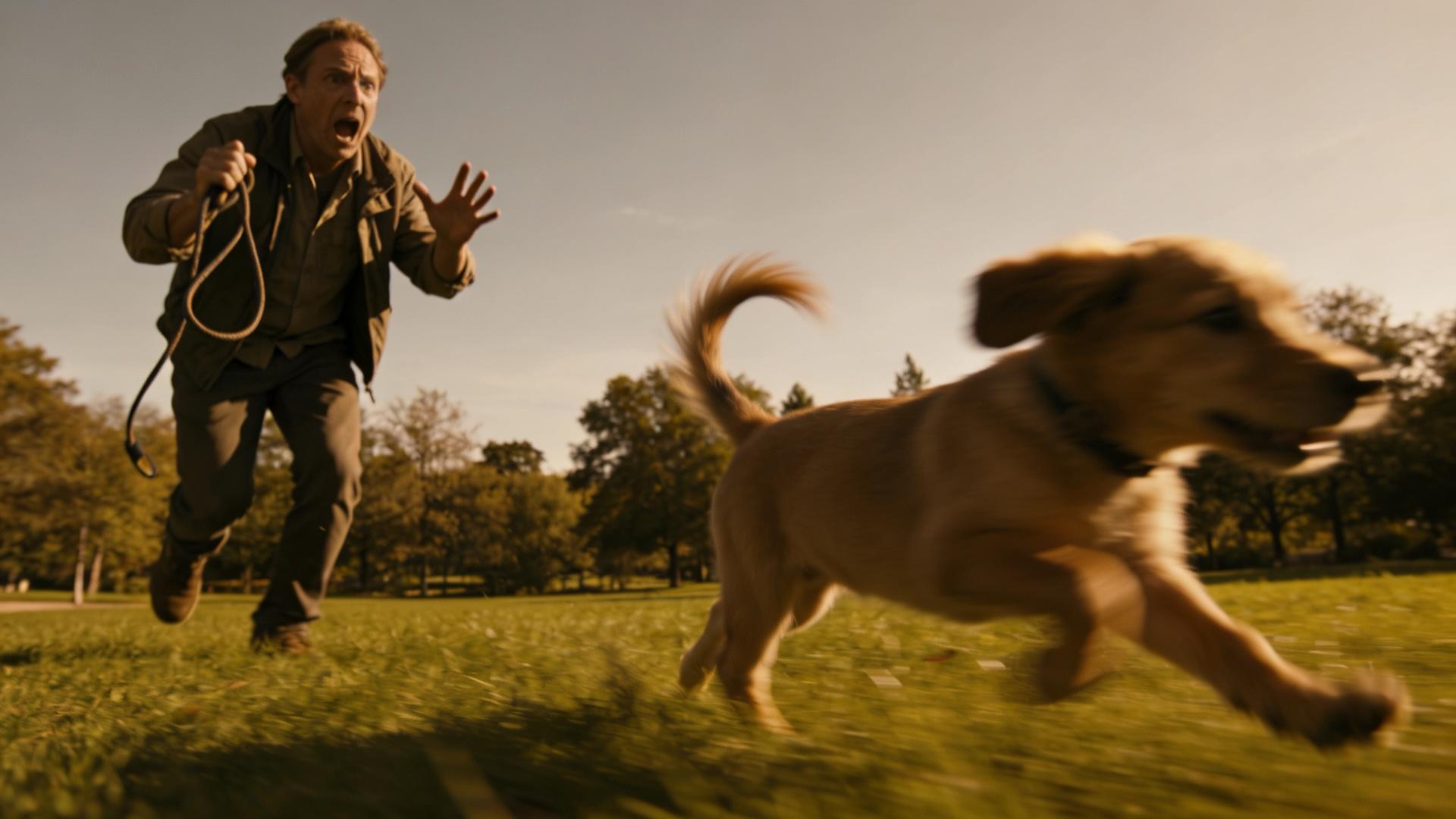
The Problem: Your dog gets up before you release them.
The Solution: This is the most important rule: If your dog breaks, the criteria was too high. Do not scold. Simply go back to a shorter duration or a shorter distance where they can succeed. Make the exercise easier, not more punishing. This reinforces the win.
Whining, Pacing, or Seeming Anxious
The Problem: Your dog stays but shows signs of stress.
The Solution: This often indicates confusion or pressure. Return to Phase One basics. Ensure your release word is happy and clear. Drastically shorten the time and keep sessions incredibly positive and brief. You may be progressing too fast.
Only Stays When Treats Are in Your Hand
The Problem: Your dog has learned to watch the treat, not listen to the command.
The Solution: Start practicing with treats hidden in a pouch or on a shelf. Give the command with empty hands. Then go get the treat to reward. Begin to transition to an intermittent reward schedule—reward the best, longest stays unpredictably, while still praising others.
🎯 Conclusion: The Path to a Steady Companion
Mastering the stay command is a masterclass in patience, consistency, and incremental progression. The journey from 3 seconds to 3 minutes isn't a race; it's a systematic step-by-step stay progression that builds not just obedience, but also trust and communication. Remember, the cornerstone of all canine obedience training is to set your dog up for success, celebrate the small wins, and always end on a positive note. Your Call to Action: Now that you have the protocol, practice daily. Begin to generalize the behavior by practicing in new locations with slightly more distractions, always lowering your criteria (back to less time/distance) when you change the environment. With this approach, a calm, confident, and reliable stay is well within your—and your dog's—reach.