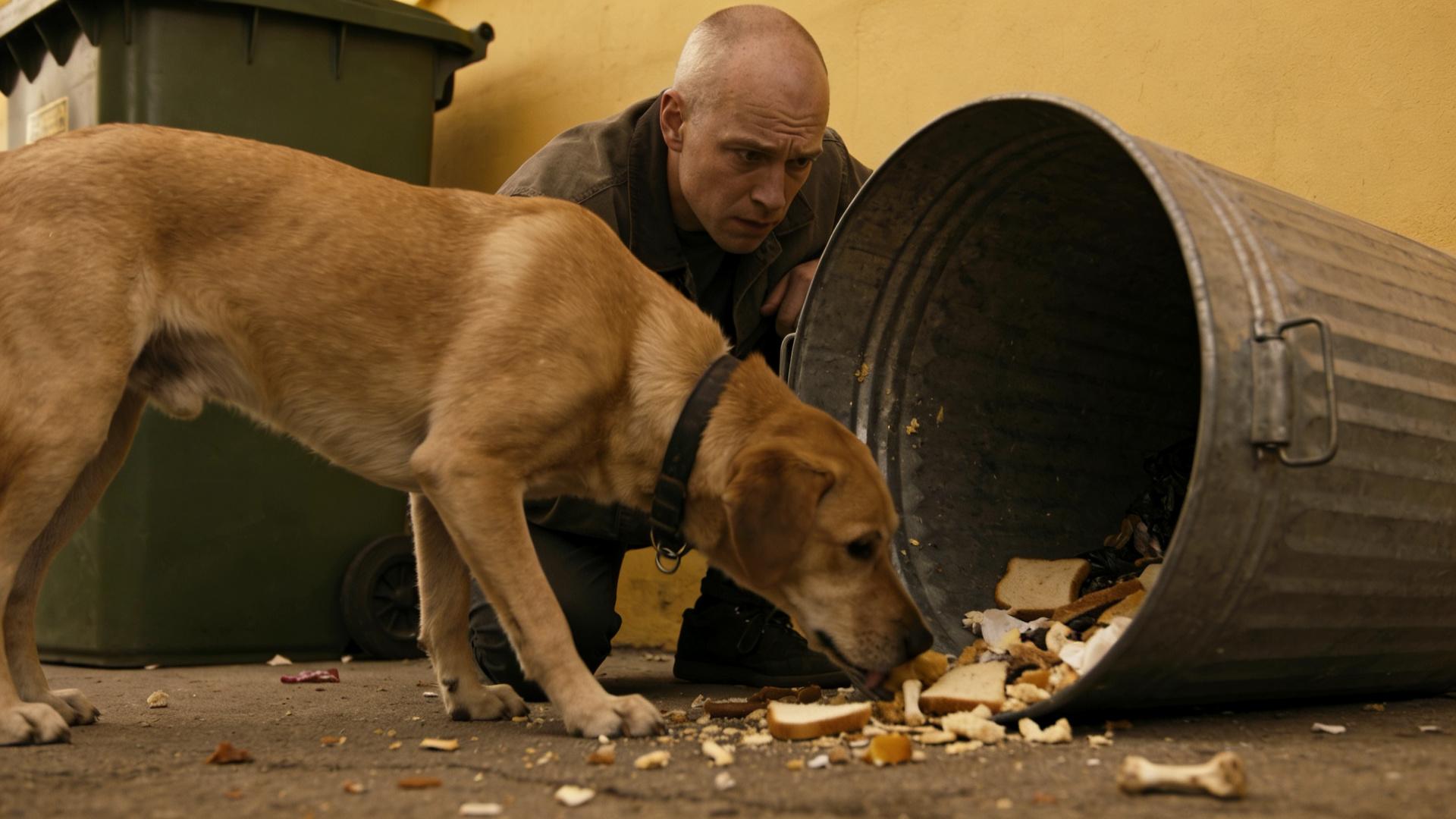
You shout his name, your voice tinged with rising panic. Across the wide-open green, your dog’s ears flick but his body remains locked on the tantalizing scent of a squirrel. He’s too far, too distracted, and you feel a cold wave of helplessness. This scene is the stark reality for many dog owners, highlighting the gap between a basic "come" in the kitchen and a reliable long-distance recall in the real world. Achieving that swift, joyful return from any distance isn't about dominance; it's the pinnacle of trust, communication, and skilled training. It is the ultimate gift of safe freedom. The journey there is methodical, but entirely possible. This guide will walk you through the proven, progressive steps to transform your recall from a hopeful plea into an unwavering response.
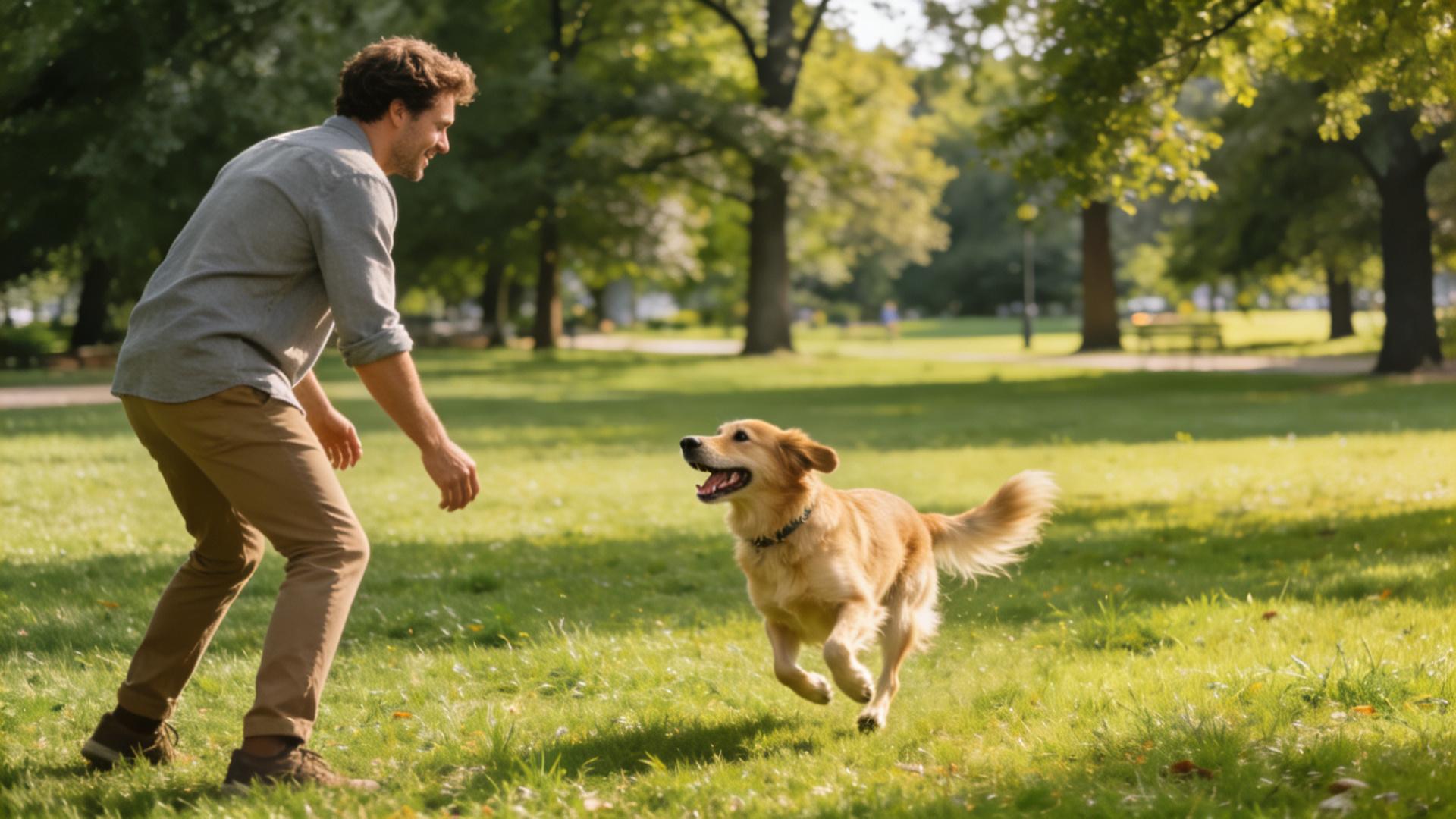
🚨 The Foundation: Why Basic Recall Isn't Enough
That flawless recall in your living room is an excellent start, but it’s a different behavior entirely from a park recall. The environment introduces critical challenges: Distance weakens your control, novel smells are powerfully rewarding, and moving distractions like small animals or other dogs trigger deep-seated instincts. Reliable recall in this context isn't a single command; it's a behavior that has been "proofed" against an increasing hierarchy of difficulties. Attempting off-leash training in a park without this proofed foundation is the most common reason for failure. Without it, you are not training; you are merely hoping your dog makes the right choice.
✅ Prerequisites for Success
Before you step foot in the park, four pillars must be solidly in place.
Your Relationship: You must be a source of fun, security, and high-value rewards. If the environment consistently offers better payouts than you do, your dog will choose the environment.
Value of Rewards: For reliable recall, use treats or a toy your dog goes crazy for—boiled chicken, cheese, liverwurst—reserved solely for this exercise. This creates immense motivation.
Consistency of Cue: Choose one clear cue: a word like "Here!" or a whistle. Never use this cue for anything negative (e.g., calling for a bath or to end play). Keep it explosively positive.
Solid Short-Distance Recall: Your dog must respond enthusiastically at 10 feet on a long line in your yard before you add 20 feet in a dull field. Mastery is built in layers.
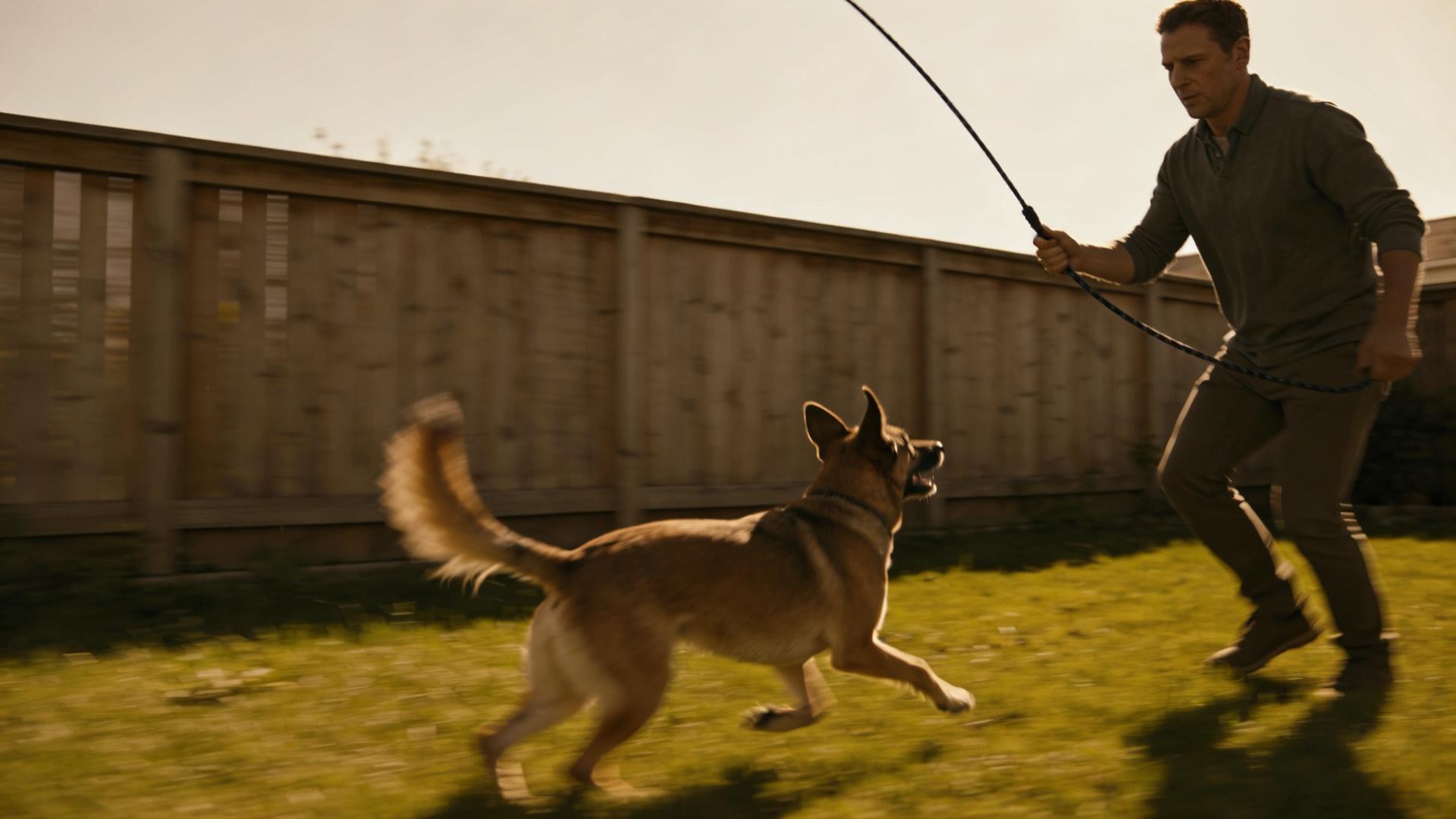
📈 The Progressive Training Plan: From Line to Liberty
This is the core methodology. Rushing any step will undermine your progress. Patience is your most important tool.
Phase One: Building Value and Engagement
Location: A dull, familiar environment like your home or quiet backyard.
Tool: A lightweight 15-30 foot long line, attached for safety only.
Goal: To make your recall cue predict the best thing in your dog's world.
Method: With your dog just a few feet away, give your cue in an excited, happy voice. The moment they turn toward you, celebrate and reward lavishly. Repeat, allowing them to wander slightly farther before calling. Do not use the long line to reel them in. If they don't respond, move to make yourself more interesting—don't repeat the cue. This phase is about building an automatic, joyful reflex.
Phase Two: Adding Distance and Distraction on Line
Location: A quiet corner of a park or empty field.
Tool: Long line, allowed to drag on the ground.
Goal: Generalize the behavior to a slightly more stimulating environment.
Method: Let your dog explore the length of the line. Call when they are mildly distracted (sniffing grass, not a squirrel). If they respond, have a massive party! If they ignore you, you can gently pick up the line and guide them toward you to "help" them succeed, then reward. This prevents the cue from being ignored. Gradually practice with more interesting sights and sounds at a distance you can still manage.
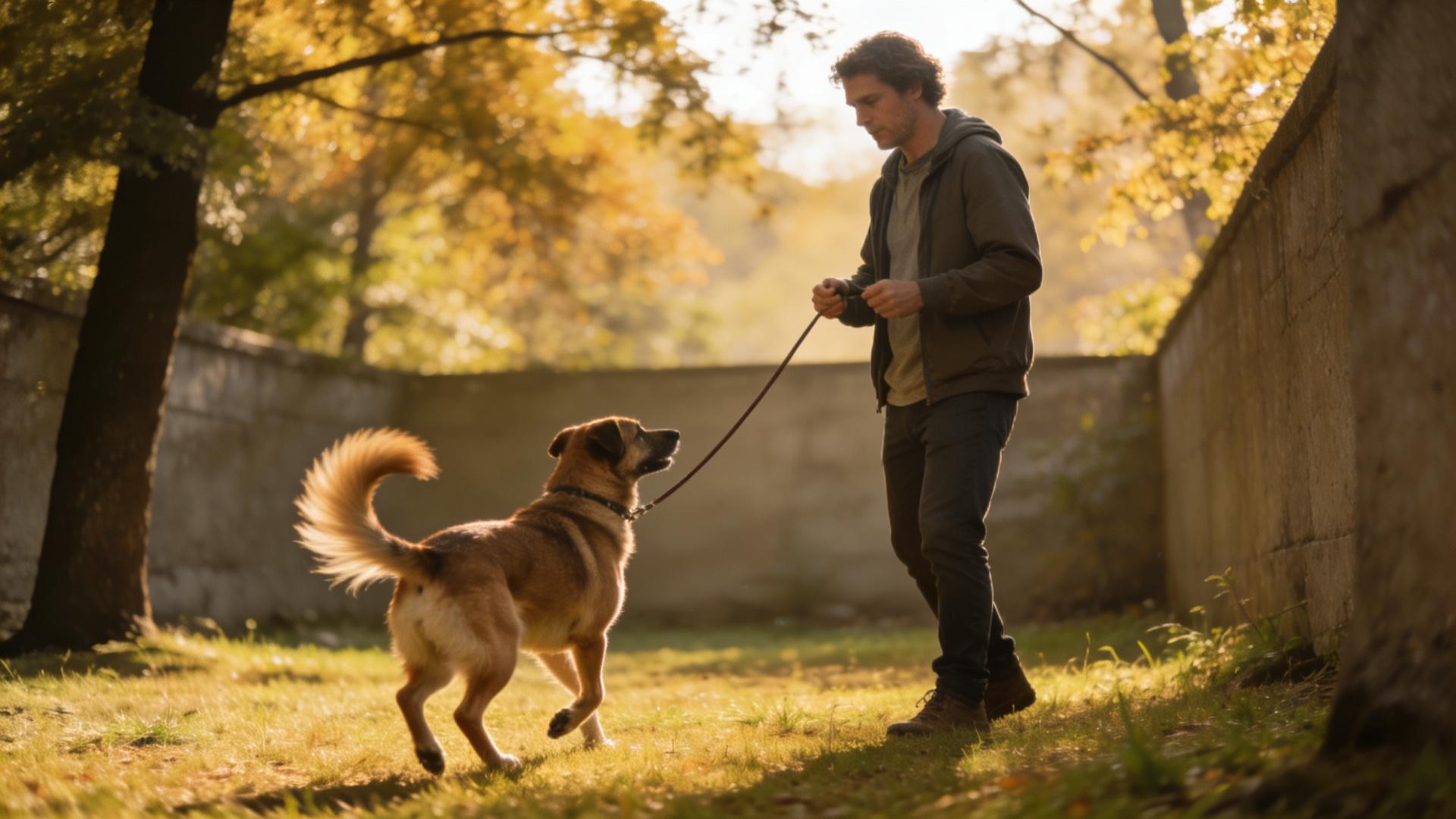
Phase Three: The Critical Test: The Park Center Simulation
Location: A safely fenced area or a park at a very quiet time.
Tool: Your long line.
Goal: Proof the behavior against high distraction.
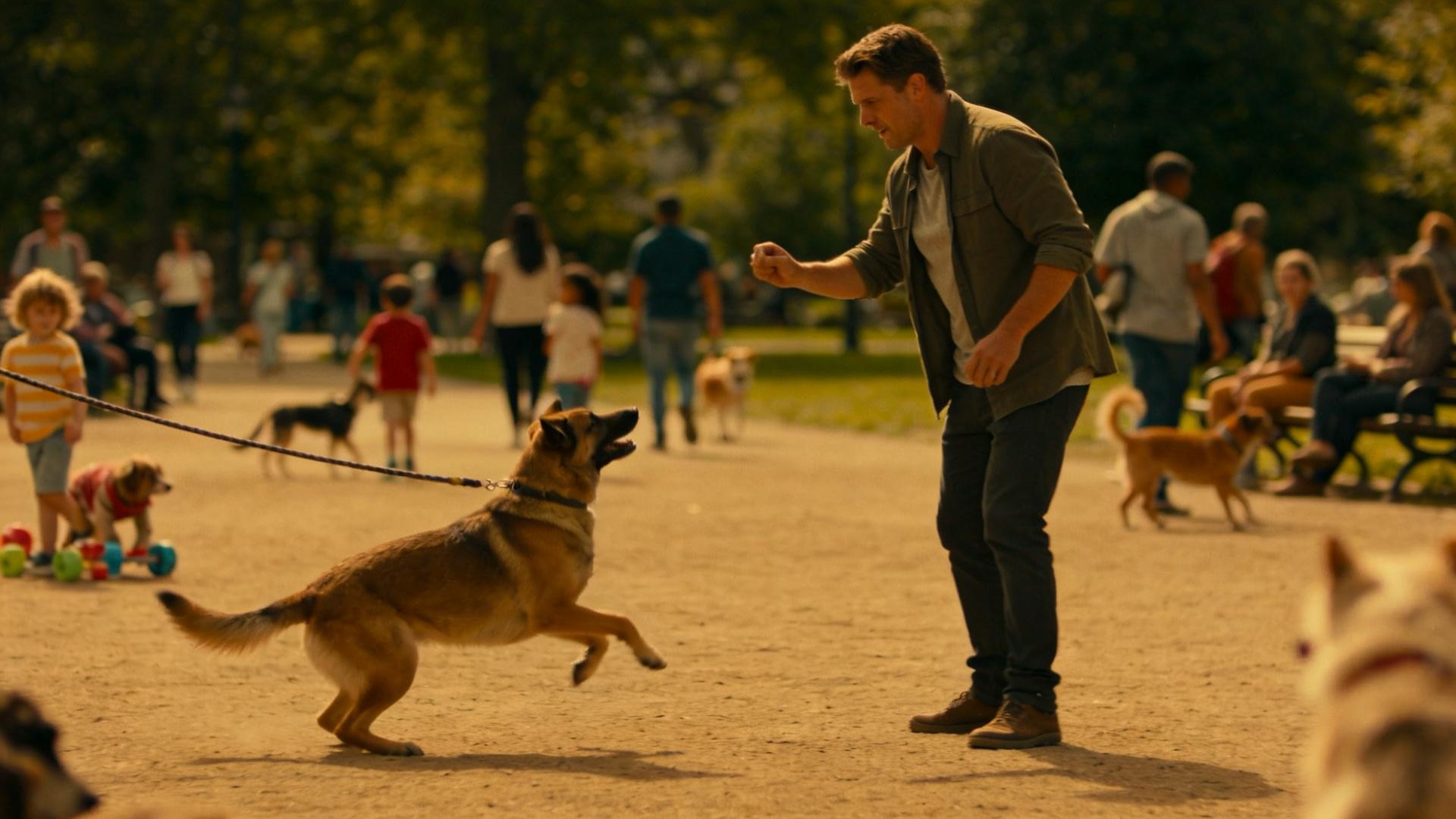
Method: This is where you systematically train the Three D's: Distance, Duration (waiting before calling), and Distraction. Special Reminder: Only ever increase one "D" at a time. A key technique: when you give your cue, become wildly exciting—run away, clap, use a silly voice. This triggers your dog's chase instinct to follow you. Always reward the return, even if you had to use the line for guidance. Success here is measured in consistency, not perfection.
Phase Four: Proofing and Going Off-Line
Prerequisite: 100% success rate on a long line in your target environment.
Goal: Transition to trusted freedom.
Method: Start with very short, supervised off-leash moments in a familiar, enclosed area. Call your dog back before they get distracted, and reward heavily. Have a contingency plan: if they hesitate, use an emergency cue like a whistle blast or "Quick!" paired with an immediate, phenomenal reward (a "jackpot" of several treats). Always end the session on a successful recall. Gradually increase the duration and challenge of off-leash time as your dog proves reliable.
🔧 Troubleshooting Common Failures
Dog Ignores the Cue: You advanced too quickly. Go back to the previous phase with even higher-value rewards. Rebuild the positive association.
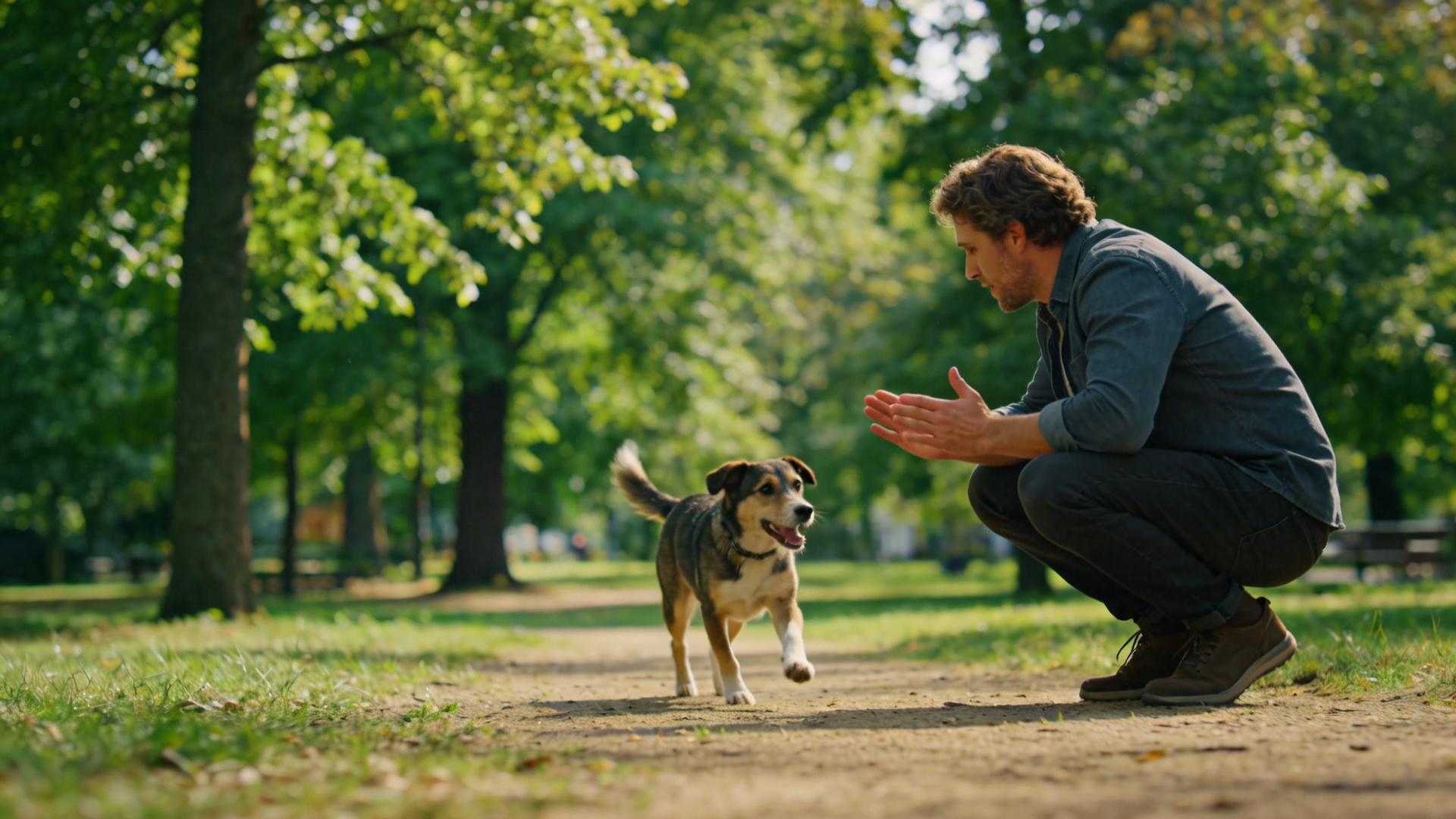
Dog Comes Partway and Stops: Do not repeat the cue. Instead, encourage any forward movement toward you. Crouch, act excited, and reward for any step in your direction.
Dog Avoids You After Being Called: This often indicates the recall was previously associated with something negative (leash going on, fun ending). Rebuild positivity by calling, rewarding, and then immediately releasing to play again several times in a row.
The Squirrel Problem: This is a high-level distraction. Manage the environment (use a leash) until your training is solid. Never set your dog up to fail by allowing them to rehearse chasing instead of recalling.
🎉 Conclusion: The Gift of Confident Freedom
A truly reliable long-distance recall is more than a command; it is the foundation of a safe and profoundly connected partnership. It transforms anxiety-filled park trips into joyful, shared adventures. The path is built on non-negotiable pillars: a rock-solid foundation, patient progressive steps, and rewards that truly compete with the world. Embrace the process, celebrate the small victories, and remember that every successful recall strengthens the bond with your dog. The vision of your dog running freely through an open field, then turning on a dime to sprint back to you with a happy grin, is not a dream—it is an achievable reality forged through trust, consistency, and understanding. Now, go build that freedom together.