
You May Have Missed

Puppy sleep habit training: solutions to nighttime barking and restlessness
Exhausted from puppy night waking? Our expert guide reveals the root causes of barking and restlessness and provides a proven, step-by-step training plan to finally get peaceful sleep for you and your new dog.
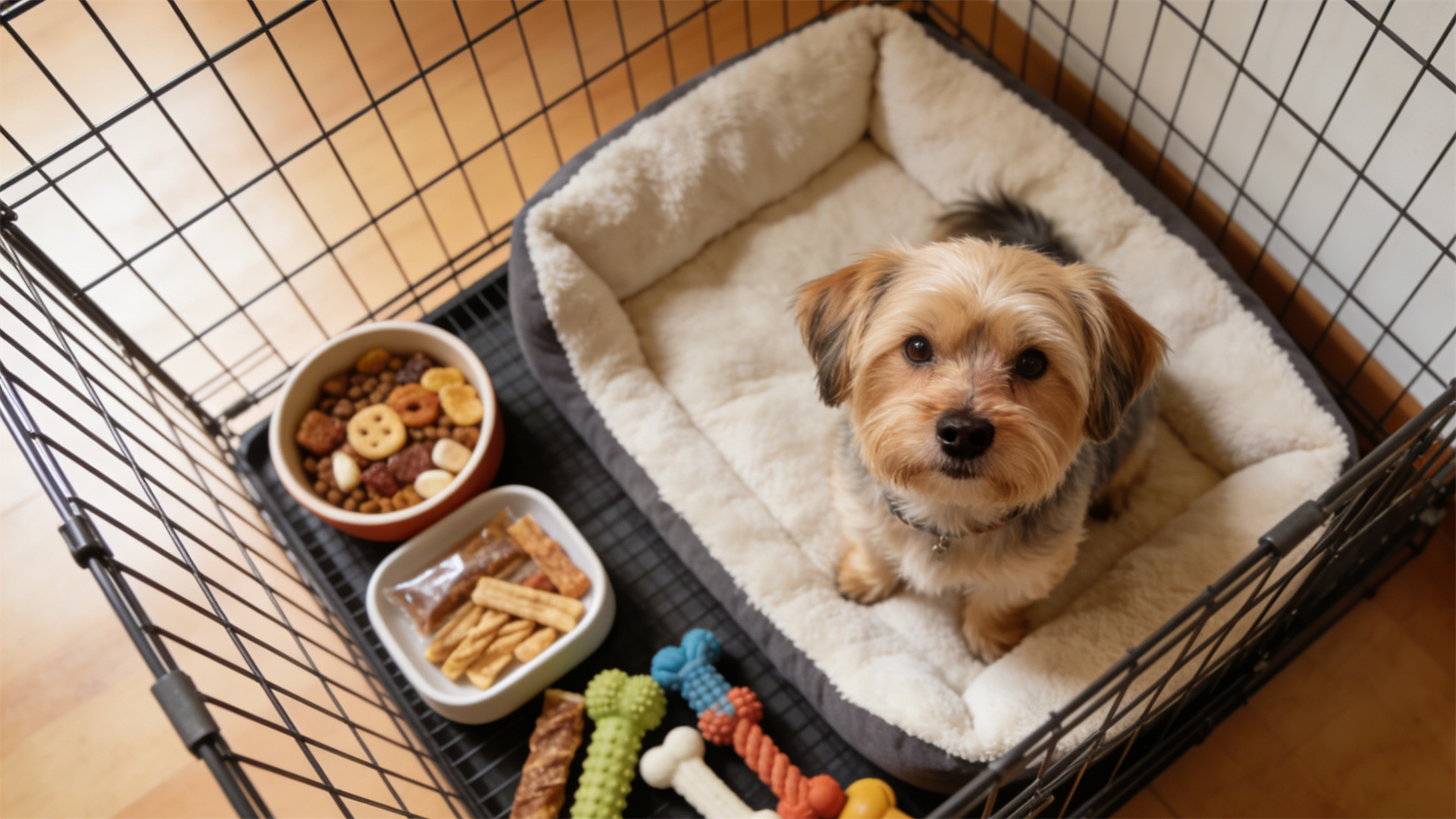
Crate training for puppies: Turn the crate into its favorite "safe house".
If the thought of crate training for puppies fills you with images of a sad, whining pup, you're not alone. Many new owners struggle with guilt, viewing the crate as a cage or a punishment. But what if we told you that, done correctly, your puppy's crate could become its most cherished sanctuary—a personal safe house where it feels completely secure and content? The key lies not in confinement, but in positive association. This guide will walk you through a compassionate, step-by-step process to transform that empty crate into your puppy's favorite nap spot and cozy den, alleviating your anxiety and building your dog's confidence.

Deciphering a dog's "reassurance signals": Is it licking its nose to beg for mercy?
You come home to a scene of minor chaos—a shredded pillow, garbage scattered across the floor. You find your dog, and they immediately avert their gaze, yawn, and give a quick, unmistakable lick of their nose. The conclusion seems obvious: “Look at that guilty face! He knows he did wrong and is begging for forgiveness.” This narrative feels instinctual to us, a story we’ve told ourselves for generations. But what if we’ve been reading the entire situation incorrectly?

Quick Method for Establishing a Fixed Toileting Habit: How to Build a Conditioned Reflex Using Inducers and Rewards
House training. For many new dog owners, these two words conjure feelings of frustration, confusion, and the unmistakable scent of enzymatic cleaner. The cycle of guessing, accidents, and failed schedules can test the bond with your new companion. But what if the key wasn't just more frequent trips outside, but smarter communication? What if you could build a reliable, almost automatic habit in your dog? The solution lies not in scolding, but in leveraging the simple, powerful principles of behavioral psychology. This guide outlines a quick method for establishing a fixed toileting habit by constructing a clear conditioned reflex using two precise tools: the inducer and the reward. It’s a method that transforms you from a cleaner to a coach, forging a partnership built on clarity and positive reinforcement.
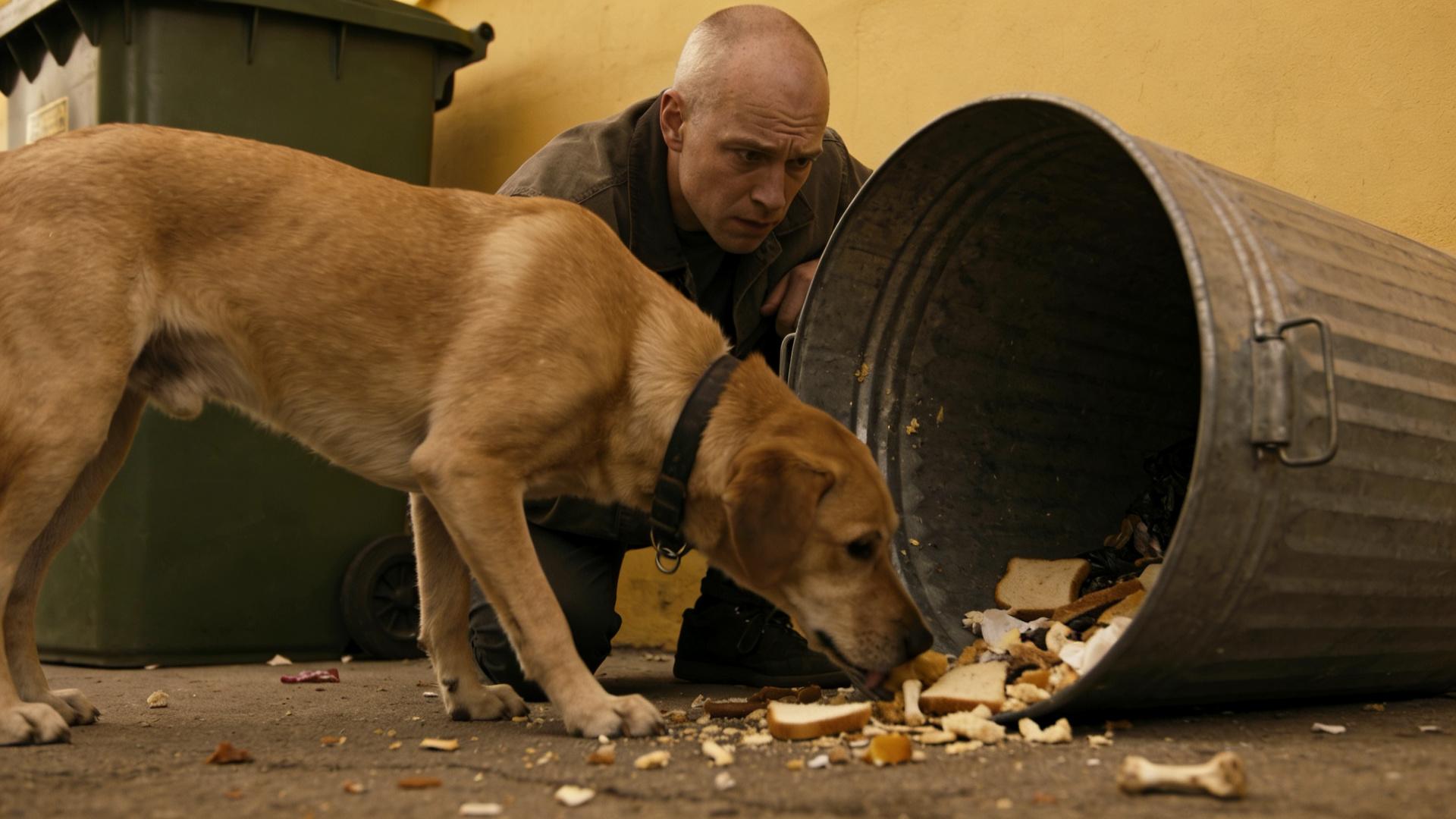
Habitual rummagerer in trash cans: How to correct this behavior through environmental setup and aversion therapy
Does your otherwise perfect pup transform into a trash bandit the moment you turn your back? You're not alone. This frustrating, messy, and potentially dangerous behavior is one of the most common complaints among dog owners. The good news is that it's highly manageable—but not through scolding or punishment. Successfully reclaiming your garbage requires a smart, two-pronged strategy: environmental management and behavior modification. This comprehensive guide will walk you through exactly how to implement both, creating a cleaner home and a safer, happier dog.

Tips for using a food-dispensing ball: prolong your dog's eating time and exercise their brain.
Does your dog inhale their dinner in seconds, only to look up with a bored, "What's next?" expression? 🐾 You're not alone. Rapid eating and under-stimulation are common canine complaints with potentially serious consequences. Enter the humble food-dispensing ball—a deceptively simple tool that can revolutionize your dog's daily routine. More than just a toy, it's a portal to enrichment, transforming a mundane meal into a rewarding, brain-engaging adventure. This comprehensive guide delves deep into practical, professional strategies to maximize this tool's potential. You'll learn to artfully slow down a speed-eater, provide essential mental exercise, and cultivate a happier, more fulfilled companion.