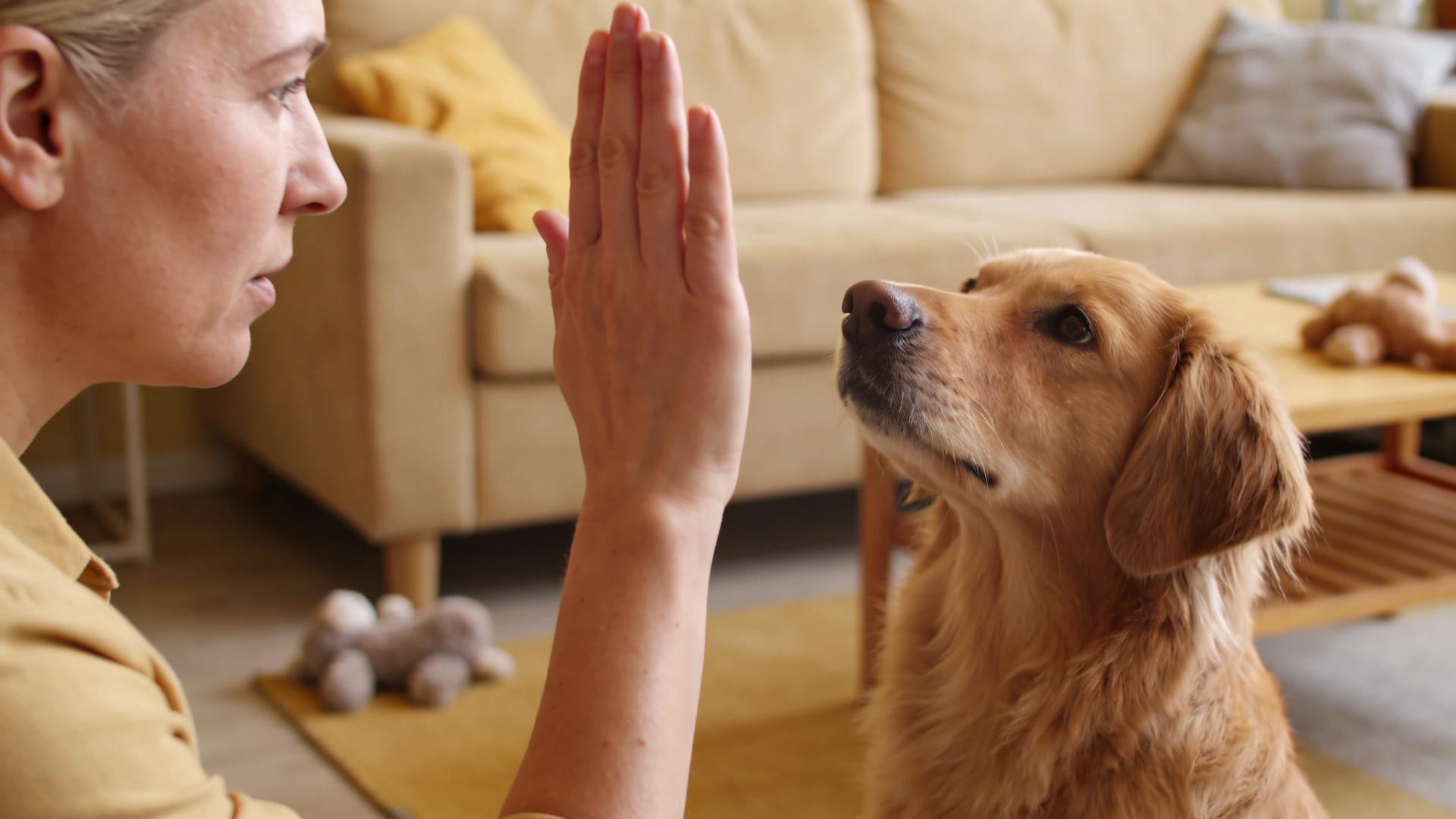
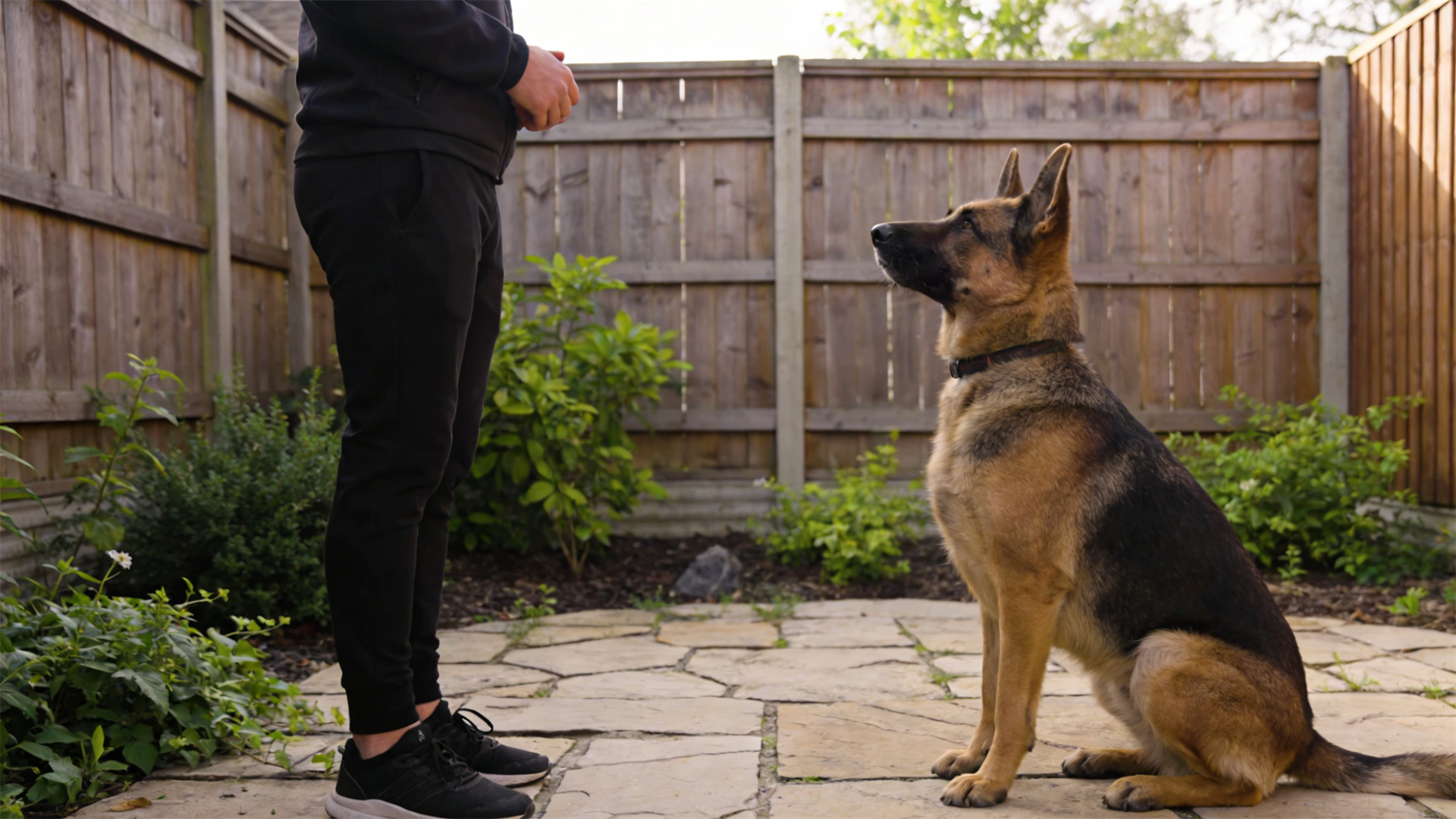
In the critical seconds before a dog bite, there is rarely a dramatic growl or a clear snarl. More often, there is a silent, fleeting whisper of tension across the dog's face—a micro-expression that shouts a warning to those who know how to listen. For dog owners, trainers, and anyone who shares their world with canines, learning this silent language is the most powerful tool for aggression prevention. This article will define and detail five critical facial cues that precede an attack. This knowledge is not about fostering fear, but about wielding the proactive power of observation to ensure safety for both humans and dogs.
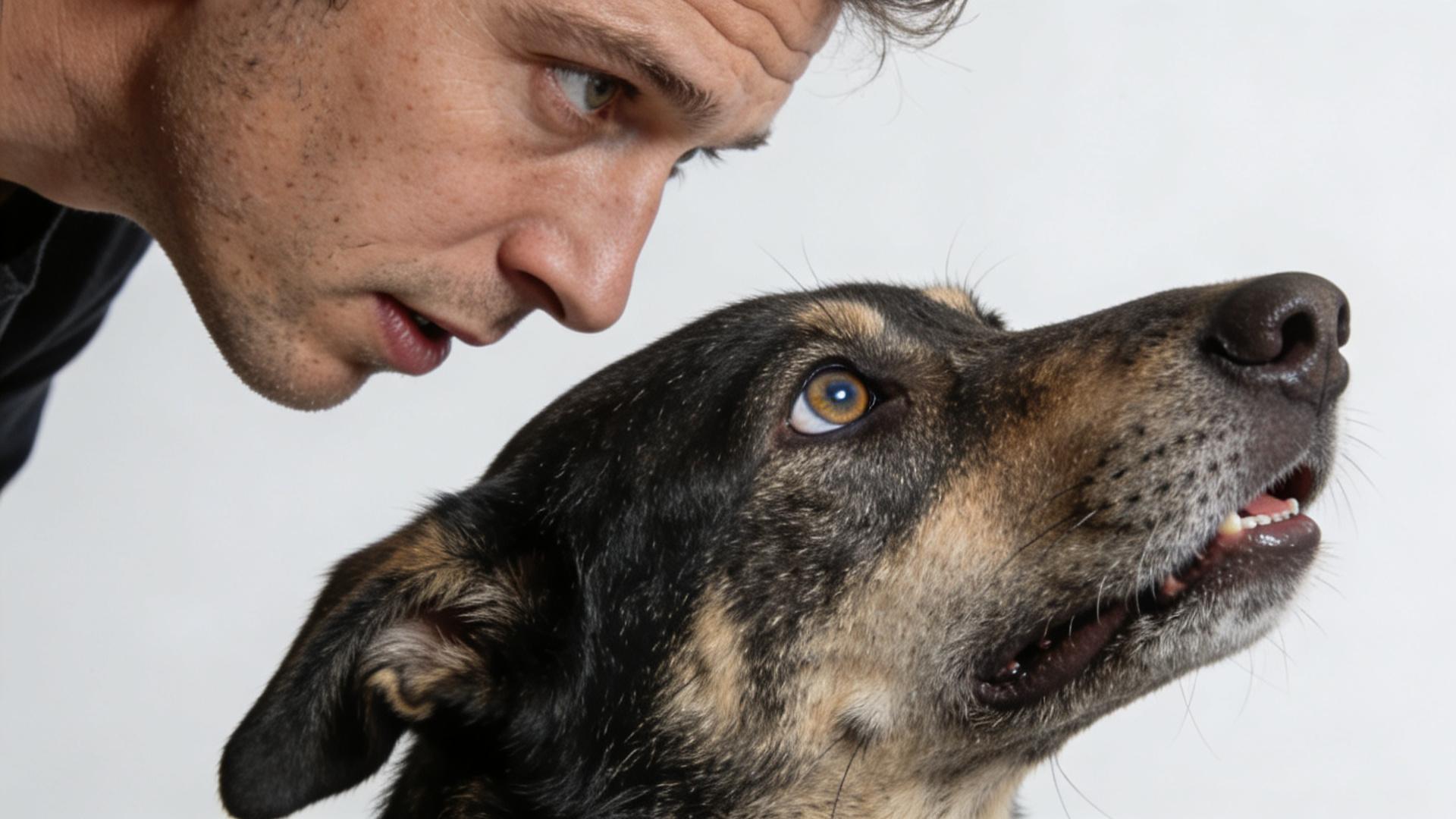
🔍 Why Micro-expressions Matter: The Silent Alarm System
Canine communication is a spectrum. Macro body language—like a wagging tail, a play bow, or a raised hackle—is often easier to see but can be misinterpreted. Micro-expressions, however, are the subtle, split-second muscular contractions in the face and eyes that reveal a dog's true emotional state before it escalates to overt action. Think of aggression as a ladder: a dog climbs from calmness to anxiety, to stress, to conflict, and finally to attack. Macro signs are the middle and top rungs. Micro-expressions are the very first steps off the ground. Missing these early, subtle dog stress signs is the most common reason bites are labeled "sudden" or "unprovoked." They are anything but.
🚨 The 5 Critical Micro-expressions
Master these five facial cues. They are your early-warning radar for canine discomfort and the cornerstone of understanding dog body language.
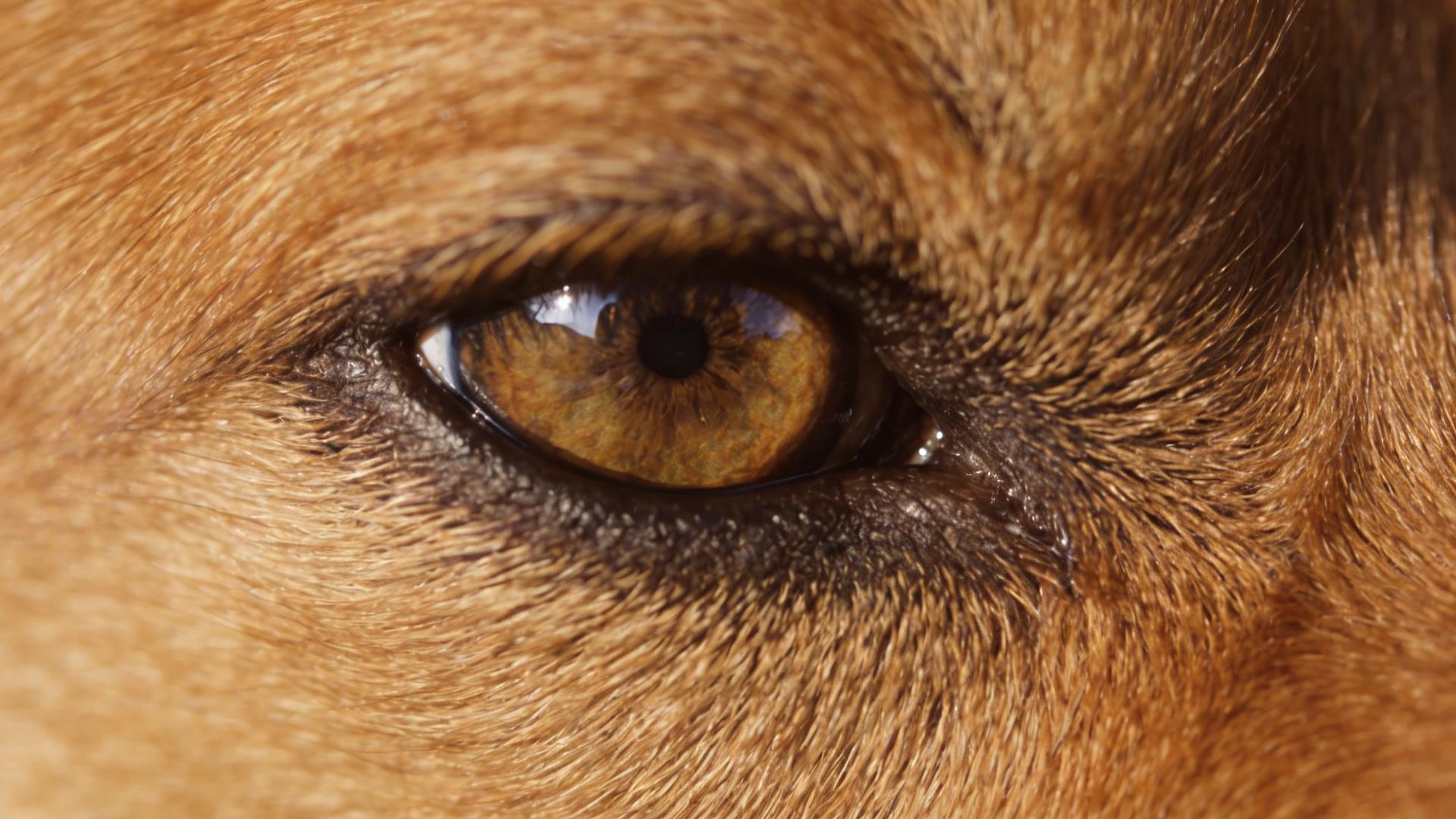
😐 1. The Hardened Eye
Description: This is not a simple stare. The eye itself appears to change shape. The muscles around the eye socket tighten, causing the eye to appear smaller, harder, and more almond-shaped. The whites of the eyes (sclera) may become slightly visible at the corners or rim—a phenomenon often called "whale eye." The gaze is fixed and intense.
Common Misinterpretation: Often mistaken for simple attention or focus. A person might think, "He's looking right at me!" and perceive it as engagement.
What it Actually Means: This signals significant tension, anxiety, or conflict. The dog is feeling threatened, pressured, or cornered, and is hyper-focused on a potential threat. It is a clear calming signal that the situation is uncomfortable.
Immediate Action: Immediately break your own direct stare. Look away, blink softly, and turn your head or body slightly to the side. Remove any pressure you are exerting, whether it's physical (hugging, leaning over) or social (direct attention).
👄 2. The Tightened Mouth
Description: Observe the dog's lips, particularly where they meet at the front of the muzzle. In a relaxed dog, the mouth is soft and may be slightly open. A tightened mouth involves the lips being pulled taut and pressed firmly together, creating a straight, thin line. The muscles around the muzzle are visibly tense.
Common Misinterpretation: Can be seen as the dog being "well-behaved" or quiet. People may miss the tension entirely.
What it Actually Means: This is a sign of suppressed stress or impending protest. The dog is holding itself back, perhaps from growling, snapping, or biting. It is a critical warning sign that the dog is at or near its tolerance threshold.
Immediate Action: Stop whatever interaction is happening. If you are petting, grooming, or handling the dog, cease all activity. Give the dog a moment of complete stillness and space to assess that the pressure has stopped.
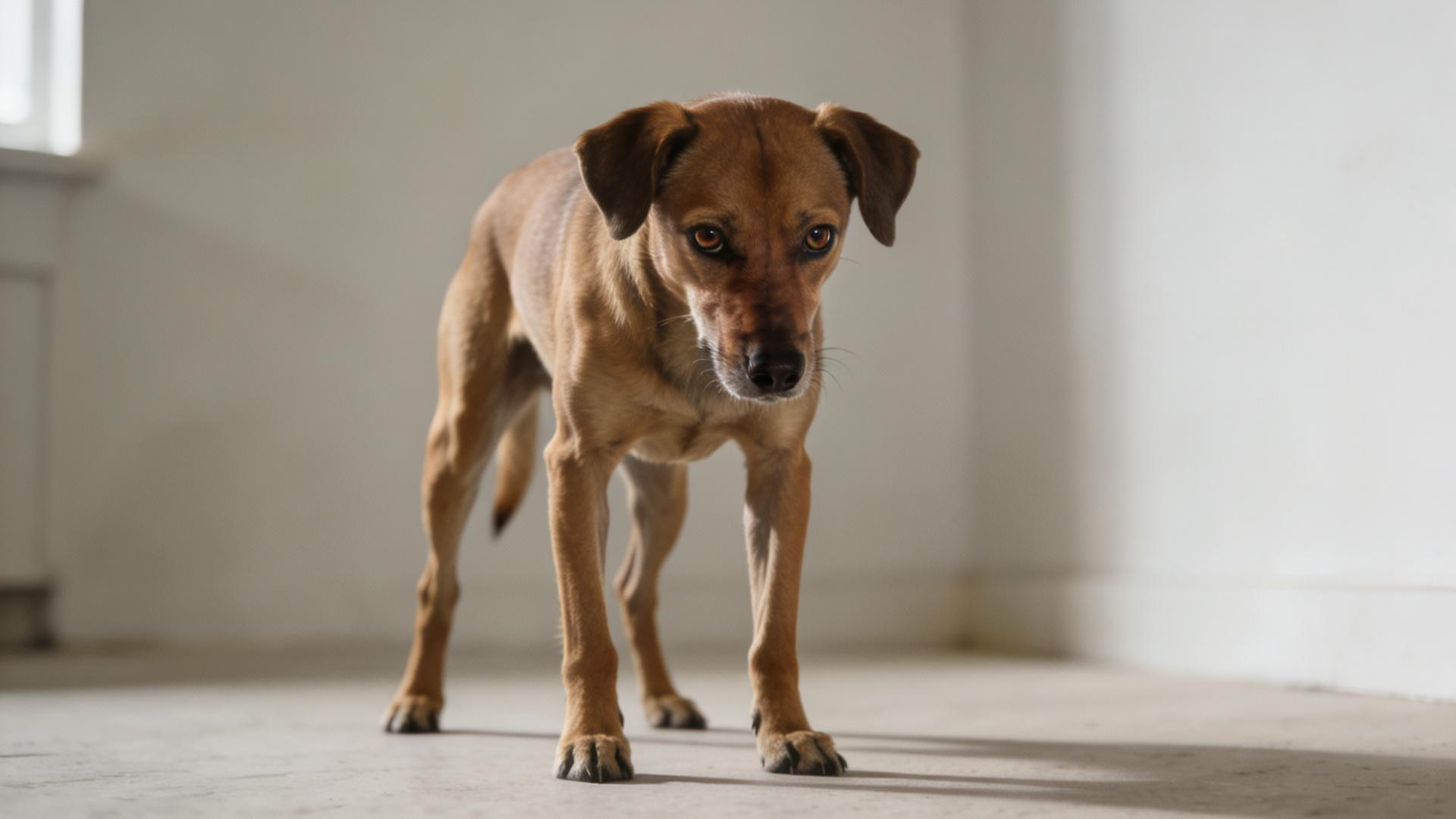
👁️ 3. The Frozen Stare
Description: This is a complete, rigid stillness that accompanies a hard stare. The dog stops all movement—it may stop panting, stop swallowing, and its body may look like a statue. This is different from a curious, alert freeze. In this freeze, the tension is palpable in the entire body, with the stare locked onto a target.
Common Misinterpretation: Sometimes misread as the dog being "good" and still, or even being in a submissive state. The profound tension is overlooked.
What it Actually Means: Freezing is a high-level conflict behavior and a major precursor to explosive action. The dog is assessing its options: fight or flight. In this moment, it is often deciding to attack. This is one of the last signs before dog attack.
Immediate Action: Do not move suddenly or reach toward the dog. Slowly create distance without turning your back. If possible, toss a treat or object away from you to break the dog's focus and create a diversion for you to retreat safely.
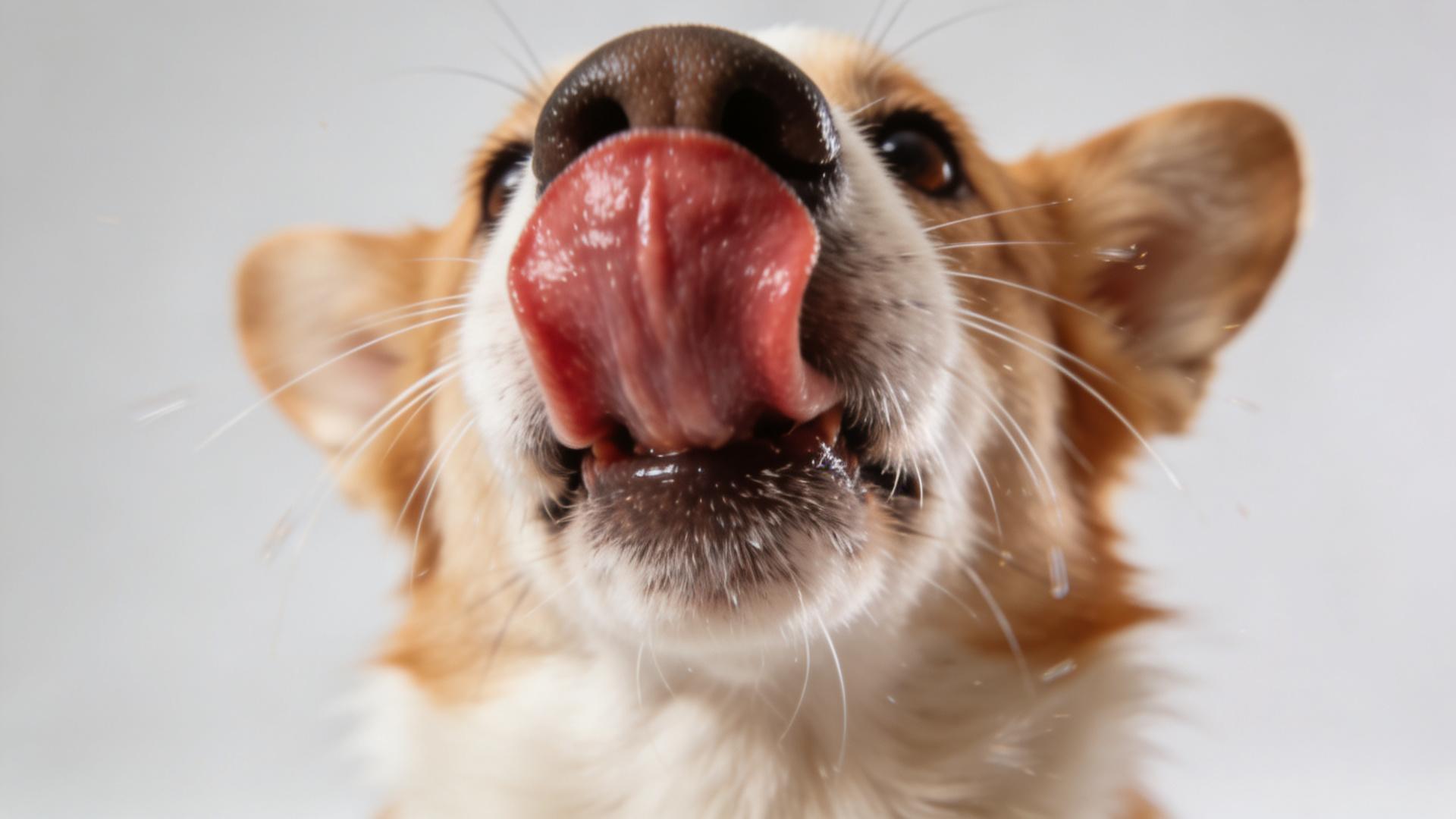
👅 4. The Lip Lick or Tongue Flick
Description: This is a quick, often subtle, flick of the tongue out over the nose or a lick to the lips. It is not the relaxed, slow lick after eating. It's a fast, tense motion that happens out of context with food or water.
Common Misinterpretation: Easily dismissed as the dog anticipating a treat, being hungry, or simply grooming. Its communicative function is widely missed.
What it Actually Means: This is a classic calming signal. The dog is experiencing nervousness, discomfort, or social anxiety. It is trying to calm itself and signal to you, "I am uneasy, please back off." It's a pacifying behavior used to de-escalate tension.
Immediate Action: Recognize this as a request for space. Speak in a soft, calm voice and create more physical room. Avoid leaning in or making direct eye contact. You can learn more about these signals in our article on canine calming signals and stress.
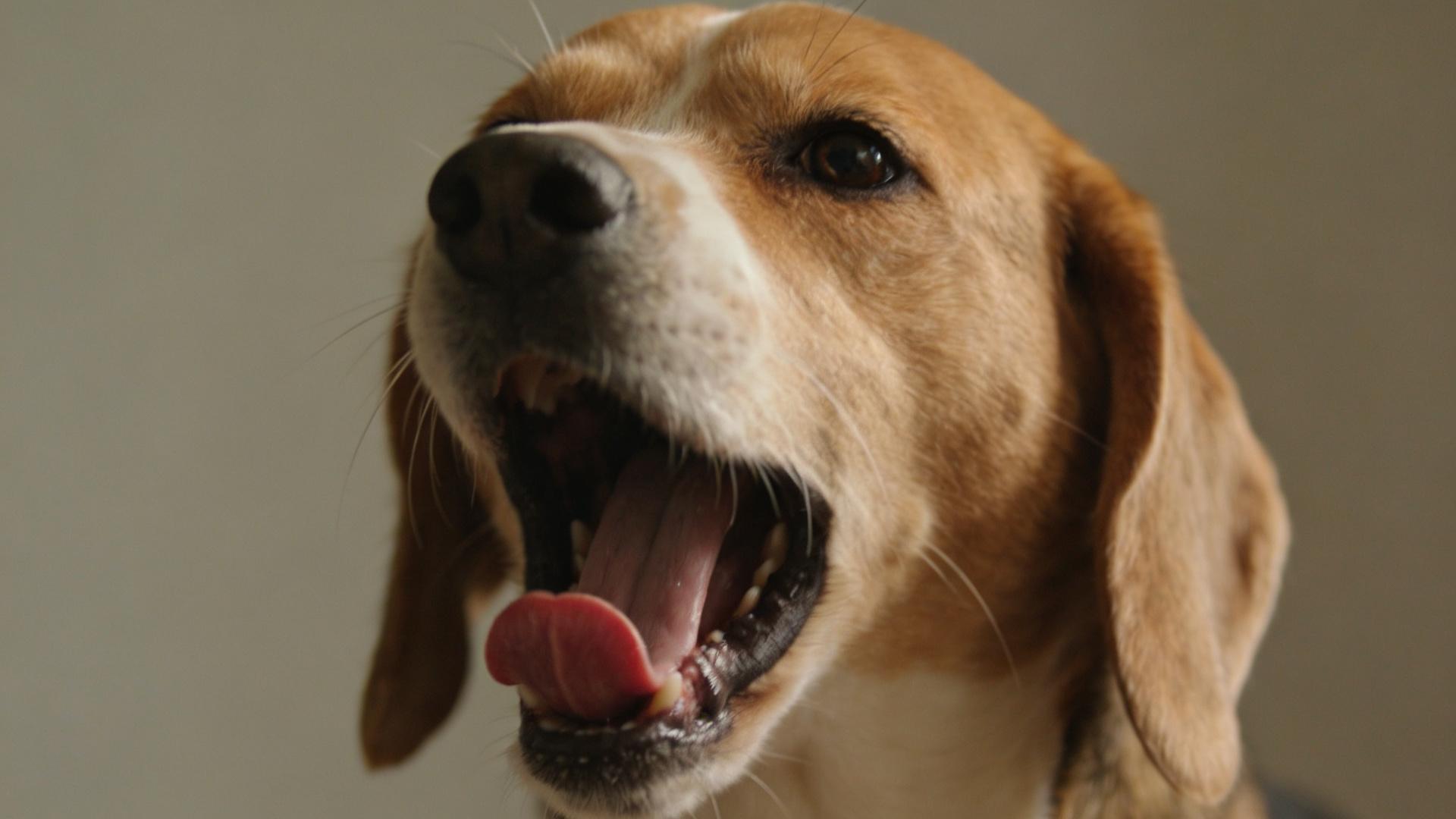
😮 5. The Yawn or Half-Yawn
Description: A stress yawn is different from a tired yawn. It is often shallower, quicker, and more tense. The mouth may not open as wide, and it is frequently accompanied by averted eyes or other tension signs. A "half-yawn" is a brief, repetitive opening and closing of the jaw.
Common Misinterpretation: Almost universally mistaken for boredom or sleepiness. This is the most overlooked micro-expression.
What it Actually Means: Like the lip lick, yawning is a displacement behavior and a calming signal. It indicates internal conflict, stress, or pressure. The dog is emotionally fatigued by the situation and is attempting to self-soothe and communicate its discomfort.
Immediate Action: Check the context. Is the yawn happening during a training session, when being hugged, or in a crowded environment? If so, it's a signal to reduce intensity, take a break, or remove the dog from the overwhelming situation.
🛡️ What to Do When You See These Signs: The Unified Protocol
Recognizing the micro-expressions is only half the battle; your response is the other. Follow this protocol consistently.
1. Stop What You Are Doing: Immediately cease any action causing the dog's discomfort—petting, handling, approaching, or staring.
2. Do Not Punish: Never scold or correct a dog for showing these warning signs. Punishing a growl or a warning creates a dog that bites without warning.
3. Give Space and an Exit: Move away calmly. Ensure the dog has a clear, unobstructed path to leave the situation. Do not corner it.
4. Avoid Direct Eye Contact: Look away, blink slowly, and turn your body sideways to appear less threatening.
5. Allow Decompression: Let the dog relax completely before any further interaction. Forcefully trying to "make friends" after a stress signal will backfire.
❓ Frequently Asked Questions
Can all dogs show these micro-expressions?
Yes, all dogs are capable of displaying these subtle cues. However, their visibility can be affected by breed characteristics (like heavy facial fur or brachycephalic/short-nosed structure). Some dogs may also have had these warning signals suppressed through past punishment, making their escalation to a bite faster.
How is this different from a dog just being tired?
Context is key. A sleepy dog will yawn, stretch, and seek a comfortable spot to rest in a relaxed manner. A stressed dog will show tense, out-of-context yawns or lip licks combined with other signs like a stiff body, whale eye, or avoidance. Always read the entire body, not just one signal.
What if my dog shows these signs often?
Frequent displays of these stress signals indicate that your dog is chronically anxious or uncomfortable in its daily life. This is a serious welfare concern and a risk factor for aggression. Consult with a qualified professional, such as a veterinary behaviorist or a force-free certified trainer, to address the underlying causes.
💡 Conclusion: Knowledge is Your Best Defense
The journey to preventing dog bites begins with a single, informed observation. By learning to spot the Hardened Eye, the Tightened Mouth, the Frozen Stare, the Stress Lip Lick, and the Anxious Yawn, you empower yourself to intervene at the earliest, safest moment. This understanding transforms you from a passive participant into an active, empathetic communicator in your interactions with dogs. Remember, a dog's micro-expressions are not a sign of a "bad dog," but a plea for understanding. By heeding these whispers, we can build safer, more respectful, and profoundly trusting relationships with our canine companions.