Navigating busy urban intersections with your dog can transform a relaxing walk into a nerve-wracking game of chance. The honking cars, bustling pedestrians, and unpredictable movements create a minefield of distractions and dangers. What if you could introduce a common language of safety, one your dog understands as clearly as you understand a red or green light? This article delves into the powerful method of traffic light training for dogs, a system of visual signals that establishes crystal-clear "stop" and "go" cues. Our purpose is to provide you with a proven, step-by-step methodology to enhance your intersection safety for canines, forging not only a safer companion but a deeper bond built on communication and trust.
🚦 The Science Behind Canine Visual Perception: How Dogs See the World
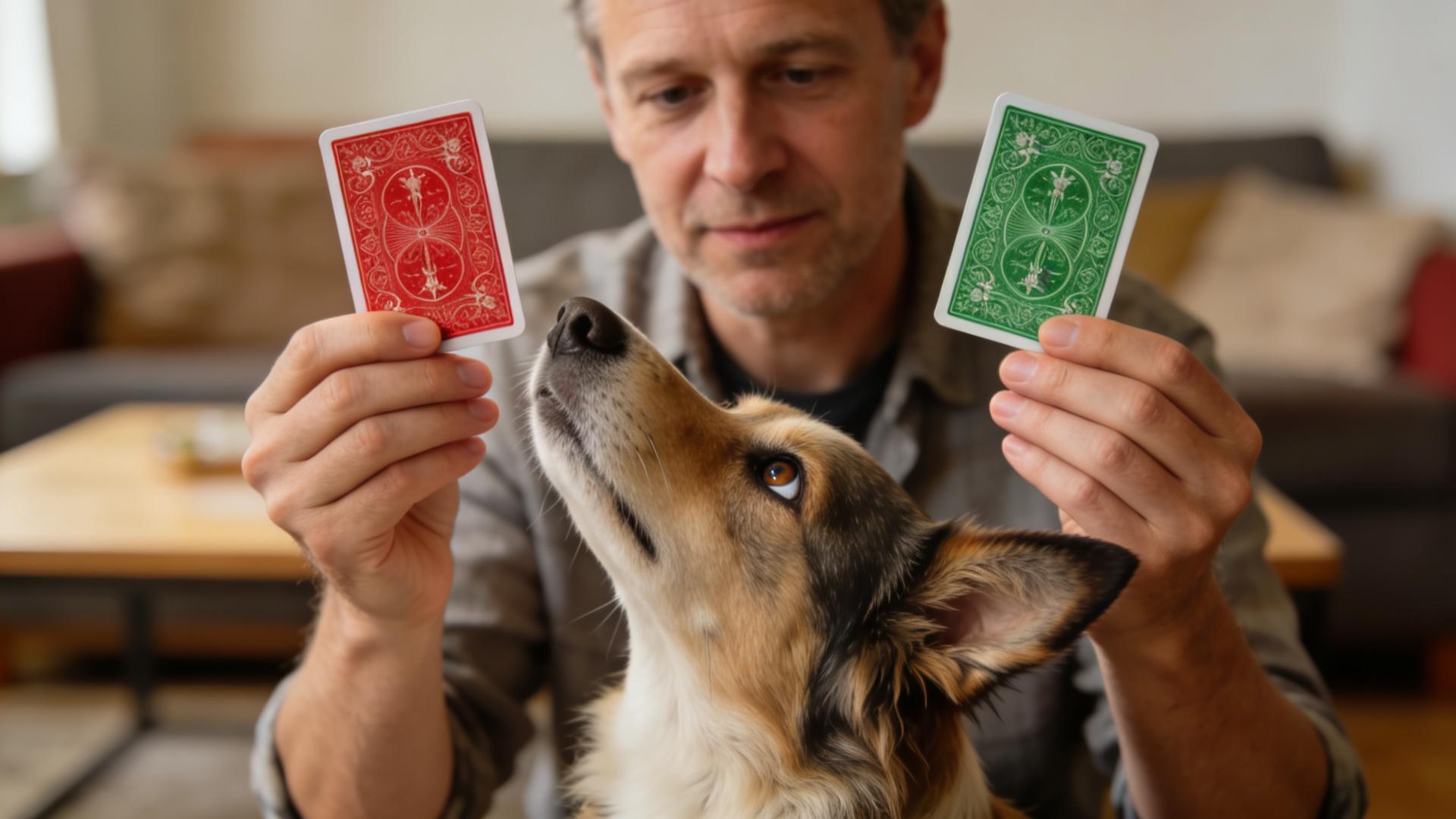
Before embarking on dog training at intersections, it's crucial to understand how your dog processes visual information. Dogs are not colorblind in the sense of seeing only in black and white. They are dichromats, meaning they see a spectrum similar to a human with red-green color blindness. This is key: your dog likely perceives a red traffic light as a dark yellowish-gray and a green light as a whitish-blue. Therefore, relying solely on the color of the light is ineffective. Instead, traffic light training leverages the change in brightness and, more importantly, your consistent associated cue. Dogs excel at reading body language and patterns. By pairing a specific hand signal or verbal marker with the illuminated light, you are creating a reliable visual cue for dog obedience that transcends color perception.
🔧 Foundational Obedience: The Bedrock of Intersection Safety
You cannot build a skyscraper on sand, and you cannot build reliable stop and go commands for dogs without a solid foundation. This training hinges on two essential skills your dog must master in low-distraction environments first.
Mastering "Sit" and "Stay": The Non-Negotiable Basics
The "stop" signal in our system is fundamentally an extended "sit-stay" in a specific context. Your dog must be able to hold a sit-stay for at least 30 seconds with mild distractions before you even approach a curb. Practice this daily. Use high-value treats and gradually increase the distance and duration. Special Reminder: The "stay" must be rock-solid until you release them with a clear cue like "okay" or "let's go." This controlled release becomes your "go" signal.
Focus and Heel: Maintaining Connection Amidst Chaos
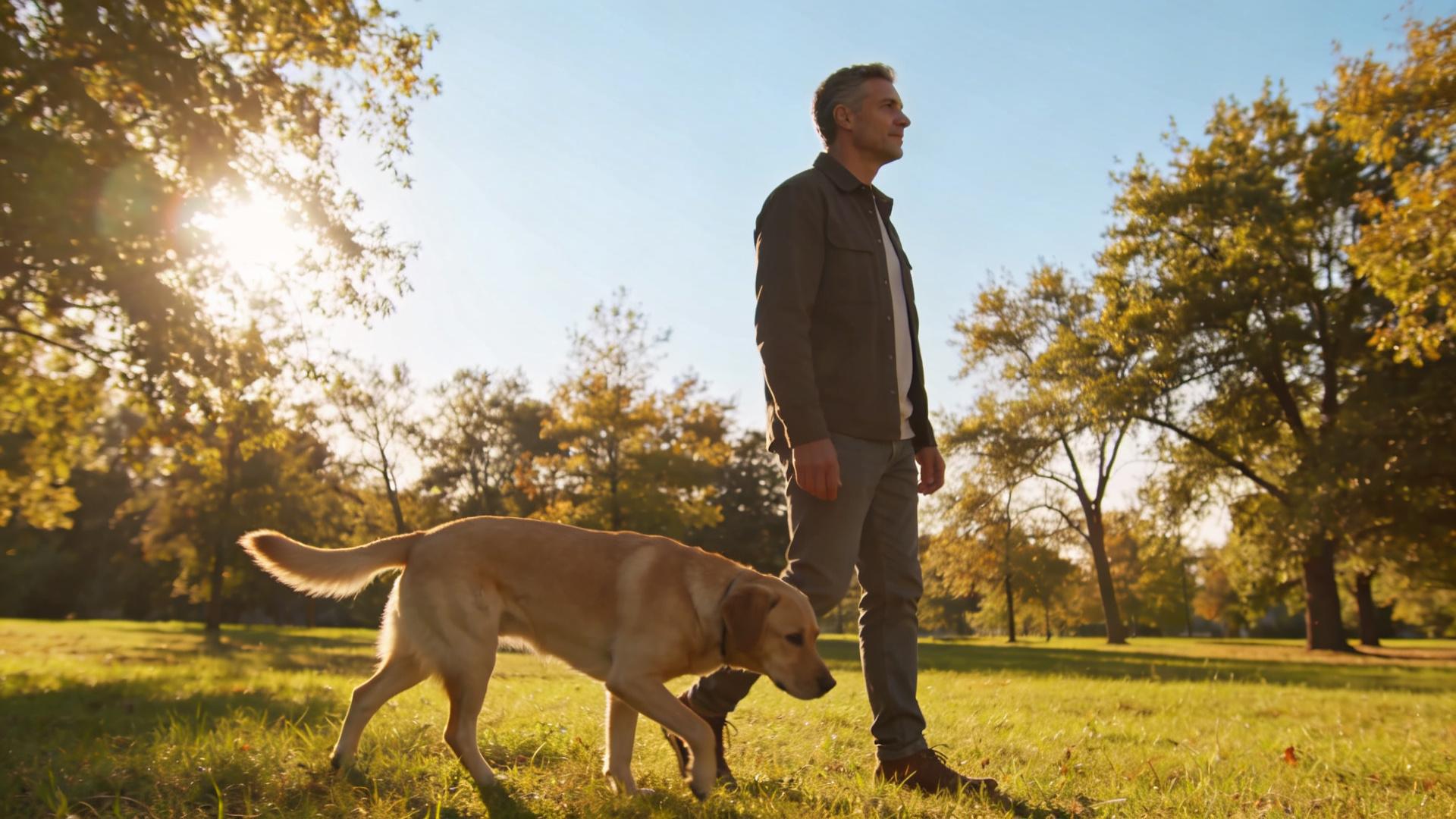
A loose leash walk and a reliable "watch me" or "focus" command are invaluable. As you progress to busier areas, your dog's ability to check in with you voluntarily is a game-changer. Practice heel work in your driveway or quiet park, rewarding your dog for maintaining position and eye contact. This focus is what you will draw upon when the distractions of the intersection loom.
📝 The Step-by-Step Traffic Light Training Protocol
This is the core method for establishing stop and go signals. Patience and consistency are your most important tools.
Phase 1: Introducing the Visual Signals at Home
Begin indoors or in your quiet backyard. You will create your own "traffic lights."
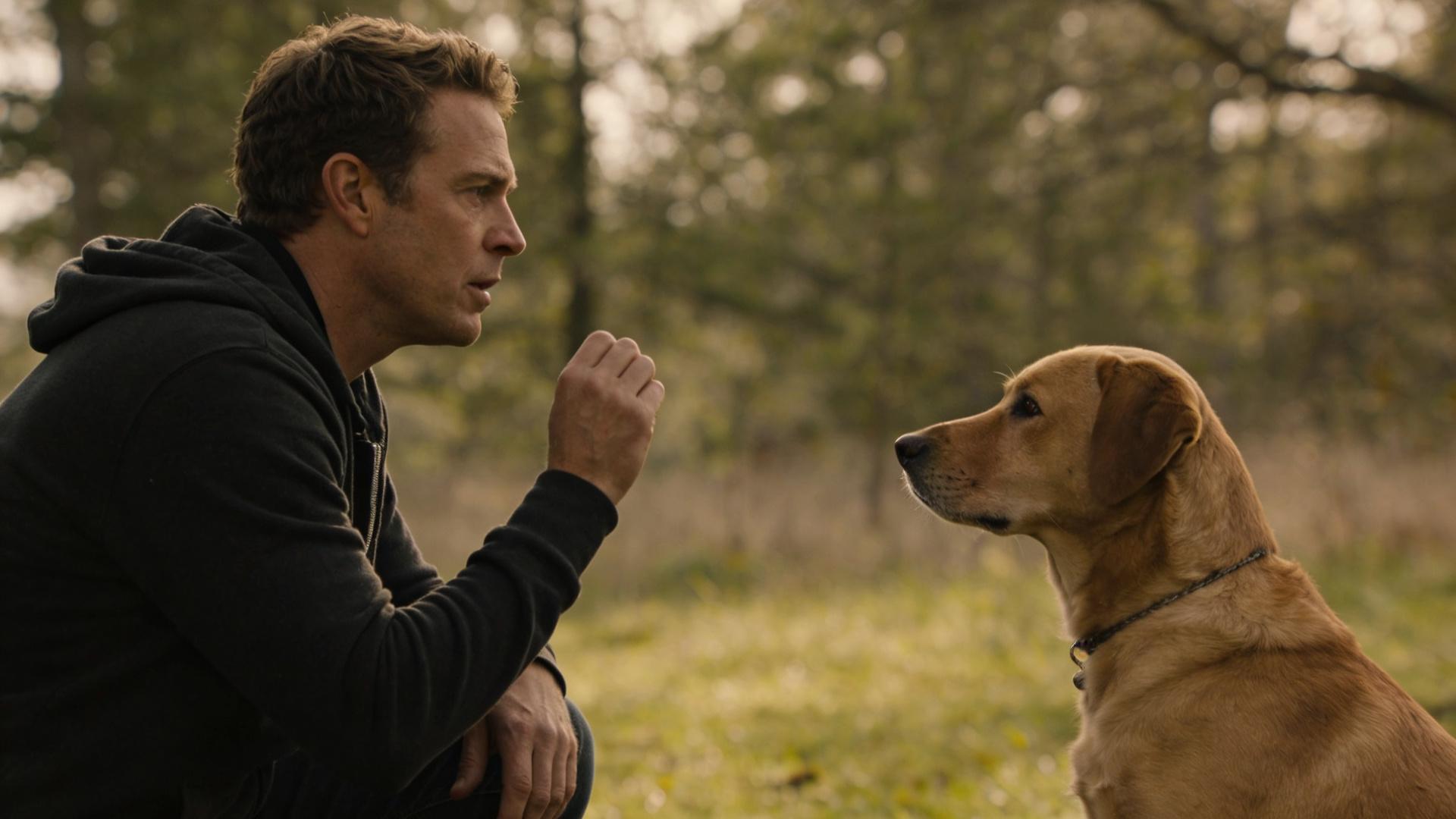
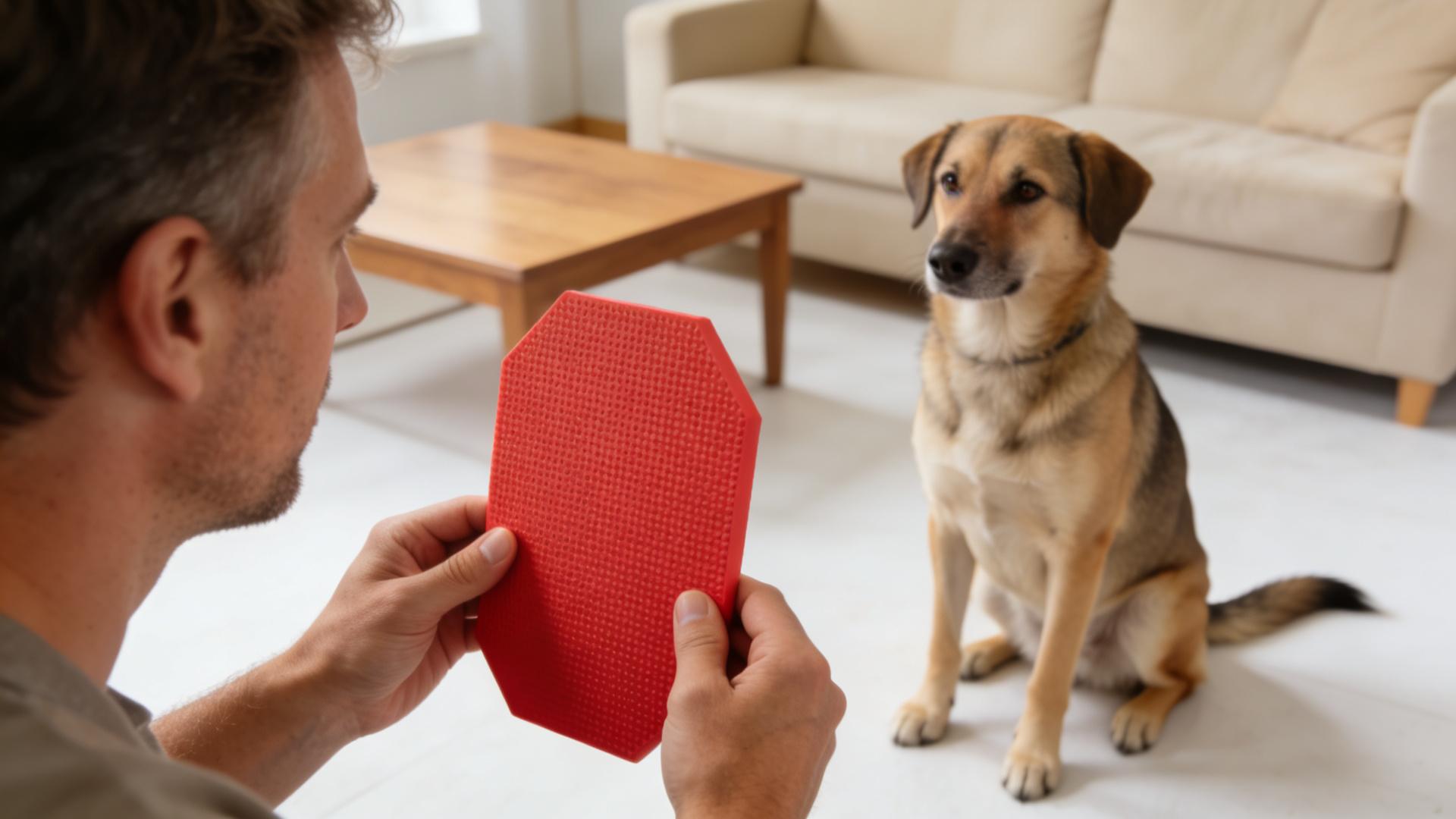
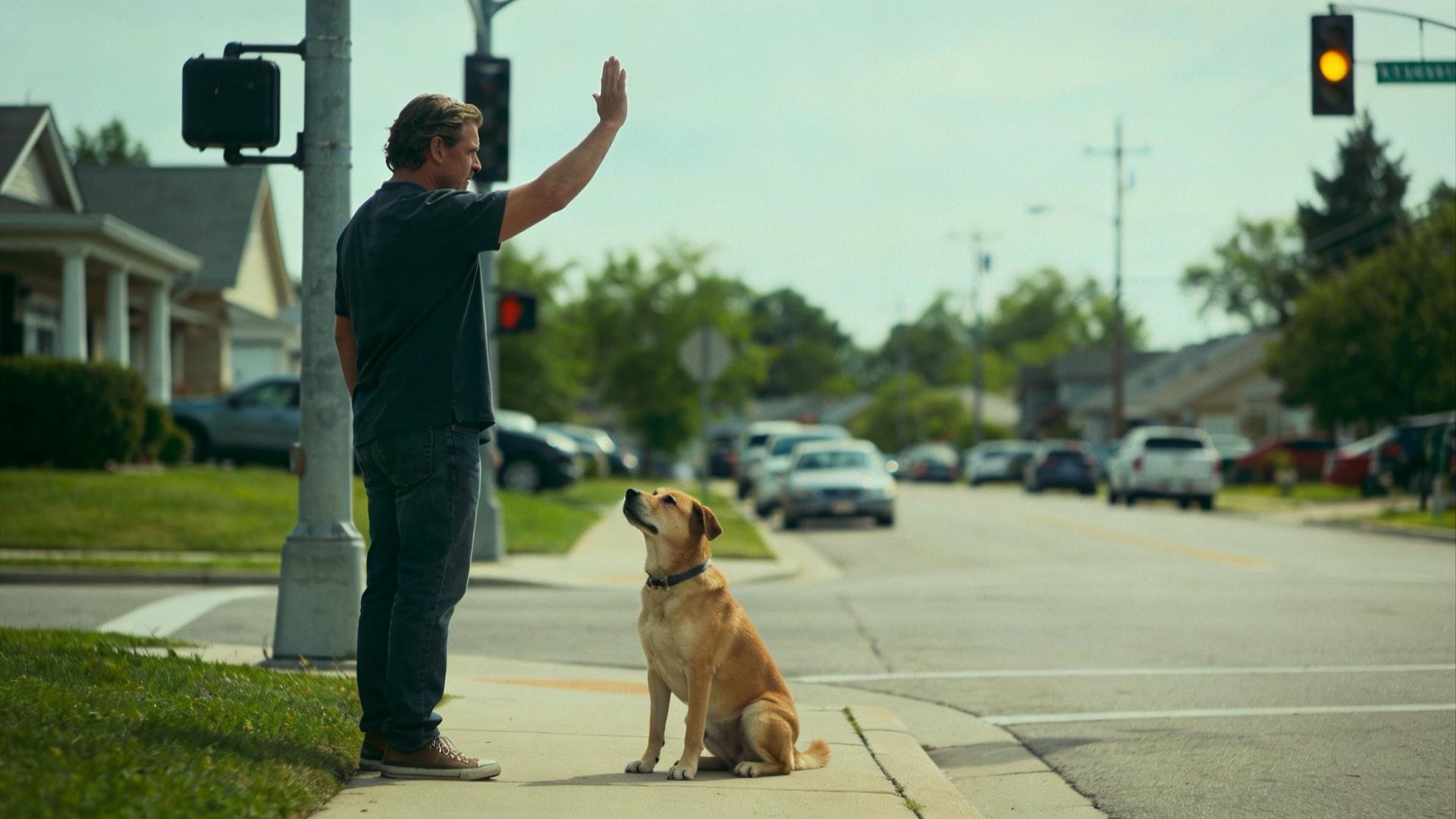
For STOP: Use a firm, flat hand signal (like a stop sign) or clearly show a red object (a red foam sheet or card). As you give this visual cue, pair it with your verbal command "stop" or "wait," and immediately lure your dog into a sit. Mark the correct behavior with a clicker or a "yes!" and reward lavishly.
For GO: Use a distinctly different signal, like an open-hand sweep forward or a green object. Pair it with your release word ("okay," "forward," "let's go"). Encourage your dog to move with you and reward immediately after they step forward.
Practice this drill dozens of times until your dog responds fluently to the visual signal without relying on the verbal cue.
Phase 2: Transitioning to the Quiet Curb
Move to a low-distraction environment like a silent residential street with no working traffic lights. Do not attempt this at a real intersection yet.
1. Approach the curb and come to a complete halt yourself.
2. Give your visual "stop" signal and ask for a sit.
3. Have your dog hold the sit for 5-10 seconds.
4. Give your visual "go" signal and release them to cross the empty street.
5. Reward enthusiastically on the other side.
This phase teaches the dog that the curb equals potential stop, building impulse control.
Phase 3: Integrating Real Traffic Lights on Quiet Streets
Now, find a very quiet intersection with operational traffic lights. The goal is to use the real lights as your timer, not to react to traffic.
1. Position yourselves at the curb, well back from the edge.
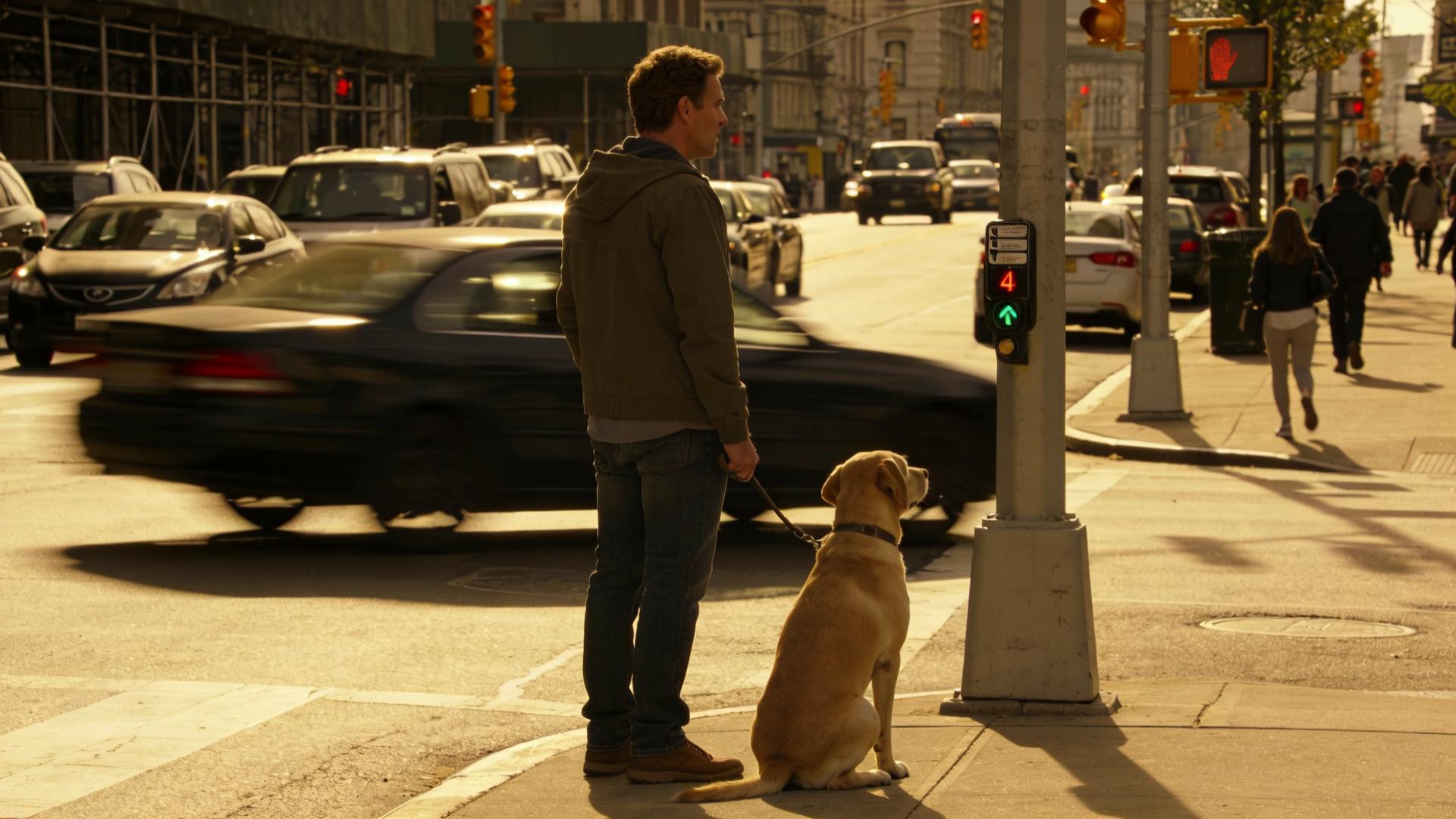
2. When the light facing you is RED, give your "stop" signal and have your dog sit.
3. Chat calmly, feed occasional treats for maintaining the sit (this is called "treat streaming").
4. The moment the light turns GREEN, give your "go" signal and release to cross.
5. Critical Safety Rule: Always look both ways for turning vehicles before moving, even on a green light. This behavior will cue your dog that your visual check is part of the routine.
Phase 4: Graduating to Busier Intersections
Gradually increase the difficulty by choosing slightly busier locations. Keep initial sessions short and positive. If your dog becomes stressed or distracted, take several steps back to an easier environment. The ultimate goal is a dog who automatically sits and focuses on you at every curb, awaiting your signal, regardless of the surrounding chaos.
⚠️ Paramount Safety Guidelines for Canine Intersection Training
Safety is the non-negotiable cornerstone of all dog intersection training. These guidelines are not suggestions. they are rules.
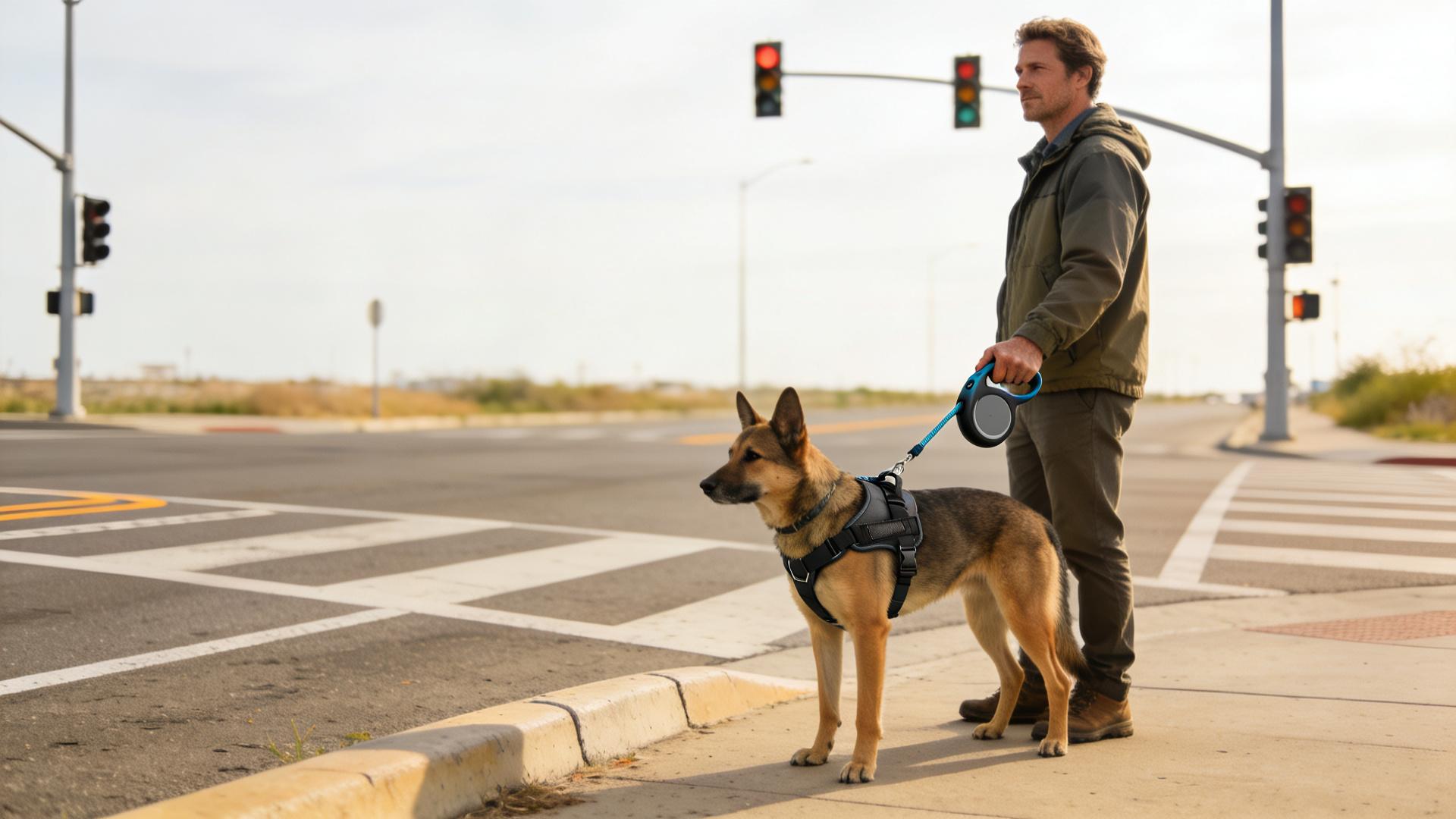
Leash and Equipment: Always use a secure, non-retractable leash (6-foot length is ideal) attached to a well-fitting harness or collar. This gives you maximum control without injuring your dog's neck.
Never Force or Punish: This training is built on positive reinforcement. If your dog is fearful, work on confidence-building further from the intersection. Forcing them will create negative associations and set back your progress.
You Are the Ultimate Judge: Even with a perfectly trained dog, you are responsible for assessing traffic. Your canine traffic light cues are an aid, not a substitute for your vigilance.
Manage Frustration: Dogs can sense your impatience. If you feel frustrated, end the session on a simple, positive note. Training should be a fun collaboration.
💡 Engaging Solutions for Common Training Hurdles
Issue: My dog is too distracted by smells/people/other dogs.
Solution: Increase the value of your treats (think chicken, cheese, hot dog bits). Practice the "watch me" command more diligently in less distracting places first. Create more distance from the distraction.
Issue: My dog is fearful of the noise.
Solution: Desensitize from a distance. Sit on a bench far from the intersection where the dog can observe without reacting. Feed treats for calm behavior. Over many sessions, gradually decrease the distance.
Issue: The "go" release is too explosive.
Solution: Practice the release without the intersection context. Ask for a sit-stay at home, then release with a calm "let's go" and only reward if they move calmly. If they bolt, reset and try again.
✅ Conclusion: The Rewards of Patience and Consistency
Mastering traffic light training for dogs yields profound benefits. It dramatically increases intersection safety for canines, provides mental stimulation for your dog, and fosters a relationship of clear communication and mutual trust. The journey requires patience, but every consistent session builds a more confident and safe canine companion. The peace of mind you gain on every walk is the ultimate reward.