
You May Have Missed
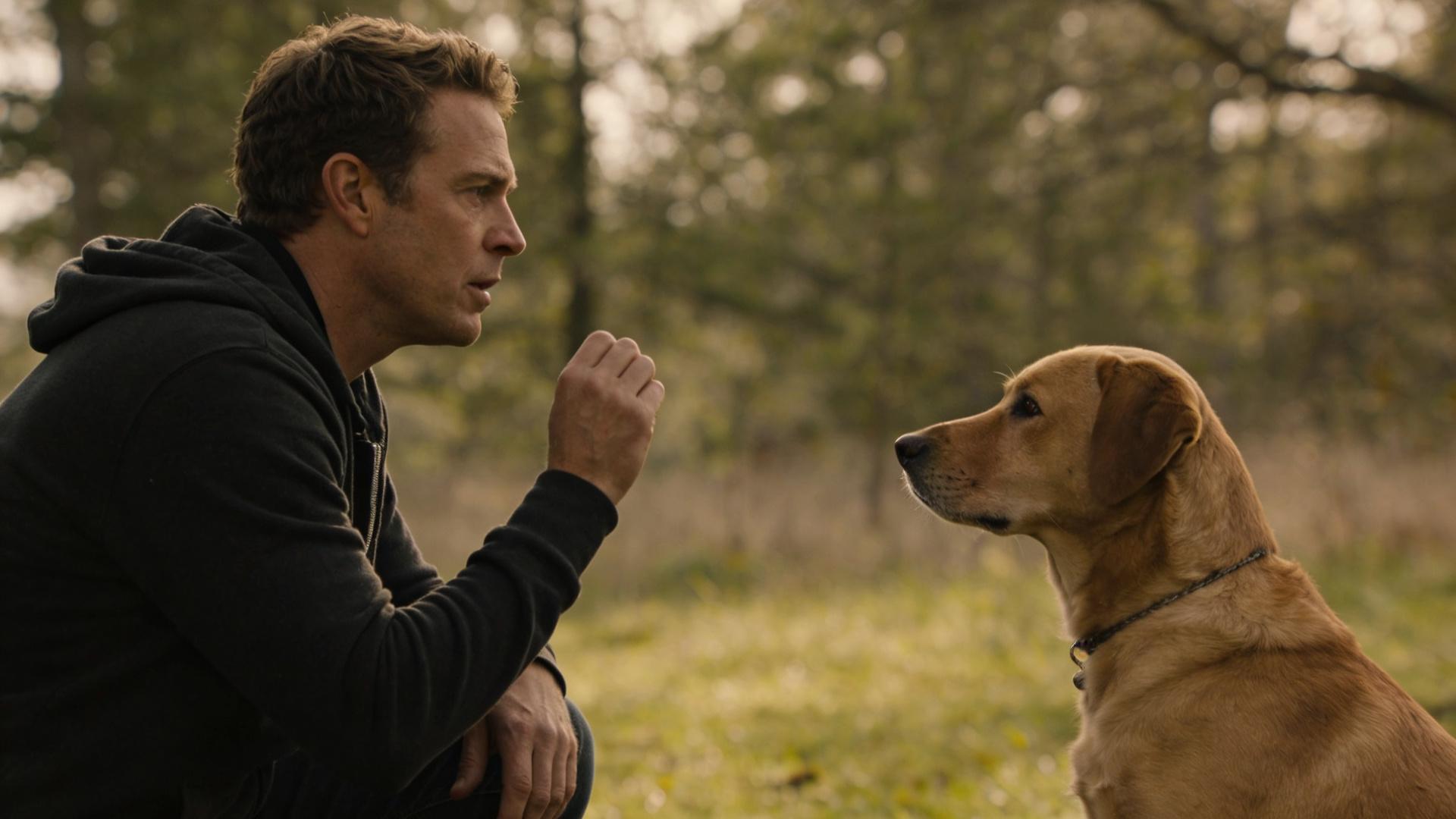
Silent training: achieving tacit understanding by using only eye contact and body language to complete instructions
In the bustling world of dog training, filled with vocal cues, clickers, and treat bags, there exists a profoundly quiet corner. It is a space where communication flows not through sound, but through the subtle, powerful languages of the eyes and the body. Silent dog training is not merely a technique; it is an art form and a philosophy that seeks to cultivate a deep, intuitive bond between human and canine. Imagine directing your dog through a crowded park, navigating an agility course, or simply asking for a polite sit at a curb—all without uttering a single word. This is the pinnacle of tacit understanding dog training, a connection built on mutual observation, trust, and a symphony of non-verbal signals. This comprehensive guide will unveil the methods, science, and soul behind communicating with your dog in silence, transforming your relationship into one of seamless, quiet harmony. $image$
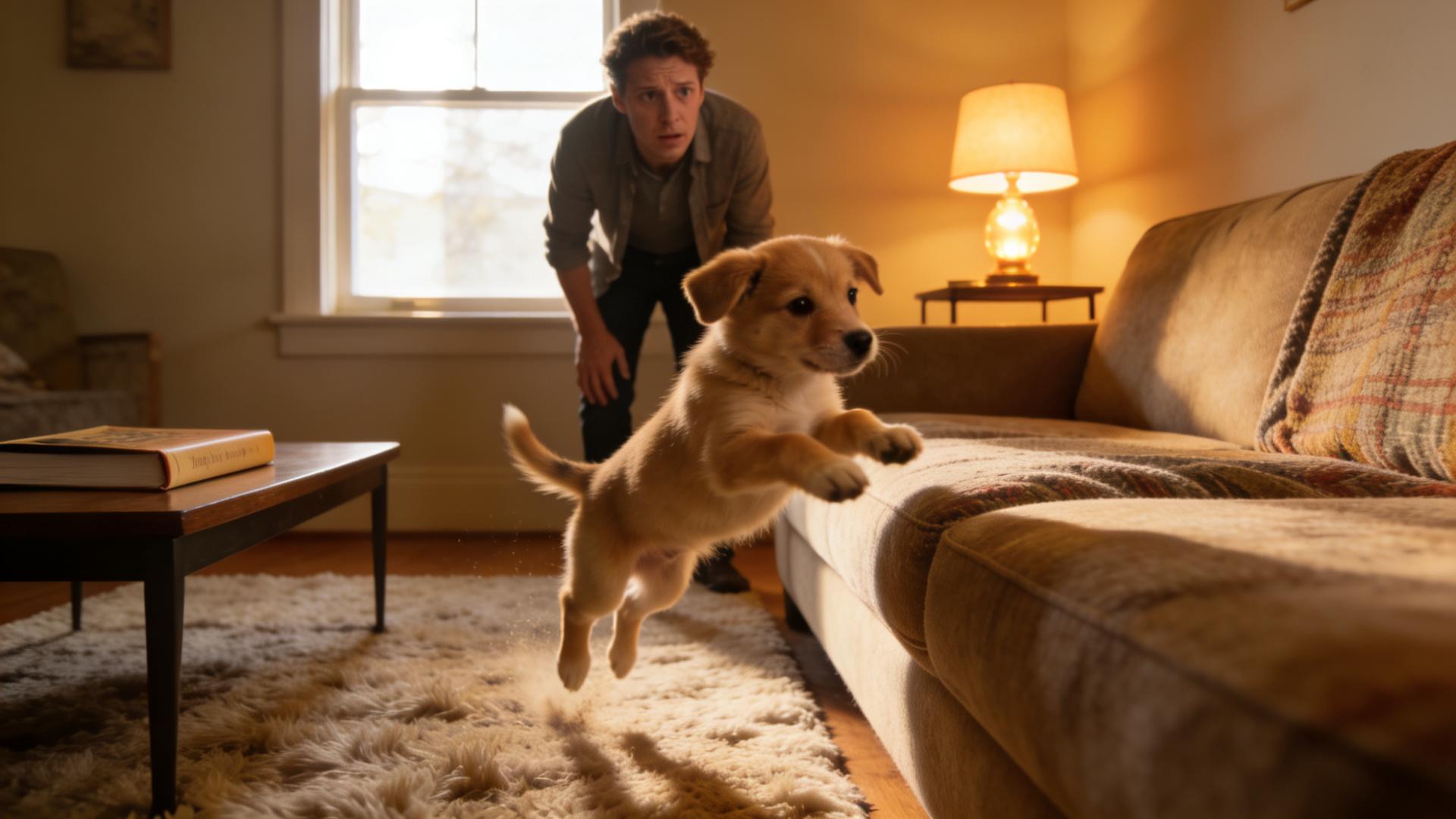
Step and ramp training: Develops puppies' limb coordination
As a loving puppy parent, you watch every wobbly step and joyful bounce with a mix of adoration and quiet concern. That leap off the couch makes your heart skip a beat. You wonder: is this safe for their growing joints? What if they miss and tumble? This instinct to protect is the first sign of a great owner. Today, we’re turning that concern into proactive, health-building action. Beyond just getting on the bed, structured step and ramp training is a foundational skill that cultivates body awareness, prevents injury, and sets the stage for a lifetime of confident movement. This article will guide you through why it's critical, how to choose the right tools, and provide a step-by-step protocol to develop your puppy's limb coordination and proprioception safely and effectively.
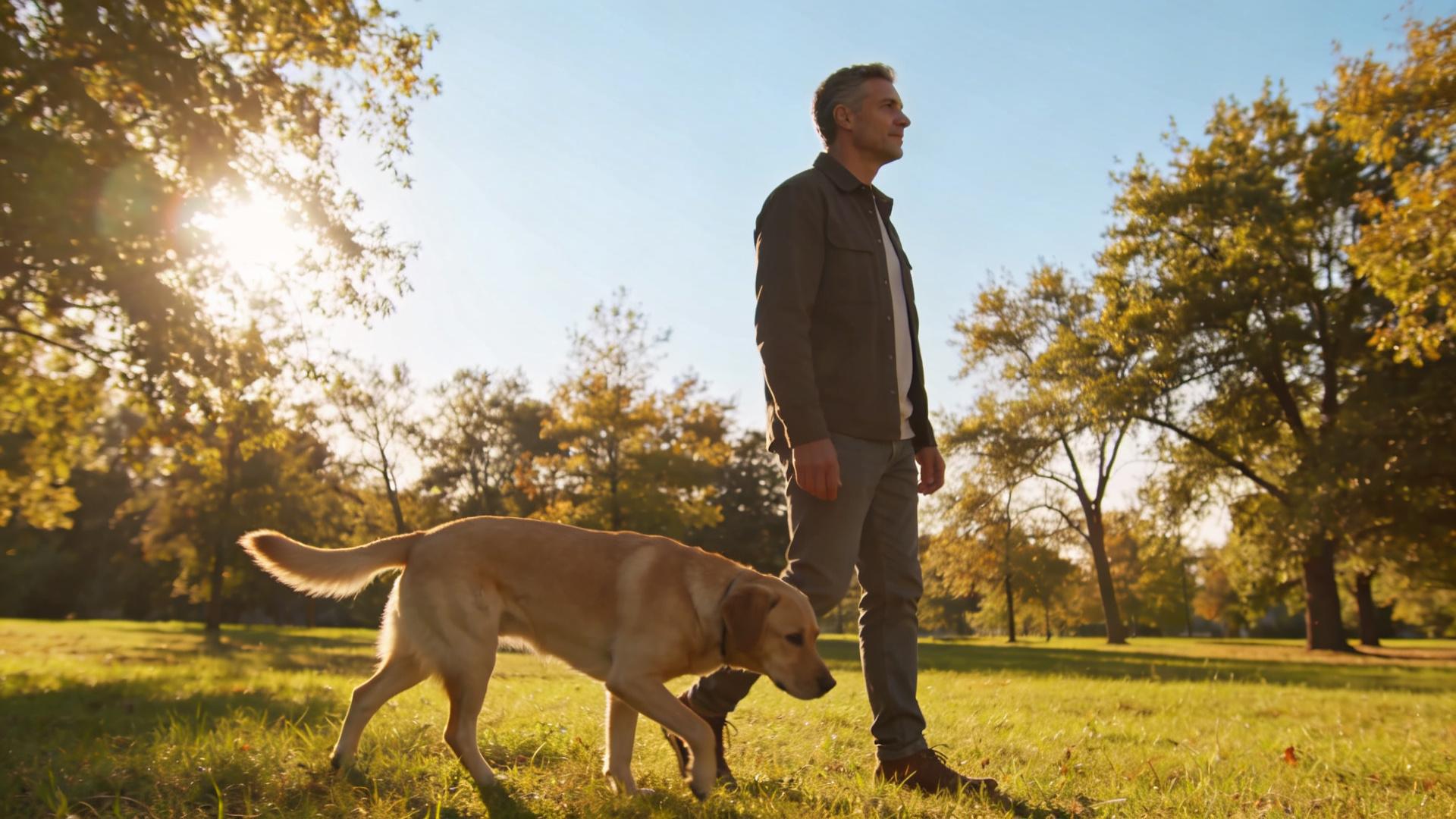
Perfect heel training: Keep your dog always on your left side.
Imagine strolling through the park with your dog walking calmly by your left side. This vision is achievable through perfect heel training. Heel training is the cornerstone of canine obedience. It ensures safety during walks and strengthens your bond. The traditional left side position is not arbitrary. It has practical roots. This guide will provide everything you need to master heel training for dogs.
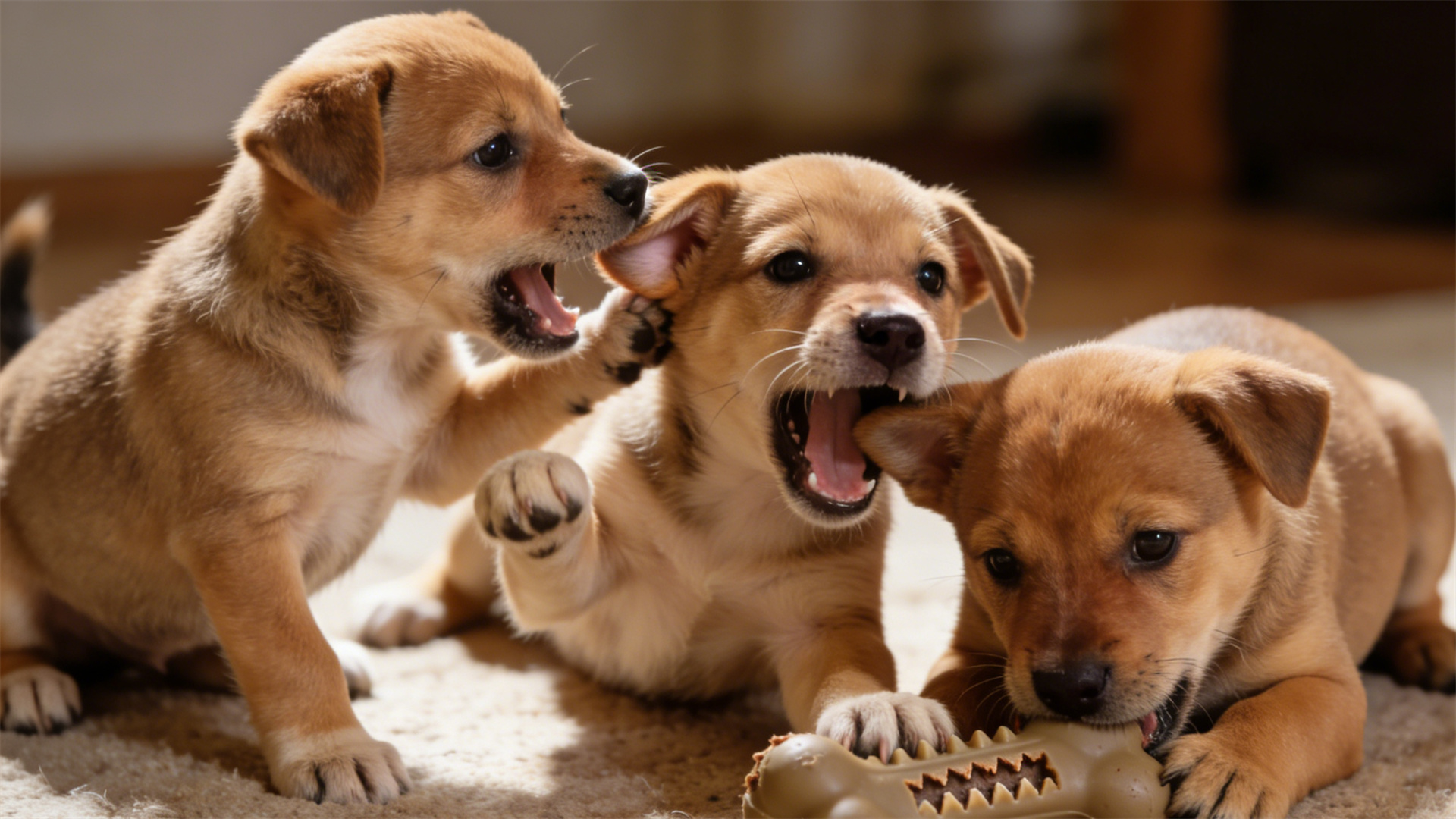
Preventing Puppies from Biting Their Hands and Feet: Correct Feedback for Correcting Puppy Biting
The joy of bringing home a new puppy is often quickly tempered by the sharp pinch of needle-like teeth on your fingers and toes. If you’ve found yourself asking, “Why does my puppy keep biting my hands and feet?” you are absolutely not alone. This is one of the most common and frustrating challenges for new dog owners. However, this behavior is a normal part of canine development, not a sign of an aggressive dog. The key lies in understanding the why behind the bites and implementing a consistent, positive strategy for preventing puppy biting. Timely and correct intervention is crucial for your safety, your puppy’s future social skills, and a harmonious home.
Emotional synchronization: How does the owner's anxiety interfere with training effectiveness?
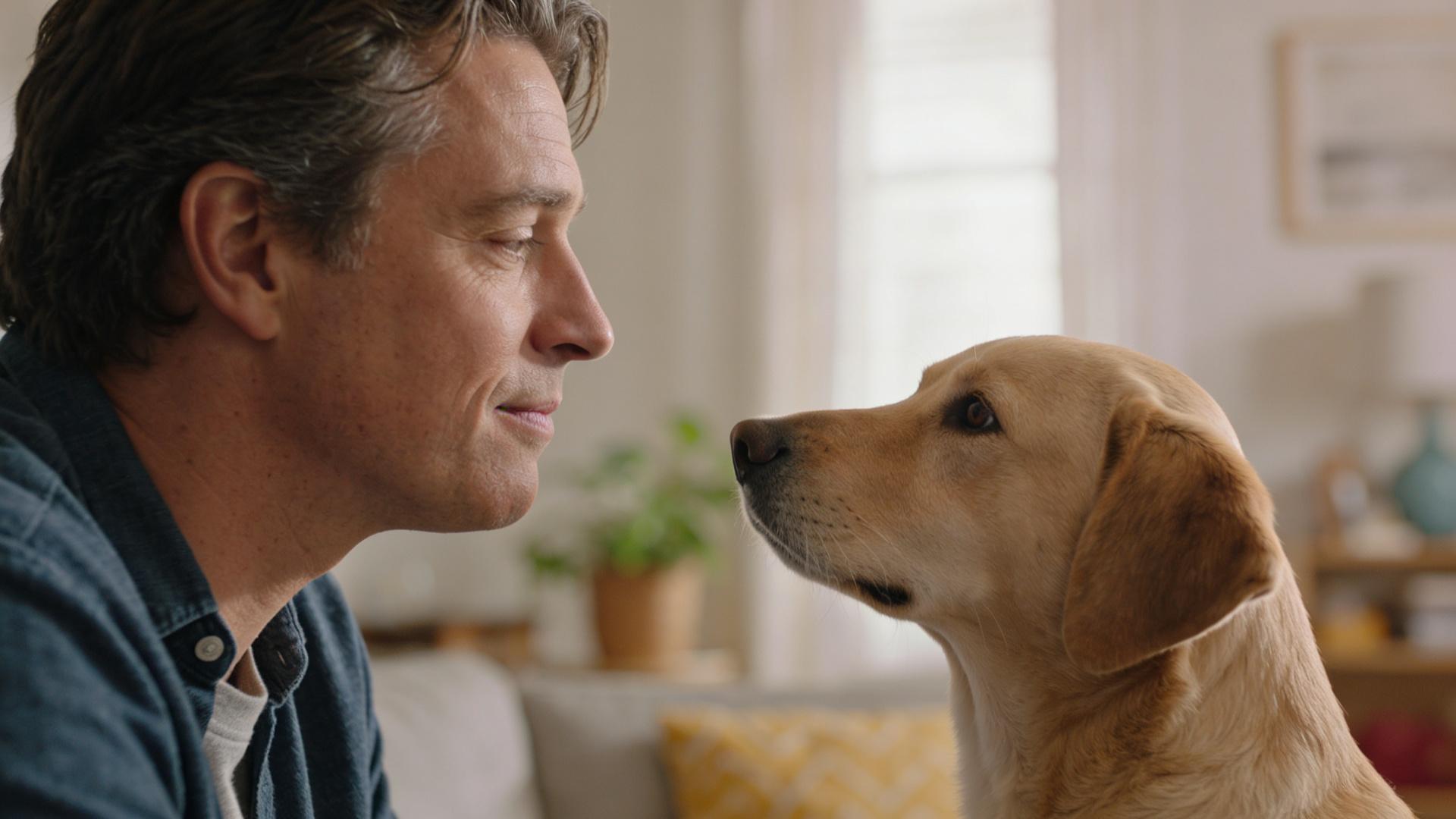
Picture this: You’re in the backyard, treat pouch on your hip, ready to practice a solid "stay." You give the cue, take one step back, and your dog immediately breaks position. A wave of frustration rises. You try again, your voice tightening. Your dog now seems distracted, sniffing the ground, avoiding eye contact. The more you try to "get it right," the worse it gets. Your anxiety climbs, and your dog’s behavior unravels in tandem. Why does it feel like your emotional state is the invisible hand guiding—or sabotaging—your training session? The answer lies in a powerful, biological phenomenon: emotional synchronization. This is the shared emotional leash that connects your inner world directly to your dog's ability to learn, focus, and cooperate.
Crate training for puppies: Turn the crate into its favorite "safe house".
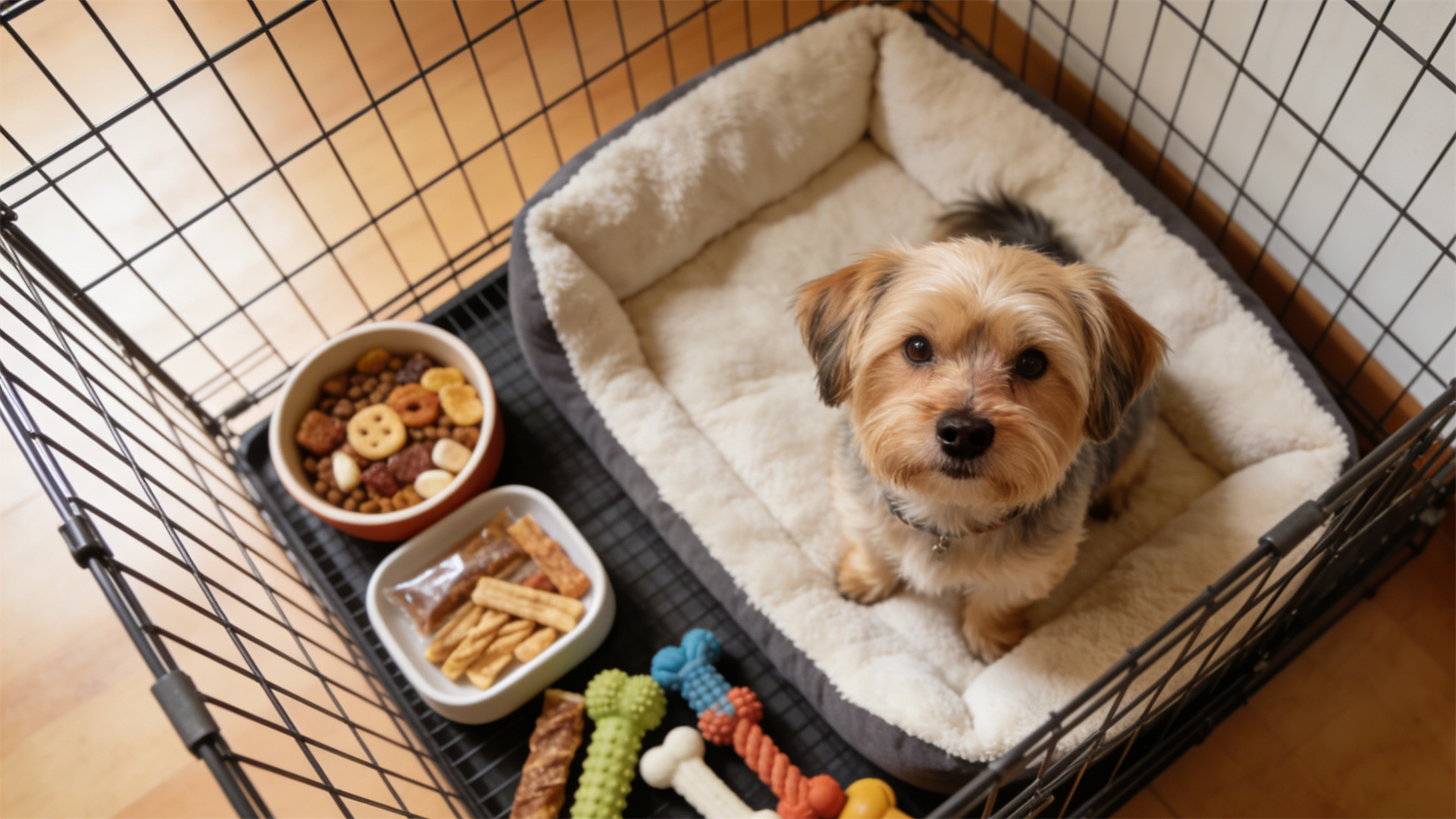
If the thought of crate training for puppies fills you with images of a sad, whining pup, you're not alone. Many new owners struggle with guilt, viewing the crate as a cage or a punishment. But what if we told you that, done correctly, your puppy's crate could become its most cherished sanctuary—a personal safe house where it feels completely secure and content? The key lies not in confinement, but in positive association. This guide will walk you through a compassionate, step-by-step process to transform that empty crate into your puppy's favorite nap spot and cozy den, alleviating your anxiety and building your dog's confidence.