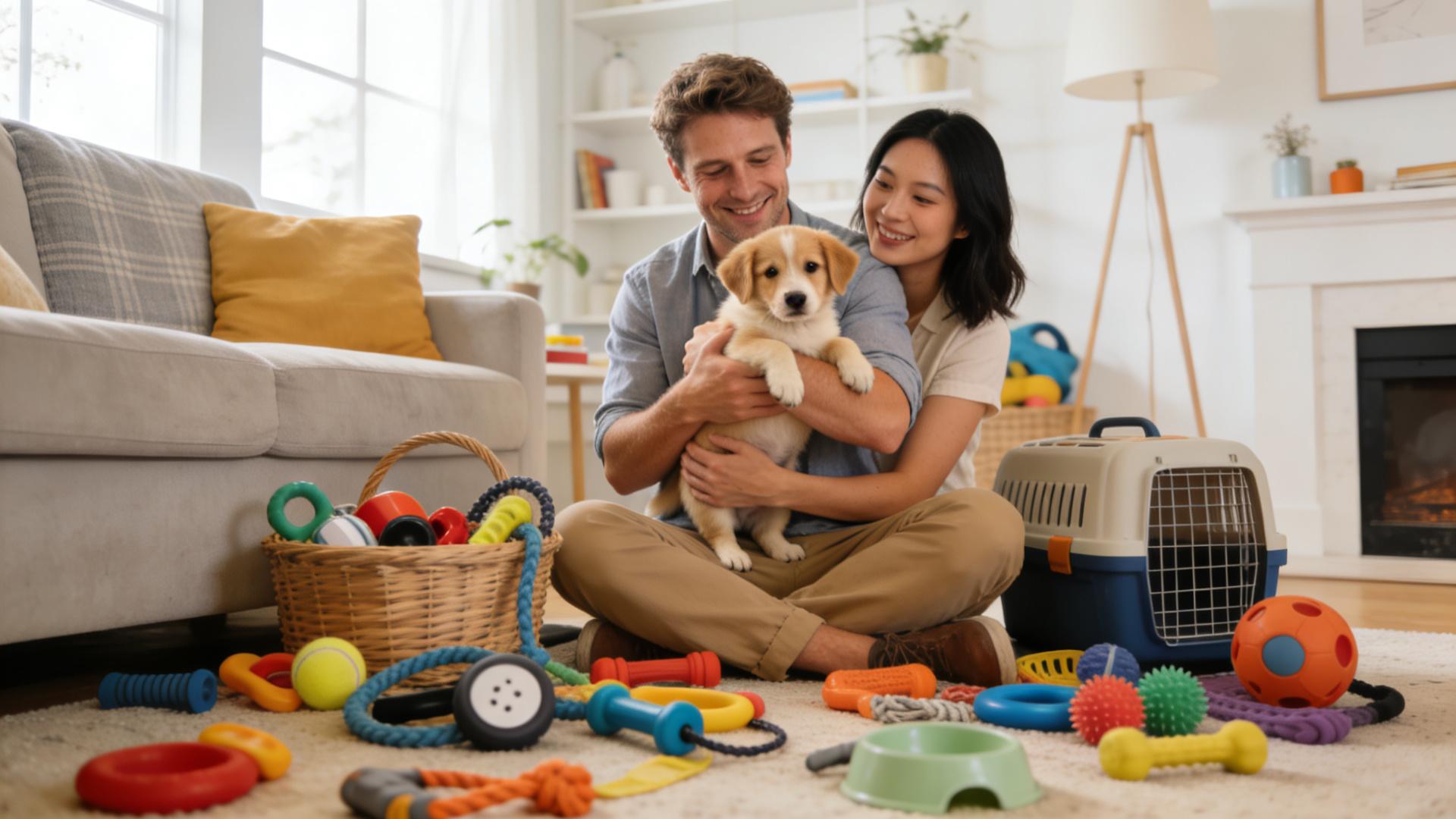
The first few weeks with your new puppy are a whirlwind of joy, licks, and… let's be honest, a bit of chaos. In this critical period, your most important jobs aren't just cuddling and playing. They are socialization and establishing order. Think of this as Level 1 in your dog's lifelong training game. Mastering these two foundational pillars is the single greatest investment you can make in your pup's future. It builds a confident, well-mannered companion and prevents a host of behavioral issues down the line. This guide will walk you through exactly how to navigate your puppy's cub stage with purpose and positivity.
🐾 What Exactly is the "Cub Stage"? Your Puppy's Prime Time
In canine development, the cub stage typically refers to the period from about 8 to 16 weeks of age. This is not just a cute phase. It is a neurologically unique window of opportunity, often called the primary socialization period. Your puppy's brain is exceptionally plastic, meaning experiences during this time leave a permanent imprint. New sights, sounds, people, and lessons are absorbed with incredible speed and form the blueprint for how they will view the world as an adult. Miss this window, and you'll be working much harder to build confidence and correct fears later. The goal of puppy socialization and foundational training is to use this prime time wisely.
🌟 The Socialization Blueprint: Far More Than "Meeting Dogs"
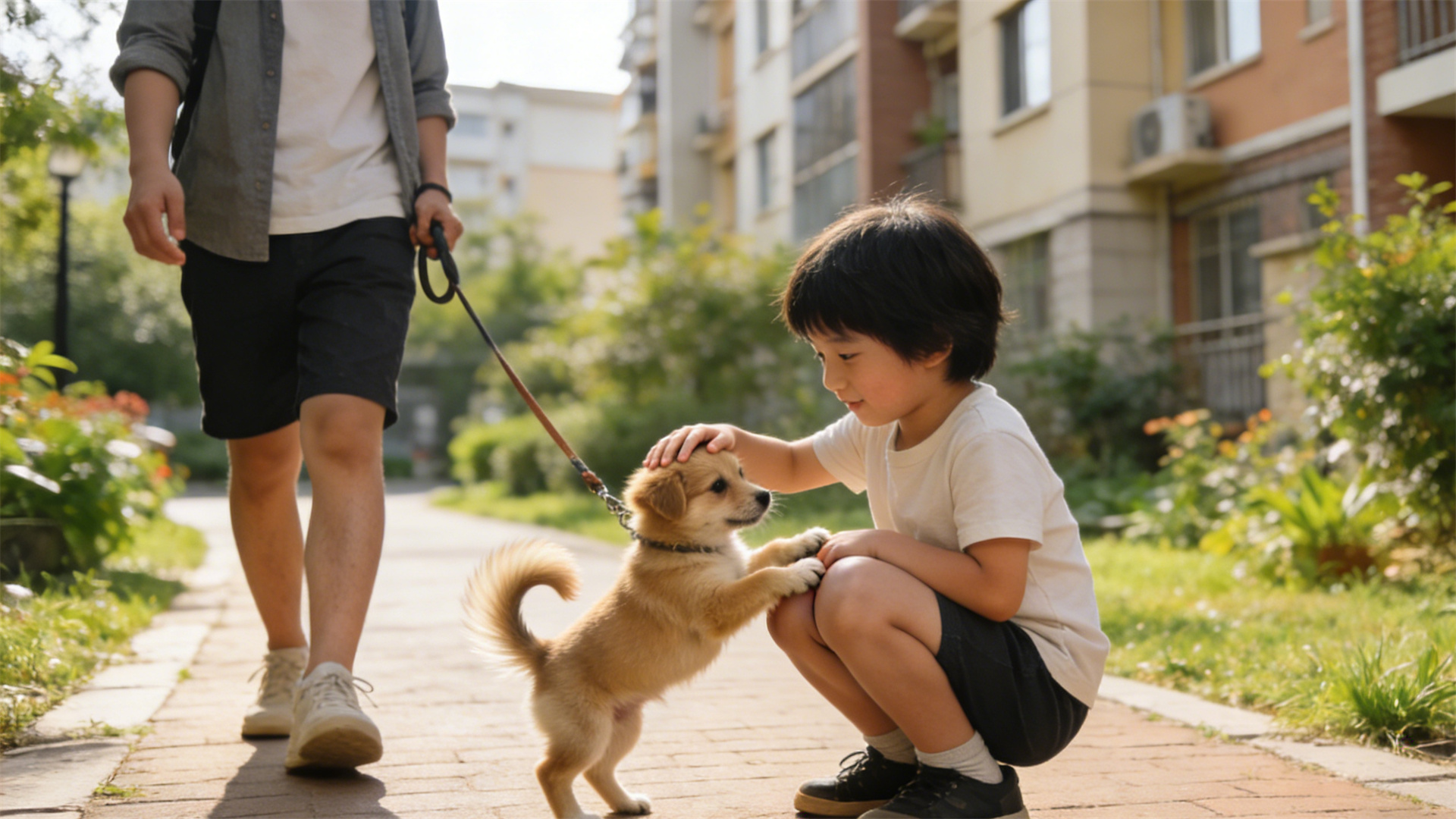
Proper socialization is the process of positively introducing your puppy to the vast tapestry of life experiences they will encounter as an adult. Done correctly, it prevents fear, anxiety, and aggression. It's about building a resilient "go with the flow" attitude.
What to Socialize Your Puppy To: The Comprehensive Checklist
Move beyond just dog parks. Systematic socializing a new puppy involves controlled exposure to various categories. Key experiences are:
People: Men, women, children of all ages, people wearing hats, uniforms, sunglasses, using canes or wheelchairs.
Environments:
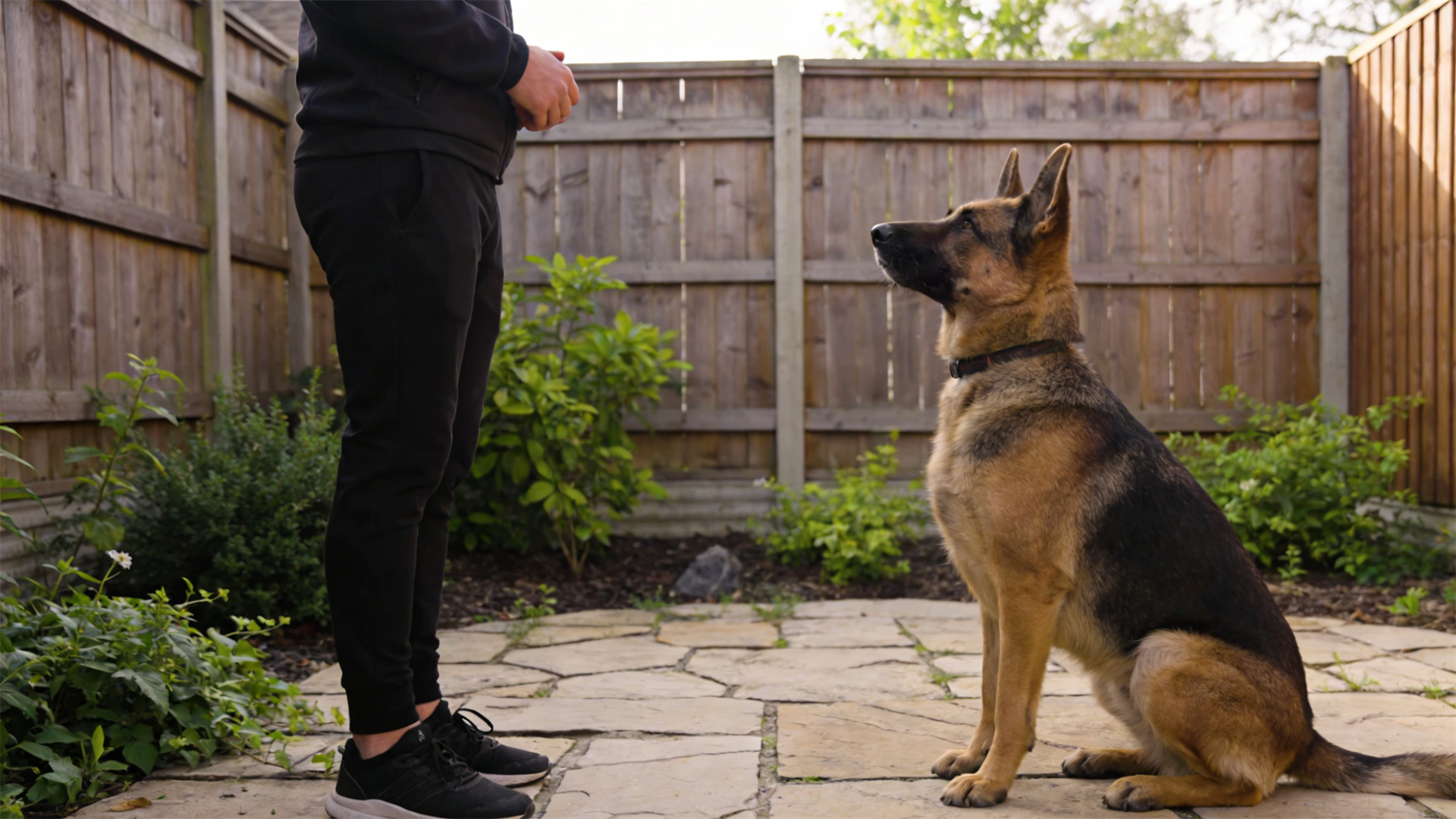
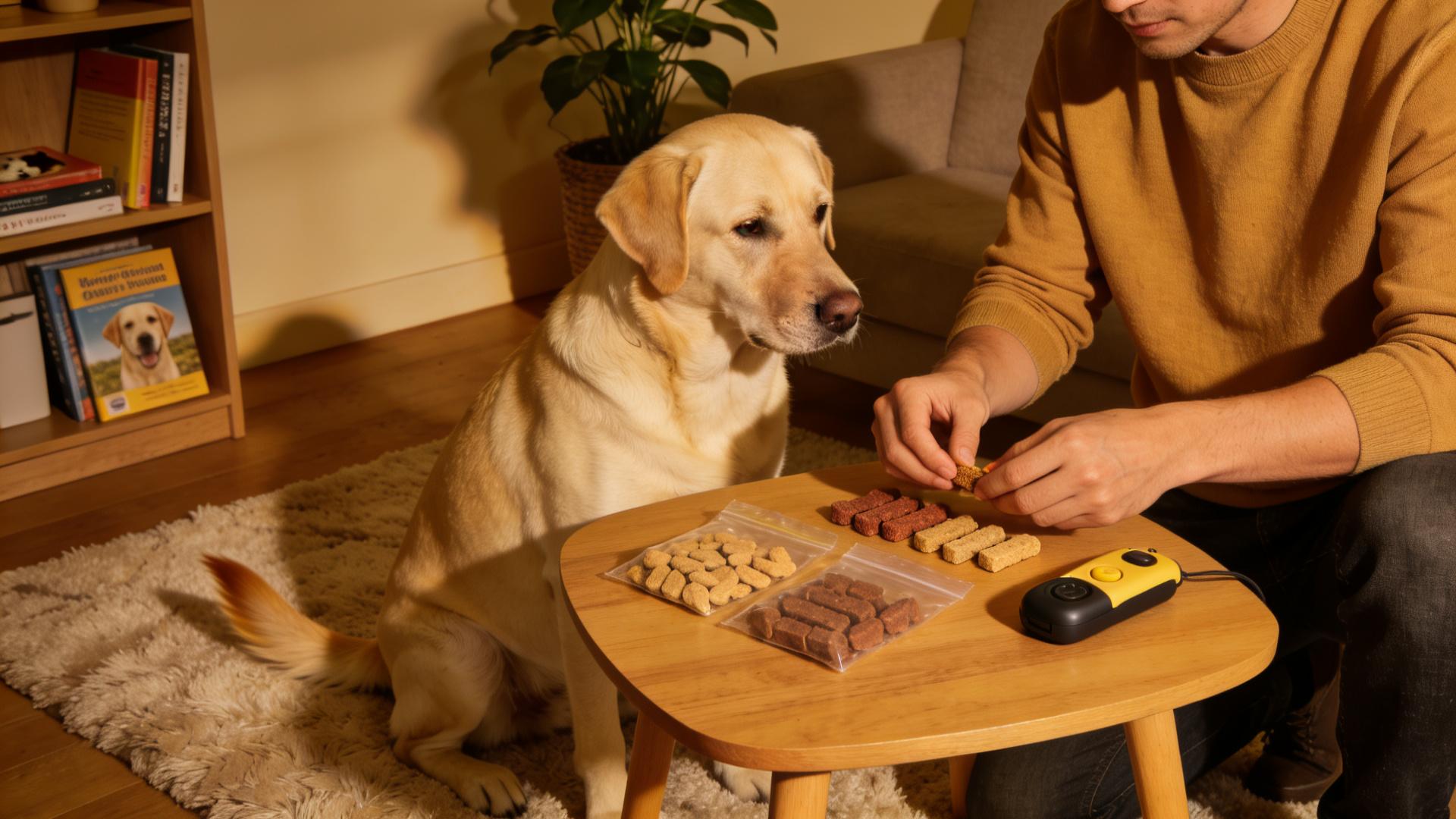
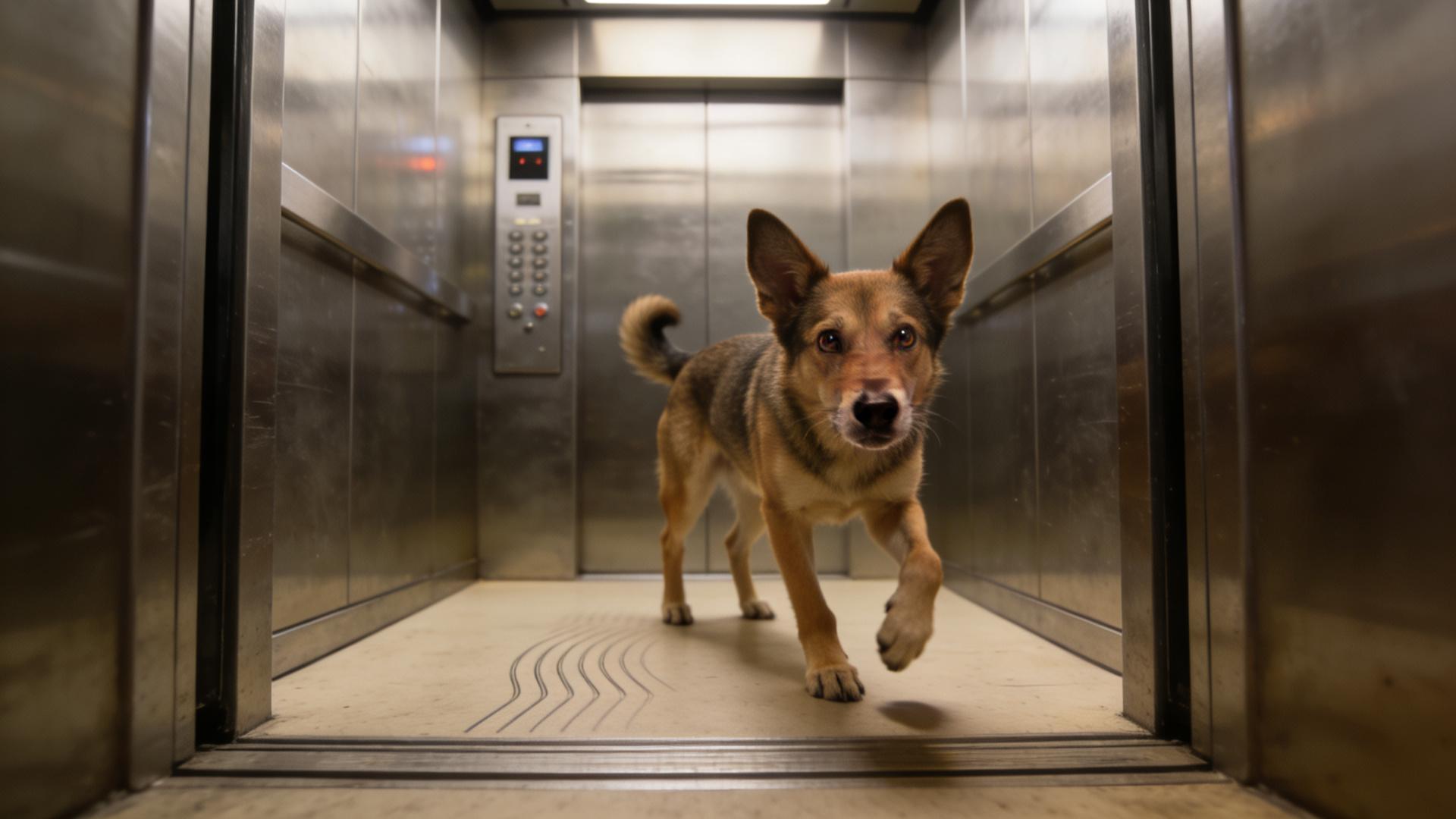
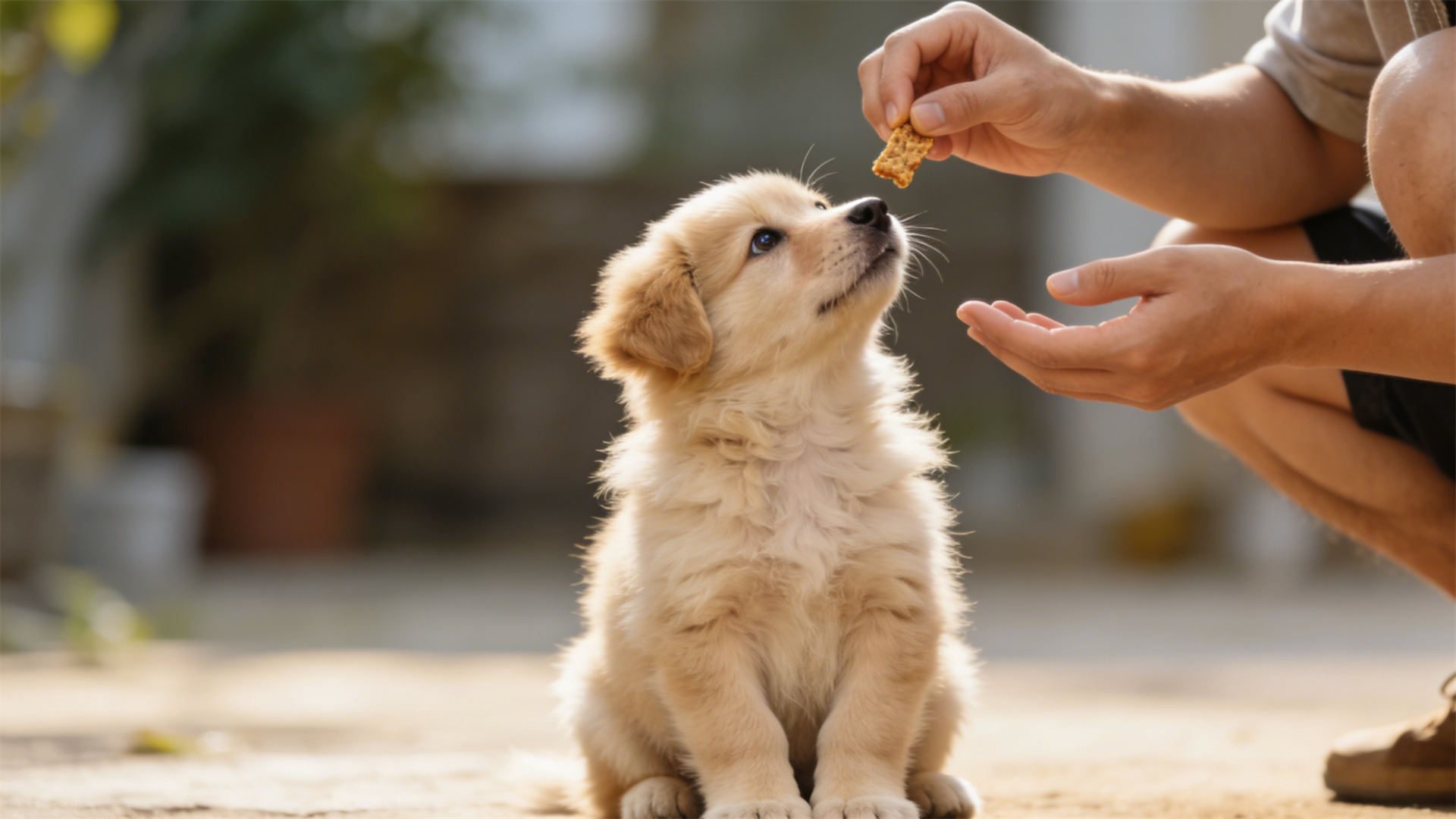
Sounds: Vacuum cleaners, doorbells, thunderstorms (use recordings), televisions, kitchen appliances, traffic noise. Handling & Husbandry: Gently touching paws, ears, mouth, and tail. Simulating vet exams, brushing, and nail trims. This is crucial for stress-free grooming and vet visits. Every introduction must be positive and voluntary. Never force a scared puppy. The golden rule is: let them observe and approach at their own pace. Pair every new experience with high-value treats, praise, or play. Keep sessions short (5-15 minutes) to avoid overwhelm. The consequence of inadequate puppy socialization is often a fearful, reactive, or anxious dog, which is a far harder problem to solve than to prevent. For a new puppy, the world is confusing. Order is not about harsh discipline. It's about providing clear, consistent structure that makes their world predictable and safe. This reduces anxiety and teaches them how to succeed in your home. Start with these foundational skills during your puppy training first week and beyond. Use tiny, soft treats and keep training sessions to just a few minutes, multiple times a day. 1. Name Recognition: Say their name cheerfully. The moment they look at you, mark with a "Yes!" and treat. This builds focus. 2. Sit: Hold a treat at their nose, then slowly move it up and back over their head. As their head tilts up, their bottom will naturally go down. Say "Sit" as it happens, then mark and reward. This is your most useful basic puppy command for managing behavior. 3. Recall (Come): Start indoors in a low-distraction area. Say "Puppy, Come!" in a happy voice and run away a few steps. When they follow, celebrate lavishly! Never call them to you for anything negative. Training is proactive, but management prevents mistakes. Two cornerstone management tools are house training and crate training. House Training: This is about supervision and schedule. Take your puppy out: first thing in the morning, after every nap, after every meal, and after vigorous play. Use a consistent phrase like "Go potty." Praise and treat immediately when they go in the right spot. A predictable crate training schedule aids immensely here, as puppies naturally avoid soiling their sleeping space. Crate Training: The crate is a safe den, not a prison. Feed meals in it, give special chews in it, and let them nap there with the door open. Start with very short durations. A proper crate training schedule helps with potty training, prevents destructive chewing, and gives your puppy an "off switch." Bite Inhibition: Puppy teeth are sharp! When they nip too hard during play, let out a high-pitched "Yip!" and immediately stop play for 30 seconds. This teaches them that gentle mouths get continued fun. We will explore this in-depth in a future guide on bite inhibition. These two pillars do not exist in isolation. They work in beautiful tandem, each making the other more effective and easier to achieve. Scenario 1: Greeting a Visitor. The doorbell rings—a socialization opportunity. Your excited puppy scrambles to jump. Here, order intervenes. You ask for a "Sit" before the door opens. The sit provides a calm, alternative behavior, making the greeting pleasant for everyone. Training enables positive socialization. Scenario 2: The First Vet Visit. A vet clinic is full of strange smells, sounds, and handling. If your puppy has been positively handled at home (socialization) and has a solid "Sit" and "Touch" command (order), the staff can work with them more easily. The predictability of known commands in a scary place reduces anxiety. Scenario 3: Walking on a New Surface. Your puppy hesitates at a metal grate (socialization challenge). Using your "Let's Go" command and cheerful encouragement (order), you guide them across, followed by a huge reward. The trust built through training gives them the confidence to try new things. Navigating your puppy's cub stage with a focus on puppy socialization and foundational order requires patience, consistency, and a lot of treats. But the payoff is immense: a dog who trusts you, feels confident in the world, and understands how to live harmoniously in your family. You are not just training behaviors. You are building a relationship and shaping a stable temperament. The effort you put in these first few weeks and months will pay dividends for the next 10-15 years. Here is your concise list to begin mastering Level 1. Your top five actions are: 1: Create and start working through a socialization checklist. Aim for 3-5 new positive experiences daily. 2: Practice the three core commands: Name, Sit, and Come. Do five mini-sessions of 2 minutes each per day. 3: Establish a strict potty and feeding schedule. Take your puppy out every 1-2 hours and 15 minutes after eating/drinking. 4: Introduce the crate positively. Feed one meal a day in it with the door open. 5: Begin handling exercises. Gently touch paws, ears, and mouth daily while giving treats. Special Reminder: What if my puppy seems scared or overwhelmed during socialization? This is crucial. Never force a frightened puppy. If they balk, increase distance or reduce intensity. Let them observe the "scary thing" from a distance where they feel safe and can take treats. Your goal is to create positive associations, not to prove they can endure something. If fear is significant, consult a force-free professional trainer. We will cover managing fear periods and building confidence in future content, such as our guide on selecting the right puppy classes.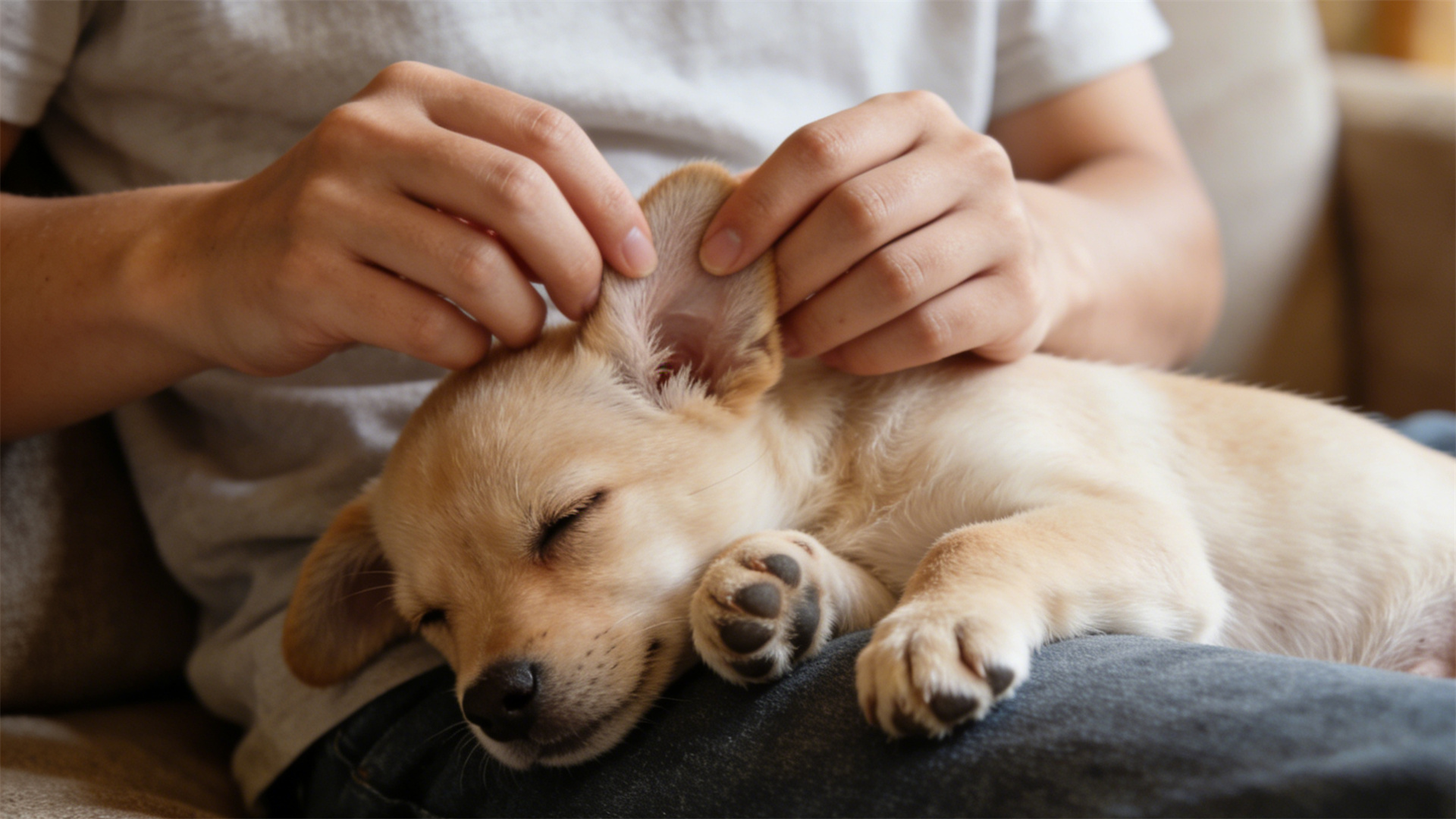
The "How" of Positive Socialization
⚖️ The Foundations of Order: Structure, Not Strictness
Your First Commands: The Essential Trio
Integrating Management for Harmony

🔄 The Synergy of Socialization and Order
🎉 Conclusion: Your Patience Builds a Lifetime of Joy
🚀 Your Actionable Takeaways: Start This Week
❓ FAQ Preview: One Common Cub Stage Concern