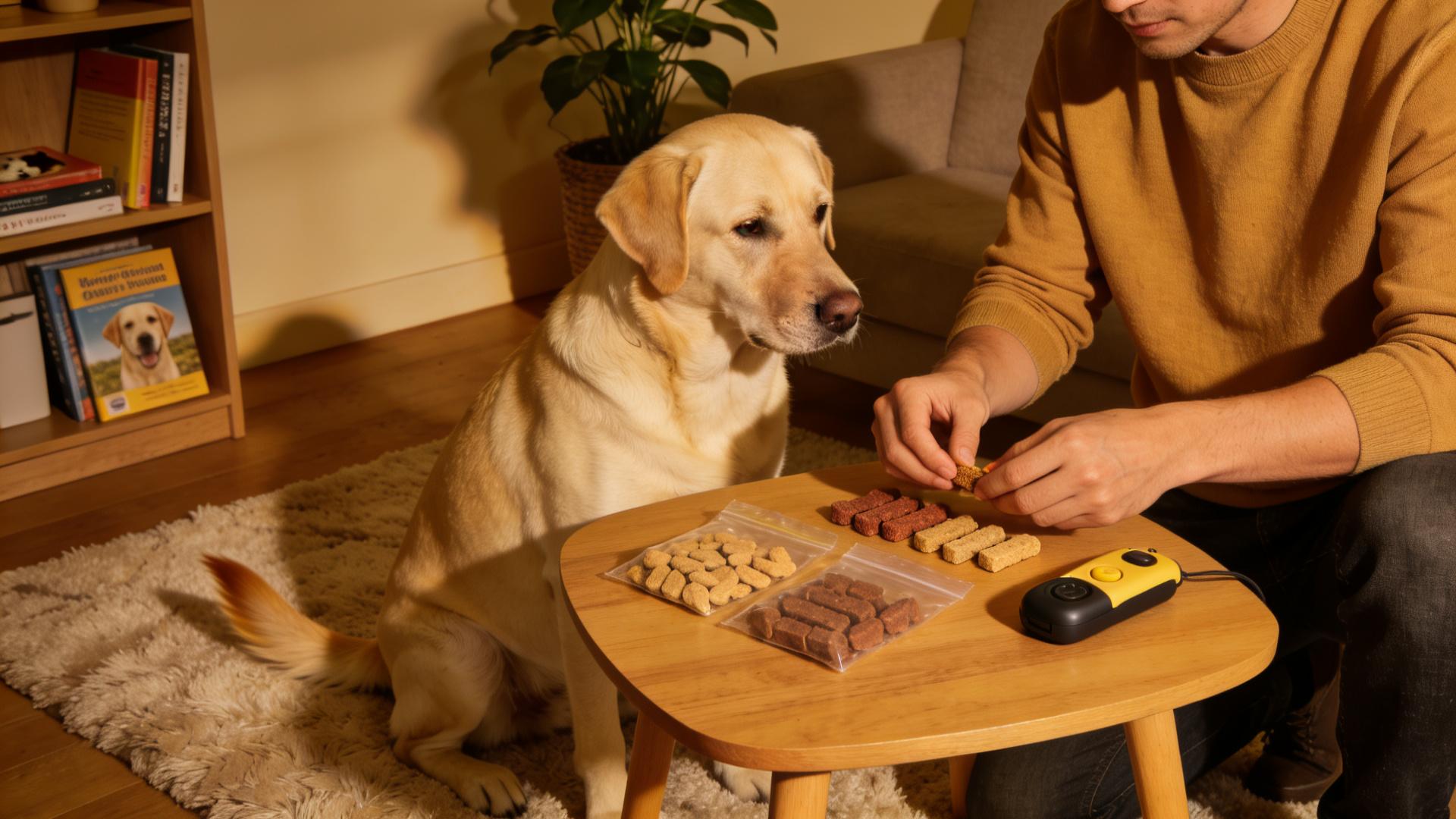
Bringing home your new puppy is a whirlwind of joy, cuddles, and… pure, unadulterated overwhelm. Between the excited piddles, the sharp little teeth, and the sudden midnight serenades, it’s easy for first-time pet parents to feel lost. Traditional training advice is plentiful, but the future of puppy parenting is here, blending timeless canine psychology with smart technology and innovative design. Welcome to the 2026 Puppy Training Kit, a curated collection not just of supplies, but of solutions. This guide cuts through the noise to present five essential tools designed to make your training journey more efficient, effective, and deeply connected. Let’s transform that adorable handful of chaos into a well-mannered companion with tools that empower you both.
🚀 The 2026 Puppy Training Toolkit: A Modern Approach
Gone are the days of relying solely on a fraying leash and a bag of treats. The modern puppy parent is equipped for success. The right tools do more than teach commands; they build communication, prevent frustration, and nurture the irreplaceable bond between you and your dog. For the tech-savvy pet caregiver, these innovations represent a leap forward, offering data-driven insights and seamless integration into daily life. We’re focusing on tools that address core training pillars: communication, reinforcement, management, and lifestyle integration. Here are your five essentials for a confident start.
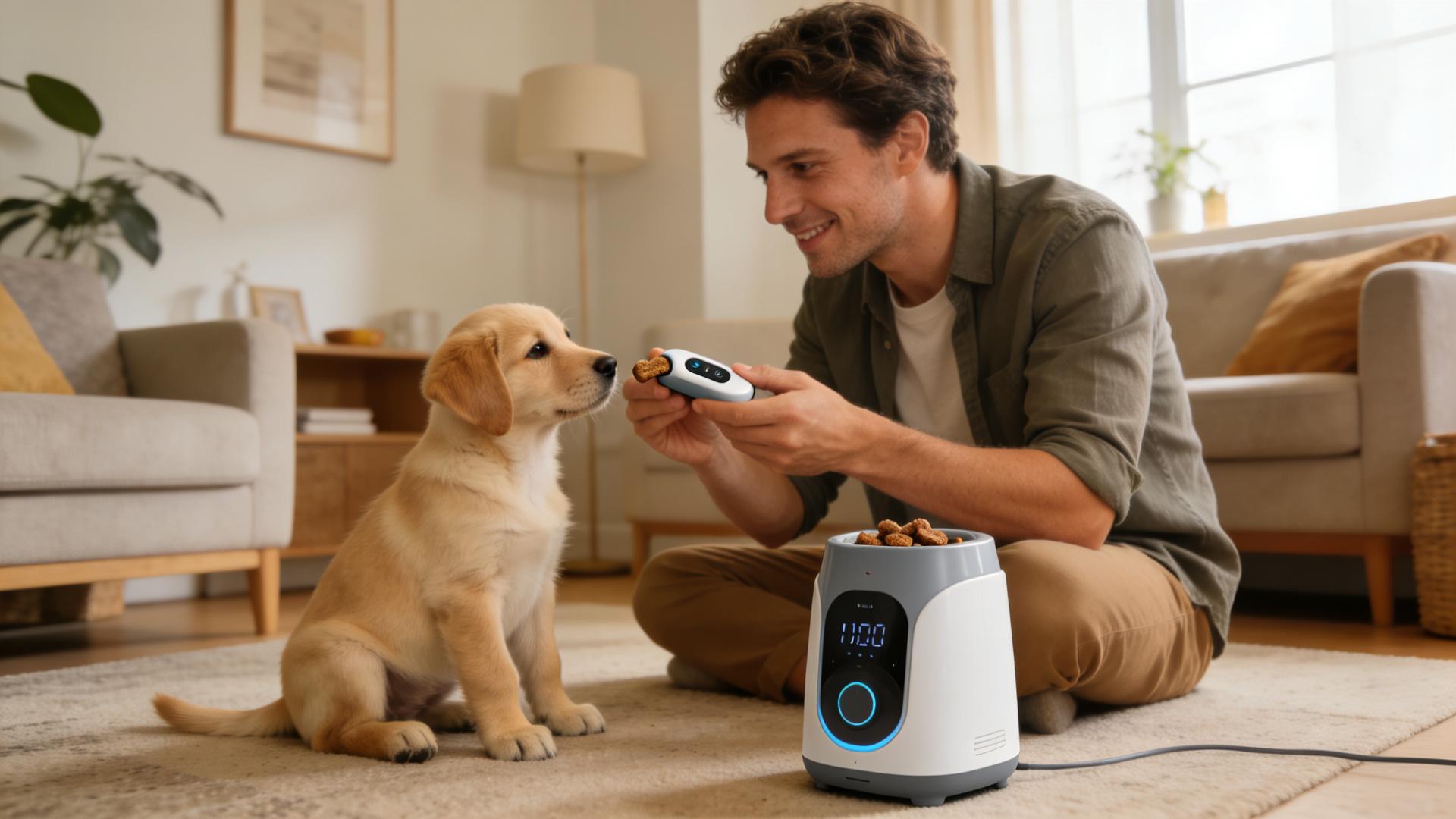
Tool 1: The AI-Powered Smart Clicker & Treat Dispenser: Foundation Behavior Tool
The 2026 Advantage: This isn’t your basic box clicker. This sleek, wearable device pairs with a smartphone app and a programmable treat dispenser. Its genius lies in AI-assisted timing. The app can analyze your vocal command and the puppy’s action, offering haptic feedback or even auto-dispensing a treat at the perfect millisecond to mark desired behavior, eliminating human timing errors that can confuse a puppy.
Core Benefits for the Puppy and Parent: First, it ensures consistency, the bedrock of all learning, by providing a perfectly timed marker signal every time. Second, it accelerates learning by making the cause-and-effect relationship crystal clear for the puppy. Third, it reduces owner stress by offering guided training sessions and progress tracking through the app.
How It Fits in Your Daily Training: Imagine teaching "sit." You say the command, your puppy’s rear touches the floor, and the smart clicker in your pocket vibrates instantly while the dispenser across the room releases a kibble. This precise reinforcement, even if you’re a few feet away, builds a strong, clear association faster than fumbling for a clicker and a treat pouch.
What to Look for When Shopping: Prioritize devices with robust app connectivity, a library of pre-programmed training exercises for beginners, and a dispenser that works with your puppy’s regular kibble to avoid over-treating. Battery life and water resistance are also key for active households.
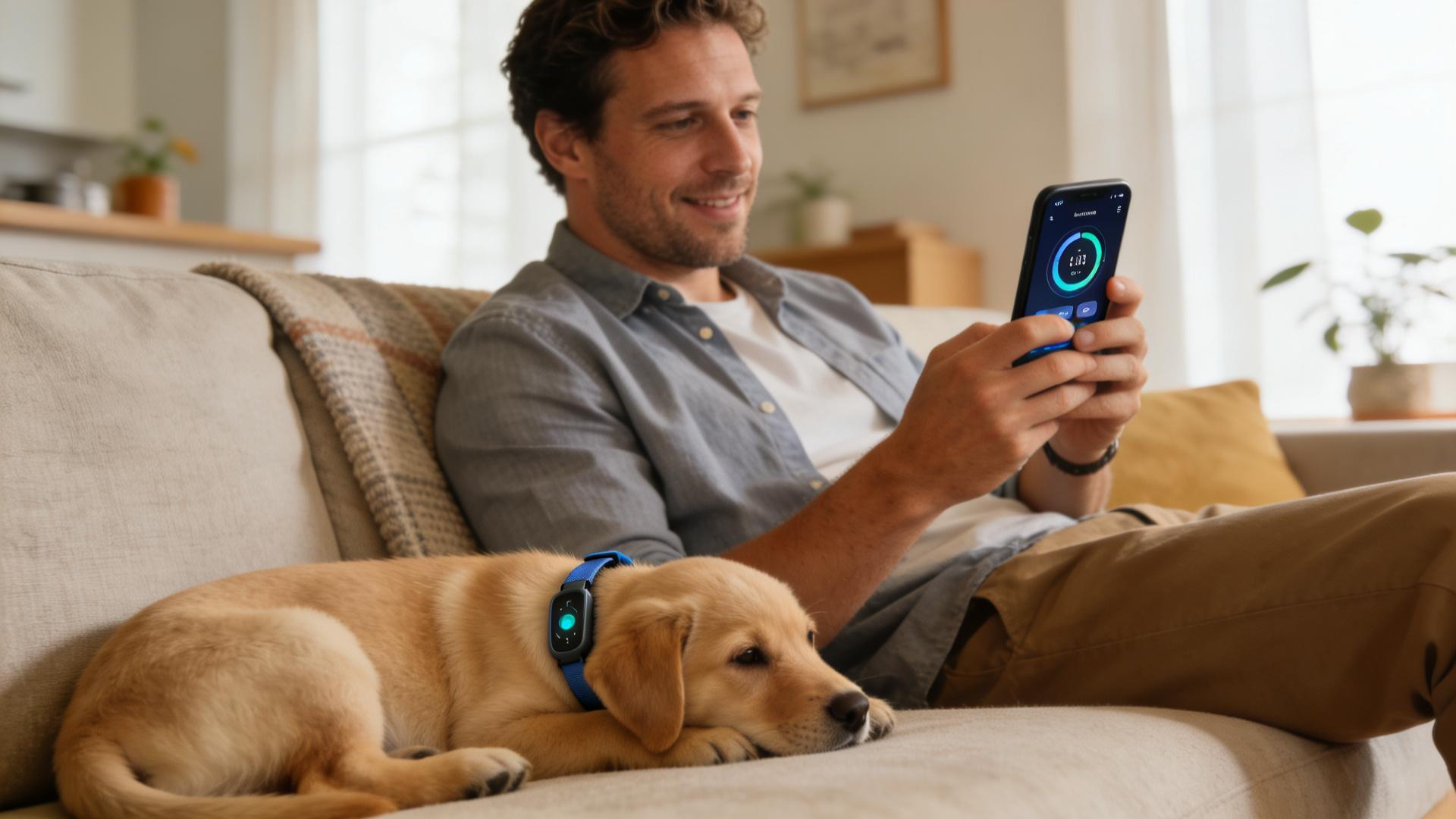
Tool 2: Biometric Activity & Calming Monitor Collar: Wellness and Crate Training Tool
The 2026 Advantage: Moving beyond simple GPS trackers, these collars integrate biometric sensors to monitor your pup’s heart rate, respiration, and even sleep patterns. The companion app translates this data into actionable insights, like "calm" or "anxious" states, and can even play soothing pheromone-simulating sounds or vibrations to help soothe a stressed puppy.
Core Benefits for the Puppy and Parent: This tool provides unparalleled insight into your puppy’s emotional world, helping you identify anxiety triggers before a meltdown occurs. It is a game-changer for crate training and alone-time practice, allowing you to see if your puppy is truly settling or is in distress. It also monitors overall health and rest, ensuring your training isn’t happening on an overtired or unwell pup.
How It Fits in Your Daily Training: During crate training sessions, you can place the puppy in the crate and monitor their vitals from another room. The app alerts you when their heart rate normalizes, indicating calmness, telling you the perfect moment to return and reward. This reinforces quiet, relaxed behavior instead of rewarding whining.
What to Look for When Shopping: Accuracy of sensors is paramount. Look for collars with veterinary-grade technology and peer-reviewed calibration. Ensure the collar is lightweight for a growing puppy and has a safe, breakaway design. Long battery life and a user-friendly app dashboard are essential.
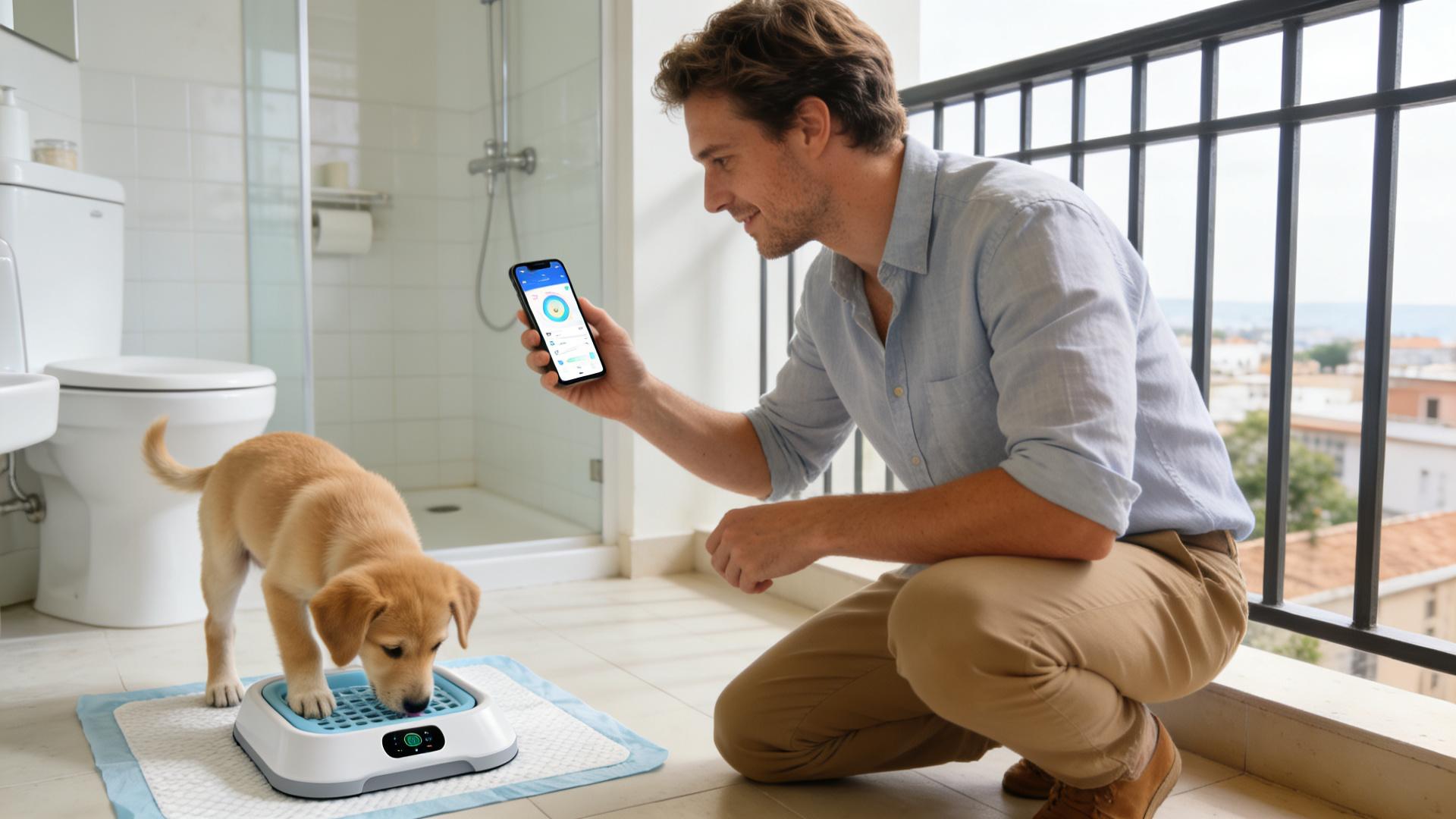
Tool 3: Programmable Smart Potty Patch with Health Detection: Housetraining Innovation
The 2026 Advantage: For apartment dwellers or those in high-rise buildings, this is the ultimate potty training innovation. These realistic turf patches sit on a smart base that instantly drains and filters waste into a sealed container. The most advanced versions include sensors that can detect changes in urine, like unusually high frequency or signs of a urinary tract infection, sending alerts to your phone.
Core Benefits for the Puppy and Parent: It provides a consistent, sanitary, and odor-controlled bathroom solution, drastically speeding up the housebreaking process by eliminating accidents on your floor. The health monitoring feature offers incredible peace of mind, catching potential issues early. It also simplifies life during the crucial early months when puppies need to go out constantly.
How It Fits in Your Daily Training: You would place the patch on your balcony or in a designated bathroom area. Using a consistent command like "go potty," you lead your puppy to the patch after meals, naps, and play. The immediate drainage keeps the surface clean, encouraging repeat use and establishing a reliable habit.
What to Look for When Shopping: Focus on the drainage system’s efficiency and odor-lock technology. The turf should be easy to clean and replace. If interested in health tracking, research the scientific backing of the sensor technology. Size is also important—ensure it’s large enough for your breed’s anticipated adult size.

Tool 4: Adjustable, Chew-Proof Confinement Playpen with Interactive Elements: Management & Enrichment Tool
The 2026 Advantage: Modern playpens are modular, incredibly durable, and integrate with training. Think chew-proof panels that connect in various shapes, with optional attachments like treat-dispensing puzzle toys, slow-feeder bowls, or even quiet, rolling ball toys that activate on a timer. This turns a simple confinement area into a stimulating enrichment zone.
Core Benefits for the Puppy and Parent: It provides safe management, preventing destructive chewing and potty accidents when you can’t supervise directly. More importantly, it teaches independent play and calmness by offering appropriate mental and physical stimulation. This prevents boredom, a leading cause of nuisance behaviors, and helps puppies learn to settle themselves.
How It Fits in Your Daily Training: Instead of just putting your puppy in a bare pen, you’d attach a puzzle feeder with their breakfast kibble. As they work for their meal, they are engaged, not anxious. You can use the pen for enforced nap times, creating a routine that teaches off-switch behavior, which is crucial for a well-balanced dog.
What to Look for When Shopping: Material strength is non-negotiable. Look for reinforced polymers or metals labeled as chew-proof. Versatility in configuration is a plus for changing spaces. Ensure any interactive attachments are size-appropriate and made from safe, non-toxic materials.

Tool 5: Haptic Feedback Training Harness & Leash Set: Loose-Leash Walking Foundation
The 2026 Advantage: This harness system uses subtle, vibrational cues instead of leash corrections. A remote or a smartwatch app allows you to send a gentle, distinct buzz to a receiver on the harness as a communication signal. Combined with a hands-free, bungee-style leash, it focuses on teaching direction and attention rather than relying on physical pressure.
Core Benefits for the Puppy and Parent: It promotes a positive, force-free method for teaching loose-leash walking, protecting your puppy’s developing neck and joints. The haptic feedback is a clear, consistent signal that cuts through environmental distractions. It fosters a partnership based on communication, not restraint, building your puppy’s confidence and focus on you.
How It Fits in Your Daily Training: On a walk, the moment your puppy starts to pull, you would press a button to send a brief vibration to the harness, immediately call their name, and reward them for turning back to you. The bungee leash absorbs sudden shocks, making the experience smoother for both of you. The vibration becomes a request for attention, not a punishment.
What to Look for When Shopping: Seek out systems with multiple vibration patterns for different cues. The harness must be fully adjustable for a perfect, comfortable fit to prevent chafing. The remote should have a good range, and the entire system should be weather-resistant. The leash should be durable and have a comfortable waist belt for the owner.
🎯 Building Your Foundation for Success
Assembling your 2026 Puppy Training Kit with these five tools—the Smart Clicker, Biometric Monitor, Smart Potty Patch, Enrichment Playpen, and Haptic Harness—sets the stage for a harmonious relationship. This modern approach prioritizes clear communication, positive reinforcement, intelligent management, and proactive wellness. Remember, the flashiest tool is only as good as the loving, patient, and consistent human behind it. These essentials are designed to amplify your efforts, giving you both the clarity and confidence to succeed.
The journey of training your new puppy is one of the most rewarding adventures you’ll undertake. It’s filled with moments of breakthrough, bursts of laughter, and a deepening bond that words can’t capture. With these future-forward tools at your side, you’re not just surviving the puppy phase—you’re thriving in it, building a foundation of trust and understanding that will last a lifetime. Welcome to the joy of modern puppy parenting.