
You May Have Missed

Puppy sleep habit training: solutions to nighttime barking and restlessness
Exhausted from puppy night waking? Our expert guide reveals the root causes of barking and restlessness and provides a proven, step-by-step training plan to finally get peaceful sleep for you and your new dog.
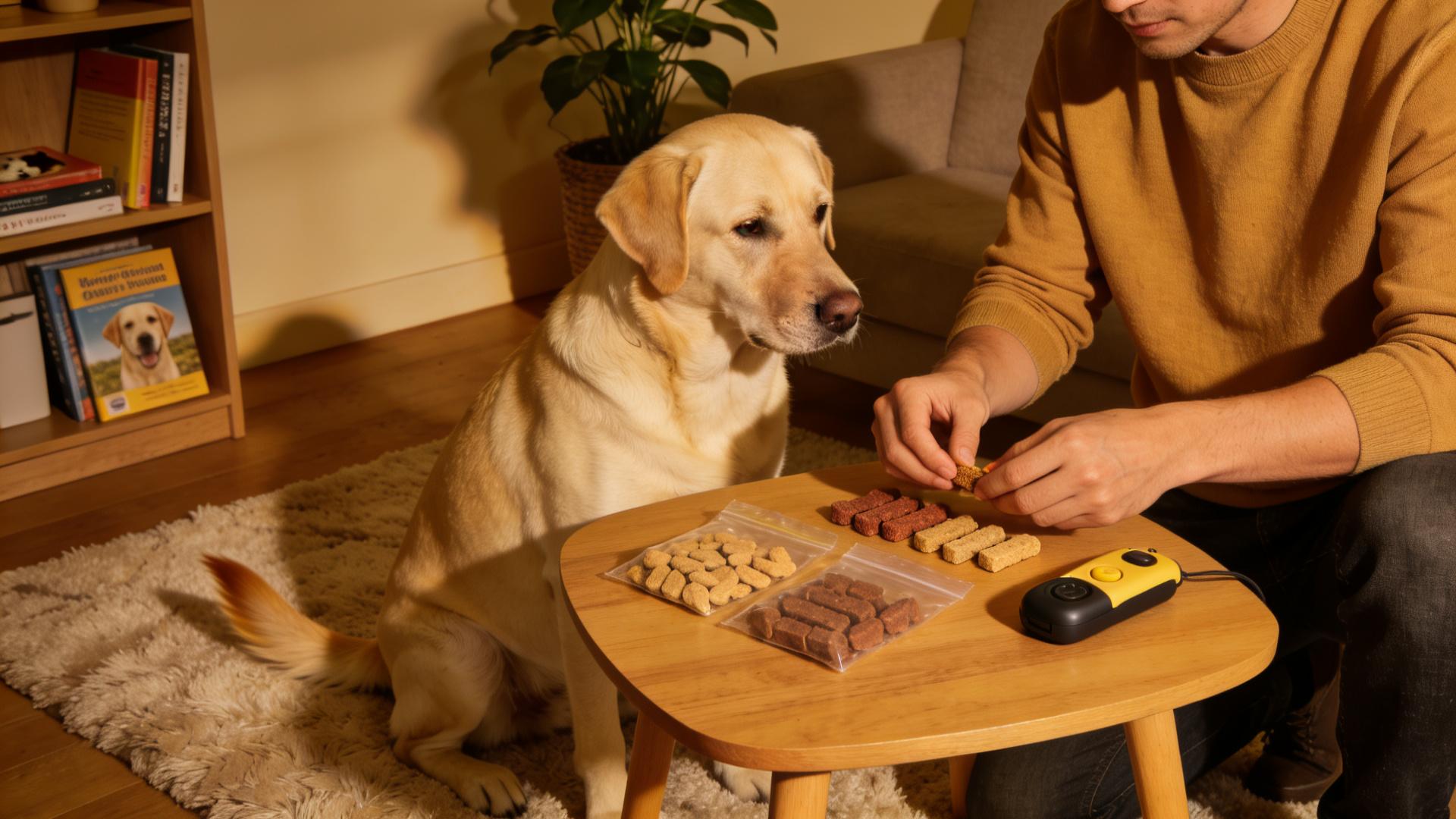
Capture Training: How to turn a dog's unintentional natural movements into commands
Picture this: your dog finishes a satisfying chew on their toy, lets out a big, relaxed sigh, and settles into a perfect, calm "down" position on the floor. In that moment, a beautiful, desirable behavior happened entirely on its own. What if you could harness those spontaneous moments and turn them into a cue you could call upon anytime? You can. Welcome to the elegant world of capture training.
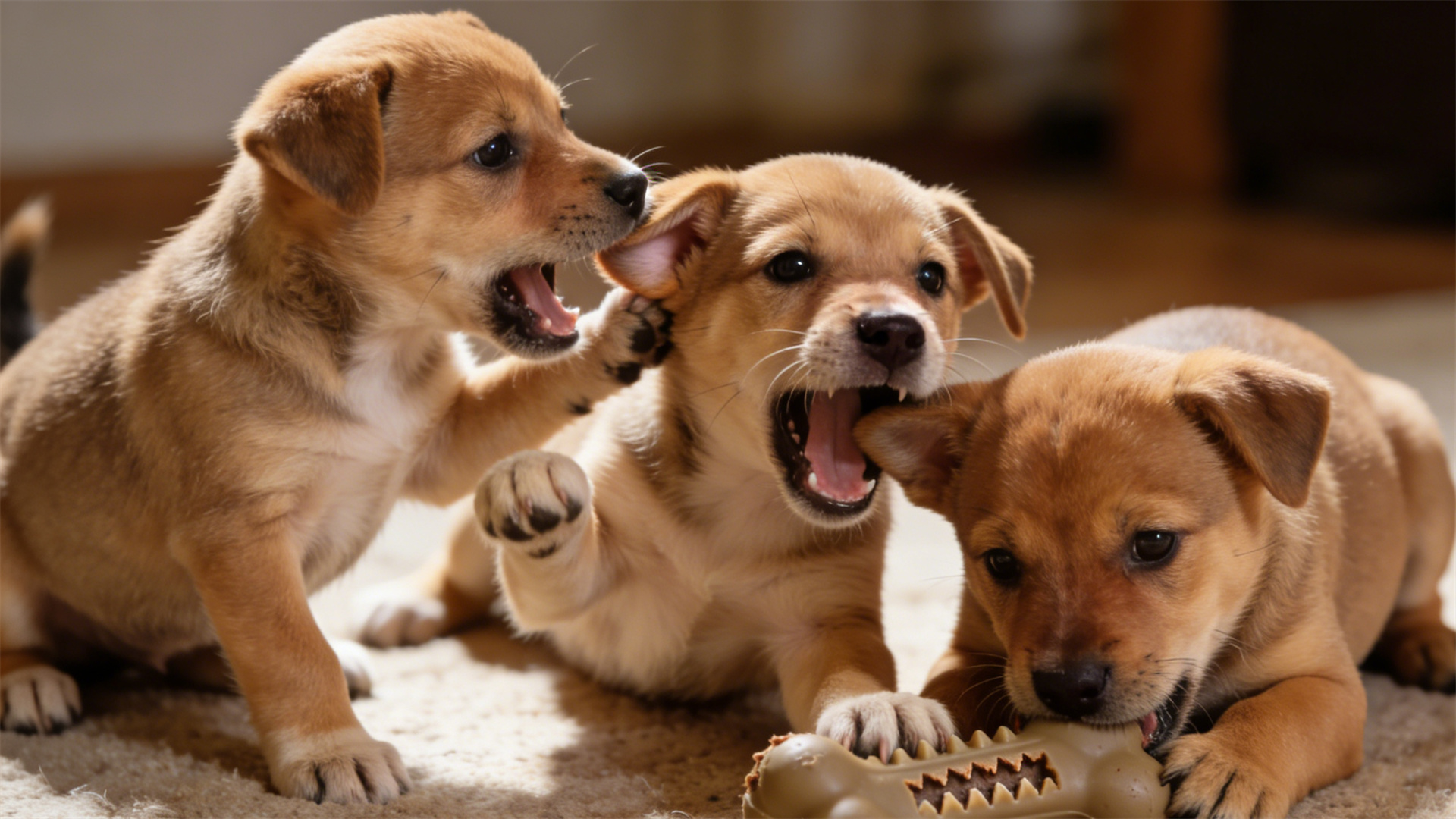
Preventing Puppies from Biting Their Hands and Feet: Correct Feedback for Correcting Puppy Biting
The joy of bringing home a new puppy is often quickly tempered by the sharp pinch of needle-like teeth on your fingers and toes. If you’ve found yourself asking, “Why does my puppy keep biting my hands and feet?” you are absolutely not alone. This is one of the most common and frustrating challenges for new dog owners. However, this behavior is a normal part of canine development, not a sign of an aggressive dog. The key lies in understanding the why behind the bites and implementing a consistent, positive strategy for preventing puppy biting. Timely and correct intervention is crucial for your safety, your puppy’s future social skills, and a harmonious home.
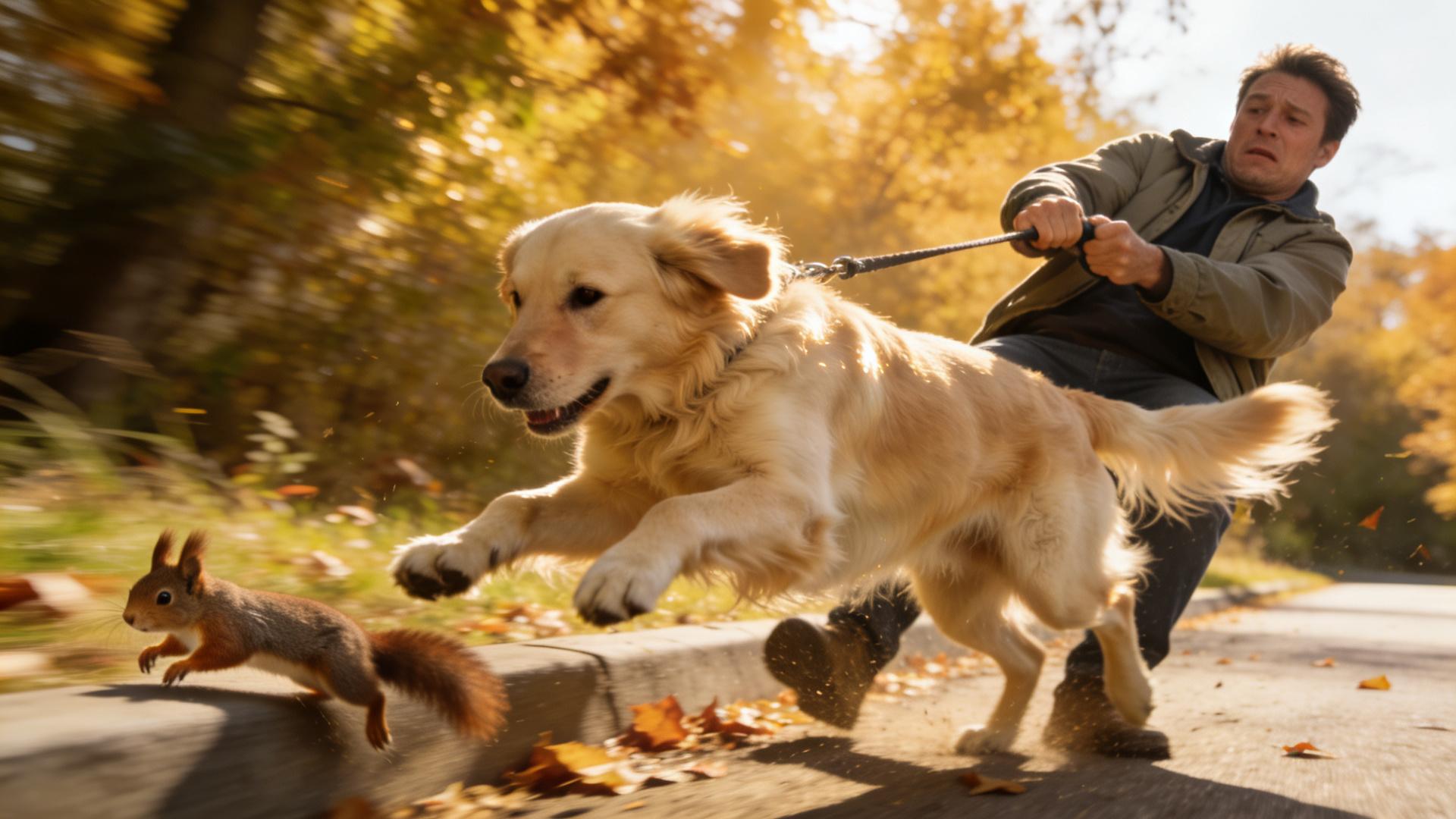
Slack rope following: Using "figure-eight movement" to correct sudden acceleration.
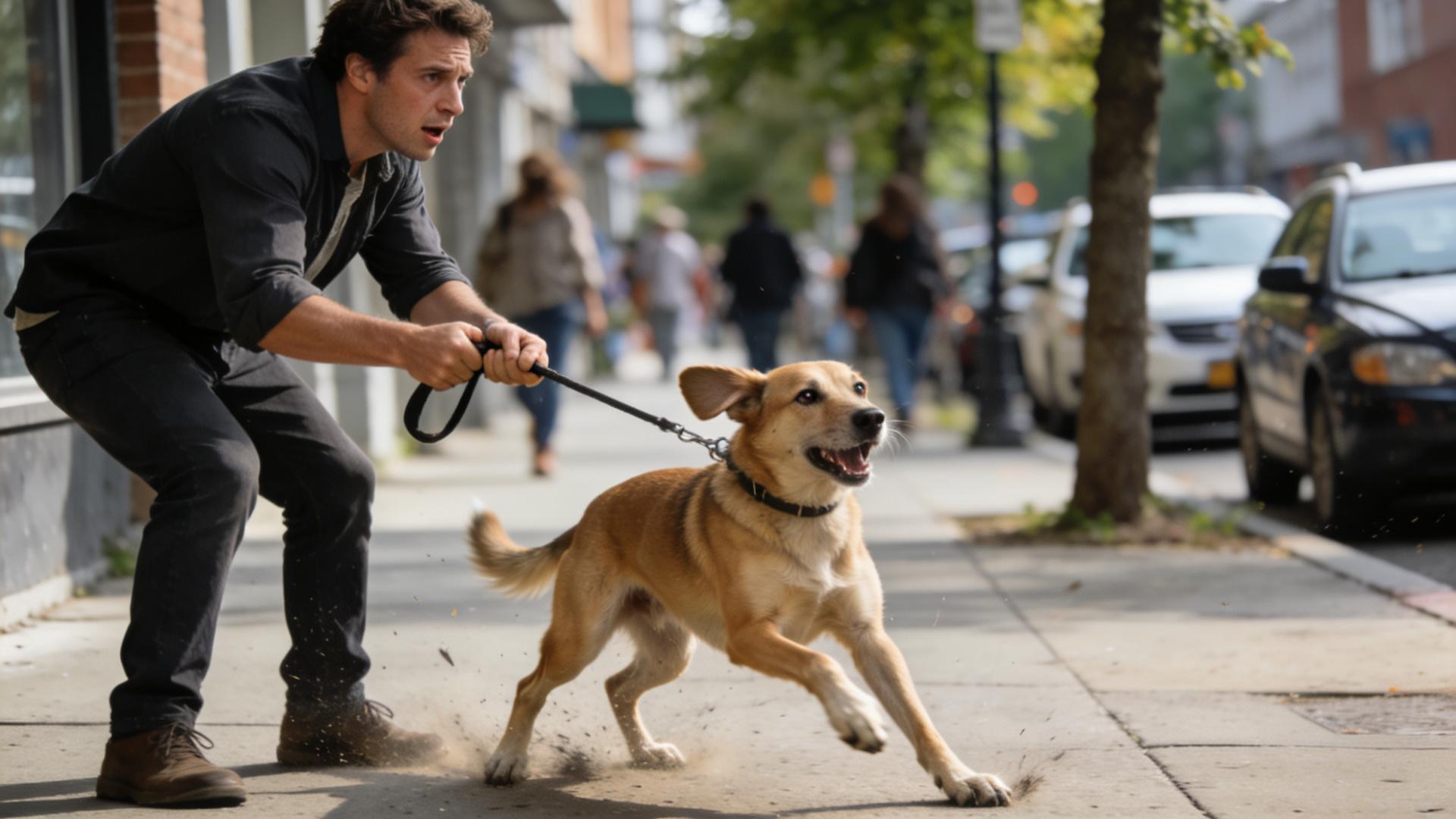
You’re enjoying a peaceful walk when a squirrel darts across the path. In a flash, your dog transforms into a sled dog, surging forward with such force that your shoulder aches. This sudden acceleration, also known as lunging or surging, is more than just an annoyance—it's a breakdown in communication and a potential safety hazard. Traditional "corrections" often create more tension, leading to a frustrating battle of wills. But what if the solution wasn't about holding tighter, but about creating intentional slack? Enter slack rope following and its powerful companion, the figure-eight movement. This sophisticated approach doesn't just manage pulling; it teaches your dog to actively seek a loose leash through intelligent handler movement.
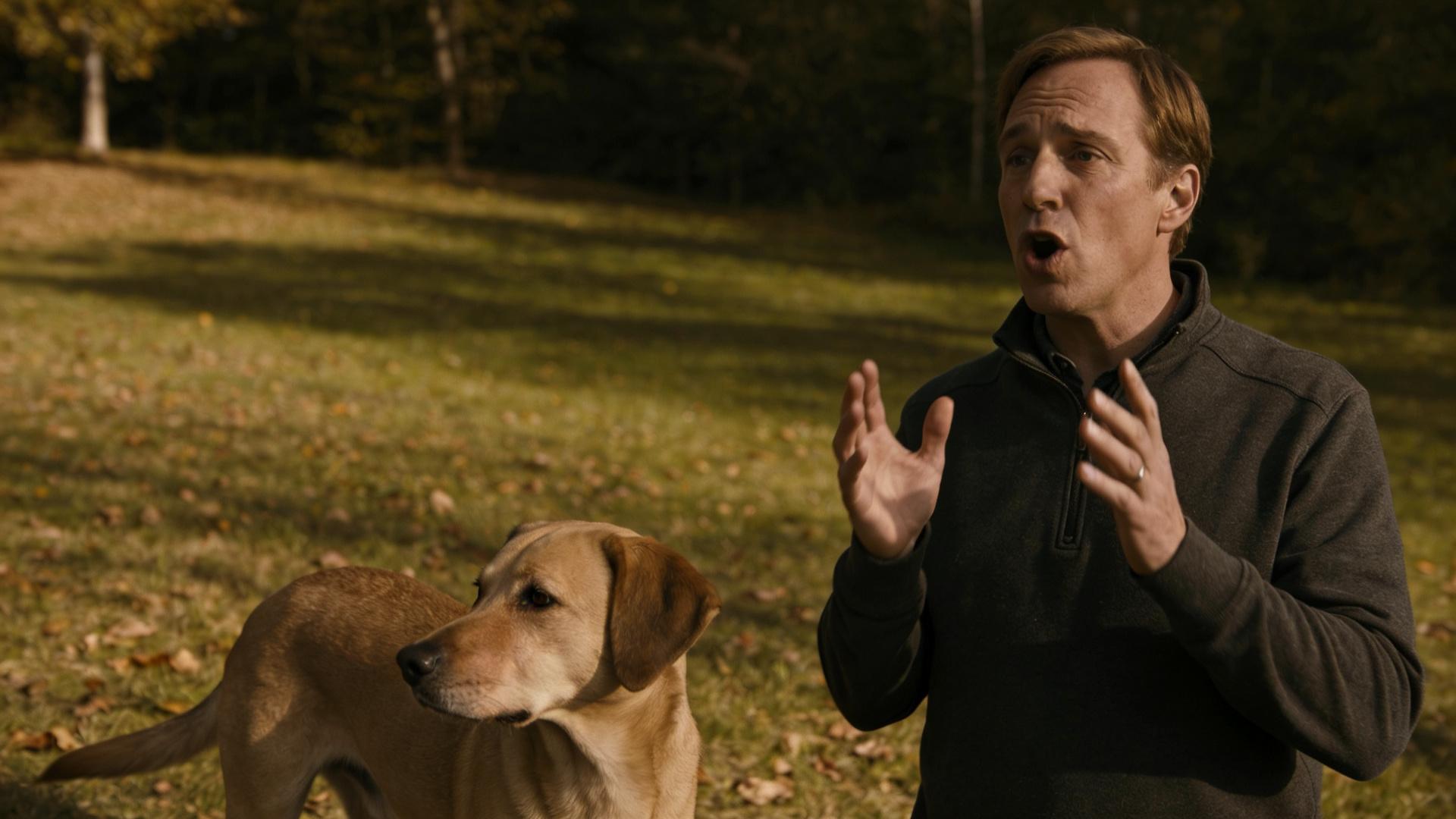
The first "Sit down": How to use gestures to quickly establish command awareness
Welcome, fellow dog lover. If you're standing there, repeating "sit, sit, SIT!" while your dog looks blissfully past you, you're only using half of your communication toolkit. You're speaking, but your dog's native language is visual. This guide will fundamentally transform how you connect with your canine companion, starting with the foundational command: the "sit." We're going beyond the basic verbal cue to unlock the power of silent gestures, building an instant, unwavering layer of command awareness that cuts through noise, distance, and distraction. Let's begin the conversation your dog has been waiting for.
Automatic Sit: Train your dog to automatically sit when its owner stops.
You’re mid-walk, and you need to pause—to cross the street, greet a neighbor, or pick up after your dog. Instead of a calm stop, you’re met with a tangled leash, a dog leaning into their harness, or frantic sniffing at the exact spot you need to stand. This common walking challenge is more than just frustrating; it can compromise safety and control. What if, every single time you stopped moving, your dog instantly and politely sat by your side? This isn't a fantasy; it's the automatic sit, a foundational skill that transforms chaotic halts into moments of calm obedience.