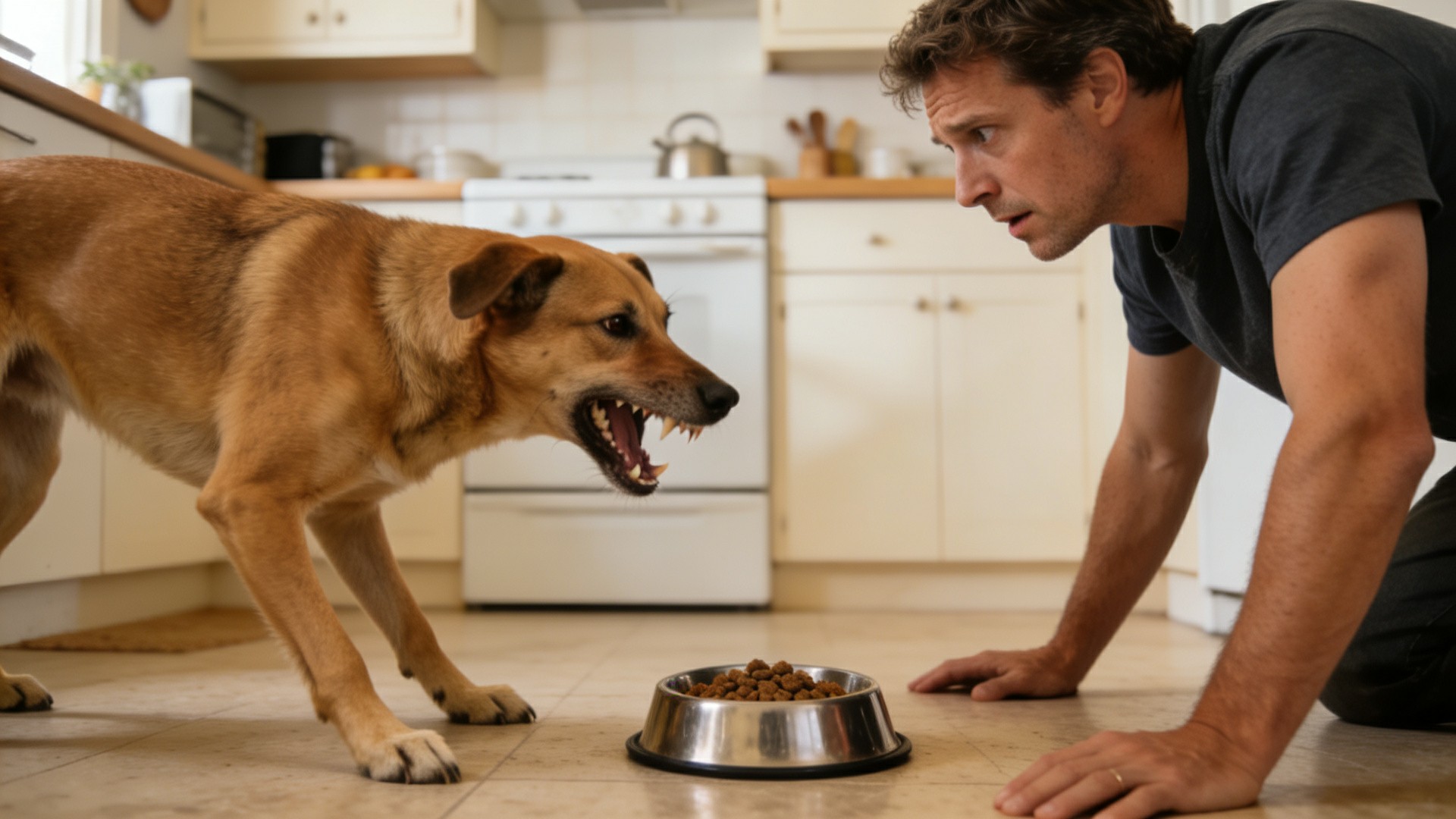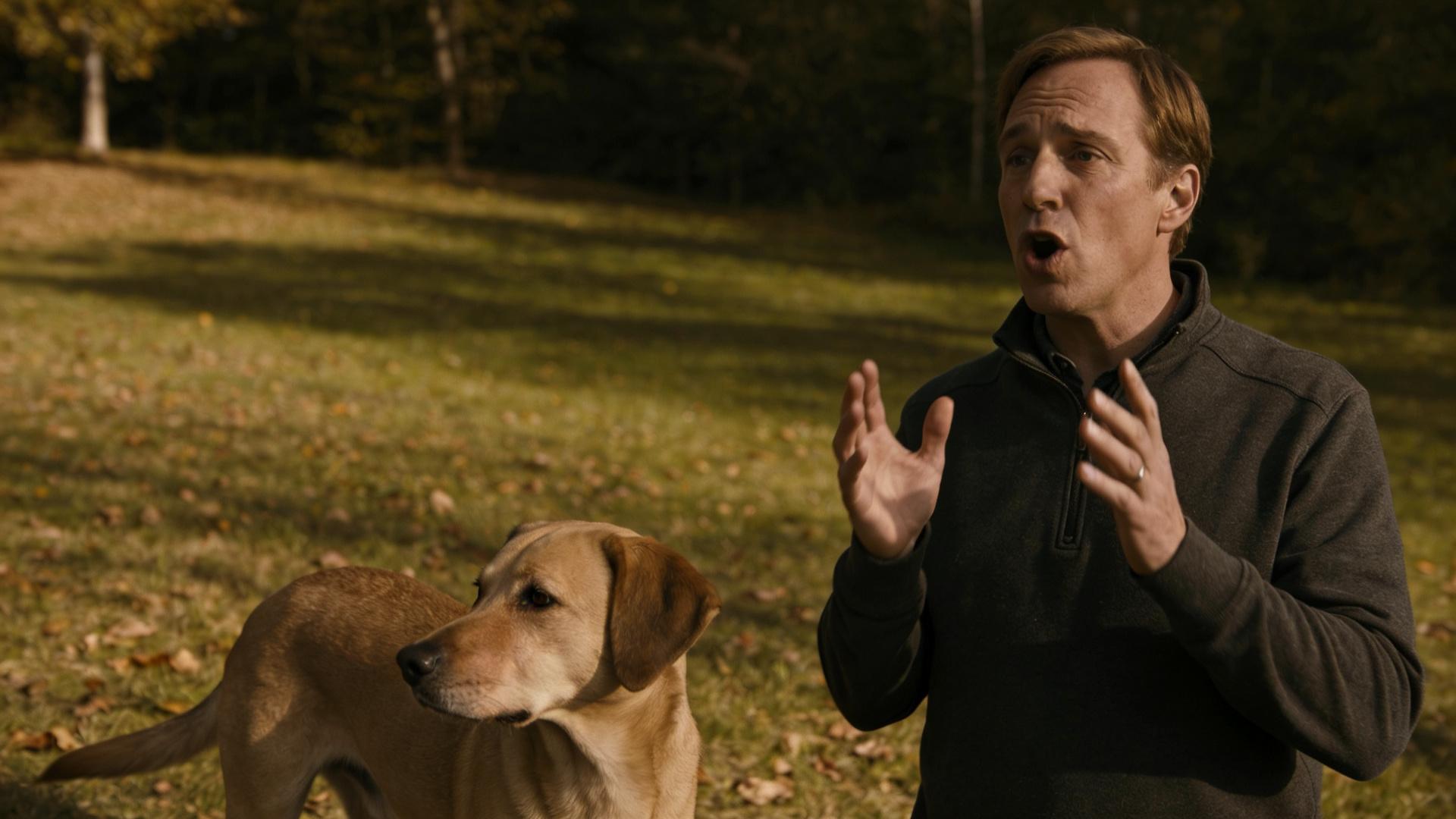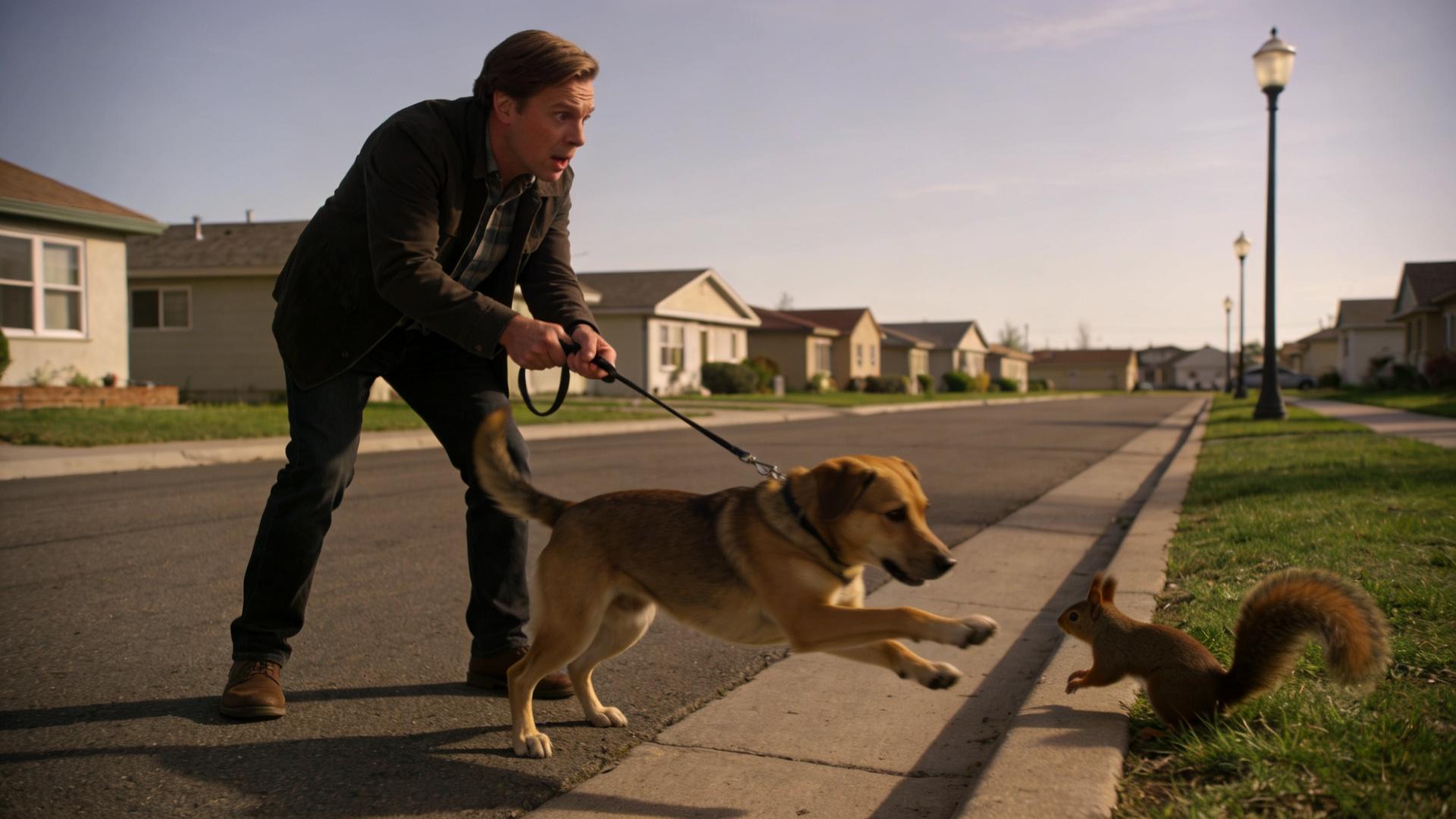
As a dog owner, you’ve likely experienced that heart-stopping moment: your dog lunges toward the street, captivated by a squirrel or simply forging ahead without a care. It’s a stark reminder that our canine companions perceive the world—and the dangers within it—differently than we do. This brings us to a critical question: Do dogs also need to be aware of traffic flow? The unequivocal answer is yes. While a dog may never understand a green light, they can and must learn to rely on your cues and exhibit specific, life-saving behaviors near roads. Road safety for canines is not an optional advanced trick; it's a fundamental pillar of responsible pet ownership, especially in our busy urban and suburban landscapes.
🚗 The Critical Importance of Traffic Flow Awareness for Dogs
Understanding dog traffic awareness begins with recognizing the inherent risks. According to veterinary trauma centers, vehicular accidents are a leading cause of traumatic injury and fatality in domestic pets. A dog's natural instincts—to chase, to explore, to flee when frightened—are catastrophic liabilities near moving vehicles. Teaching dogs about traffic flow mitigates these instincts by establishing clear, consistent rules.
Beyond immediate physical danger, proper training reduces stress for both pet and owner. A dog that knows to "wait," "watch," or "leave it" at a curb is more confident and manageable. This training strengthens your bond through clear communication and trust. It transforms a routine dog walking safety near roads from a potential battle of wills into a harmonious partnership.
🔬 The Canine Perspective: Why They Don't "Get" Traffic
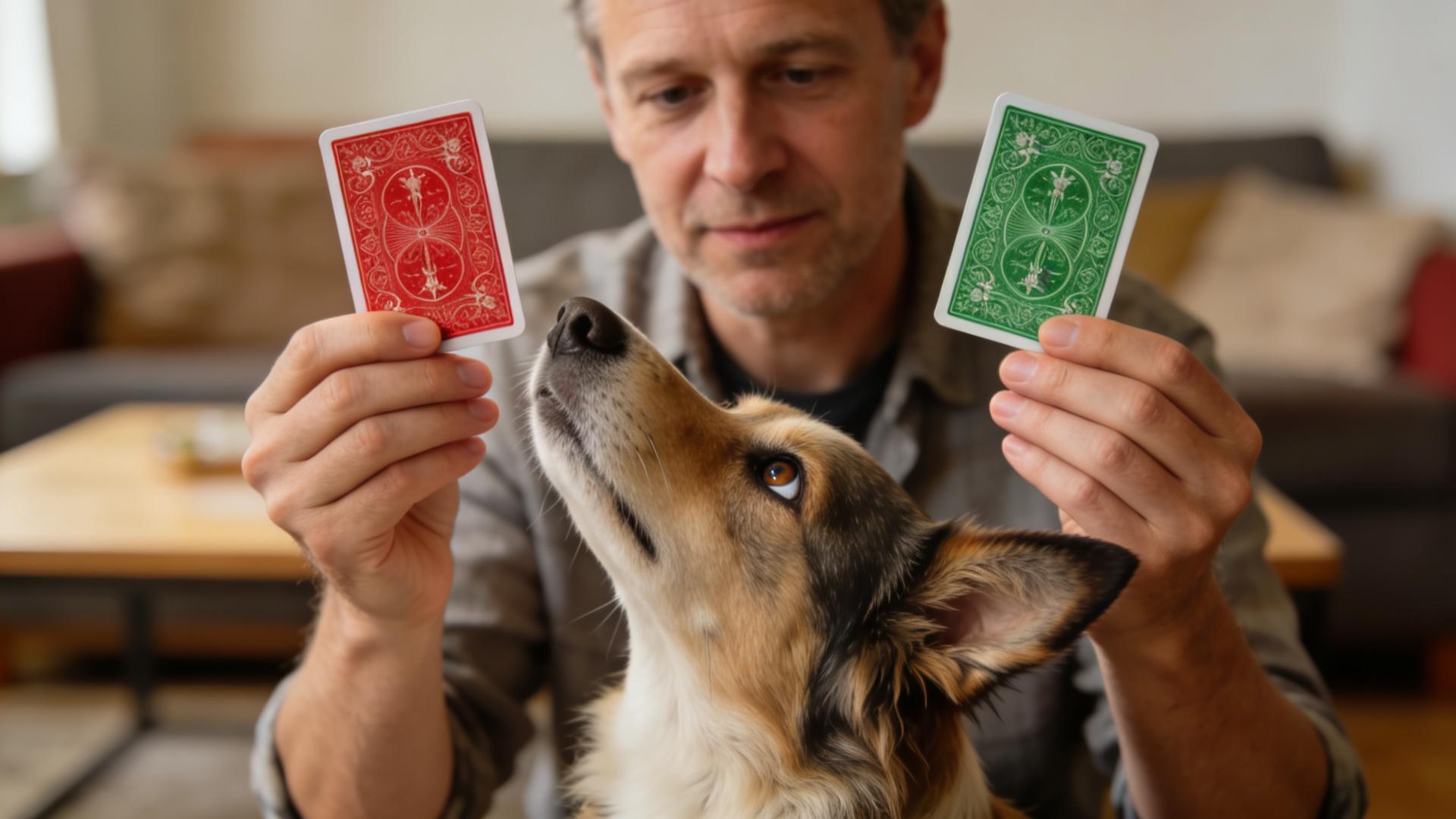
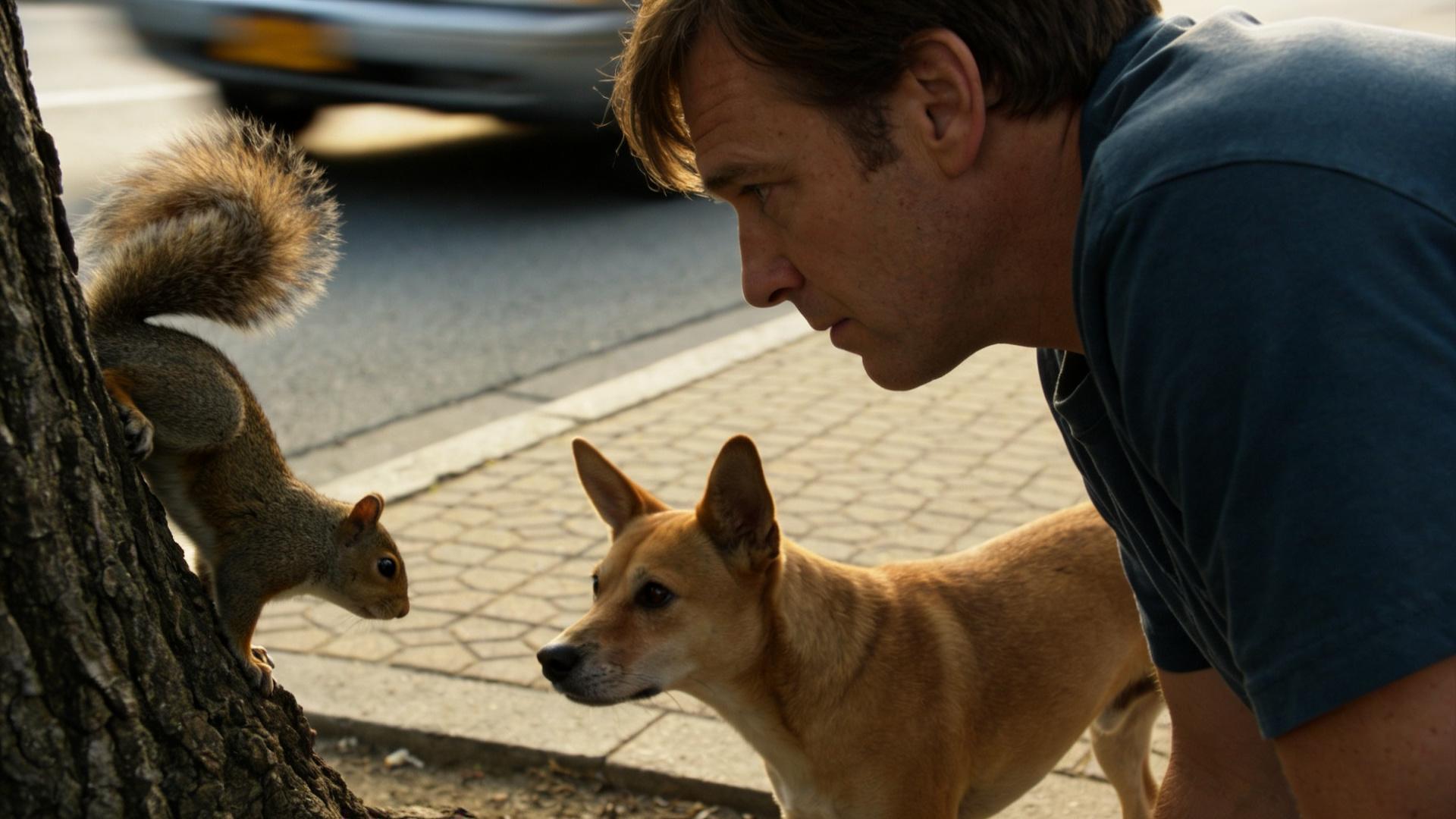
Dogs do not inherently comprehend the physics and rules of traffic. Their vision, while excellent at detecting motion, may not perceive the speed and trajectory of a car as a human does. Their primary focus is often on immediate stimuli—scents, sounds, other animals. This is why distracting dogs from traffic and redirecting their attention to you is a core component of training. Dog behavior around traffic is typically reactive, not predictive. Our job is to install a proactive, obedient response in its place.
🚦 Step-by-Step Guide: How to Train a Dog to Cross the Street Safely
Effective crossing the road safety training for dogs is a gradual process built on foundation obedience. Never begin training on a busy street. Start in a quiet, controlled environment like your driveway or an empty parking lot.
🛑 Phase 1: Foundation Obedience & Curb Awareness
Core Commands to Master:
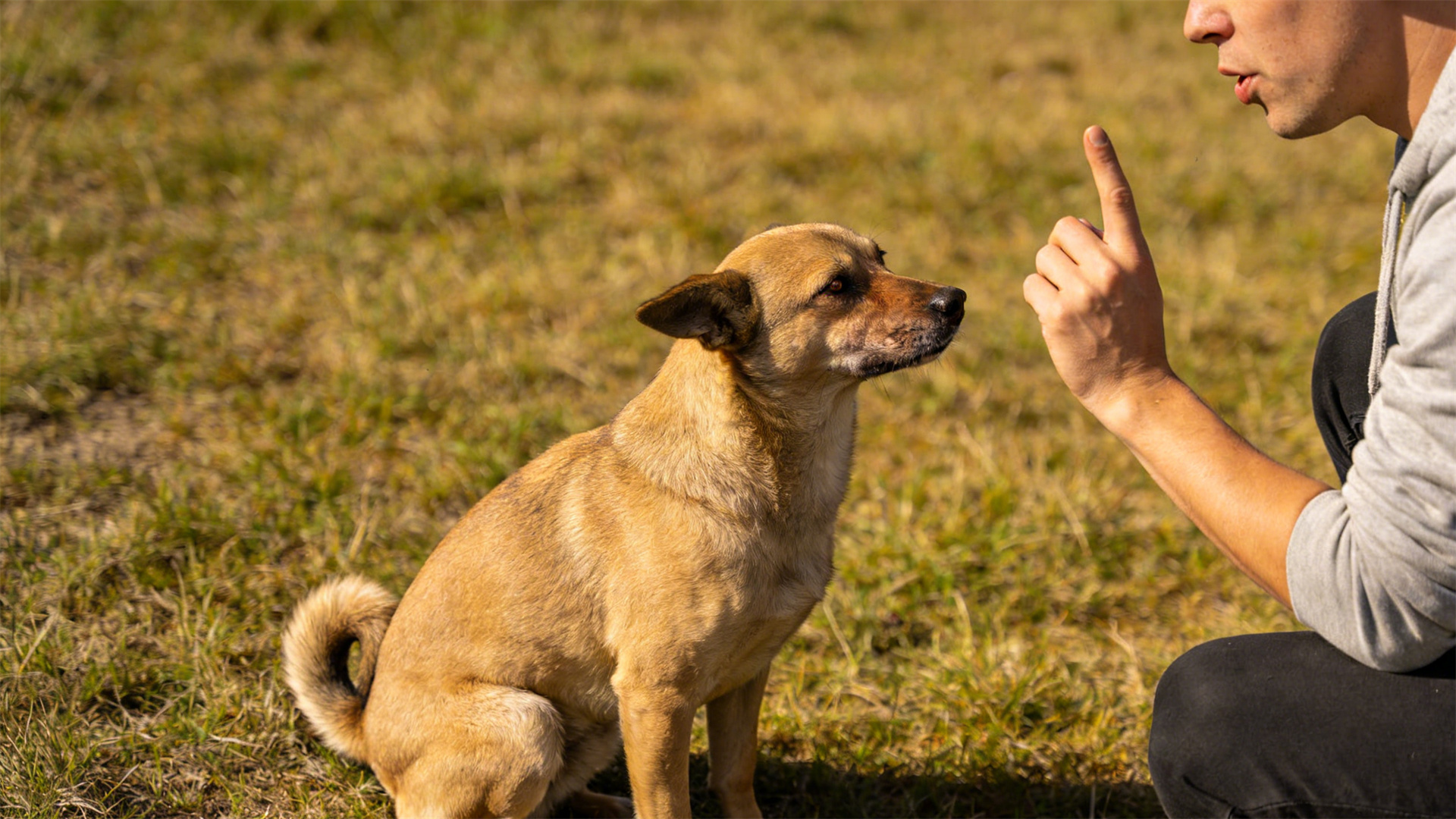
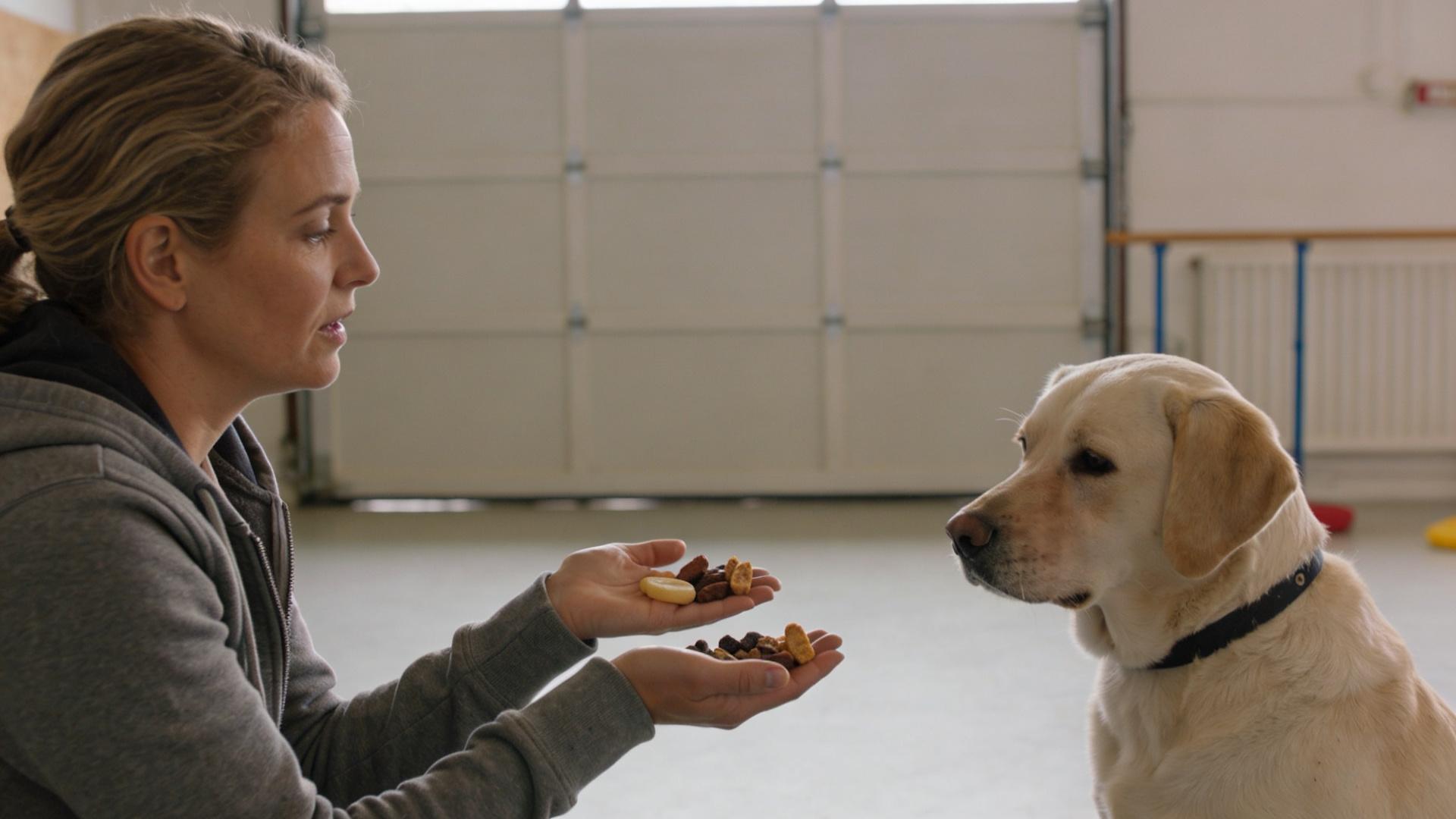
- Sit/Stay or Wait: This is your dog's default "stop" command. It must be rock-solid with increasing levels of distraction.
- Watch Me or Focus: Teaches your dog to make eye contact on command, a powerful tool for redirecting attention from traffic.
- Leave It: Crucial for ignoring debris, food, or animals on the other side of the road.
Special Reminder: All training should use positive reinforcement—high-value treats, praise, and play. The goal is to make compliance more rewarding than the distraction of the street.
🚸 Phase 2: Introducing the "Curb Ritual"
This ritual creates a safe, predictable pattern for every approach to a road edge.
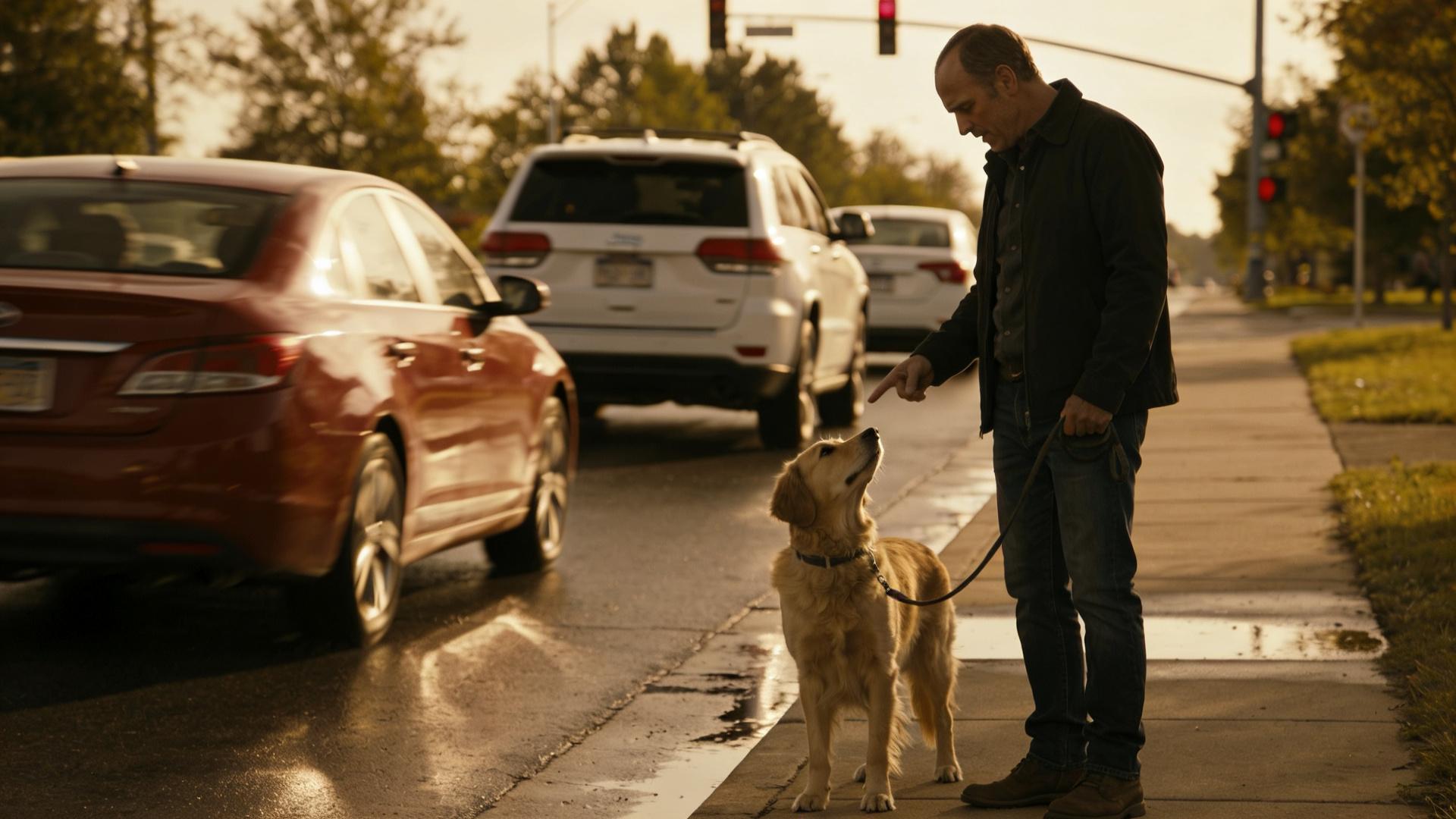
- Approach the Curb: As you near the curb, slow down and give your command (e.g., "Wait").
- Full Stop: Require your dog to sit or stand calmly at your side, never with their toes over the edge. This is teaching dogs to stop at curbs.
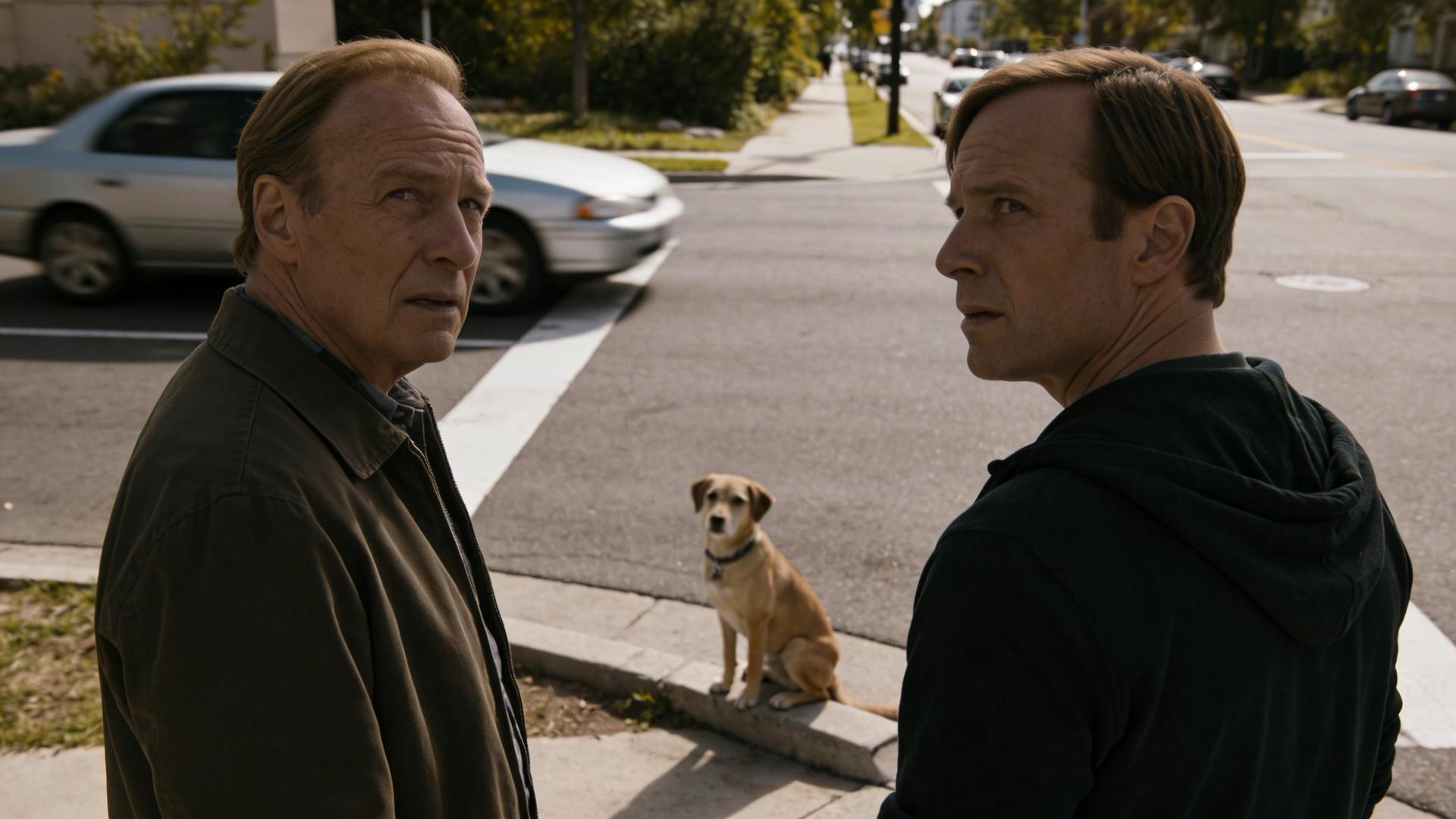
- Pause and Observe: You, the human, dramatically look LEFT-RIGHT-LEFT. This visual cue helps your dog associate the pause with assessment. Say "Watch the cars" or "Let's look."
- Clear Command to Proceed: Only when you determine it's safe, give a clear release command like "Cross" or "Okay." Use a consistent phrase.
- Cross Calmly: Cross directly at a brisk, calm pace—no lingering. Reward heavily on the other side.
🌆 Phase 3: Proofing with Distractions and Real-World Scenarios
Once the ritual is perfect in quiet areas, gradually increase difficulty.
- Practice near a quiet road with occasional cars.
- Add mild distractions (a tossed treat nearby, a quiet toy).
- Progress to busier streets, always during quieter times initially.
- Practice at different types of crossings (with and without lights, crosswalks).
This phase is the essence of canine obedience for road safety. If your dog breaks protocol, calmly return to the starting point and try again with less distraction.
🛡️ Essential Safety Tips for Safe Dog Walking in Urban Areas
Training is your first defense, but these practical tips form a comprehensive safety net for preventing dog accidents on roads.
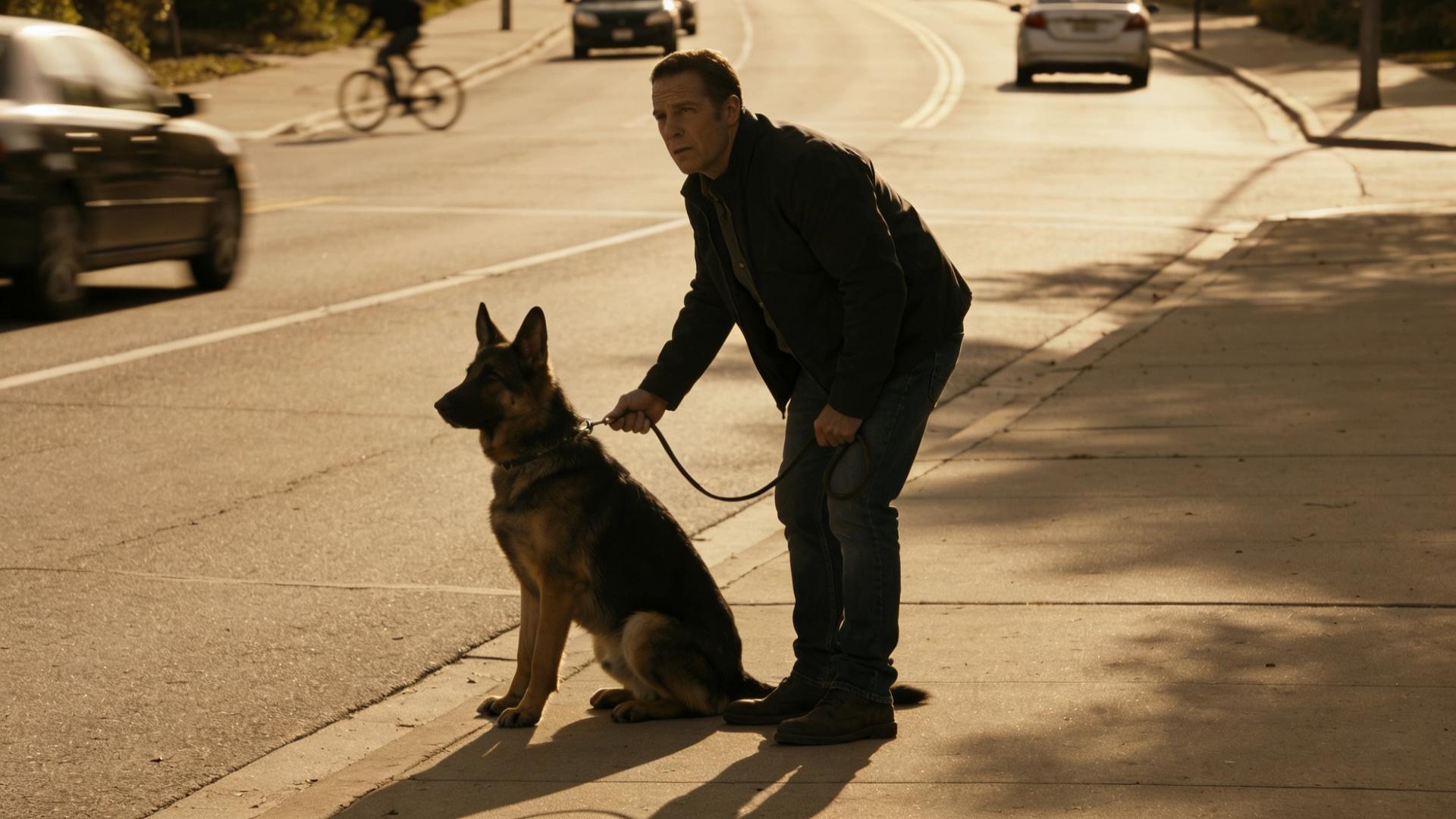
- Leash & Equipment are Non-Negotiable: A standard 6-foot leash offers optimal control. Retractable leashes are dangerous near traffic. For strong pullers or training phases, consider a front-clip harness or head halter for added steering control. This is integral to leash training for road crossing.
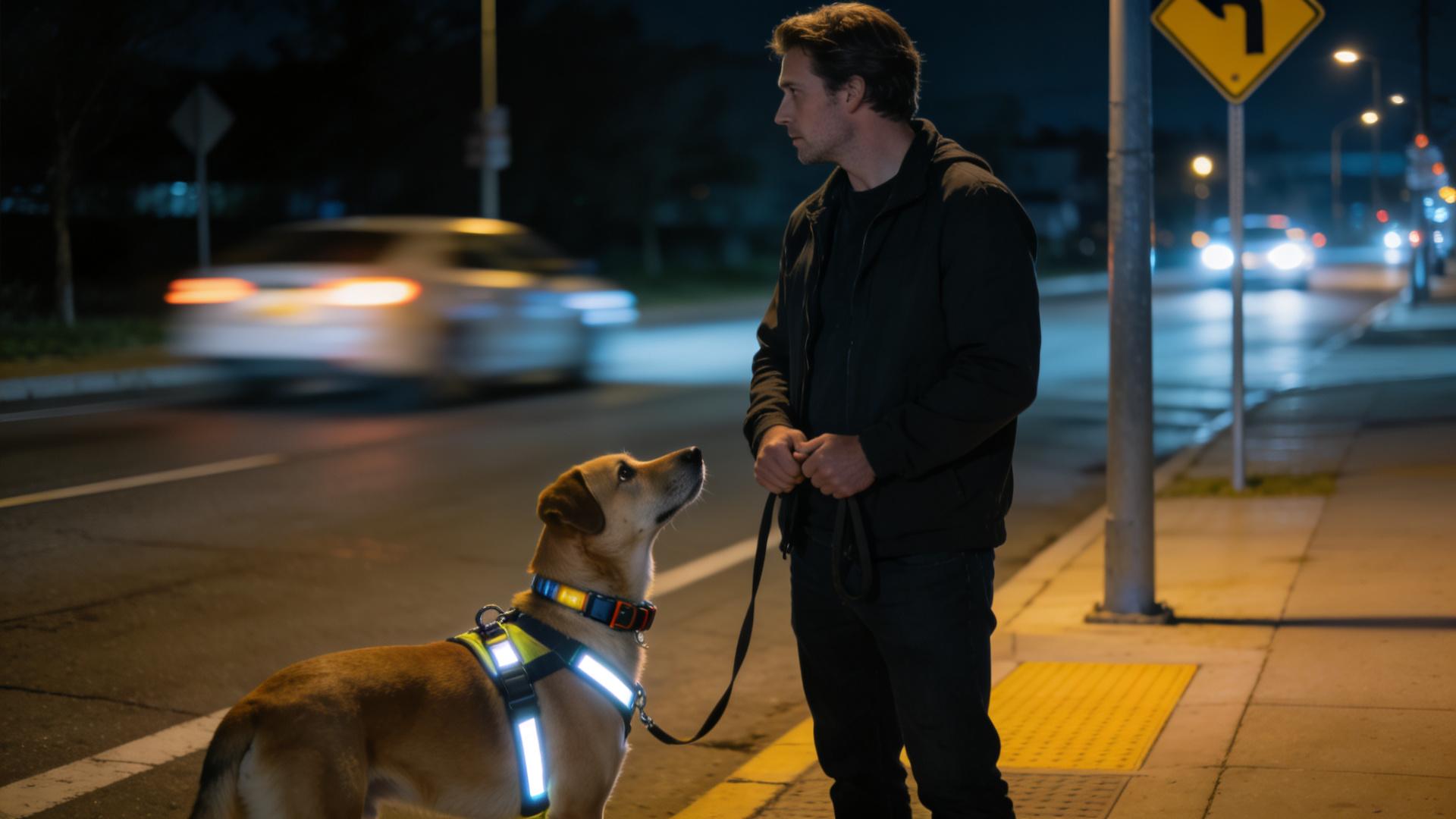
- Maximize Visibility: Fit your dog with a reflective collar, leash, and harness. LED collar lights are excellent for dawn, dusk, and night walks. Bright-colored gear helps during the day.
- Stay Present and Alert: Avoid phone use while walking near roads. Your attention must be on your dog and the environment to anticipate hazards.
- Respect the Power of Fear: If your dog is scared by a loud truck or siren, do not force them forward. Move calmly away, use your "Focus" command, and reward calm behavior. Forcing a frightened dog can lead to panic-driven flight.
- Know When to Carry: For very small dogs or in exceptionally chaotic intersections, picking up your dog may be the safest option.
✅ Conclusion: Key Takeaways for a Safer Journey
The question of "do dogs need to be aware of traffic flow" is answered through proactive training and vigilant ownership. Why is road safety important for dogs? Because it is quite literally a matter of life and death. By investing time in steps for dog road crossing training, you equip your dog with the behaviors that compensate for their lack of innate traffic sense.
Remember, the ultimate goal is not to make your dog an independent pedestrian, but to make them a responsive, attentive partner who trusts your judgment implicitly at every curb. Consistency is your most powerful tool.