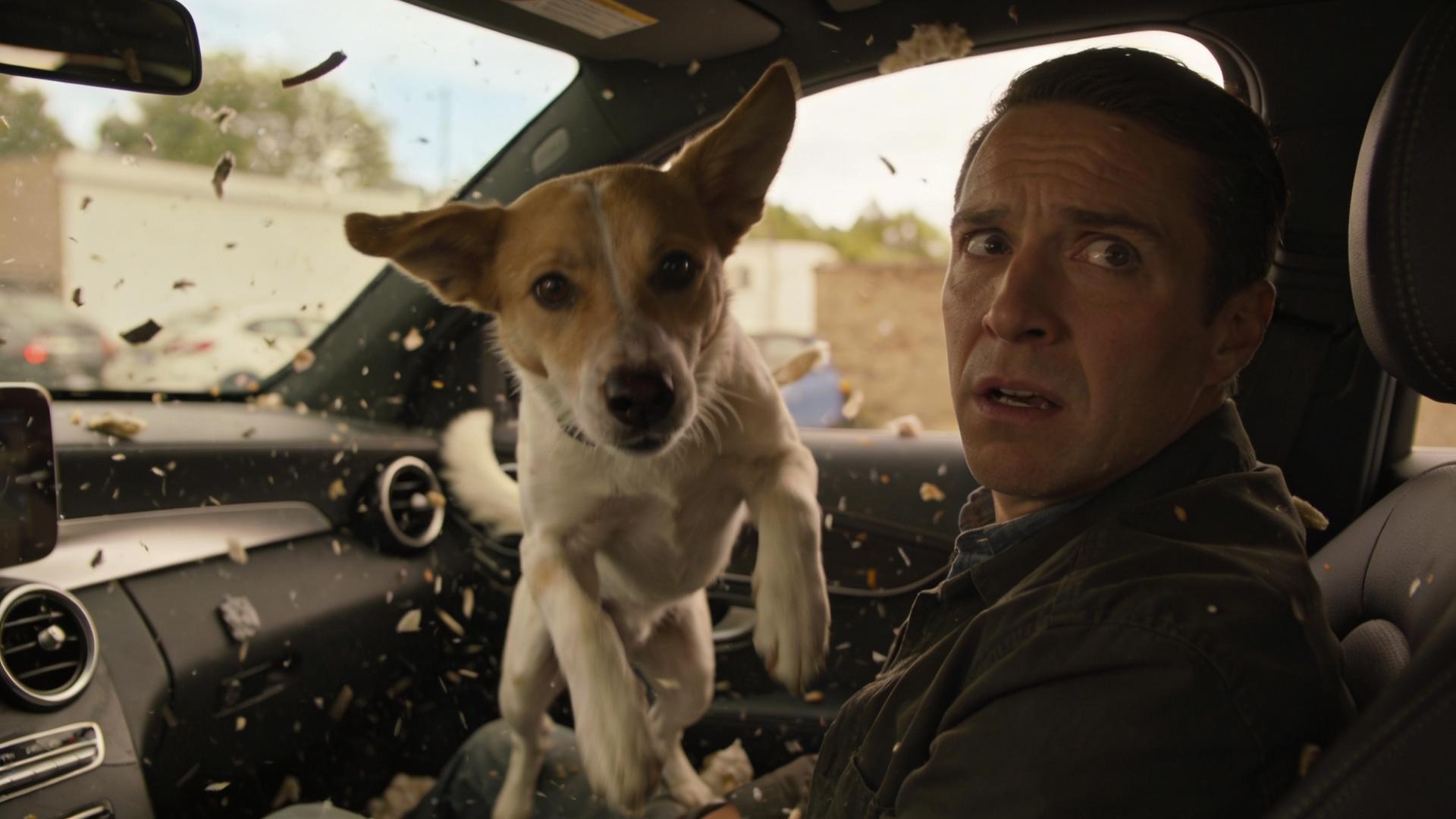
You’ve packed the treats, the favorite toy, and the travel bowl. You open the car door with a cheerful, “Go for a ride!” only to be met with a cowering dog or a frantic, whirling dervish of excitement. What follows is a journey filled with stress: pitiful whining, anxious panting, frantic scrambling from seat to seat, or worse—the unmistakable sounds and smells of a carsick dog. This scene shatters the dream of joyful road trips with your furry co-pilot, turning a simple vet visit into an ordeal. If this resonates, you’re not alone. The core problem isn't a "bad dog"—it's a lack of positive, structured exposure to the vehicle. The proven solution is systematic in-car socialization training. This transformative process doesn't just manage symptoms; it rewires your dog's emotional response to the car, creating a calm, safe, and happy traveler. Let's embark on the journey to peaceful car rides.
🚗 The Root of the Ride-Time Ruckus: Why Dogs Freak Out in the Car
To effectively solve the problem, we must first understand the “why” behind your dog's behavior. The challenges generally fall into two interconnected categories: physical discomfort and psychological anxiety.
The Carsickness Conundrum: It's All About Balance
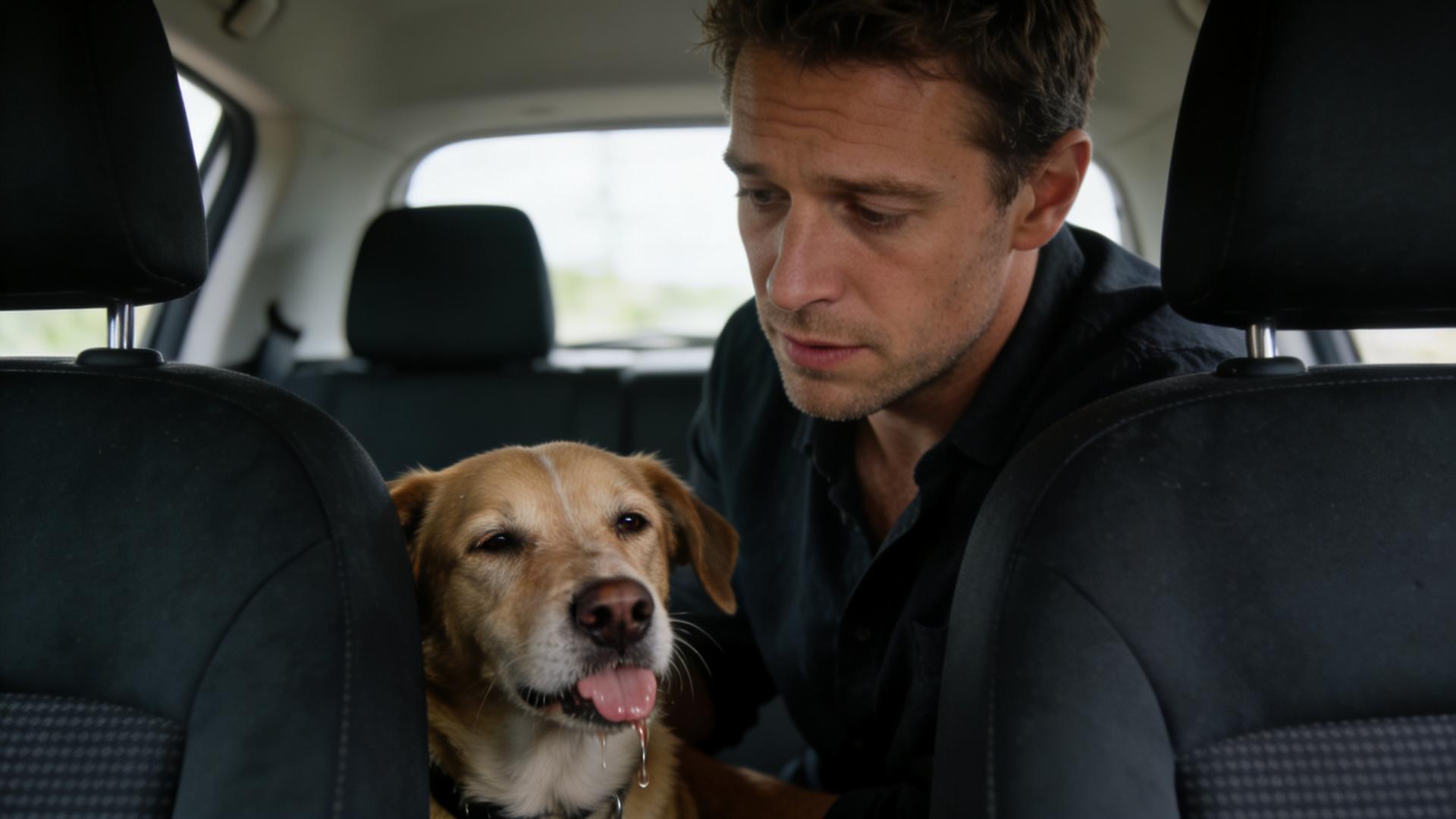
Canine carsickness is primarily a physiological issue linked to the vestibular system located in the inner ear. This system is responsible for balance and spatial orientation. In a moving vehicle, the visual signals your dog's eyes send to the brain (seeing a stationary interior) conflict with the movement signals from the vestibular system (feeling acceleration, turns, and bumps). This sensory mismatch can cause nausea, drooling, vomiting, and lethargy. Puppies are especially prone as their vestibular systems are not fully developed, but many dogs do not outgrow it without intervention.
The Anxiety & Chaos Factor: It's a Scary, Unpredictable Place
For many dogs, the car is not associated with positive outcomes. Consider the history: the car ride often ends at the vet, the groomer, or the kennel—places that, while necessary, can induce stress. The vehicle itself is a strange environment: loud, enclosed, with unpredictable motions and smells. This can trigger significant dog car anxiety. The frantic running around, whining, or barking are classic displacement behaviors—manifestations of stress, uncertainty, and a lack of clear “job” or place. In essence, the dog has never been taught how to behave in the car or learned to associate it with good things.
🎓 What is In-Car Socialization Training? A Blueprint for Success
In-car socialization training is far more than just taking your dog on more drives. It is a structured, positive, and systematic program of desensitization and counterconditioning. Desensitization means exposing your dog to the car environment in tiny, manageable steps that don't trigger a full fear or anxiety response. Counterconditioning means actively changing your dog's emotional response by pairing the car with things they love (high-value treats, praise, toys). The goal is to build a rock-solid, positive association where “CAR” equals “AMAZING THINGS HAPPEN FOR ME.” This foundational work is the key to preventing dog carsickness triggered by anxiety and teaching them to settle, thereby stop[ping your] dog from running around in the car.
📈 The Four Phases of In-Car Socialization Training
Patience and consistency are your most important tools. Never force your dog to proceed to the next step if they show signs of stress. Each phase builds upon the last.
Phase One: Acclimation to the Stationary Car (Building Positive Foundations)
Goal: Create a “happy zone” in and around the non-moving vehicle.
Steps:
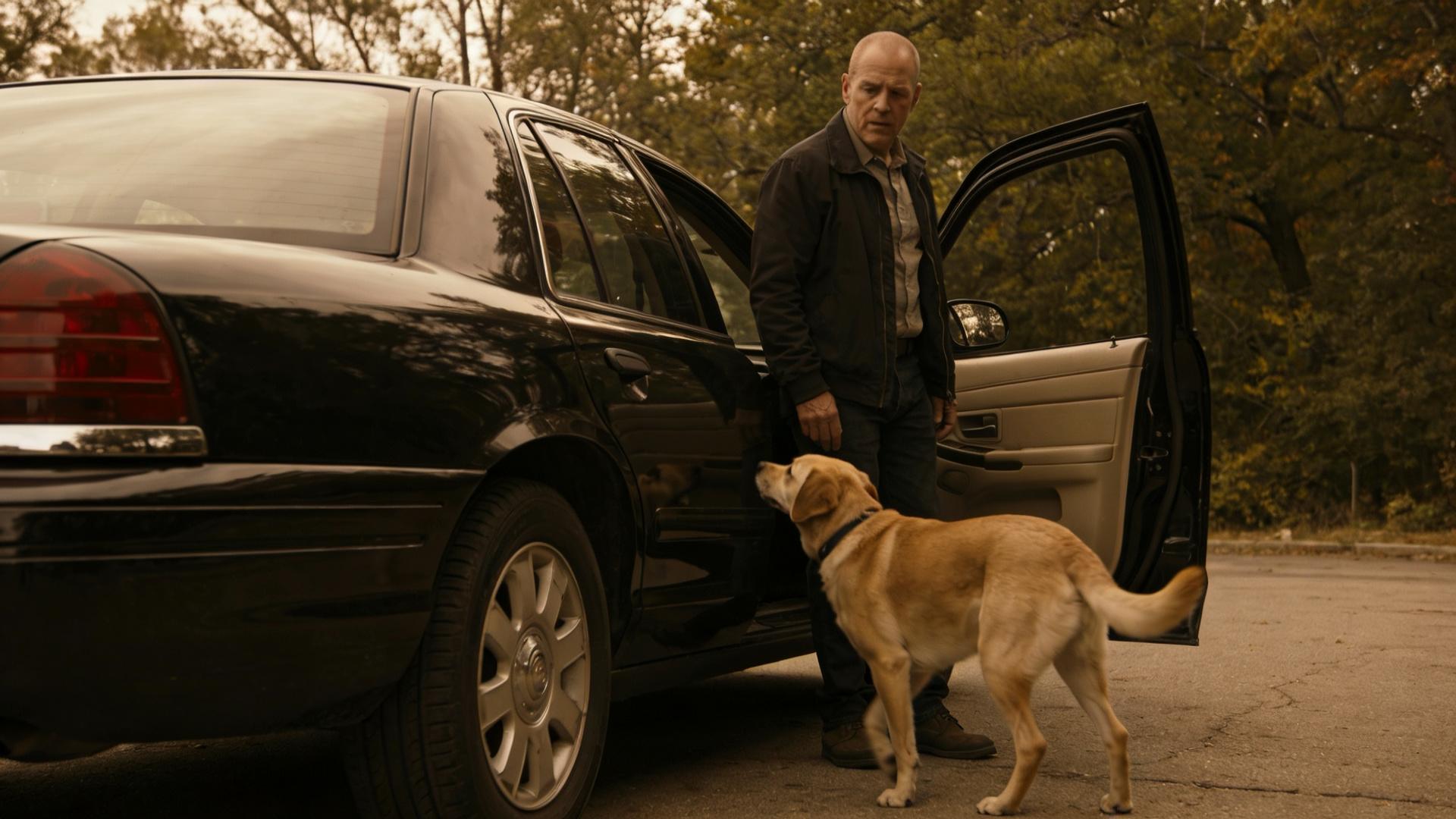
1. Start with the car parked in a safe, quiet place. With the doors open, let your dog explore the exterior and interior at their own pace. No pressure.
2. Lure them into the car using their crash-tested harness or encourage them into their secured crate with a trail of delicious treats. Do not close the door yet.
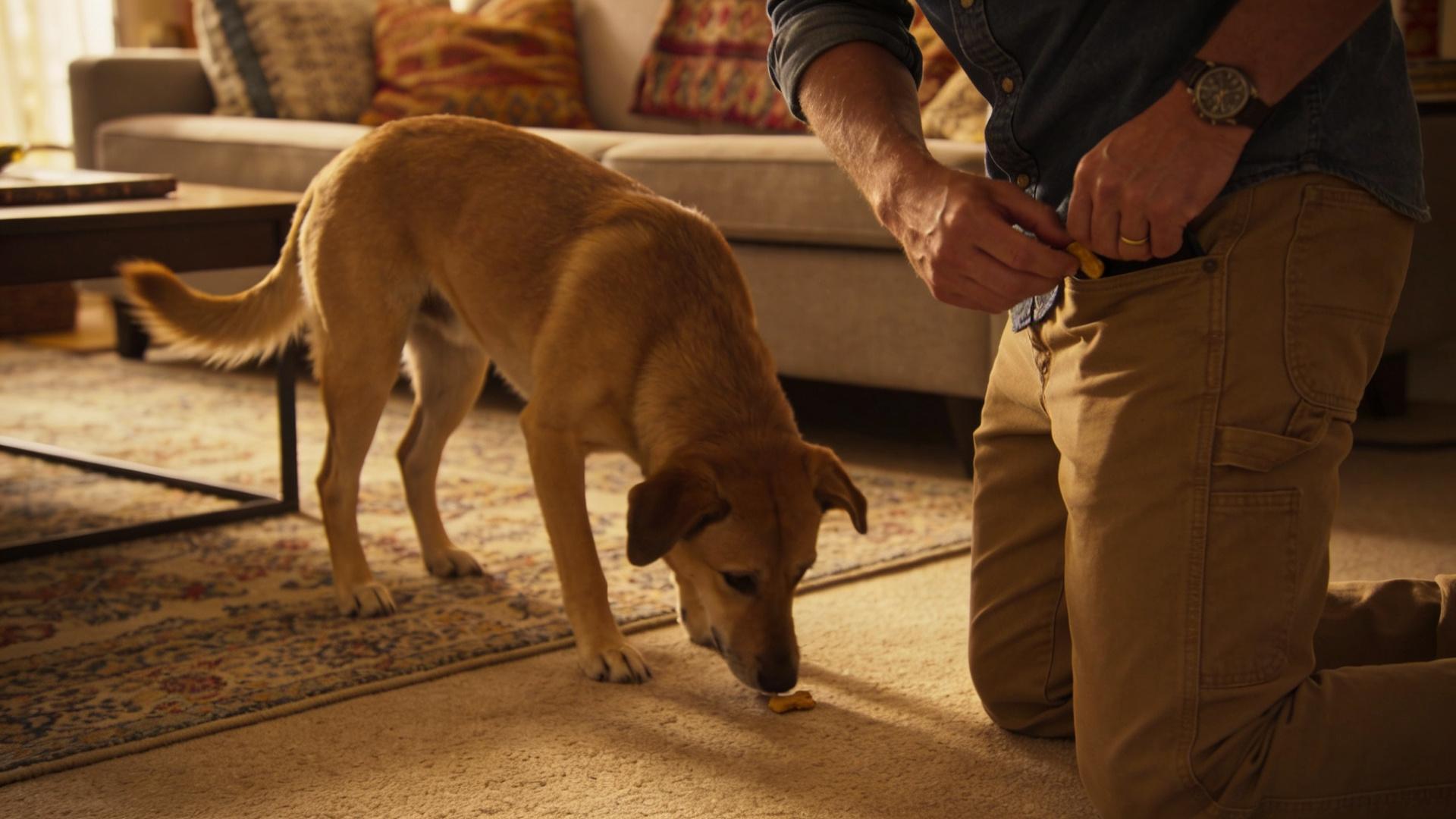
3. Once they enter willingly, practice having them sit or lie calmly in their designated spot (harness buckled or in crate). Feed them a stream of high-value treats (chicken, cheese, hot dog bits).
4. Gradually increase duration. Sit with them for 5 minutes, then 10, just hanging out, feeding treats, and playing calm games.
Expected Outcome: Your dog eagerly hops into the stationary car, expecting a delightful snack session. This is the cornerstone of all dog car behavior training.
Phase Two: Short Positive Trips (Creating the "Fun Ride" Association)
Goal: Associate the *sensation* of car movement with positive outcomes.
Steps:
1. With your dog secured in their spot, start the engine, feed a treat, then turn it off. Repeat.
2. Take a drive so short it’s almost laughable: drive to the end of the driveway and back. Treat and praise lavishly upon returning home.
3. Progress to a 30-second drive around the block, ending at home or, even better, at a fun location like a park for a quick sniff walk or play session. The ride must end on a high note.
Carsickness Mitigation Here: Keep these initial trips very brief and on smooth, straight roads to minimize vestibular conflict. Ensure excellent ventilation with a cracked window. Avoid feeding a large meal 2-3 hours before the trip.
Expected Outcome: Your dog begins to understand that car movement predicts fun, not fear or nausea.
Phase Three: Gradual Exposure to Longer Rides (Building Tolerance & Routine)
Goal: Systematically increase trip duration while maintaining a calm, positive state.
Steps:
1. Slowly extend drive times by 1-2 minute increments, always monitoring your dog's comfort level.
2. Vary your destinations to include predominantly positive places: the park, a friend's house, a pet-friendly store for a quick walk.
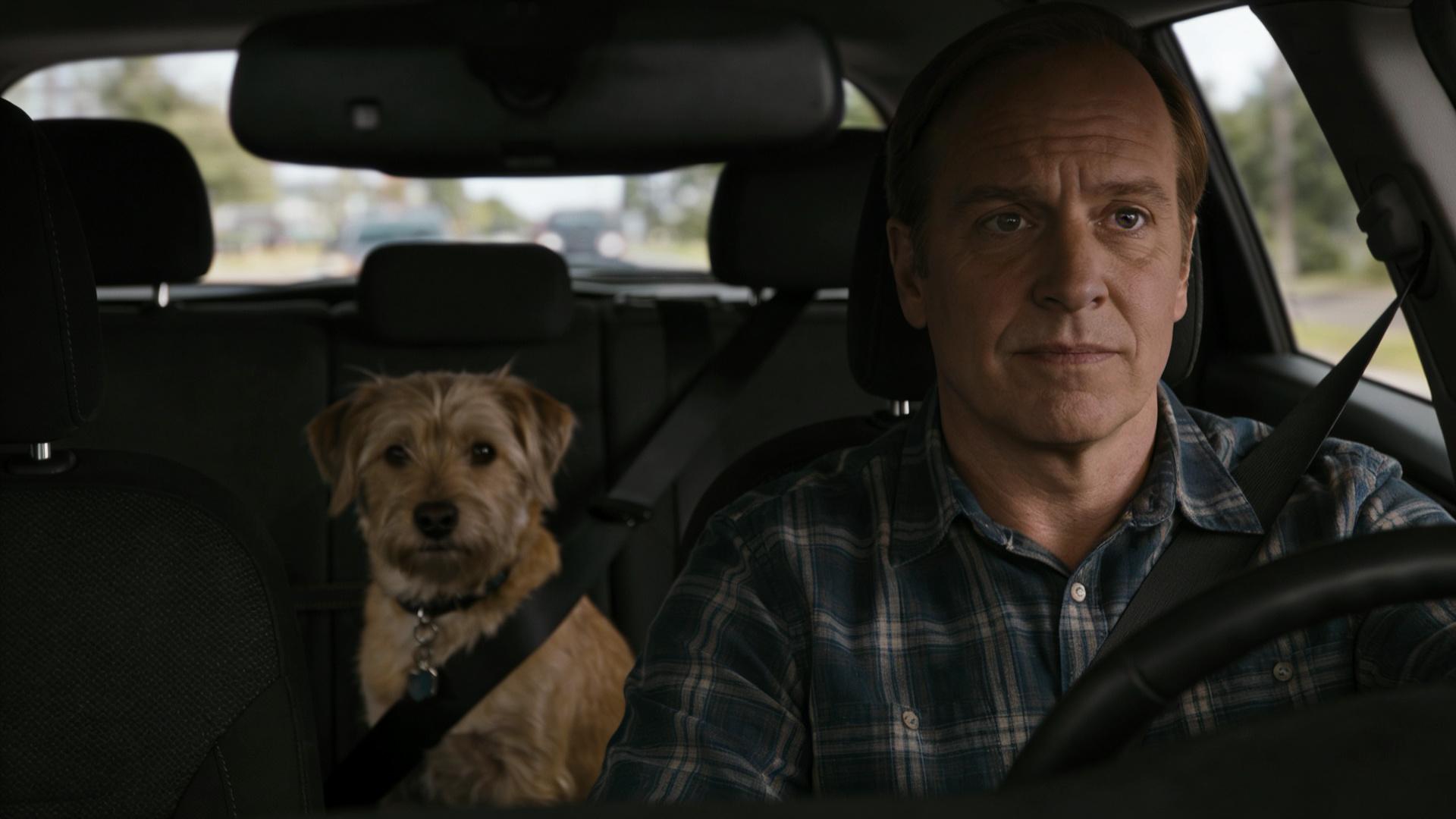
3. Practice calm settle behaviors during the ride. If they are lying down quietly, periodically “mark” the behavior with a soft “yes” and drop a treat between their paws.
Carsickness Mitigation Here: Maintain a smooth driving style. Avoid sudden stops and sharp turns. Plan routes with less traffic if possible. Consider a pre-trip exercise session to help them relax.
Expected Outcome: Your dog can handle trips of 15-30 minutes while remaining calm and settled, showcasing successful car ride training for dogs.
Phase Four: Incorporating Variations and Distractions (Proofing the Behavior)
Goal: Generalize the calm car behavior to all types of journeys.
Steps:
1. Practice with different types of car rides: highway driving, city traffic, driving in rain.
2. Simulate “boring” trips where nothing exciting happens at the end, like a quick loop and back home, to reinforce that calmness is always rewarded.
3. If your dog is doing well, you can introduce very mild distractions, like having a passenger quietly sit in the car.
Expected Outcome: A resilient, adaptable dog who understands that their job is to be calm and settled in the car, no matter the destination or road conditions.
🛡️ Non-Negotiable Safety Protocols for Canine Car Safety
Training is meaningless without safety. Never compromise on these rules:
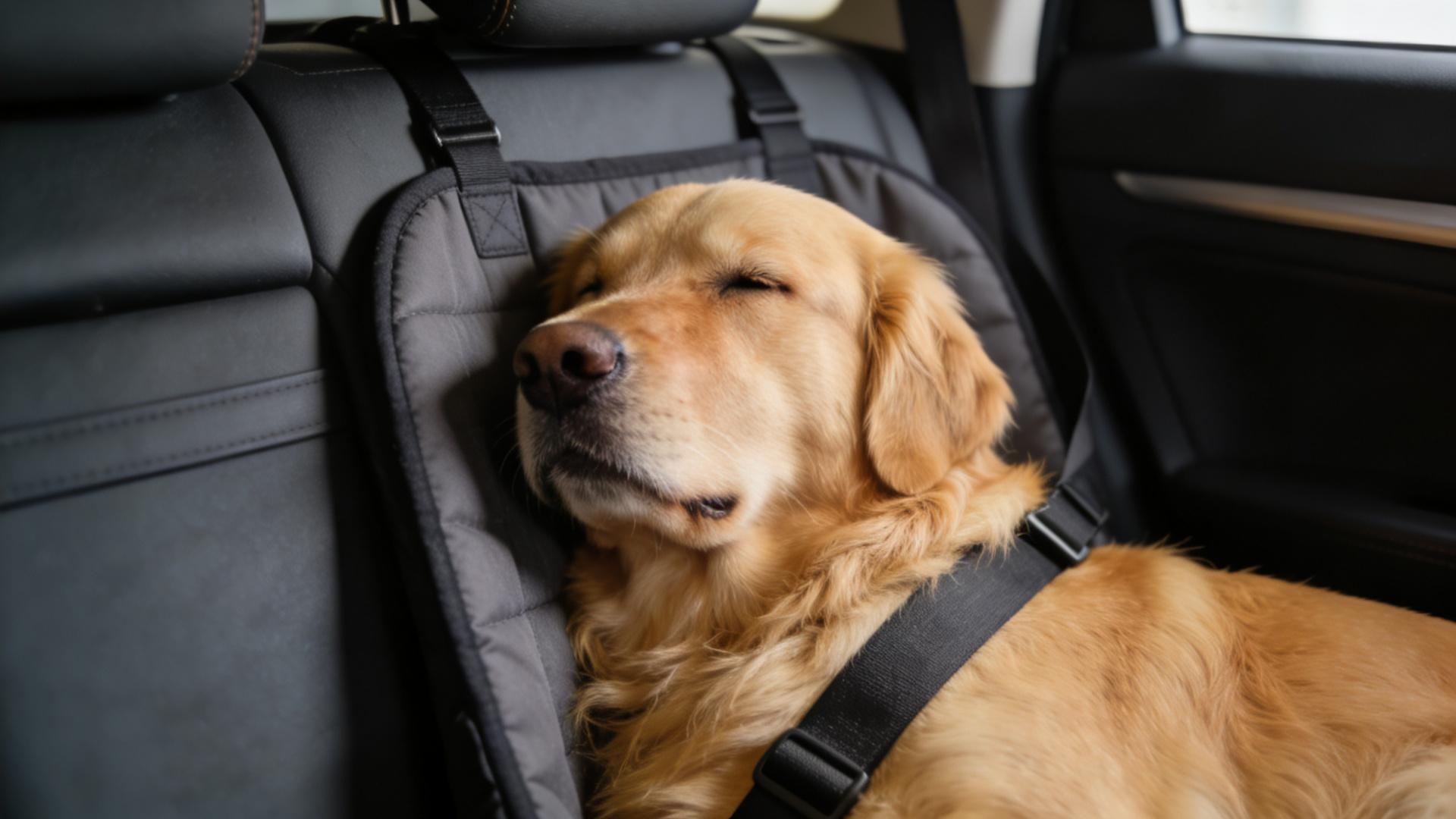
1. Use Proper Restraints: An unrestrained dog is a projectile in a crash, dangerous to themselves and everyone in the vehicle. You must use a crash-tested harness that clips into the seat belt, a secured, sturdy travel crate (strapped down), or a vehicle safety barrier for very large dogs in the cargo area. This is the #1 step to stop your dog from running around in the car.
2. Never Leave Them Unattended: Temperatures inside a car can become lethal in minutes, even with windows cracked. A dog left alone is also a target for theft.
3. Keep Heads Inside: While ventilation is key, do not allow your dog to hang their head out the window. Flying debris can cause serious injury.
✅ Conclusion & Call to Action: Your Journey to Stress-Free Travel Begins Now
Investing time in in-car socialization training yields priceless rewards: safer journeys for all, drastically reduced stress for you and your dog, and the freedom to share adventures, strengthening your bond. This process is the ultimate dog car anxiety solution and the most effective method for preventing dog motion sickness rooted in anxiety. Remember, progress, not perfection, is the goal. Celebrate the small victories!