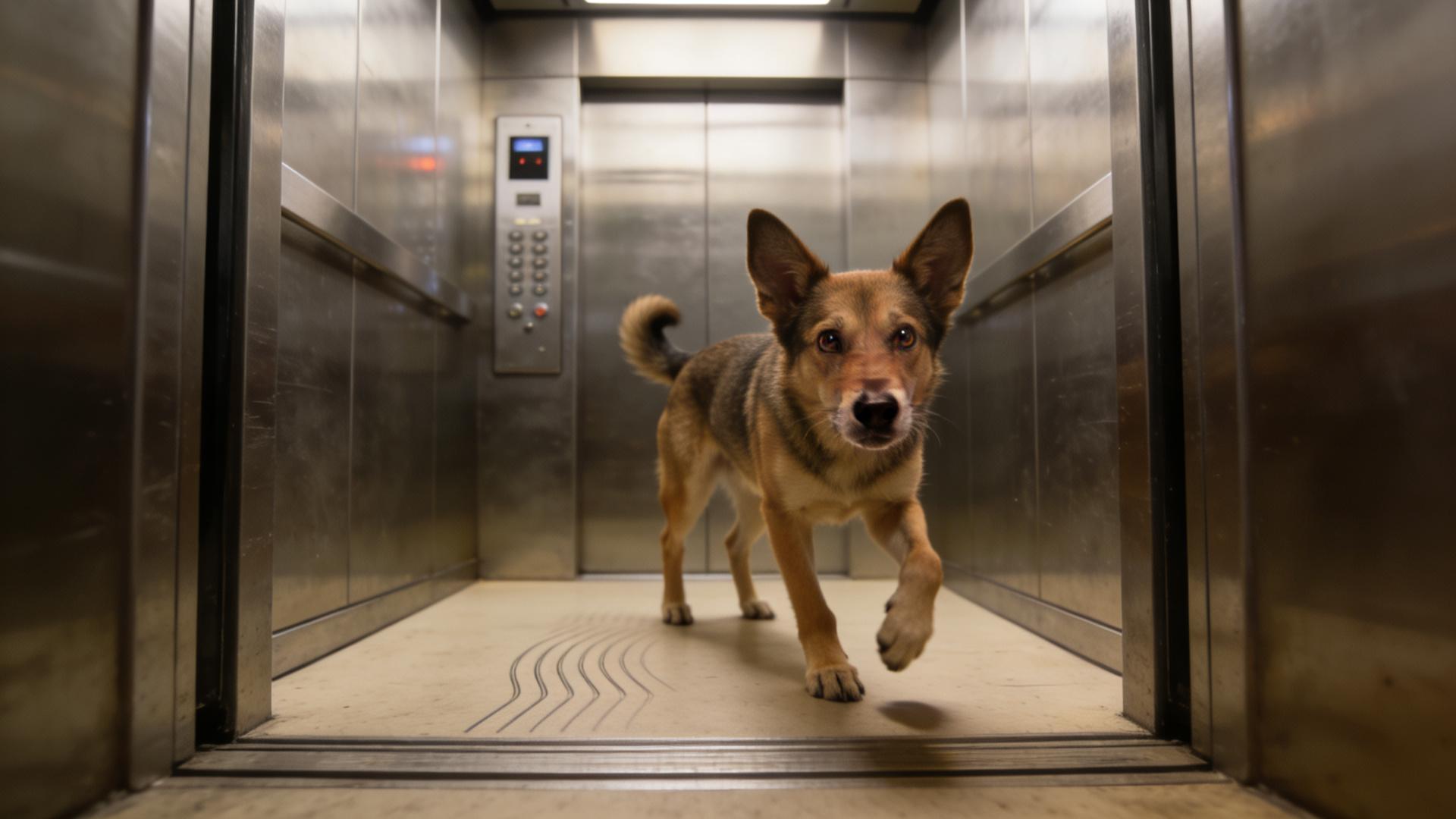
Ever watched a dog navigate a tricky obstacle course with precision, or seen a senior pup regain a spring in their step? The secret might not be in running faster, but in walking backwards. Backward walking training for dogs is an innovative exercise that goes beyond a party trick to become a cornerstone of canine fitness and cognition. This targeted movement directly builds stronger hindquarters and sharpens body awareness, offering profound benefits for sport dogs chasing agility titles, senior dogs managing mobility, and every family pet aiming for holistic wellness. By teaching your dog to walk backwards, you're engaging key muscle groups and neural pathways that foster both physical and mental agility.
🚀 Core Benefits: Why Backward Walking is a Game-Changer for Your Dog
Improved Hind Leg Strength and Stability:
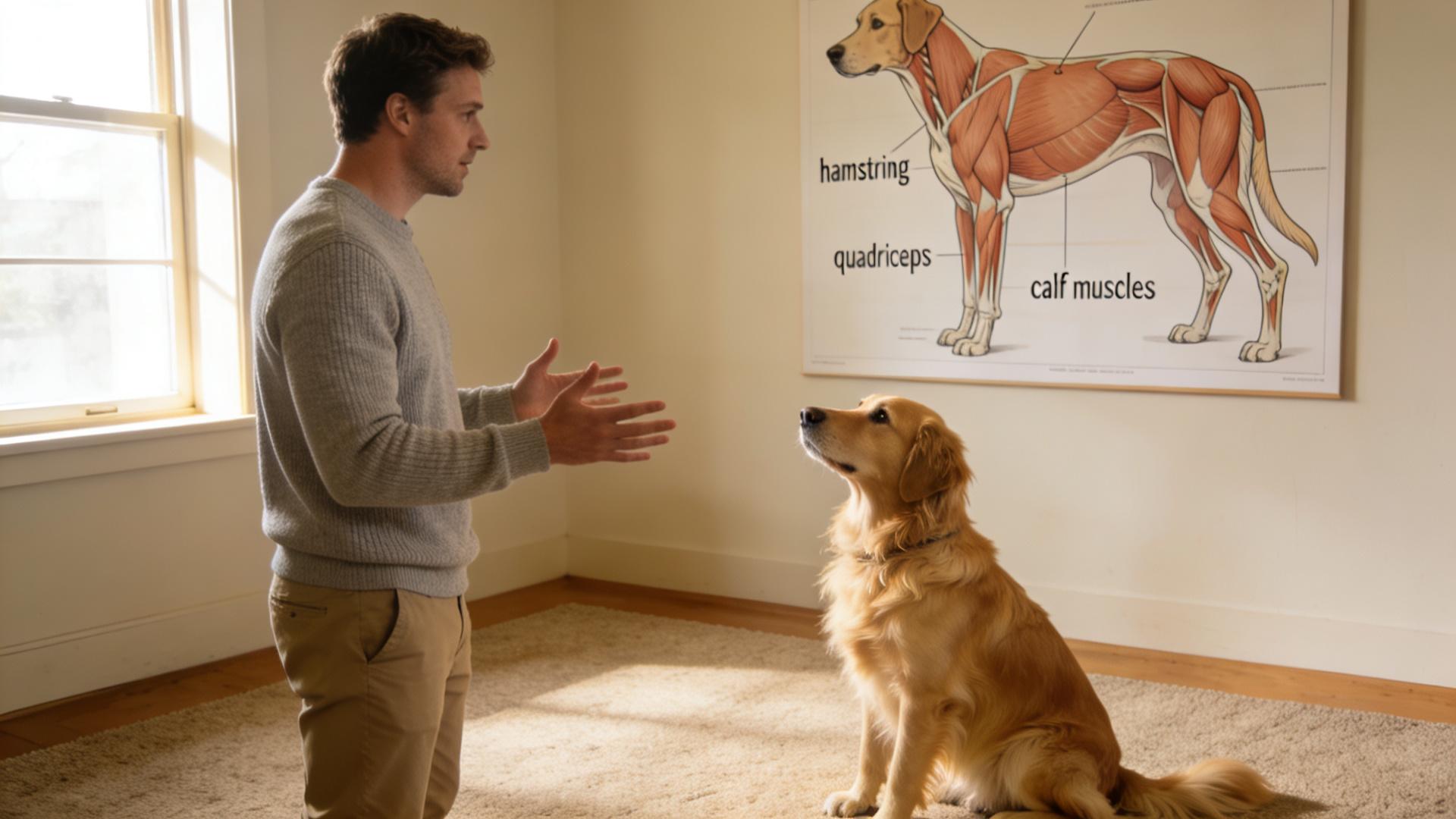
Walking backwards is a concentric and eccentric workout for the posterior chain. It specifically targets the glutes, hamstrings, and quadriceps, which are crucial for propulsion, jumping, and overall stability. This strengthening supports healthy joints—particularly the hips and knees—by improving muscular support around them. For aging dogs or those in rehab, this can mean reduced pain and a lower risk of injury. This focus on hind leg muscles for dogs is a cornerstone of dog fitness and conditioning.
Enhanced Proprioception and Spatial Awareness:
Proprioception—the sense of where one's body is in space—is vital for coordination. Backward walking training forces a dog to consciously think about its rear limb placement, enhancing canine spatial awareness. This "rear end awareness" is a critical skill in dog sports like agility and can prevent everyday mishaps like bumping into furniture. It's a fundamental proprioception training for dogs.
Mental Stimulation and Problem Solving:
Learning a novel, non-instinctive movement like walking backwards deeply engages the brain. It's a puzzle that requires focus and trial-and-error, providing mental exhaustion that can be as tiring as physical exercise. This is key for preventing boredom-related behaviors and is a brilliant example of positive reinforcement dog training challenging the mind.
Focus and Impulse Control:
The slow, deliberate nature of backing up requires a dog to maintain attention on the handler and resist the urge to rush forward. This builds patience, sharpens focus, and strengthens the communication loop between you and your pet, integral to advanced dog trick training.
🛡️ Prerequisites and Safety: Laying the Groundwork for Success
Before you begin, ensure your dog has a solid foundation to make teaching dog to walk backwards safe and effective.
Mandatory Foundations:
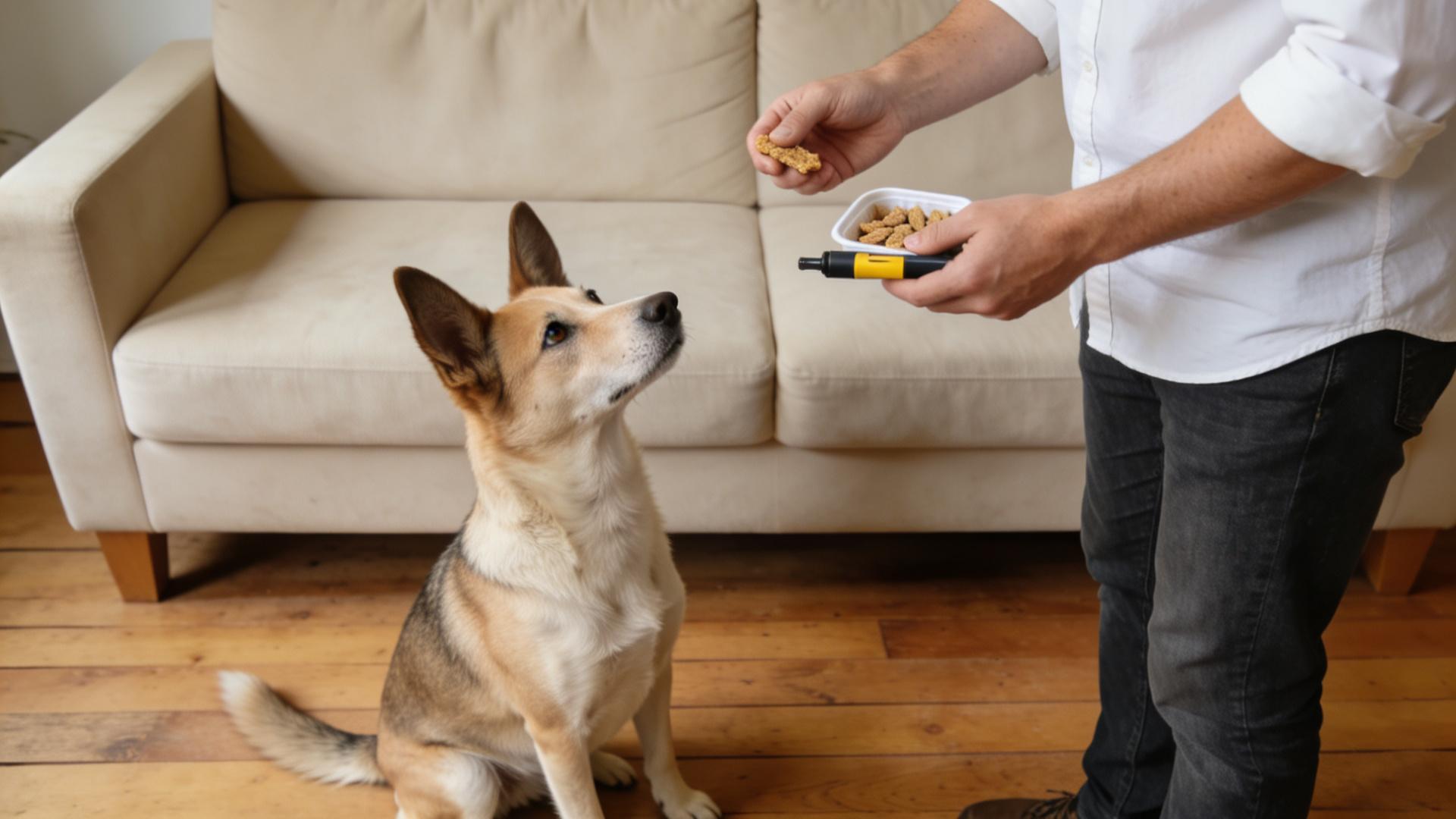
- Marker Word or Clicker: Your dog must reliably understand a marker (like "yes!" or a click) that pinpoints the exact moment they perform the desired behavior. This is the backbone of clear communication for capturing and shaping dog behavior.
- Basic Commands: A reliable stand and stay are invaluable, as backing up often starts from a stationary position.
Special Reminder: Safety First!
- Surface: Always train on a non-slip surface like carpet, rubber matting, or grass to prevent slipping and injury.
- Environment: Use a clear, obstacle-free area. A hallway can be perfect for initial training.
- Health Check: Consult your veterinarian before starting any new exercise regimen, especially for dogs with pre-existing orthopedic conditions like hip dysplasia or arthritis. This is crucial for health and aligns with dog physical therapy exercises protocols.
- Session Length: Keep sessions very short—under five minutes—to avoid frustration, physical strain, and to end on a positive note.
📝 Step-by-Step Training Guide: From First Step to Fluent Back-Up
This progressive, force-free method uses positive reinforcement and shaping to build the behavior step by step, exactly answering how to teach a dog to walk backwards step by step.
Phase One: The First Step – Capturing the Movement
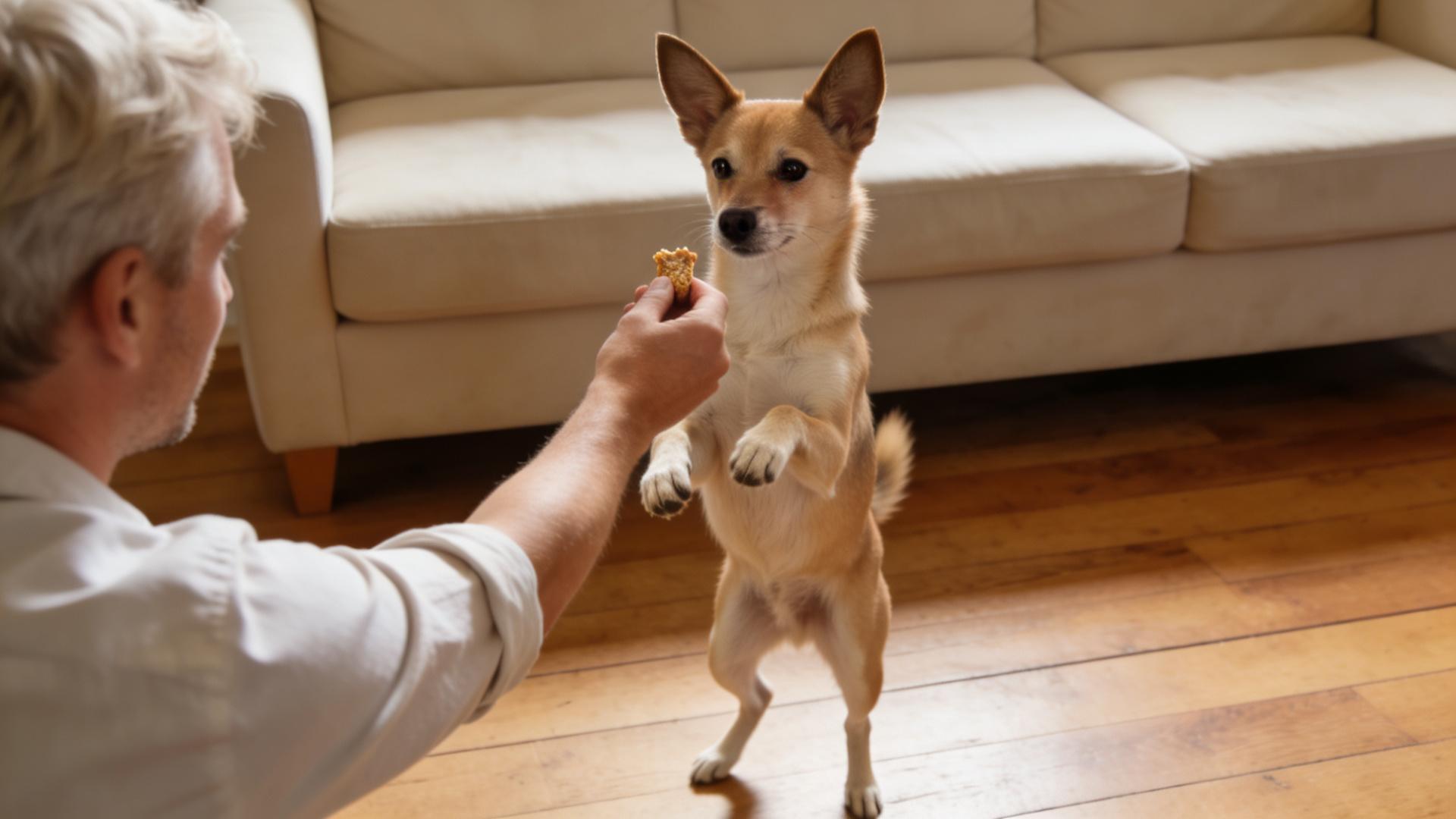
Start with your dog in a stand. Hold a high-value treat lure at their nose level and slowly move it straight back towards their chest. The goal is to encourage them to shift their weight backwards to follow the treat. The moment any backward movement of a foot occurs—even a slight lean—mark (click or say "yes!") and reward. Repeat this until they consistently offer one step back. 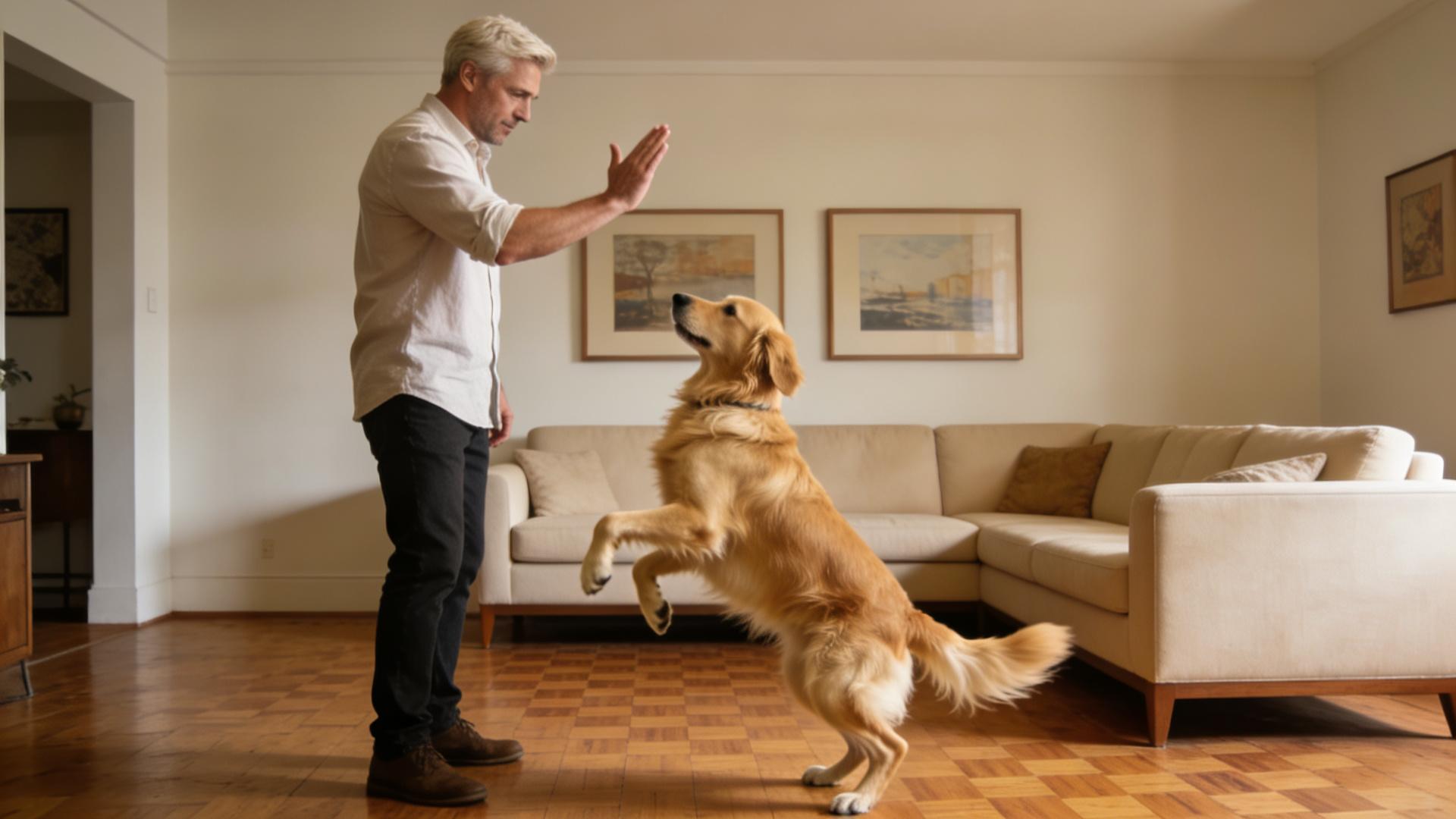
Phase Two: Adding Distance and a Cue
Once a single step is reliable, delay your mark to shape for two, then three steps. When they are comfortably taking 2-3 steps backwards, begin adding your verbal cue ("Back" or "Reverse") just as they initiate the movement. Mark and reward for success. Practice this until the cue predicts the action, solidifying the dog backwards command.
Phase Three: Fading the Lure and Proofing the Behavior
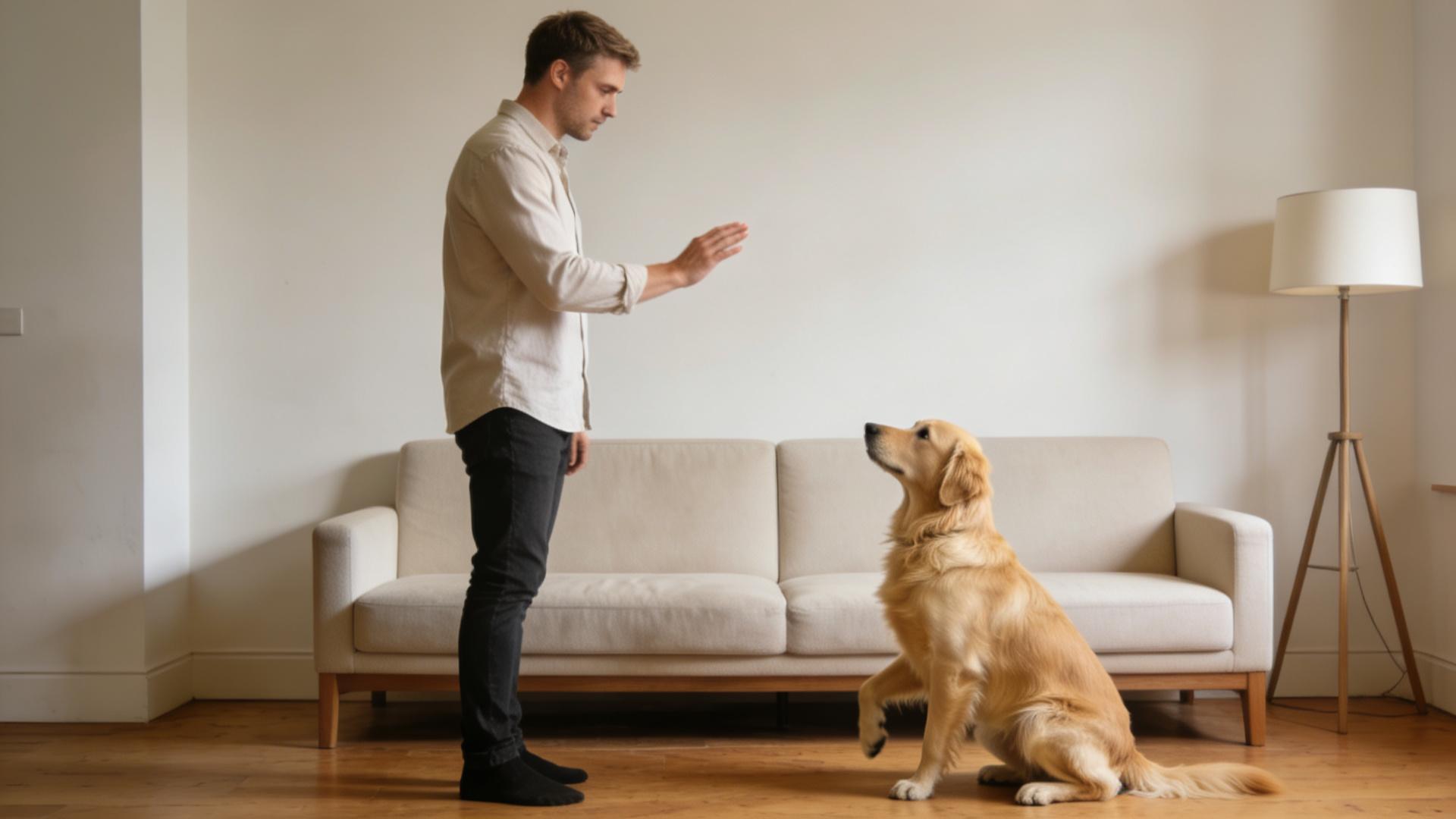
Begin to hide the treat in your hand or use an empty hand gesture identical to the lure motion. Mark and reward from your other hand. Once they respond reliably to the hand signal and verbal cue, start adding mild distractions (e.g., training in a slightly different part of the room) and gradually increase the distance they walk backwards. 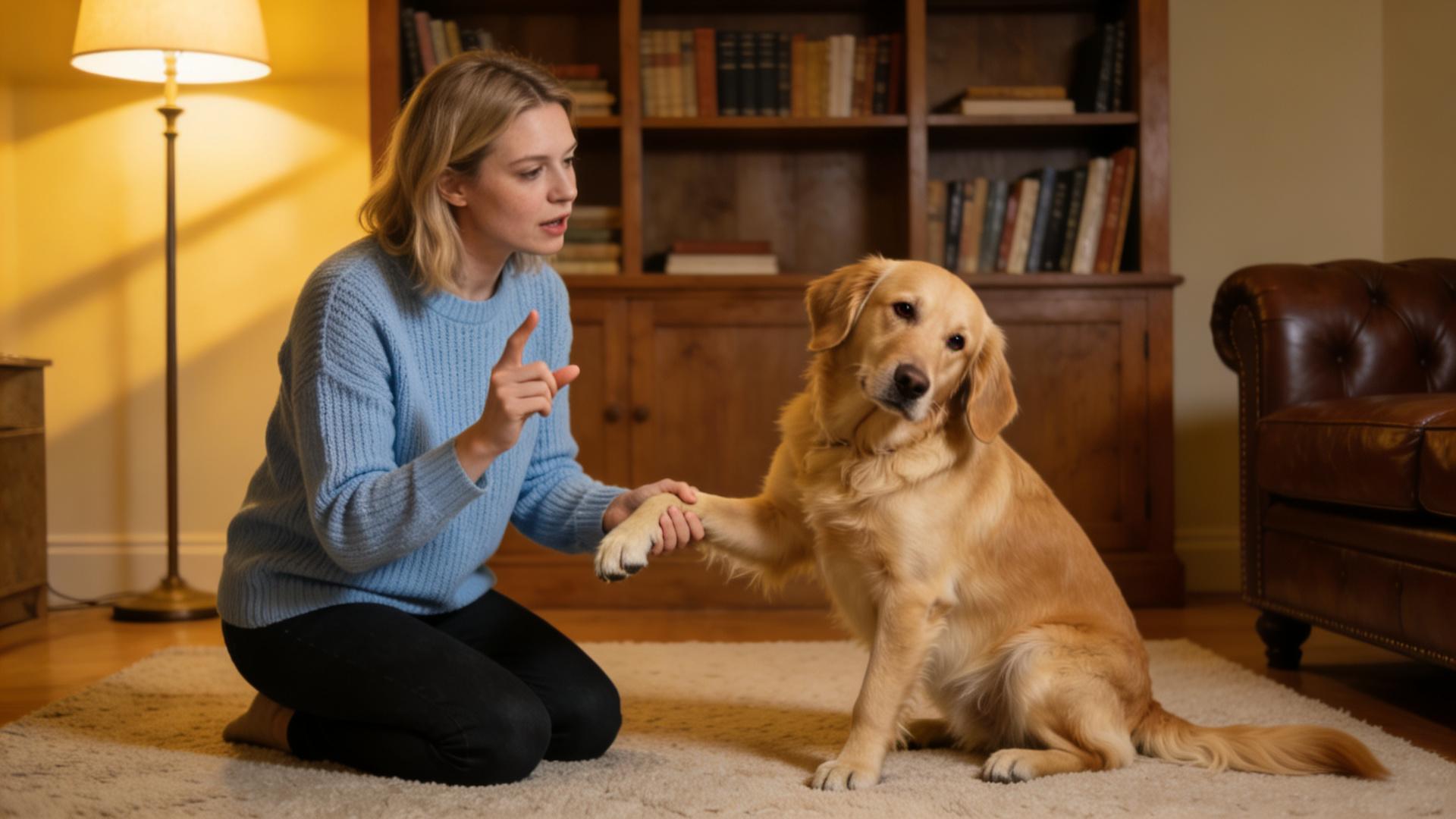
Phase Four: Integrating into Sequences
For practical application, weave backward steps into other behaviors. Ask for a few steps back during heelwork, or after a recall to create distance. This reinforces the behavior in context and boosts overall dog coordination and canine body awareness.
🔧 Troubleshooting Common Issues
Issue: The Dog Sits Instead of Stepping Back
Solution: Ensure you're working from a solid, comfortable stand. Keep the lure higher—at nose level—and move it very slowly. Reward only for foot movement without the rear end collapsing. You can also practice on a slight incline (with the dog facing uphill) to encourage weight shift onto the forelegs, a common technique in exercises for stronger dog hind legs.
Issue: The Dog Spins Instead of Walking Straight Back
Solution: Use physical guides to create a narrow "corridor." Train in a hallway, or place two parallel boards or cushions on the ground. This provides tactile feedback and teaches a straight line, directly addressing improving dog balance and spatial awareness with backing up.
Issue: The Dog Seems Confused or Frustrated
Solution: Immediately go back a step in the training process. Make the criteria easier—reward for just a weight shift—and ensure a high rate of reinforcement. Shorten sessions further and always end with a success the dog understands. This patience is key in all dog coordination exercises.
💎 Conclusion: A Step Back for a Leap Forward in Canine Well-being
Incorporating backward walking training into your dog's routine is more than teaching a clever trick; it's a holistic investment in their health and happiness. By systematically developing hind leg muscles for dogs, enhancing canine spatial awareness, and providing rich mental stimulation, you address both physical and cognitive needs. Whether your goal is to support a sporting champion, maintain a senior dog's mobility, or simply enrich your companion's daily life, this exercise offers profound returns. Remember, the key lies in patience, positive reinforcement, and prioritizing safety. Start slow, celebrate small victories, and watch as your dog gains strength, coordination, and confidence—one careful step at a time.