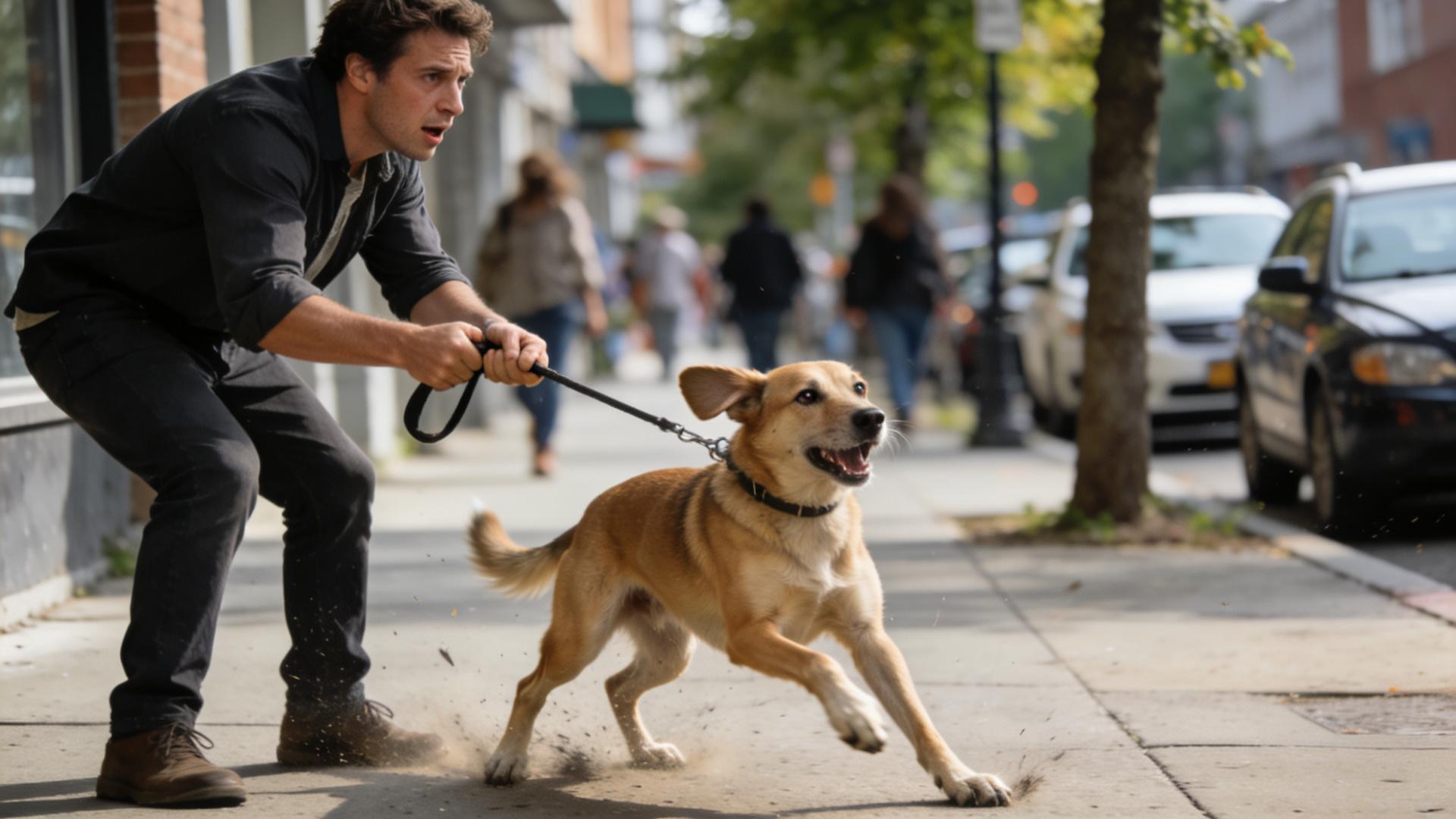
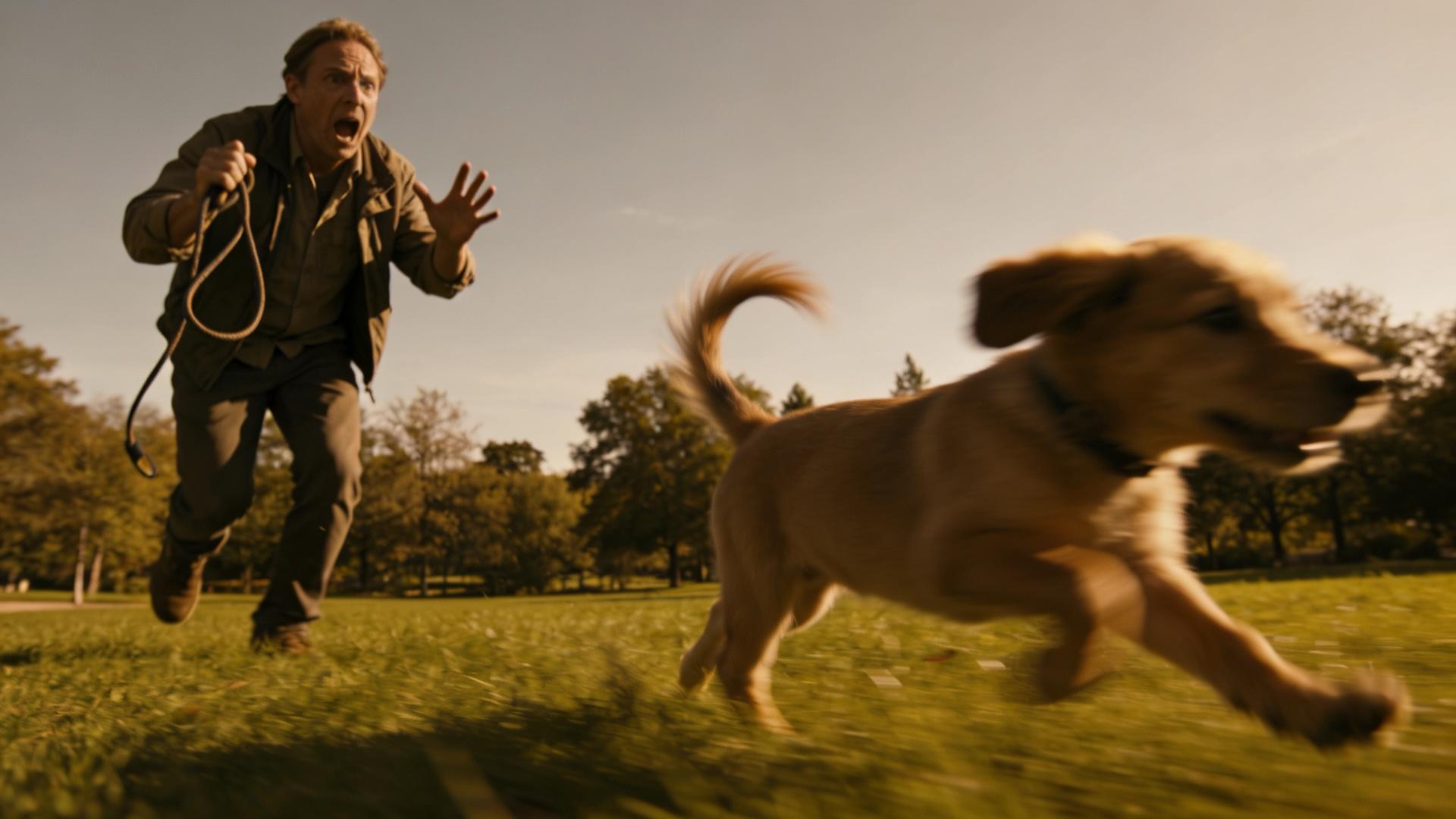
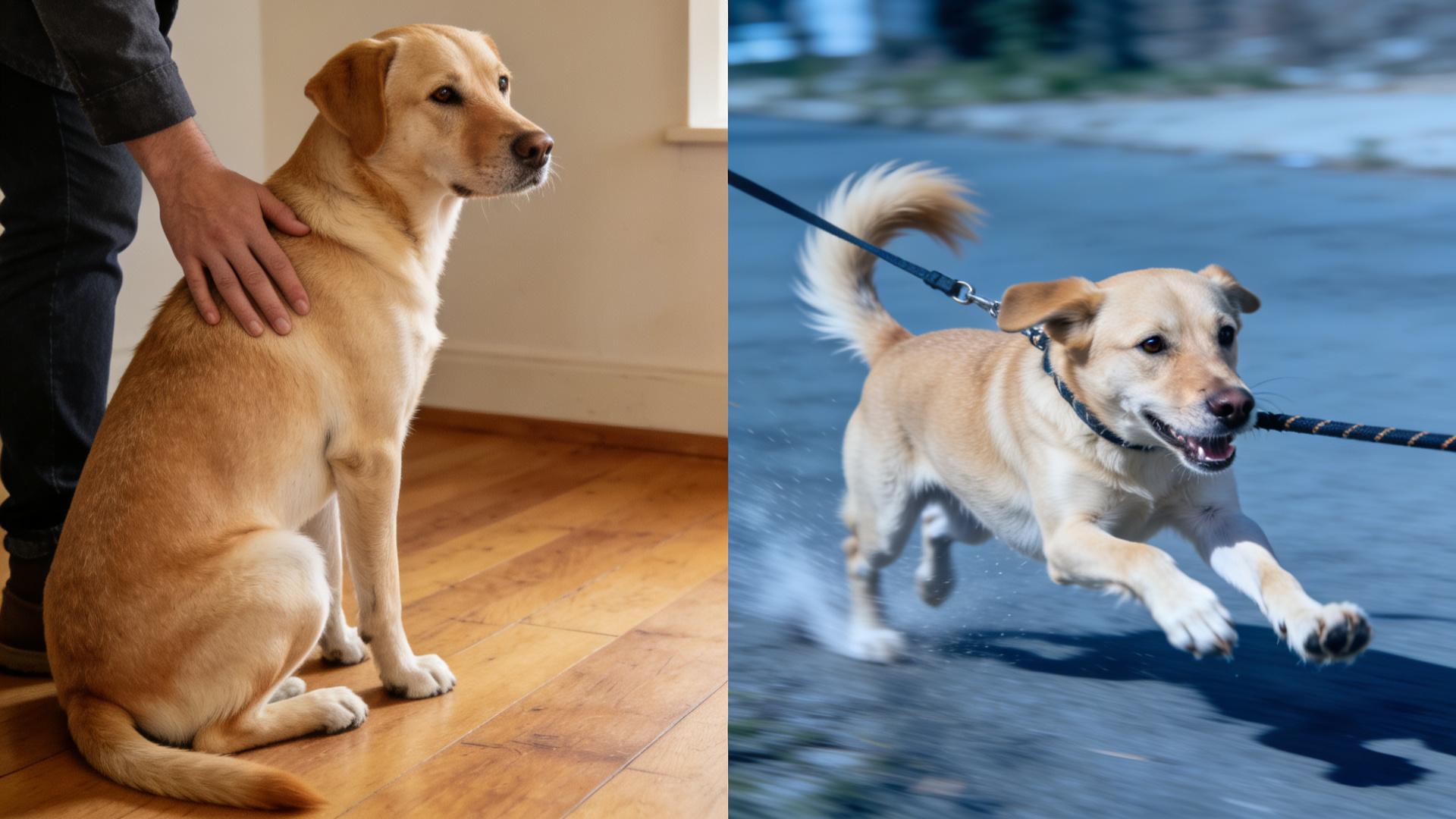
You’ve nailed it. Inside your living room, your dog is the picture of perfection—sitting on cue, staying calmly, and coming when called. But the moment you step outside, it’s as if a switch flips. The leash becomes a taut line of tension, commands vanish into the wind, and your well-mannered companion transforms into a pulsing, pulling, distracted whirlwind. If this scenario sounds painfully familiar, you are far from alone. This frustrating dichotomy between indoor obedience and outdoor chaos is one of the most common challenges in dog training. Understanding this training environment shift is not just about fixing a behavior; it’s about comprehending how your dog perceives the world. This article will delve into the core reasons behind this behavior and equip you with practical, proven strategies to build a reliable, well-behaved partner in any setting.
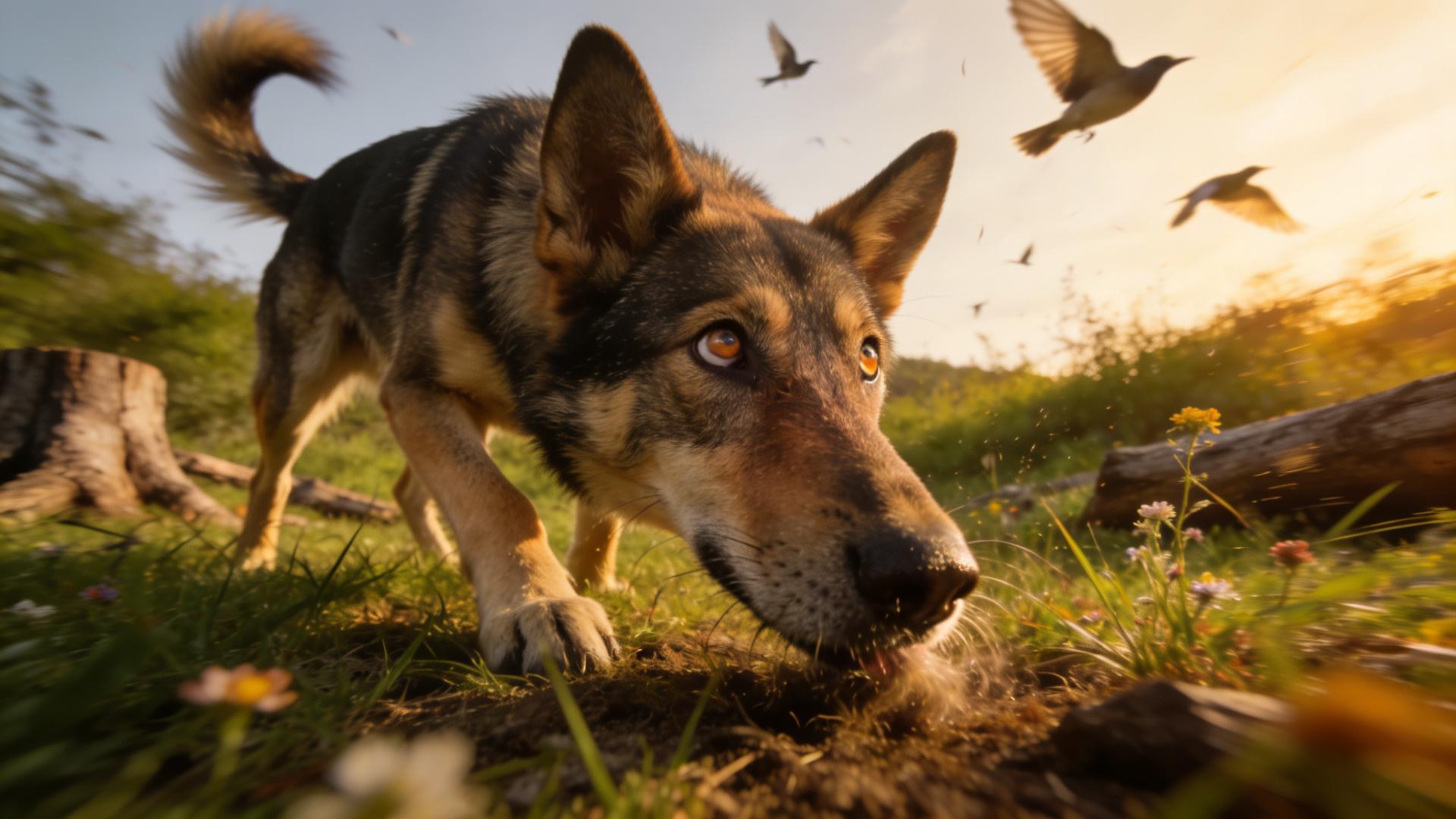
🔍 Core Reasons for the Behavior Change: The Why Behind the Wild
Your dog’s dramatic shift in behavior isn’t about defiance or forgetting their training. It’s a natural response to a radical change in context. Several key factors intertwine to create this perfect storm of disobedience outdoors.
- Distraction Overload: The outdoors is a sensory banquet.
- Novelty and Excitement: New environments trigger high-arousal states.
- Lack of Generalization: Dogs are not great at applying lessons to new contexts.
- Instinctual Triggers: Primal drives are awakened by outdoor stimuli.
🧠 Distraction Overload: When the World Is Too Interesting
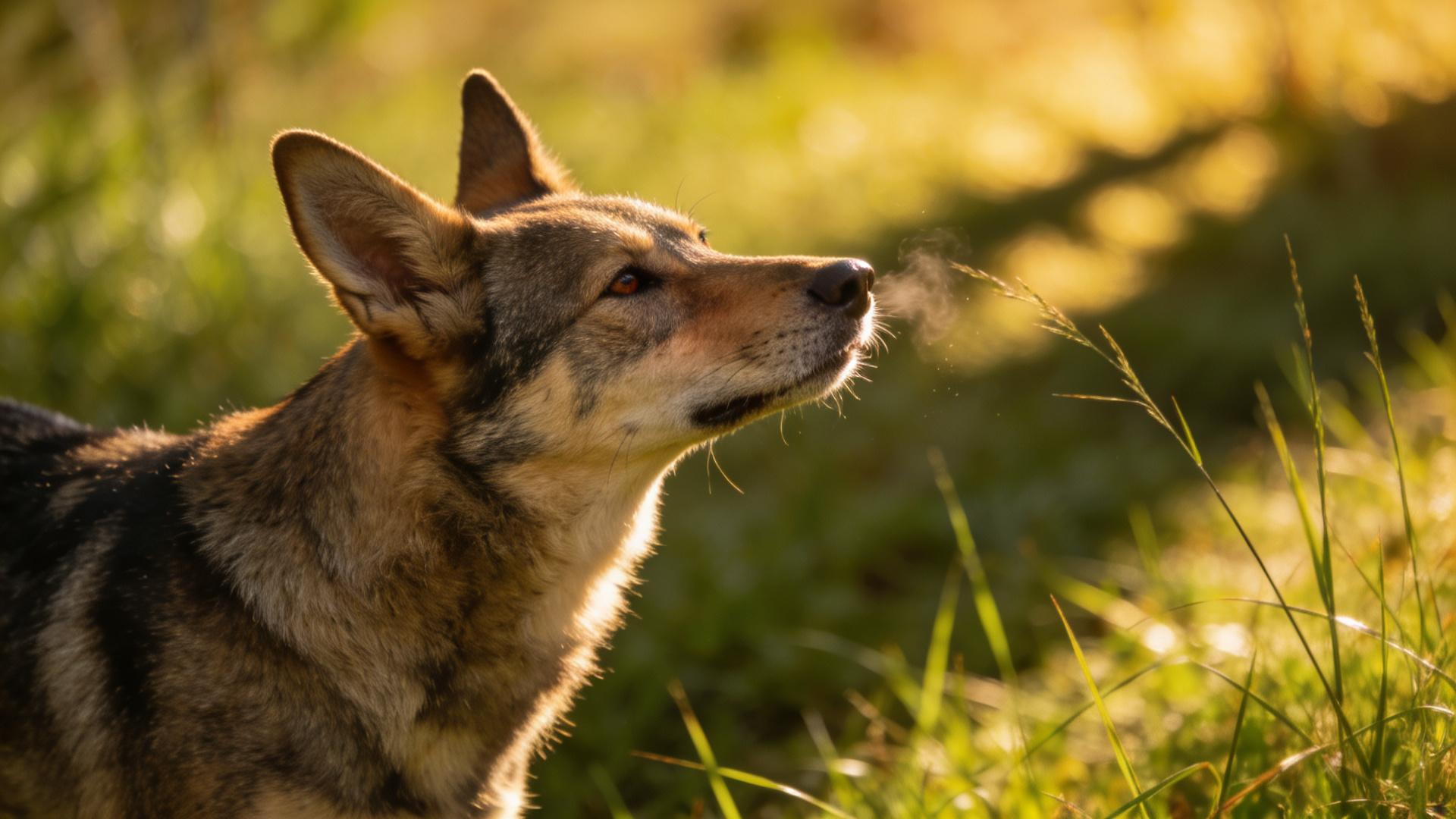
Indoors, you control the environment. Distractions are minimal, predictable, and often ignorable. The outdoors, however, is an ever-changing, high-definition 3D movie for your dog’s superior senses. Every rustling leaf, distant bark, intriguing scent, or moving person represents a potential threat, prey, or social opportunity. Canine hearing detects frequencies up to 45 kHz (compared to our 20 kHz), and their sense of smell is 10,000 to 100,000 times more acute than ours. When you ask for a "sit" on a sidewalk, you're competing with the olfactory story of every dog that passed by last week, the sight of a squirrel 50 yards away, and the sound of a car door slamming. Your voice and treat simply cannot compete with this cacophony of stimuli without proper training. This is the essence of training dog for outdoor distractions.
🎢 Novelty and Excitement: The Adrenaline Rush of "New"
For many dogs, especially those with limited outdoor exposure, simply being outside is overwhelmingly exciting. This novelty can manifest as frantic joy or anxious uncertainty. Physiologically, it triggers a release of adrenaline and cortisol, putting your dog in a heightened state of arousal. A study in the journal Applied Animal Behaviour Science notes that novel environments can significantly increase locomotory activity and stress indicators in dogs. Your dog isn’t "misbehaving" out of spite; they are emotionally flooded. This excited dog behavior outside is a coping mechanism for an overstimulating experience. The threshold for reacting is much lower, making focused listening nearly impossible.
🔄 Lack of Generalization: "Sit" Means Sit... But Only in the Kitchen?
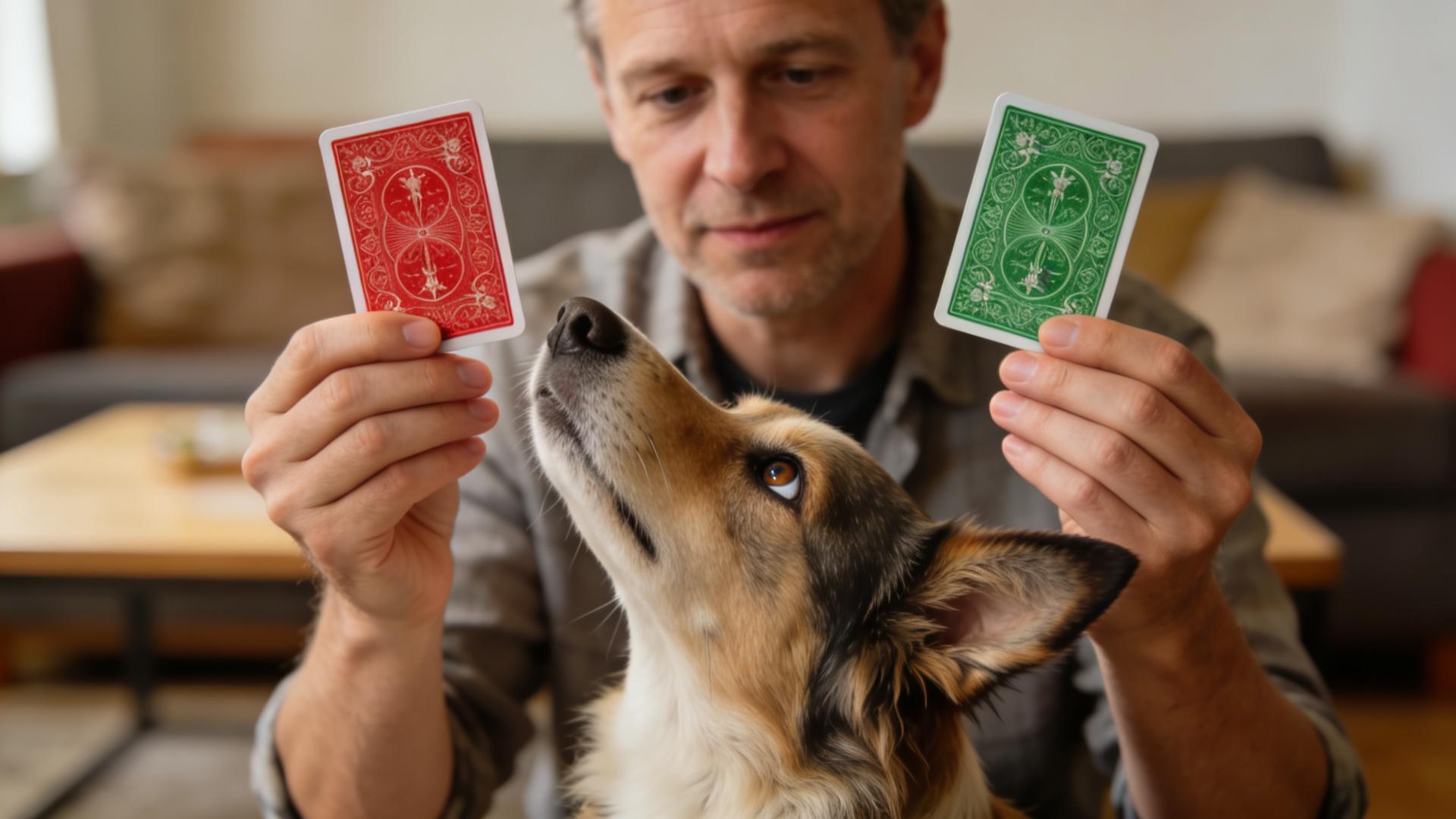
This is a critical, often overlooked concept in dog obedience training. Dogs are contextual learners. When you teach "sit" in your hallway, your dog associates the command with that specific set of environmental cues—the floor texture, the lighting, your posture in that space. They do not automatically understand that "sit" has the same meaning on grass, pavement, or at the vet's office. This failure to generalize is a primary reason for dog behavior changes outside. You haven’t trained one dog that behaves everywhere; you’ve trained a "house dog" and now need to train a "world dog." This process of shifting dog training from indoor to outdoor is deliberate work.
🐺 Instinctual Triggers: The Call of the Wild
Domestication hasn’t erased millennia of evolutionary programming. The outdoors is where these instincts live. The sight of a small, fast-moving animal can trigger the prey drive (chase instinct). The smell of other dogs can trigger territorial marking. Wide-open spaces can trigger the exploratory drive, leading to relentless pulling on the leash. These are self-reinforcing behaviors—the act of pulling to sniff something feels good to the dog, making it more likely to recur. Managing these instinctual responses is key to curbing excited dog behavior outside and requires strategies that acknowledge, rather than fight, these deep-seated urges.
🏆 Effective Training Strategies: Building a Rock-Solid "Anywhere" Dog
The goal is not to suppress your dog’s nature but to teach them to operate calmly and attentively within it. Success hinges on patience, consistency, and a strategic, incremental approach. Here is your blueprint for improving dog focus outside.
📍 1. Start in Low-Distraction Zones: The "Outdoors Lite" Approach
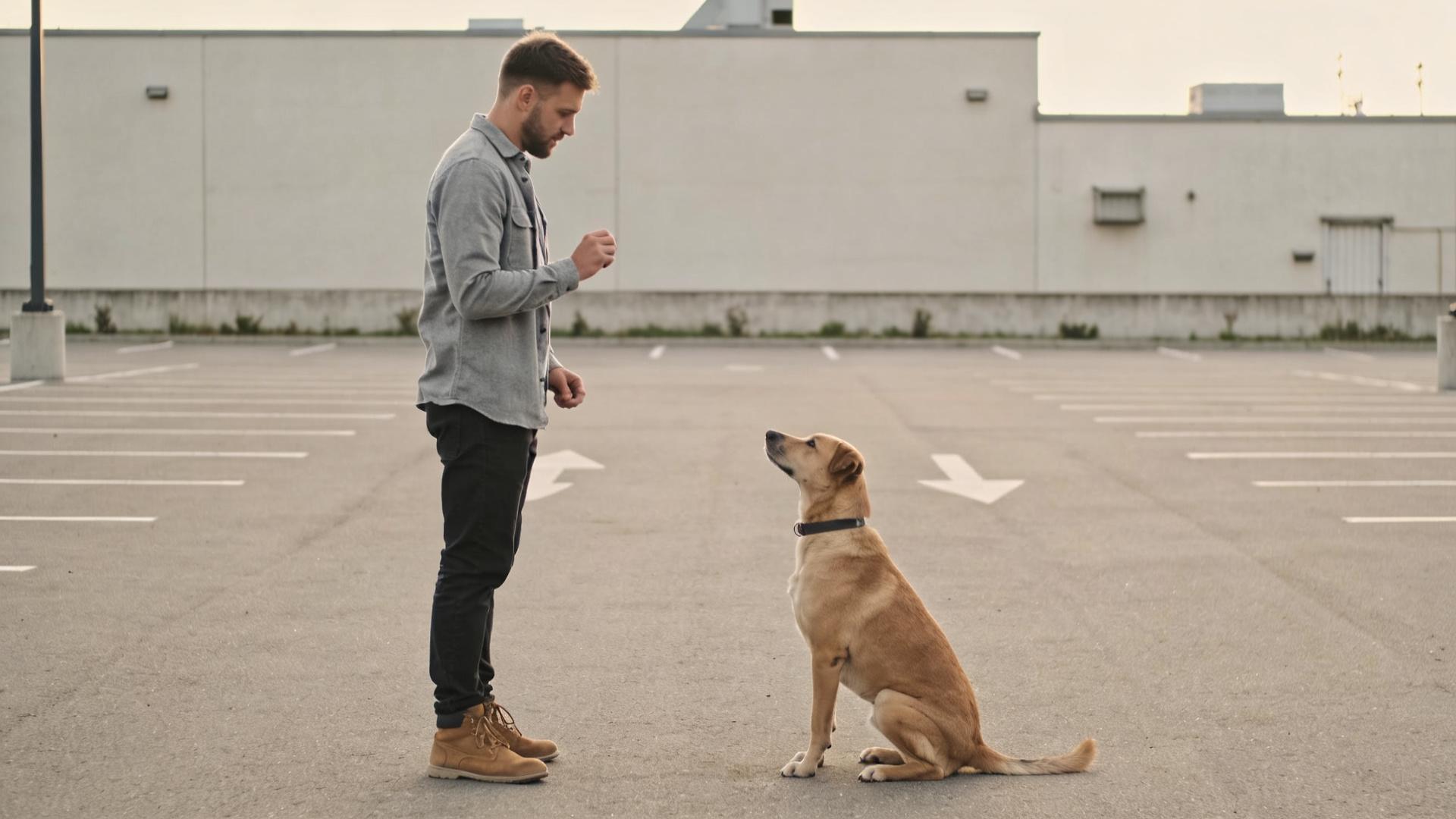
Do not make the classic mistake of going from your living room directly to a busy dog park. Begin your outdoor training in the most boring outdoor area you can find. This could be:
- Your quiet backyard or driveway.
- An empty church parking lot early in the morning.
- A dead-end street with little traffic.
Here, practice the same commands your dog knows indoors (sit, stay, come, heel). The goal is to proof the behavior with only one or two mild distractions present (e.g., the sound of a distant bird). This builds a foundation for canine obedience in new environments.
📈 2. Gradually Increase Challenges: The Step-by-Step Method
Once your dog is responding reliably in a low-distraction zone, slowly ramp up the difficulty. This is a process of controlled exposure. Think of it as a "distraction ladder."
- Backyard mastery.
- Quiet sidewalk with a few parked cars.
- Busier sidewalk with occasional pedestrians at a distance.
- Near a park with dogs playing far away.
- Finally, closer proximity to higher-level distractions.
If your dog fails at a new level, calmly move back to the previous, easier level for a few successful repetitions. This method directly addresses environmental distractions in dog training.
🌍 3. Practice Everywhere: The Generalization Crusade
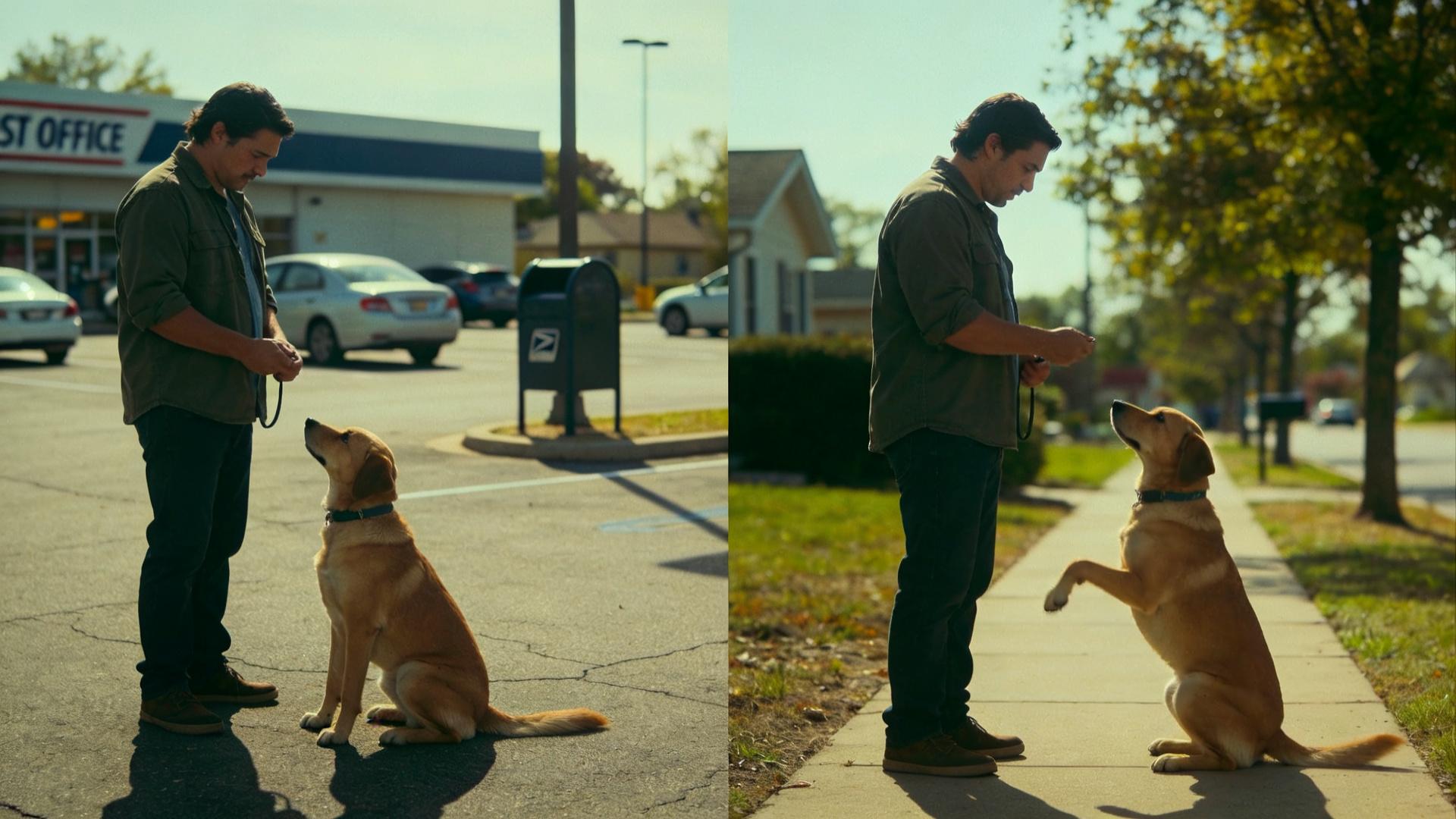
Make it your mission to practice commands in as many different locations as possible. Ask for a "down" in front of the post office. Practice "heel" in a hardware store parking lot. Do a "stay" on a different type of surface. This teaches your dog that the command is portable and not tied to one location. Data from training organizations shows that dogs who train in 5+ different locations learn to generalize commands 3 times faster than those trained only at home. This is the core of managing dog behavior in different environments.
🎁 4. Use High-Value Rewards: The Ultimate Motivator
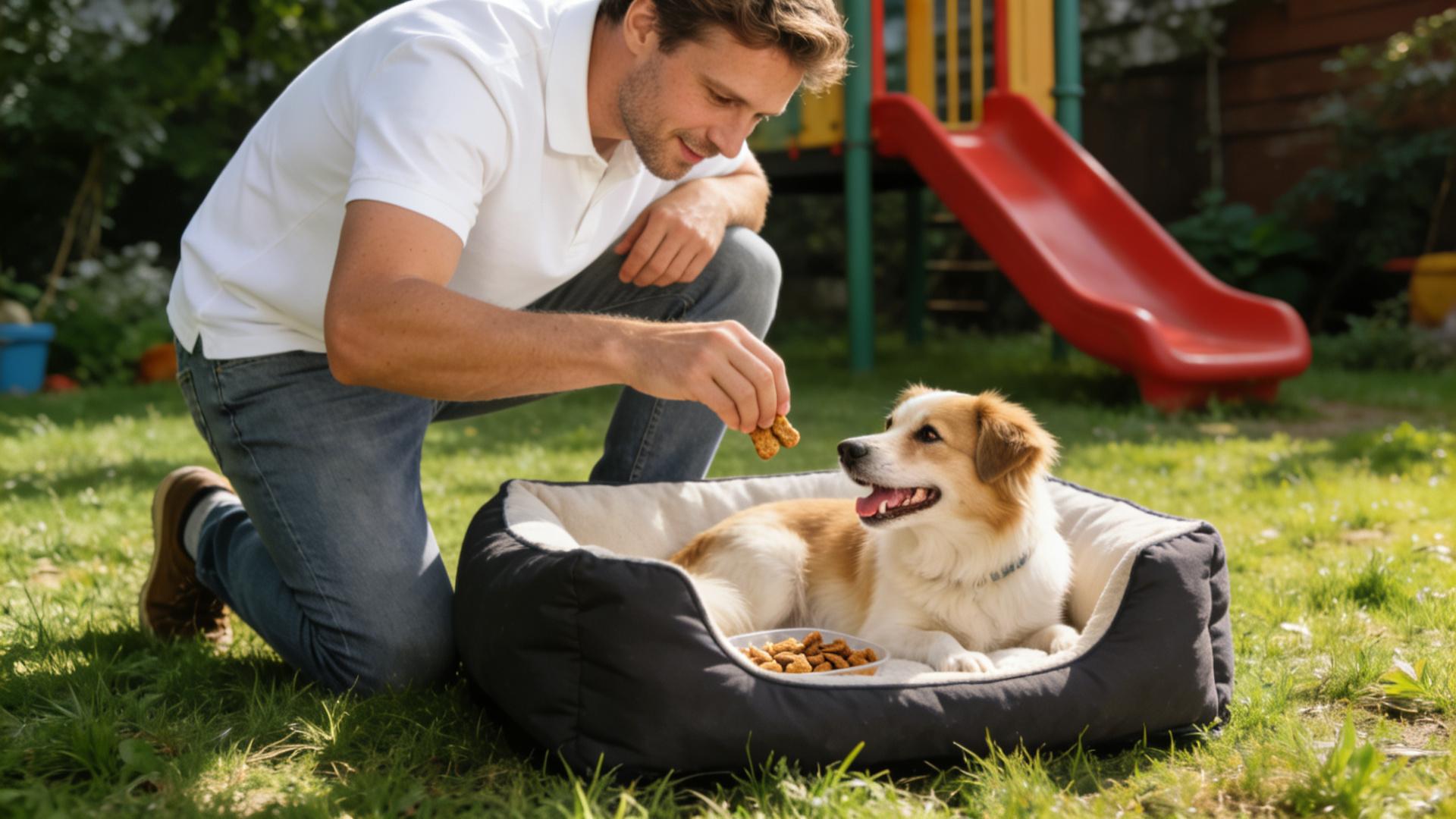
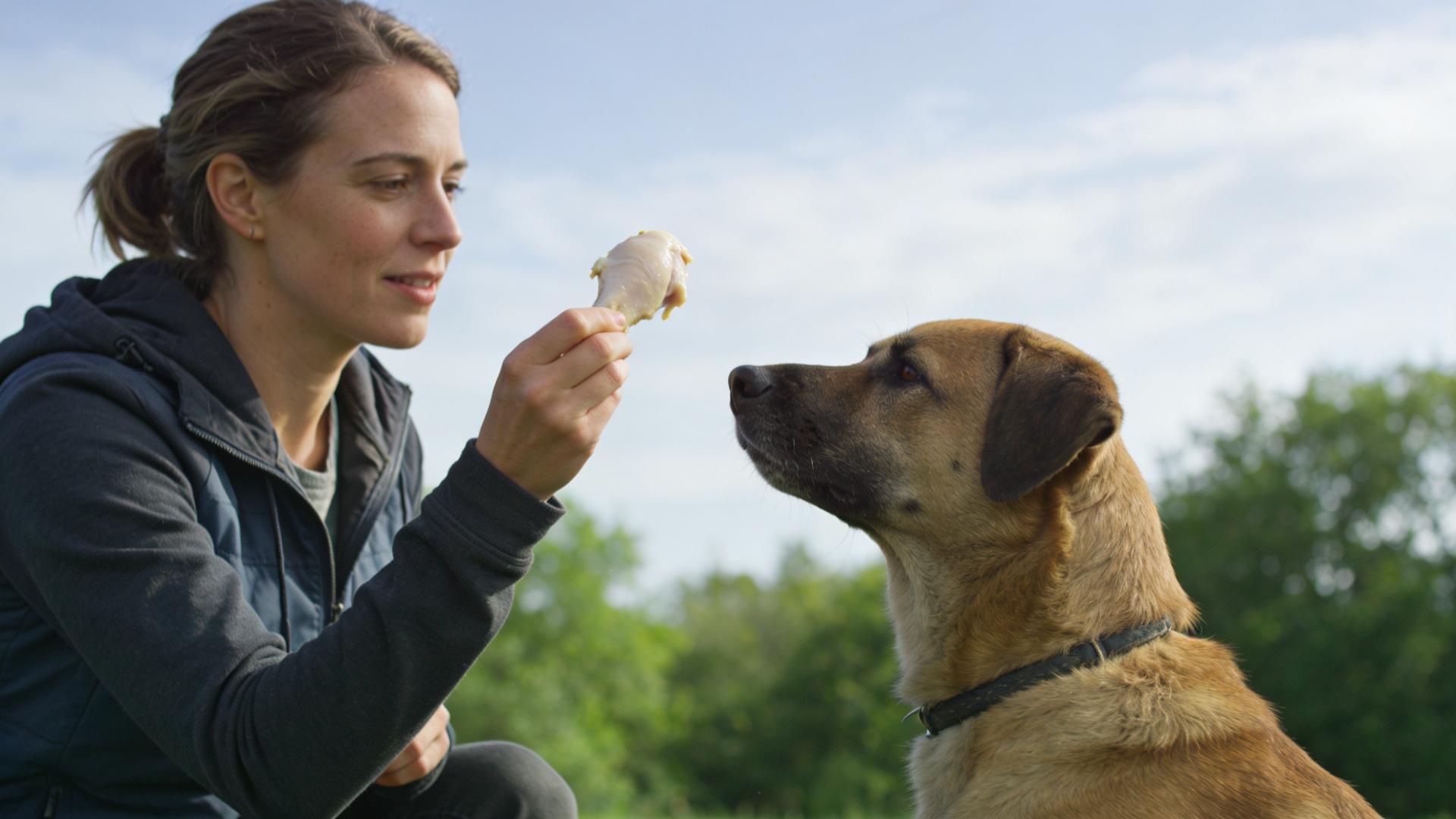
The treats that work indoors may be worthless outdoors. Reserve special, high-value rewards exclusively for outdoor training sessions. This could be small pieces of boiled chicken, cheese, freeze-dried liver, or a special toy. The reward must be more compelling than the environmental distraction. This creates a positive association with listening to you amidst chaos, fundamentally solving dog obedience issues outside.
😌 5. Maintain Calm Assurance: You Are the Anchor
Dogs are brilliant at reading our emotional state. If you are tense, frustrated, or anxious on the leash, your dog will mirror that energy, increasing their arousal. Practice deep breathing and maintain a relaxed posture. Your calm demeanor communicates that the environment is safe and nothing exciting is happening that warrants a frenzied response. Your poise is a powerful tool for dog calm outside training.
⚖️ 6. Be Unwavering in Rules: Consistency is King
The rules cannot change with the scenery. If pulling on the leash isn’t allowed indoors (on a harness during play, for instance), it must never be allowed outdoors. Every time your dog pulls and gets to reach a fascinating smell, they learn that pulling works. Use techniques like "be a tree" (stopping completely when pulled) or immediate direction changes to teach that calm leash walking is the only way forward. This consistency bridges the gap between home versus outdoor dog training.
🎯 Conclusion: The Journey to a Trustworthy Companion
Bridging the gap between indoor mastery and outdoor reliability is a journey, not a quick fix. It requires an investment of time, understanding, and consistent positive reinforcement. The reasons for dog misbehaving outside are deep-rooted in canine psychology and perception. By systematically working through low-distraction beginnings, gradual exposure, and proofing commands everywhere, you are not just training behaviors; you are teaching your dog a crucial life skill: how to focus on you amidst the wonderful chaos of the world. Celebrate every small victory—a moment of eye contact on a walk, a successful "sit" with a bird nearby. These are the building blocks of a profound bond and a truly well-behaved dog in all environments. Stay patient, be consistent, and enjoy the process of shaping a confident, attentive canine partner. Your efforts will culminate in the ultimate reward: peaceful, joyful adventures together, anywhere you go.
Remember: The dog that is "crazy" outside is often just a dog who is overwhelmed, under-trained for the context, and following its natural instincts. With guided exposure and smart training, you can help them navigate the world with grace and obedience.