
You May Have Missed
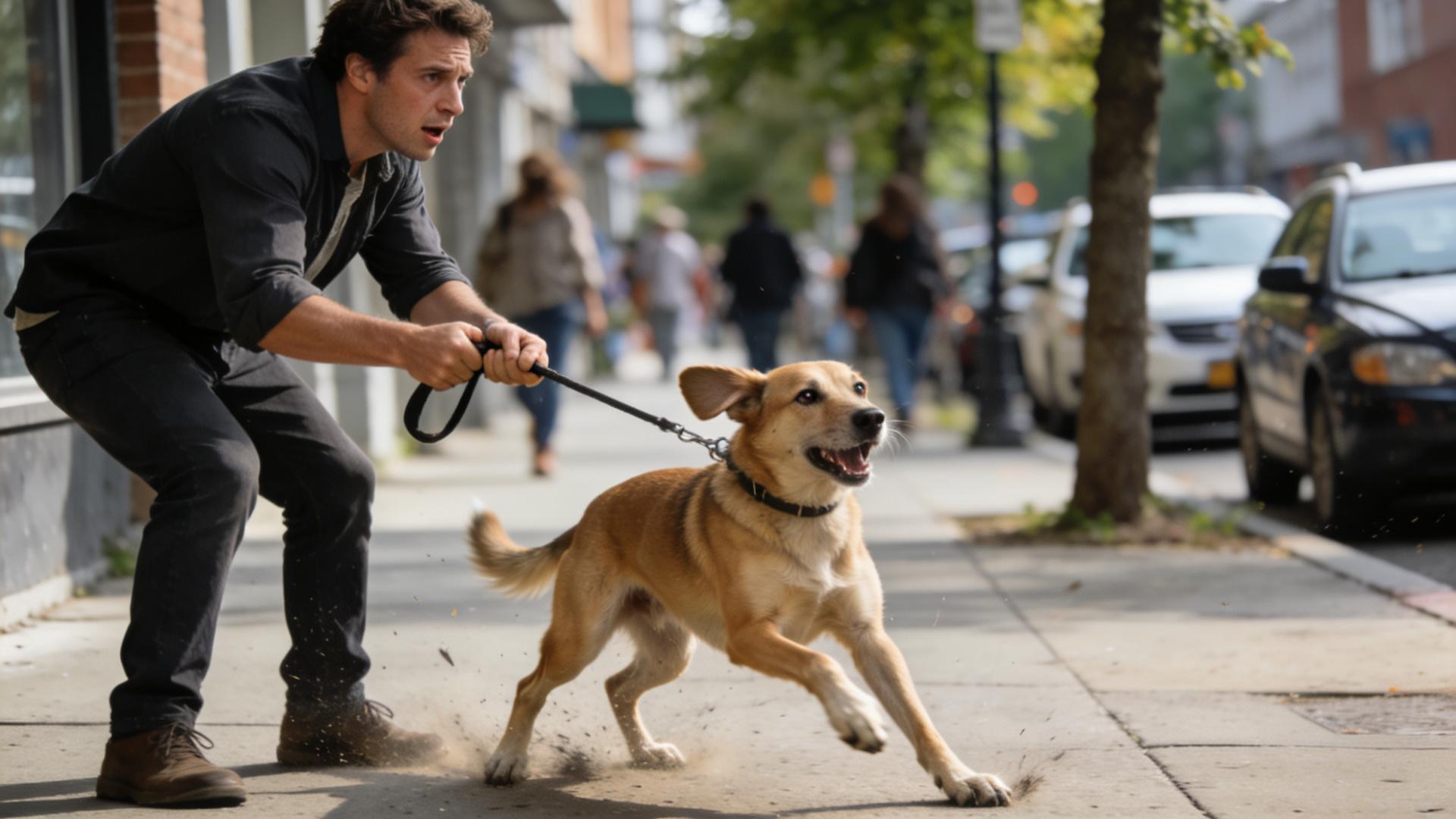
Automatic Sit: Train your dog to automatically sit when its owner stops.
You’re mid-walk, and you need to pause—to cross the street, greet a neighbor, or pick up after your dog. Instead of a calm stop, you’re met with a tangled leash, a dog leaning into their harness, or frantic sniffing at the exact spot you need to stand. This common walking challenge is more than just frustrating; it can compromise safety and control. What if, every single time you stopped moving, your dog instantly and politely sat by your side? This isn't a fantasy; it's the automatic sit, a foundational skill that transforms chaotic halts into moments of calm obedience.
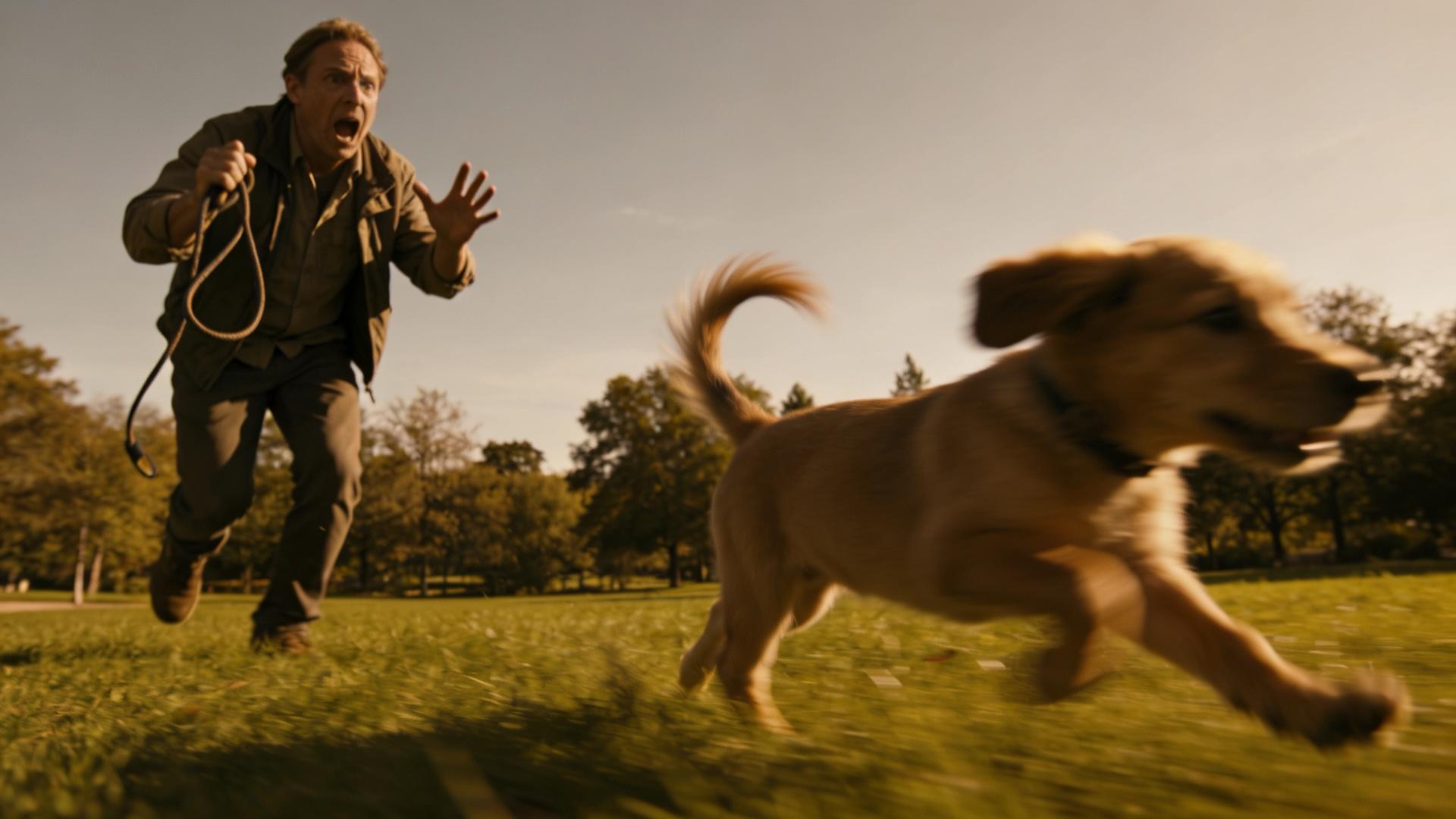
Puppy recall lesson one: Make it run to you no matter what.
Imagine this: your puppy’s leash slips from your hand at the park, or your front door swings open a moment too long. In that heartbeat, the single most important command you will ever teach your dog isn't just a trick—it's a lifesaving behavior. A reliable recall, the act of your dog coming to you instantly and joyfully, is the ultimate insurance policy. But this first lesson isn't about the word "come." It's about building an irresistible gravitational pull that makes your puppy sprint to you with unfiltered joy, every single time. We are not merely requesting an action; we are programming a reaction. This is the art and science of creating a foundation so strong that squirrels, smells, and other dogs simply can't compete. Let's begin.
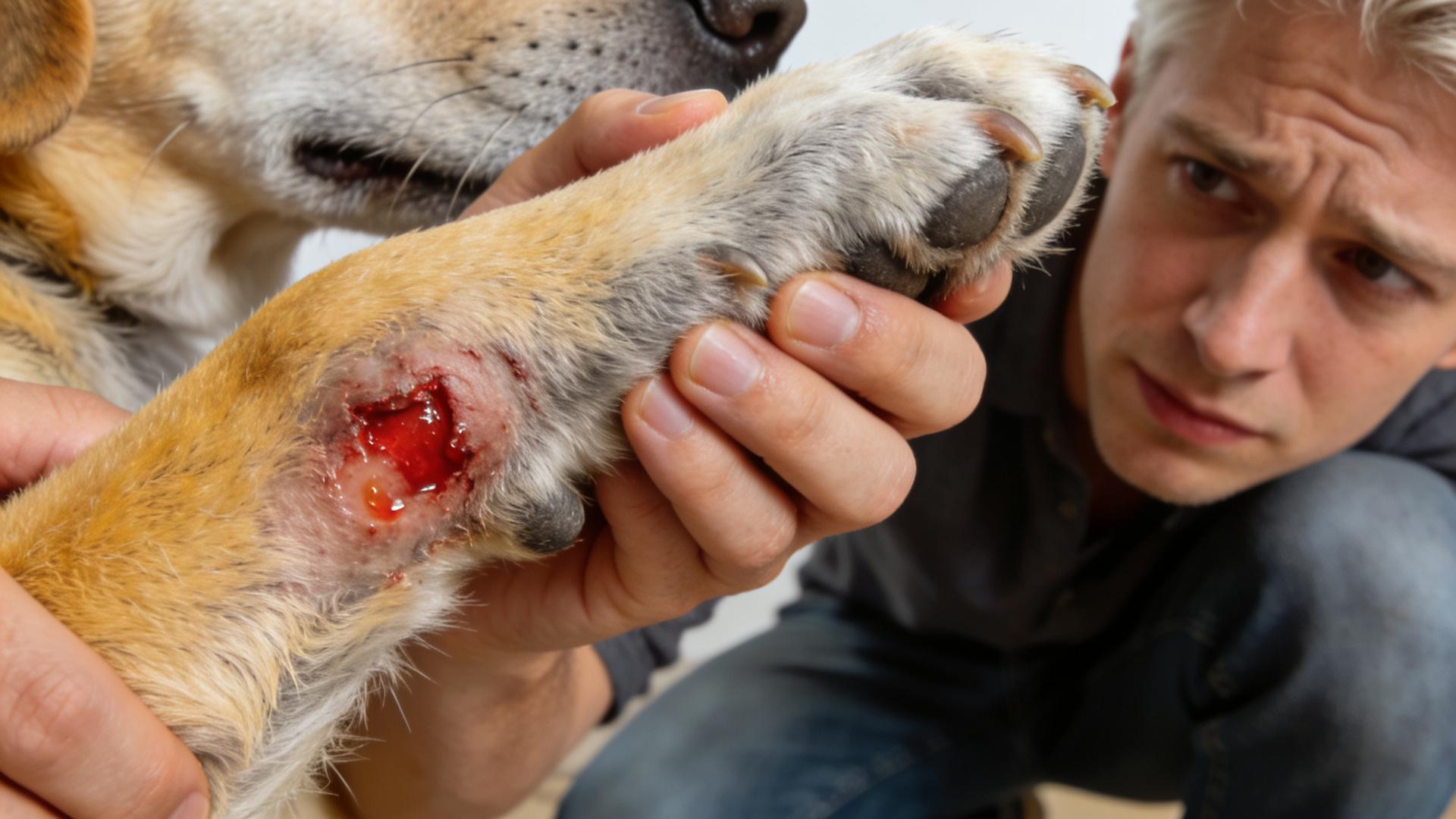
Excessive licking and self-harm: Is it a skin disease or obsessive-compulsive disorder?
Watching your dog lick its paw for the hundredth time today is more than just annoying. It's deeply concerning. That persistent, rhythmic licking or chewing on a leg, flank, or paw can fray the nerves of any loving pet owner. What begins as a seemingly innocent habit can escalate into raw, hairless patches, open sores, and significant self-harm. The central question haunts you: Is this a physical health problem causing them agony, or a psychological compulsion they cannot control? Understanding the root cause—be it a canine skin disease or obsessive-compulsive disorder in dogs—is the critical first step on the path to relief. This article will guide you through the evidence, helping you decipher your dog's signals and take the right action.
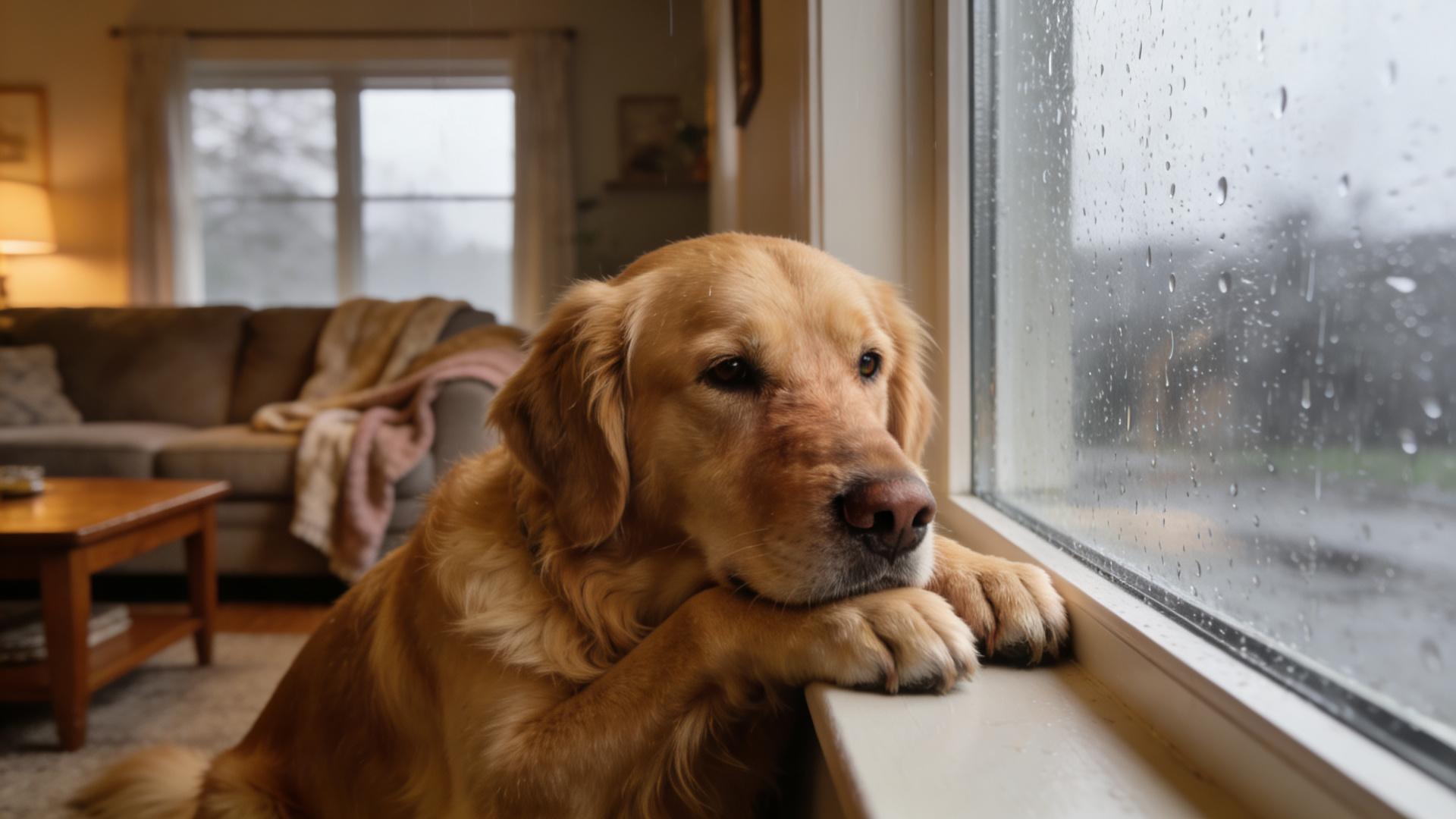
Rainy Day Indoor Activity Guide: 5 Brain-Teasing Games You Can Play Without Leaving Home
The sky opens up, the pitter-patter on the roof begins, and you see your dog's ears droop. Another walk cancelled, another day of pent-up energy. But what if rainy days became an opportunity rather than a limitation? For the modern canine, mental stimulation is not a luxury; it's a necessity. A bored dog is often a destructive dog, and physical exercise is only one piece of the well-being puzzle. Engaging your dog's brain can tire them out as effectively as a long run, curbing behaviors like excessive barking, chewing, and pacing. This guide delves into five sophisticated, no-travel-required games that will transform your home into a canine cognitive gymnasium, ensuring a happy, tired, and fulfilled companion, come rain or shine.
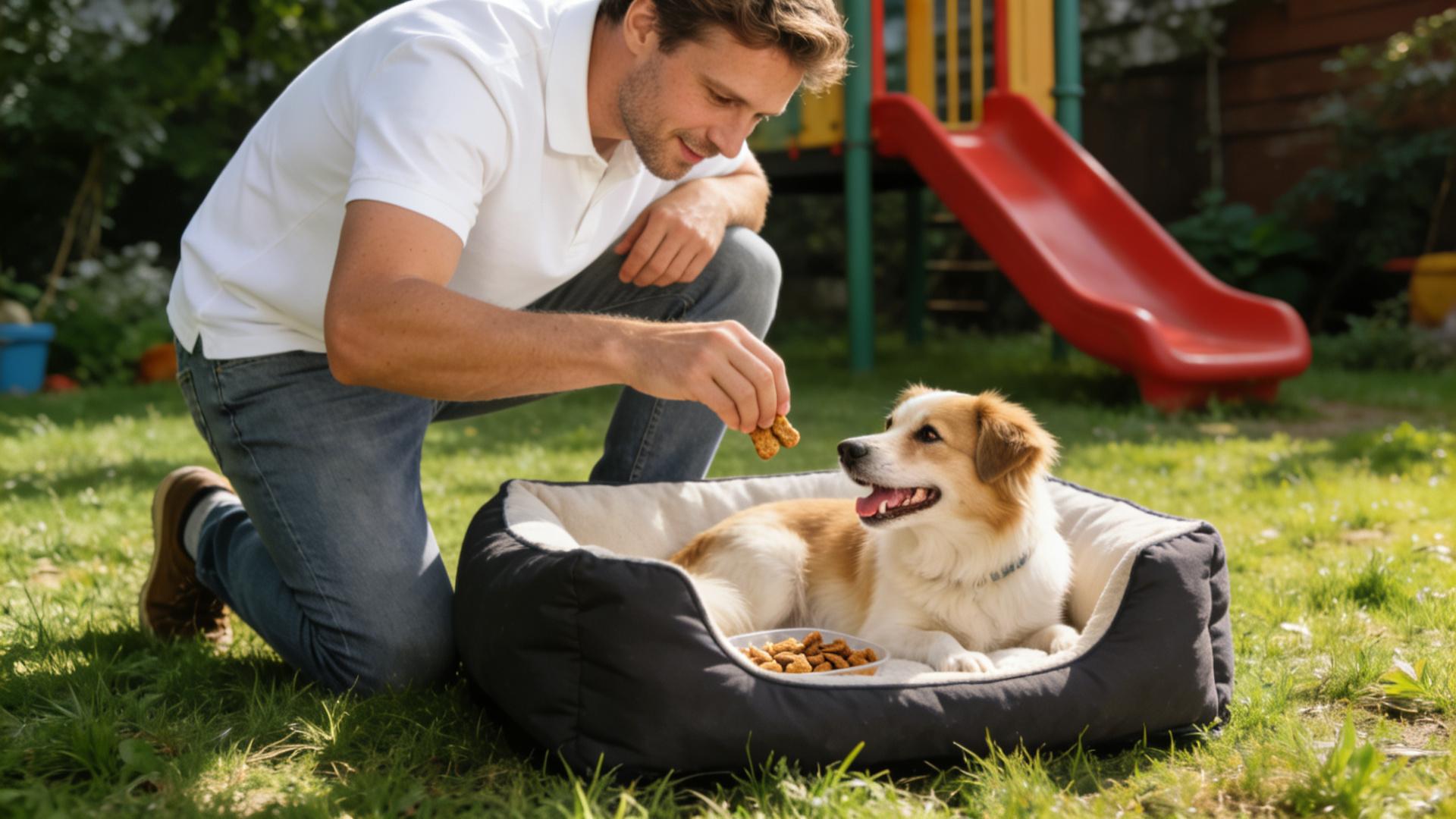
Correcting "attention-seeking" behavior: Teach your dog to go back to its kennel when guests arrive.
You’ve been looking forward to a quiet evening with friends. The doorbell rings, and instantly, your peaceful home erupts into chaos. Your dog transforms into a furry tornado of barking, jumping, and weaving between legs, desperate for pats and completely derailing any attempt at a calm greeting. If this scene feels familiar, you’re not alone. This is a classic, often frustrating, form of attention-seeking behavior in dogs.
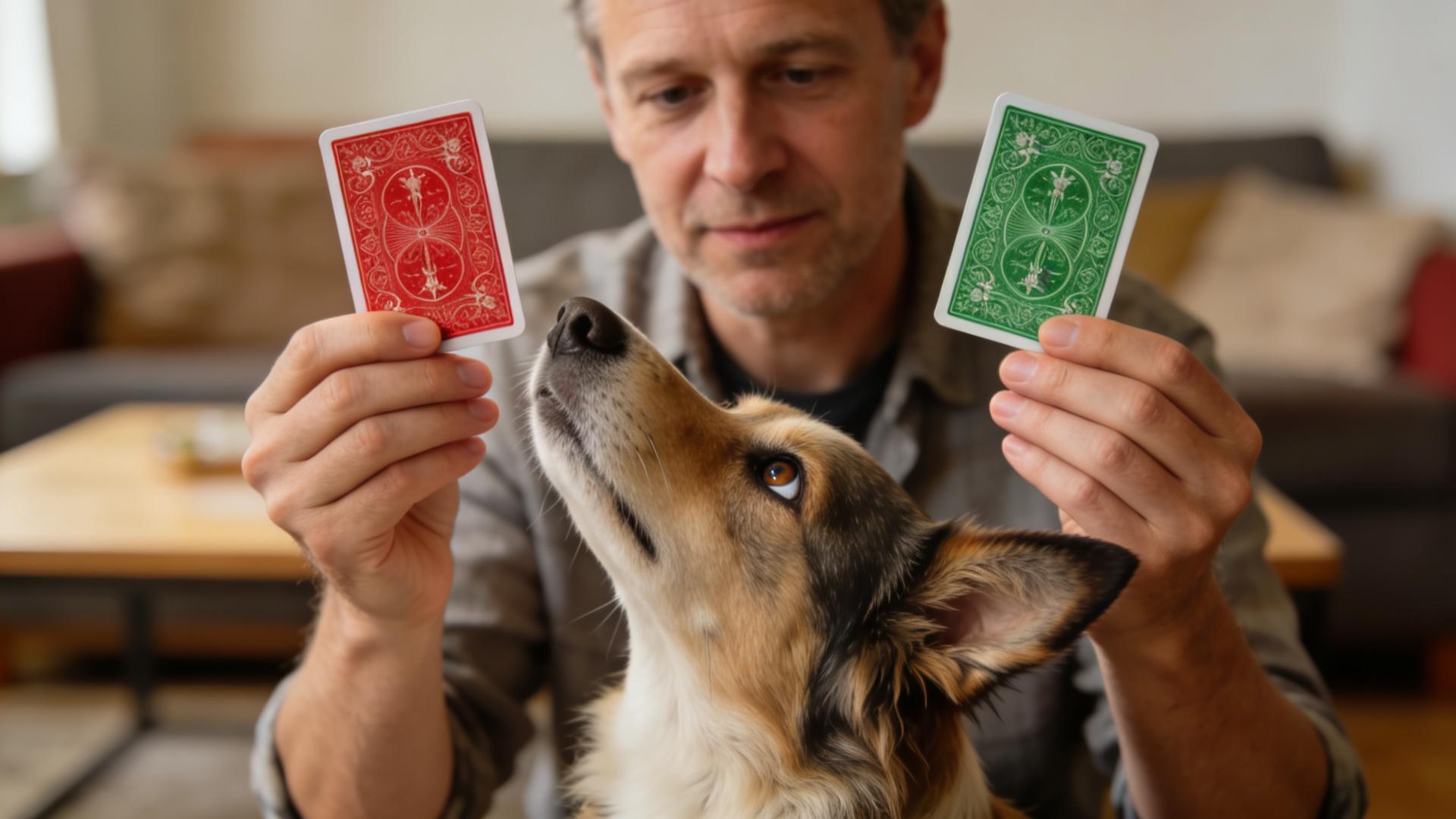
Traffic light training at intersections: Establishing visual signals for "stop" and "go".
Navigating busy urban intersections with your dog can transform a relaxing walk into a nerve-wracking game of chance. The honking cars, bustling pedestrians, and unpredictable movements create a minefield of distractions and dangers. What if you could introduce a common language of safety, one your dog understands as clearly as you understand a red or green light? This article delves into the powerful method of traffic light training for dogs, a system of visual signals that establishes crystal-clear "stop" and "go" cues. Our purpose is to provide you with a proven, step-by-step methodology to enhance your intersection safety for canines, forging not only a safer companion but a deeper bond built on communication and trust.