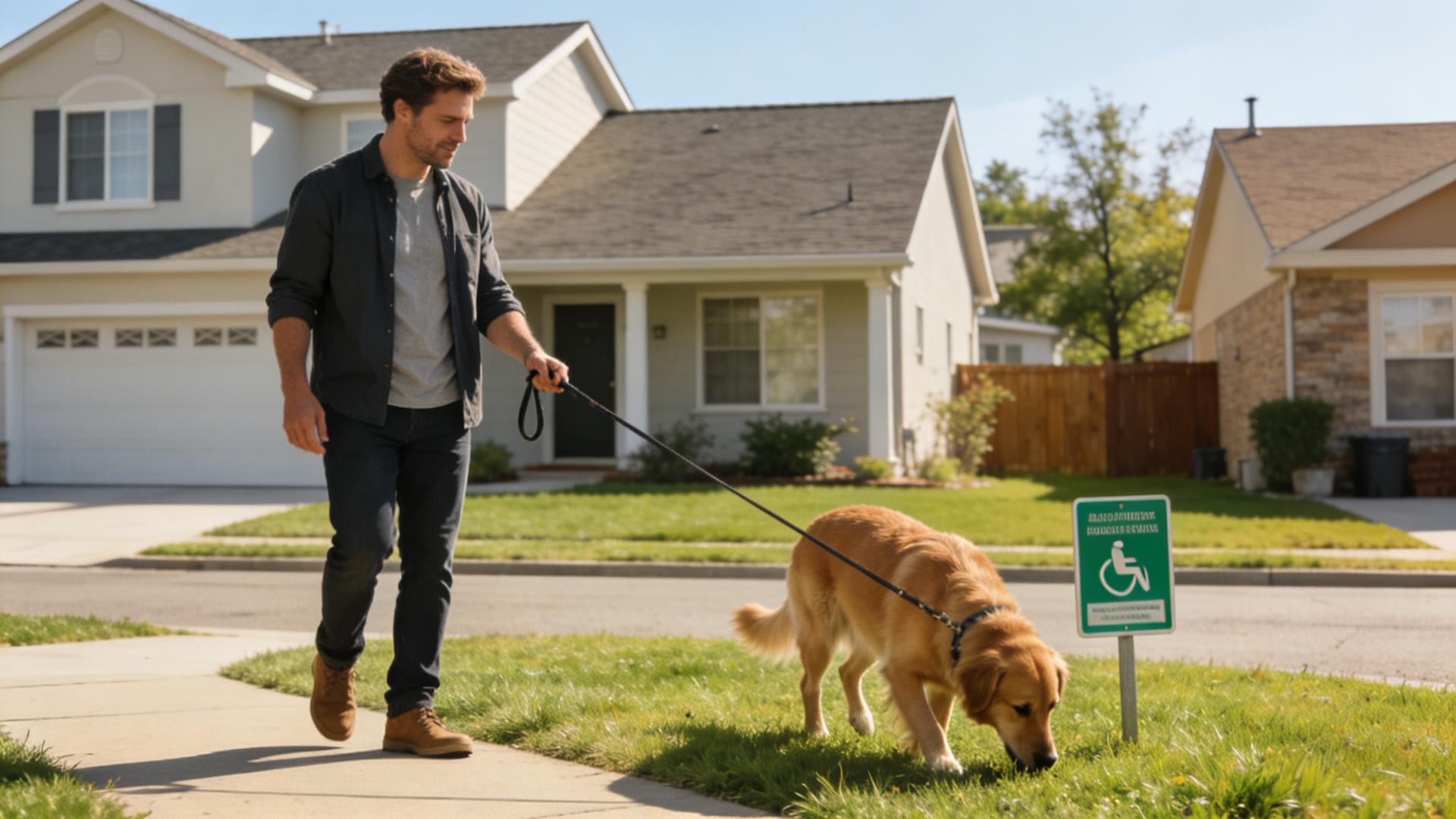
In the tapestry of community life, few threads are as common—or as potentially disruptive—as the daily dog walk. It’s a ritual of joy, exercise, and bonding. Yet, without mindful practice, it can fray into a source of neighborhood tension. The cornerstone of civilized dog walking is the simple, impactful act of guiding your dog to relieve itself in designated grassy areas. This isn't merely about convenience; it's a profound exercise in responsible dog ownership and community stewardship. This comprehensive guide will equip you with the actionable steps, scientific rationale, and nuanced understanding needed to master this essential skill, transforming your walks into a model of polite dog walking behavior.
🐾 Why It Matters: The Foundation of Community and Canine Well-being
Before the first leash is clipped, understanding the why is paramount. Training your dog for designated grassy areas transcends simple obedience; it's an investment in public health, environmental care, and social harmony.
The Community Impact: More Than Just Clean Shoes
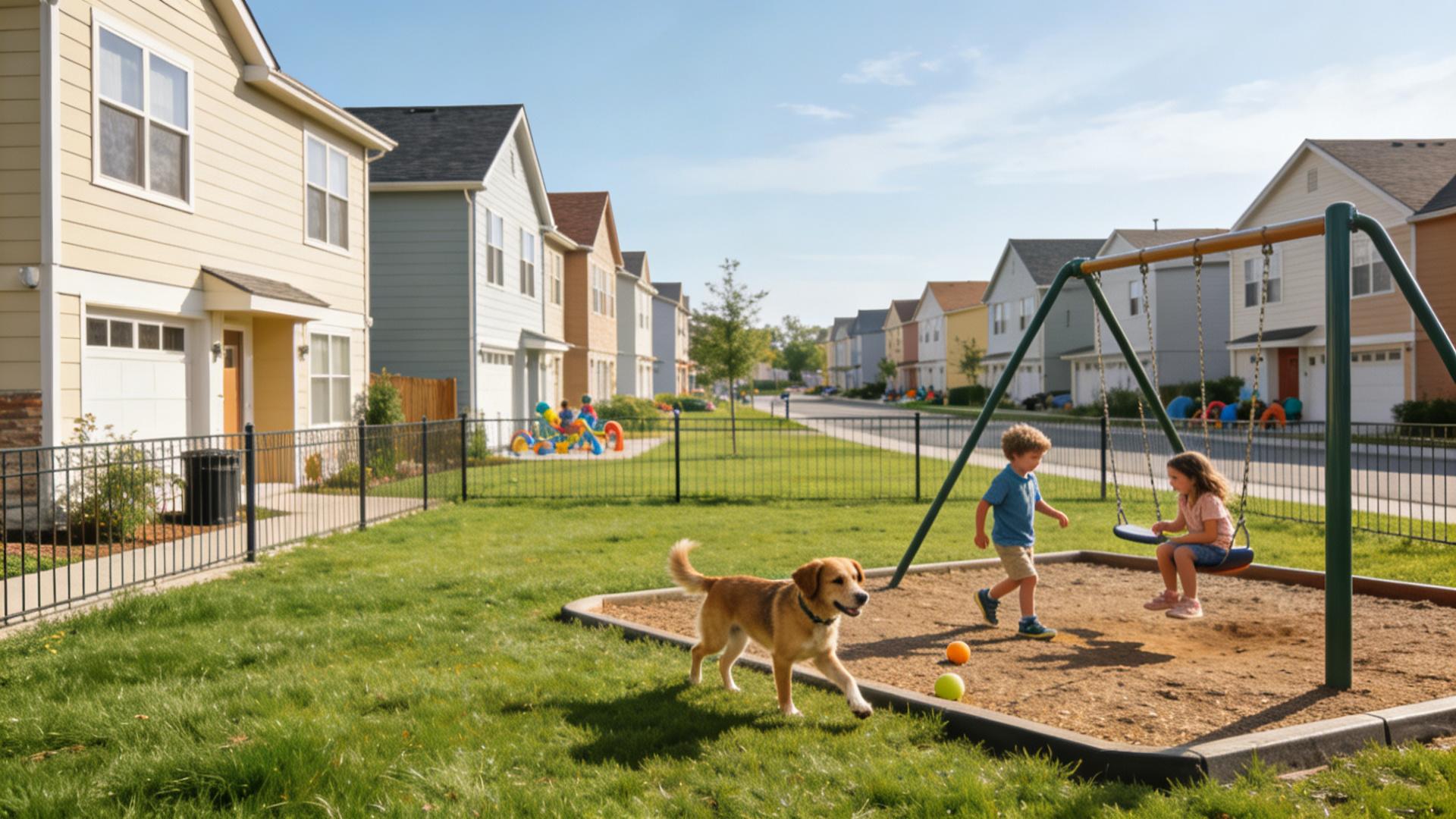
Concentrating waste in specific zones is the heart of effective pet waste management. It protects children's play areas, playgrounds, and high-traffic pedestrian zones from contamination. According to the Environmental Protection Agency (EPA), pet waste carries bacteria and nutrients that can pollute watersheds. By using grassy areas often set back from drains and waterways, you actively participate in sustainable dog walking. Furthermore, it demonstrates respect for neighbors who may not share your passion for pets, fostering a more tolerant and happier community environment.
The Canine Psychology: Clarity & Consistency
For your dog, a predictable routine reduces anxiety. When they learn that "grass time" always means a specific, permissible location to relieve themselves, it eliminates the confusion of where it's acceptable to go. This clarity is a gift to your dog, allowing them to relax and enjoy the walk, confident in their understanding of the rules. It's a critical component of outdoor dog training that builds mutual trust.
🔁 The Golden Rule: Establishing an Unshakable Routine
Canine learning is built on predictability. The first and most critical step in how to train dog on grass is establishing a rock-solid routine. Consistency is not just helpful; it is the entire foundation.
Implement a Schedule: Take your dog to your chosen designated grassy area at the same key times every day. The non-negotiable slots are:
• First thing in the morning.
• Immediately after every meal (within 10-15 minutes).
• Right before bedtime.
• And after prolonged periods of play or crating.
This schedule works with their biological rhythms, making success more likely and accelerating the formation of reliable dog bathroom habits. Stick to this for a minimum of two weeks to cement the pattern.
🎯 Speak Their Language: Choosing and Using a Command
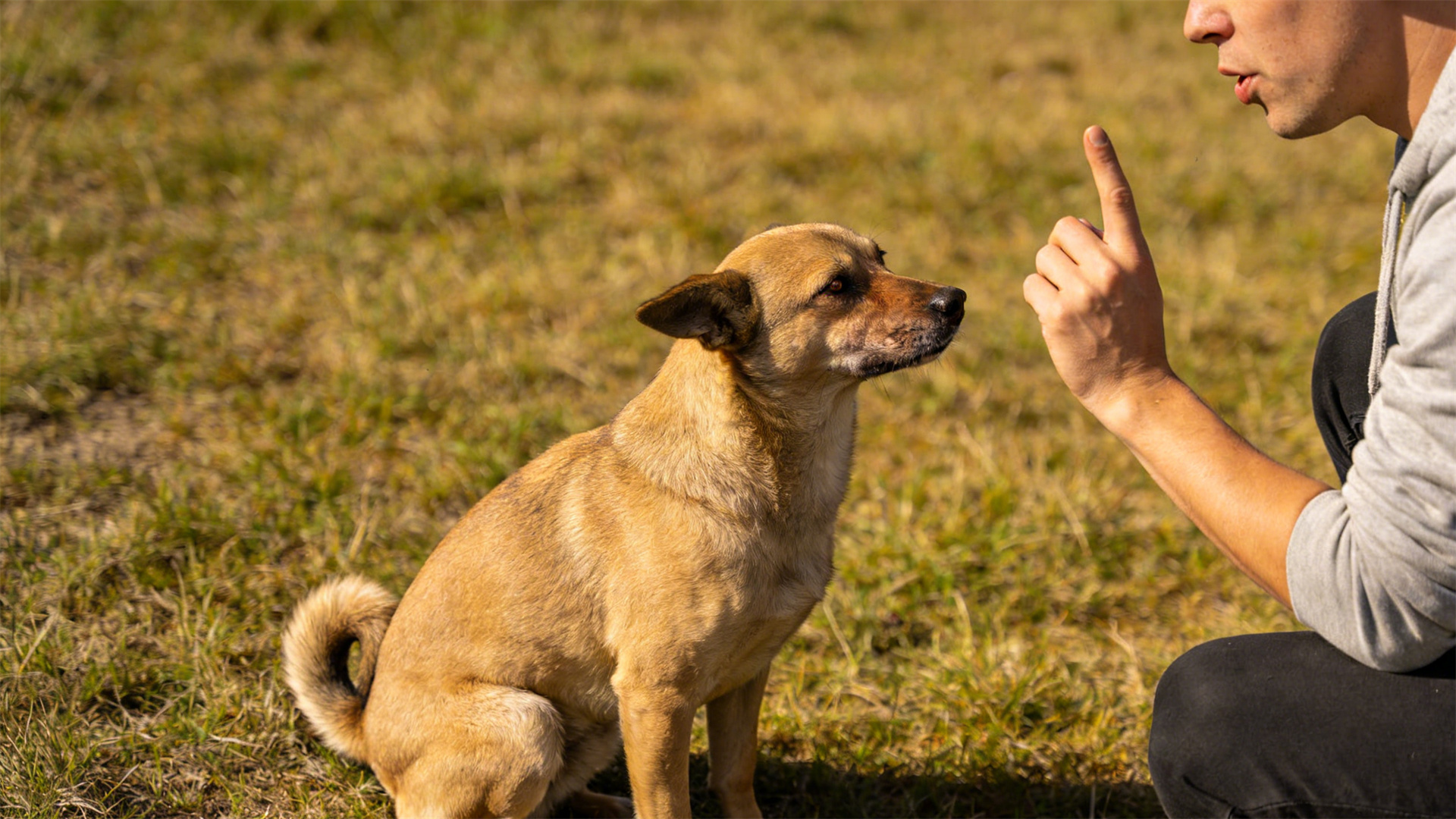
Verbal cues bridge the communication gap. Choose a short, unique phrase like "Go Potty," "Get Busy," or "Grass Time." The specific word matters less than your consistent, calm, and encouraging tone when using it.
How to Apply It: As you approach the designated spot, say your chosen command. Repeat it softly while they sniff and circle. The moment they begin to relieve themselves, say a quiet, affirming "good" to mark the exact behavior. After they finish, you can offer more enthusiastic praise. This links the command directly to the action, a fundamental technique in dog potty training.
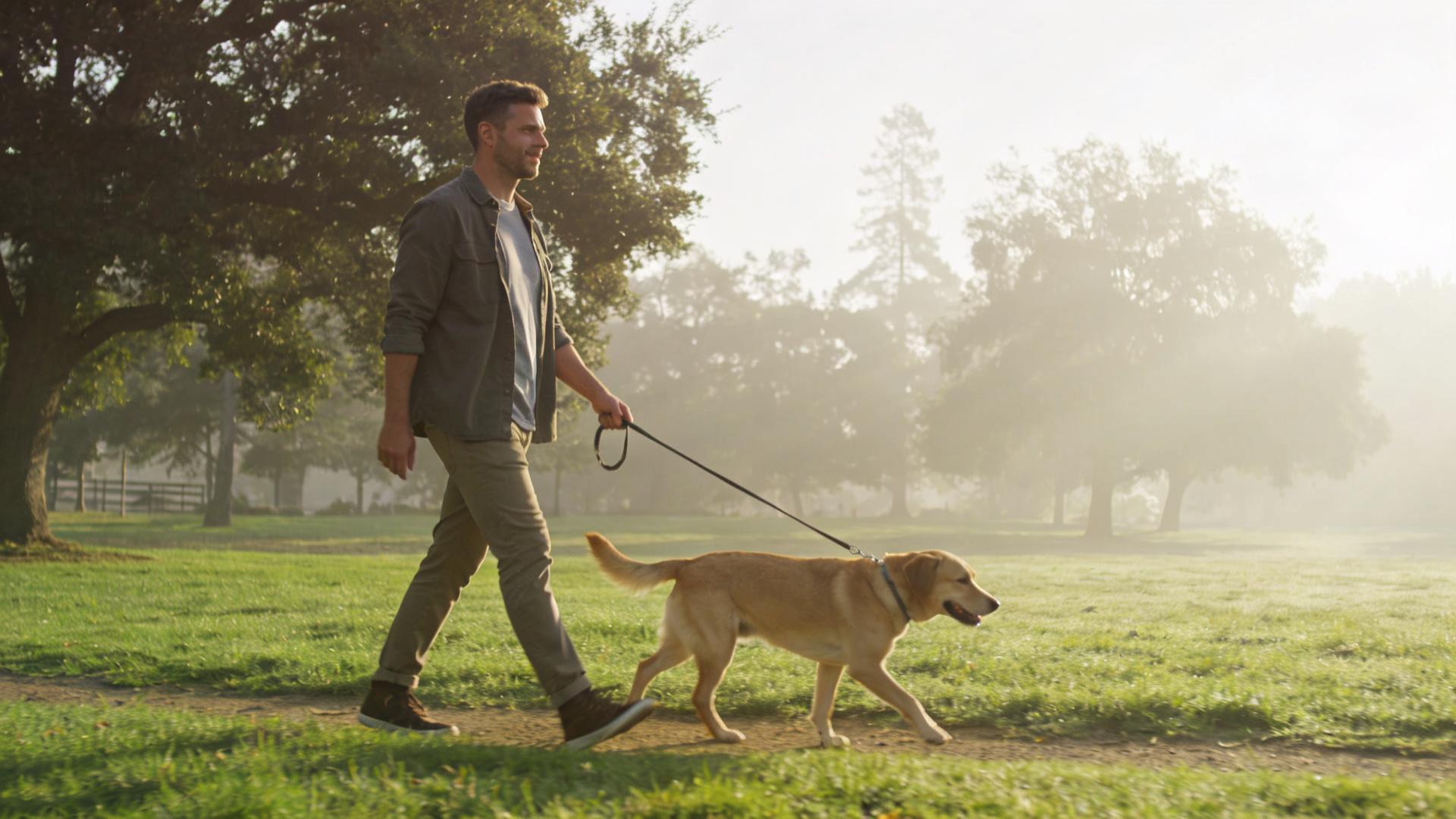
🧭 Leash as a Guide, Not a Restraint: The Art of Leash Guidance
During the initial training phase, a 4-6 foot leash is your primary teaching tool. This is leash training for potty breaks.
The Process: Upon arriving at your building's exit or the park entrance, keep your dog on a short lead. Gently but firmly guide them directly to the grassy area. Avoid letting them wander or sniff other spots en route. Once on the grass, allow them a longer lead to sniff, circle, and find the perfect spot. Patience here is non-negotiable. Rushing or distracting them will backfire. This practice teaches them that the walk's first mission is the designated area.
🌟 The Magic Maker: Positive Reinforcement
This is the engine of learning. Positive reinforcement means rewarding the behavior you want to see repeated, making your dog eager to comply.
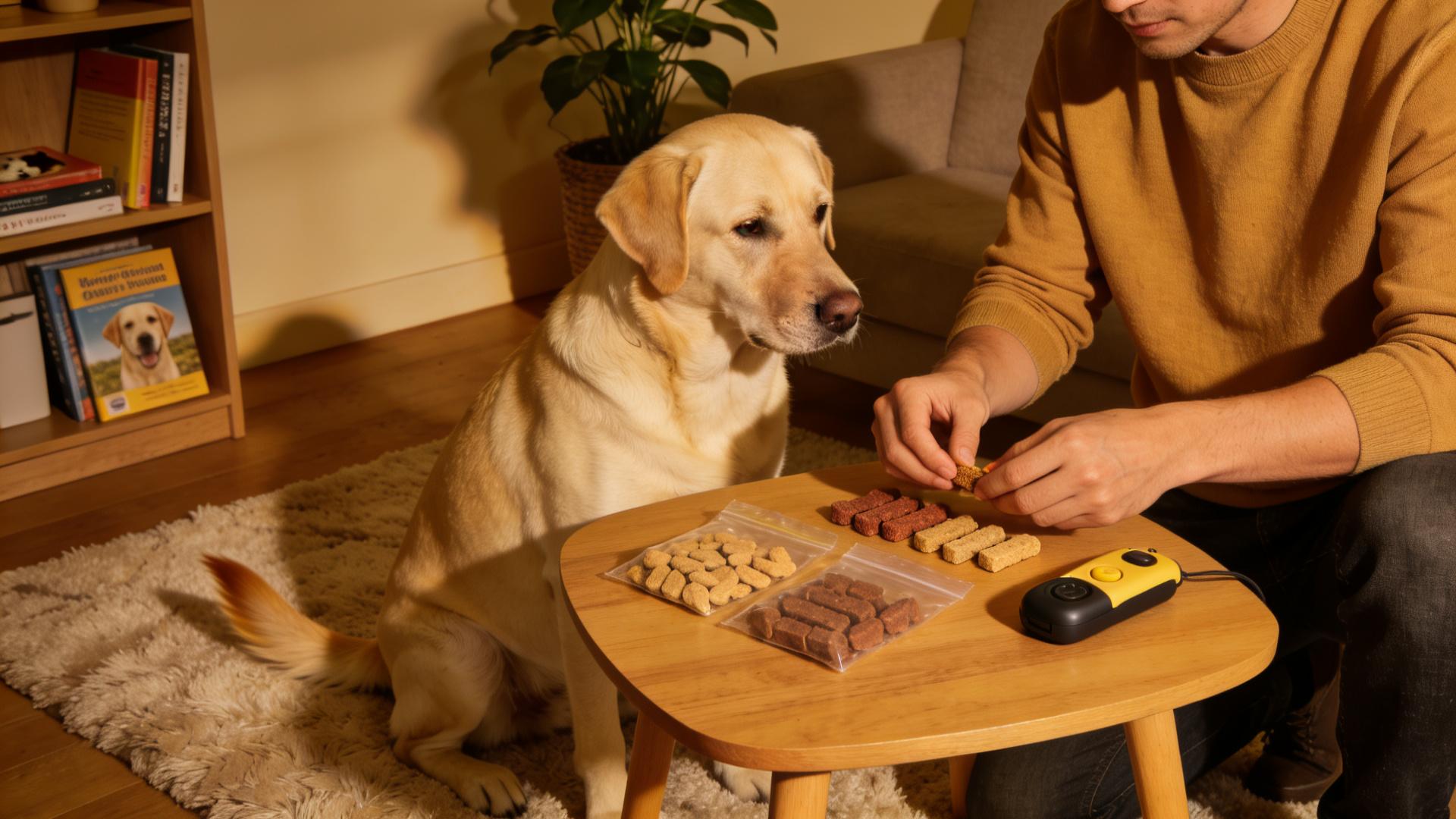
Immediate Reward System: The reward (a high-value treat, enthusiastic praise, or a favorite toy) must be given within 1-2 seconds of them finishing. This creates a powerful positive association: "Going on the grass makes amazing things happen!" For food-motivated dogs, carry a dedicated "potty treat" that they only get for this specific success. This method is the most effective way of encouraging dog to go on grass.
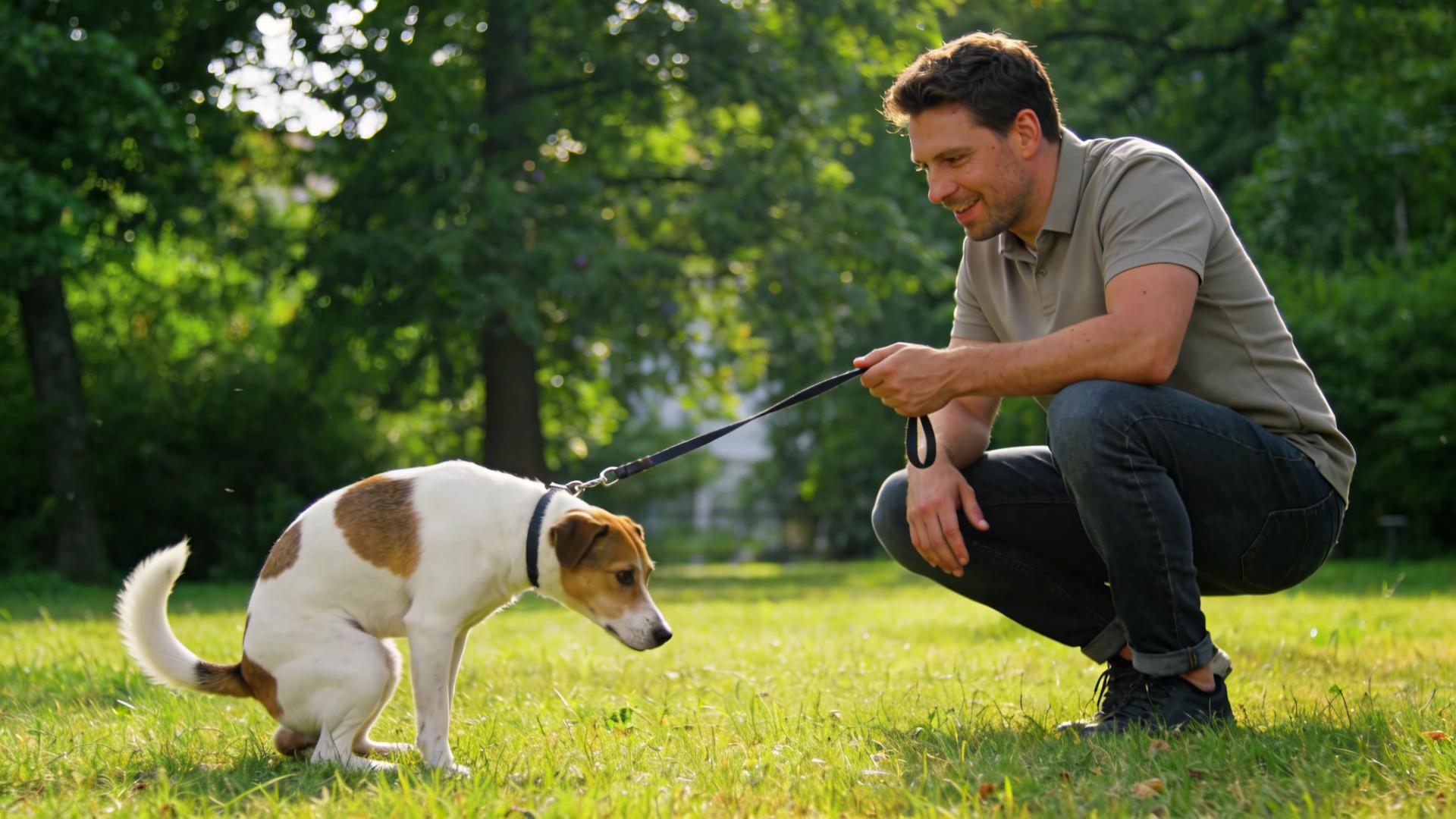
🔍 Become a Detective: Monitoring for Pre-Relief Signals
Every dog displays subtle (or not-so-subtle) signs before they need to go. Your job is to become an expert in your dog's unique body language.
Common Signals Include: Intense, focused sniffing of the ground (different from casual exploration), sudden pacing or circling, whining, restlessness, or even moving toward a previously used (but undesired) area. The moment you observe these signs, calmly but swiftly use your leash and command to guide them to the designated grassy area. This proactive intervention is a key civilized dog walking tip that prevents accidents.
💢 Handling Setbacks: Managing Accidents with Grace
Accidents will happen. They are not failures but learning opportunities—for you.
Special Reminder: Never scold or punish your dog after the fact. They cannot connect your anger to an action that occurred minutes ago. Punishment only creates fear and anxiety, which can lead to hiding to eliminate or other behavioral issues.
The Correct Protocol: If you catch them in the act, interrupt with a neutral sound like "Oops!" or a clap. Immediately lead them to the correct grassy spot. If they finish there, praise and reward. Then, meticulously clean the accident site with an enzymatic cleaner designed to eliminate odor molecules. This is vital to remove scent markers that might attract them back to that spot.
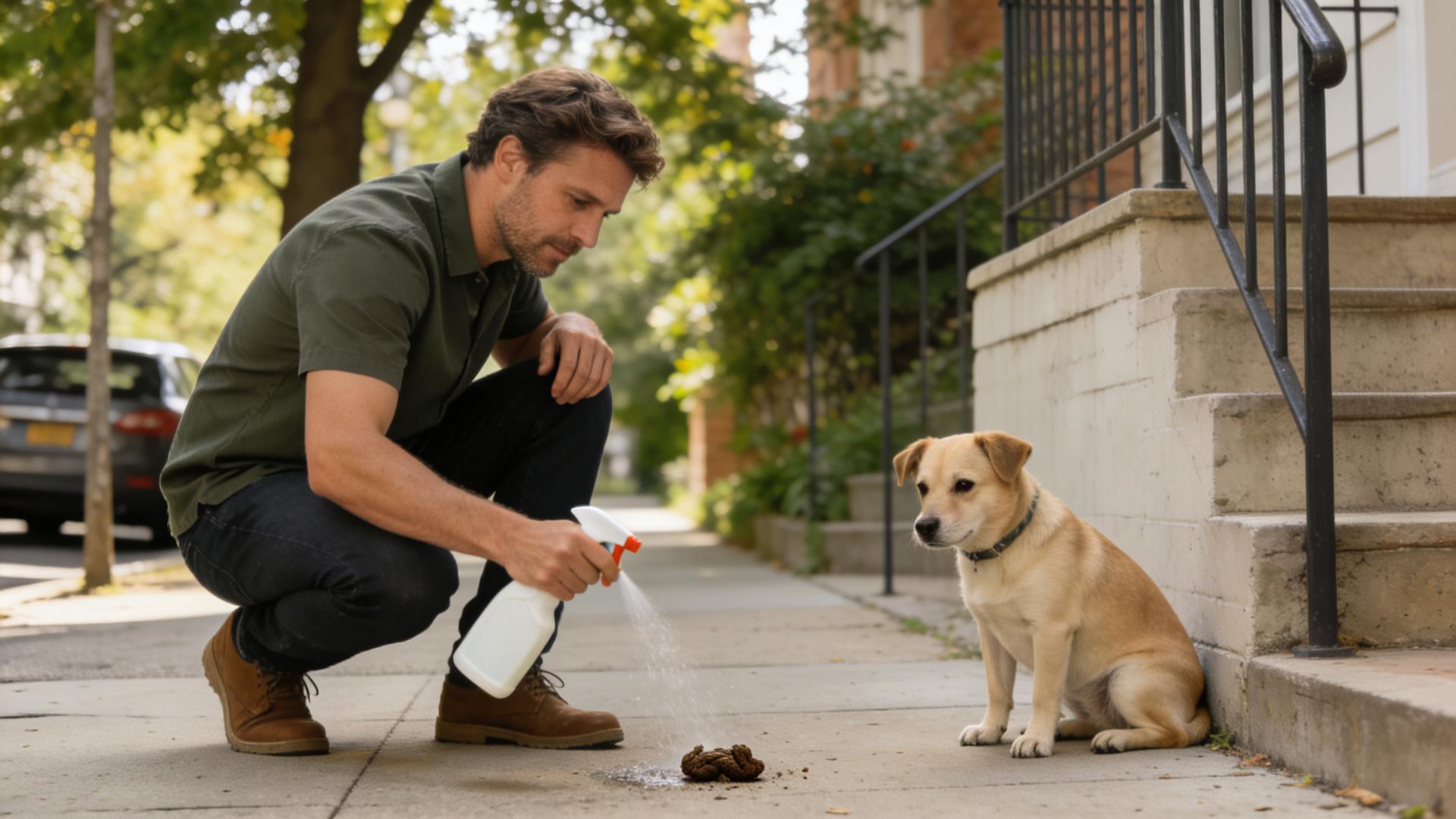
👃 For the Hesitant Pup: Incorporating Scent Attraction
Some dogs, especially in new environments, may be unsure about using a novel grassy spot. In these cases, you can use scent to your advantage.
Consider using a pet-safe grass attractant spray, available at most pet stores. A light spritz on the target area can pique their curiosity and encourage investigation and use. You can also (if hygienic and safe) bring a small soiled paper towel from a previous successful outing to deposit on the new grass, providing a familiar, reassuring scent cue.
♻️ The Final, Critical Step: Maintain Impeccable Cleanliness
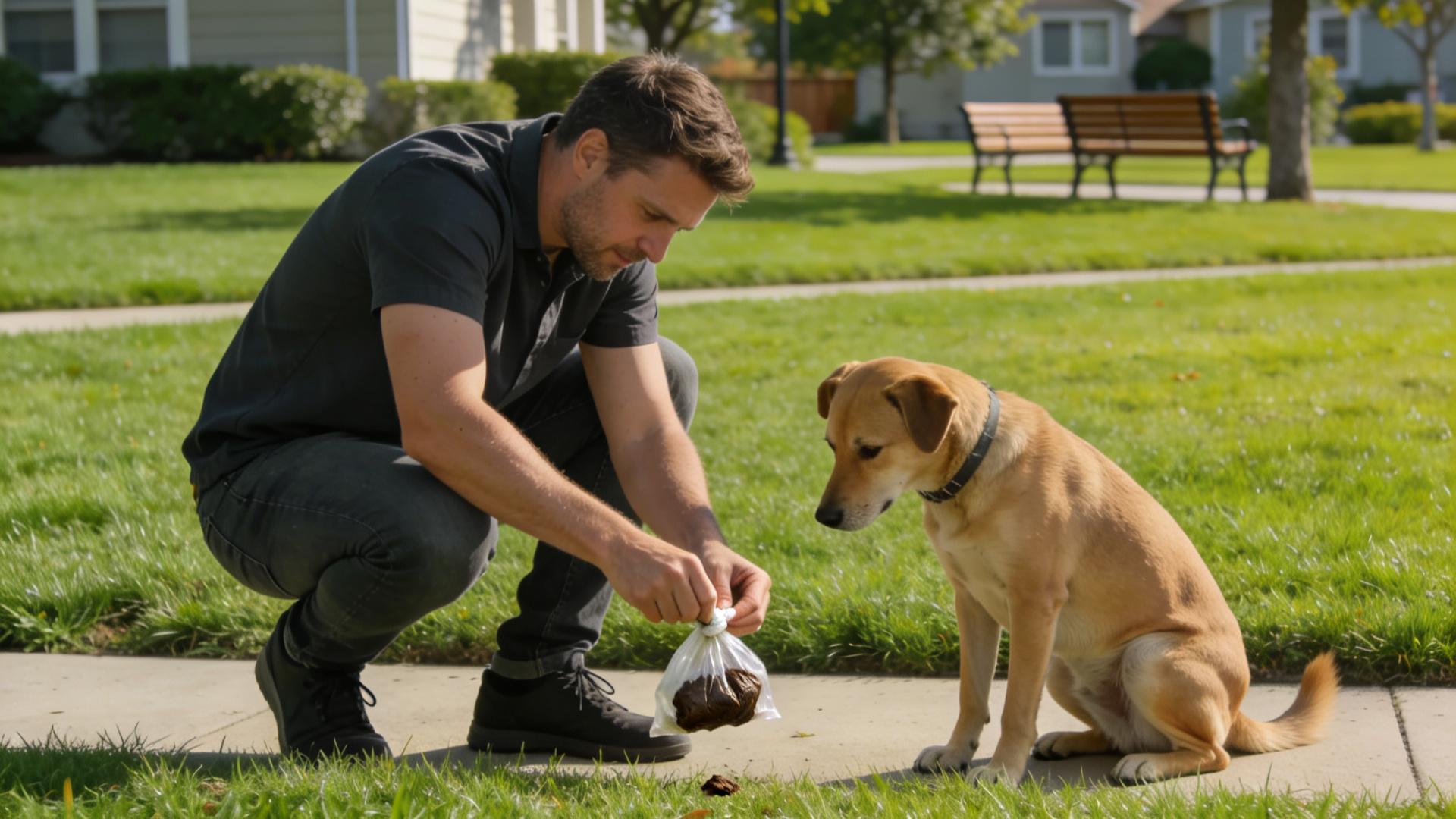
Training your dog to use the grass is only half of responsible dog ownership. The other half is prompt cleanup. Always, without exception, carry waste bags.
Cleaning up immediately serves multiple purposes: it reinforces that the grassy area is for temporary relief, not a permanent toilet; it keeps the area sanitary for other dogs and people; and it sets a powerful example, promoting broader community dog walking guidelines. It is the ultimate act of sustainable dog walking.
🌍 Generalizing the Behavior: Mastery in Any Setting
Once your dog is 95% reliable at your home spot, begin practicing in other designated grassy areas—at friends' houses, different parks, or on travel. This teaches them to generalize the command and behavior.
The Method: Use the exact same command and reward system. Be extra patient and generous with rewards in new environments. This flexibility is the pinnacle of mastering designated relief areas and is essential for stress-free urban dog walking.
✅ Conclusion: The Path to Harmonious Walks
Training your dog to relieve itself in designated grassy areas is an act of care—for your pet, your neighborhood, and the environment. It requires an investment of time, patience, and consistency, but the returns are immense: cleaner public spaces, stronger community bonds, and a more enjoyable, stress-free walking experience for you and your canine companion. By embracing these dog walking best practices, you elevate the simple dog walk into a demonstration of respect and responsibility. Start today, and transform every walk into a step toward a more civilized, happier community.