Welcome to the pinnacle of canine partnership. This is not pet training. Level three competitive dog skills demand a fundamental mindset shift from owner to handler, from companion to teammate. Here, we operate in the realms of precision, unwavering reliability, and flawless performance under intense pressure. This article is your definitive guide to advanced competitive canine training, designed for those preparing for titling events, competitive trials, or deploying dogs in critical professional roles. The journey requires dedication, expertise, and a dog that has transcended basics.
🚀 The Level 3 Mindset: Precision, Partnership, and Pressure
The leap to level three work skills for dogs is profound. It moves beyond compliance to seamless communication. Your dog is no longer simply obeying commands; it is reading subtle body language, anticipating sequences, and problem-solving independently. The handler's role evolves into that of a coach and strategist. Every exercise is measured in milliseconds and millimeters. Success in dog competition preparation level three hinges on this symbiotic partnership, where trust and clarity are paramount. Failure is not an option in search and rescue or detection work, and this same standard applies to the competition ring.
📋 Non-Negotiable Prerequisites: Is Your Dog Ready?
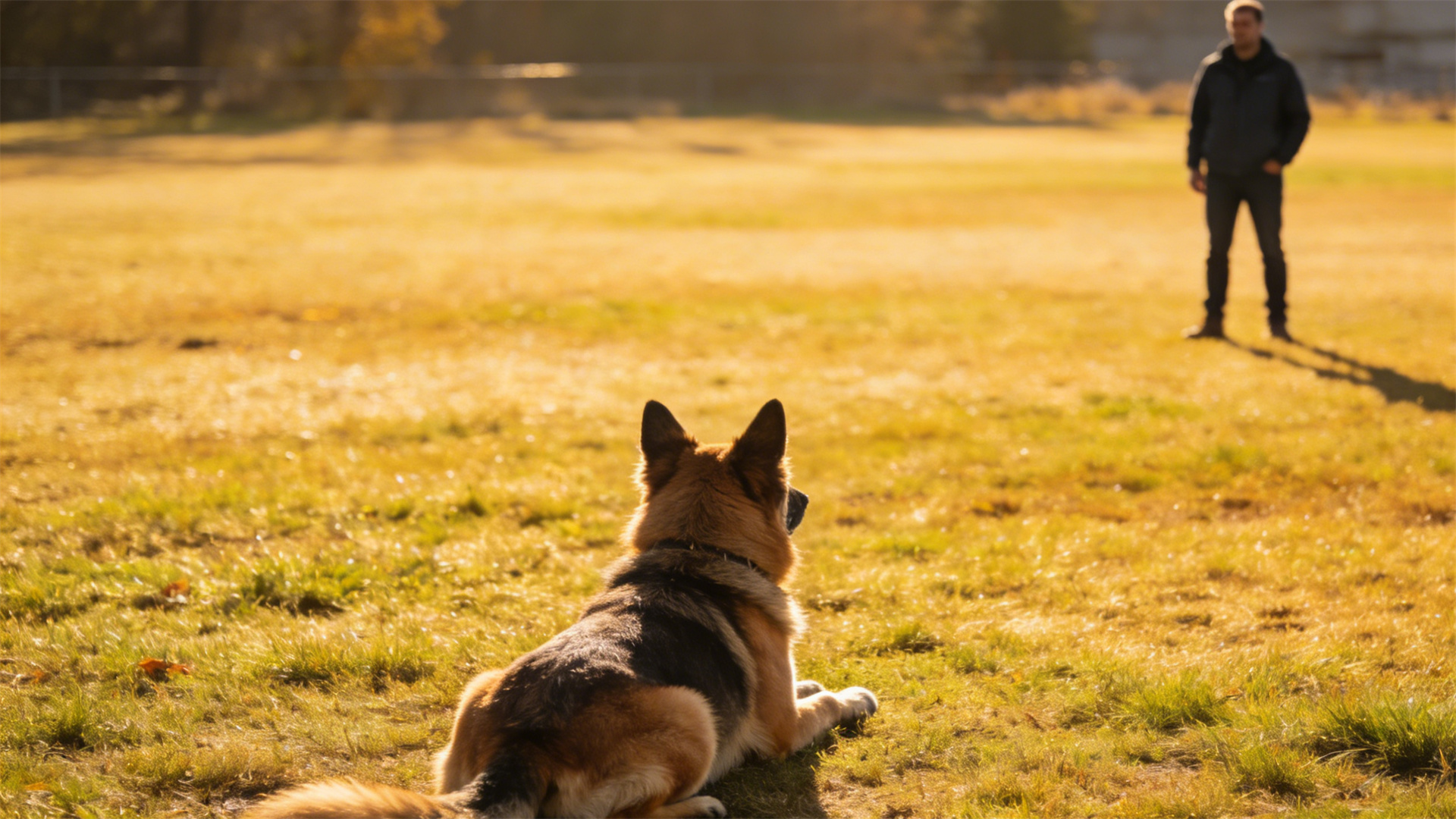
Attempting these skills without a rock-solid foundation is a disservice to your dog and a guarantee of frustration. Before embarking on advanced obedience trials or protection sports foundation work, your dog must demonstrate mastery of the following. Consider this your audit list. The dog must perform all intermediate skills with immediate, joyful response, off-leash, at a distance of 30 feet, with mild environmental distractions present. Core commands include: a flawless auto-sit in heel position; a instantaneous down from a full run; a solid, motionless stand for examination; a focused heel through turns and pace changes; a reliable recall over obstacles; and a sustained down-stay of at least five minutes with you out of sight. Behavioral standards mandate zero aggression toward people or dogs, no anxiety in novel environments, and a high-drive, cooperative attitude toward work.
🎯 Skill Category Breakdown: The Domains of Excellence
Level 3 skills are specialized. We categorize them into primary domains of competition and work. Each domain requires unique training methodologies and end-goals. Mastery in one area does not confer skill in another; a top agility dog is not automatically a skilled detection dog. However, the core principles of clear communication, proofing, and reinforcement transcend all domains.
🥇 Competitive Obedience: The Art of Precision
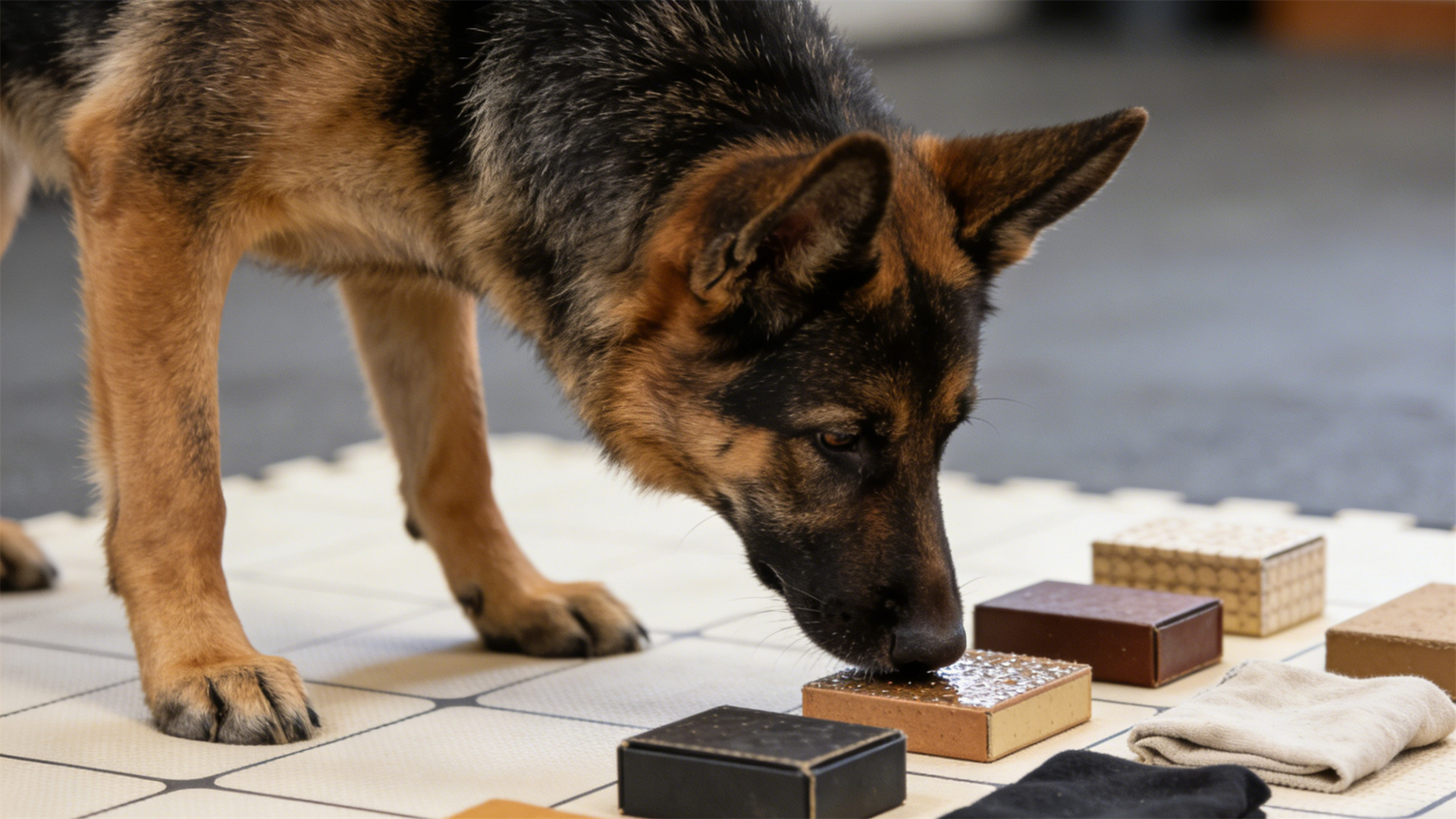
Here, we refine basic exercises to an extreme level of perfection for events like AKC Utility or UKC OBJR. This is the heart of advanced obedience trials. Key skills include the Scent Discrimination exercise, where the dog must identify and retrieve a single article bearing the handler's scent from a group of identical articles. Training employs shaping to build the dog's confidence in seeking and indicating the correct scent. The Directed Retrieve involves sending the dog to one of three designated gloves based on a silent arm signal. This is typically taught via back-chaining, starting with the final behavior of picking up the glove. The Directed Jumping exercise requires the dog to take a specific jump (bar or high) on command from a distance, a skill built through progressive distance and directional cues.
⚡ Agility and Sport: Speed, Accuracy, and Handling
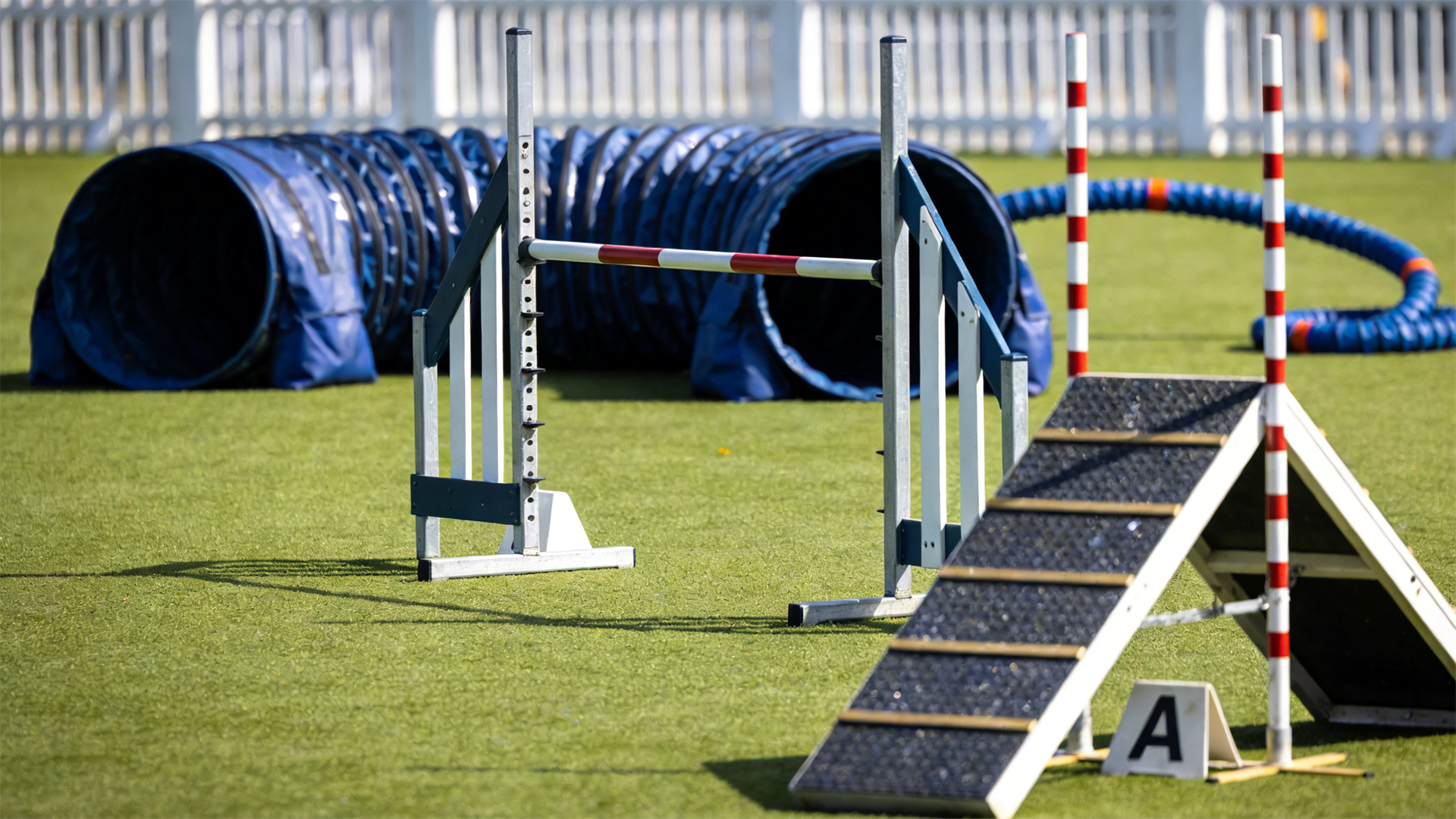
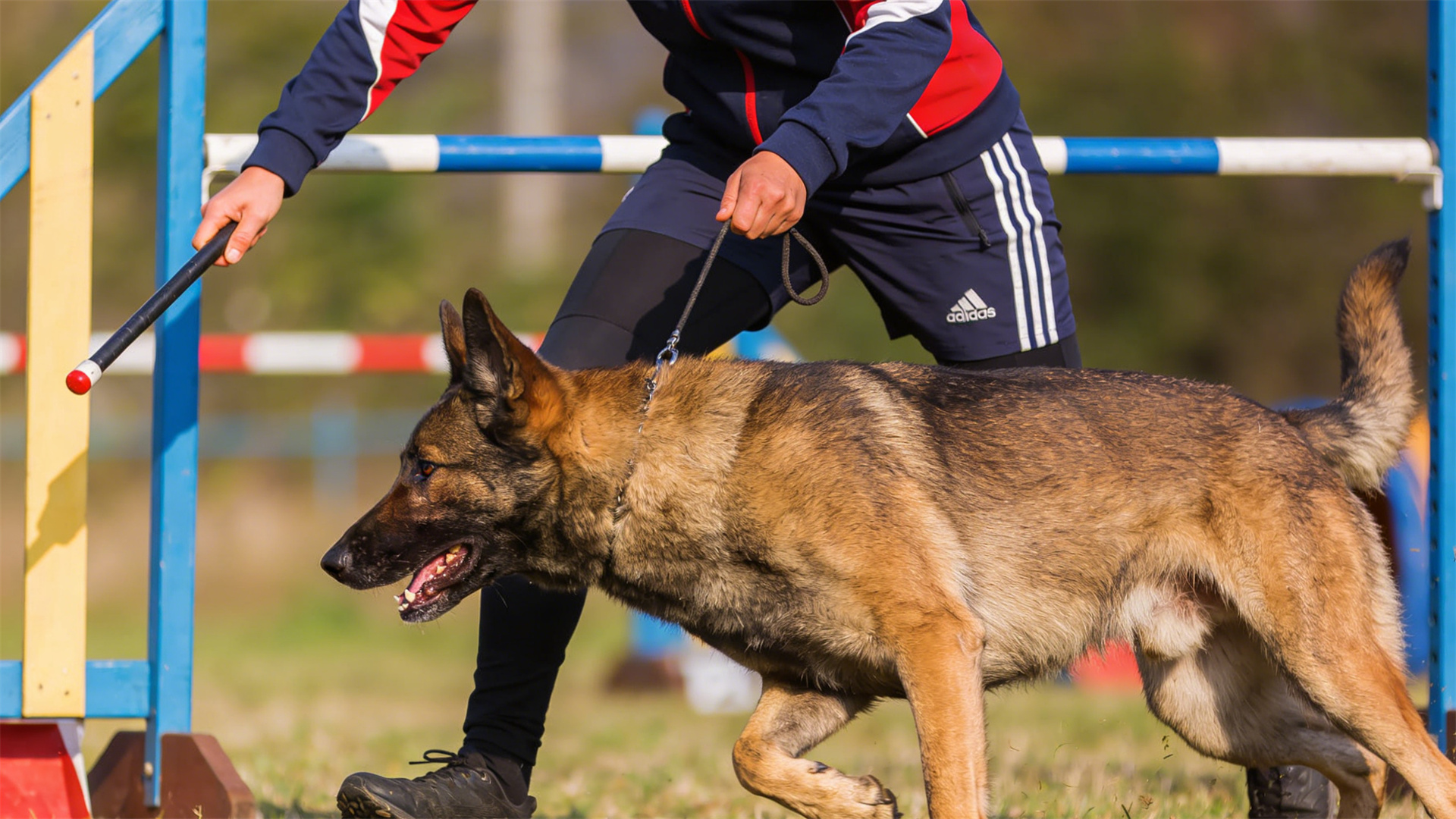
Canine agility advanced training focuses on complex handling sequences, independent obstacle performance, and shaving seconds off course time. Skills move beyond simply navigating equipment. We train advanced maneuvers like the Reverse Spin (a tight 180-degree turn) and the Blind Cross (a handler crossing behind the dog's line). The purpose is optimal path efficiency. Methodology involves breaking down entire courses into manageable sequences, using consistent verbal and physical markers for each obstacle entry and exit. Proofing involves running sequences with intentional handler errors to teach the dog to commit to the obstacle regardless of the handler's position.
👃 Scent Work and Detection: Harnessing the Canine Nose
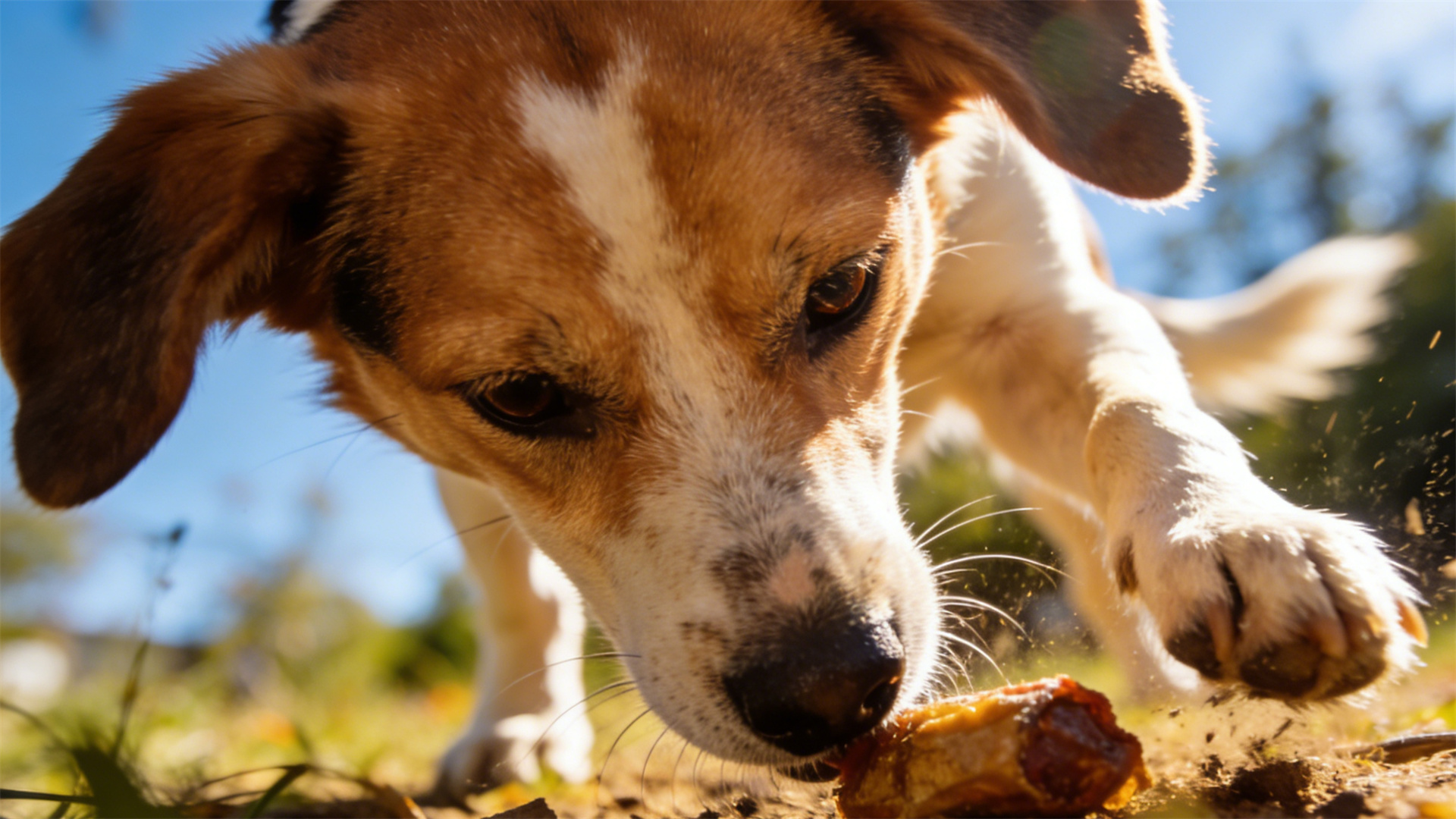
This category covers everything from sport K9 Nosework to professional search and rescue dog advanced skills and explosive detection. The skill set shifts from simple scent finding to alert finalization—a clear, passive indication like a sit or down at the source. For tracking, tracking dog advanced skills include negotiating contaminating cross-tracks and indicating articles dropped by the tracklayer. Step-by-step training for detection involves pairing the target odor with a high-value reward to create a conditioned response, then systematically increasing odor accessibility (from open containers to closed vessels) and environmental complexity. The dog learns to search methodically, whether in a room, vehicle, or open field.
🛡️ Protection Sports Fundamentals: Control and Courage
Often misunderstood, reputable protection dog training level three within sports like Schutzhund/IGP is about extreme control, not aggression. The foundation is a confident, stable temperament. Key skills include the Bark and Hold, where the dog must vigorously guard a neutral helper without biting, and the Controlled Escape, where the dog pursues and apprehends a fleeing helper only on command. Training methodology is highly structured and should never be attempted without an experienced decoy. It involves building intense prey and defense drives, then channeling them into precise on/off switches. Every bite is on a sleeve or suit, and the out command is the most critical skill of all.
🤝 Service Task Specialization: Reliability in Public
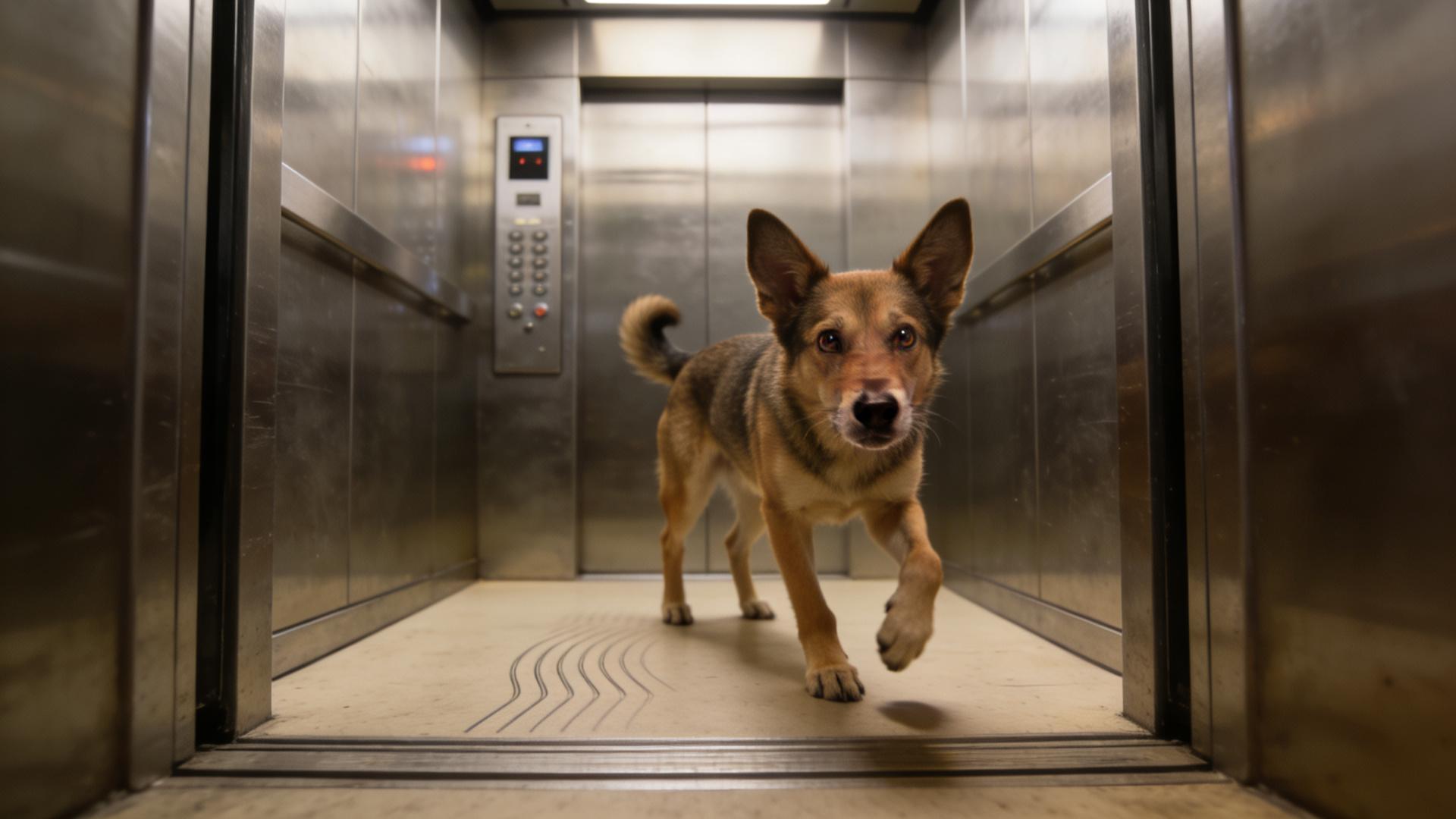
For service dogs, professional dog work skills involve complex chains of behavior tailored to a handler's disability. This could include retrieving specific medications, providing momentum for balance, or performing deep pressure therapy during anxiety episodes. Training uses task analysis—breaking the end goal into tiny, teachable steps. For example, teaching a dog to open a refrigerator involves shaping nose touch to a handle, then adding a tug, then adding the door swing. Proofing for public access is non-negotiable, ensuring the dog works calmly amidst crowds, elevators, and loud noises.
🌀 Proofing and Distraction Training: Forging Ironclad Reliability
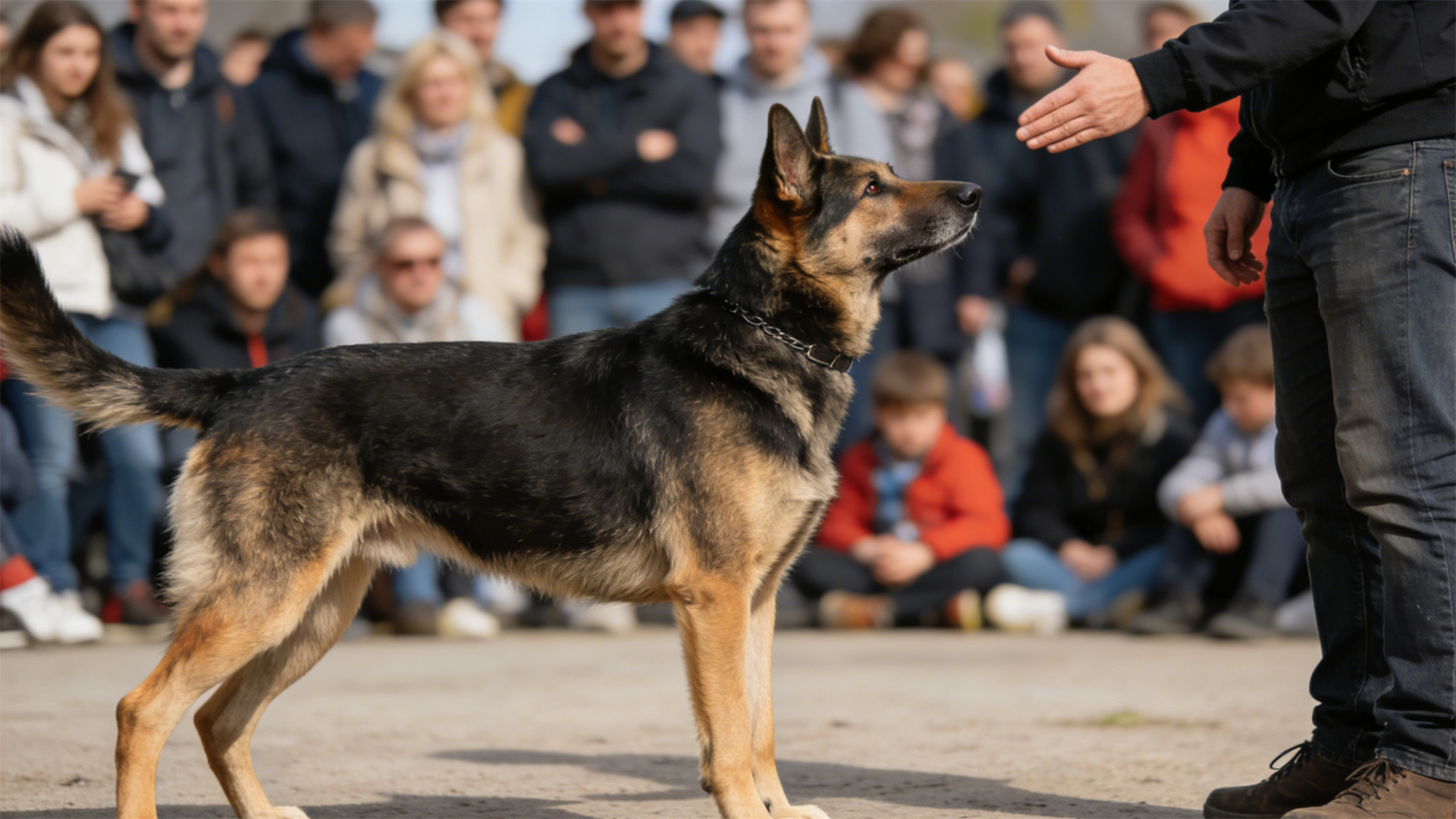
This is where advanced training separates itself. Proofing is the systematic process of adding challenges to a known behavior to strengthen it. For dog sports competition skills, this means training under intense environmental, social, and auditory distractions. Start with mild distractions at a distance and gradually increase intensity as the dog succeeds. Environmental proofing includes working on unstable surfaces, near water, or in high-wind conditions. Social proofing involves performing heeling patterns amidst other dogs playing or people eating. Auditory proofing uses recorded sounds of crowds, gunshots (for field trials), or machinery. The goal is for the dog to perceive the distraction as a cue to focus even more intently on the handler. Never correct the dog for noticing a distraction; instead, redirect and reward focused attention.
🔧 Equipment and Regulations: The Tools of the Trade
Advanced work often requires specialized gear. In obedience trials level three, you'll need precise, regulation-sized jump equipment and scent articles. For canine agility advanced training, invest in adjustable jumps, weave poles, and a secure pause table. Detection work requires odor kits containing target scents like birch, anise, or clove for sport, or certified training aids for professional work. Protection sports mandate bite sleeves, suits, and proper agitation equipment. Critically, you must understand the governing body rules for your chosen sport—the AKC, UKC, FCI, or NASDS have strict guidelines on equipment, procedures, and scoring. Ignorance of regulations can lead to disqualification. For herding dog training level three, specific types of livestock and pens are required.
⚖️ Safety and Ethics: The Responsible Handler's Mandate
Special Reminder: The power and precision developed at this level come with immense responsibility. Canine welfare is the absolute priority. Always end training on a success. Watch for signs of stress or shut-down. Never use punishment-based methods that break a dog's spirit; we build confidence, not fear. For protection-related skills, this is non-negotiable. Only train with certified clubs and instructors. Legal considerations are paramount; a dog trained in bite work is a liability if not under perfect control. Public safety and the reputation of the sport depend on ethical training practices. Canine behavior modification level three should always be guided by positive reinforcement and a deep understanding of dog psychology.
🏆 Conclusion: The Summit of Partnership
The path of level three competitive dog training is challenging but infinitely rewarding. It leads to titles like OTCh, MACH, or Schutzhund III, and more importantly, to dogs that can find the lost, protect the vulnerable, and provide unparalleled independence. It forges a bond that is nearly telepathic. Your journey does not end here. To achieve working dog certification level three, you must seek out the community. Join a certified training club, find a mentor, and immerse yourself in the culture of your chosen discipline. The precision, the joy, the teamwork—this is the ultimate expression of the human-canine bond. Now, go train with purpose.