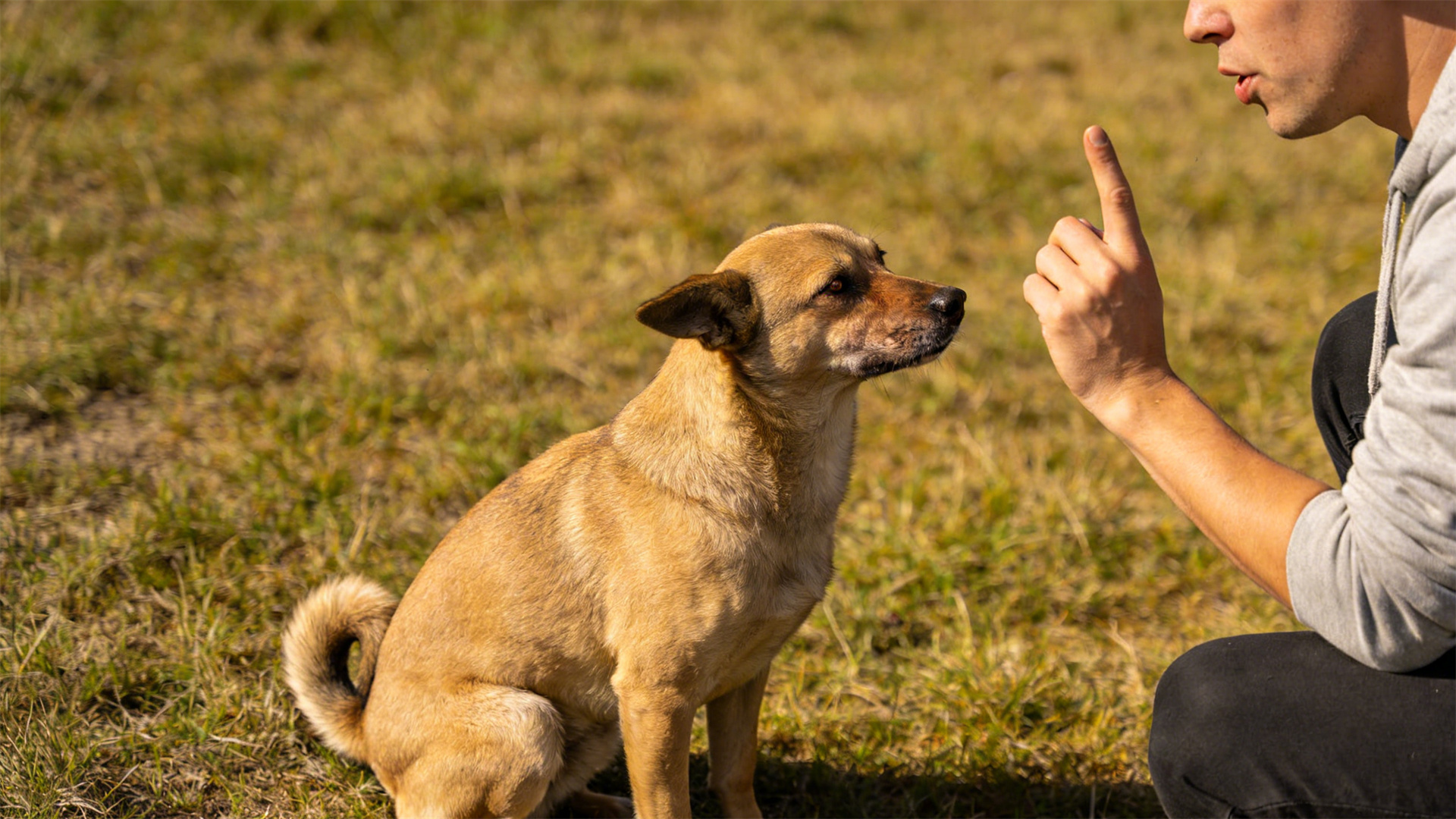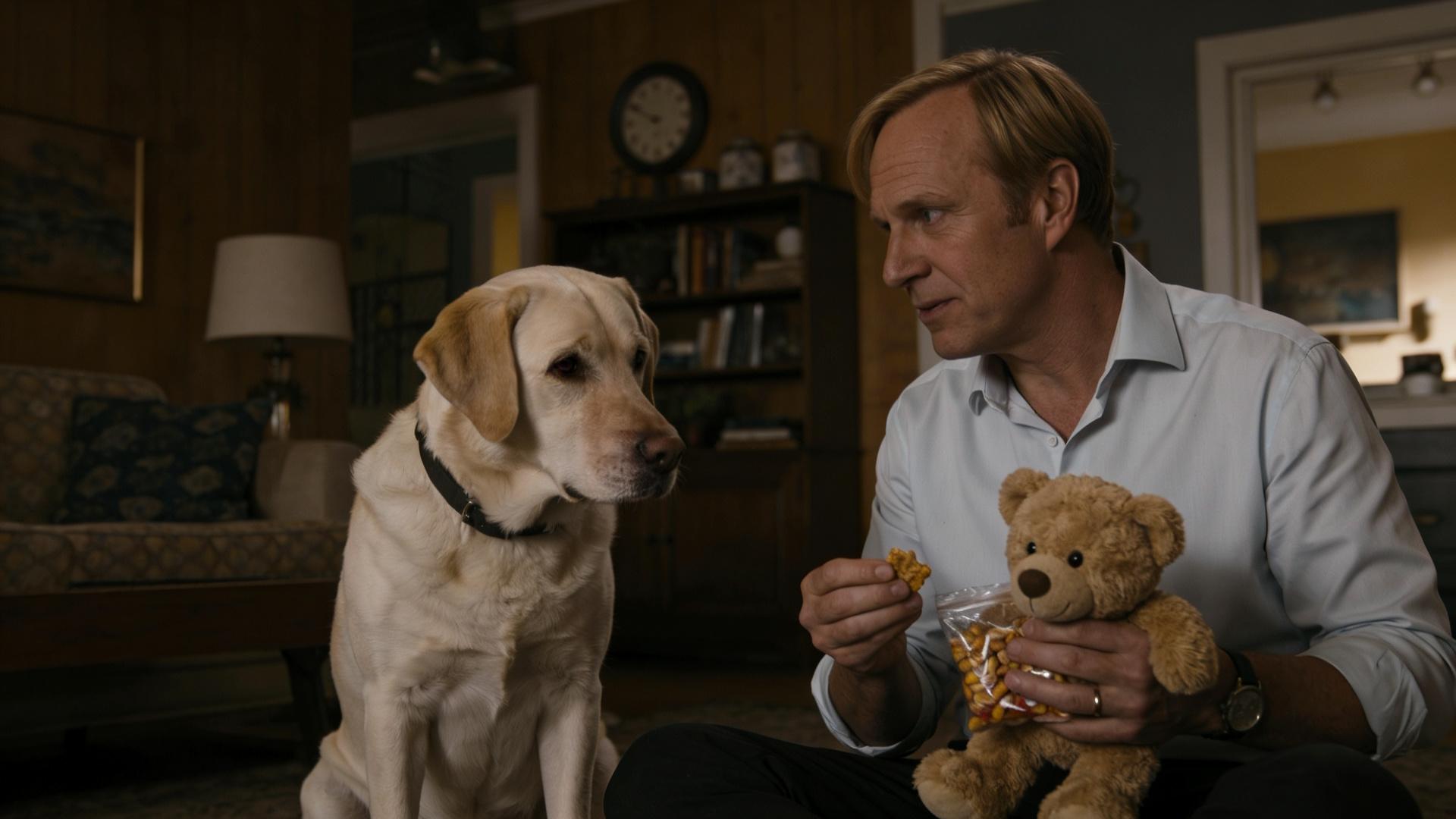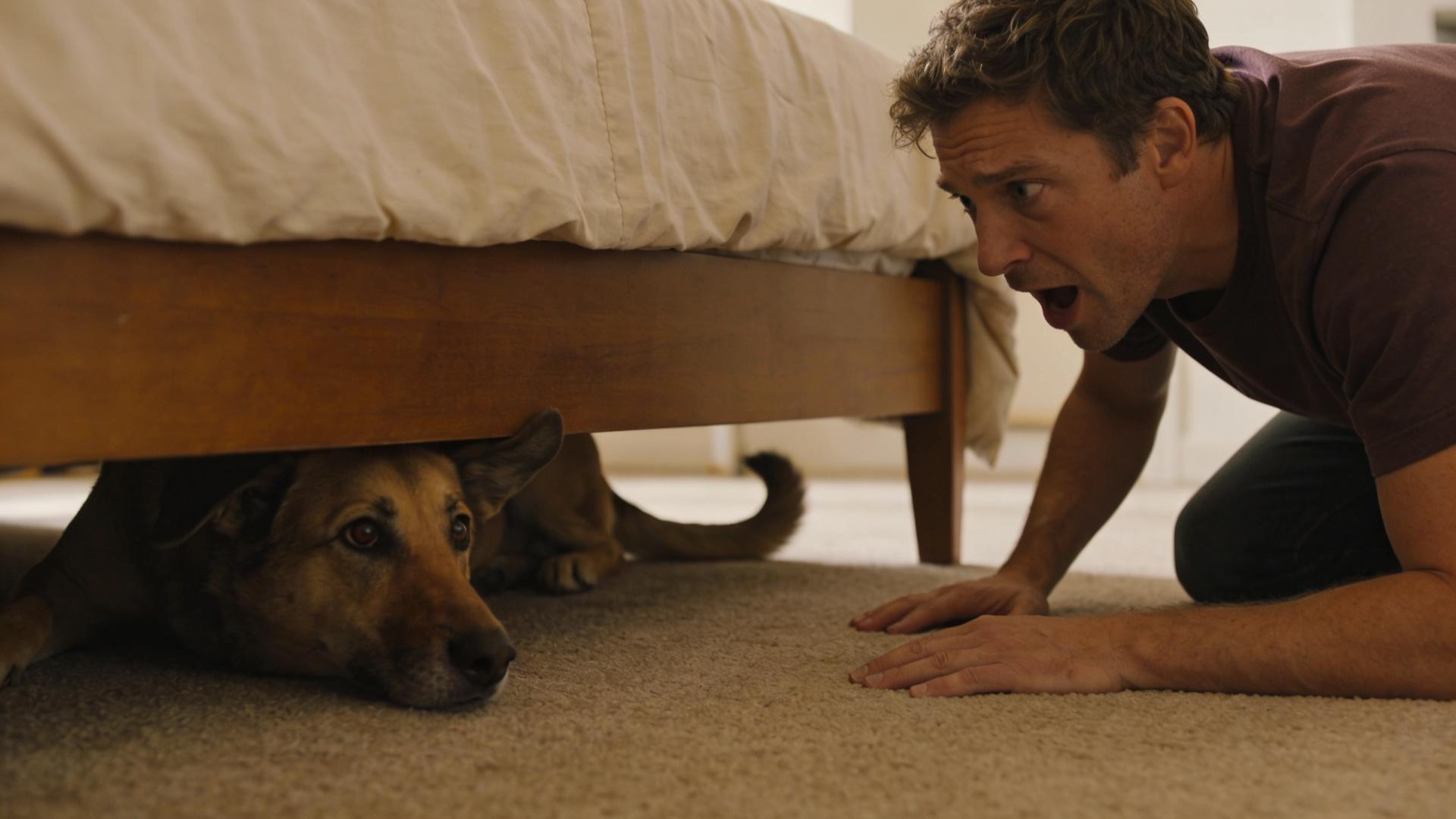
Does your dog dive under the bed at the mere mention of a bath? You're not alone! But what if bath time could be filled with wagging tails and happy splashes? Welcome to the world of happy bath training—a systematic, positive approach designed to transform grooming from a stressful ordeal into a fun, trust-building activity. This comprehensive guide will equip you with proven techniques to help your dog not only tolerate but genuinely enjoy water and blow-drying. Embracing happy bath time is a game-changer for your dog's health and your peace of mind. Let's turn that fear into fun! 🐾
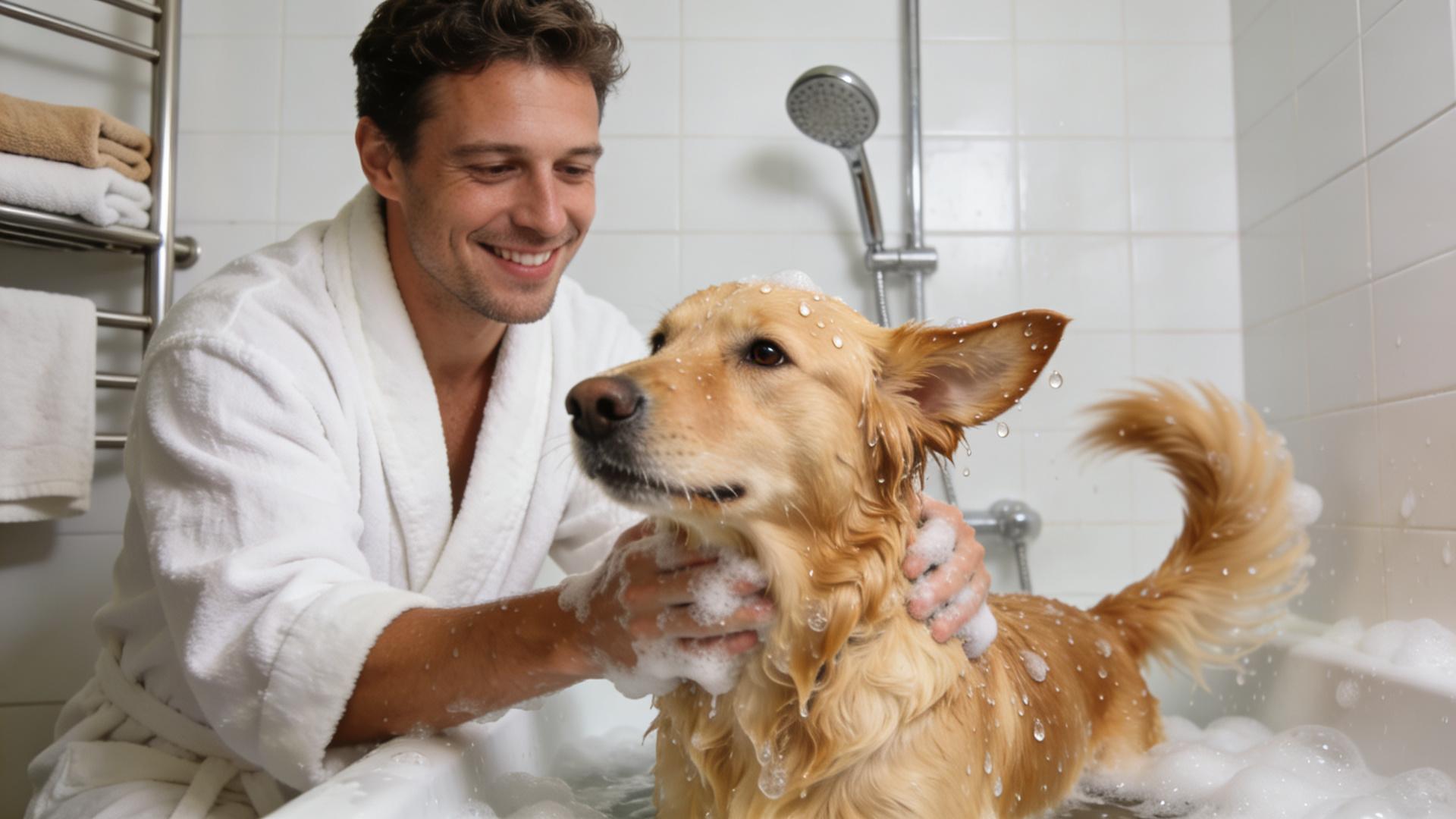
🚀 Introduction: The Power of Positive Grooming Experiences
Fear of bathing and drying is incredibly common in dogs, often stemming from a lack of early, positive exposure or a single scary experience. The good news? This fear is highly manageable with patience and the right strategy. Effective dog bath training goes beyond just getting your dog clean; it's about fostering dog grooming cooperation through trust. Studies show that dogs subjected to force-free, reward-based training exhibit up to 70% lower stress hormones during handling. By investing in canine bath desensitization, you're not just making your life easier—you're significantly enhancing your dog's emotional well-being and strengthening your bond.
💧 Phase One: Building a Love for Water – Step-by-Step Desensitization
The journey to a happy bath begins far from the tub. This phase focuses on creating rock-solid positive associations with water, laying the foundation for all future water play for dogs.
🔹 Step 1: Foundation & First Impressions
Start in a calm, familiar room. Place an empty tub or basin on the floor with a non-slip mat inside. Let your dog investigate freely, scattering their favorite treats inside and around it. The goal is to make the tub itself a treasure trove of good things. This is the cornerstone of positive reinforcement bath training.
🔹 Step 2: The Magic of Dampness
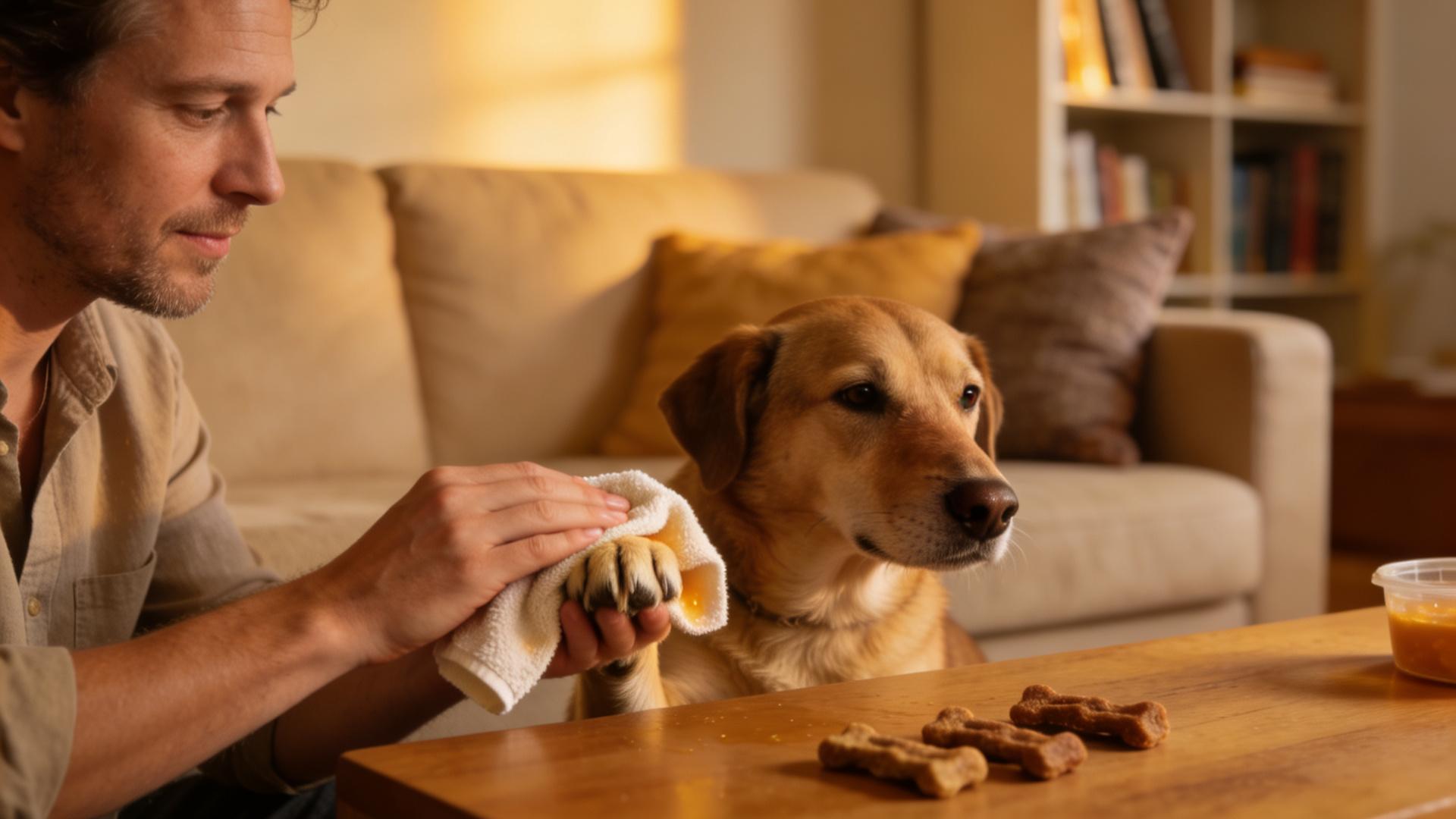
Once your dog is comfortable, introduce minimal moisture. Use a warm, wet washcloth to gently stroke your dog's back and paws while offering high-value treats like diced liver or cheese. Gradually progress to a spray bottle set to mist, pointing it away from your dog at first, then lightly misting their feet. Always pair the sensation with praise and treats. This method directly addresses how to get my dog to like baths by breaking down the experience into non-threatening steps.
🔹 Step 3: Shallow Water Adventures
Add just an inch of lukewarm water (around 38°C/100°F) to the basin. Encourage your dog to step in using a trail of treats or by placing a beloved, waterproof toy inside. Keep sessions short (2-3 minutes) and supremely positive. If your dog shows hesitation, revert to the previous step. This gradual exposure is key for dog afraid of water.
Pro Data Point: A 2022 study in the Journal of Veterinary Behavior found that dogs introduced to water in graded steps over 2 weeks showed a 89% increase in voluntary interaction with water sources.
🛁 Phase Two: Transforming Bath Time into Play Time
Now that your dog is comfortable with water, it's time to move to the actual bathing area. The mission here is to make bath fun for dog by integrating play, choice, and continuous reinforcement.
🔸 Step 1: The Invitation Station
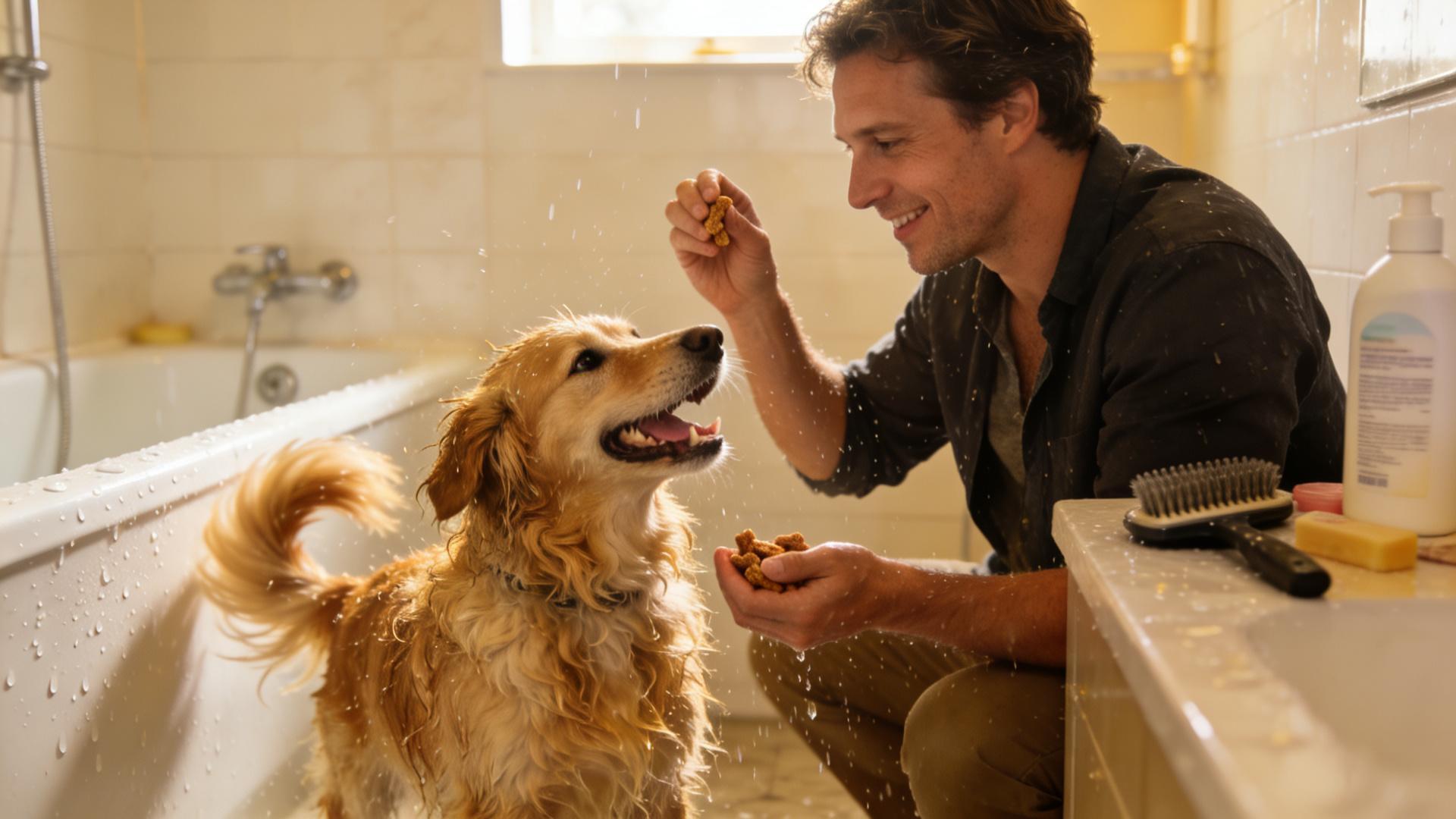
Transform your bathroom into a party zone! Have all supplies—dog shampoo, towels, toys—within reach. Use a secure, non-slip mat in the tub. Lure your dog into the dry tub with an extra-special treat, like a peanut butter-filled Kong, and let them enjoy it there without water. This builds a positive "check-in" habit.
🔸 Step 3: Lather, Rinse, and Reward
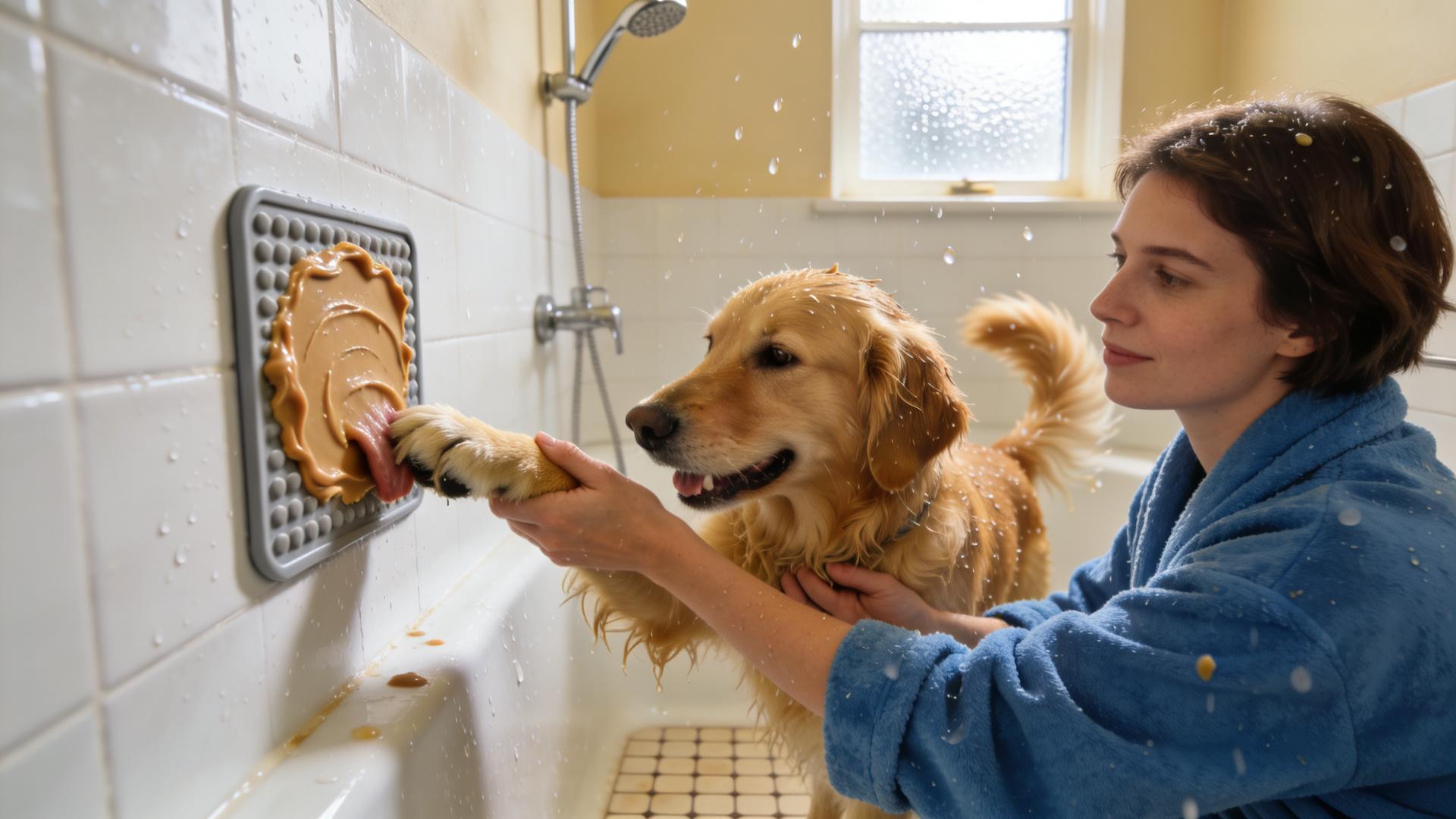
When introducing shampoo, use a gentle, canine-formulated product. Apply it with soothing, massage-like strokes. To keep your dog distracted and happy, use a best treats to use during dog grooming: a lick mat smeared with wet food suctioned to the wall of the tub. Rinse with a handheld sprayer using a soft, rain-like setting, continuously praising your dog.
Special Reminder: Never pour water directly over your dog's head or ears. Use a washcloth to carefully clean the face and head area to prevent water from entering the ear canal, which can lead to infections.
🌬️ Phase Three: The Gentle Art of Blow-Dry Acclimation
The sound, sensation, and wind of a hair dryer can be terrifying. Blow dry training for dogs requires even more patience than water introduction, but the payoff—a fully dry, fluffy, and calm dog—is immense.
🔻 Step 1: Sound Desensitization from a Distance
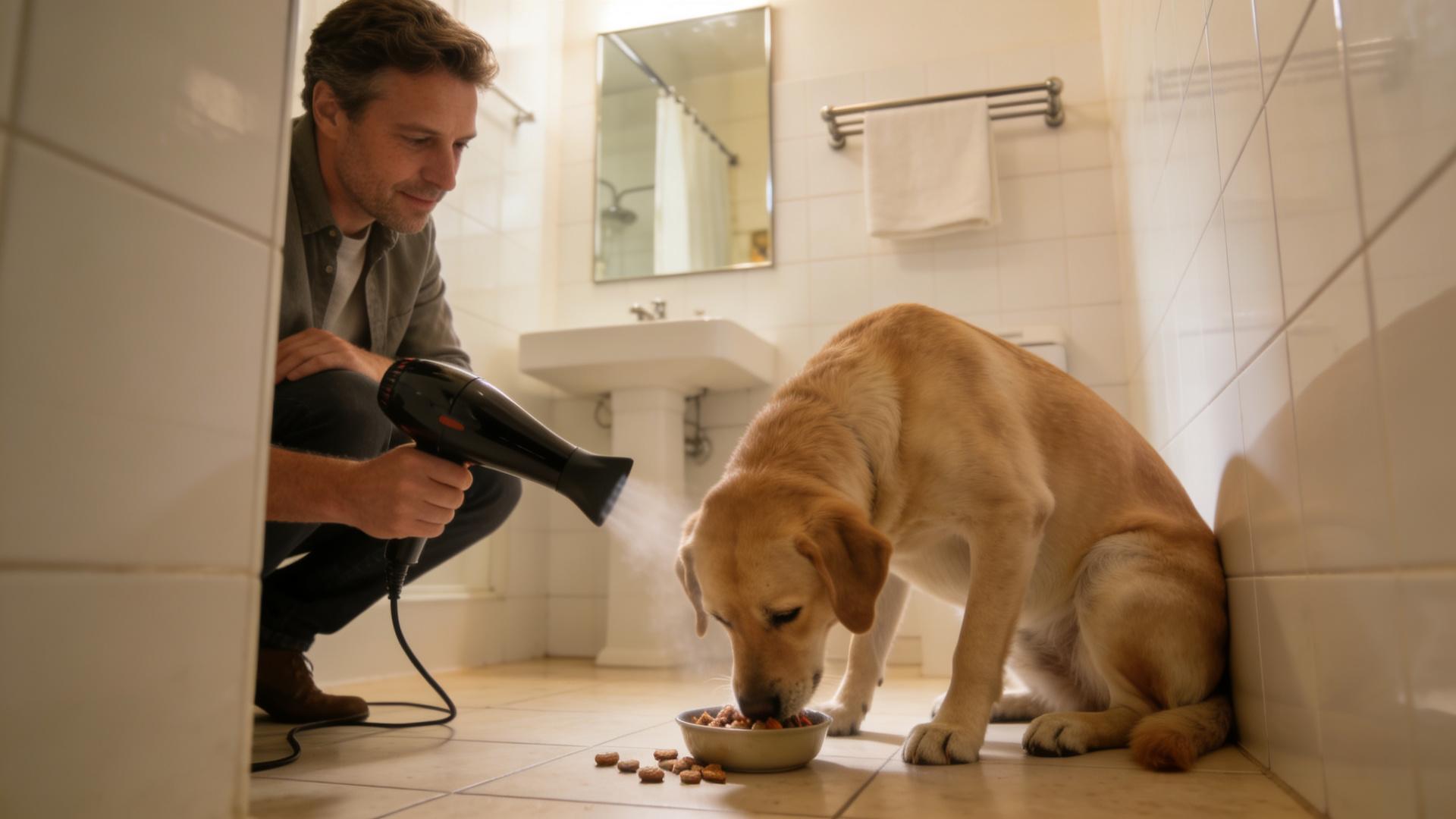
Begin with the dryer unplugged. Let your dog sniff and investigate it, rewarding with treats. Next, plug it in but don't turn it on. Then, start the dryer in another room with the door closed, while playing a fun game or feeding your dog dinner. Gradually, over multiple sessions, bring the dryer (still on) closer. This process is essential for introducing a puppy to the hair dryer sound or rehabilitating a fearful older dog.
🔻 Step 2: Feeling the Breeze
With the dryer on the coolest, quietest setting, point it away from your dog at a distance of several feet. Toss treats to your dog as the air flows in their direction. Slowly decrease the distance over days, always letting your dog's comfort level guide you. This is the core of techniques to blow dry a nervous dog.
🔻 Step 3: Integrated Drying Sessions
Once your dog is relaxed with the dryer nearby, gently use it on their damp coat. Use a nozzle to concentrate airflow and keep it moving continuously to prevent heat concentration. Combine this with gentle brushing—a technique that aids in reducing dog shedding with calm blow drying. Keep initial drying sessions to 30-60 seconds, followed by a jackpot reward.
📈 Advanced Tips & Troubleshooting Common Setbacks
Even with perfect technique, you may hit snags. Here’s how to problem-solve like a pro.
⚠️ Scenario: My Dog Panics and Tries to Escape the Tub.
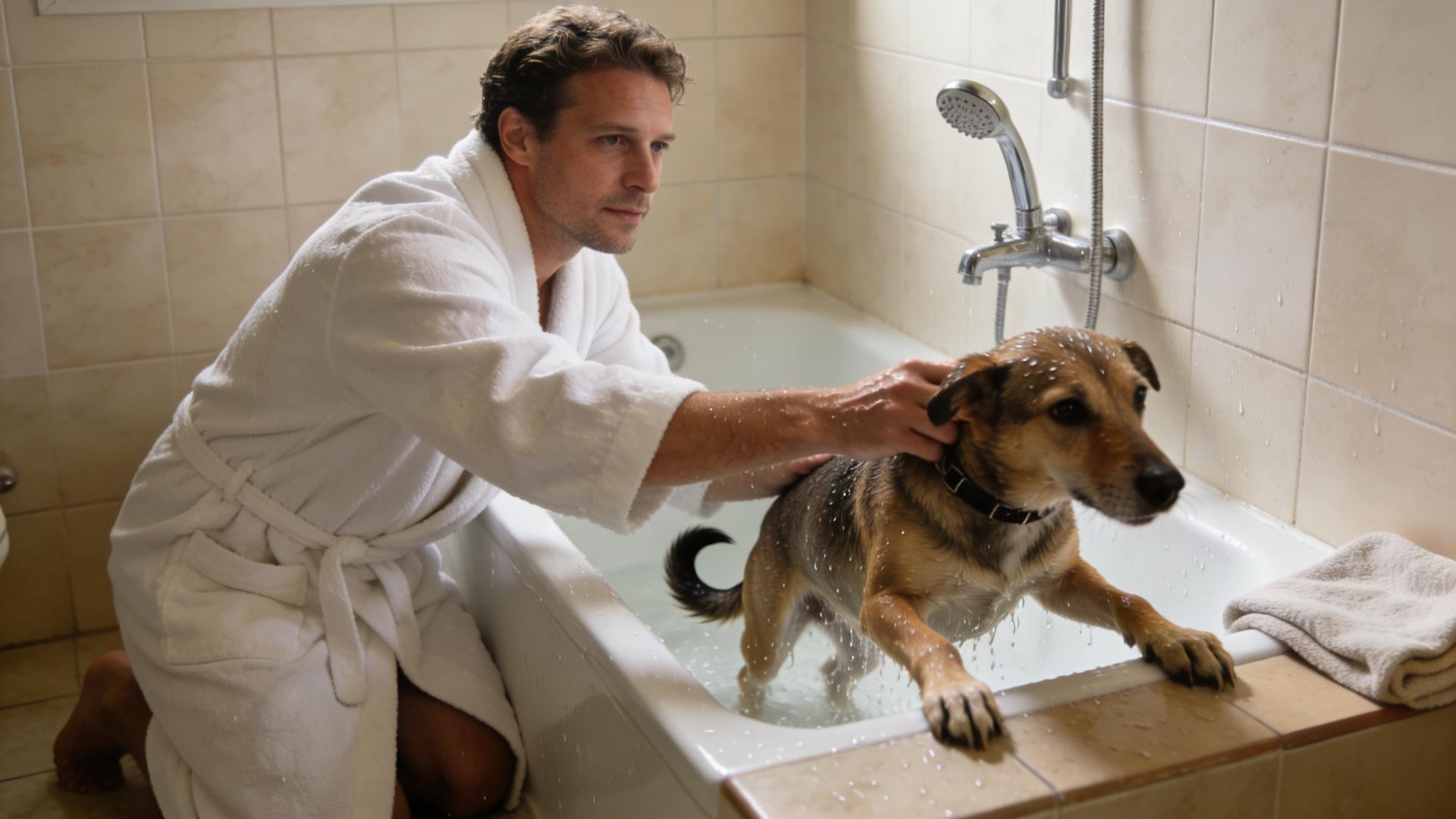
Solution: Go back to basics. Ensure you are using a non-slip mat for security. Consider using a grooming tether or harness for safety, but never leave your dog unattended. Practice more "dry runs" where you place your dog in the tub, feed a fantastic meal, and let them hop right out. Build duration slowly.
⚠️ Scenario: My Dog Shakes and Hides at the Sight of the Dryer.
Solution: This indicates the previous steps were rushed. Return to sound desensitization. You can also try a counter-conditioning protocol: show the dryer (turned off), give an ultra-high-value treat, then hide the dryer. Repeat until your dog looks at you expectantly when they see the dryer, anticipating the treat.
Key Insight: For severe anxiety (dog afraid of hair dryer), consider using a high-velocity dryer designed for dogs, as they often have a more consistent, less startling sound than human hair dryers. Alternatively, master the towel-dry method as part of how to dry your dog without stress.
🎯 The Long-Term Payoff: A Lifetime of Stress-Free Grooming
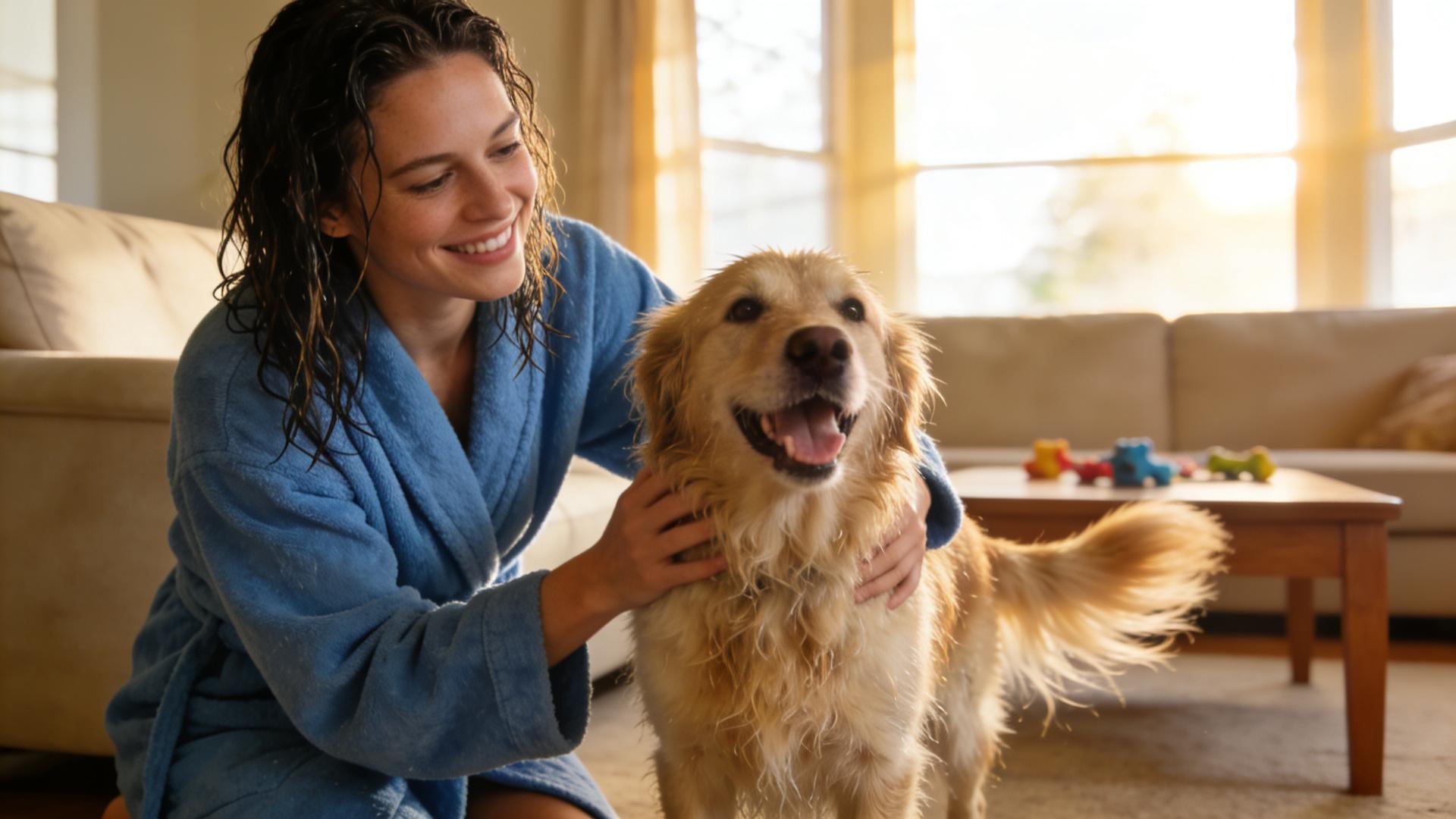
Committing to happy bath training is an investment with incredible returns. A dog who sees grooming as a positive experience is easier to care for, has healthier skin and coat, and enjoys a deeper bond with you. Remember, consistency is more important than speed. Celebrate every small victory—a calm step into the tub, a tail wag during rinsing, or a relaxed posture near the dryer.
Incorporating regular, positive grooming sessions also makes veterinary exams and other handling procedures far less stressful. You're not just teaching your dog to accept a bath; you're building their confidence in the human world.
📢 Your Journey Starts Now: Call to Action
You have the blueprint to revolutionize bath time! Start today with just five minutes of positive association building. We'd love to be part of your success story. Share your progress, questions, or "before and after" moments in the comments below! What was your biggest breakthrough? Which treat worked like magic for your dog afraid of water? Your insights could inspire another pet parent. For more detailed guides on step by step bath training for puppies or games to play with your dog in the water, be sure to explore our related content. Here's to happy, splashy, and blow-dry bliss with your best friend! 🐕💦