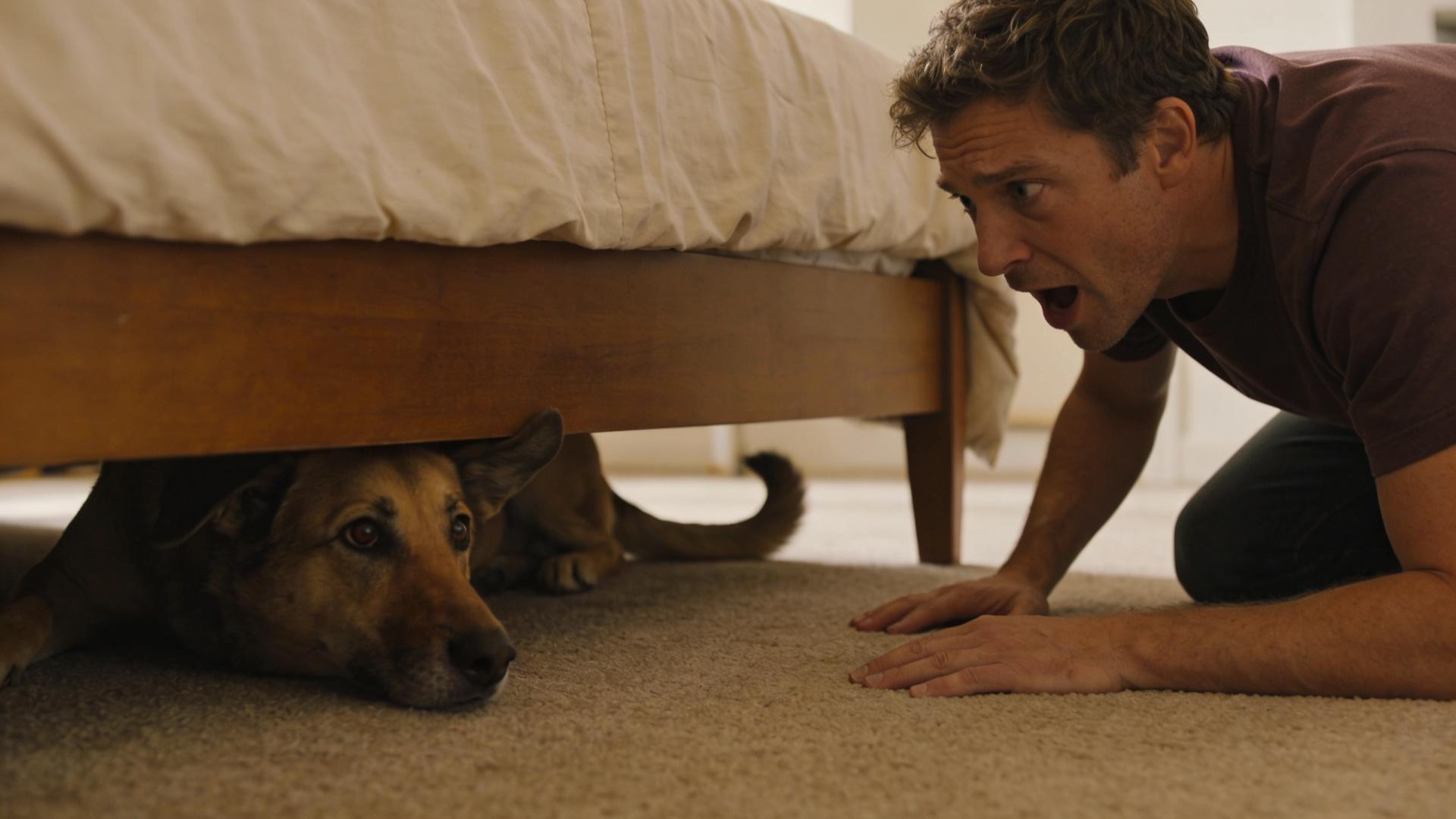
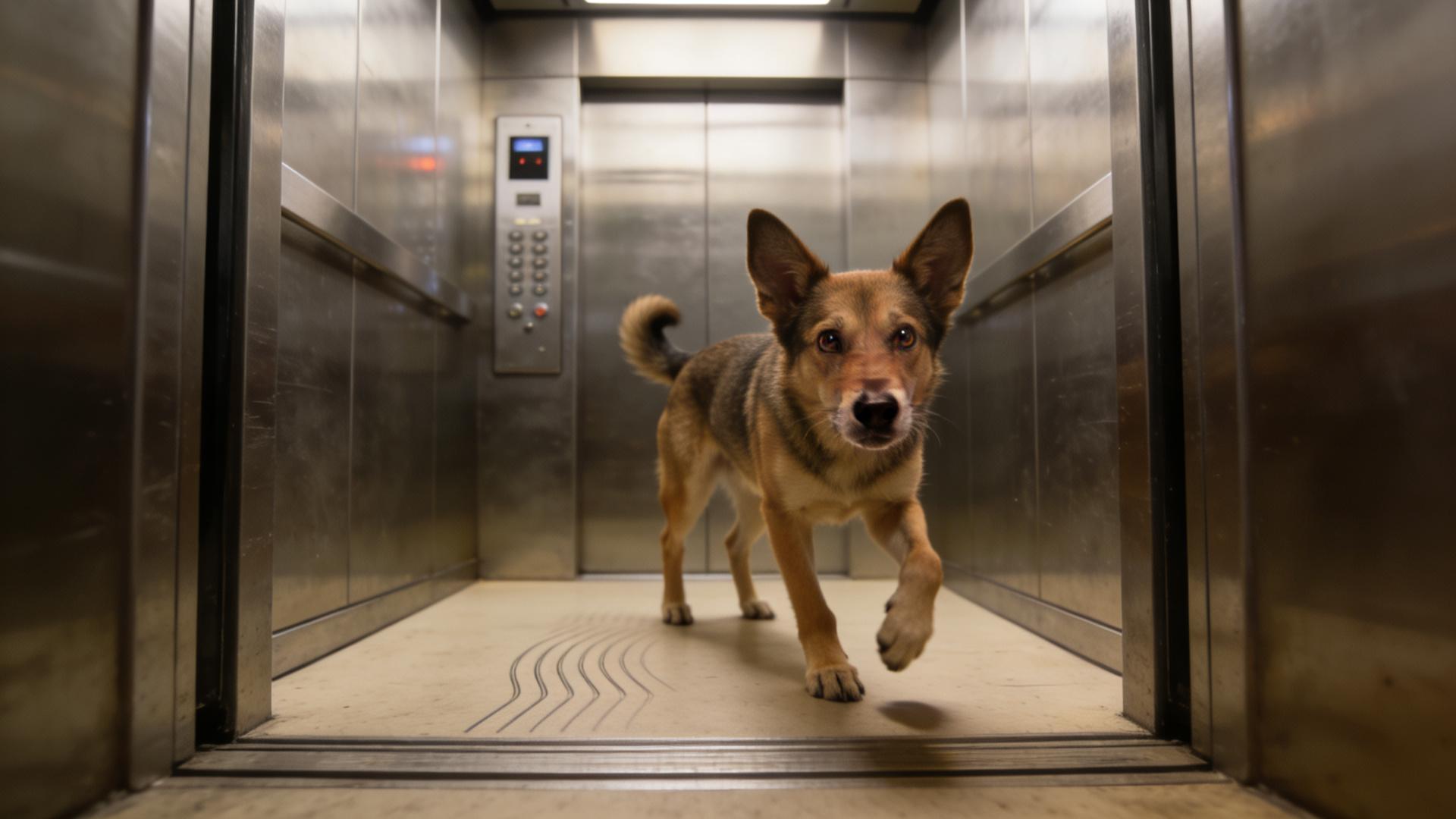
You’ve been diligently working on "sit," "stay," or a fancy new trick. Progress was steady, tail wags were abundant, and then… it stops. Your dog seems to forget what they knew yesterday, loses interest, or simply can’t seem to grasp the next step. Sound familiar? Every single dog owner encounters training plateaus. This is that frustrating phase where your dog's learning curve flattens, and visible improvement grinds to a halt. First, take a deep breath. Do not worry. This is not a sign of failure—yours or your dog’s. It is a completely normal, even expected, part of the training journey. With insight, patience, and the right strategic shifts, you can absolutely break through and guide your dog back onto the path of progress. This guide will equip you with the knowledge and tools to do just that.
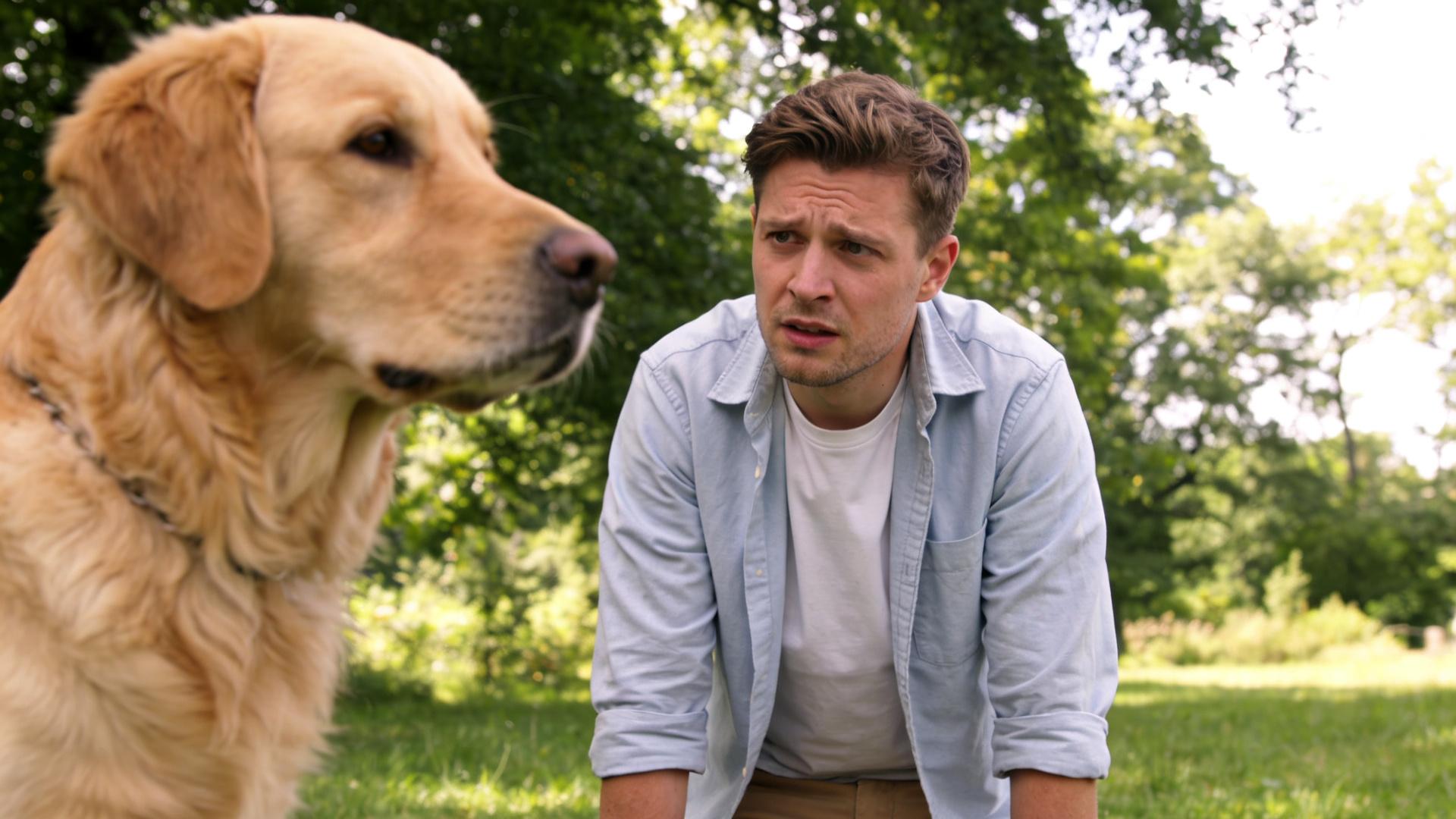
🛑 Understanding the Training Plateau: It's Not a Wall, It's a Speed Bump
A dog training plateau is precisely what it sounds like: a period where your dog's performance in training shows no visible improvement despite consistent effort. It's not regression, but a stall. You might notice:
- Slower or hesitant responses to known cues.
- A lack of enthusiasm or eagerness to work.
- Inability to advance to the next step of a complex behavior.
- Increased distractibility during sessions.
🔍 Common Reasons for Plateaus: Diagnosing the Stall
Plateaus occur for a variety of reasons, often a combination of factors. Identifying the root cause is half the battle won.
🧠 Mental & Motivational Hurdles
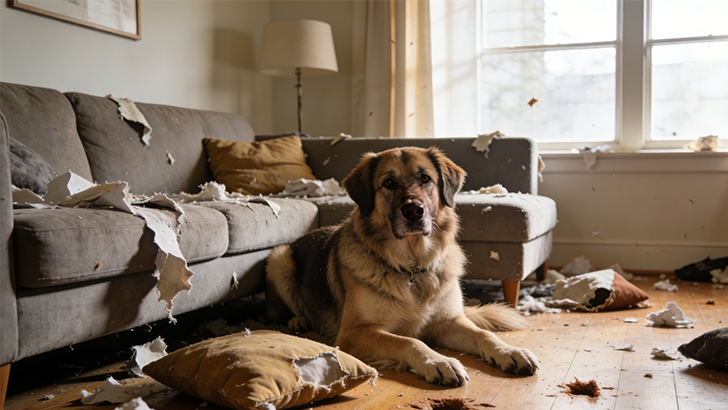
Boredom: Repetitive, predictable drills are the arch-nemesis of engagement. If every session is the same in the same spot, your dog’s mind checks out. Insufficient Motivation: The reward you're offering may no longer be "worth the work." Kibble in a quiet kitchen might not compete with the scent of a squirrel in the park. Emotional State: Stress, anxiety, or fear (even subtle) can completely shut down the learning process. A harsh correction last session could be the culprit.
📚 Training Methodology Gaps
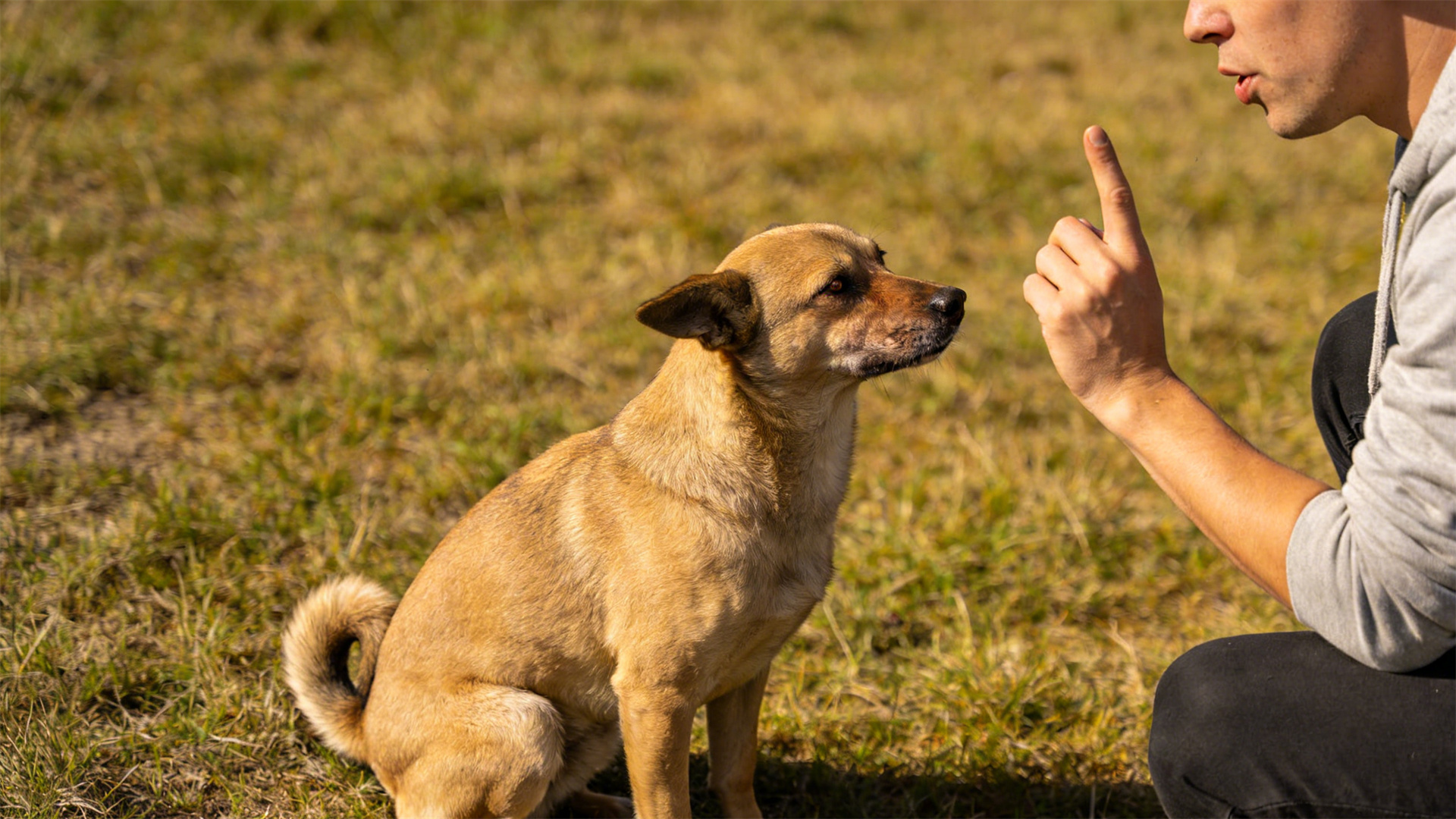
Steps Too Large: Asking for too much too soon is a classic error. Going from a 10-second "stay" to a 1-minute "stay" is a 500% increase in difficulty! Unclear Criteria: Inconsistent signals or rewards confuse your dog. Sometimes you reward a sloppy sit, other times you don't, leaving them guessing. Lack of Generalization: Your dog may "sit" perfectly in your kitchen but seems to forget the command at the vet's office. This isn't a plateau; it's a need for proofing in new environments.
⚕️ Physical & Health Factors
Never overlook the physical. Fatigue: Overtraining leads to mental and physical exhaustion. Underlying Health Issues: Pain from arthritis, hip dysplasia, or even a toothache can make certain behaviors uncomfortable. Vision or hearing changes can also impact responsiveness. A sudden plateau, especially paired with behavioral changes, warrants a veterinary check-up.
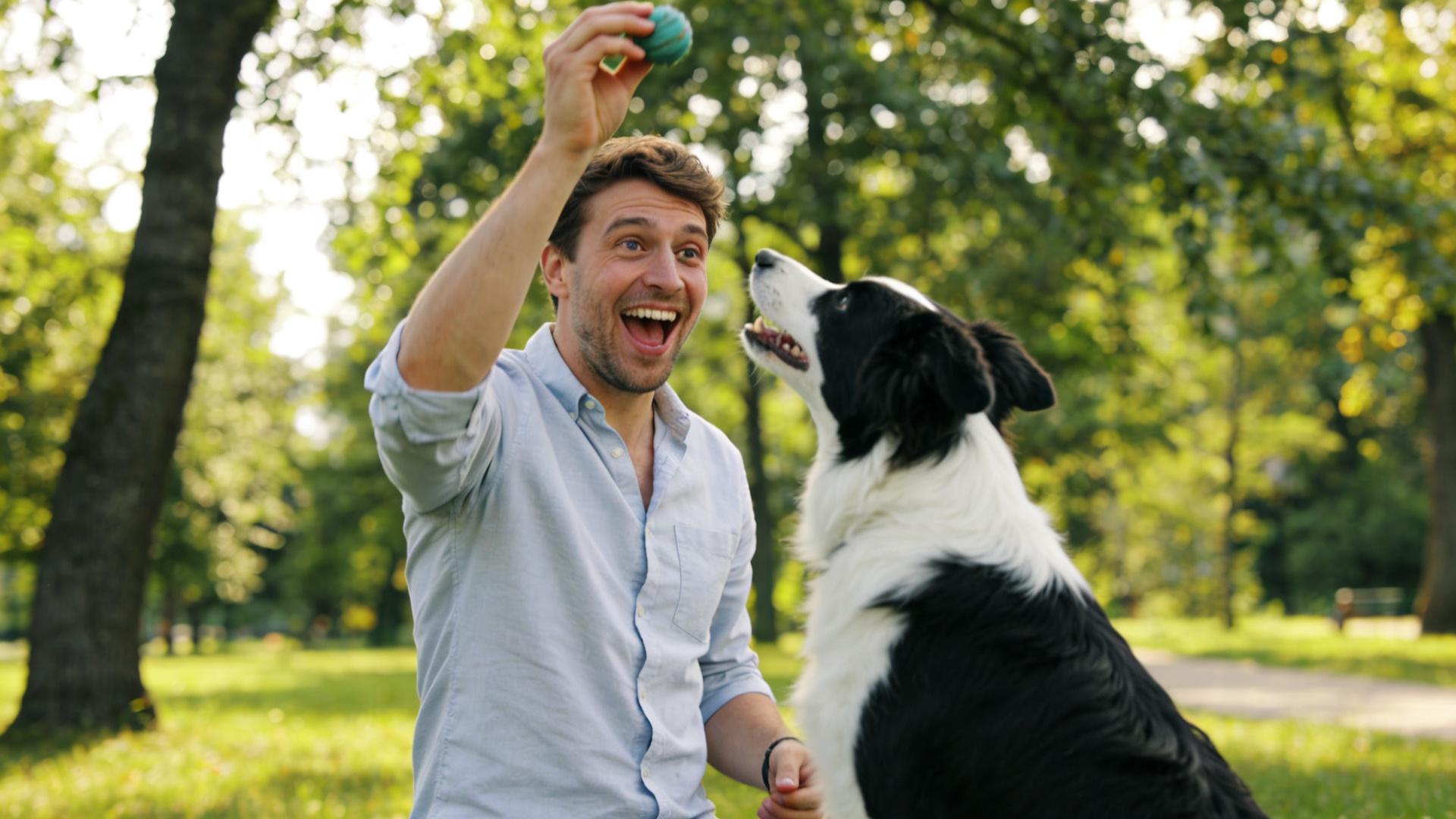
🚀 Effective Strategies to Break Through: Your Action Plan
To overcome a dog training plateau, you need a fresh, adaptable approach. Here are proven, actionable methods.
🔄 1. Reassess and Revamp Your Training Plan
Take a objective look at your current regimen. Ask yourself: When did progress slow? What changed? Is my timing consistent? Am I frustrated? (Dogs are masters at reading our emotional state). Journaling training sessions for a week can reveal hidden patterns. Adjust your plan based on these observations, not on a rigid schedule.
🎪 2. Introduce Variety & Novelty
Combat boredom by injecting fun and unpredictability.
- Change of Scenery: Train in the backyard, a quiet park, or a different room.
- New Toys & Games: Incorporate a flirt pole, a new puzzle toy, or a quick game of tug as a reward.
- Skill Rotation: Instead of hammering the stalled behavior, rotate through 3-5 known cues in rapid succession, rewarding generously. This rebuilds momentum and joy.
🏆 3. Increase Reward Value & Quality
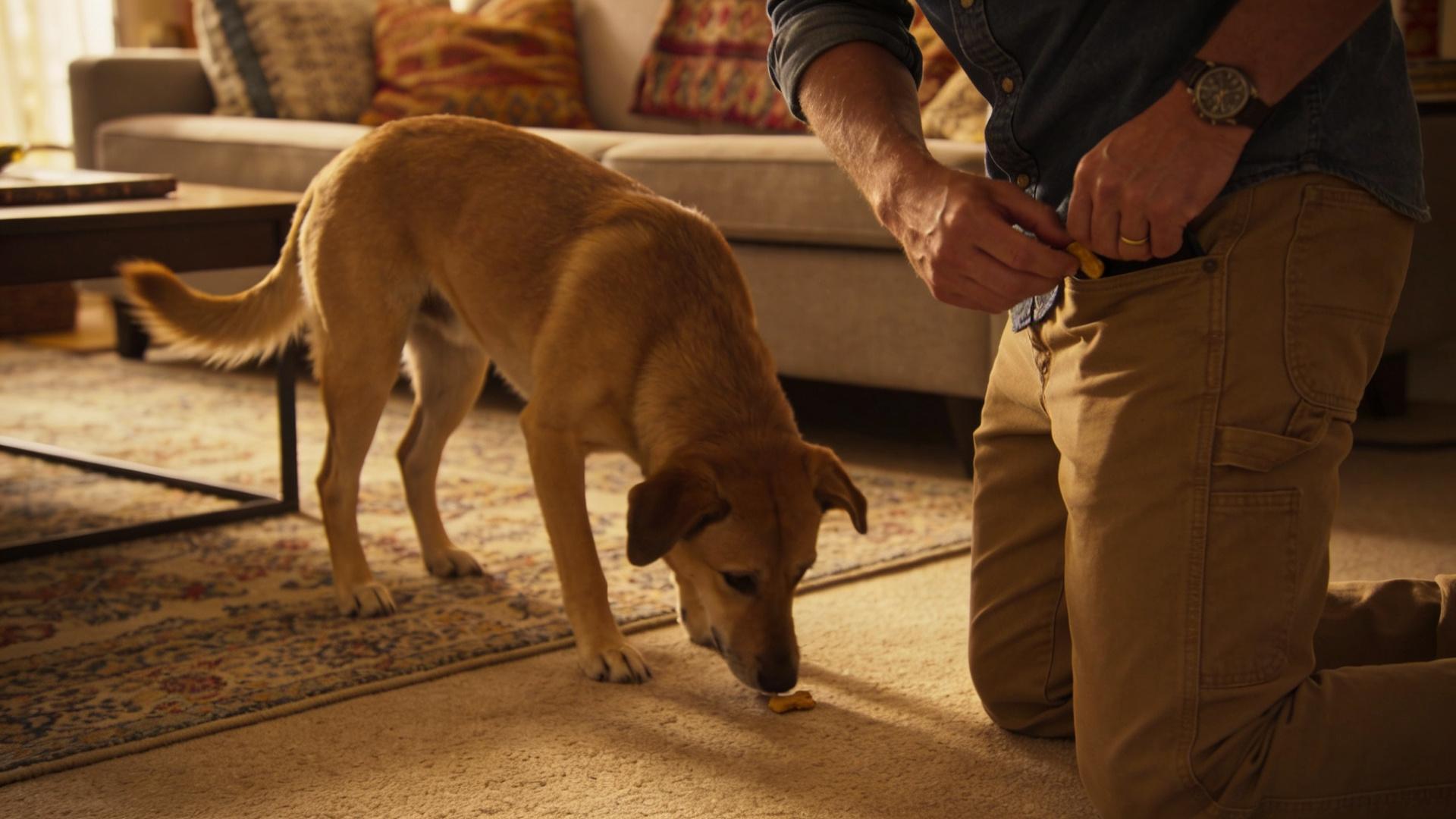
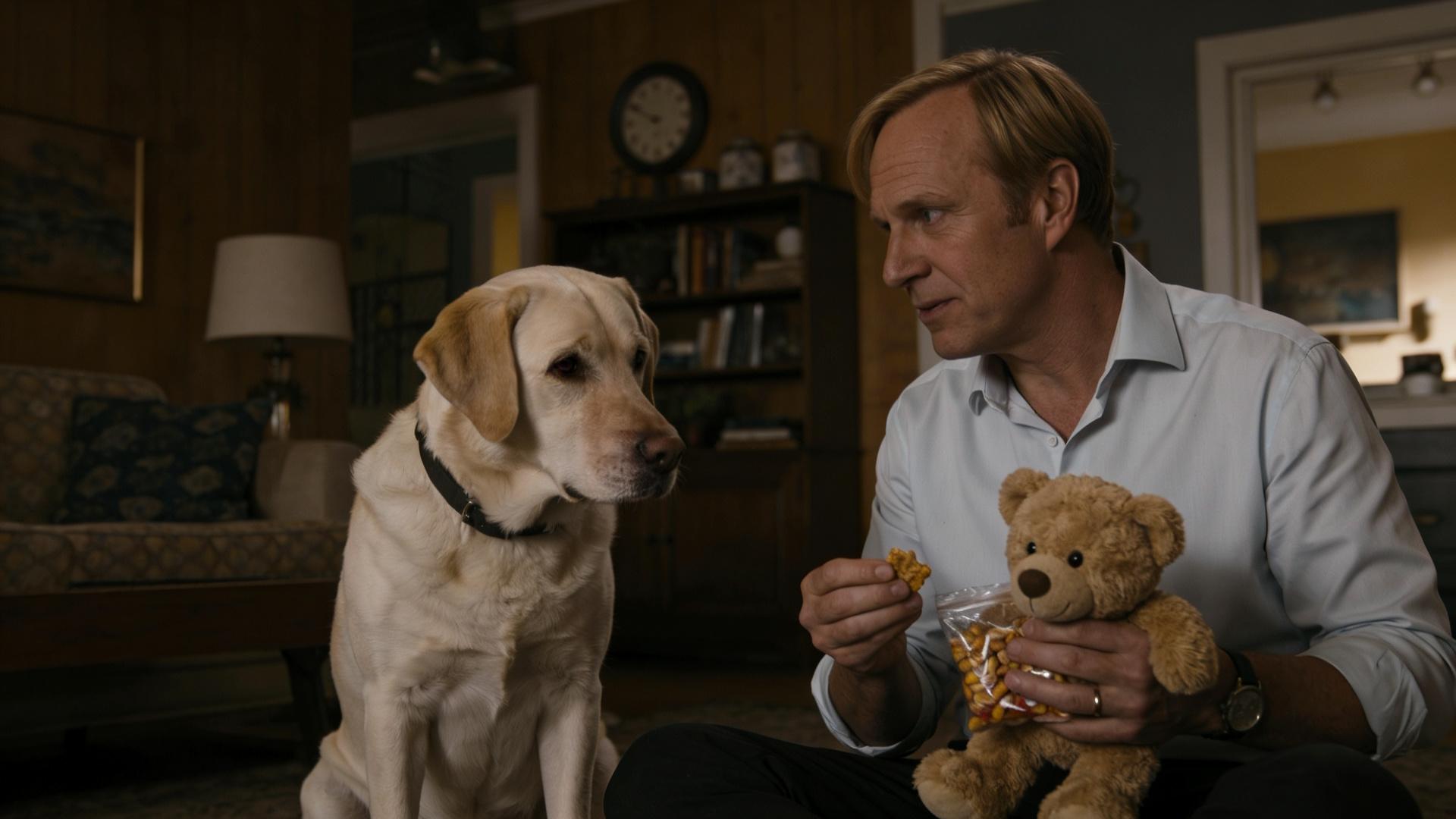
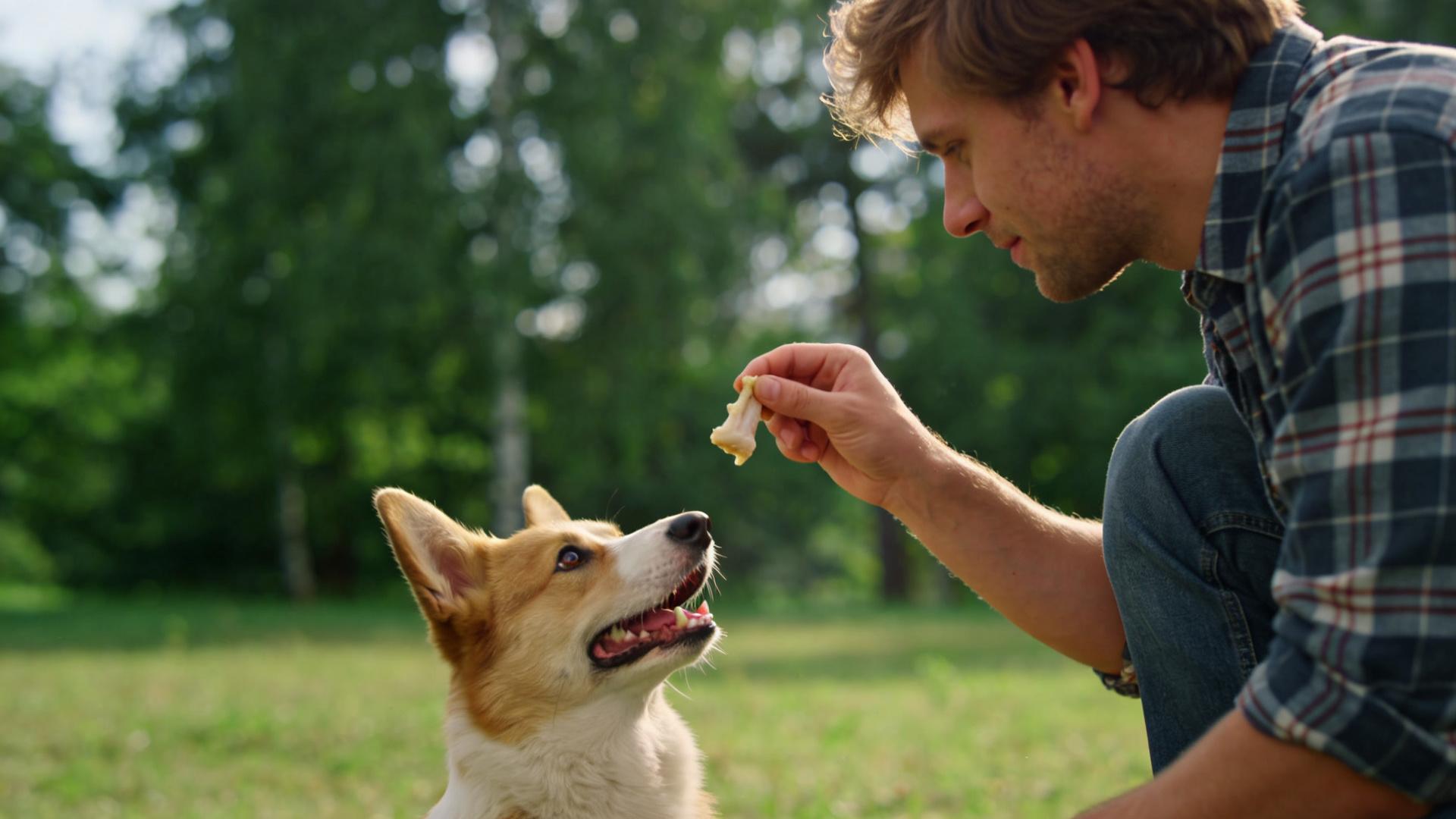
When motivation lags, up the ante. Higher-value treats like small pieces of boiled chicken, liverwurst, or cheese can work wonders. But rewards aren't just food. For some dogs, a thrown ball or 30 seconds of vigorous petting is the ultimate paycheck. Variable Reinforcement Schedules (rewarding unpredictably after correct responses) can also reignite a dog's "gambling" instinct, making them work eagerly in anticipation of a possible jackpot.
⏱️ 4. Shorten and Intensify Sessions
Less is often more. Keep sessions brief—5 to 10 minutes of focused work is ideal. End while your dog is still eager and successful, even if you have to end on a simple, well-known behavior. This leaves them wanting more. Quality of engagement always trumps quantity of repetitions.

📘 5. Return to Basics with a Confidence Boost
When stuck on step 5, go back to step 2. Revisiting and flawlessly executing foundational commands ("sit," "down," "touch") serves two purposes: it reinforces your communication and, more importantly, gives your dog a series of easy wins. This boosts their confidence and rebuilds a positive association with training. A confident learner is a ready learner.
🧩 6. Break Down Complex Tasks into Micro-Steps
If you're teaching "roll over" and hitting a wall, break it down further. Instead of: Down -> Roll. Try: Down -> Head tuck -> Shoulder roll -> Full roll. Master and reward each micro-step before adding the next cue. This method, called shaping, prevents overwhelm and ensures your dog truly understands each component.
❤️ 7. Prioritize Physical and Mental Wellbeing
Training doesn't exist in a vacuum. Ensure your dog’s overall needs are met.
- Exercise: Adequate physical outlet reduces pent-up energy that manifests as distractibility.
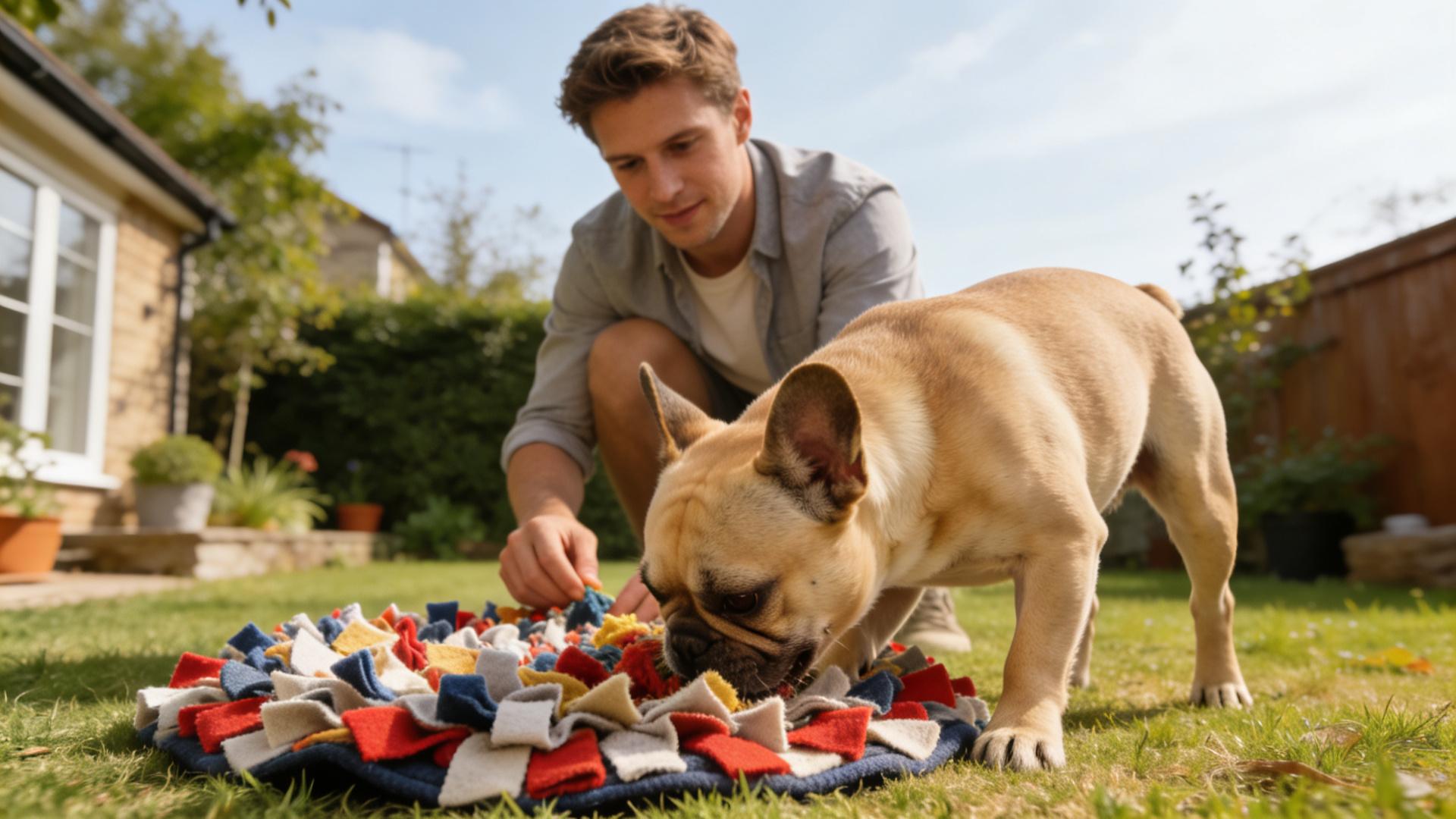
- Mental Enrichment: Snuffle mats, frozen Kongs, and novel scents on walks tire the brain, making focused training easier.
- Health Check: As mentioned, rule out pain or medical issues. A dog in discomfort cannot learn effectively.
🎯 Conclusion: Patience, Adaptability, and Celebration
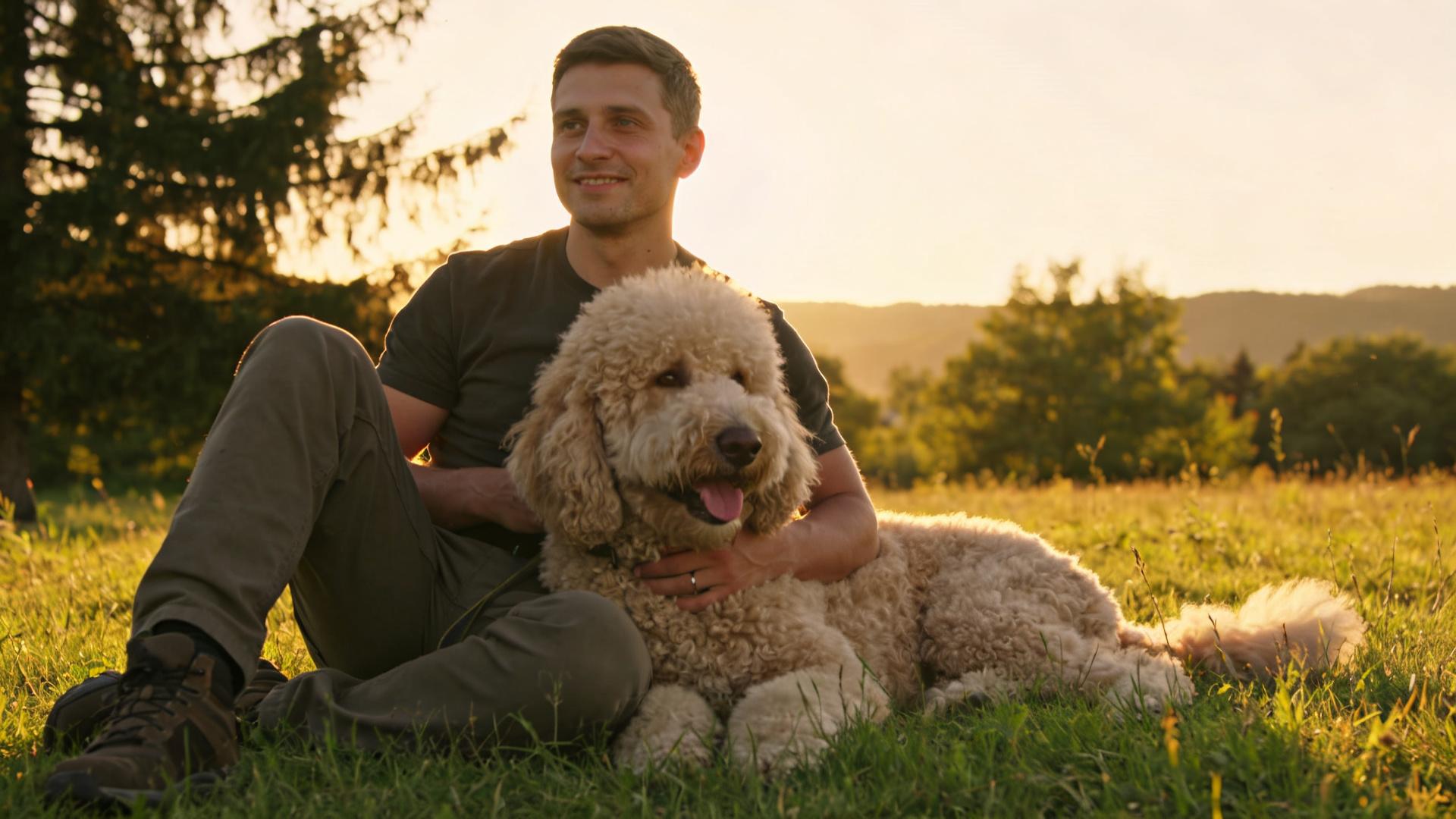
Special Reminder: Overcoming a dog training plateau is a test of your patience and adaptability, not your dog's intelligence. By diagnosing the cause and implementing these strategies—reassessing, varying, rewarding, shortening, and breaking down—you empower your dog to resume their learning journey. Remember, consistency in your approach and positivity in your attitude are the true keys. Celebrate the small victories, enjoy the process of reconnecting, and watch as your bond grows stronger through collaborative problem-solving. The plateau is just a resting spot on the climb to an even better partnership. Happy training!