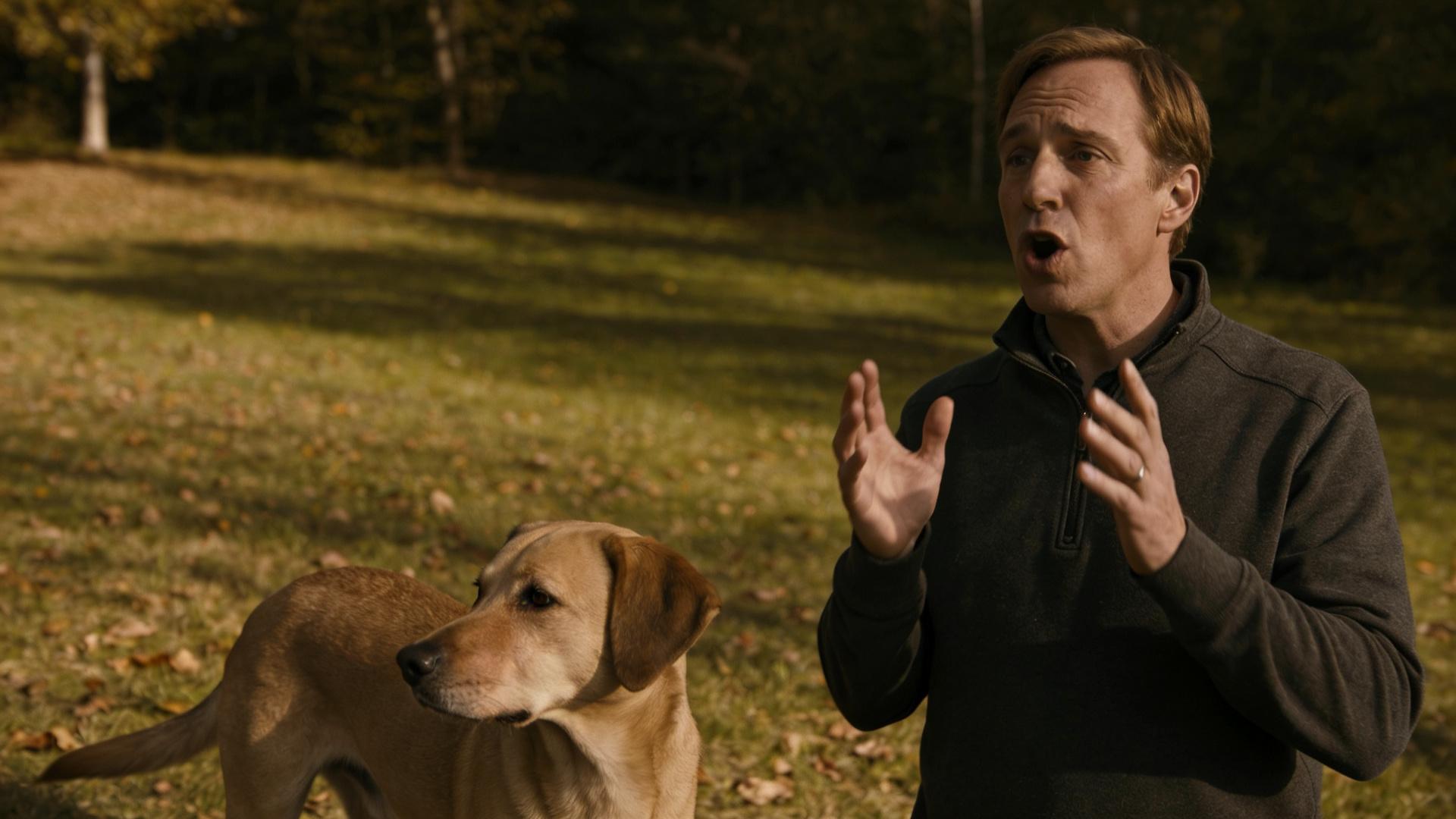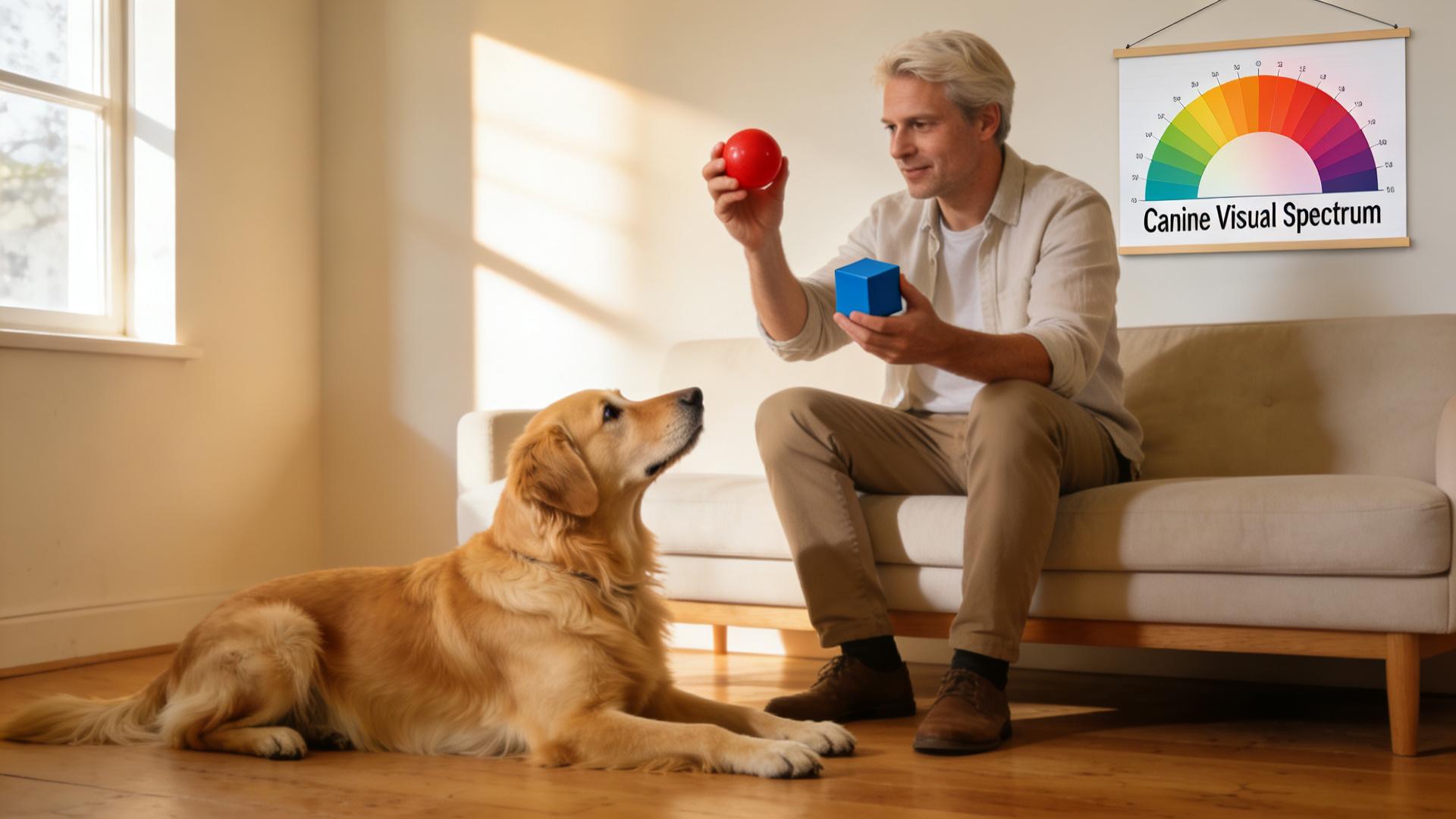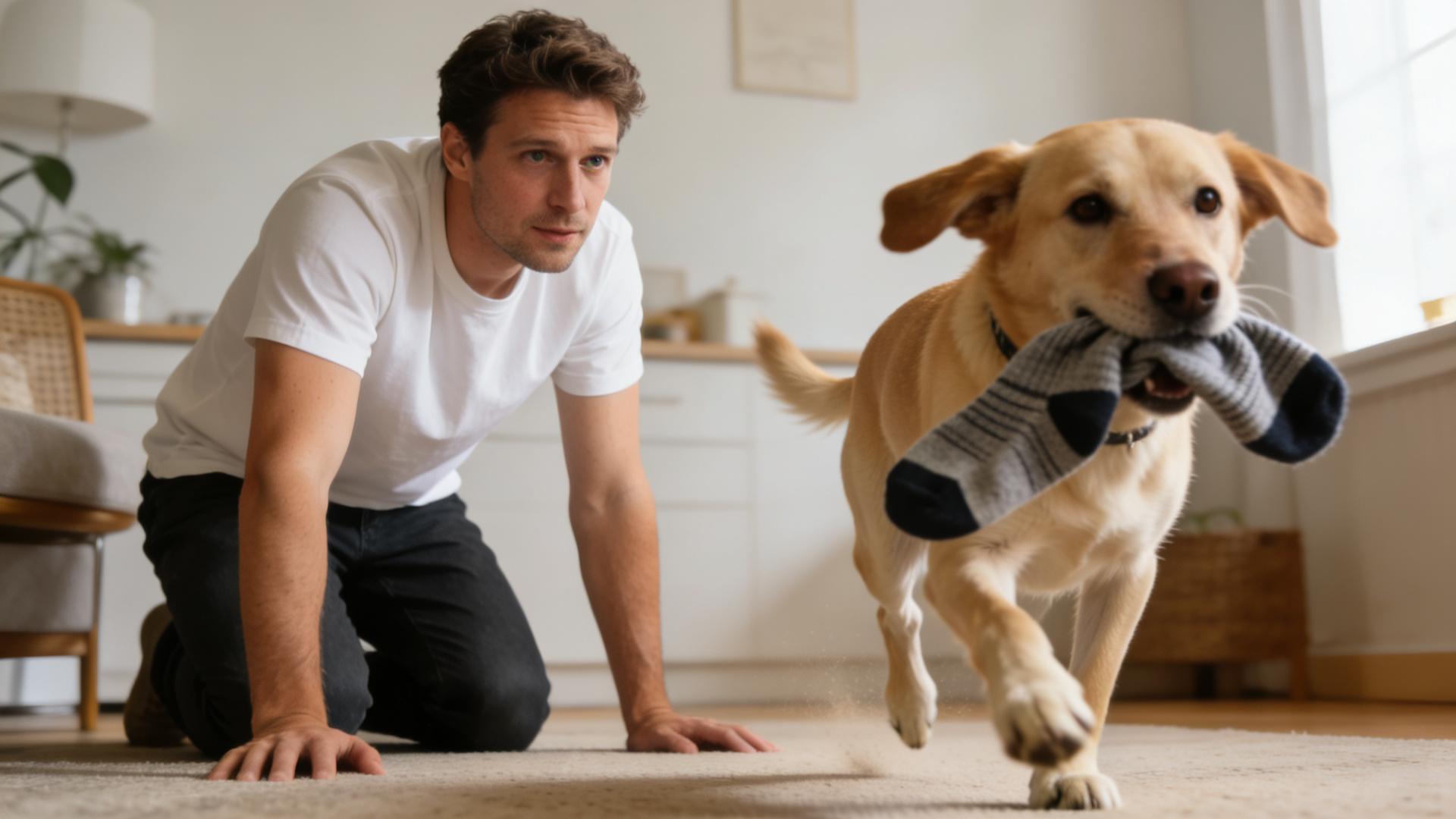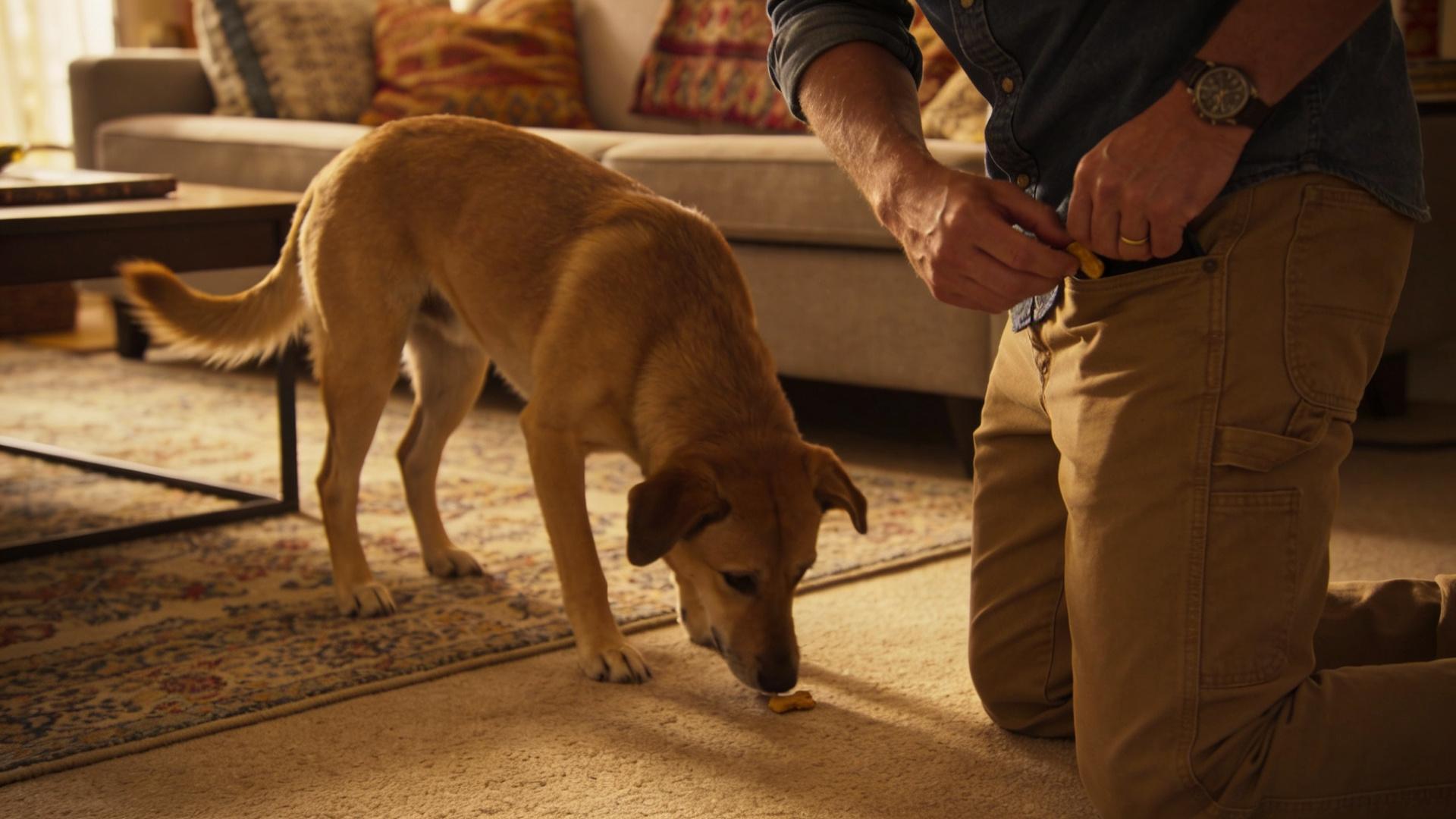
You’ve just spent ten minutes trying to teach your dog to "sit." Finally, he does it! You fumble for a treat in your pocket, unhook the leash, and by the time you deliver the reward, he’s already standing up and sniffing the ground. You think you’ve rewarded the "sit," but your dog is utterly confused. Sound familiar? This common frustration isn't your dog being stubborn—it's a fundamental breakdown in communication, a case of what we can call canine jet lag. While we operate on a timeline of minutes and intentions, your dog lives in a world of instantaneous cause and effect. So, why does a delay of just a few seconds render a reward completely meaningless in your dog’s mind? The answer lies in the very mechanics of how dogs learn.
🕰️ Section 1: The Canine Cognitive Clock: Living in the Moment
To train effectively, we must first understand the canine cognitive processor. Dogs are masters of associative learning. They excel at linking one specific event directly to another. Think of it like a lightning-fast "if this, then that" equation hardwired into their brain.
This worldview is purely cause-and-effect. The "cause" is their precise action. The "effect" is the immediate consequence. Their short-term memory for connecting two discrete events is remarkably brief when it comes to voluntary behaviors. For a dog, a reward that comes late isn't connected to the original action; it's a random, inexplicable event. We perceive a short delay as part of a connected sequence. Your dog, however, has already mentally moved on, making the delayed treat a reward for whatever he is doing now—be it standing, sniffing, or scratching.
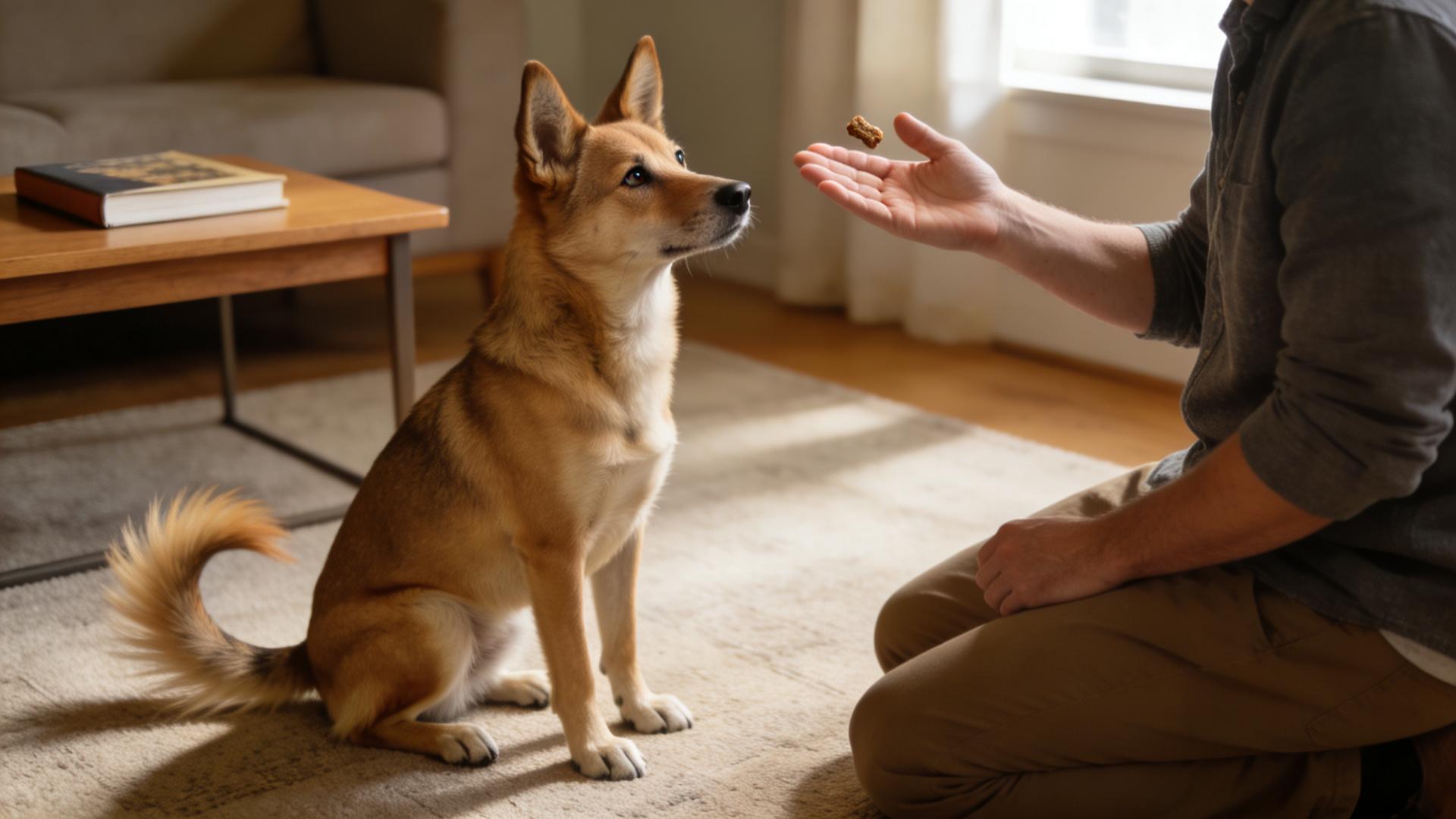
Canine vs. Human Perception of Time:
Humans can understand delayed gratification. We connect working all month to a paycheck. Dogs lack this complex temporal reasoning. In the high-stakes world their ancestors inhabited, survival depended on instantly knowing which action led to catching prey or avoiding danger. This evolutionary legacy means their learning window is razor-thin, making perfect timing in dog training non-negotiable.
⚡ Section 2: The Five Second Rule: The Critical Window for Learning
The magic number in delayed reward dog training discussions is often five seconds. While it can vary slightly, the consensus among animal behaviorists and trainers is clear: for a reward to be effectively linked to a specific behavior, it must be delivered within an extremely brief window—often 1-3 seconds is ideal, and beyond 5 seconds, the connection is almost certainly lost.
This isn't an arbitrary rule. It's rooted in the science of canine behavior psychology. When you delay beyond this critical period, you are no longer reinforcing the desired action. You are reinforcing the action happening at the moment of delivery.
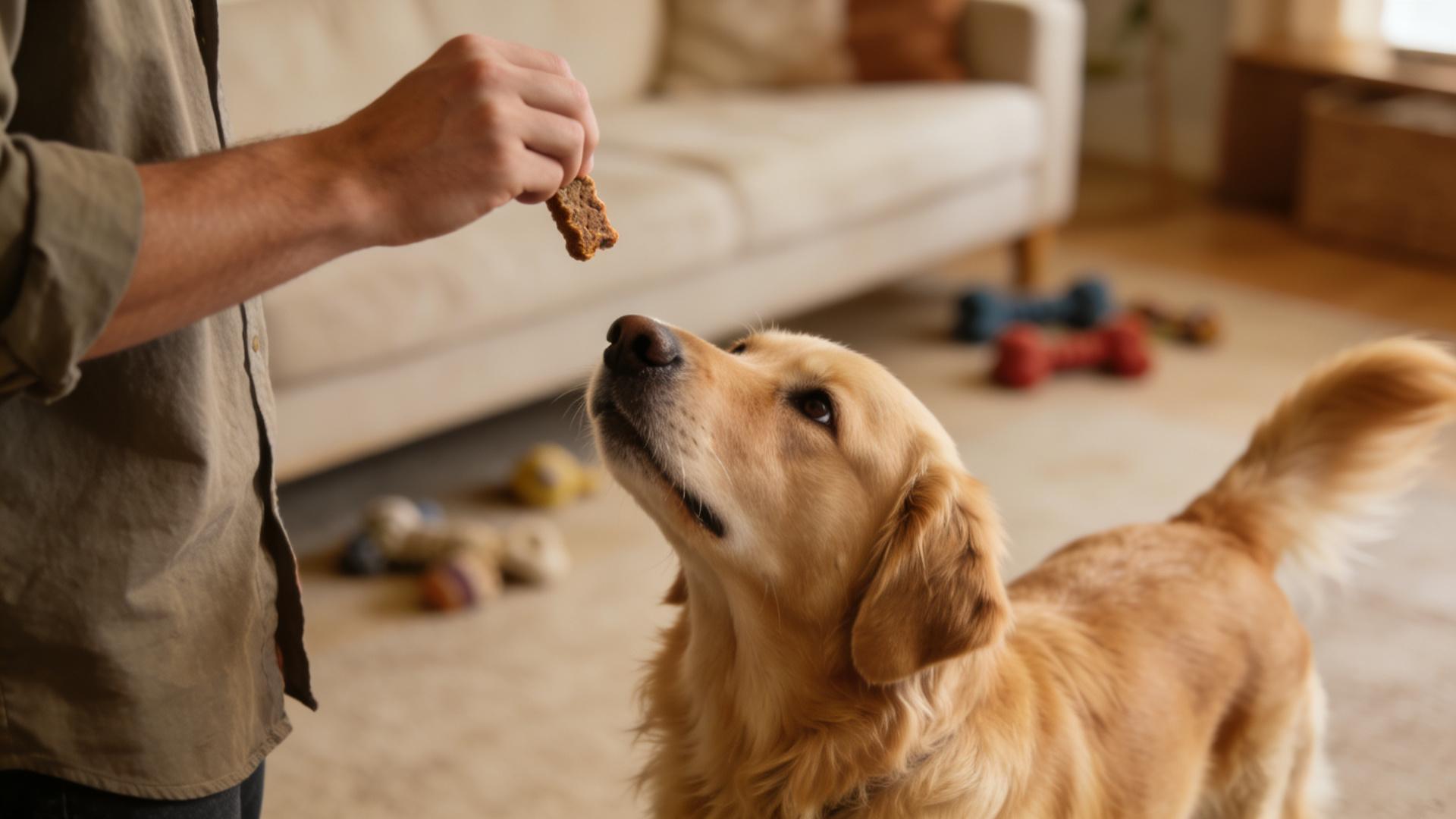
What Your Dog Actually Learns from a Laggy Treat:
Let's replay that "sit" scenario with your dog’s internal monologue:
Action: "Butt touches floor."
Owner's Delay: "Human is fumbling. I'm now standing and looking at that interesting leaf."
Reward Given: "Treat appears! What caused it? Must be this act of standing and staring at a leaf! I will do more of that."
This miscommunication is the root of countless training problems. The dog isn't learning the command you intend; he's learning a superstitious behavior, making your training inconsistent and confusing.
🚨 Section 3: The Consequences of Laggy Rewards: Confusion and Stalled Progress
Poor timing doesn't just slow training; it can actively teach the wrong lessons, leading to what owners often mistake for disobedience or low intelligence. The consequences are systematic:
Common Training Problems Caused by Poor Timing:
- The Confused Dog: The dog fails to offer the behavior consistently because the criteria are unclear. He may offer a series of random actions hoping one triggers the treat.
- The Frustrated Owner: The owner repeats commands louder or more forcefully, leading to tension and a negative association with training.
- Stalled or Slow Learning: Progress plateaus because the dog is not receiving clear information about what exactly is being rewarded.
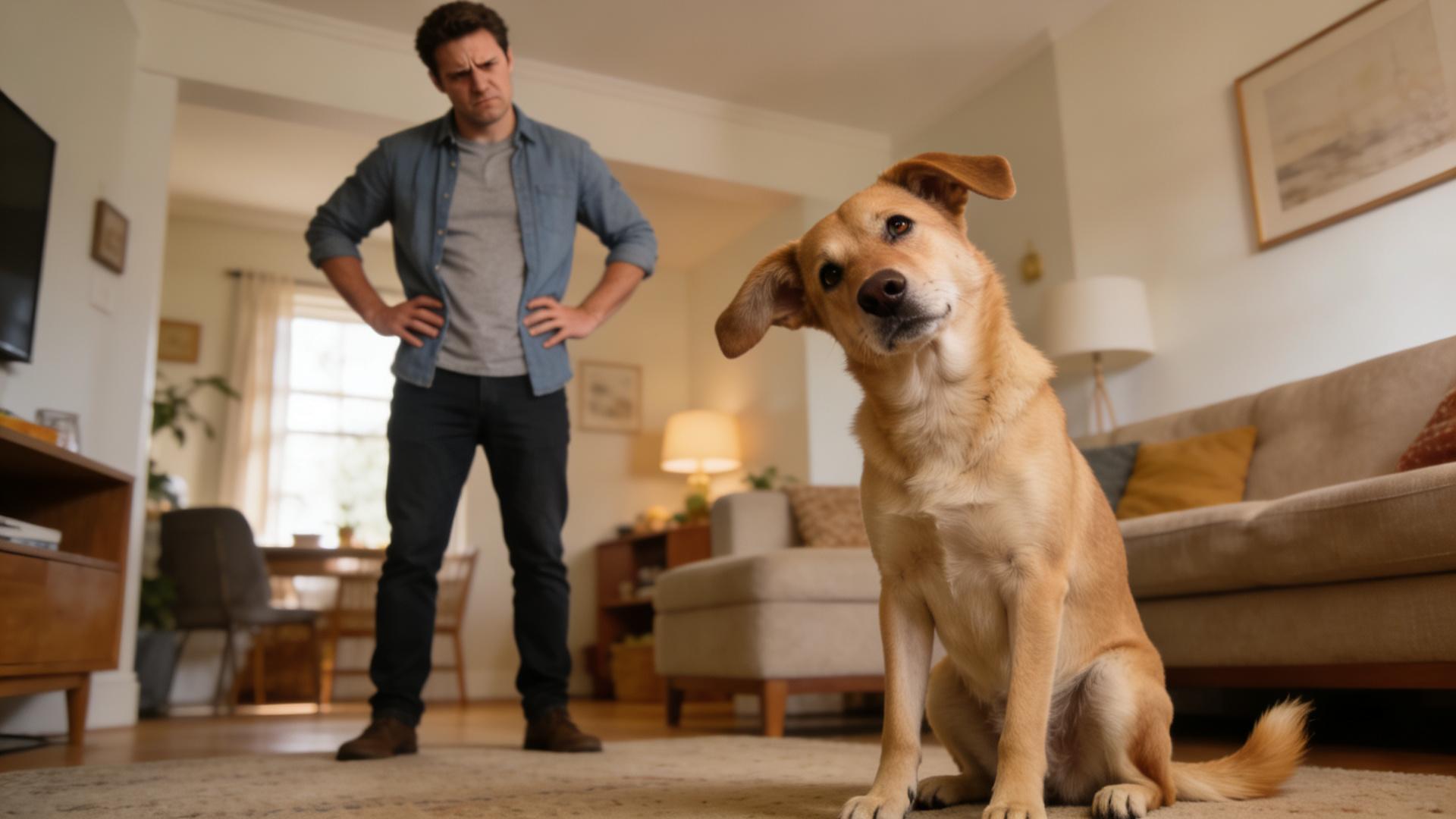
The Praise vs. Food Reward Timing Trap:
A classic example is the misuse of praise. An owner says "Good sit!" as the dog sits, but only delivers the food reward several seconds later after getting it from a pouch. The verbal praise, if not previously conditioned as a marker, is just noise. The dog learns the reward comes for breaking the sit and moving toward the treat pouch. This highlights why clarity in your dog reward system is paramount.
🎯 Section 4: Mastering the Timing: How to Become a Precise Trainer
The good news is that perfect timing is a skill you can develop. It's about working with your dog's cognitive clock, not against it. The single most effective tool for bridging the time gap is the use of a marker.
The Power of the Marker: Bridging the Gap
A marker is a precise sound—a click from a clicker or a sharp, consistent word like "Yes!"—that tells the dog, "That exact behavior is what earned the reward." It captures the moment of correctness with pinpoint accuracy and buys you a couple of seconds to deliver the primary reward (like food). The marker turns the delayed primary reward into an instant reward for dogs in cognitive terms.
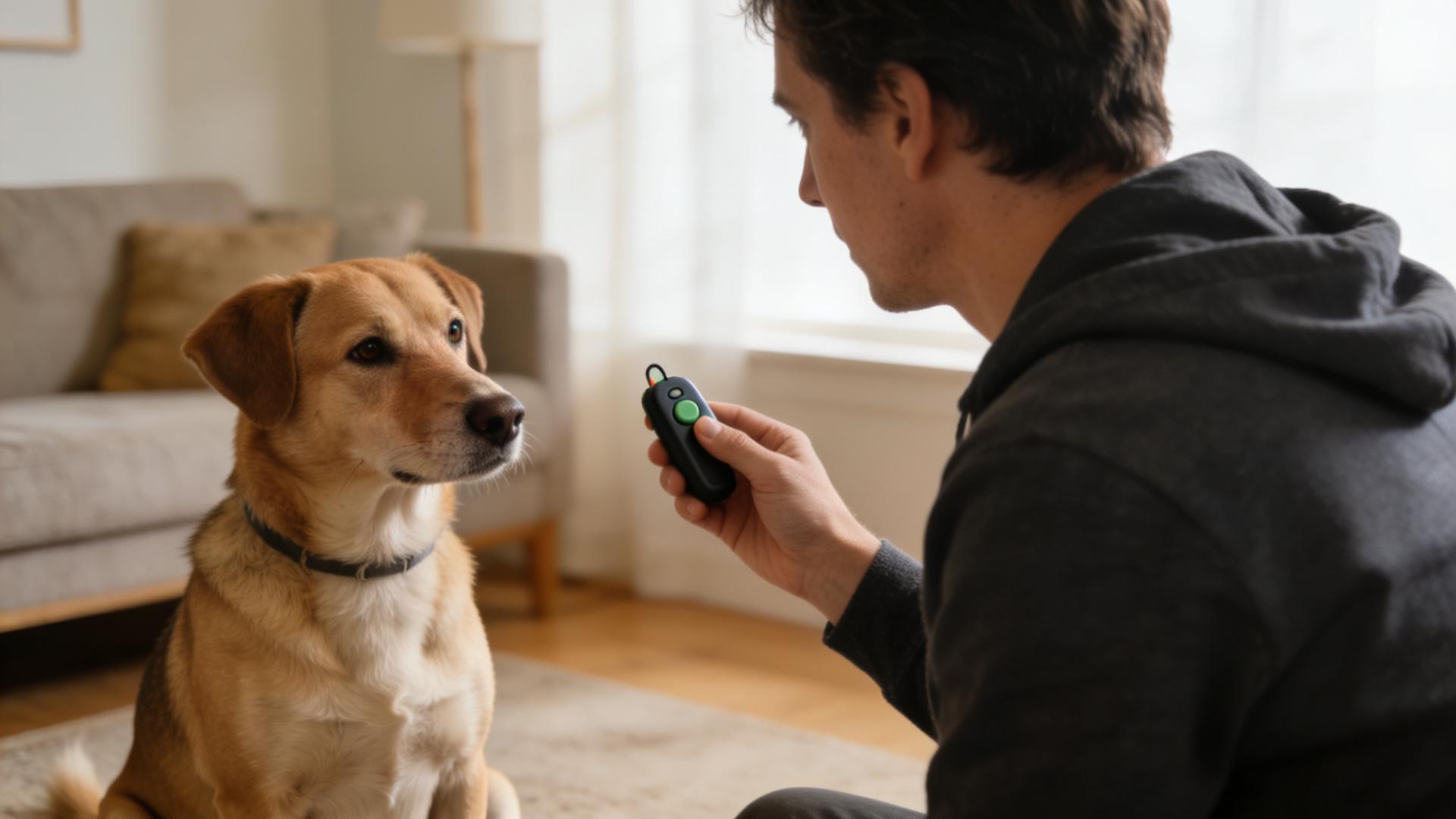
Actionable Drills to Sharpen Your Timing:
- The Treat-in-Hand Drill: Practice marking and delivering a treat the instant your dog makes eye contact with you. This builds speed and muscle memory.
- The "Look and Mark" Game: Have a family member watch you train and call out "Mark!" the instant the dog performs correctly. This provides external feedback.
- Record Yourself: Film a short training session. Watch it back and note the delay between the correct behavior and your marker or reward. You will see lag you didn't feel in the moment.
💡 Conclusion: Timing Isn't Everything, It's the Only Thing
Understanding and respecting your dog's unique perception of time is the secret to unlocking clear communication and rapid learning. The concept of dogs jet lag explained is more than a metaphor; it's a practical guide to aligning your training with your dog's natural dog learning and memory processes. When you master the art of the instant reward, you move from giving confusing, delayed signals to having a clear, fluent conversation with your canine partner. Remember, in the world of delayed rewards dog training, a few seconds isn't a pause—it's a chasm. Close that gap, and watch your training transform.