
You May Have Missed

2026 Puppy Training Kit: 5 Essential Training Tools for New Parents
Bringing home your new puppy is a whirlwind of joy, cuddles, and… pure, unadulterated overwhelm. Between the excited piddles, the sharp little teeth, and the sudden midnight serenades, it’s easy for first-time pet parents to feel lost. Traditional training advice is plentiful, but the future of puppy parenting is here, blending timeless canine psychology with smart technology and innovative design. Welcome to the 2026 Puppy Training Kit, a curated collection not just of supplies, but of solutions. This guide cuts through the noise to present five essential tools designed to make your training journey more efficient, effective, and deeply connected. Let’s transform that adorable handful of chaos into a well-mannered companion with tools that empower you both.

Happy Bath Training: Techniques to Make Your Dog Love Playing in Water and Blow-drying
Does your dog dive under the bed at the mere mention of a bath? You're not alone! But what if bath time could be filled with wagging tails and happy splashes? Welcome to the world of happy bath training—a systematic, positive approach designed to transform grooming from a stressful ordeal into a fun, trust-building activity. This comprehensive guide will equip you with proven techniques to help your dog not only tolerate but genuinely enjoy water and blow-drying. Embracing happy bath time is a game-changer for your dog's health and your peace of mind. Let's turn that fear into fun! 🐾
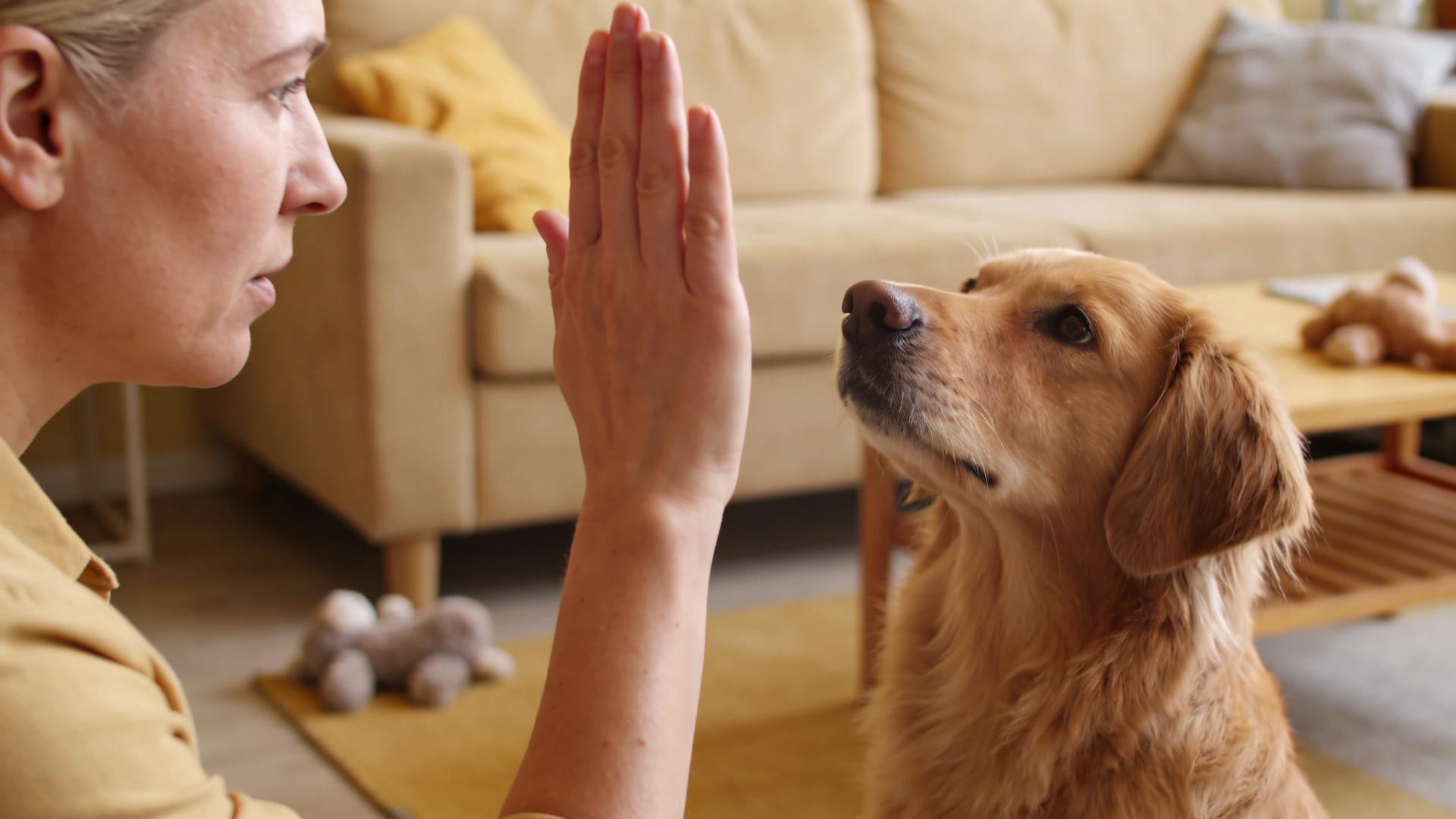
Mute Command: How to instantly quiet a barking dog using hand gestures
The doorbell rings, and your dog erupts into a frenzy of barking. A squirrel dashes past the window, setting off another vocal alarm. While barking is natural canine communication, excessive noise can fray nerves, disturb neighbors, and leave you feeling powerless. In fact, studies suggest that nuisance barking is one of the most common complaints in residential communities and a leading reason dogs are surrendered to shelters. For years, the solution has seemed to be shouting "Quiet!" over the din, often escalating the tension. But what if you could silence the barking with a simple, silent wave of your hand? Enter the Mute Command—a powerful, non-verbal technique that uses clear hand gestures to gain immediate control. This guide will transform you from a frustrated owner into a calm, confident leader, teaching you the precise method to instantly quiet a barking dog.
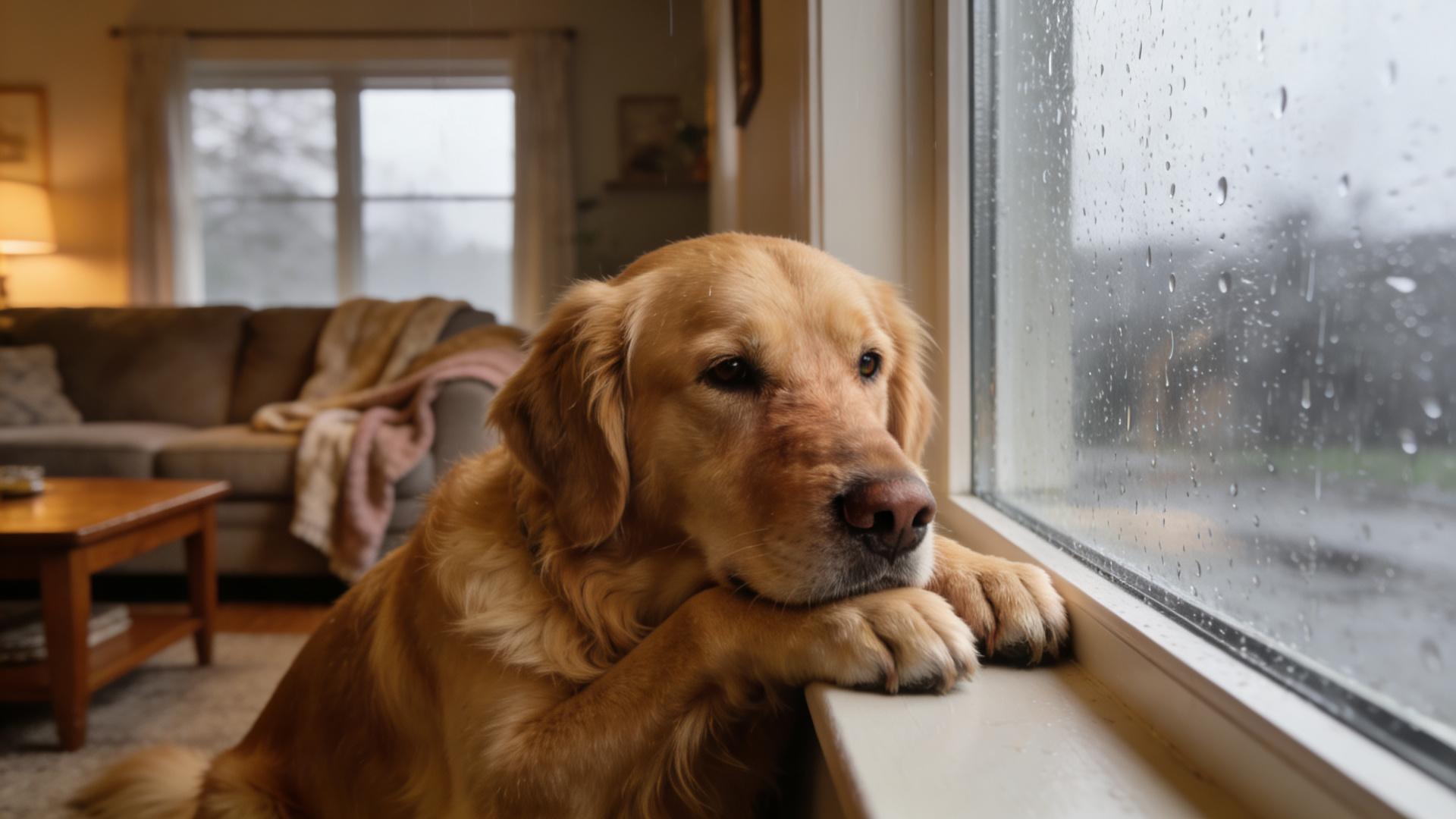
Rainy Day Indoor Activity Guide: 5 Brain-Teasing Games You Can Play Without Leaving Home
The sky opens up, the pitter-patter on the roof begins, and you see your dog's ears droop. Another walk cancelled, another day of pent-up energy. But what if rainy days became an opportunity rather than a limitation? For the modern canine, mental stimulation is not a luxury; it's a necessity. A bored dog is often a destructive dog, and physical exercise is only one piece of the well-being puzzle. Engaging your dog's brain can tire them out as effectively as a long run, curbing behaviors like excessive barking, chewing, and pacing. This guide delves into five sophisticated, no-travel-required games that will transform your home into a canine cognitive gymnasium, ensuring a happy, tired, and fulfilled companion, come rain or shine.
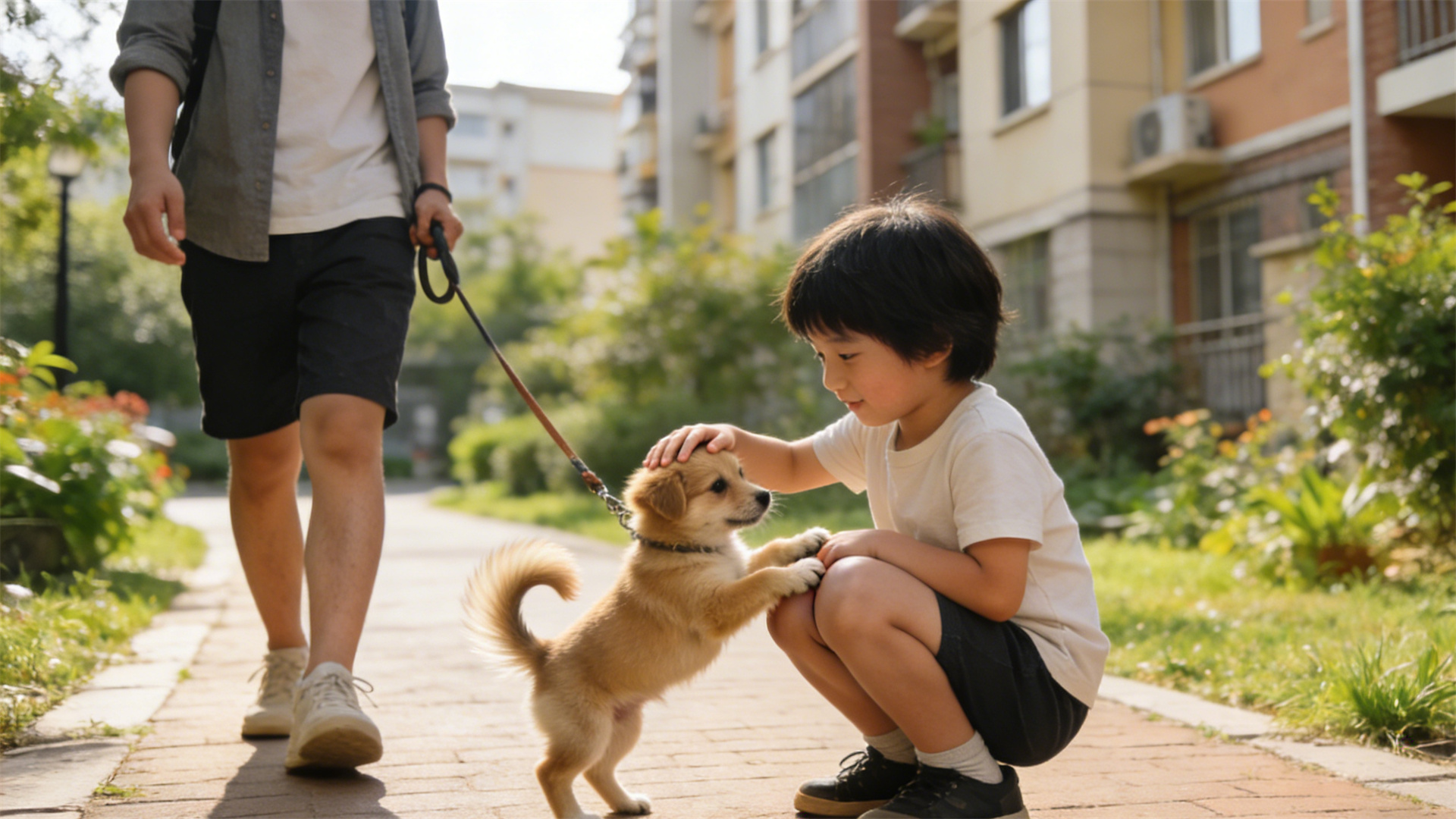
Level 1: Socialization and Order in the Cub Stage
The first few weeks with your new puppy are a whirlwind of joy, licks, and… let's be honest, a bit of chaos. In this critical period, your most important jobs aren't just cuddling and playing. They are socialization and establishing order. Think of this as Level 1 in your dog's lifelong training game. Mastering these two foundational pillars is the single greatest investment you can make in your pup's future. It builds a confident, well-mannered companion and prevents a host of behavioral issues down the line. This guide will walk you through exactly how to navigate your puppy's cub stage with purpose and positivity.

Level 5: Expert Dog Trainer Certification
In the evolving world of canine professions, a title alone is no longer enough. For those dedicated to reaching the zenith of their craft, the pursuit of an expert dog trainer certification is the defining journey. This isn't just another course; it's a rigorous validation of mastery, a globally recognized passport to elite roles, and a solemn commitment to ethical, science-based practice. This comprehensive guide demystifies the pinnacle credentials, such as the CPDT-KA and KPA-CTP, providing you with the roadmap to transform from a competent trainer into a recognized industry authority.