The joyous, muddy puddle jump, the enthusiastic sprint through a downpour—for many dogs, rainy weather is just another exciting element of their outdoor adventure. However, as they shake off in your hallway, a hidden process begins. That sodden coat isn't just an inconvenience; it's a potential gateway to a range of health issues that can dampen your canine companion's spirits far more than the weather. For the responsible pet owner, understanding the health risks posed by lingering moisture and mastering the art of proper drying are not just chores, but critical acts of preventative healthcare. This comprehensive guide delves into the science behind the risks, from the itchy menace of canine eczema to the sneezes of a dog cold, and provides an exhaustive, step-by-step protocol to ensure your dog is truly dry, safe, and comfortable after every wet outing.
🐾 The Hidden Dangers: Understanding the Health Risks for Dogs After Getting Wet
When your dog's coat becomes saturated, it initiates a cascade of physical changes. The insulating properties of the fur are compromised, leading to a drop in core body temperature. Simultaneously, the skin's microenvironment—its pH and natural barrier—is disrupted. This creates a perfect storm for pathogens and compromises the immune system. The risks are not uniform; they are influenced by your dog's breed, age, pre-existing health conditions, and coat type. A Bulldog with deep skin folds is at a vastly different risk level than a short-coated Greyhound, yet both require vigilant care.
🦠 Skin Issues and Canine Eczema (Wet Dermatitis)
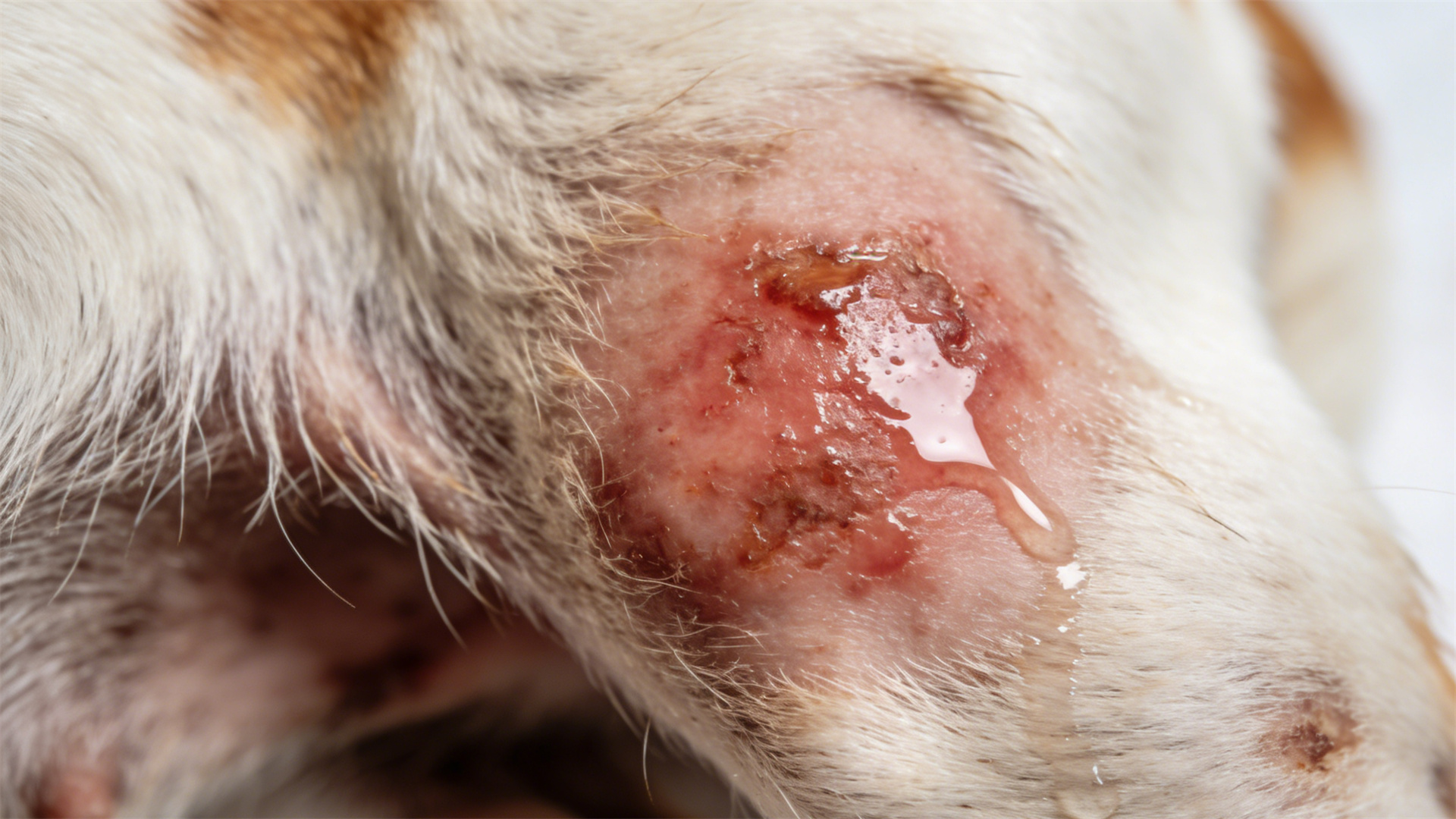
This is one of the most common and frustrating consequences of inadequate drying. Often referred to as "canine eczema" or "hot spots" (acute moist dermatitis), this condition begins when moisture is trapped against the skin. The stratum corneum, the skin's outermost protective layer, becomes waterlogged and macerated, much like human skin after a long bath. This breaks down its natural defenses.
The process is insidious:
- Moisture Trapping: Water is held close to the skin, especially in dense undercoats, skin folds, and areas like the armpits and groin.
- Microbial Overgrowth: The warm, damp environment becomes a breeding ground for the Malassezia yeast and bacteria like Staphylococcus pseudintermedius, which are normally present in small, harmless numbers.
- Inflammation and Itch: The microbial overgrowth triggers an inflammatory response. Your dog feels intense itching (pruritus).
- The Self-Trauma Cycle: The dog scratches, licks, or chews the area, further damaging the skin, introducing more bacteria, and creating a painful, oozing, red lesion—the classic "hot spot."
Dogs with thick double coats (e.g., Golden Retrievers, Huskies), breeds with excessive skin folds (e.g., Shar-Peis, Pugs), and those with existing allergies are exceptionally prone. A study in Veterinary Dermatology noted that cutaneous microbial populations can shift significantly within hours in a humid, compromised environment, underscoring the need for prompt action.
🤧 Colds and Respiratory Ailments
While dogs don't catch "human colds," they are susceptible to a suite of viral and bacterial pathogens that cause similar upper respiratory infections, often lumped under the term "kennel cough" or canine infectious respiratory disease complex (CIRDC). A chilled, wet dog is a dog under physiological stress.
Here’s how it happens: A wet coat loses its insulating air pockets. As your dog's body works harder to maintain its core temperature (a process called thermogenesis), energy is diverted from the immune system. This temporary immunosuppression makes it easier for pathogens, whether newly encountered or previously dormant, to take hold. Symptoms to watch for include:
- Persistent sneezing or reverse sneezing
- Nasal discharge (clear, cloudy, or green)
- Watery eyes
- Lethargy and reduced appetite
- A mild, dry cough or gagging
Puppies, senior dogs, brachycephalic breeds (with short snouts), and dogs with chronic conditions like heart disease are at significantly higher risk for complications, including pneumonia. Prevention through proper drying and warmth is far simpler and safer than treatment.
⚠️ Additional Complications: From Ears to Paws
The risks extend beyond skin and lungs. Two other critical areas demand attention:
Ear Infections (Otitis Externa): For dogs with floppy ears (e.g., Cocker Spaniels, Basset Hounds) or hairy ear canals, rain is a direct threat. Water can funnel down the vertical ear canal, becoming trapped. The dark, warm, moist canal is an ideal incubator for yeast and bacteria. Signs include head shaking, scratching at ears, odor, and redness. Regular ear drying with a soft, absorbent cloth or cotton ball (never Q-tips deep in the canal) is a non-negotiable step after rain.
Paw Pad Maceration and Injury: Softened, waterlogged paw pads are more susceptible to cuts, abrasions, and tears from rough terrain. Furthermore, constant dampness between the toes can lead to interdigital cysts or bacterial infections. Checking and drying each paw pad and between the toes is essential.
Special Reminder: Hypothermia While rare in mild conditions for healthy dogs, hypothermia is a real danger for small, very young, old, or ill dogs who cannot effectively thermoregulate. If a dog cannot get dry and warm, its core temperature can drop below 99°F (37.2°C), leading to shivering, lethargy, weak pulse, and collapse. This is a medical emergency.
🔥 The Art and Science of Drying: A Step-by-Step Guide to Protecting Your Dog
Effective drying is a methodical process, not a frantic towel rub. The goal is to restore the coat's integrity and the skin's natural barrier as quickly and safely as possible. Rushing or skipping steps often leaves the most dangerous moisture—the kind against the skin—intact.
Step One: The Initial Water Removal
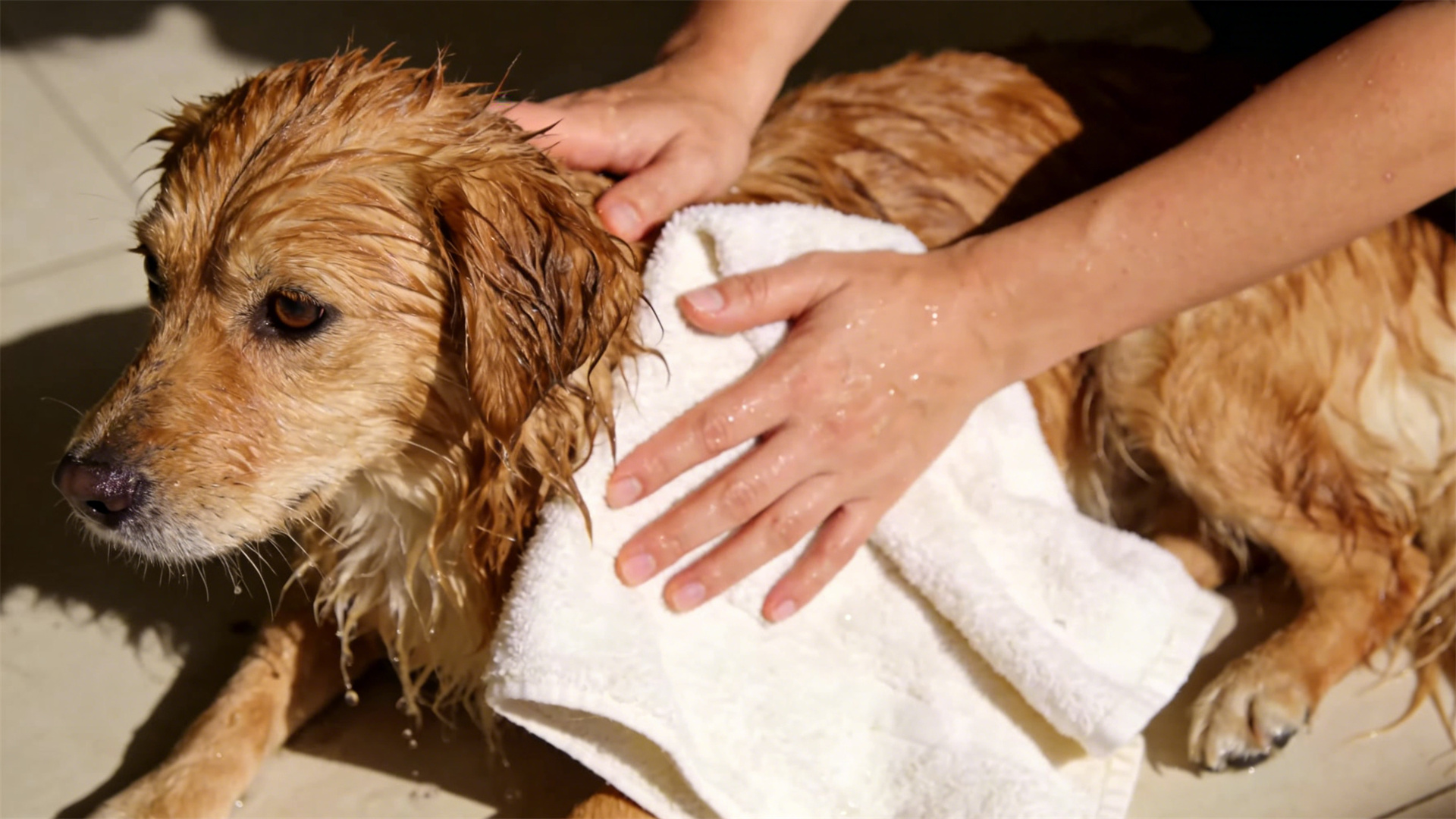
Do not let your dog shake indoors! If possible, towel off the worst outside first. Then, inside on a waterproof mat, start by gently squeezing the coat with your hands. Start at the head and neck, moving down the back, legs, and tail, pushing water off and out of the coat. For large or very furry dogs, a pet-specific squeegee or chamois is incredibly effective at stripping away the bulk of the water before you even pick up a towel, cutting drying time in half.
Step Two: Thorough Towel Drying
Invest in high-quality, highly absorbent microfiber towels. Unlike cotton terry cloth, microfiber wicks moisture away from the coat efficiently. Use a "dab and press" motion initially for the face and sensitive areas, then a more vigorous rubbing motion for the body. Pay meticulous attention to the "danger zones": the belly, armpits, under the tail, between the back legs, the paw pads, and under floppy ears. Don't forget the chest and the base of the tail. Use multiple towels—it's common to go through 2-3 for a medium-to-large dog. The coat should be merely damp to the touch before proceeding.
Step Three: The Strategic Use of a Blow Dryer
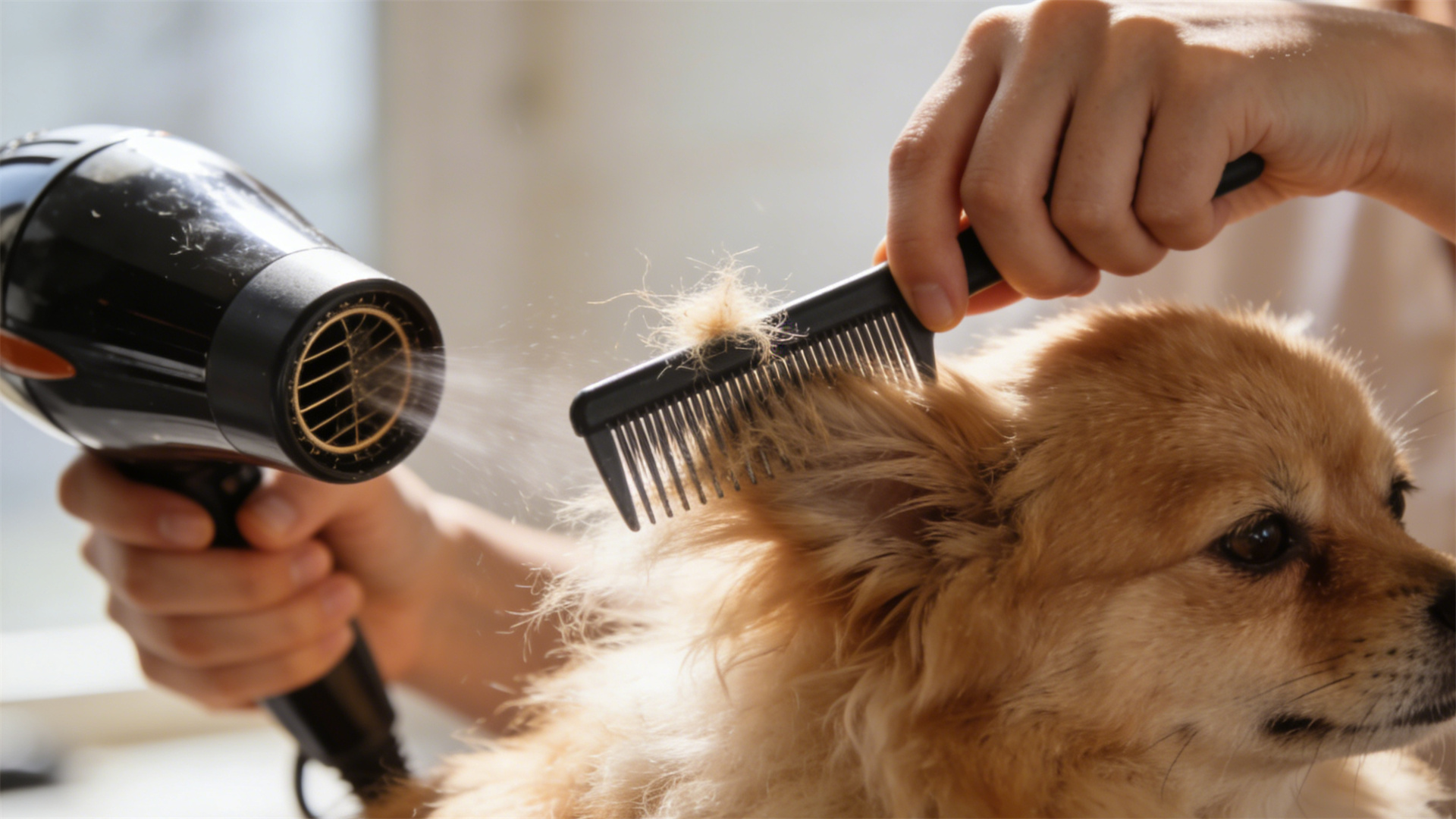
For a complete dry, especially for dense-coated breeds, a dryer is often essential. Never use a human hair dryer on high heat.
- Use a Cool or Low-Heat Setting: Opt for a pet dryer or a human dryer with clear temperature controls.
- Constant Motion is Key: Keep the dryer moving in sweeping motions, never focusing on one spot.
- Maintain a Safe Distance: Start at least 12-18 inches away. Use your free hand to feel the skin temperature continuously—it should never feel hot.
- Fluff the Coat: Use a slicker brush in your other hand to gently lift and separate the hair as you dry, directing airflow to the skin. This is the professional groomer's secret for a perfect, puff-dry finish.
Step Four: The Critical Check of Hidden Areas
This is the step most often missed. For double-coated breeds (e.g., German Shepherds, Malamutes), the top "guard" hairs can feel dry while the dense, woolly "undercoat" remains sopping wet against the skin. Part the fur in multiple sections—along the back, on the rump, behind the shoulders—and feel down to the skin with your fingers. If it feels cool or damp, continue focused drying with the dryer on cool in that specific area.
Step Five: Final Brushing and Providing Warmth
Once you are 100% certain the dog is dry from skin to fur-tip, give a final, gentle full-body brushing. This restores the coat's natural layering and insulation properties. Then, ensure your dog has access to a warm, draft-free bed or crate. Allow them to rest and let their body temperature normalize completely. Offering a small, warm meal can also help fuel internal heat production.
☔ Proactive Protection: Prevention as the Ultimate Cure
While expert drying is crucial, preventing excessive saturation is the first line of defense.
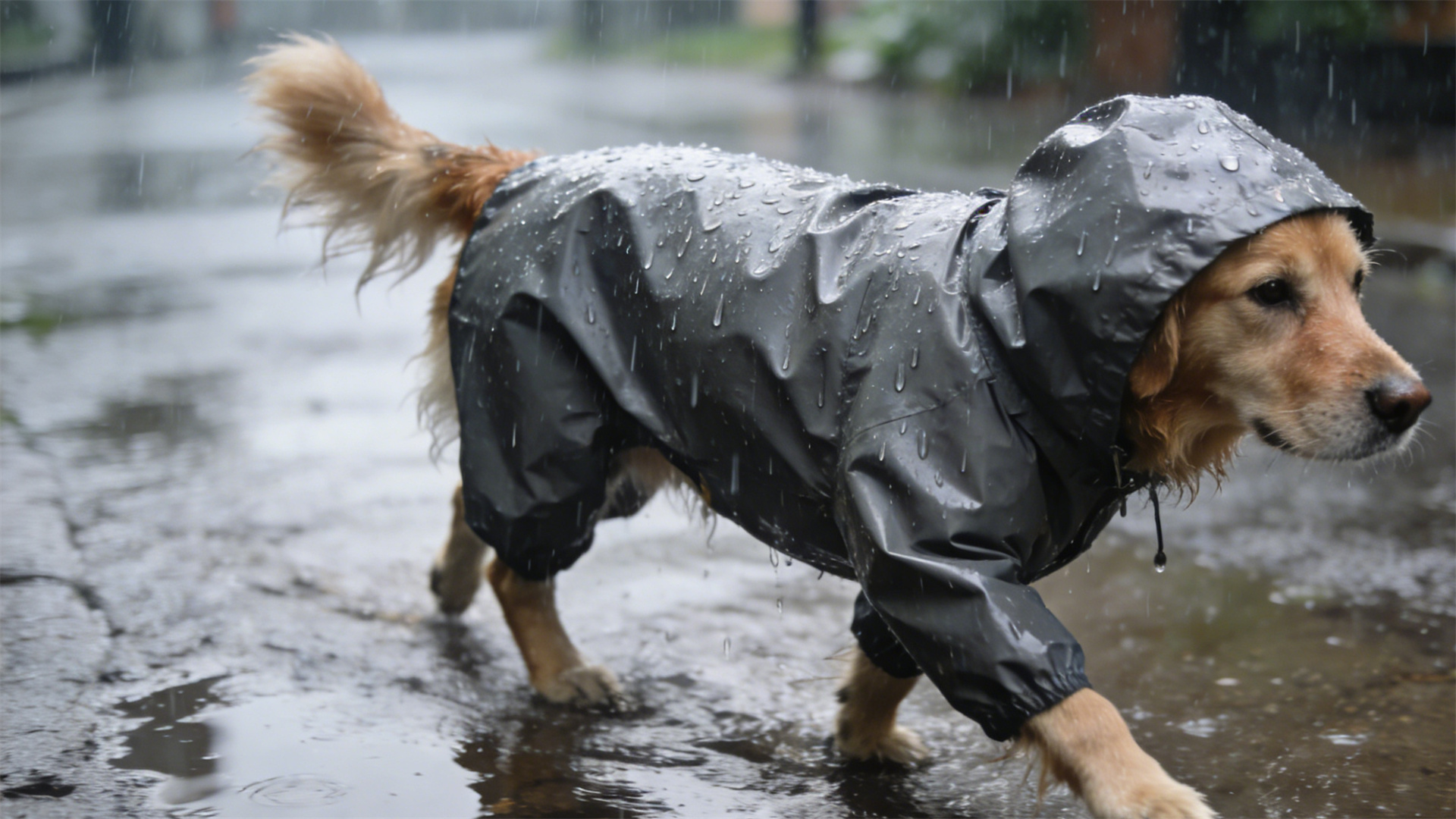
- Waterproof Apparel: A well-fitted waterproof dog coat is not a fashion statement; it's functional gear that keeps the torso (where vital organs are) significantly drier. This is especially valuable for small dogs, seniors, and short-haired breeds.
- Paw Protection: In heavy rain or urban areas, dog boots can keep paws dry and protect them from corrosive road salts or chemicals.
- Diet and Supplements: A diet rich in Omega-3 and Omega-6 fatty acids (from fish oil, etc.) bolsters the skin's natural lipid barrier, making it more resilient to moisture. A robust immune system starts with balanced nutrition.
- Regular Grooming: A matted coat holds water like a sponge next to the skin. Regular brushing, and professional grooming for high-maintenance coats, prevents matting and allows for proper air circulation to the skin.
Your vigilance after a rainy walk is a direct investment in your dog's long-term health and comfort. By understanding the serious risks of eczema and respiratory illness, and by mastering the detailed, thorough practice of drying dog skin after rain, you transform from a simple pet owner into an informed caregiver. This commitment ensures that every adventure, rain or shine, ends in warmth, health, and a wagging tail ready for the next one.