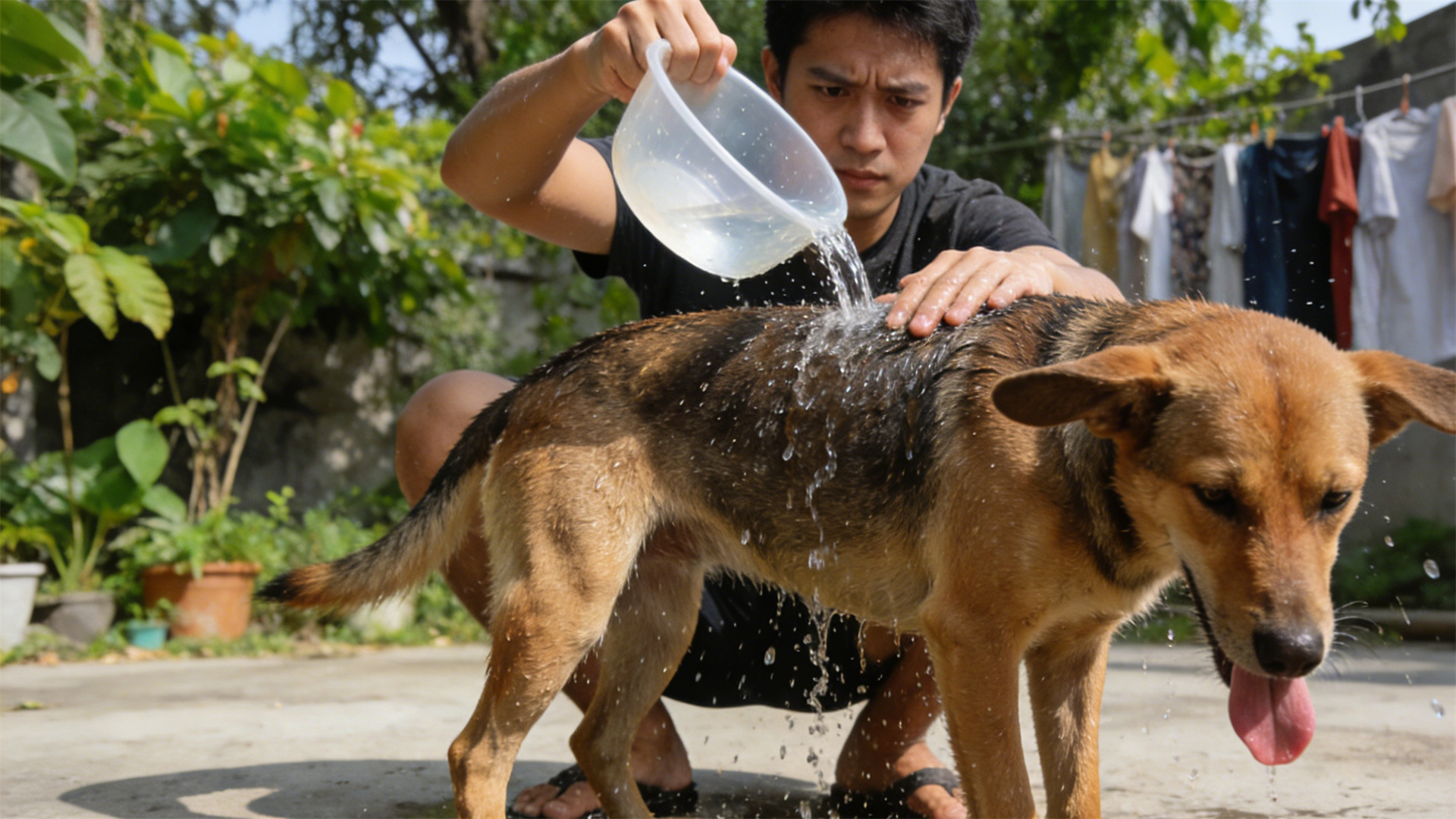
Your dog's paws are engineering marvels—compact shock absorbers, traction devices, and temperature insulators all in one. These resilient pads allow your adventurous companion to traverse countless terrains. Yet, despite their toughness, they are surprisingly vulnerable to the extreme elements of each season. Just as we protect our own feet, proactive care for your dog's paws is non-negotiable. Beyond booties, a cornerstone of this care is the use of professional ointments. This comprehensive guide will delve into why these specialized products are essential and how to select the perfect formula to keep those paws healthy and happy all year round. 🐾
❄️ Understanding the Threat: What Your Dog's Paws Are Up Against
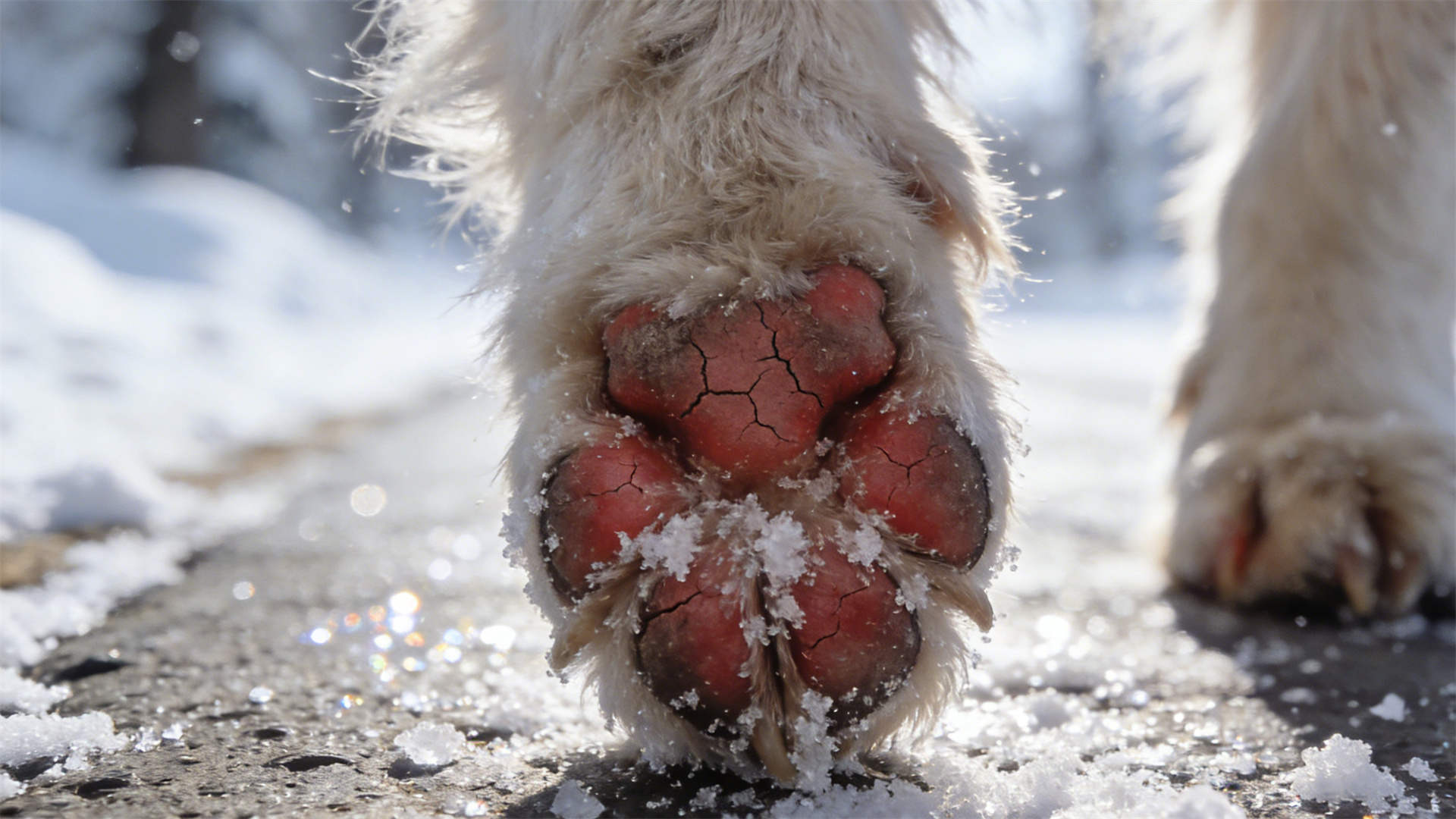
To appreciate the solution, we must first understand the problems. A dog's paw pads consist of a thick layer of fatty tissue and keratin. While designed for protection, they are not impervious to sustained assault from environmental extremes.
Winter's Chilling Assault: More Than Just Cold
Winter presents a multifaceted attack on paw health:
- Dehydration & Cracking: Cold air holds less moisture, and icy surfaces actively draw moisture out of the pads. This leads to dryness, peeling, and painful fissures or cracks, which can bleed and become infected.
- Chemical Burns from De-icers: Common road salts and chemical ice melts are highly corrosive. They can cause chemical burns, irritation between the toes, and are toxic if ingested during licking.
- Ice Ball Formation: Snow and ice can compact between toes and around paw pads, forming painful ice balls that pull on fur and skin.
- Frostbite Risk: In extreme cold, especially on wet paws, blood flow is redirected to vital organs, leaving extremities like paws vulnerable to frostbite.
Summer's Scorching Onslaught: The Hidden Dangers of Heat
Summer brings a completely different, yet equally damaging, set of hazards:
- Contact Burns: Asphalt, concrete, and sand can reach staggering temperatures. A general rule: if it's too hot for the back of your hand for 7 seconds, it's too hot for your dog's paws. These surfaces can cause blistering and severe burns.
- Abrasions & Cuts: Dry, hard ground, rough trails, and rocky terrain can wear down pads, leading to abrasions, cuts, and torn pads.
- Dry, Hardened Pads: Parched summer earth can also dehydrate pads, making them less supple and more prone to cracking under pressure.
🛡️ The Role of Professional Ointments: Why "Human" Lotions Don't Cut It
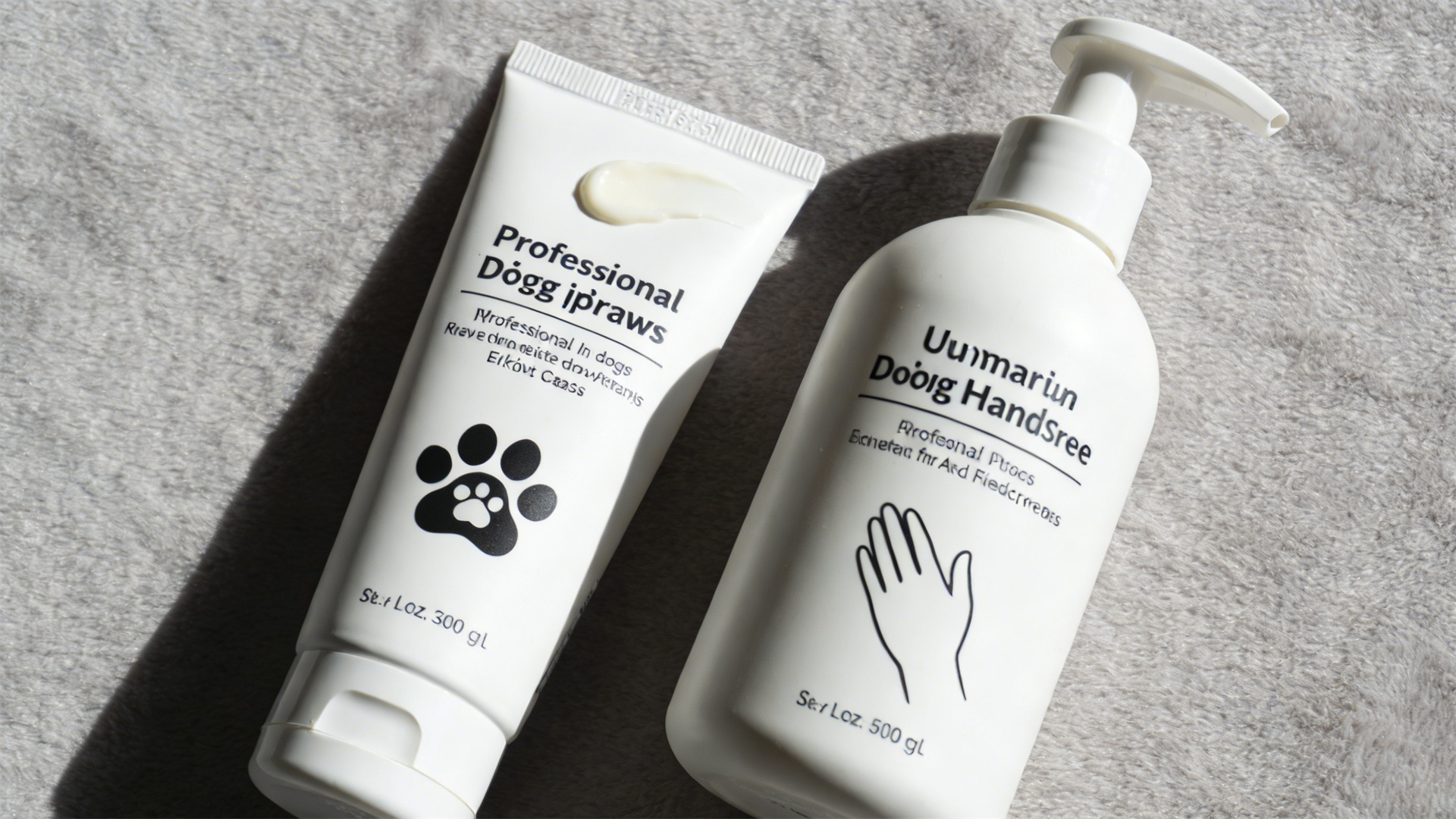
It's tempting to reach for your own moisturizer, but professional dog paw balms and ointments are formulated with canine-specific needs in mind. They serve three critical functions:
- Barrier Protection: They create a durable, breathable shield over the pad. This barrier repels moisture in winter (preventing ice-melt absorption) and provides a protective layer against hot surfaces and rough terrain in summer.
- Deep Nourishment & Healing: They deliver concentrated, safe ingredients designed to penetrate and heal damaged tissue, restore moisture, and promote cellular repair from cracks, burns, or abrasions.
- Safe for Ingestion: Dogs lick their paws. Professional formulas use food-grade, non-toxic ingredients to ensure safety if ingested, unlike many human products containing harmful chemicals or drying alcohols.
⛄ Choosing a Winter Ointment: The Fortifying Formula
A winter paw product should be like a durable pair of waxed boots—focused on sealing out moisture and forming a resilient barrier. Look for these key features:
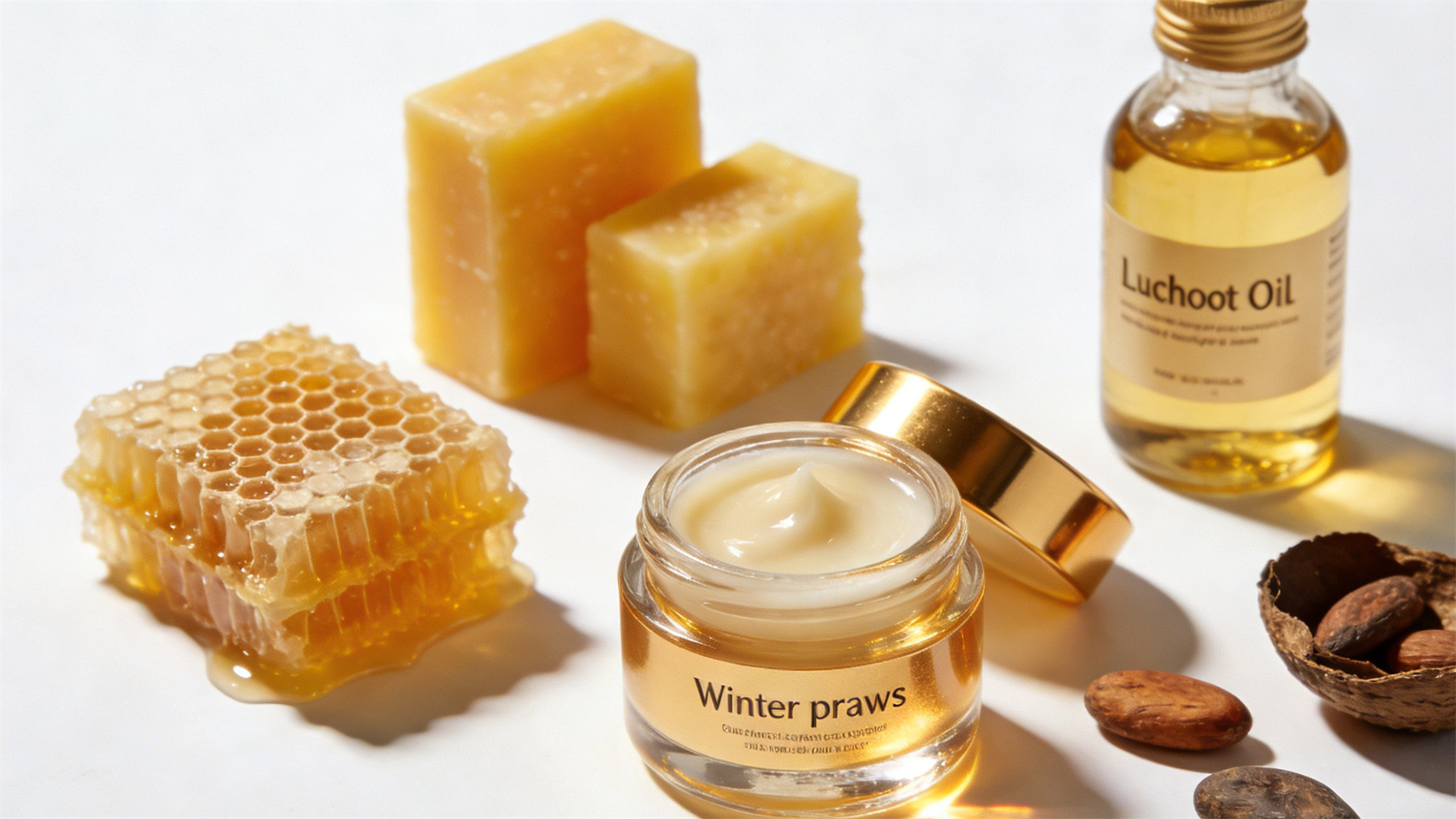
- A Thick, Barrier-Forming Base: The first ingredient should be a natural wax like beeswax or carnauba wax. These create a long-lasting, water-repellent seal on the pad.
- Soothing & Healing Powerhouses: Ingredients like shea butter, cocoa butter, coconut oil, and vitamin E are superb for delivering deep moisture and repairing dry, cracked skin.
- Natural Antiseptics: Since cracks can invite infection, ingredients like calendula or chamomile offer gentle antiseptic and anti-inflammatory properties.
- Special Reminder: Avoid products with petroleum jelly (petrolatum/mineral oil). While it creates a barrier, it doesn't moisturize, can clog pores, and may cause stomach upset if licked in large quantities.
- Label Check: Seek out balms explicitly labeled for "winter protection," "ice and salt shield," or "cracked paw repair."
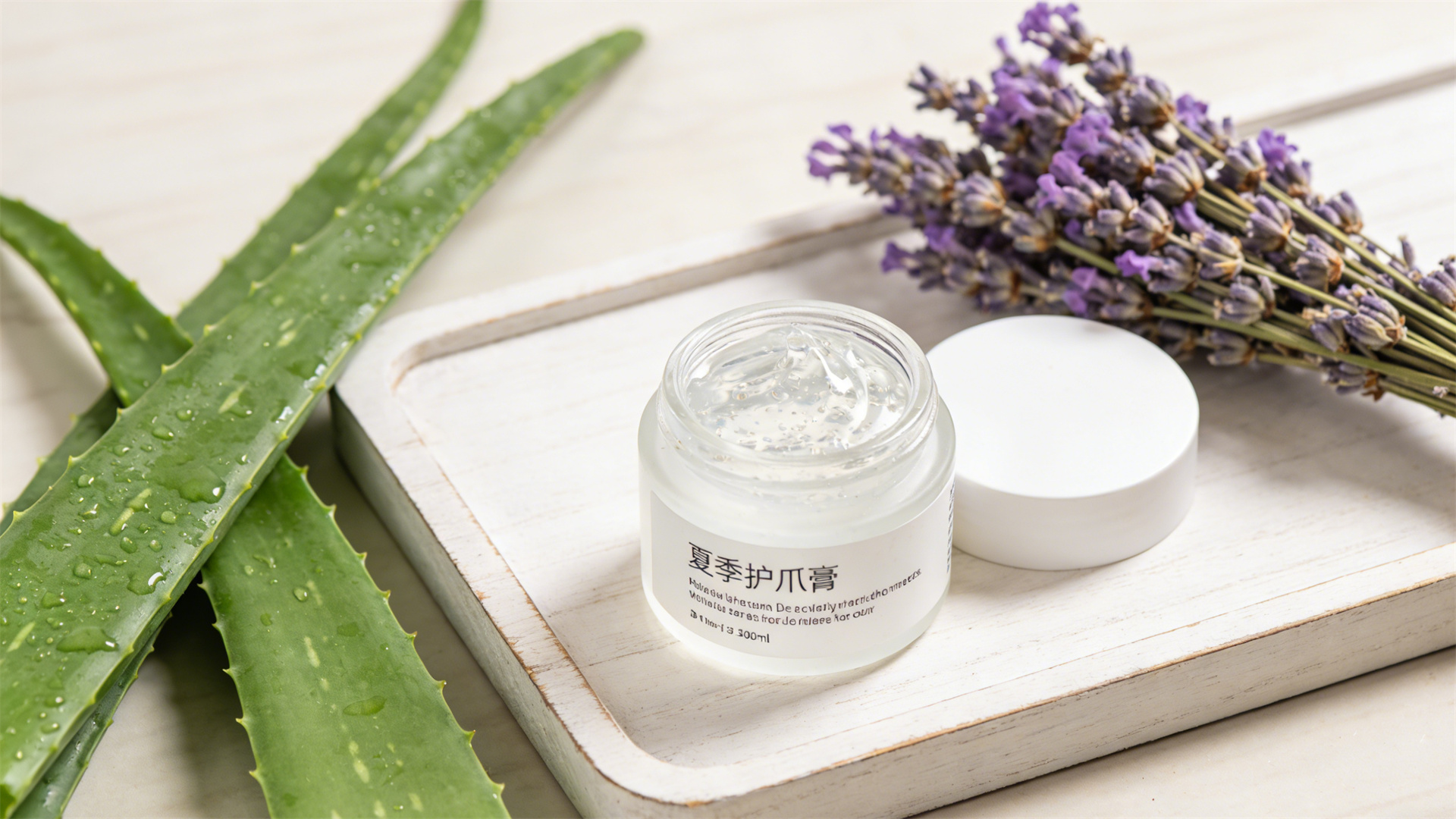
🔥 Choosing a Summer Ointment: The Soothing & Recovery Balm
Summer balms prioritize healing, cooling, and protection against abrasion. The consistency might be slightly lighter for better absorption while still offering defense.
- A Protective Yet Absorbent Base: Look for rich butters like shea or mango butter as a base. They offer protection but absorb more fully than pure wax.
- Cooling & Healing Agents: Aloe vera is a star for its immediate cooling and healing effect on minor burns and hot spots. Lavender (in safe, diluted amounts) and chamomile provide calming, anti-inflammatory benefits.
- Antimicrobial Ingredients: To prevent infection in cuts or blisters, look for manuka honey (a powerful natural antibacterial) or tea tree oil (crucial note: only in formulations specifically diluted for canine use, as high concentrations are toxic).
- Label Check: Ideal products are marketed for "hot pavement," "soothing burns," "trail protection," or "abrasion relief."
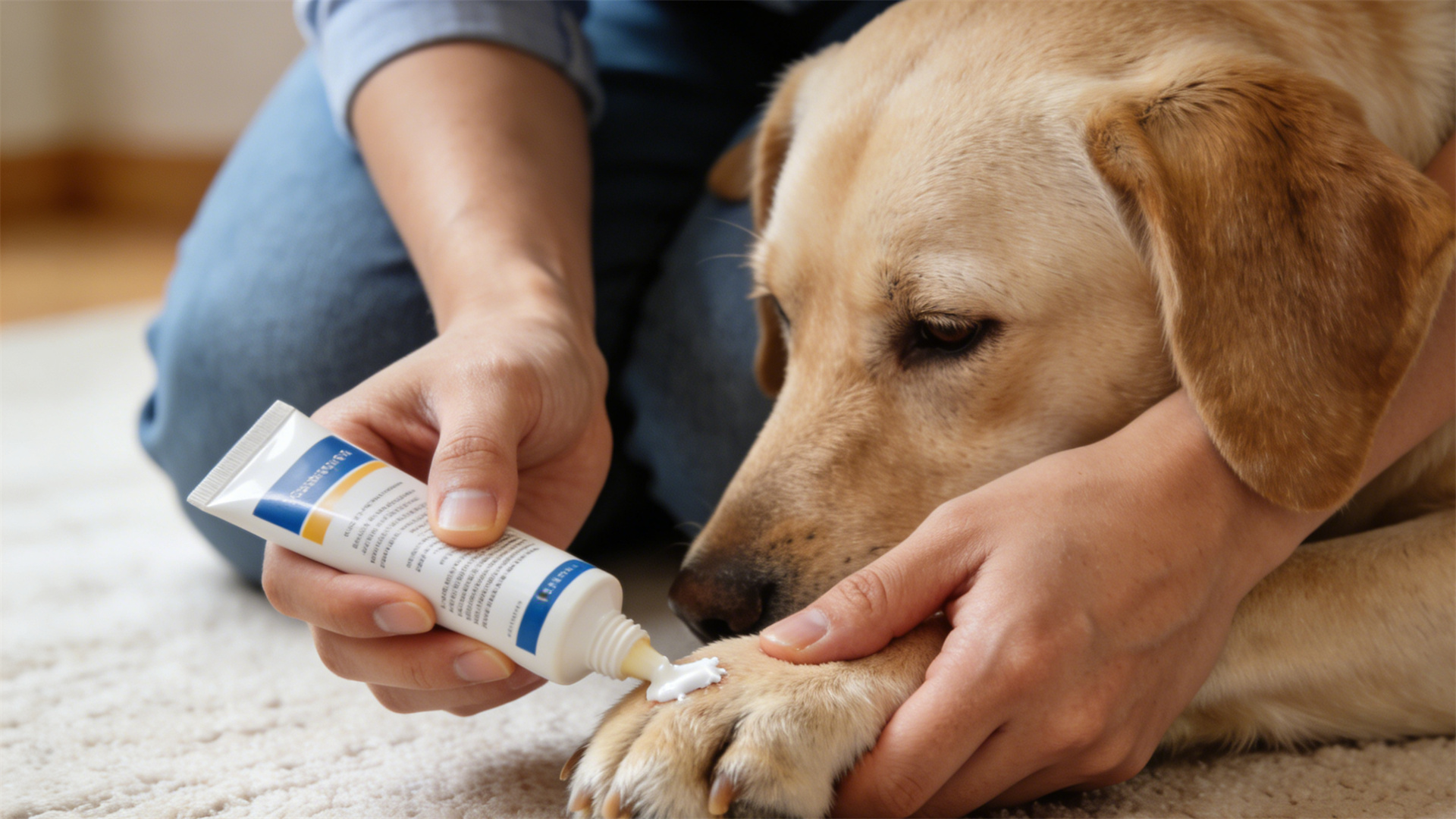
👐 How to Apply Paw Ointment Effectively
Proper application ensures maximum benefit and safety. Follow this step-by-step routine:
- Clean: After a walk, gently wipe paws with a damp cloth to remove dirt, salt, or debris. Dry thoroughly—applying balm to wet paws traps moisture and reduces effectiveness.
- Inspect: Check between toes and pads for cracks, cuts, or foreign objects like burrs or pebbles.
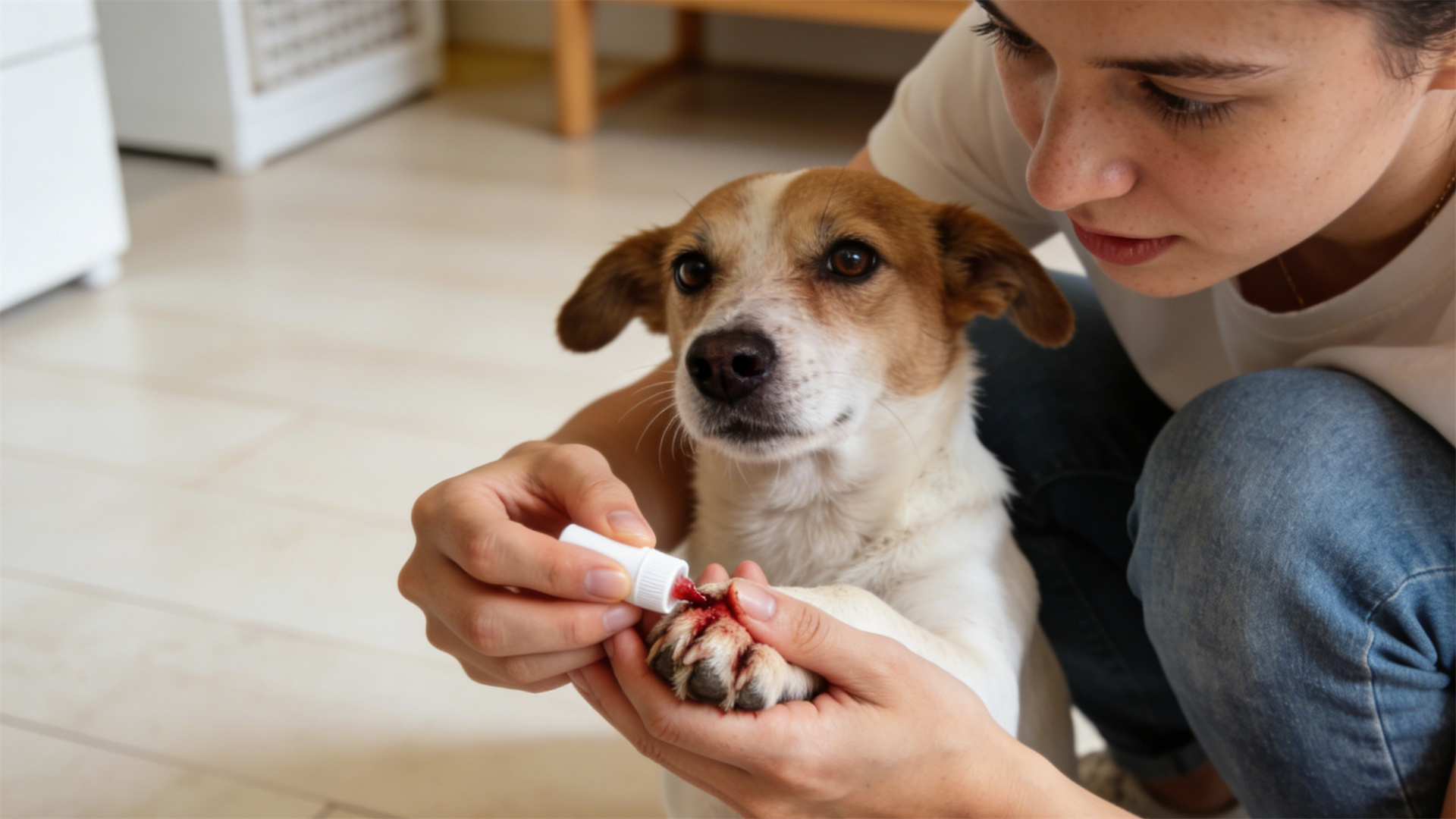
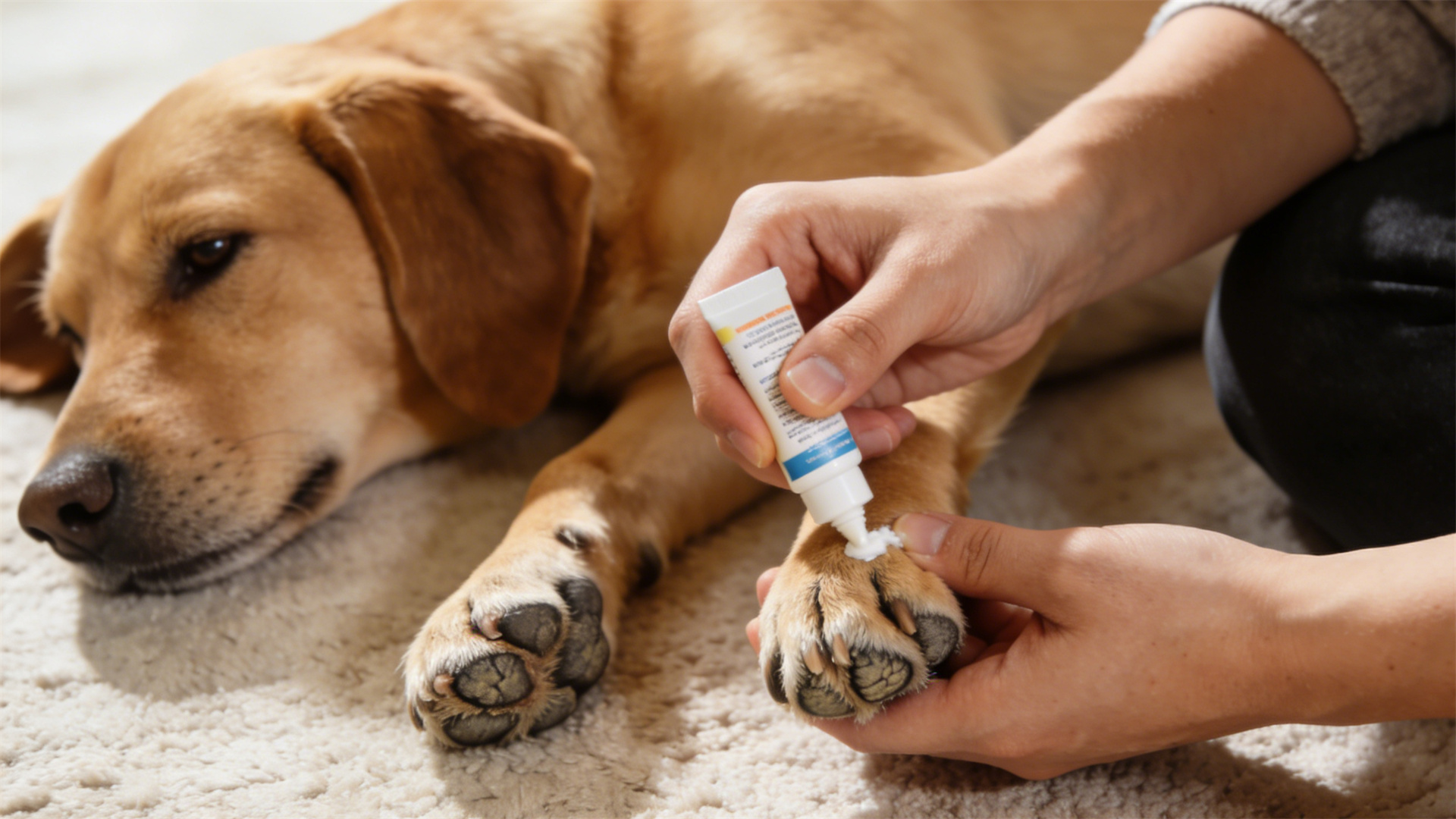
- Apply: Using your finger, scoop a small amount and apply a thin, even layer to the entire surface of each paw pad. Don't forget the margins and between the toes if those areas are dry.
- Massage: Gently massage the balm into the pad until it's mostly absorbed. This stimulates circulation and ensures coverage.
- Set & Supervise: Allow a few minutes for the balm to fully set and absorb before your dog walks on indoor surfaces. Distract them with a treat or cuddle to minimize immediate licking.
- Be Consistent: For proactive protection, apply before walks in extreme conditions. For healing, apply 2-3 times daily until the issue resolves.
🔬 Key Ingredients to Look For & Safety First
Your ingredient vetting checklist should be strict. Always prioritize veterinarian-approved or brands with a professional reputation.
- The Green Light (Seek These Out): Natural butters (shea, cocoa, mango), plant oils (coconut, olive, jojoba), food-grade waxes (beeswax), vitamin E, aloe vera, calendula, chamomile, manuka honey, and oatmeal (for soothing).
- The Red Flag (Avoid These): Artificial fragrances, dyes, parabens, propylene glycol, and mineral oil/petroleum. Be wary of "mystery oils" or undefined "botanical extracts."
- The Caution Zone (Use With Care): Essential oils like tea tree, lavender, or eucalyptus. They must be present in extremely low, dog-safe concentrations formulated by experts. When in doubt, choose a balm without them.
- Patch Test: Before full-scale use, apply a dime-sized amount to a small area on the inner leg. Monitor for 24 hours for any redness or irritation.
💝 Conclusion: An Investment in Adventure
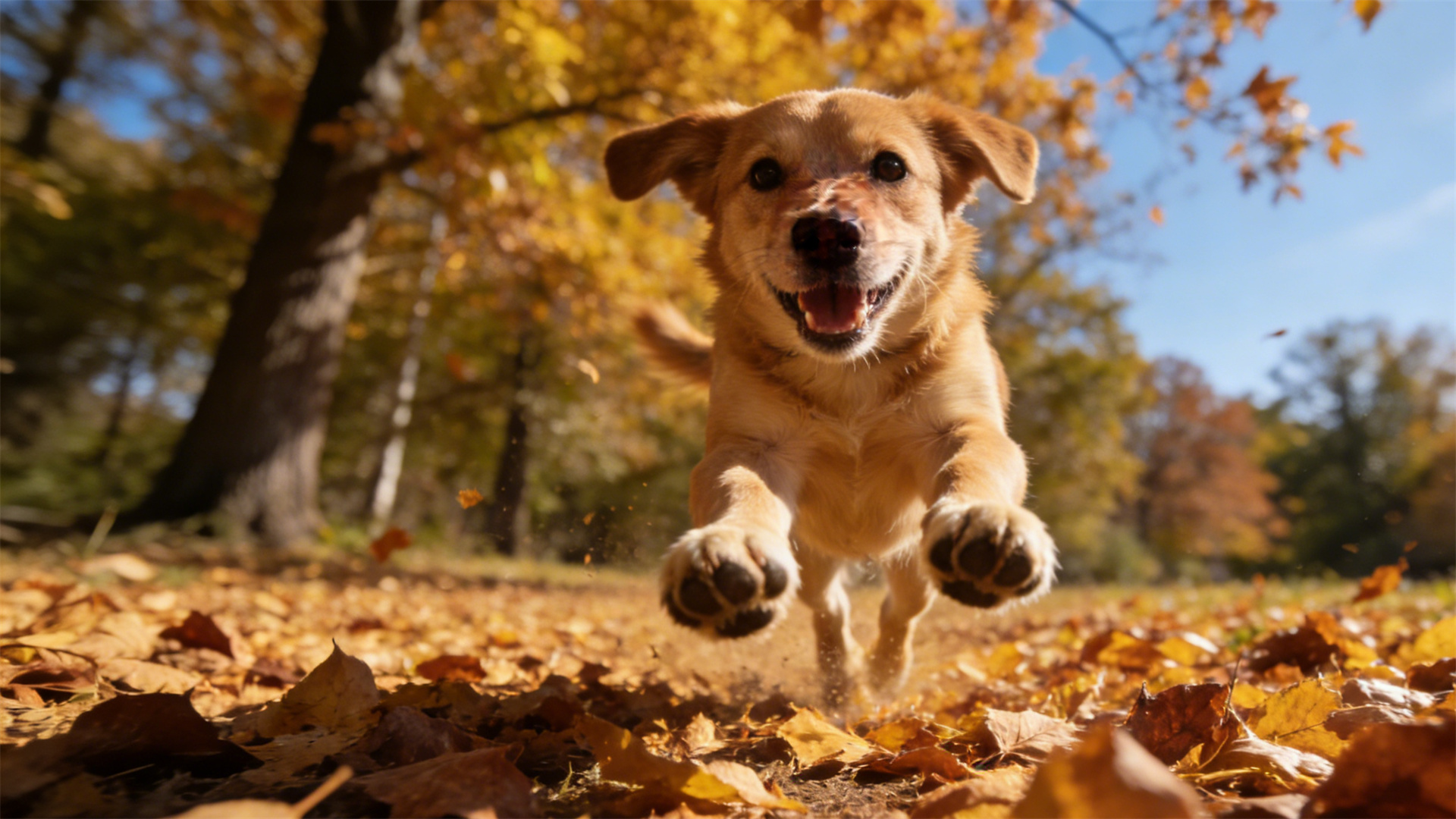
Your dog's world is explored one paw-step at a time. Proactive paw care with professional ointments is not a luxury; it's a fundamental aspect of responsible pet ownership and preventative health. By understanding the seasonal threats and strategically choosing a protective winter wax or a soothing summer balm, you actively prevent pain, costly vet visits, and downtime from your favorite activities. View that tin or tube of high-quality paw balm as an essential part of your adventure kit—a simple, powerful tool that safeguards your dog's mobility and comfort. Invest in their paws, and you invest in countless more happy, healthy walks together, come snow, sun, or anything in between.