For every dog owner, the bond with their furry companion is built on love, trust, and a deep-seated responsibility for their health. Infectious diseases pose a silent but significant threat, capable of escalating from mild discomfort to life-threatening emergencies with alarming speed. Early detection is not just beneficial; it is critical. Recognizing the subtle, initial signs of illness can drastically improve treatment outcomes, reduce suffering, and prevent the spread to other animals. This comprehensive guide empowers you to become your dog's first and most important health advocate, detailing the key early warning signs you must monitor and providing actionable insights for superior canine care.

🐾 Why Early Detection is Your Most Powerful Tool
Canine infectious diseases, caused by viruses, bacteria, fungi, or parasites, often have a "golden window" for intervention. Diseases like parvovirus or canine distemper can overwhelm a puppy's system in under 48 hours. By understanding that dogs instinctively hide weakness—a trait inherited from their wild ancestors—you learn to read the subtle hints they give. Your vigilance directly translates to more effective, less invasive (and often less expensive) veterinary treatment, safeguarding your pet's long-term vitality.
🔍 The Canine Health Baseline: Know What's "Normal"
Effective monitoring starts with a baseline. Document your dog's normal resting respiratory rate (10-30 breaths per minute), gum color (bubblegum pink), energy levels, appetite, and typical stool consistency. Keep a simple log. This personalized data becomes invaluable, making deviations immediately apparent.

🚨 Early Warning Signs to Monitor Closely
The following symptoms, especially when they appear in combination, are red flags warranting closer attention and potential veterinary consultation.
⚡ 1. Lethargy and Unusual Fatigue
A sudden drop in energy is a cardinal sign. This isn't just a lazy day; it's a pronounced disinterest in activities they usually relish—walks, play, or greeting you at the door. Your normally playful puppy who now sleeps all day or your athletic dog who lags behind on a routine walk is signaling that their body is fighting something. Lethargy is a common early symptom for systemic infections ranging from Lyme disease to influenza.
🍖 2. Loss of Appetite (Anorexia)
Dogs are typically food-motivated. Refusing a favorite meal or treat for more than 24 hours is a serious indicator. This loss of appetite often precedes more specific symptoms, as the body diverts energy to the immune response. In diseases like parvovirus, anorexia is swiftly followed by severe gastrointestinal distress.
🌡️ 3. Fever
While a "warm, dry nose" is an unreliable myth, actual fever is a key sign. Normal canine temperature is 101.0 to 102.5°F (38.3 to 39.2°C). Signs include shivering, lethargy, warm ears/armpits/groin, and reddened gums. A digital rectal thermometer is the only accurate tool for home confirmation. Fever indicates the body is actively combating an infection, be it bacterial or viral.
😮💨 4. Coughing, Sneezing, or Nasal/Ocular Discharge
Persistent respiratory signs are hallmarks of "kennel cough" (Bordetella), canine influenza, or early-stage distemper. A mild, occasional cough may be benign, but a frequent, honking, or productive cough, especially with green or yellow discharge from the nose or eyes, points to a contagious respiratory infection. Note that some distemper in dogs early symptoms can mimic a common cold.
🤢 5. Vomiting and Diarrhea
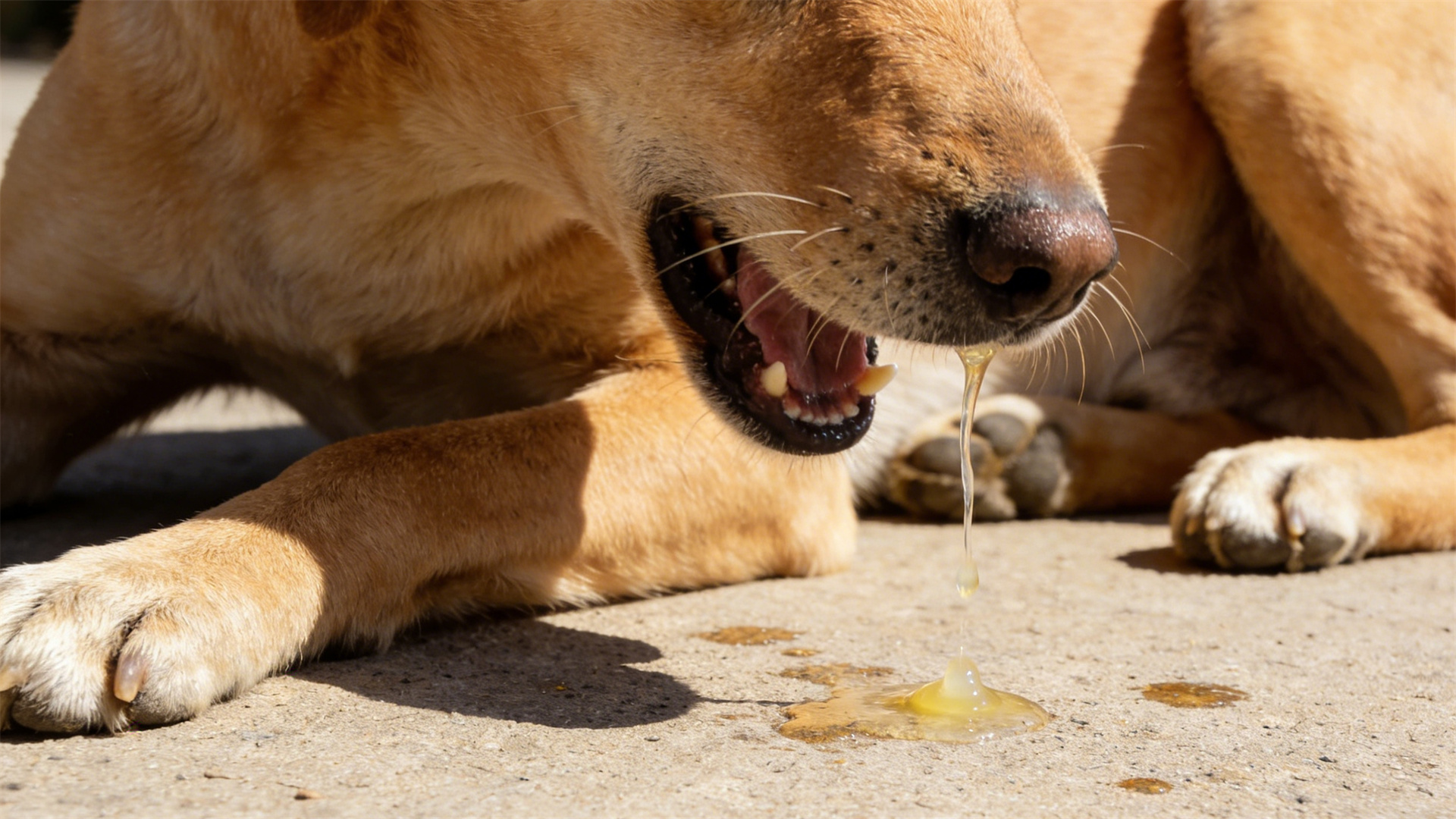
An isolated incident may result from dietary indiscretion, but recurrent episodes are a major red flag. Vomiting or diarrhea, particularly if bloody, projectile, or accompanied by mucus, can indicate anything from a gastrointestinal bug to a deadly virus like parvovirus. It leads to rapid dehydration and electrolyte imbalance, which is especially dangerous for puppies and small breeds.
🧠 6. Behavioral Changes
Often overlooked, these are subtle but telling. Uncharacteristic irritability, aggression, hiding, constant pacing, or excessive sleepiness can signal that your dog is in pain or feeling profoundly unwell. A dog with Lyme disease, for instance, may exhibit joint pain manifesting as reluctance to move or being sensitive to touch.
🛡️ Proactive Prevention: Building a Health Shield
While dog disease early detection is crucial, prevention is the ultimate goal. A multi-layered approach is most effective.
Core Vaccination: This is non-negotiable. Follow your veterinarian's protocol for DHPP (Distemper, Hepatitis, Parainfluenza, Parvovirus), Rabies, and other regionally advised vaccines like Leptospirosis or Bordetella.
Parasite Control: Use year-round preventatives for fleas, ticks, and heartworms. Ticks are vectors for diseases like Lyme disease, making prevention key for Lyme disease early detection in dogs a moot point.
Nutrition & Hygiene: A balanced diet supports a robust immune system. Provide fresh water daily and wash food/water bowls regularly. Limit contact with unknown or sick dogs and avoid high-risk areas like dog parks if there are local outbreaks.
Routine Veterinary Exams: Biannual check-ups allow for canine health monitoring through blood work and physical exams, often catching issues before symptoms arise.

💎 Conclusion: Your Awareness Saves Lives
Special Reminder: If you observe any of the early warning signs described—especially in clusters or worsening over 24 hours—contact your veterinarian immediately. Do not wait to see if it "gets better." Describe the symptoms clearly, noting their onset and progression. Your prompt action is the single greatest factor in safeguarding your dog's health, preventing the spread of contagious diseases, and ensuring many more happy, healthy years together. In the world of infectious disease prevention for dogs, an informed and attentive owner is the ultimate first line of defense.