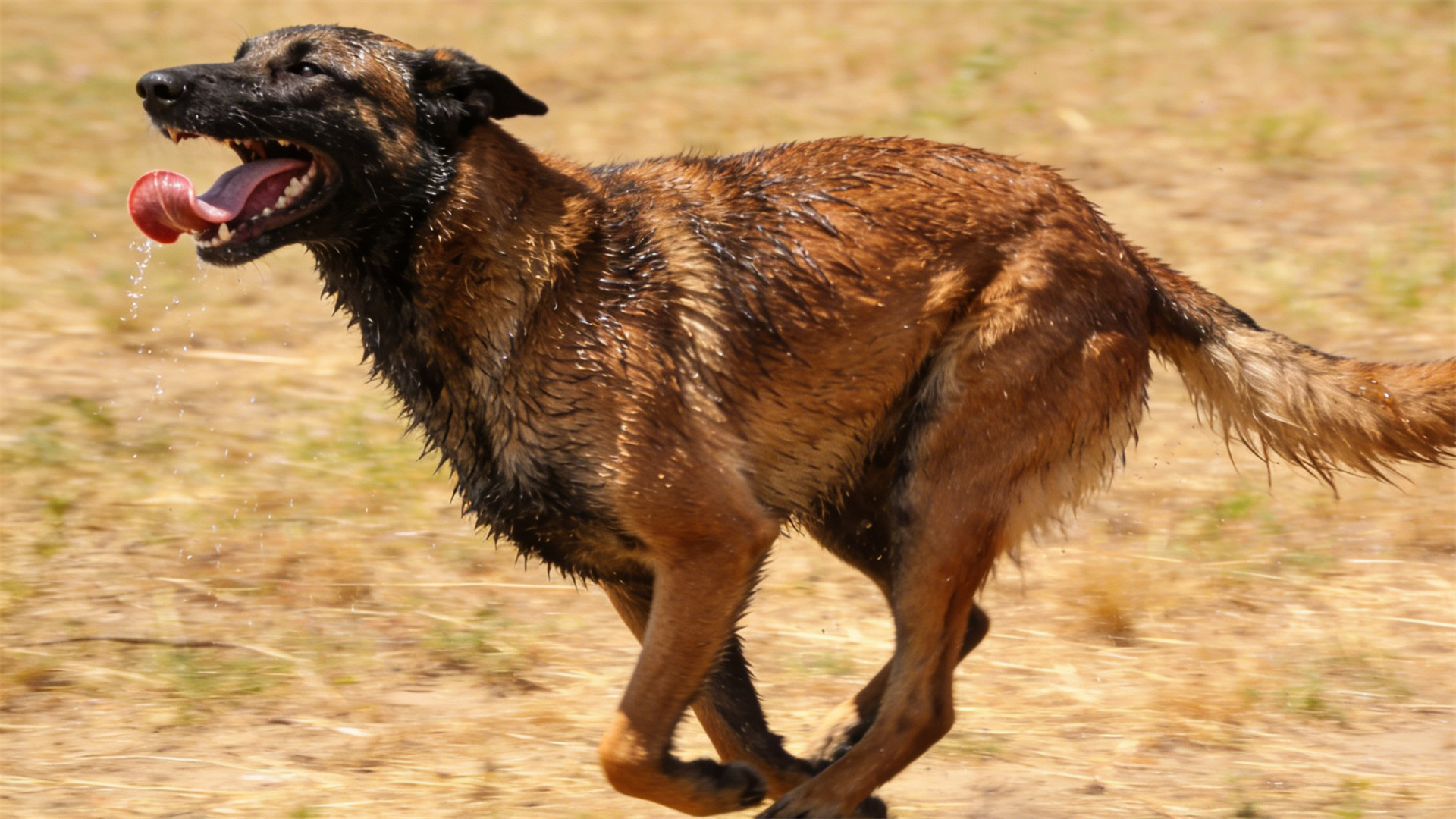
The sun is shining, the trails are calling, and your canine companion is eagerly waiting by the door. Summer is the season for adventure, but as responsible pet parents, we often lather ourselves in sunscreen while overlooking a critical danger for our four-legged friends. The sun's powerful ultraviolet (UV) rays pose a significant threat to your dog's health, capable of causing painful sunburns and, more alarmingly, increasing the risk of developing skin cancers. Proactive, informed sun protection is not an optional extra—it's an essential component of modern, preventative canine healthcare. This comprehensive guide will equip you with the knowledge and strategies to safeguard your dog, ensuring your summer memories are filled with nothing but joy and good health.
🌞 Understanding Canine Sun Vulnerability: Who is Most at Risk?
While all dogs can get sunburned, not all face equal risk. Just as fair-skinned humans must be more vigilant, certain canine characteristics make some dogs exceptionally vulnerable to UV damage. Understanding your dog's risk profile is the first step toward effective protection.
🐾 High-Risk Groups
The following dogs require intensive and consistent sun protection:
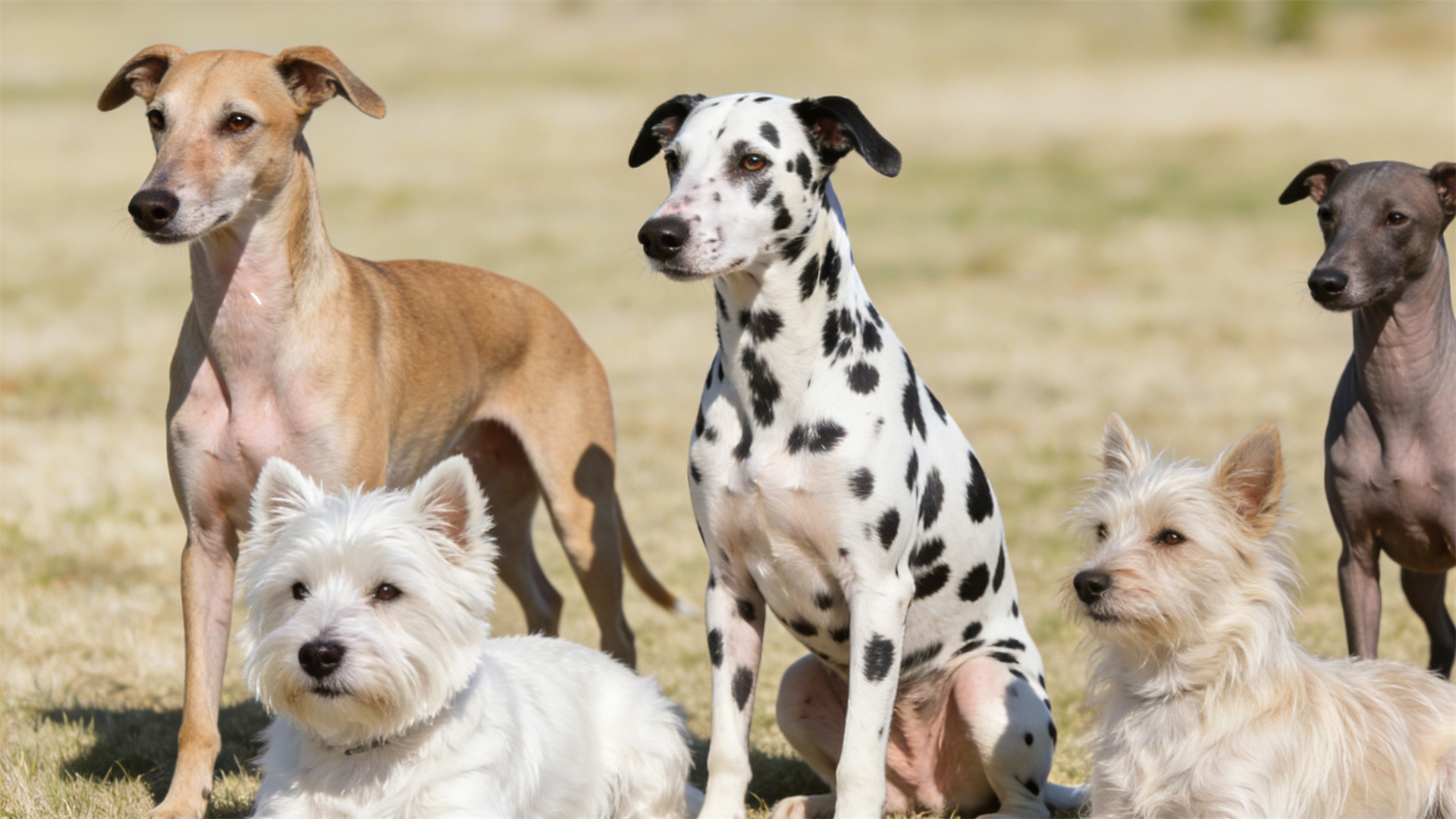
- Dogs with Short, Thin, or Sparse Coats: Breeds like Greyhounds, Dalmations, Boxers, Pit Bulls, and Whippets lack the dense fur that provides natural UV filtration.
- Dogs with White or Light-Colored Fur: Pigment (melanin) offers some protection. Dogs with light fur, such as many White Bulldogs, West Highland White Terriers, and Samoyeds, have less natural defense.
- Dogs with Pink Skin or Light-Colored Noses/Eyelids: The skin itself lacks protective pigment. Look at your dog's nose leather and the skin around their eyes. A pink or "dudley" nose is a major vulnerability point.
- Hairless Breeds: Breeds like the Chinese Crested, Xoloitzcuintli, and American Hairless Terrier have their entire body exposed and need full-coverage protection every single day.
- Dogs with Pre-Existing Skin Conditions or Shaved Areas: Dogs being treated for allergies or who have been shaved for surgery have compromised skin barriers. Important Note: Avoid close "summer shaves" for double-coated breeds like Huskies or Golden Retrievers; their undercoat provides insulation and sun protection.
🐾 Vulnerable Body Parts on *Any* Dog
Even dogs with luxuriously thick coats have exposed areas where skin cancer commonly occurs. These "hot spots" must never be neglected:
- The Bridge of the Nose and Muzzle
- Ear Tips and Edges (especially in breeds with prick ears)
- The Belly and Groin Area (thinly haired and often exposed when dogs lie on their backs)
- Skin Around the Lips
- Any Scar Tissue
🛡️ Primary Prevention Strategies: A Multi-Layered Defense
Effective sun prevention is not about one magic solution but about building a multi-layered defense system. Combining these strategies offers the best protection for your dog during summer outdoor activities.
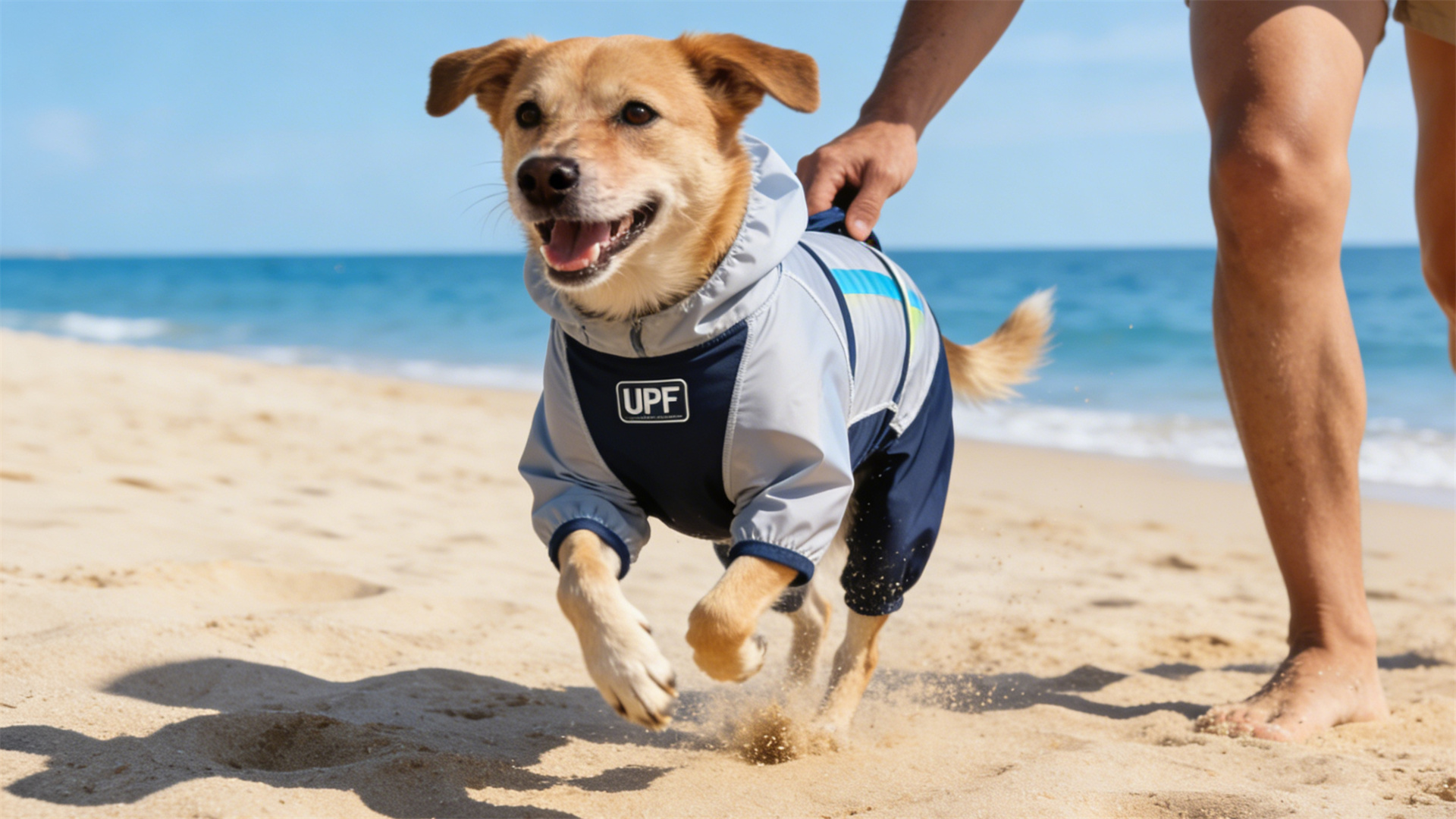
🧥 1. Sun Protective Clothing
Think of this as a portable shade structure for your dog. Quality sun-protective garments are a game-changer, especially for high-risk dogs or long days at the beach or on the boat.
- What to Look For: Seek out dog shirts, bodysuits, or "rash guards" with a certified Ultraviolet Protection Factor (UPF) of 30+. UPF 30 blocks 96.7% of UV radiation, while UPF 50+ blocks 98%.
- Key Features: Lightweight, breathable, and quick-drying fabric (like polyester or nylon blends) is crucial to prevent overheating. Ensure a snug but comfortable fit that covers the vulnerable back and belly.
- Best Use Cases: Beach trips, boating, long hikes in exposed areas, and daily walks for hairless or light-skinned breeds.
🧴 2. Canine-Specific Sunscreen: The Non-Negotiable
This is the single most important product in your summer dog care kit. NEVER use human sunscreen on your dog unless explicitly directed by your vet. Ingredients like zinc oxide (common in baby sunscreens) are toxic if ingested during grooming.
- Choosing the Right Product: Use a sunscreen formulated specifically for pets or babies (fragrance-free, PABA-free). It should be broad-spectrum (blocks UVA & UVB) and have an SPF of at least 30.
- Application Protocol:
- Apply Thoroughly 15-20 minutes before going outside.
- Cover all vulnerable areas: nose, ear tips, belly, groin, and any thin-haired spots.
- Reapply Every 4-6 Hours, and immediately after swimming or excessive sweating/playing.
- Pro Tip: Do a patch test on a small area of skin 24 hours before full use to check for any allergic reaction.
⏰ 3. Strategic Timing
The simplest and most effective strategy is often to avoid the sun at its peak. UV radiation is most intense between 10 a.m. and 4 p.m. Plan your major outdoor activities for the cooler, safer windows of early morning or late evening.
- Data Point: According to the American Kennel Club, up to 75% of harmful UV rays can be avoided by simply staying out of the midday sun.
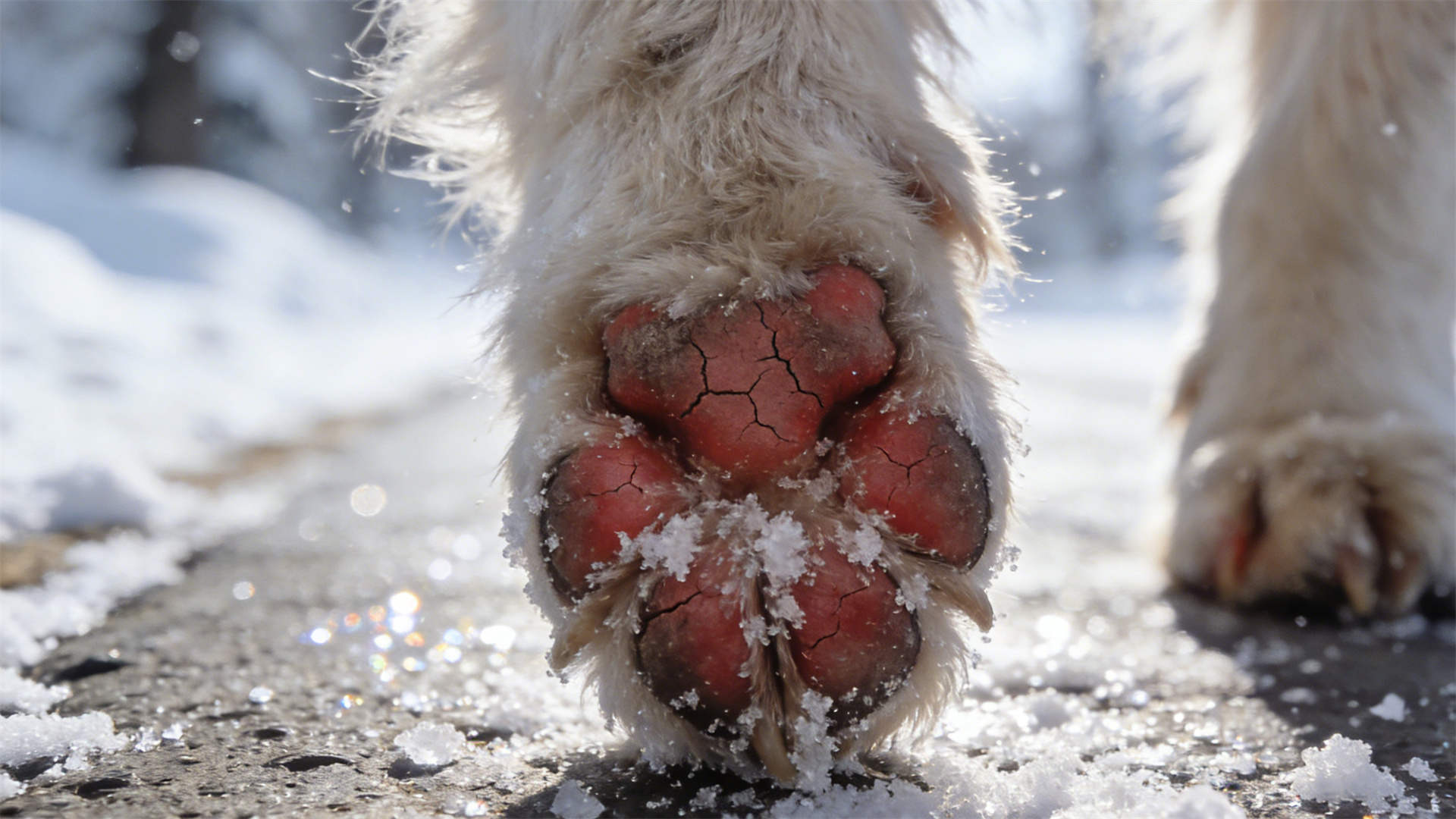
- Pavement Check: Remember the "7-Second Rule." Place the back of your hand on the asphalt for 7 seconds. If it's too hot for you, it's far too hot for your dog's paw pads and can cause severe burns.
🌳 4. Seek Consistent Shade
Never leave your dog tethered or confined in an area without ample, continuous shade. Shade from trees is ideal, but portable options are essential for dynamic environments.
- At Home: Ensure your yard has robust shade from trees, a covered patio, or a purpose-built dog house placed in the shade (never in direct sun).
- On the Go: Bring a pop-up canopy, tarp, or a large umbrella to the beach, park, or sporting event. Always provide a cool, shaded retreat where your dog can relax.
🔍 Additional Protective Measures for Full Coverage
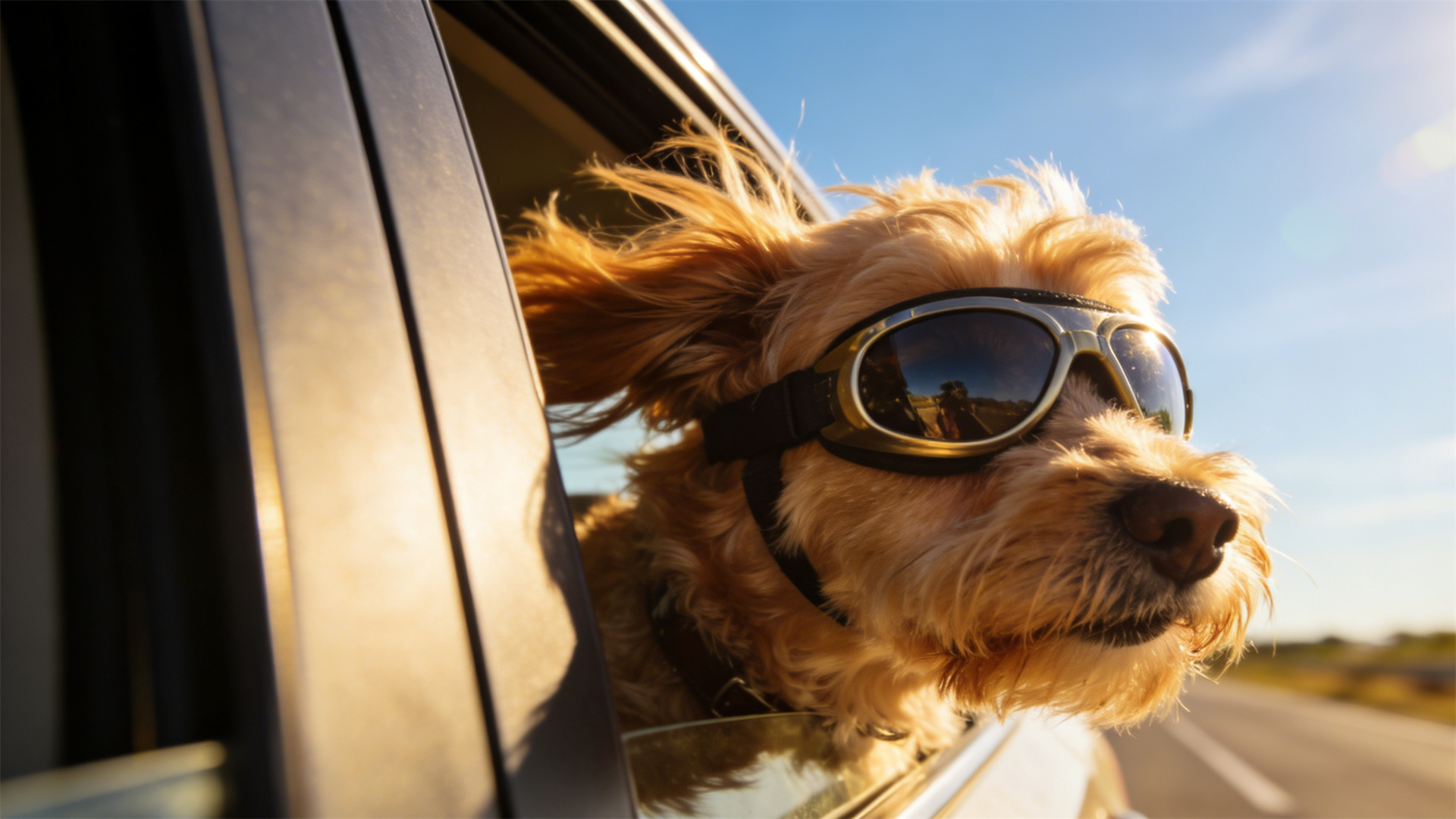
😎 Protective Dog Goggles (Doggles)
Often seen as a fashion statement, UV-blocking dog goggles serve a vital health function. They protect your dog's sensitive corneas from UV damage, which can lead to conditions like pannus. They are excellent for dogs who love car rides with their head out the window, for bright days near water or snow (which reflect UV rays), and for brachycephalic (flat-faced) breeds with prominent eyes.
🪒 Regular Coat and Skin Care
A healthy coat is a dog's first line of natural defense. Regular brushing removes dead hair and dirt, allowing the undercoat to properly insulate and shield the skin. For dogs who need trims, ask your groomer for a "summer trim" that thins the coat for coolness without exposing the skin. Always keep the skin moisturized with vet-approved products; dry, flaky skin is more susceptible to sun damage.
🩺 Vigilance and Early Detection: Your Role as a First Responder
Despite our best prevention efforts, it's crucial to monitor your dog's skin regularly. Early detection of canine skin cancer dramatically improves treatment outcomes and survival rates.
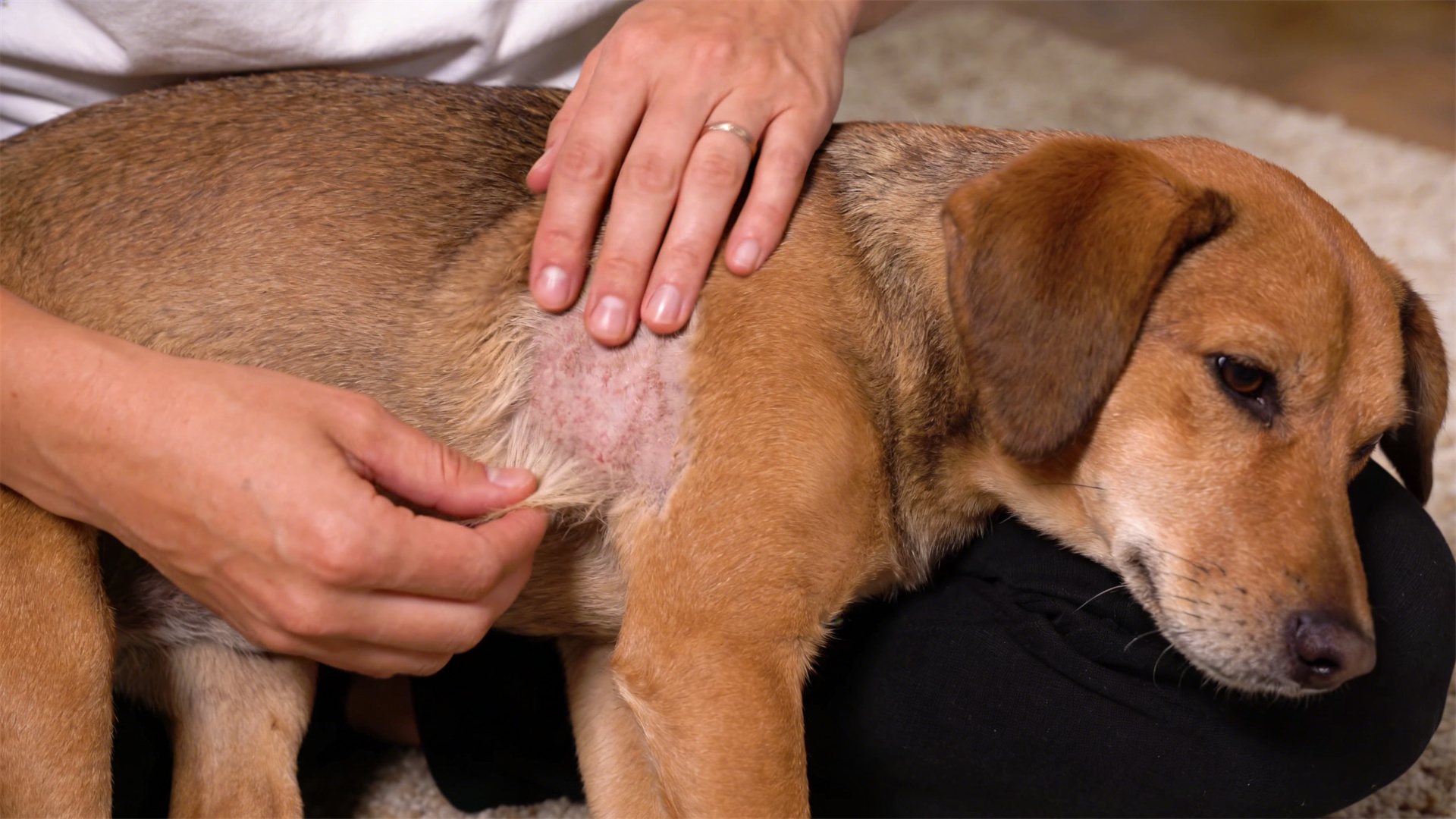
🔎 Perform Monthly "Nose-to-Tail" Skin Checks
Incorporate this into your regular grooming routine. In good light, feel and look over every part of your dog, becoming familiar with all their normal bumps, spots (lentigos), and beauty marks. Use the "ABCDE" rule as a guide for identifying potentially dangerous growths:
- Asymmetry: One half of the growth looks different.
- Border: Irregular, scalloped, or poorly defined borders.
- Color: Multiple colors or changing color.
- Diameter: Larger than a pencil eraser (6mm) or growing.
- Evolving: Any change in size, shape, color, or texture, or a sore that won't heal.
⚠️ Know the Warning Signs of Common Canine Skin Cancers
- Squamous Cell Carcinoma (SCC): Strongly linked to sun exposure. Often appears as persistent, crusty, non-healing sores or raised, wart-like growths on the abdomen, genitals, nose, ears, and legs.
- Malignant Melanoma: Often appears in the mouth, on lips, nail beds, or footpads as a dark-pigmented lump. Can also be non-pigmented.
- Hemangiosarcoma: Can be cutaneous (on the skin), often appearing as a red or black growth on thinly haired, sun-exposed areas like the belly and inner thighs.
👩⚕️ Consult Your Veterinarian Proactively
Request a thorough skin examination during your dog's annual wellness visit. Immediately schedule an appointment if you find any new, changing, or suspicious growth. Your vet may perform a fine-needle aspirate or biopsy for diagnosis. Treatment options for early-stage cancers include surgical removal, cryosurgery, or in some cases, topical medications.
Conclusion: A Future Full of Safe Adventures
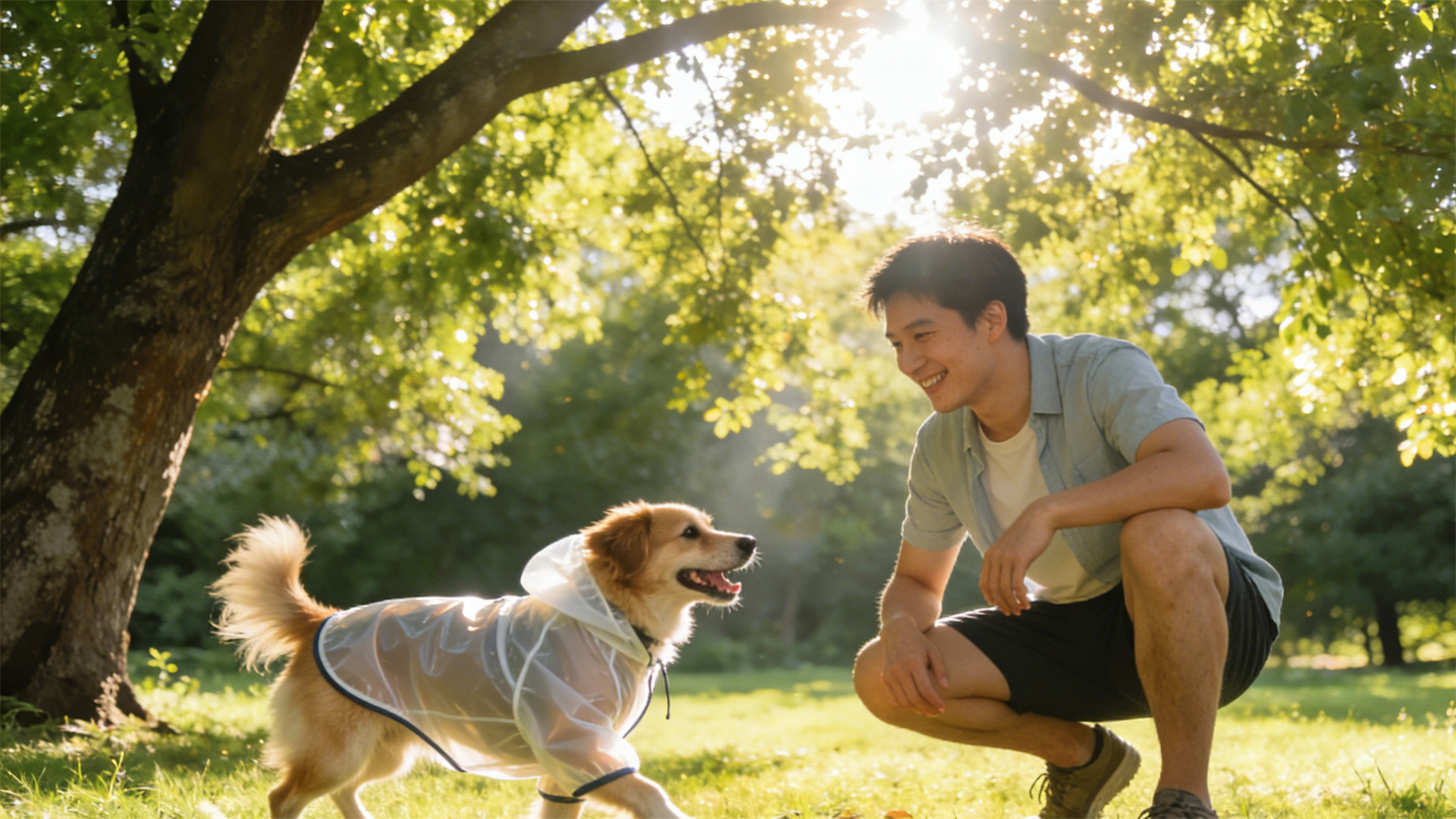
Your dog's unwavering enthusiasm for summer fun should never come at the cost of their long-term health. By embracing a proactive sun protection routine—layering sun-protective clothing, diligently applying pet-safe sunscreen, avoiding peak sun hours, and providing ample shade—you are taking powerful steps to prevent painful sunburn and reduce the risk of skin cancer. Coupled with regular skin checks and veterinary partnership, this comprehensive approach allows you and your furry best friend to savor every moment of sunshine, confident that you've built a robust shield against its hidden dangers. Here's to many more healthy, happy, and protected summers exploring the great outdoors together. 🐕💖