If you’re a dog owner, you’ve almost certainly faced the unpleasant sight and worrying scenario of your canine companion having a bout of diarrhea. It’s one of the most common health issues presented to veterinarians, yet it can range from a minor, self-limiting tummy grumble to a critical symptom of a life-threatening condition. The pivotal question in that anxious moment is: “Do I manage this at home, or is this a veterinary emergency?” The answer lies not in a one-size-fits-all approach, but in mastering the art of classification. By learning to accurately classify your dog's diarrhea, you become empowered to choose the correct path—whether that's supportive home care with probiotics or seeking immediate professional veterinary intervention. This guide will equip you with the knowledge to make that critical distinction.
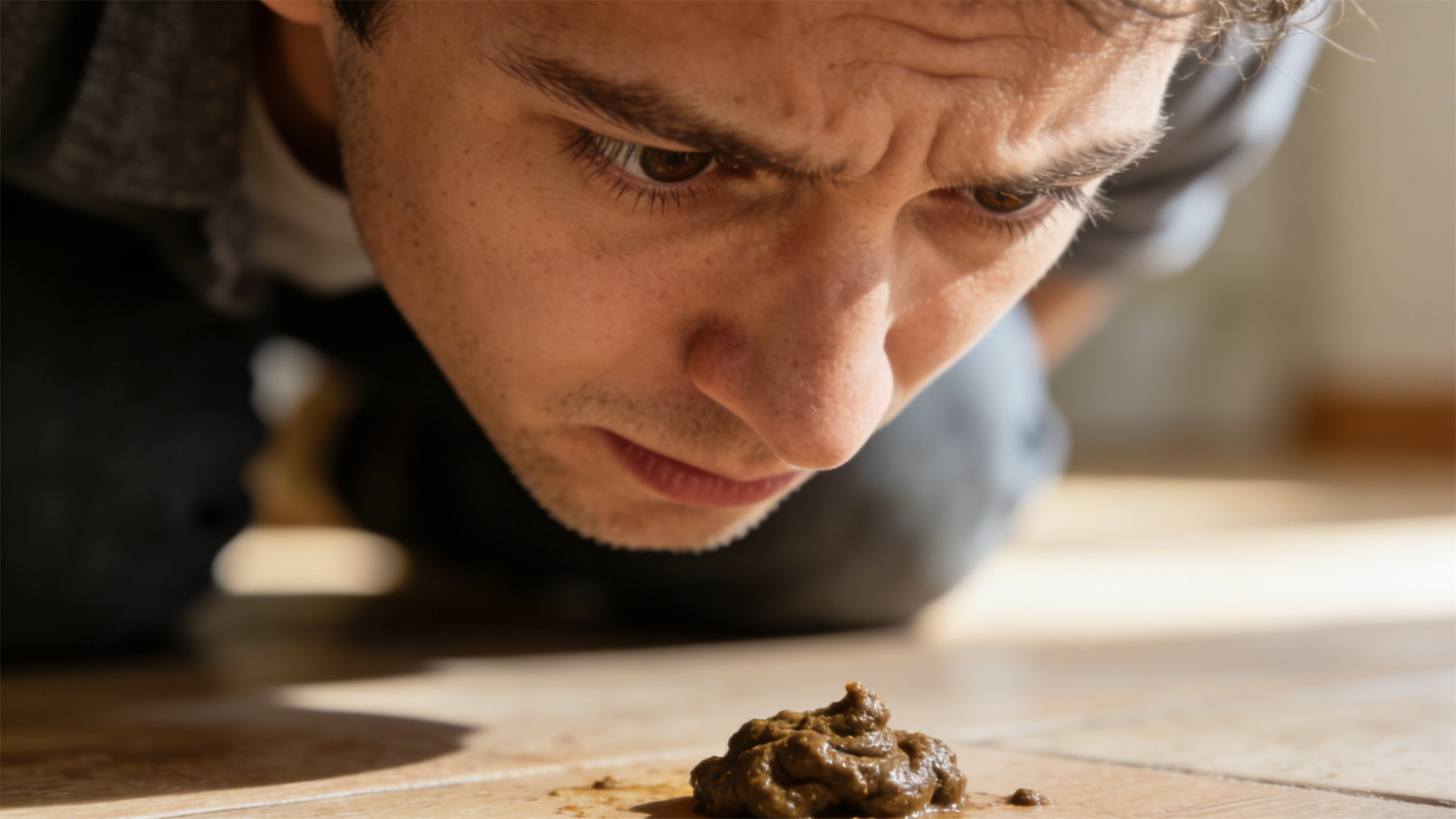
🐾 Section 1: Classifying Canine Diarrhea: The Two Primary Categories
The first and most crucial step is to move beyond the single term "diarrhea" and assess the full clinical picture. We can broadly categorize episodes into two types: Simple and Complex/Serious. This classification is based on the characteristics of the stool itself and, more importantly, your dog's overall behavior and physical state.
🔵 Subsection 1.1: Simple Diarrhea (The "Wait-and-See" Category)
This is the category where cautious, informed home management is often appropriate. A dog with Simple Diarrhea presents with digestive upset that is isolated to the gastrointestinal tract.
Defining Characteristics:
- General Demeanor: Your dog is bright, alert, and responsive (BAR). They still want to play, go for walks, and engage with you.
- Appetite: Normal or only slightly decreased. They may skip one meal but are generally interested in food.
- Vomiting: Absent or very minimal (e.g., a single episode of throwing up grass).
- Stool Characteristics: The stool is loose, mushy, or cow-patty consistency, but it lacks alarming features. There is no visible blood, minimal or no mucus, and the color is typically within the normal brown spectrum, not black or maroon.
- Duration & Frequency: Often a single episode or sporadic over a short period, typically resolving within 24-48 hours.
Common Causes: Minor dietary indiscretion (e.g., getting into the trash, a rich scrap from the table), mild stress (a change in routine, a thunderstorm), a sudden change in food without proper transition, or a temporary bacterial imbalance.
🔴 Subsection 1.2: Complex or Serious Diarrhea (The "Call the Vet Now" Category)
This category is defined by the presence of systemic signs of illness. The diarrhea is not an isolated issue; it's a symptom of a larger problem affecting your dog's whole body.
Defining Characteristics & Red Flags:
- Systemic Signs of Illness:
- Lethargy, weakness, or collapse: Your dog is unusually tired, doesn't want to move, or seems "out of it."
- Significant or persistent vomiting: Multiple episodes, especially if paired with diarrhea, rapidly lead to dehydration.
- Complete loss of appetite (anorexia) for more than 12-24 hours.
- Abdominal pain or distension: Whining when the belly is touched, a tense posture, or a visibly swollen abdomen.
- Fever or hypothermia.
- Concerning Stool Features:
- Blood: Bright red blood (hematochezia) often indicates lower GI or colon issues. Dark, tarry, black, or maroon stools (melena) signal digested blood, pointing to upper GI bleeding (stomach, small intestine).
- Mucus: Large amounts of jelly-like substance coating the stool.
- Foul Odor: An exceptionally putrid, rotten smell distinct from normal foul diarrhea.
- Signs of Dehydration: Dry, tacky gums; loss of skin elasticity (skin tented when gently pinched stays up); sunken eyes.
Common Causes: Bacterial or viral infections (e.g., Parvovirus), parasites (e.g., hookworms, giardia), ingestion of toxins (e.g., pesticides, human medications), foreign body obstruction, pancreatitis, inflammatory bowel disease (IBD), or systemic illnesses affecting the liver or kidneys.
🧪 Section 2: The Role of Probiotics: Application and Limitations
Probiotics have become a cornerstone of supportive canine gastrointestinal health. They are live, beneficial bacteria that help replenish and balance the gut microbiome. However, their use is highly situational.
✅ Subsection 2.1: When Probiotics Are Appropriate
Probiotics are most effective as a preventative or therapeutic support tool in the context of Simple Diarrhea.
- After Mild Dietary Indiscretion: To help repopulate the gut with good bacteria after a "dietary offense."
- During/Antibiotic Course: Antibiotics are non-discriminatory—they kill both bad and good bacteria. Administering a probiotic formulated for dogs 2-3 hours apart from the antibiotic dose can help mitigate antibiotic-associated diarrhea.
- For Stress-Related GI Upset: Events like boarding, travel, or moving can disrupt gut flora. Starting probiotics a few days before and during the event can be preventive.
- For Dogs with Chronically Sensitive Stomachs: As part of a daily regimen to promote overall digestive health and resilience.
Special Reminder: Always choose a canine-specific probiotic. Human products may contain strains or additives not suitable for dogs.
📋 Subsection 2.2: How to Administer Probiotics Effectively
- Dosage: Follow the product label based on your dog's weight. More is not always better.
- Consistency: Daily administration is key for establishing and maintaining a healthy flora population.
- With or Without Food: Most can be given with food to improve palatability and survival through stomach acid, but check the label.
- Patience: They are not an instant fix. It may take 24-48 hours to see improvement in cases of simple diarrhea.
🚫 Subsection 2.3: The Critical Limitations of Probiotics
It is vital to understand what probiotics cannot do. Using them incorrectly can delay lifesaving care.
- Not a Treatment for Underlying Disease: They will not cure parvovirus, kill parasites, neutralize a toxin, or dissolve a foreign object.
- Ineffective & Dangerous for Complex Diarrhea: Administering probiotics to a lethargic, vomiting, dehydrated dog with bloody diarrhea is like using a band-aid on a gushing wound. The underlying emergency veterinary care is needed.
- Can Be Overwhelmed: In a severely dysfunctional gut environment (e.g., acute hemorrhagic gastroenteritis), supplemental bacteria may not colonize or have any effect until the primary issue is controlled with medication.
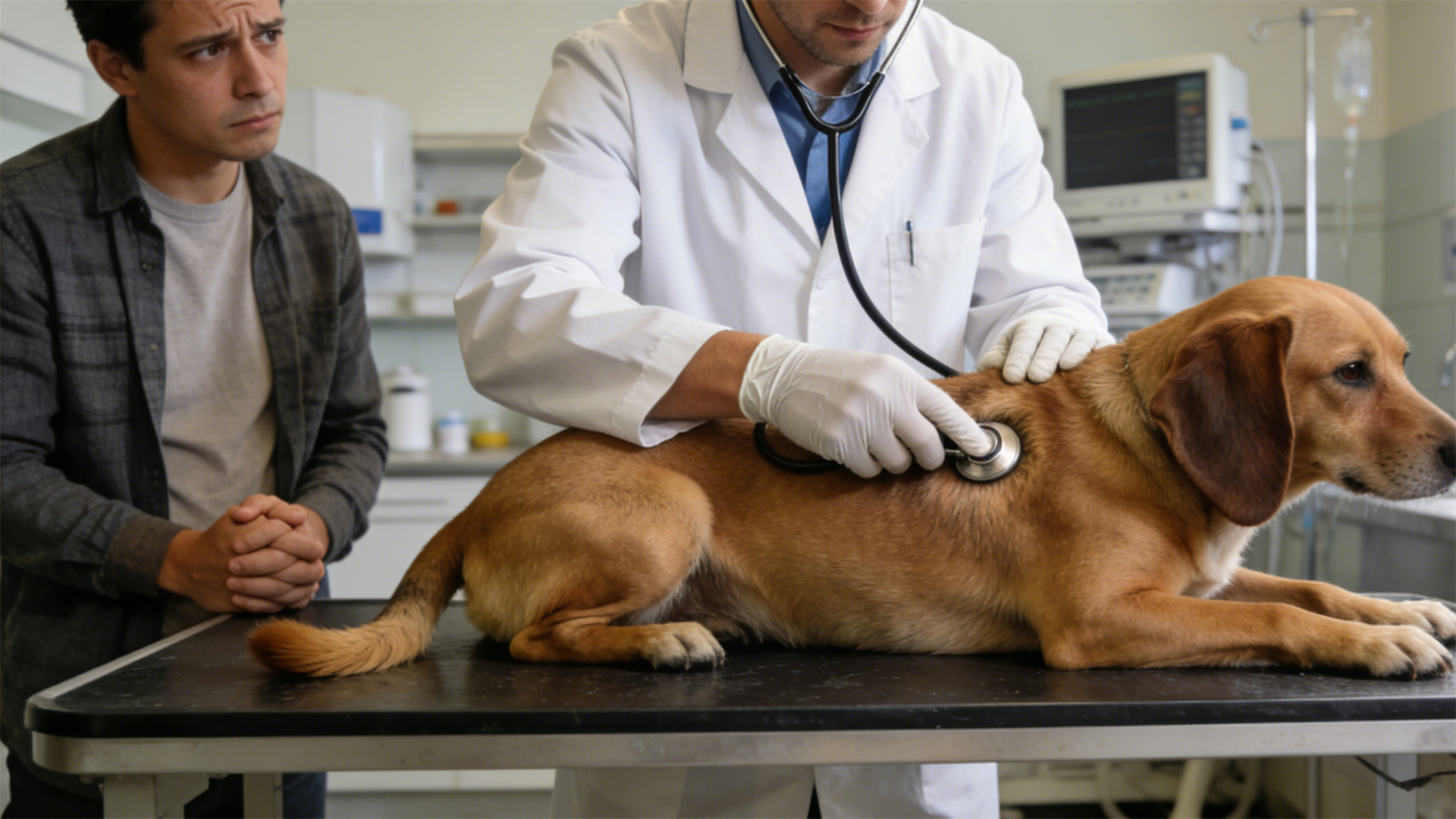
🚨 Section 3: When Veterinary Care is Non-Negotiable: Recognizing Emergencies
When in doubt, err on the side of caution. Veterinary professionals have the tools and expertise to diagnose and treat the root cause of Complex Diarrhea.
⚡ Subsection 3.1: Immediate Red Flags Requiring an Urgent Vet Visit
If you observe ANY of the following, stop home management and contact your veterinarian immediately:
- Any single sign from the "Complex Diarrhea" category (lethargy, repeated vomiting, blood in stool, etc.).
- Diarrhea in a high-risk patient: puppies (< 6 months), senior dogs, or those with pre-existing conditions (e.g., diabetes, kidney disease).
- Diarrhea that persists beyond 24-48 hours, even if your dog seems otherwise okay.
- Suspected ingestion of a known toxin (chocolate, xylitol, rodenticide), a foreign object (socks, toys, bones), or a harmful food (grapes, onions).
- Signs of severe dehydration (as described above) or abdominal pain.
🏥 Subsection 3.2: What to Expect at the Veterinarian
Being prepared for the visit can reduce your stress. The vet's goal is to stabilize your dog and find the cause.
- Detailed History: Be ready to describe the onset, frequency, appearance of stool/vomit, your dog's behavior, and any potential exposures.
- Physical Examination: Checking vitals, hydration status, abdominal palpation, and gum color.
- Diagnostics:
- Fecal Exam: Microscopic analysis for parasites, bacteria, and occult (hidden) blood.
- Blood Work: Checks for infection, organ function (e.g., liver, pancreas), electrolyte imbalances, and dehydration.
- Imaging: X-rays or ultrasound to look for obstructions, foreign bodies, or abnormal organ appearance.
- Treatment: This is tailored to the diagnosis and may include:
- Fluid Therapy: The cornerstone of treatment for dehydration, often administered subcutaneously or intravenously.
- Prescription Medications: Anti-emetics (for vomiting), anti-parasitics, specific antibiotics, or gut protectants.
- Therapeutic Diet: A highly digestible, bland prescription food or a specific diet for the diagnosed condition.
- Hospitalization: For severe cases requiring continuous monitoring and IV support.
🎯 Conclusion: Your Decision-Making Pathway Summarized
Navigating your dog's diarrhea episode comes down to a clear, step-by-step assessment:
- Classify First: Upon noticing diarrhea, immediately perform a full assessment. Is your dog bright and alert (Simple), or are there any red flags like lethargy or blood (Complex)?
- For Simple Diarrhea: Consider a short period (12-24 hours) of at-home management. This may include a brief fast (consult your vet), followed by a bland diet (boiled chicken/rice), and the supportive use of a canine-specific probiotic. Ensure fresh water is always available. If it resolves, great. If it persists or any red flags appear, move to step 3.
- For Complex Diarrhea or Any Doubt: Do not wait. Seek veterinary care immediately. Your prompt action is crucial for an accurate diagnosis and effective treatment, which may save your dog's life.
Your role as a pet parent is to be a vigilant observer and a knowledgeable advocate. By understanding diarrhea classification in dogs, you transform anxiety into informed action. Remember, when it comes to your dog's health, caution is never a mistake. Empower yourself with this knowledge, and you'll be ready to provide the best possible care for your furry friend through every tummy trouble.