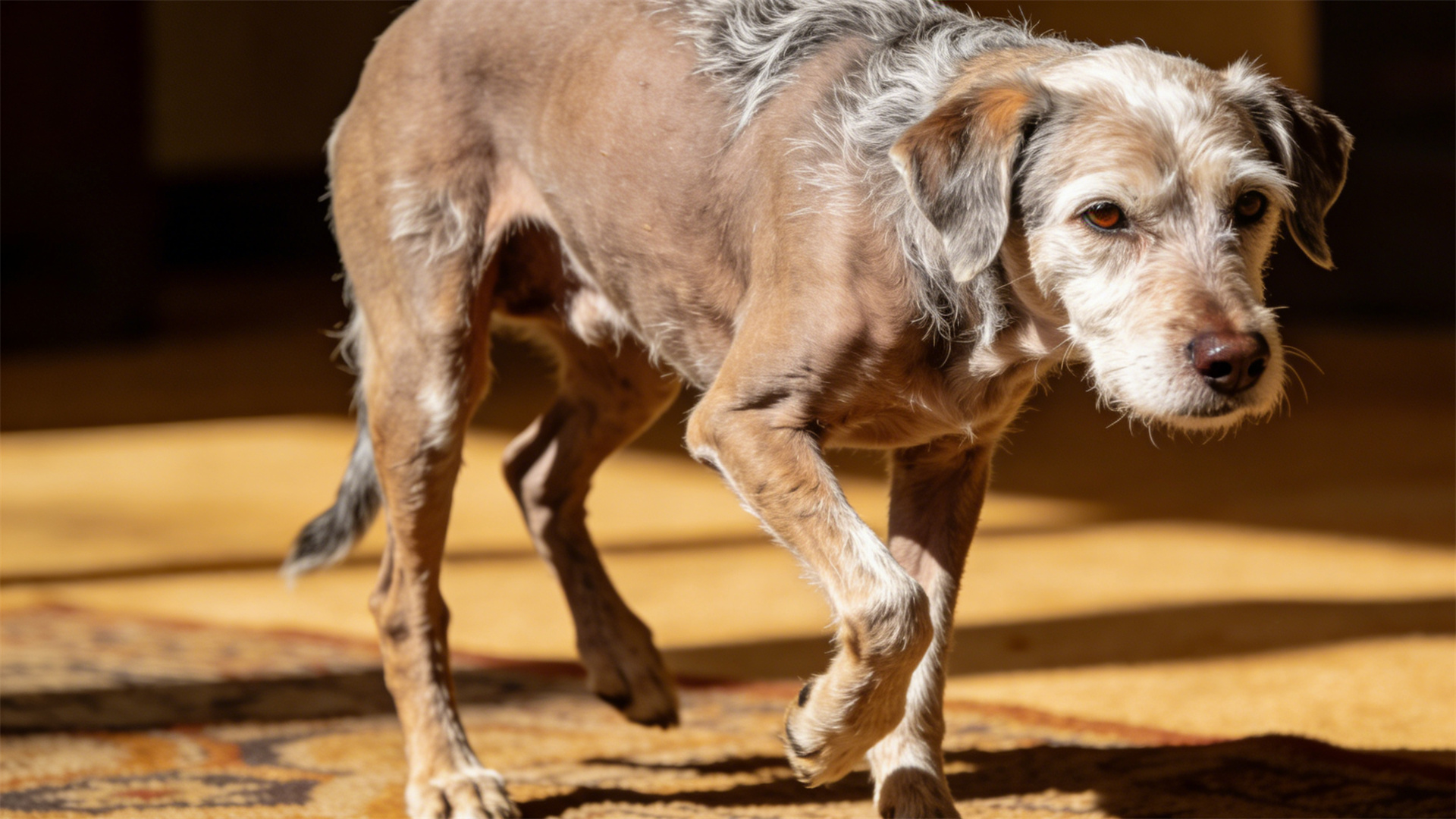
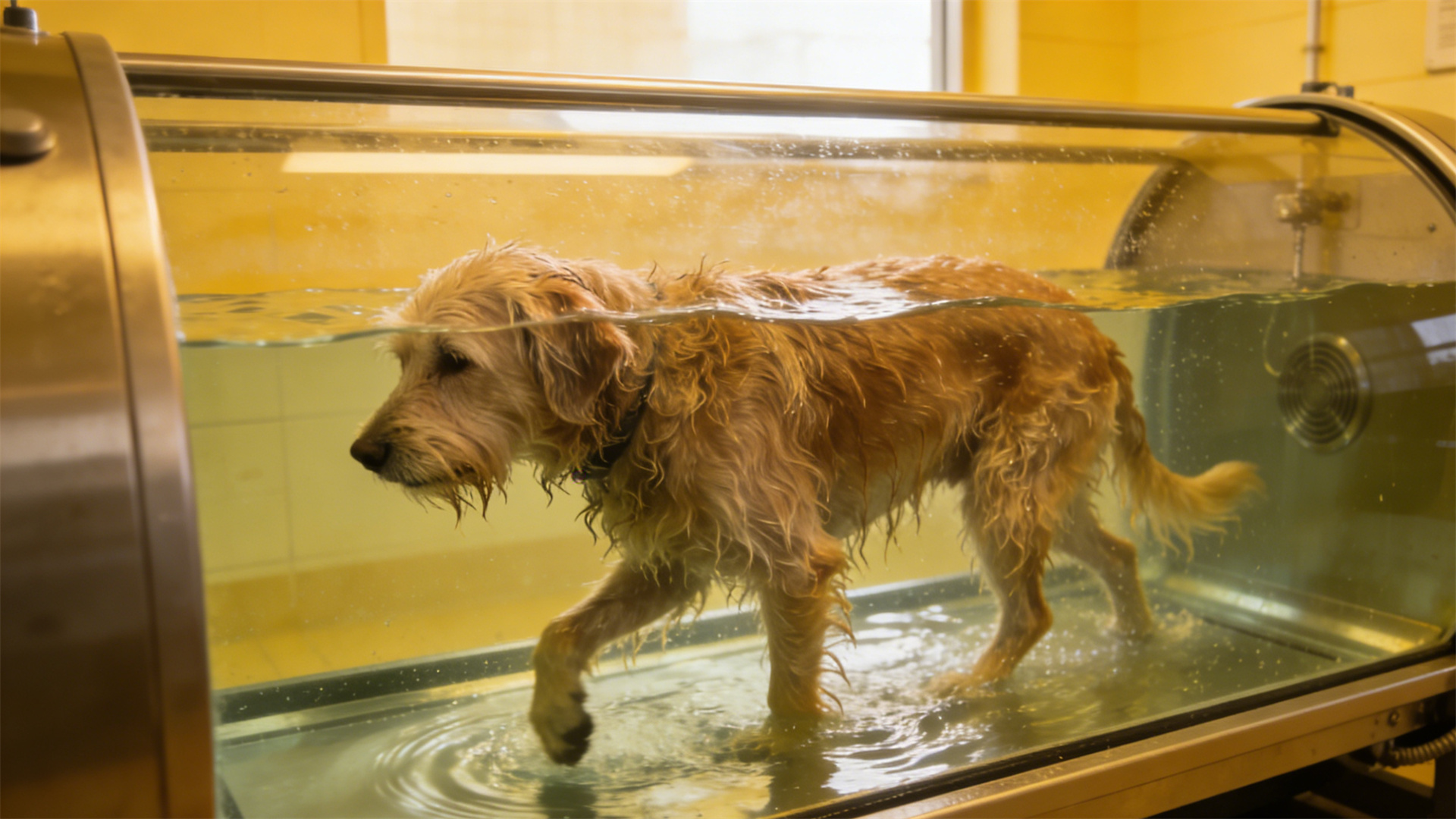
In the world of canine athletes, victory and reliability are forged not only in the intensity of the work but in the quality of the recovery that follows. For the working dog—be it a police K9, a search-and-rescue hero, an agility champion, or a dedicated sport partner—high-intensity exercise is a routine demand. While we meticulously plan their training and fuel their drive, the science of physical recovery, particularly electrolyte replenishment for dogs, is often the unsung hero of sustained performance and long-term health. This article delves beyond simple hydration, exploring the critical physiological processes and providing a practical, evidence-based roadmap for optimizing your canine partner's post-work reset.
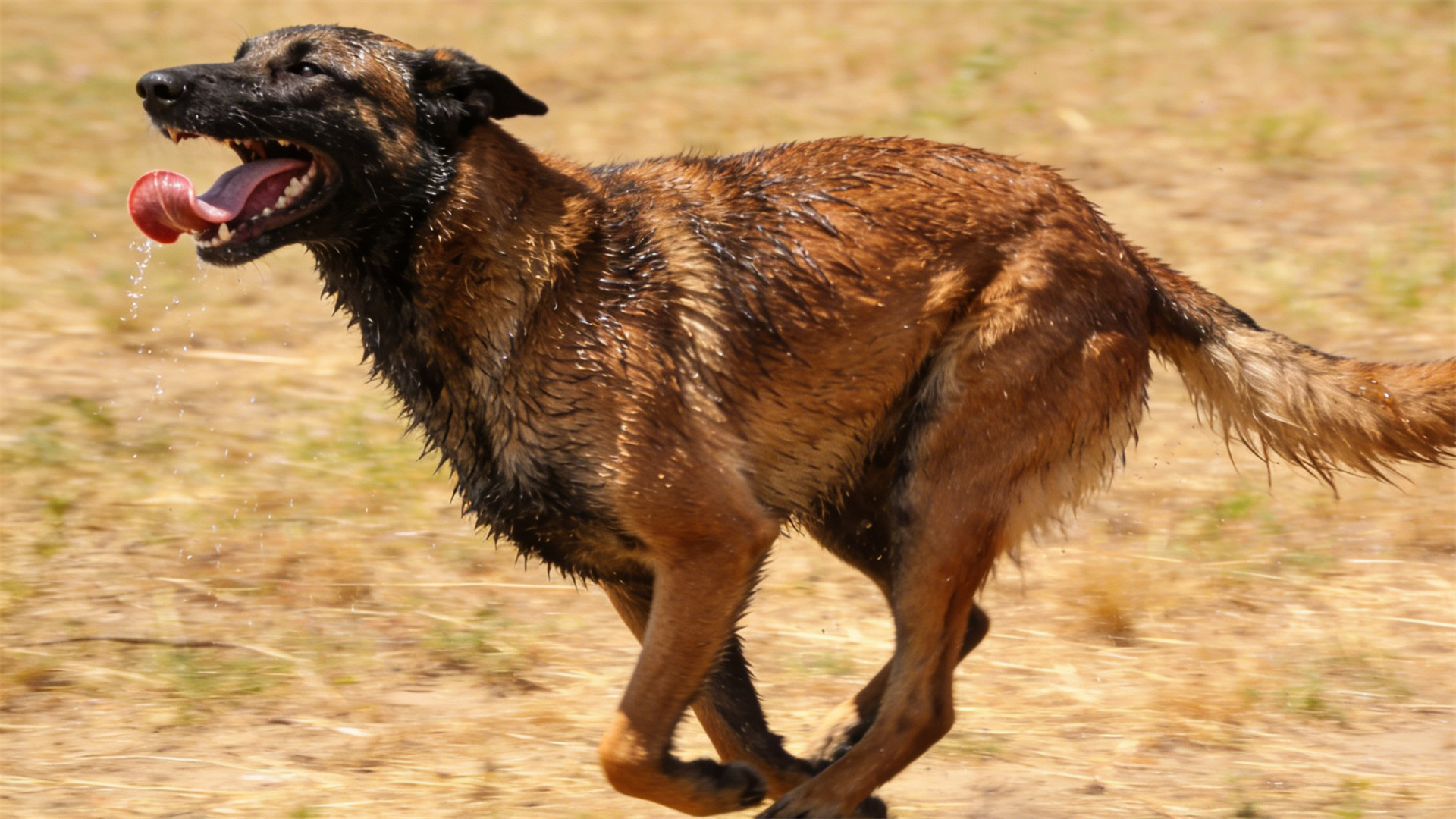
🐾 The Physiology of Canine Exercise: More Than Just Fatigue
When a working dog engages in high-intensity activity, its body enters a state of profound metabolic demand. It's far more than just getting tired. Core body temperature can skyrocket, sometimes exceeding 104°F (40°C). To cool down, a dog relies almost exclusively on panting—a process that evaporates water from the tongue, mouth, and respiratory tract. This is where the hidden loss occurs. Unlike humans who sweat electrolytes, dogs lose a significant volume of fluid and critical minerals primarily through this heavy respiration and salivation.
Simultaneously, within the muscles, rapid contractions burn glycogen for fuel, generating metabolic byproducts like lactic acid. The electrical signals that coordinate every movement depend on a precise mineral balance in and around the cells. This intense high-intensity exercise recovery challenge depletes both fluid stores and the essential electrolytes dissolved within them, setting the stage for diminished performance, prolonged muscle soreness, and if unaddressed, serious conditions like exertional rhabdomyolysis or heatstroke.
The Domino Effect of Depletion:
: Fluid Loss from Panting → Concentrated Blood → Reduced Blood Volume & Cardiac Strain → Impaired Cooling & Nutrient Delivery → Electrolyte Imbalance → Disrupted Nerve/Muscle Function.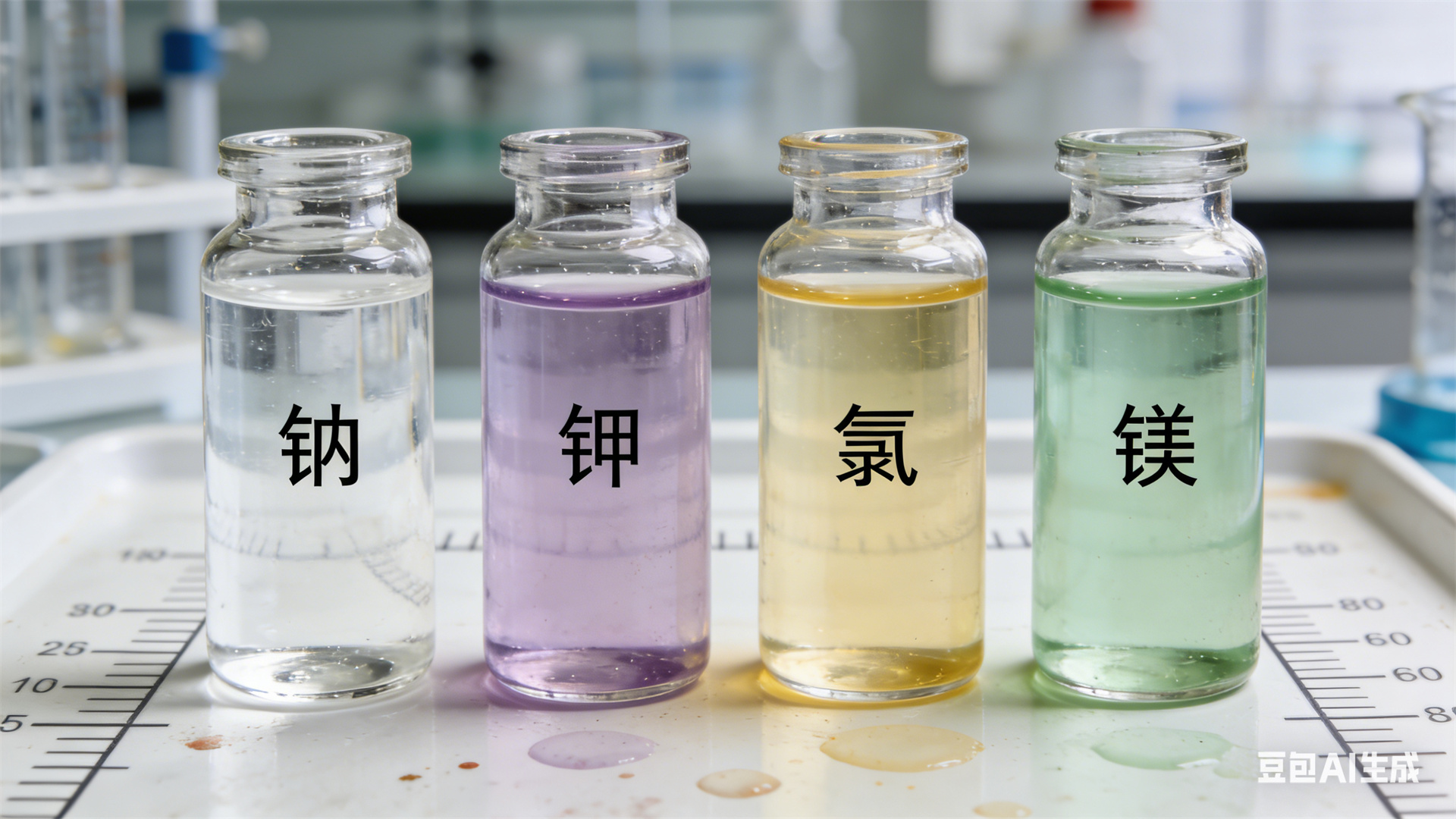
⚡ Electrolytes Defined: The Essential Spark Plugs of Function
Electrolytes are not just "minerals"; they are charged particles that act as the body's electrical messengers and cellular gatekeepers. Maintaining canine electrolyte balance is non-negotiable for peak function. For the athletic dog, four key players take center stage.
Sodium (Na+): The primary regulator of fluid balance outside cells. It drives thirst, helps retain fluid, and is critical for nerve impulse transmission and muscle contraction. Sodium loss is a primary concern during prolonged panting.
Potassium (K+): The chief positive ion inside cells. It is vital for proper muscle contraction, especially for the heart's rhythm, and works in a delicate sodium-potassium pump to maintain cellular hydration and electrical potential.
Chloride (Cl-): Often paired with sodium, it helps maintain proper fluid balance and osmotic pressure. It is also a key component of hydrochloric acid in the stomach, essential for digestion and nutrient absorption post-exercise.
Magnesium (Mg2+): A crucial co-factor for over 300 enzymatic reactions. It supports muscle relaxation (counterbalancing calcium, which stimulates contraction), energy (ATP) production, and nerve function. Deficiency can contribute to muscle stiffness and cramps.
An imbalance in this symphony, such as low sodium (hyponatremia) or low potassium (hypokalemia), directly impairs the physical recovery for working dogs, leaving them vulnerable to weakness, cramping, and poor recovery.
⏱️ The Replenishment Window: Timing is Everything
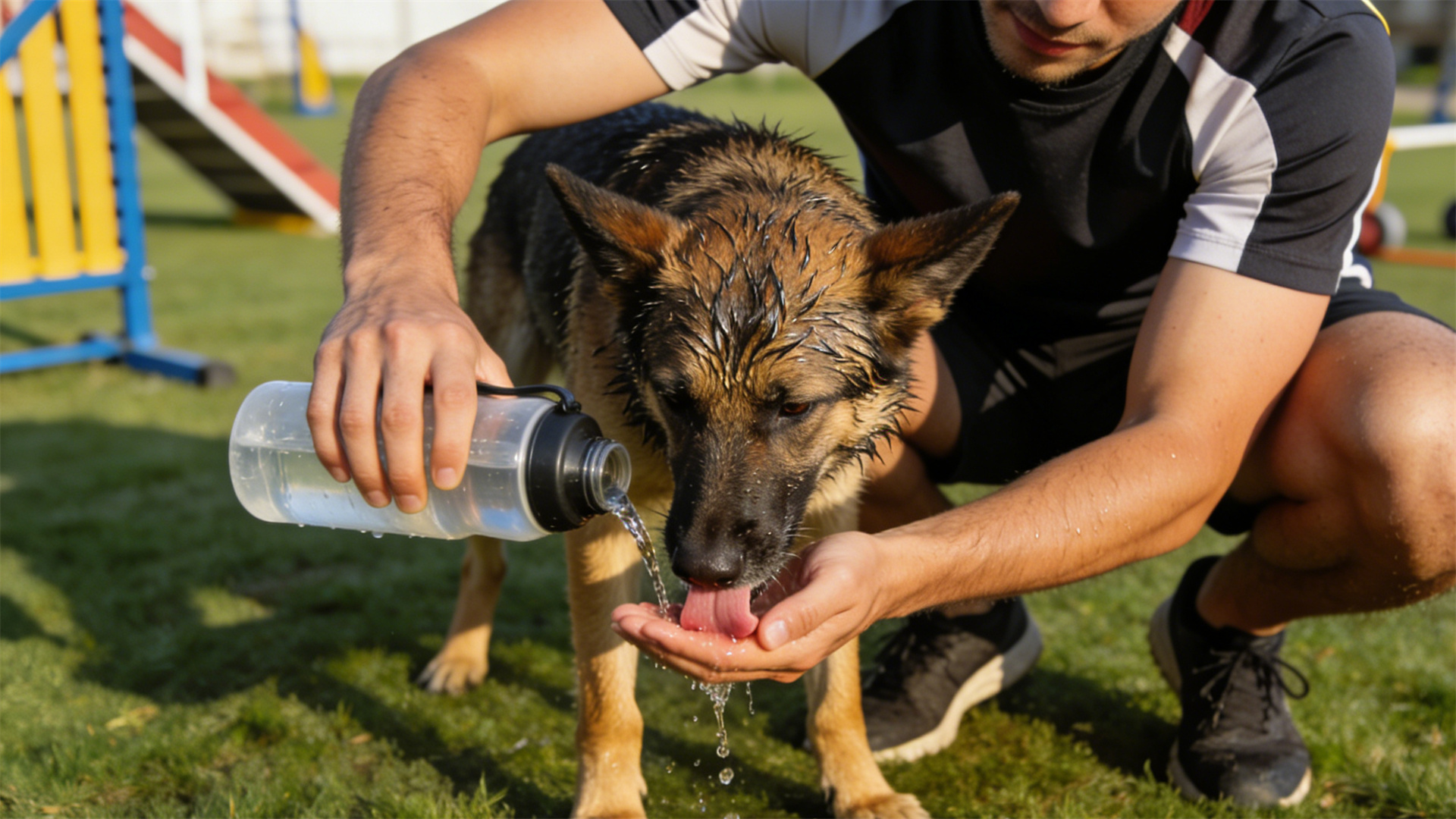
The 30 to 90 minutes immediately following intense exercise represent a critical "golden window" for working dog recovery. During this period, the dog's metabolism remains elevated, blood flow to muscles is still high, and cellular "gates" are primed to uptake nutrients and fluids to initiate repair and restoration.
Here lies a crucial scientific point: offering only plain water during this window can be problematic. Consuming large volumes of plain water can rapidly dilute the already depleted sodium levels in the bloodstream, potentially leading to hyponatremia (water intoxication), a dangerous condition. This is why strategic electrolyte replenishment after high-intensity exercise is not about giving salt alone, but about providing a balanced solution that the body can absorb efficiently to restore harmony without causing further imbalance.
🔬 Optimal Replenishment Strategies: A Phased, Practical Approach
Effective recovery for athletic dogs is a process, not a single action. Follow this phased strategy for optimal results.
Phase 1: Immediate Post-Work Cool Down & Initial Hydration
Before offering anything to drink, initiate active cooling if needed (walking in shade, using cool water on paws/groin). Then, offer small, frequent amounts of cool (not ice-cold) plain water. This quenches initial thirst and begins the rehydration process without overwhelming the stomach.
Phase 2: Strategic Electrolyte Replenishment
For work sessions exceeding 30 minutes of high intensity, or any work in hot/humid conditions, follow initial water with a targeted electrolyte source. Your options, in order of reliability.
: Commercial Canine Electrolyte Supplements: Choose high-quality products specifically formulated for dogs. These provide balanced ratios of sodium, potassium, chloride, and often magnesium and are palatable. They are superior to human products.: Veterinary Oral Rehydration Solutions (ORS): These are the gold standard for precise electrolyte balance in dogs. Products like Pedialyte™ (unflavored) can be used in a pinch under veterinary guidance, but canine-specific formulas are ideal.
: Special Reminder on Homemade Solutions: Use extreme caution. Homemade recipes (e.g., involving salt, potassium salt, and baking soda) can be dangerously imbalanced if proportions are incorrect. Only use a recipe provided and approved by your veterinarian.
Phase 3: Nutrition and Rest
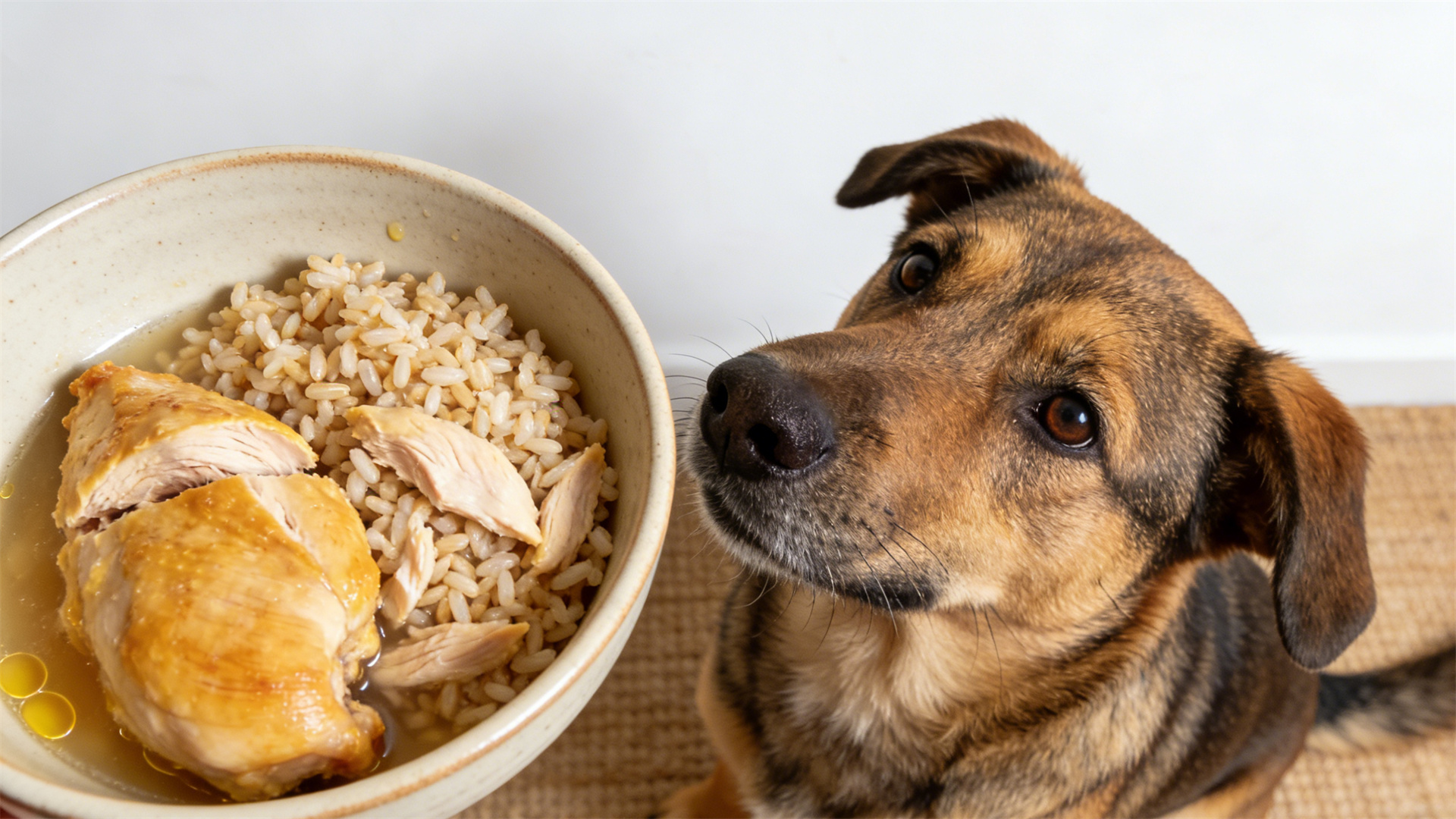
Electrolytes are one piece of the puzzle. Within an hour or two after work, offer a bland, easily digestible meal. Carbohydrates help replenish glycogen stores, and protein provides amino acids for muscle repair. Then, ensure your dog has a quiet, cool place for deep, uninterrupted rest—this is when the actual tissue repair and adaptation occur.
🚫 Common Mistakes to Avoid in Canine Electrolyte Management
Even with the best intentions, handlers can inadvertently hinder their dog's performance recovery. Be vigilant to avoid these common errors.
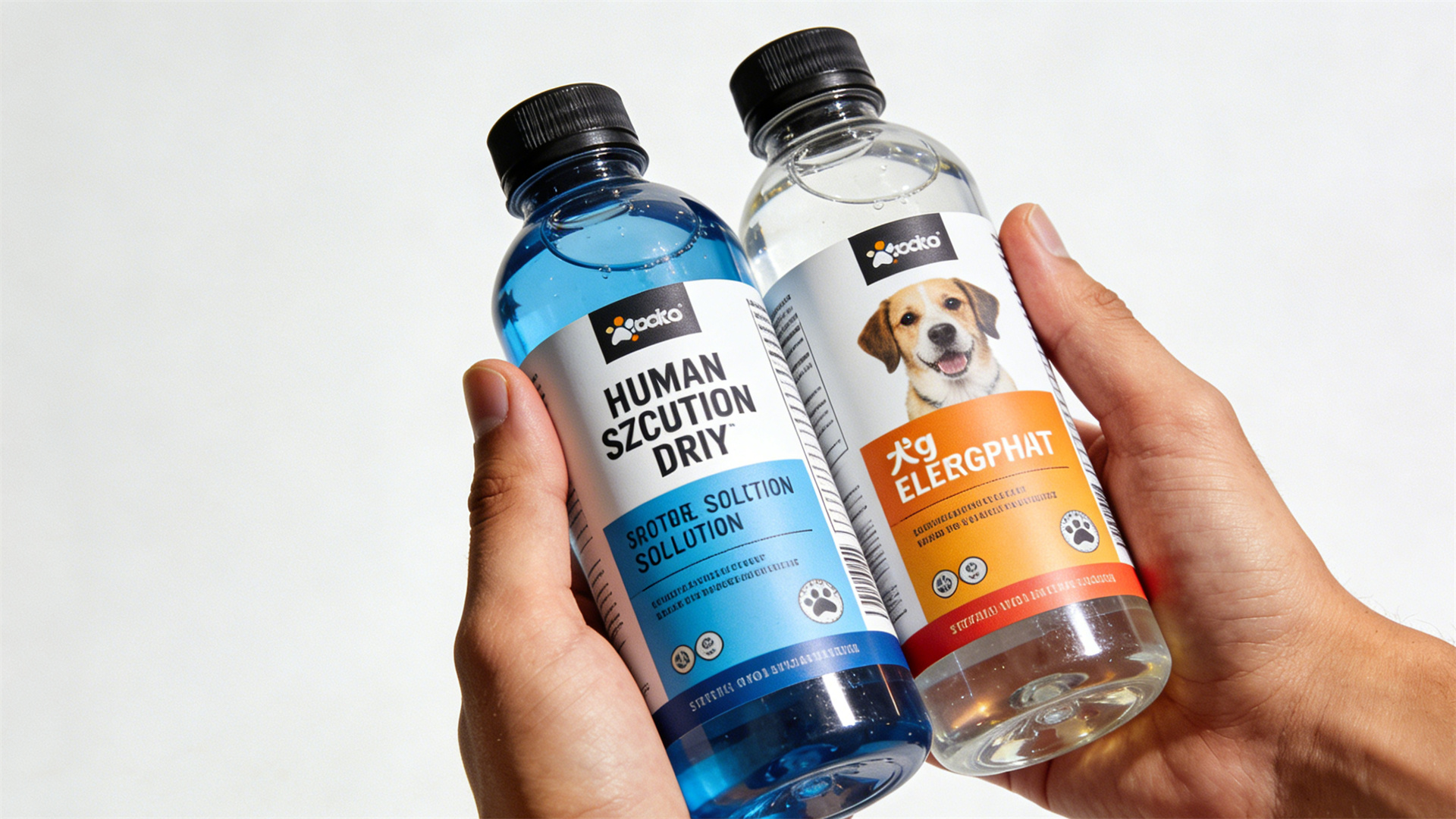
: Using Human Sports Drinks: These are often high in simple sugars (which can cause GI upset in dogs) and contain flavorings or sweeteners like xylitol, which is highly toxic to dogs. Their electrolyte ratios are not designed for canine physiology.: Over-Supplementation: More is not better. Chronically excessive electrolytes, especially sodium, can put strain on the kidneys and cardiovascular system. Electrolytes are a supplement for periods of loss, not a daily dietary additive unless directed by a vet.
: Neglecting Baseline Hydration: A dog must start work fully hydrated. A simple check: gums should be moist and slick, and the "skin tent" on the shoulder should snap back immediately. For more on this, consider reading our internal guide on canine hydration signs.
: Relying Solely on Electrolytes: They are not a substitute for proper cooling techniques, appropriate work/rest cycles, and a balanced diet. They are a single tool in a comprehensive recovery protocol.
: Assuming All Dogs Need Them: The family pet on a leisurely walk does not require electrolyte supplementation. This science is specific to dogs sustaining high-intensity, prolonged physical output.
🎯 Conclusion and Call to Action: Partnering in Recovery Science
The science of dog electrolyte replenishment provides a clear mandate for those responsible for canine athletes. Purposeful, timed, and balanced electrolyte support is a cornerstone of modern working dog exercise recovery, directly impacting cellular function, muscle repair, and overall resilience. By understanding the physiology of depletion and the strategy of replenishment, handlers move from guesswork to informed, proactive care.