That persistent head shake, the frantic scratching, the faint (or not-so-faint) odor every time your dog cuddles up—it’s a clear signal that something is amiss in their ears. As a loving pet parent, it’s distressing to watch. You’re not just dealing with a nuisance; you’re witnessing your dog's genuine discomfort. Two of the most common culprits behind this canine ear drama are ear mites and Malassezia yeast infections. While the symptoms of itching and odor may seem similar, these are two distinct enemies requiring different battle plans. Misdiagnosis can lead to weeks of ineffective treatment and prolonged suffering for your pup. This comprehensive guide will arm you with the knowledge to understand the difference, seek the right professional help, and implement effective removal and prevention strategies for lasting ear health.
👂 Understanding the Two Main Enemies: Parasite vs. Yeast
Before reaching for any cleaner or home remedy, it’s crucial to know what you’re up against. Both conditions create an unhealthy ear environment, but their origins, appearances, and treatments are distinct.
🕵️♂️ The Parasitic Invader: Ear Mites (Otodectes cynotis)
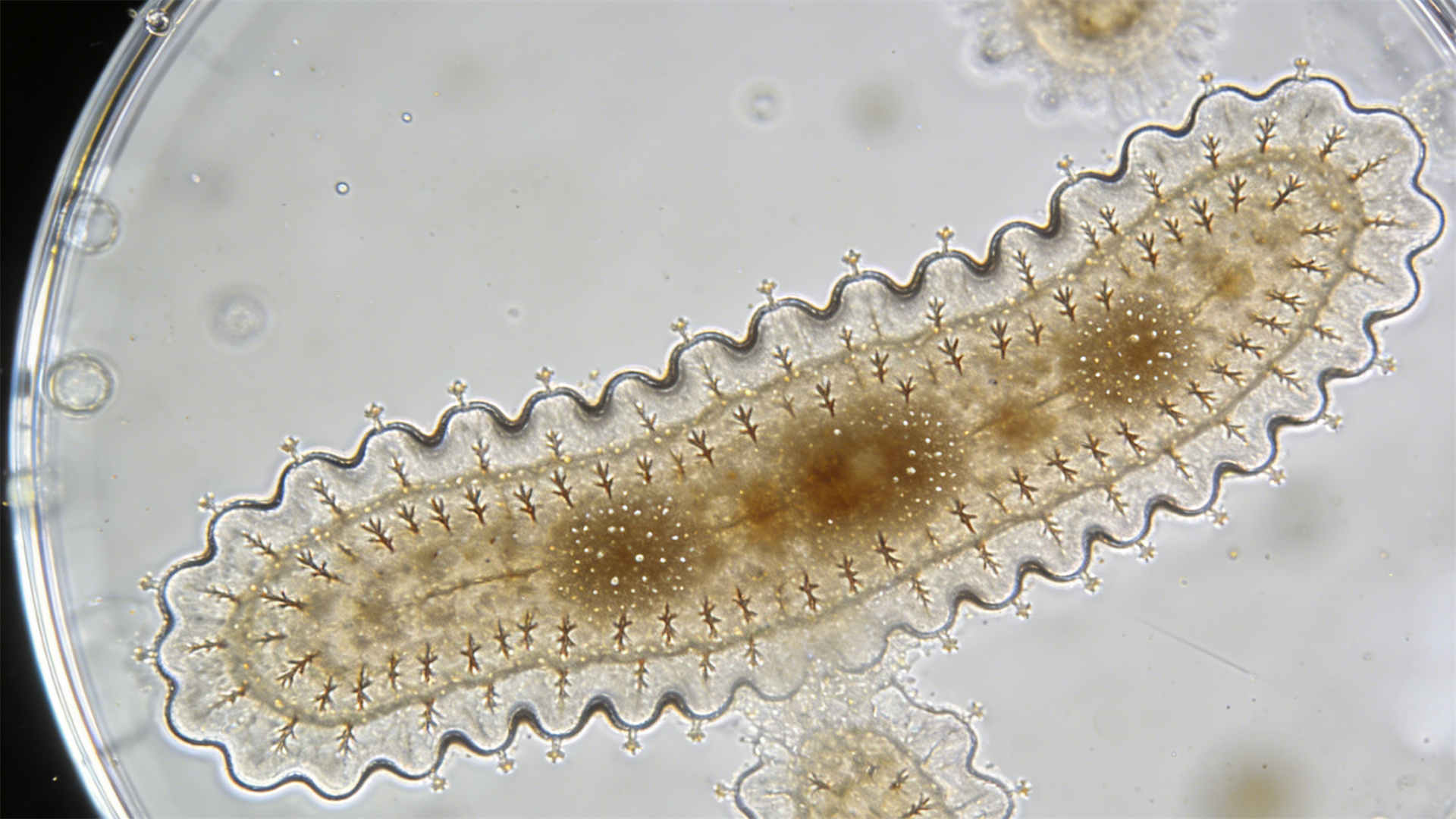
Think of ear mites as microscopic, highly contagious spiders setting up camp in your dog’s ear canal. They feed on skin debris and tissue fluids, causing intense irritation.
Key Characteristics & Symptoms:
- Intense, Sudden Itching: This is often the first sign. Your dog may scratch their ears violently, rub their head on the floor, or shake their head frequently.
- The "Coffee Grounds" Discharge: The classic sign. This is a dry, crumbly, dark brown or black wax composed of mite debris, feces, and blood. It may resemble coffee grounds or soil.
- Contagiousness: Extremely contagious among pets. If you have multiple dogs or cats, they likely all need treatment.
- Odor: While an infection can develop, the smell from mites alone is often less pronounced than with a yeast infection. The primary sensory clue is the visual discharge.
- Secondary Infections: The damage from constant scratching can break the skin, leading to secondary bacterial or yeast infections, which then complicate the smell and symptoms.
🍄 The Opportunistic Yeast: Malassezia (Malassezia pachydermatis)
Malassezia is a commensal yeast, meaning it normally lives in small, harmless numbers on your dog’s skin and in their ears. Problems arise when something disrupts the ear's environment, allowing this yeast to proliferate wildly.
Key Characteristics & Symptoms:
- Distinct, Sweet/Musty Odor: Often described as a "corn chip," "moldy bread," or "cheesy" smell. This is a hallmark symptom many owners notice first.
- Inflammation and Redness: The ear canal often looks angry, red, and swollen.
- Discharge: Typically a greasy, waxy, yellowish-brown discharge. It can range from moist to thick and goopy.
- Persistent, Chronic Itching: The itch is relentless and often part of a recurring cycle.
- Underlying Cause: Yeast overgrowth is rarely the primary problem. It’s usually a symptom of an underlying issue, most commonly:
- Allergies (food or environmental)
- Excessive moisture (from swimming or bathing)
- Anatomy (floppy ears like those of Cocker Spaniels or Basset Hounds)
- Hypothyroidism
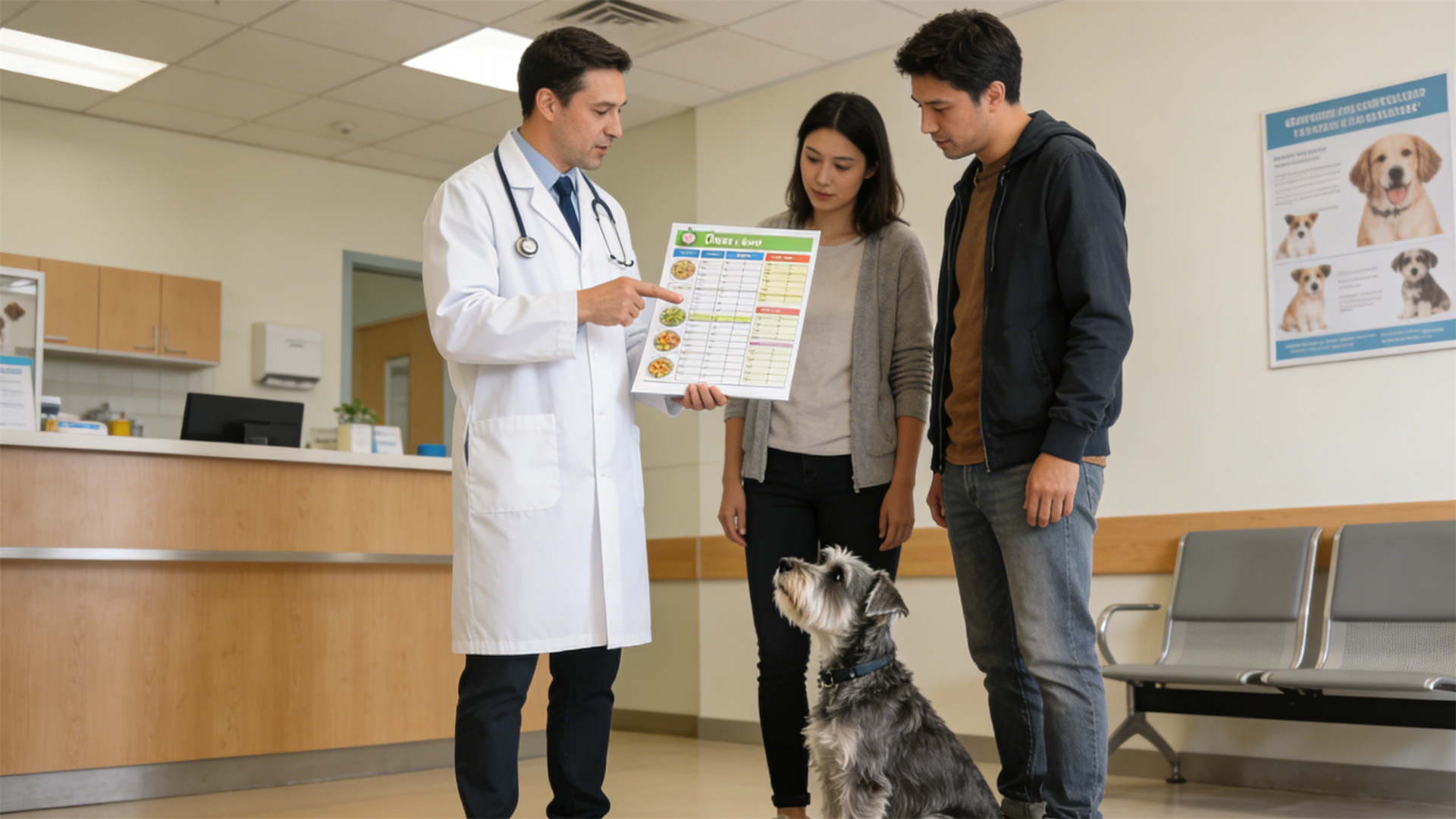
🩺 Step One: The Non-Negotiable First Step – Accurate Veterinary Diagnosis
SPECIAL REMINDER: Do not skip this step. Attempting to diagnose and treat at home based on internet descriptions is a gamble with your dog's comfort and health. What looks like "coffee grounds" to you could be impacted wax mixed with yeast. A sweet smell might be present in both advanced mite and pure yeast cases.
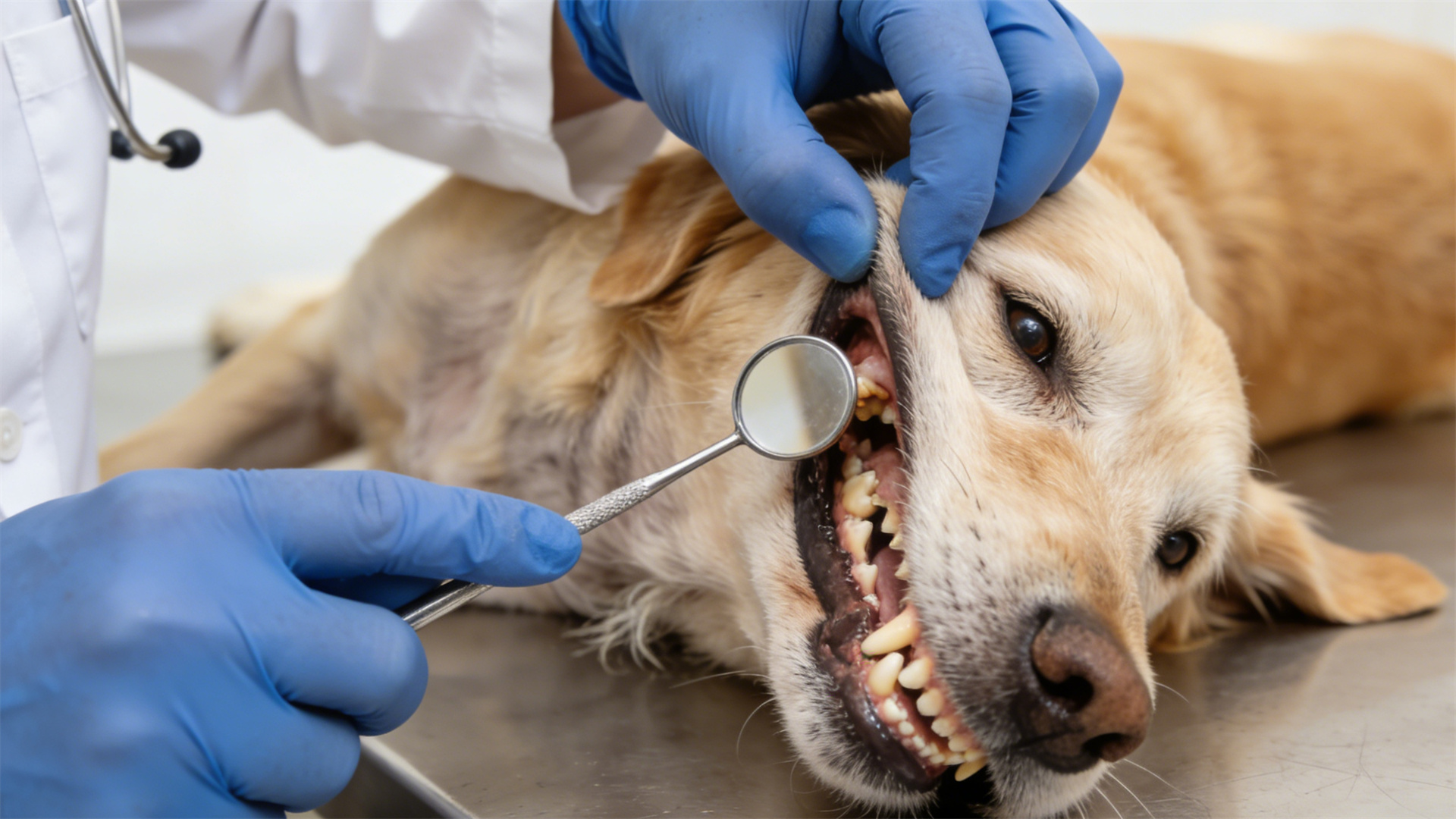
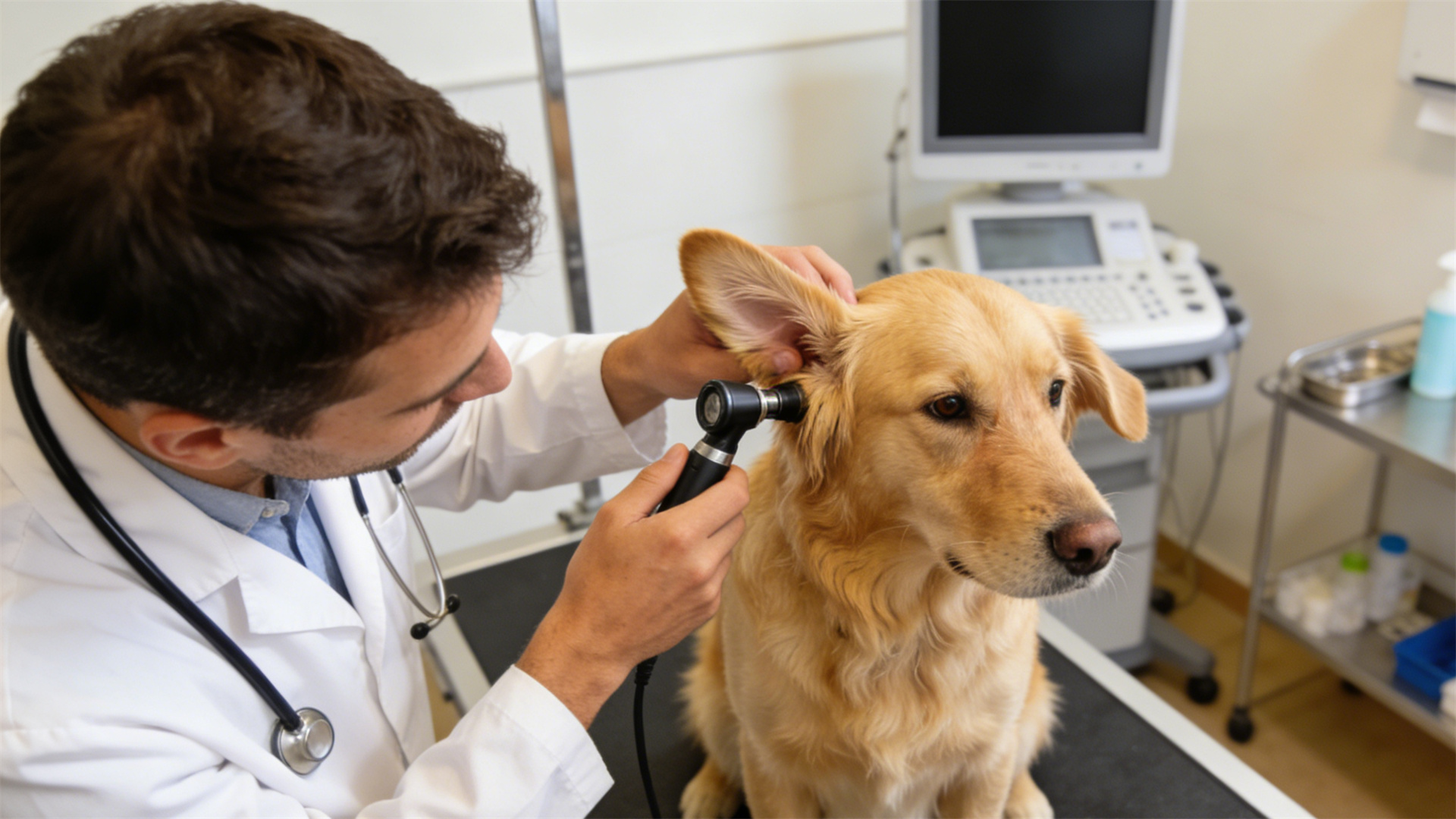
A veterinarian will perform a thorough otoscopic examination to visualize the ear canal and eardrum (which must be intact for many medications to be safe). The definitive diagnosis comes from microscopic analysis. They will take a sample of the ear discharge, place it on a slide, and look under a microscope:
- Ear Mites: The mites themselves, which look like tiny white moving specks, or their eggs are easily visible.
- Malassezia: The yeast appears as classic "peanut" or "snowman" shaped organisms.
This 5-minute test is the only way to know for sure and to prescribe the correct, effective medication. It also rules out other issues like bacterial infections, foreign bodies (like grass awns), or polyps.
⚔️ Step Two: Treatment Protocols – Tailored Tactics for Each Enemy
Once your vet has identified the culprit, a targeted treatment plan can begin. Consistency and completeness are key to success.
Battle Plan: Eradicating Ear Mites
Treatment for mites is focused on total parasite elimination.
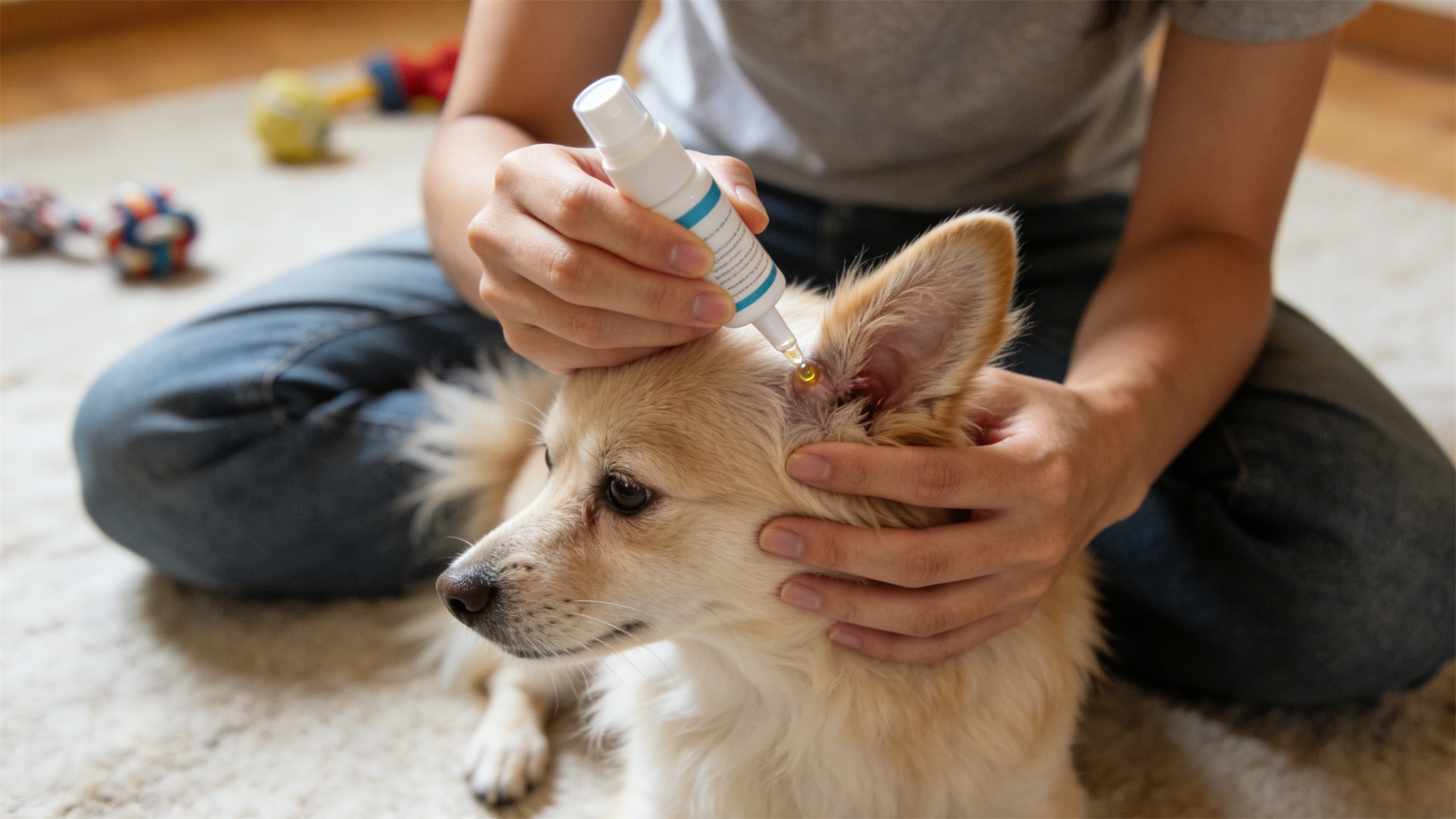
- Veterinary-Prescribed Acaricidal Medication: Over-the-counter remedies are often ineffective and can irritate. Your vet will prescribe potent parasiticidal drops (e.g., containing selamectin, moxidectin, or milbemycin). Some are applied directly in the ear, while modern systemic treatments are applied topically to the skin between the shoulder blades and work internally.
- Thorough Initial & Ongoing Ear Cleaning: "Cleaning before treating is non-negotiable." Use a vet-recommended ear cleaner to break up and flush out the dark, crumbly debris. This allows the medication to contact the ear canal skin directly. Your vet may do a deep initial clean.
- Treat ALL Pets in the Household: Even if other pets show no symptoms, they are likely harboring mites. Treat them all concurrently to prevent a frustrating "ping-pong" reinfestation.
- Environmental Decontamination: While mites cannot live long off a host, a thorough cleaning helps. Wash all pet bedding, blankets, and soft toys in hot water. Vacuum carpets and upholstery frequently during treatment.
Battle Plan: Controlling Malassezia Overgrowth
Treatment for yeast focuses on reducing the population and, more importantly, managing the underlying cause.
- Medicated Antifungal Ear Cleaners: Your vet will likely prescribe a cleaner containing antifungal agents like ketoconazole, chlorhexidine, or miconazole. Regular cleaning is therapeutic, not just preparatory. It removes the wax and discharge that yeast feeds on. Frequency might start at daily and reduce as the infection clears.
- Topical & Sometimes Oral Antifungal Medication: In addition to cleaners, prescription antifungal drops or ointments are used to directly combat the yeast overgrowth. For severe, recurrent, or generalized skin yeast infections, oral antifungal medications (e.g., ketoconazole, itraconazole) may be necessary.
- Address the Root Cause (The Most Critical Step): This is what separates temporary relief from long-term success. If allergies are the driver, your vet will discuss management strategies, which may include:
- Hypoallergenic diet trials
- Allergy medications (Apoquel, Cytopoint)
- Regular allergy shots (immunotherapy)
🛡️ Prevention is Key: Building a Fortress of Healthy Ear Habits
Whether your dog has just recovered from an infection or you want to prevent one, a proactive ear care routine is your best defense.
- Weekly Ear Inspections: Make this part of your grooming routine. In good light, look into the ear flap and canal. A healthy ear is pale pink, has minimal wax (light tan), and has no odor. Note any changes in color, discharge amount/type, or smell.
- Proper Ear Cleaning Technique:
- Use only vet-approved cleaners. Avoid alcohol, vinegar, or hydrogen peroxide, which can be irritating.
- Never use cotton swabs (Q-tips) deep in the ear canal, as this pushes debris further in and risks damaging the eardrum.
- Fill the ear canal with cleaner, gently massage the base of the ear for 20-30 seconds (you'll hear a squishing sound), then let your dog shake their head. Wipe away the loosened debris from the outer ear folds with a cotton ball or soft cloth.
- Keep Those Ears Dry: Moisture is yeast's best friend. After baths, swimming, or exposure to rain, place cotton balls in the ear canals during bathing (remove them after) and always dry the ears thoroughly with a clean, absorbent towel afterwards.
- Manage Underlying Health Issues: Partner with your veterinarian to diligently manage any diagnosed allergies, hormonal imbalances, or anatomical issues that predispose your dog to ear problems.
💚 Conclusion: Your Vigilance Leads to Their Comfort
A smelly, itchy ear is more than an inconvenience—it's your dog's direct call for help. While ear mites and Malassezia are common adversaries, they are also manageable. The journey to healthy ears always begins in the veterinarian's office with an accurate diagnosis. From there, with the right prescription, a consistent treatment plan, and a commitment to preventive care, you can break the cycle of discomfort. Your informed vigilance and dedicated care make all the difference in ensuring your faithful friend enjoys a life free from the misery of ear infections, filled instead with the happy sounds of head tilts and contented sighs.