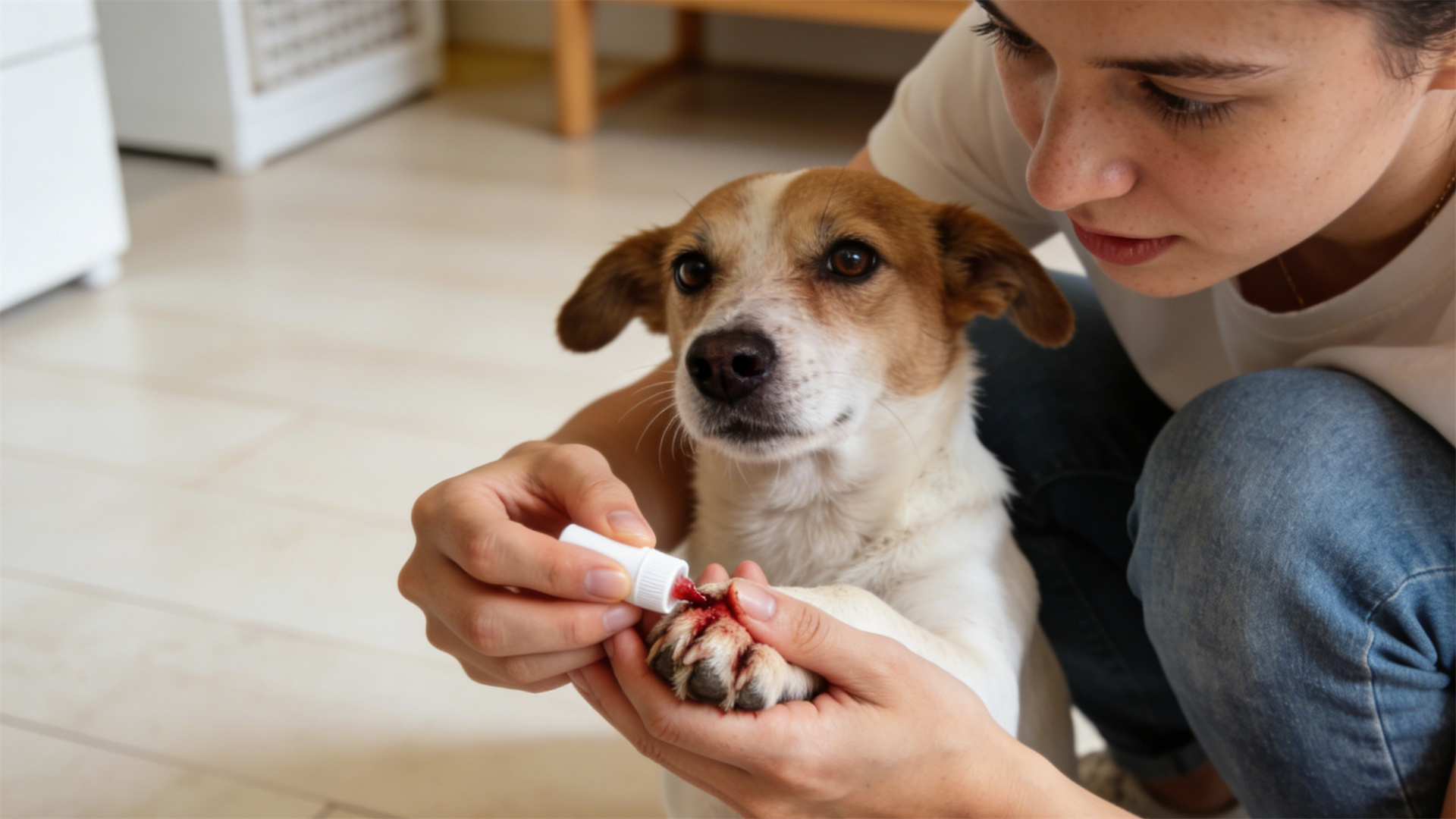
You notice your dog’s nails seem to split or flake easily during a trim. Later, you catch them intently munching on dirt in the garden. Perhaps they’ve even graduated to chewing on rocks, socks, or drywall. As a concerned dog owner, you might write these off as odd behaviors or minor quirks. But what if these seemingly unrelated issues were connected? What if they were your dog’s way of sending a nutritional distress signal? The common thread often lies in micronutrient deficiencies in dogs—a subtle but significant imbalance that impacts health from the inside out.
This article will bridge the gap between these puzzling symptoms and the science behind them. We will explore the underlying logic of how a lack of specific vitamins and minerals manifests in physical and behavioral changes, and equip you with the knowledge to take responsible, effective action with your veterinarian.
Special Reminder: The information provided here is for educational purposes only and is not a substitute for professional veterinary advice, diagnosis, or treatment. Always seek the guidance of your veterinarian with any questions regarding your pet's health. Never disregard professional advice or delay seeking it because of something you have read here.
🩺 The Symptom Trio: More Than Just Quirks
Before diving into the "why," let's clearly define the "what." These three symptoms are often the most visible tip of a nutritional iceberg.
Brittle Nails: The Visible Clue
Healthy dog nails are strong and resilient. Brittle nails in dogs that crack, split, or peel horizontally are not just a grooming nuisance. They are a direct reflection of the health of the keratin structure. Keratin is a protein, but its proper formation and strength depend heavily on specific micronutrients. When these are lacking, the nail matrix (the growth center) produces weak, faulty nail material.
Soil-Eating: The Earthy Craving
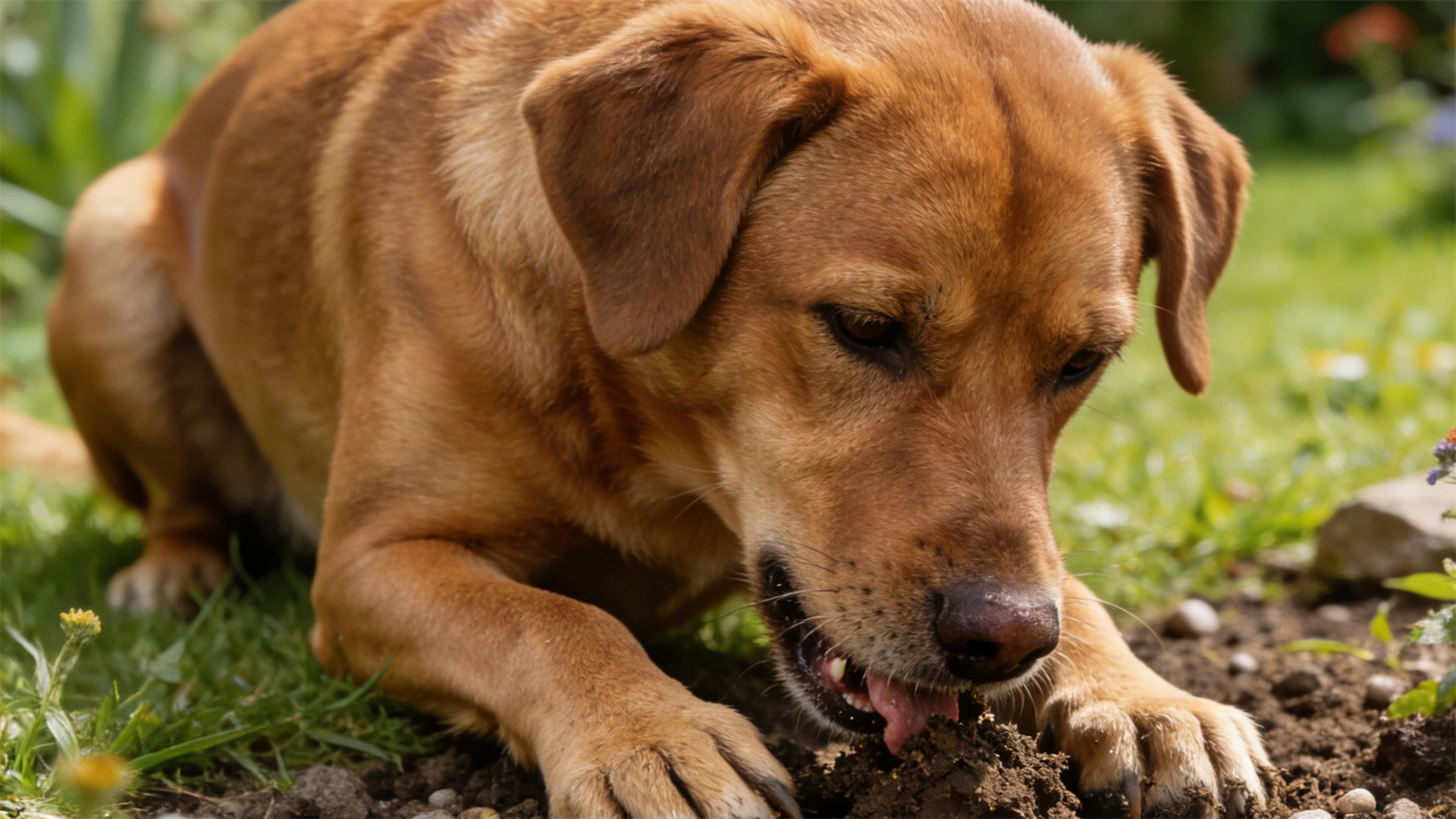
Why do dogs eat dirt or soil? This behavior, known as geophagia, is a specific form of a broader disorder. While sometimes driven by boredom, it can be an instinctual attempt to compensate for a dietary deficiency. Soil may contain minute amounts of minerals like iron or zinc that the dog's body is craving, or it may help soothe gastrointestinal upset caused by an imbalanced diet.
Pica: The Broadest Warning Sign
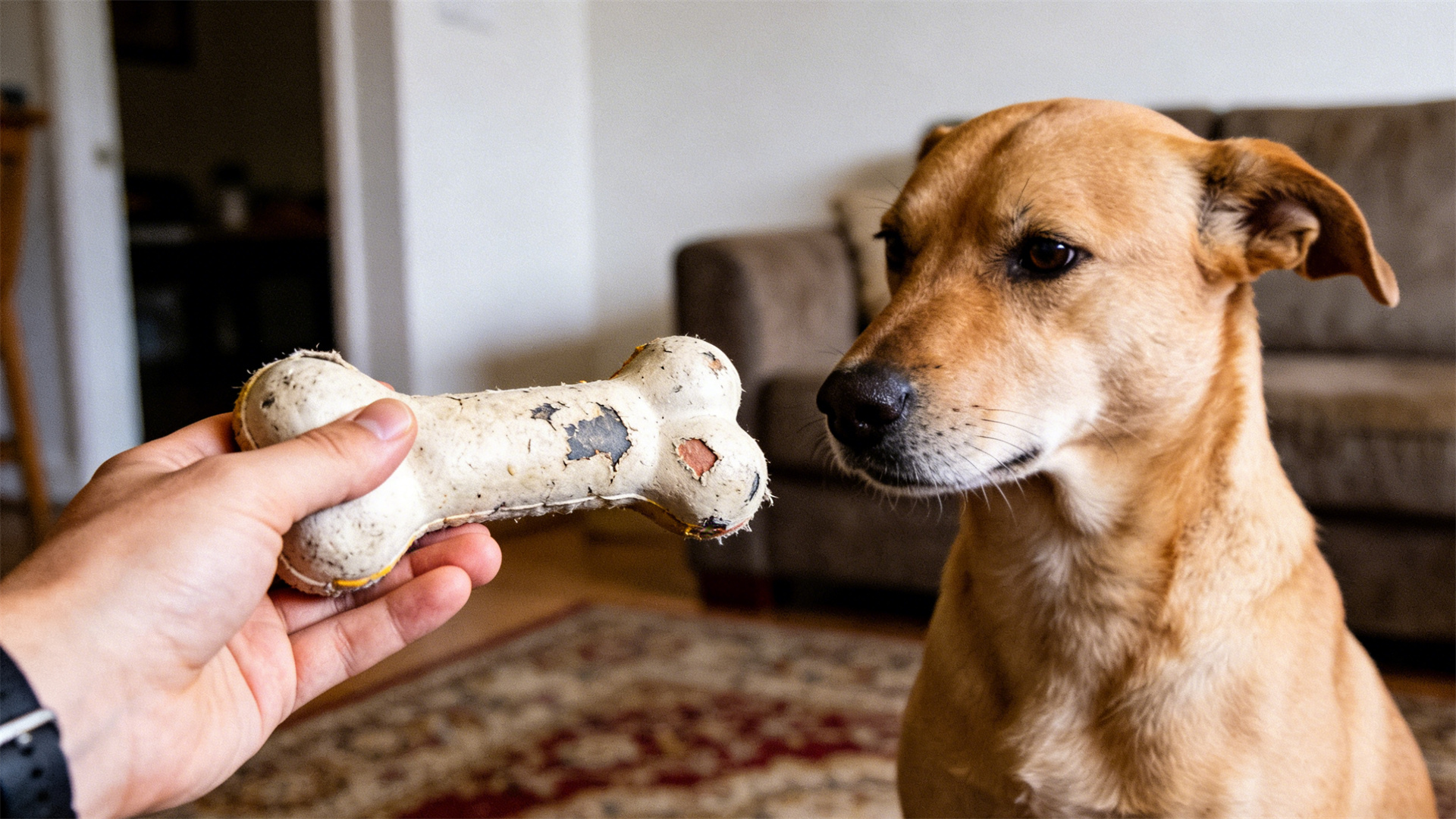
This is where the behavior escalates. Pica in dogs meaning is the consumption of non-food items. This can include rocks, plastic, fabric, wood, or even feces. Pica and nutrient deficiencies are strongly linked. It’s considered a more severe red flag than dirt-eating alone, indicating a potentially more significant physiological drive or imbalance. It’s crucial to understand that pica can also stem from medical or behavioral issues, making veterinary investigation essential.
⚙️ The Underlying Micronutrient Logic
Now, let's connect the dots. Micronutrients—vitamins and minerals—are the co-factors and building blocks for nearly every metabolic process in your dog's body. A deficiency creates a cascade of subtle dysfunctions, often showing up first in tissues that regenerate quickly (like nails) or through primal cravings.
Zinc: The Skin and Nail Regulator
Zinc deficiency in dogs is a classic culprit. Zinc is vital for skin health, immune function, and protein synthesis—including keratin. A dog lacking zinc may exhibit not only brittle dog nails but also crusty skin lesions, especially around the mouth, eyes, and footpads, and a dull coat. Certain breeds like Siberian Huskies and Alaskan Malamutes have a genetic predisposition to poor zinc absorption, making them more susceptible.
Iron: The Oxygen Carrier and Its Strange Cravings
Iron deficiency in dogs reduces the blood's ability to carry oxygen, leading to weakness and fatigue. But one of its most intriguing signs is pica disorder in dogs, specifically cravings for dirt, ice, or other odd substances. This is a well-documented phenomenon in many species, including humans. The body, desperate for iron, may drive the animal to seek it from any potential source, however unconventional.
B Vitamins and Other Key Players
The B-complex vitamins are involved in energy metabolism and nervous system function. Deficiencies, particularly in B1 (thiamine), B9 (folate), or B12 (cobalamin), can lead to appetite changes, lethargy, and potentially pica as the body seeks to correct the imbalance. Other minerals like calcium and phosphorus, in incorrect ratios, can also affect overall metabolism and contribute to abnormal behaviors. Canine micronutrient imbalances are often interconnected; a deficiency in one can affect the absorption or function of another.
🛠️ From Diagnosis to Solution: A Responsible Path Forward
Recognizing the potential link is the first step. The next steps must be methodical and vet-guided to ensure safety and efficacy.
Step 1: The Veterinary Consultation – No Self-Diagnosis
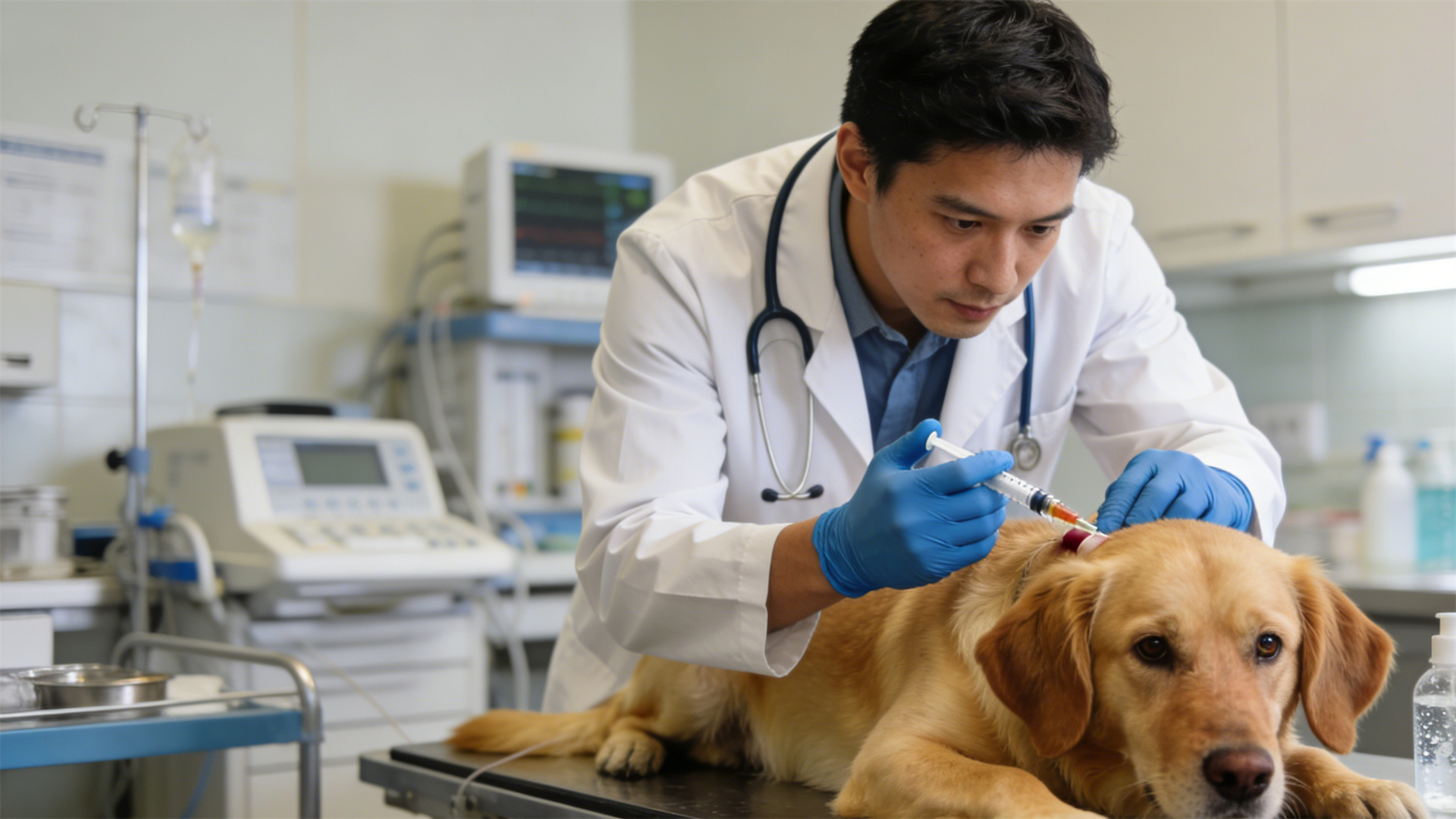
This cannot be overstated. Schedule a vet visit. Symptoms like pica and brittle nails can also indicate parasites, hormonal diseases (like Cushing's or thyroid issues), digestive disorders, or psychological stress. Your vet will likely recommend a physical exam and possibly annual blood work or specific tests to rule out other causes and identify deficiencies. Never supplement blindly, as excess of certain minerals (like zinc or iron) can be toxic.
Step 2: Audit the Foundation – The Diet
While waiting for your appointment, audit your dog's current diet. Are you feeding a well-balanced, high-quality commercial diet from a reputable company that meets AAFCO nutritional standards? Cheap, grain-free, or heavily imbalanced homemade diets are frequent contributors to dog diet deficiencies. Your vet can help you evaluate if a diet change is necessary. For guidance on this, you might find our article on Choosing a High Quality Dog Food: A Guide helpful.
Step 3: Strategic Supplementation – If and Only If Directed
If a deficiency is confirmed, your vet will prescribe a specific course of action. This may involve a therapeutic diet, a specific micronutrient supplement for dogs (like zinc methionine or a B-vitamin complex), or a general multivitamin formulated for dogs. The form, dosage, and duration are critical and must be professional prescribed. Over-the-counter human supplements can be dangerous.
Step 4: Monitor and Follow Up
Monitor symptoms. With correct intervention, you should see improvement. Nails will grow in stronger over time (this takes months), and pica behaviors should diminish as the nutritional need is met. Keep a log and report back to your vet.

💪 Conclusion: Empowerment Through Knowledge
The journey from noticing your dog's brittle nails or soil-eating habit to understanding the potential underlying logic behind pica is one of connecting physiological dots. These signs are your dog's language, hinting at an internal need for better dog nutritional health.
Your role is not to become a home diagnostician, but an informed advocate. You now understand that these aren't merely quirks but potential flags for micronutrient deficiencies in dogs. Armed with this knowledge, you can have a more productive conversation with your veterinarian, leading to accurate diagnosis and a safe, effective treatment for micronutrient deficiencies. By addressing the root cause, you can help your companion move from odd symptoms back to vibrant health.