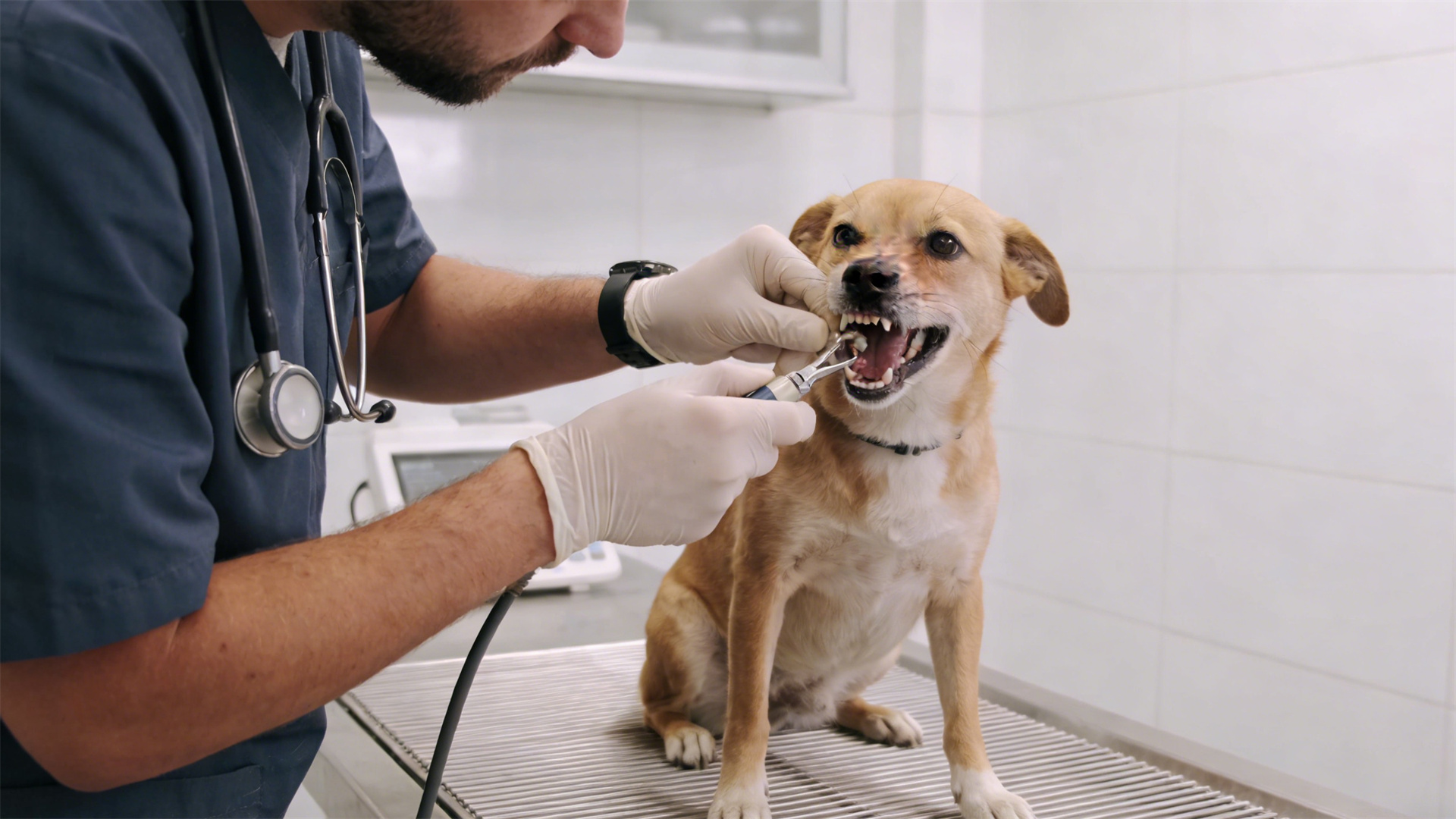
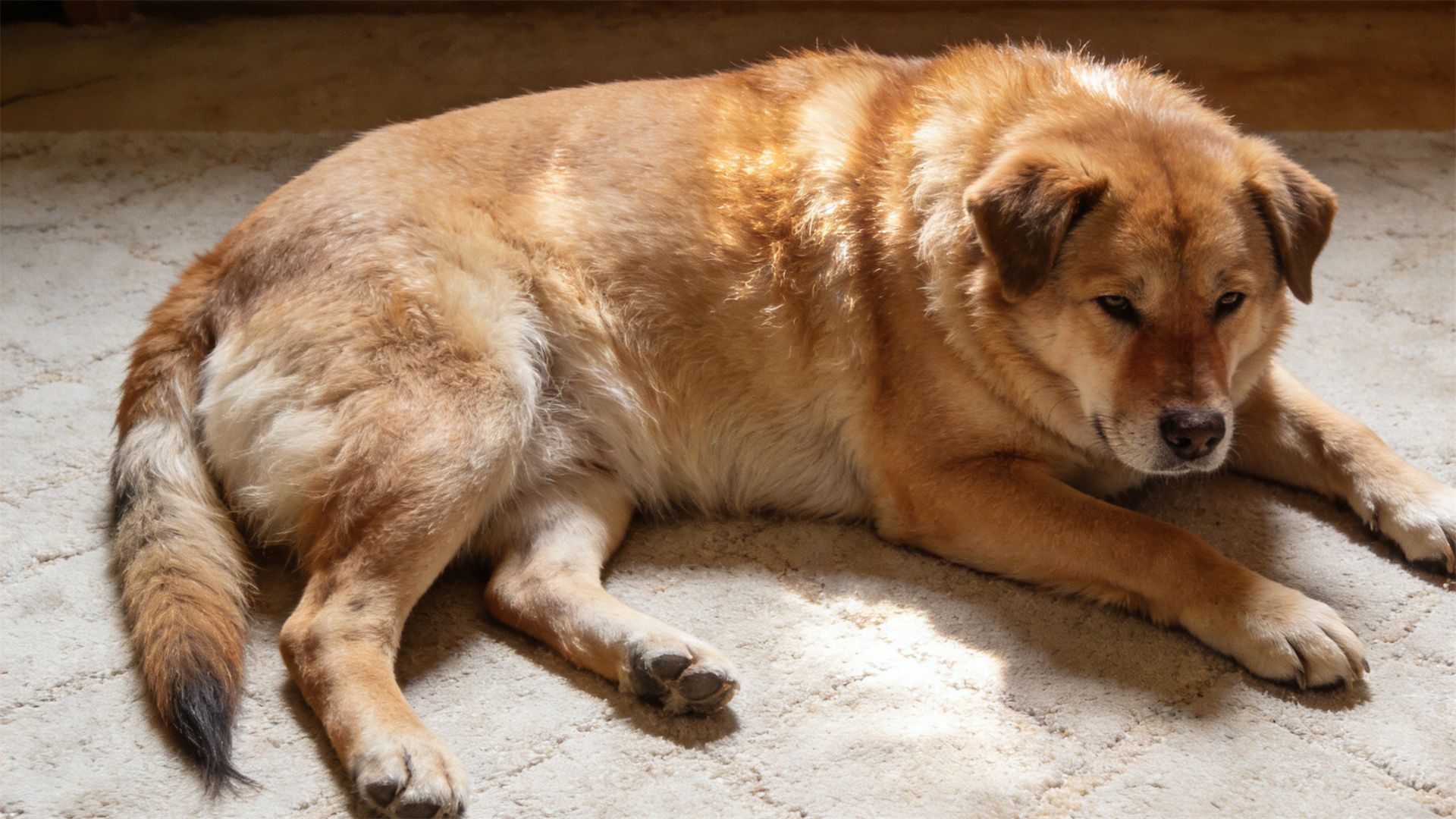
When we think about our dog's health, our minds often jump to premium food, regular vet check-ups, and perhaps a stylish new bed. But what if two of the most powerful wellness tools are utterly free, accessible right outside your door, and work in perfect harmony? A truly holistic approach to canine vitality looks beyond the bowl and into the fundamental rhythms of nature and movement. The central thesis is profound yet simple: daily sunlight exposure and regular, appropriate exercise work in powerful tandem to regulate critical hormones like serotonin and fortify skeletal integrity. This dual-action strategy doesn't just target one system; it creates a cascade of benefits that uplifts your dog's mind, strengthens their body, and builds a foundation for a longer, more joyful life.
🌞 Core Concept One: The Sunlight Serotonin Connection
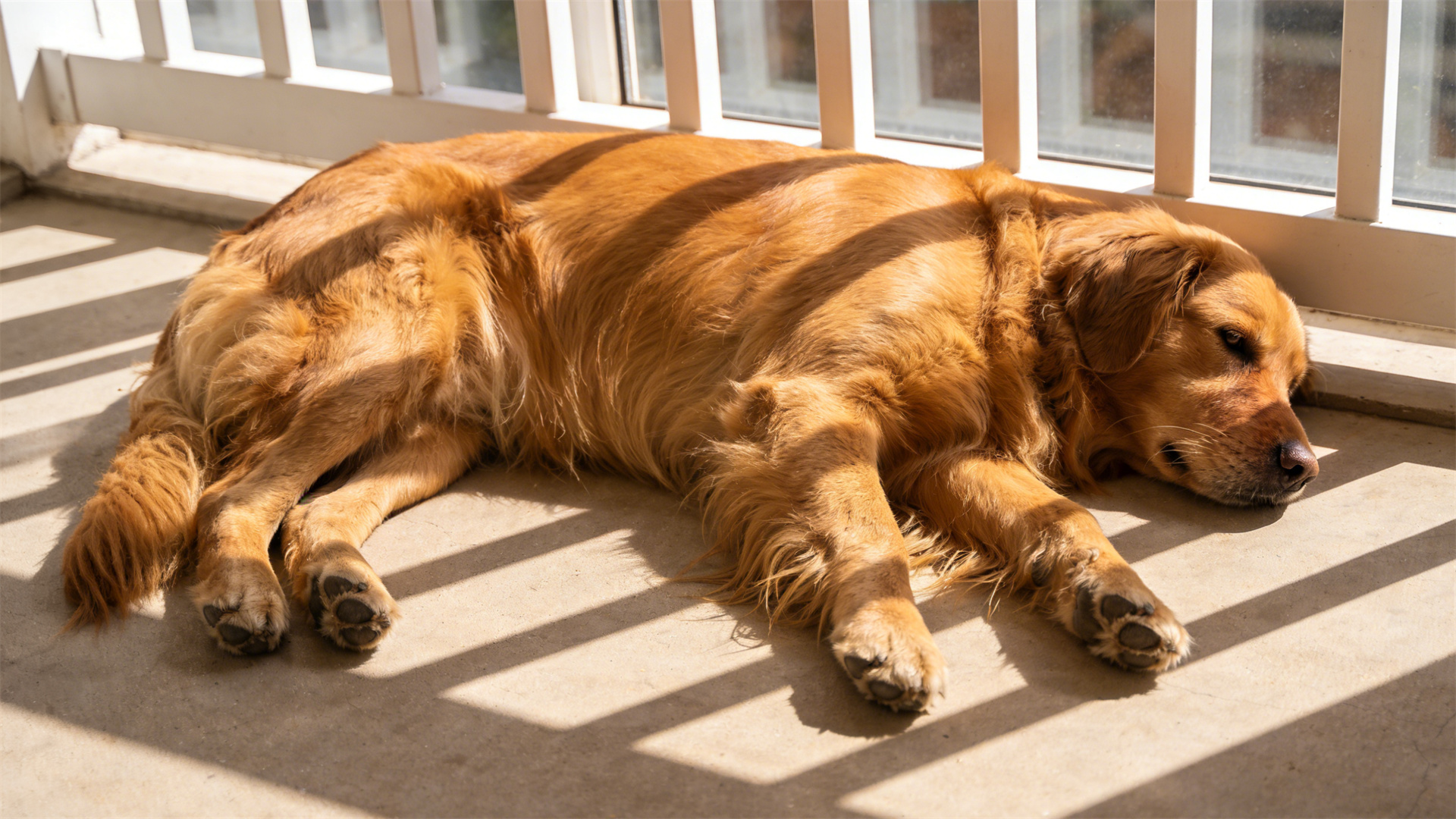
Have you ever noticed your dog seeking out a sunny spot on the floor for a nap? This is more than just a quest for warmth; it's an instinctual drive for biochemical nourishment. When your dog's skin is exposed to sunlight, specifically to UVB rays, a miraculous process begins. Unlike humans who can synthesize vitamin D3 efficiently through their skin, dogs have a layer of fur that acts as a natural barrier. However, the process still occurs, particularly on less furry areas like the belly, inner ears, and nose. Sunlight catalyzes the conversion of a compound in the skin into vitamin D3, which then undergoes further transformations in the liver and kidneys to become its active form.
This is where the magic for mental health begins. Active vitamin D is far more than a "bone vitamin"; it functions as a prohormone and plays a critical role in the brain. It acts as a essential precursor for the synthesis of serotonin, one of the body's primary neurotransmitters. Often dubbed the "feel-good" chemical, serotonin in dogs governs mood stability, promotes feelings of calm and contentment, reduces anxiety, and regulates sleep-wake cycles. Adequate serotonin levels are what help your dog weather the storm during a thunderstorm, feel relaxed when home alone, and exhibit general, steady-tempered wellbeing. Therefore, consistent, safe sunlight exposure is a direct, natural pathway to supporting balanced dog serotonin levels and robust mental health in dogs.
Practical Insight: Vitamin D Synthesis Through Fur
It's a common misconception that a dog's fur completely blocks vitamin D from sunlight for dogs. While it's true that dense, dark coats can reduce efficiency, UVB rays do penetrate to the skin level, especially in short-haired breeds and on sparser areas. Furthermore, dogs engage in grooming; when they lick their fur, they ingest vitamin D precursors that were synthesized on the hair shafts and converted by sunlight. This is a secondary but important pathway. The key takeaway is that direct, unprotected (no sunscreen on the skin) exposure for appropriate durations is beneficial.
💪 Core Concept Two: The Exercise Factor for Bones and Brain
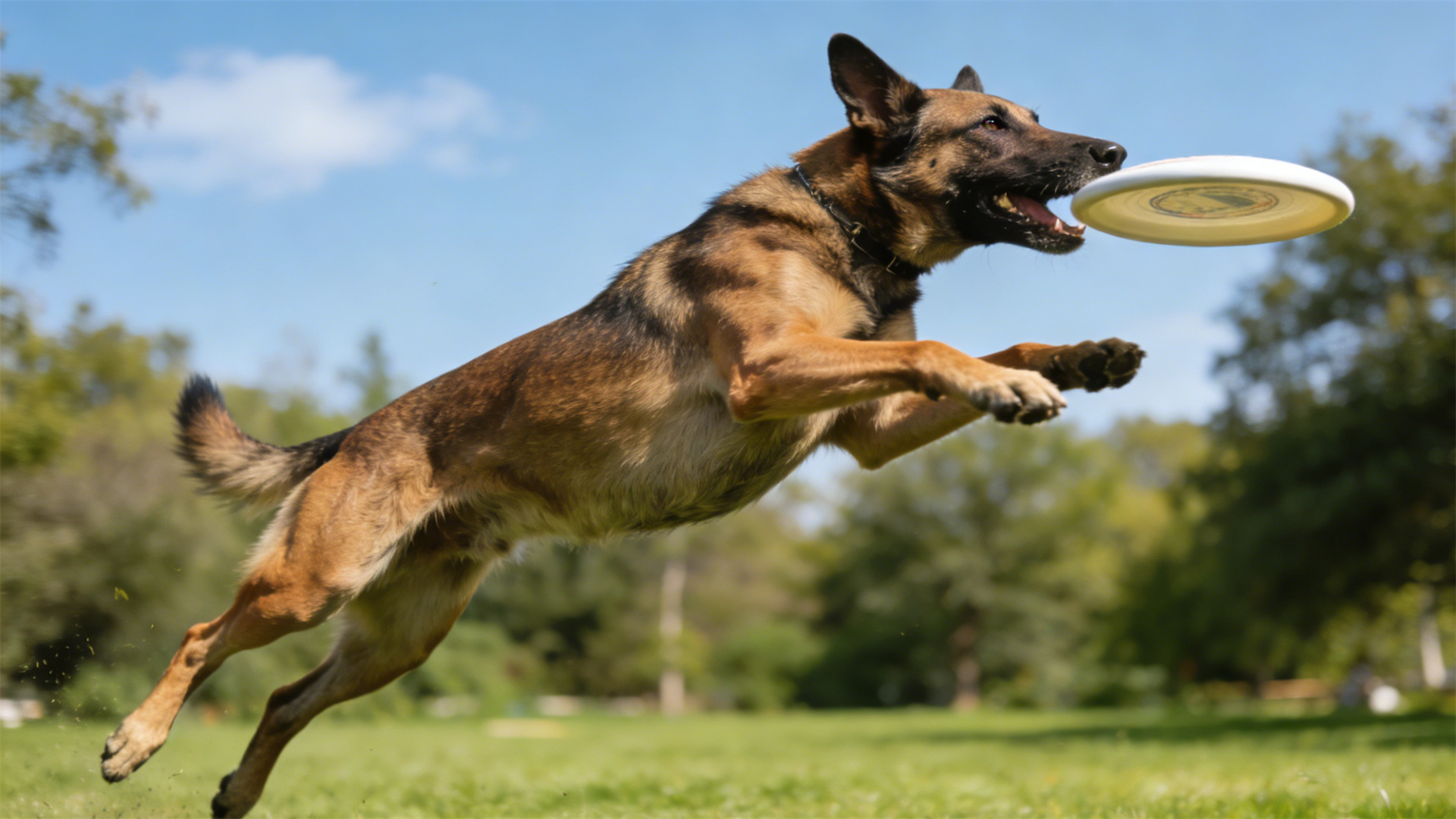
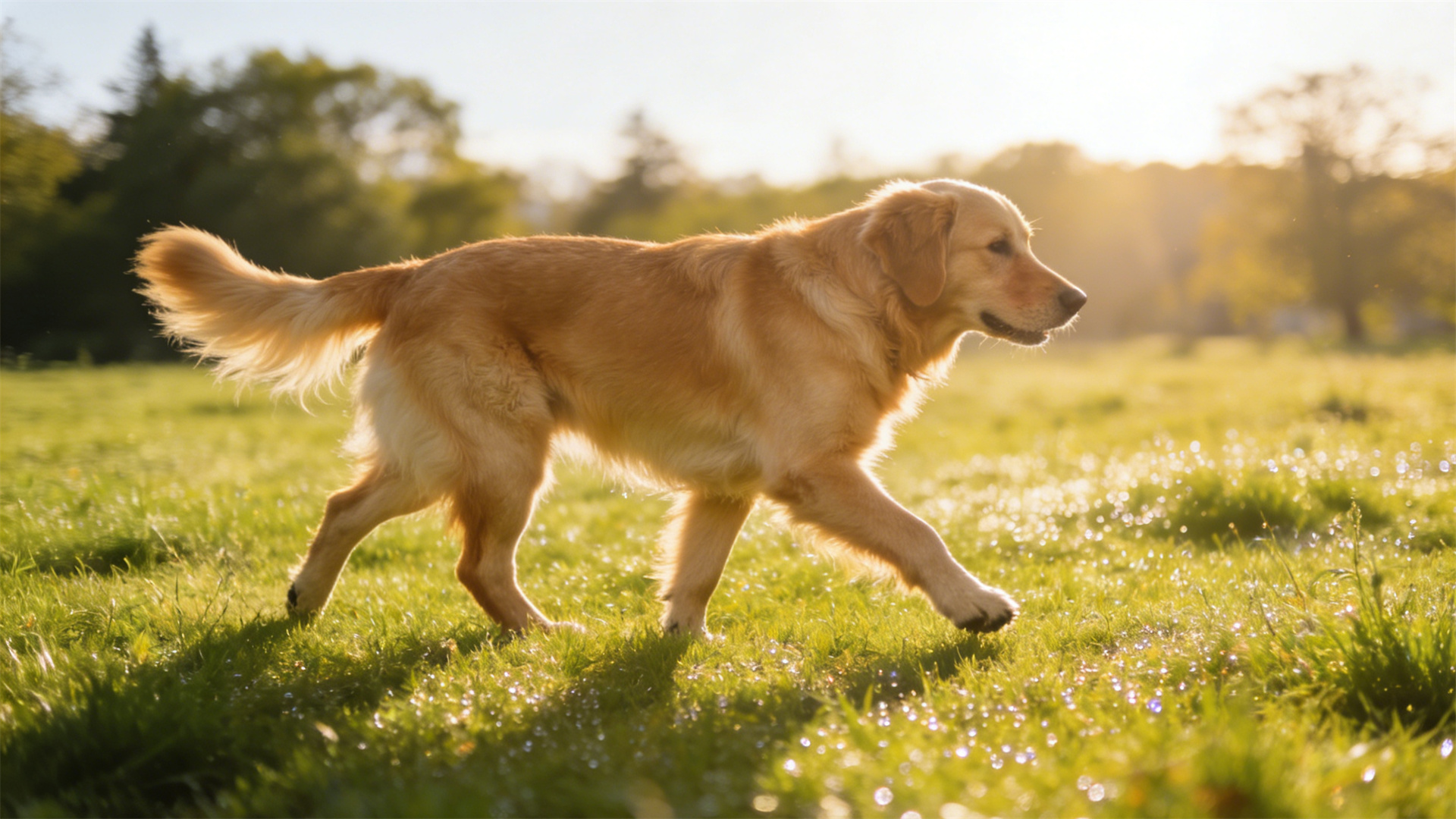
While sunlight sets the neurochemical stage, exercise is the actor that brings the play to life. Physical activity is a multi-system stimulant with profound effects on both the skeleton and the mind. Let's start with the framework of the body: the bones. Canine bone health is not static; it's a dynamic tissue constantly being remodeled. Weight-bearing and resistance exercises—such as running, jumping, playing fetch, and even walking on varied terrain—apply gentle stress to the bones. This stress is a signal, instructing specialized cells to deposit more mineral matrix, thereby increasing bone density and strength. Strong bones are the bedrock of dog skeletal health, preventing fractures, supporting joint integrity, and ensuring mobility well into the senior years.
Concurrently, exercise performs its own neurochemical wizardry. Physical exertion independently triggers the release of serotonin and its cousin, endorphins (another set of "happy hormones" in dogs). This is a complementary pathway to sunlight-induced production. The rhythmic motion, cardiovascular engagement, and mental stimulation of outdoor exercise for dogs combat boredom, reduce destructive behaviors rooted in anxiety, and create a natural sense of euphoria often called the "runner's high." This brain boost from physical activity for dogs is immediate and reinforces the calm, stable mood fostered by adequate serotonin levels.
🔄 The Synergy Section: A Self-Reinforcing Cycle of Wellbeing
The true power of this approach lies not in treating sunlight and exercise as separate items on a checklist, but in understanding their powerful synergy. They are two interlocking gears in the engine of canine wellness. Consider this virtuous cycle: Sunlight exposure helps regulate serotonin, improving your dog's mood and reducing anxiety. A dog that feels calm, happy, and balanced is inherently more eager and energetic, more willing to engage in play and exercise. That exercise, in turn, further elevates serotonin and endorphins while directly stimulating bone remodeling and joint health.
Now, with stronger bones and healthier joints, your dog has the physical capacity to exercise more effectively and with less risk of injury. This enables longer, more varied, and more enjoyable physical activity, which often takes place outdoors, leading to more... you guessed it, sunlight exposure. The cycle feeds itself. Breaking this cycle, conversely, can lead to a downward spiral: lack of sun and movement may contribute to lower serotonin (potentially leading to lethargy or anxiety), which decreases the desire to exercise, leading to weaker bones and muscles, further reducing mobility and mood. This synergy is the heart of the dual regulation serotonin bone health dogs concept.
🐾 Practical Application for Owners: Actionable, Safe Advice
Understanding the science is one thing; implementing it safely is another. Here is how to consciously integrate these pillars into your dog's life.
Tailoring Exercise by Breed and Age
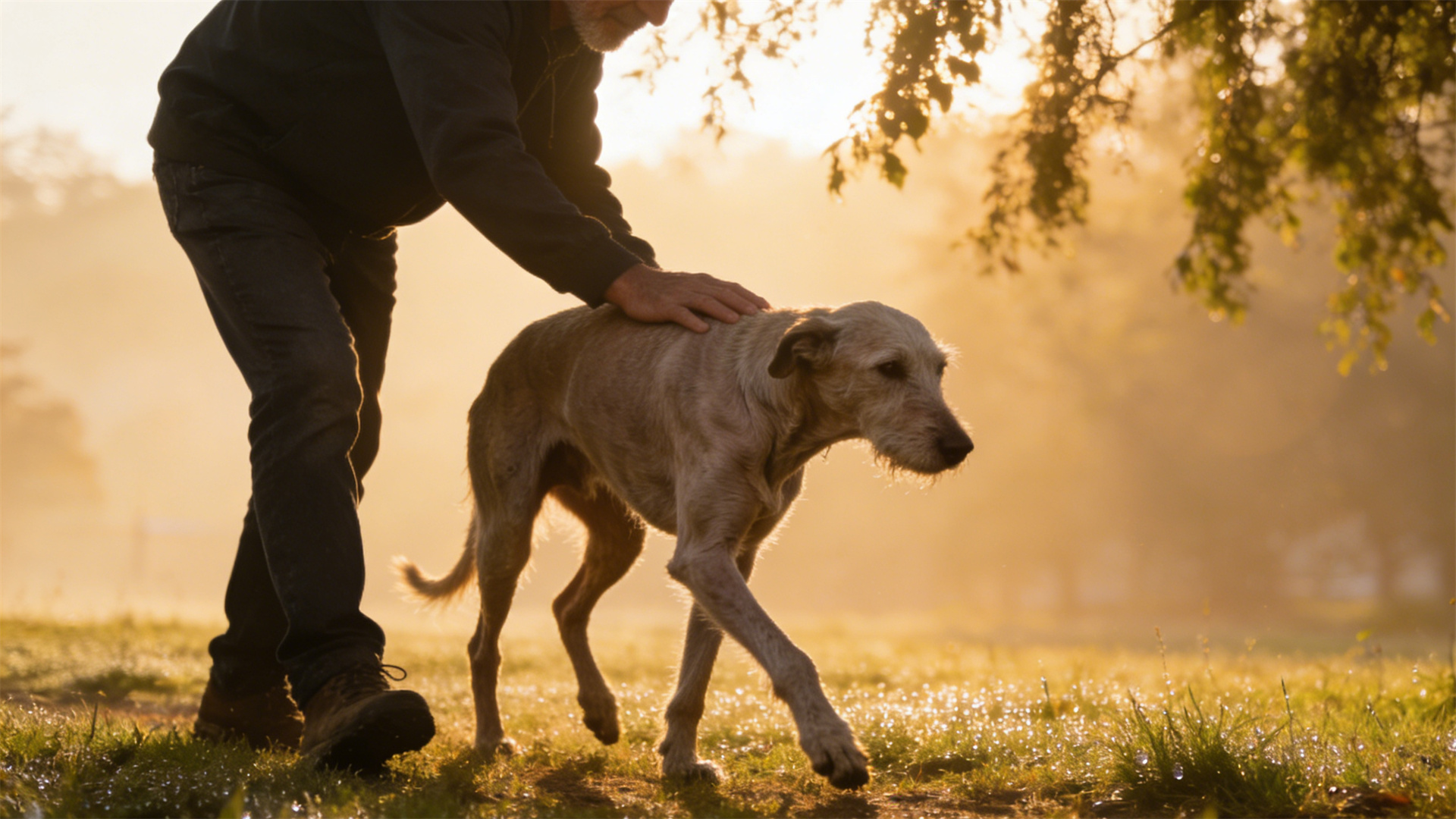
A one-size-fits-all approach is dangerous. A young Border Collie will need high-intensity mental and physical work like agility or long runs, while a senior Bulldog will thrive on short, slow walks in cool weather. For joint health, low-impact exercises like swimming are excellent for all ages, especially for large breeds or those with existing conditions. Puppies require controlled play to protect developing joints, focusing on soft surfaces. Special Reminder: Always consult your vet before starting a new vigorous exercise regimen, particularly for brachycephalic (flat-faced), giant, or senior dogs.
Sunlight Exposure: Safety First
Moderation is key. Aim for early morning or late afternoon sun when UV rays are less intense, avoiding the peak heat of the day to prevent overheating and paw pad burns. Start with 10-20 minutes for light-coated dogs and observe. Dogs with thin, light, or white coats are more susceptible to sunburn and may need pet-safe sunscreen on vulnerable areas. Dark-coated dogs absorb more heat and need extra vigilance for overheating. The goal is gentle, consistent exposure, not prolonged sunbathing.
The Golden Rule: Consistency Over Intensity
A daily 30-minute walk in the park with some off-leash exploration (where safe) is infinitely more beneficial than a single exhausting weekend hike. Consistency in sunlight and exercise for dogs regulates their circadian rhythm, provides predictable serotonin boosts, and steadily builds bone strength. Watch for signs of overexertion: excessive panting, lagging behind, glazed eyes, or reluctance to continue. These are clear signals to stop, offer water, and rest in the shade.
Conclusion: Harnessing Nature's Blueprint for a Resilient Companion
In a world of advanced nutrition and veterinary medicine, we must not overlook the foundational elements encoded in our dogs' very biology. Sunlight and exercise are not mere pastimes; they are essential, non-negotiable regulators of physiological and psychological health. By consciously providing for these needs, you are directly supporting the secretion of serotonin for a stable, happy mind and actively fortifying bone health for a strong, agile body. This dual regulation is the cornerstone of preventive care, a proactive strategy to mitigate anxiety, preserve mobility, and enhance the overall quality of your dog's life. Embrace these free, powerful tools. Step outside, breathe the fresh air, and embark on a journey of shared vitality with your four-legged friend.
Frequently Asked Questions (FAQ)
Can dogs get vitamin D from sunlight through their fur?
Yes, but with lower efficiency than humans. UVB rays penetrate to the skin level, especially in short-haired breeds and on areas with sparser fur like the belly. Dogs also ingest vitamin D precursors by licking their coat after sun exposure, which is a secondary metabolic pathway.
How much exercise is too much for my dog?
This is highly individual. Signs of "too much" include collapse, excessive panting long after stopping, vomiting, diarrhea, lameness, or a noticeable drop in energy lasting more than a day. Factors like breed, age, fitness level, and weather are critical. When in doubt, err on the side of shorter, more frequent sessions and gradually build endurance.
What are signs of low serotonin in dogs?
While a formal diagnosis requires a veterinarian, behavioral signs can include increased anxiety, noise phobias (thunder, fireworks), depression/lethargy, aggression, obsessive-compulsive behaviors (like tail chasing), and disrupted sleep patterns. These can have multiple causes, so a veterinary behaviorist can provide the best assessment.
Can this sunlight and exercise synergy help senior dogs?
Absolutely. For senior dogs, the principles of gentle, consistent sunlight exposure and low-impact exercise are paramount. Maintaining bone density is crucial for preventing fractures, and supporting serotonin levels can combat age-related cognitive decline and anxiety. Short, leisurely walks in the mild sun can significantly enhance their mental and bone health in dogs in their golden years.