As a devoted dog owner, you know that parasite prevention is a non-negotiable pillar of responsible pet care. The image of a healthy, playful pup is one free from the burden of internal worms. But in our quest to protect them, could we be inadvertently stressing another vital system? The very medications designed to safeguard our dogs must be processed by their bodies, primarily through the liver. This creates a scenario of metabolic stress—a hidden cost that demands our attention. This article delves into the science behind this process, explores the debate on deworming frequency, and provides a practical roadmap to balance effective parasite control with robust liver protection for dogs.
🔬 Understanding the Core Concept: What is Metabolic Stress?
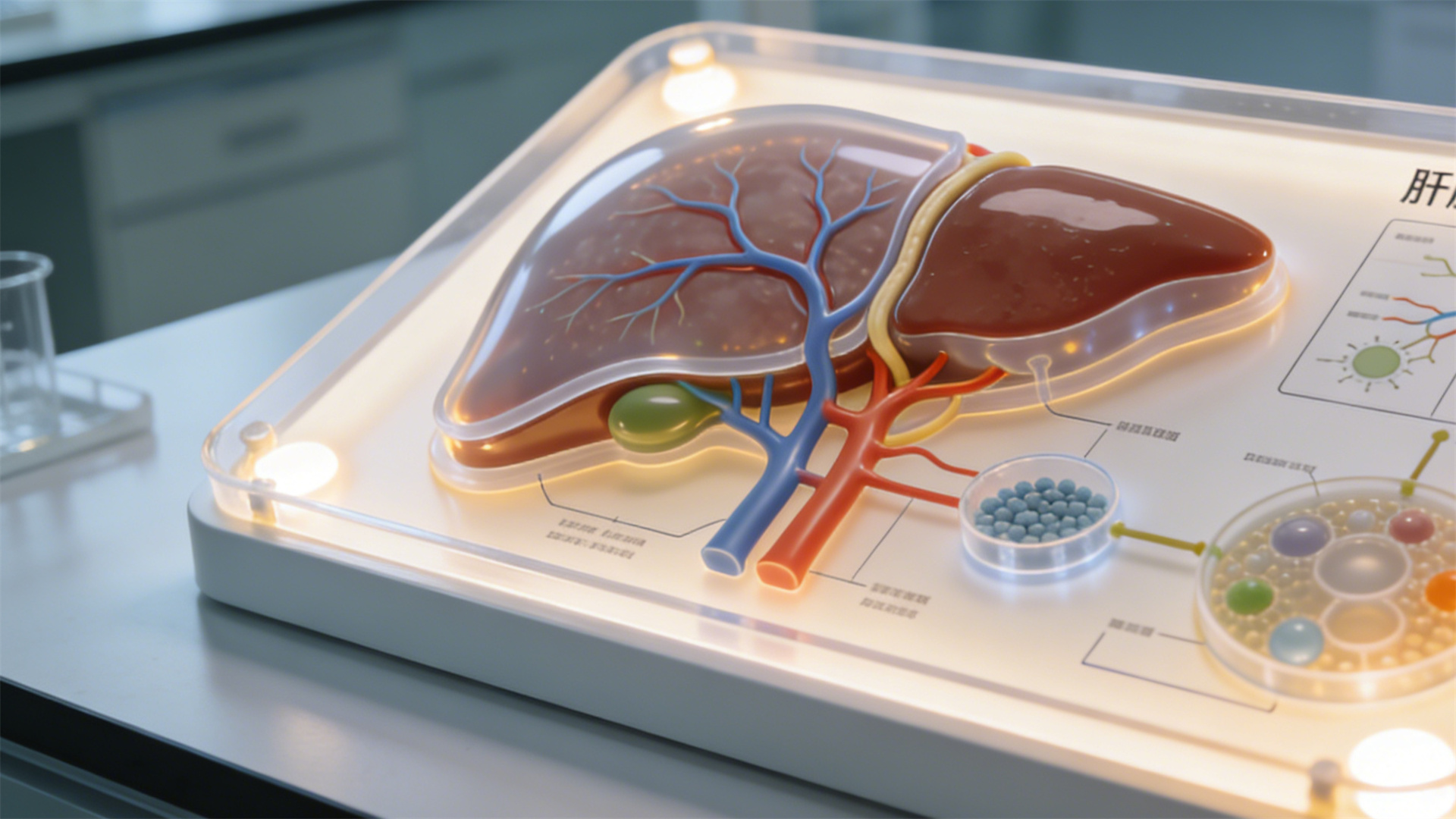
Think of your dog's body as a bustling city. The liver is the premier detoxification and waste-processing plant. When you administer a deworming medication, it's not magic; it's a bioactive compound designed to be toxic to parasites but (ideally) safe for your dog. Once it completes its job, the body must break it down and eliminate its remnants. This detoxification process happens overwhelmingly in the liver through complex enzymatic pathways.
Metabolic stress refers to the biochemical burden placed on the liver during this detoxification. The liver cells (hepatocytes) work overtime to metabolize the drug's compounds. This increased workload can generate free radicals—unstable molecules that can cause cellular damage if not neutralized by antioxidants. For most healthy dogs with a resilient liver, this stress is temporary and manageable. However, with high-frequency deworming for dogs, or in dogs with pre-existing liver conditions, this repeated burden can become significant, potentially leading to subclinical inflammation or, in rare cases, contributing to long-term liver health issues.
🔄 The Liver's Role: From Filter to Pharmacy
The liver doesn't just filter; it transforms. It uses two main phases to process toxins like dewormer residues:
Phase I (Activation): Enzymes, primarily from the cytochrome P450 family, modify the drug compound, often creating intermediate metabolites that can be more reactive.
Phase II (Conjugation): These intermediates are then bound to other molecules (like glutathione) to make them water-soluble and harmless, ready for excretion via bile or urine.
When this system is overloaded, it can struggle to keep up, leading to a buildup of reactive intermediates. This is the crux of the metabolic stress of deworming medication.

🐛 The Necessity and Nuance of High-Frequency Deworming
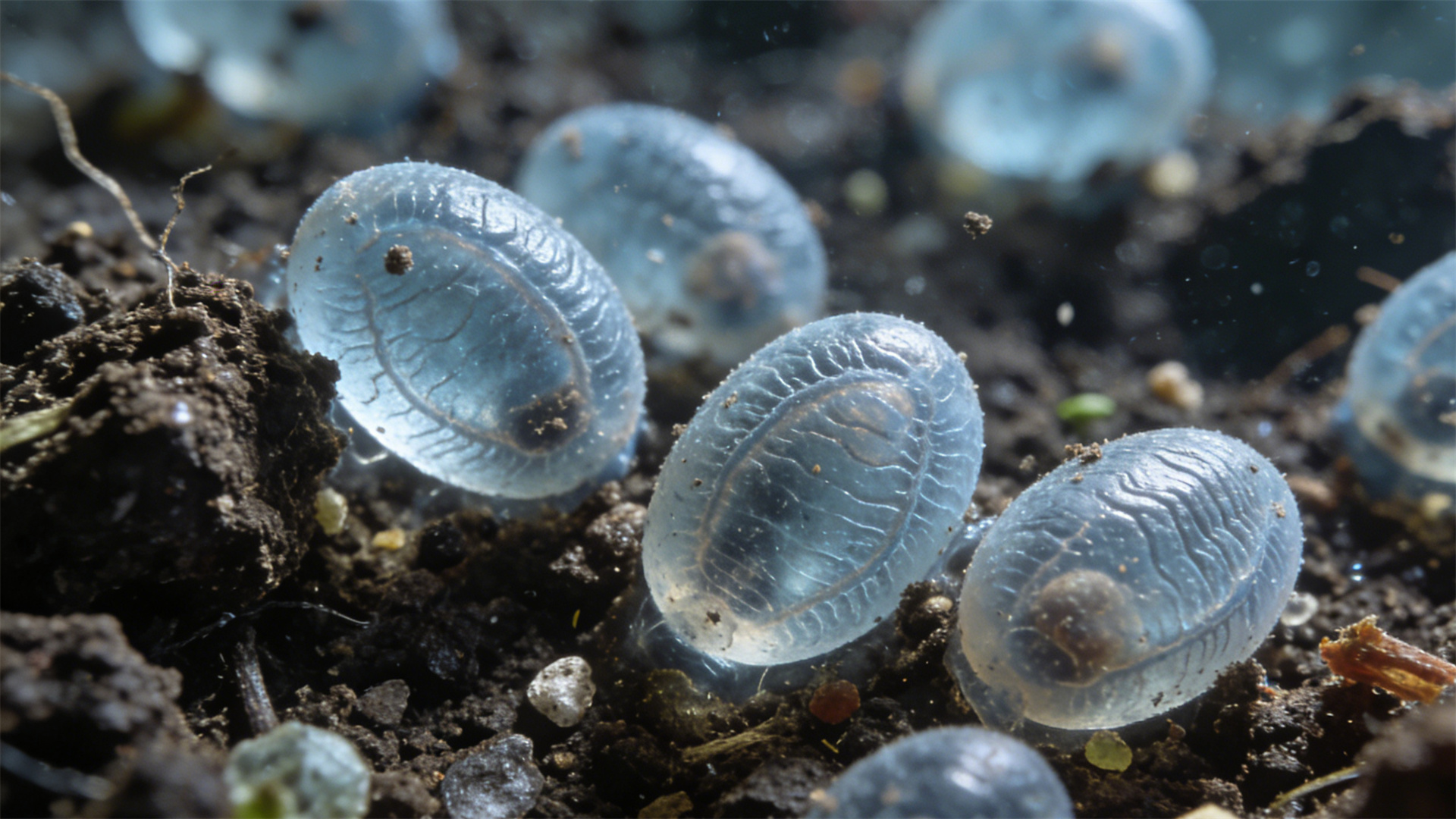
Before we label deworming as a stressor, we must affirm its critical importance. Parasites like roundworms, hookworms, whipworms, and tapeworms pose serious health risks, including malnutrition, anemia, intestinal blockage, and even zoonotic transmission to humans. Puppies are especially vulnerable, hence strict puppy deworming protocols.
The concept of high-frequency deworming for dogs often refers to monthly preventative protocols, particularly for dogs in high-risk environments (e.g., hunting dogs, those in endemic heartworm areas where certain preventatives also control intestinal parasites, or dogs in multi-pet households). The pros are clear: consistent, proactive parasite elimination, often before eggs are shed into the environment, breaking the lifecycle.
However, the potential cons revolve around the repeated metabolic stress and the possibility of contributing to parasite drug resistance. Not every dog needs monthly broad-spectrum deworming. This is where a one-size-fits-all approach falters. A safe deworming schedule is not just about frequency, but about strategic, risk-based treatment.
📊 Weighing the Risks: Lifestyle-Based Assessment
Consider your dog's true risk profile:
High Risk: Hunts, roams, frequents dog parks, lives in a region with high parasite prevalence, has a history of parasites.
Moderate Risk: Occasional park visits, walks in suburban areas.
Low Risk: Primarily indoor, limited contact with other animals or contaminated soil.
Your veterinarian can help you categorize your dog and tailor a plan that minimizes unnecessary medication while maximizing protection—the first step in balancing deworming and liver health.

⚠️ Recognizing the Signs: Canine Deworming Side Effects and Liver Distress
Most dogs handle dewormers with no apparent issues. But being vigilant for subtle signs of liver stress from dewormer is crucial. These signs can overlap with general dewormer side effects but may persist or indicate a deeper issue.
- Common, usually transient side effects: Mild lethargy, drooling, vomiting, or diarrhea shortly after administration. These often relate to the drug's action in the gut.
- Potential signs of liver stress (warranting a vet visit): Persistent or severe vomiting/diarrhea, loss of appetite for more than a day, unusual yellowing of gums/eyes (jaundice), dark orange urine, pale stools, abdominal pain, or unexplained lethargy lasting days.
Special Reminder: These symptoms are rare with approved dewormers but are more likely in dogs with undiagnosed liver impairment, very young puppies, or those on multiple medications. Always report any concerning signs to your veterinarian immediately.

⚖️ The Balancing Act: Actionable Strategies for Liver Protection and Safe Deworming
So, how do we achieve the golden mean? Here is a comprehensive guide to balancing deworming and liver health.
🩺 Step 1: The Veterinarian Consultation - Your Foundational Strategy
This cannot be overstated. Consulting a vet about deworming frequency and liver health is the single most important action you can take. Move away from guesswork and towards a personalized plan. Your vet may recommend:
- Fecal Testing: The gold standard. Conducting fecal exams 1-4 times a year (based on risk) to check for parasite eggs, allowing for "test-and-treat" rather than automatic "guess-and-treat" protocols.
- Baseline Health Screening: For senior dogs or breeds predisposed to liver issues, a pre-deworming blood test to check liver enzymes (ALT, ALP) can provide a safety baseline.
🍃 Step 2: Integrate Liver-Supportive Nutrition and Supplements
Think of this as strengthening the detox center before the busy season. You can incorporate natural ways to support a dog's liver during deworming through diet and targeted supplements.
Diet: A high-quality, balanced diet rich in digestible proteins and antioxidants supports overall canine liver health.
Liver Supplements for Dogs: Consider these, especially around deworming time (consult your vet first):
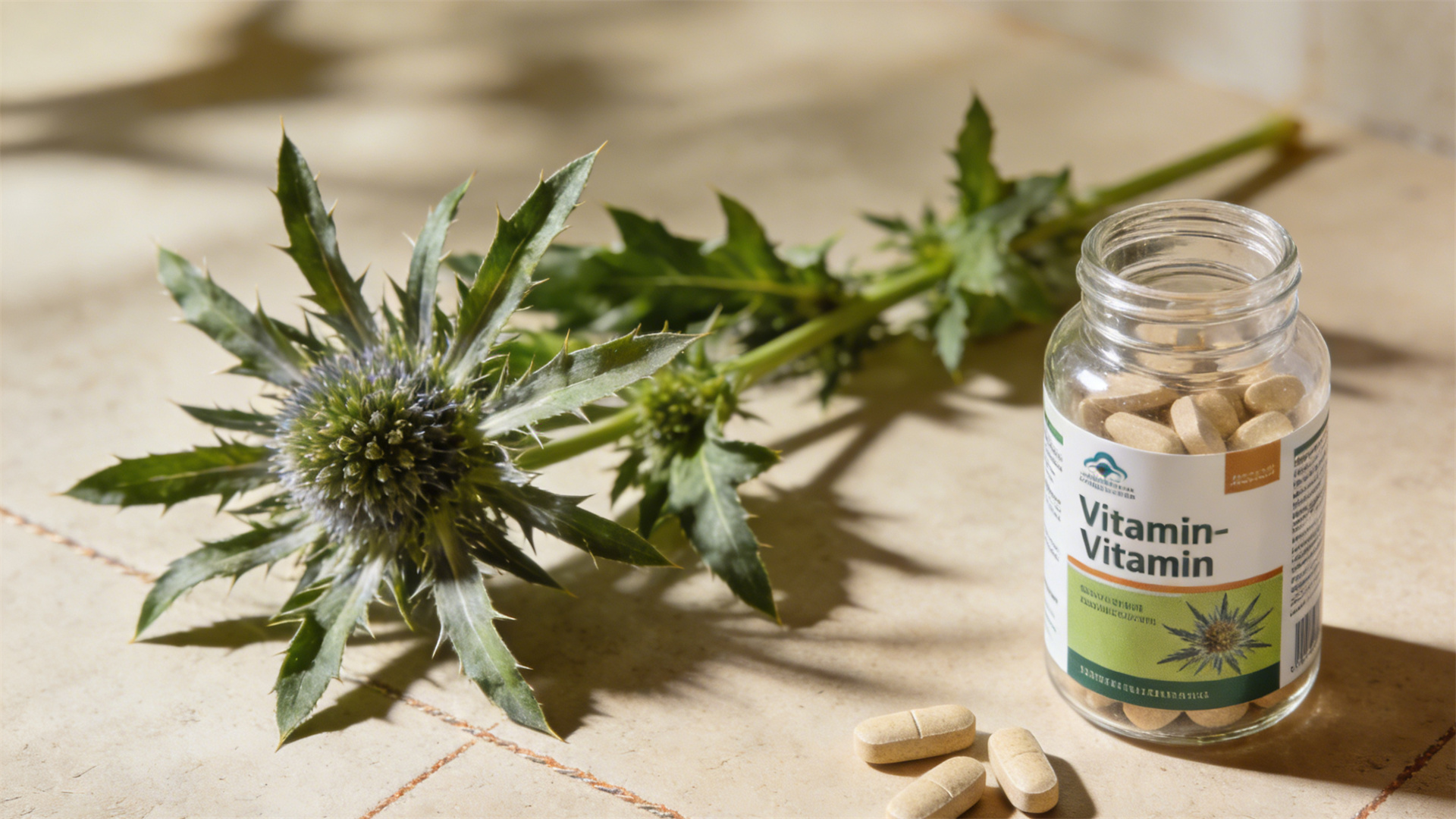
- Milk Thistle (Silymarin): The most renowned liver protection for dogs herb. It acts as an antioxidant, supports liver cell regeneration, and may help stabilize cell membranes.
- S-Adenosylmethionine (SAMe): Supports glutathione production, a crucial antioxidant used in the liver's Phase II detoxification.
- Vitamin E & C: Potent antioxidants that help neutralize free radicals generated during metabolism.
Ask your vet about the best liver supplements for dogs after deworming for your specific pet.
📅 Step 3: Smart Scheduling and Administration
- Timing: Administer dewormers with a small meal. This can slow absorption, reduce GI upset, and provide nutrients to support metabolism.
- Spacing: If your dog is on multiple medications, discuss spacing them out with your vet to avoid overwhelming the liver's enzymatic pathways all at once.
- Hydration: Ensure fresh water is always available to aid in the renal excretion of metabolized drugs.
👁️ Step 4: Proactive Monitoring and Journaling
Keep a simple log. Note the date of deworming, the product used, and your dog's behavior and appetite for the following 2-3 days. This creates valuable data to share with your vet and helps you spot patterns.

💡 Conclusion: A Holistic View of Canine Wellness
The goal is not to fear dog deworming but to practice it wisely. The metabolic stress of deworming medication is a real physiological consideration, but it is one we can effectively manage. By shifting from a rigid, calendar-driven protocol to a personalized, risk-assessed strategy developed with your veterinarian, you champion both parasite prevention and systemic health.
Prioritize liver protection for dogs as an integral part of your preventative health care, not as an afterthought. Use supportive supplements judiciously, be an observant caregiver, and always let professional guidance light your path.
🚀 Your Call to Action!
Book a consult with your veterinarian today! Discuss your dog's lifestyle, review their current parasite prevention plan, and ask, "How can we optimize my dog's deworming schedule to protect both from parasites and support his long-term liver health?" This proactive conversation is the ultimate step in balancing deworming and liver health for a vibrant, happy companion. 🐾

References: World Small Animal Veterinary Association (WSAVA) Parasite Control Guidelines, American Kennel Club (AKC) Canine Health Foundation, Merck Veterinary Manual, Journal of Veterinary Pharmacology and Therapeutics.