Watching your loyal companion grow old is a journey filled with love, but it also brings new challenges. One of the most common and concerning issues for pet parents is senior dog tooth loss. The moment you notice missing teeth or see your dog struggling to chew, a wave of worry is natural. How will they eat? Can they still get the nutrition they need to thrive? The answer is a resounding yes. While tooth loss changes their feeding routine, it does not have to diminish their quality of life or health. This comprehensive guide will walk you through everything you need to know about feeding a dog with no teeth, from understanding the causes to mastering the art of preparing delicious, nutrient-rich meals. Your toothless senior can continue to enjoy mealtime and live a happy, comfortable life with your informed care and support.
🦷 Section One: The Root of the Problem – Common Causes of Tooth Loss in Aging Dogs
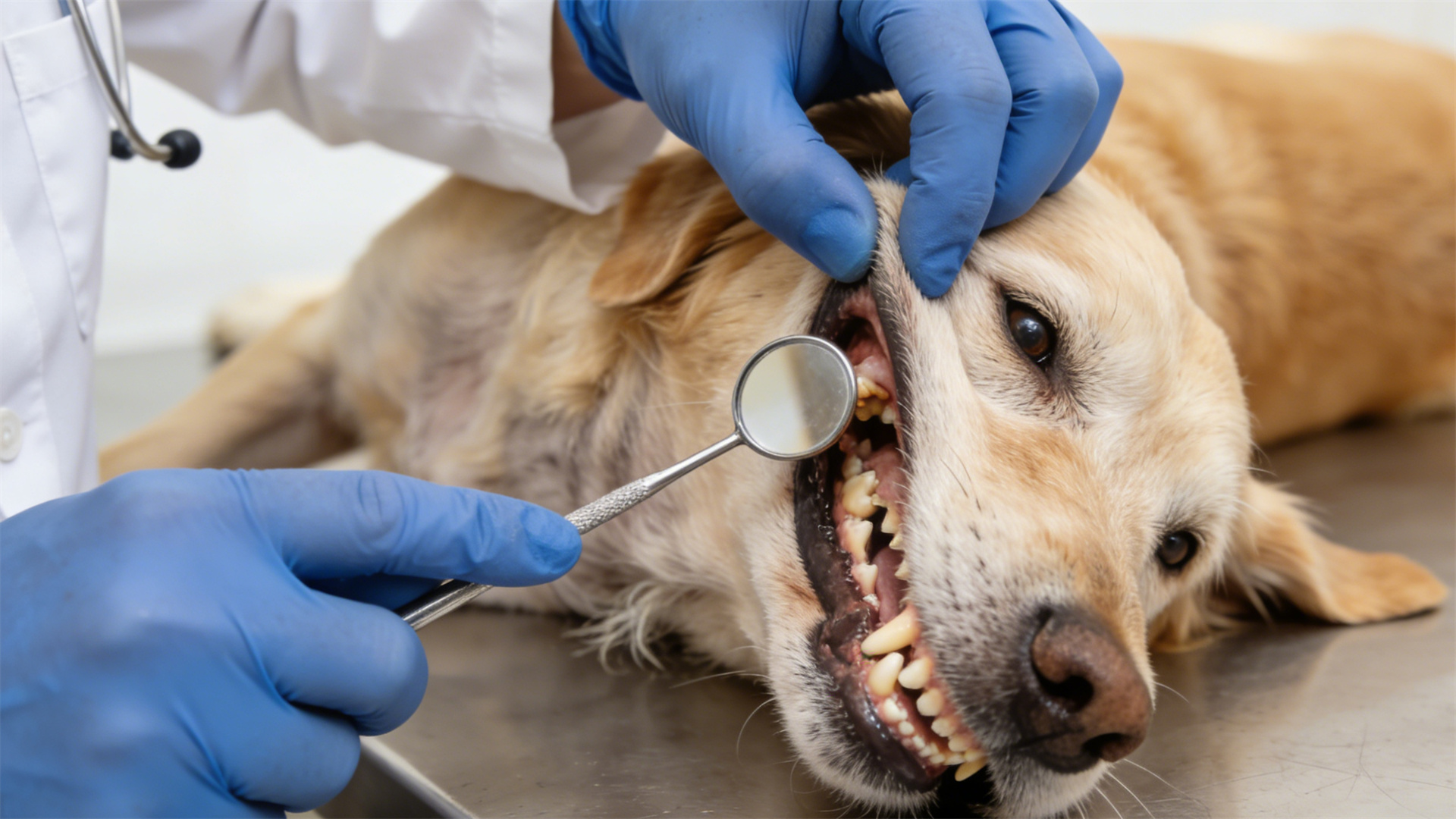
To effectively care for a toothless dog, it helps to understand why tooth loss occurs. It is rarely an isolated event and is often a symptom of underlying health issues. The primary culprit in over 85% of dogs over the age of four is periodontal disease. This condition starts with plaque buildup, which hardens into tartar. Tartar below the gumline leads to infection, destroying the supporting structures of the tooth—the gums and bone. Eventually, teeth become loose and fall out or require extraction. Other causes include tooth fractures from chewing hard objects, oral tumors, and systemic diseases like kidney disease or diabetes, which can worsen oral health. Regular elderly canine dental care is the best defense, but when loss is inevitable, shifting focus to nutritional support becomes paramount.
Key Takeaway:
Tooth loss is typically a sign of advanced dental disease. Addressing the root cause with your veterinarian is the first step toward managing your dog's overall health and well-being.
🍖 Section Two: Fueling Golden Years – Detailed Nutritional Needs of Older Dogs
The nutritional needs of older dogs shift significantly. Their metabolism slows, muscle mass may decrease, and organ function can decline. A tailored diet is crucial to manage weight, support organ function, and maintain mobility and cognitive health.
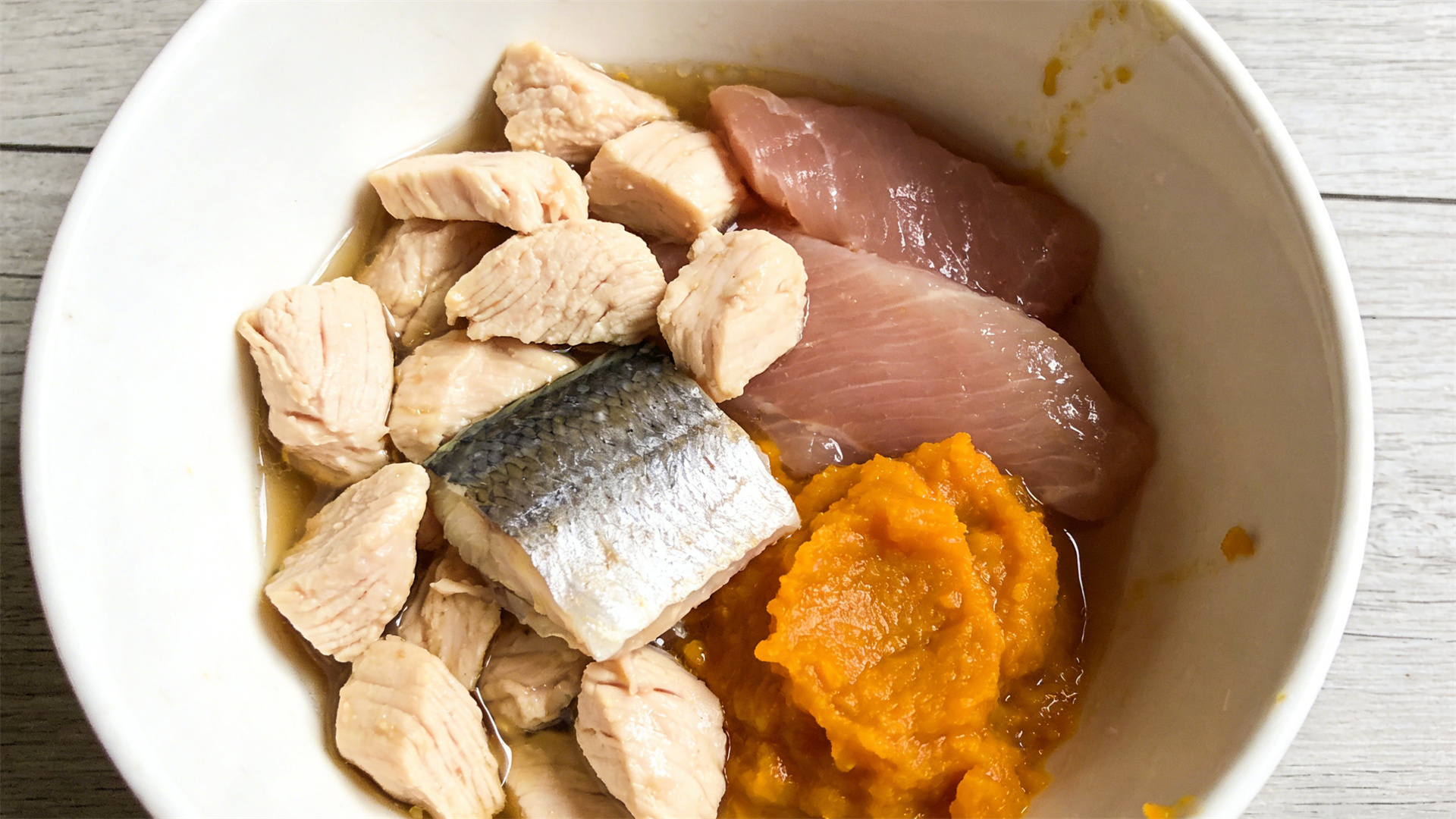
High-Quality, Easily Digestible Protein: Essential for preserving lean muscle mass. Sources like chicken, turkey, fish, and eggs are excellent.
Moderate, High-Quality Fats: Provides concentrated energy and supports skin, coat, and brain health. Look for omega-3 fatty acids (from fish oil) which have anti-inflammatory properties.
Adjusted Fiber: Helps with digestive regularity and can manage weight. Soluble fiber from sources like pumpkin is gentle.
Joint Support Nutrients: Glucosamine, chondroitin, and omega-3s aid in maintaining joint health.
Controlled Phosphorus and Sodium: Beneficial for supporting heart and kidney health in seniors.
Hydration: This is critically important and often overlooked. Ensuring hydration for toothless dogs is easier with wet food, but always provide constant access to fresh water.
🥄 Section Three: The New Mealtime Routine – Practical Feeding Methods for Dogs Without Teeth
So, how to help a toothless dog eat? The goal is to provide food that requires no chewing. Here are the most effective methods.
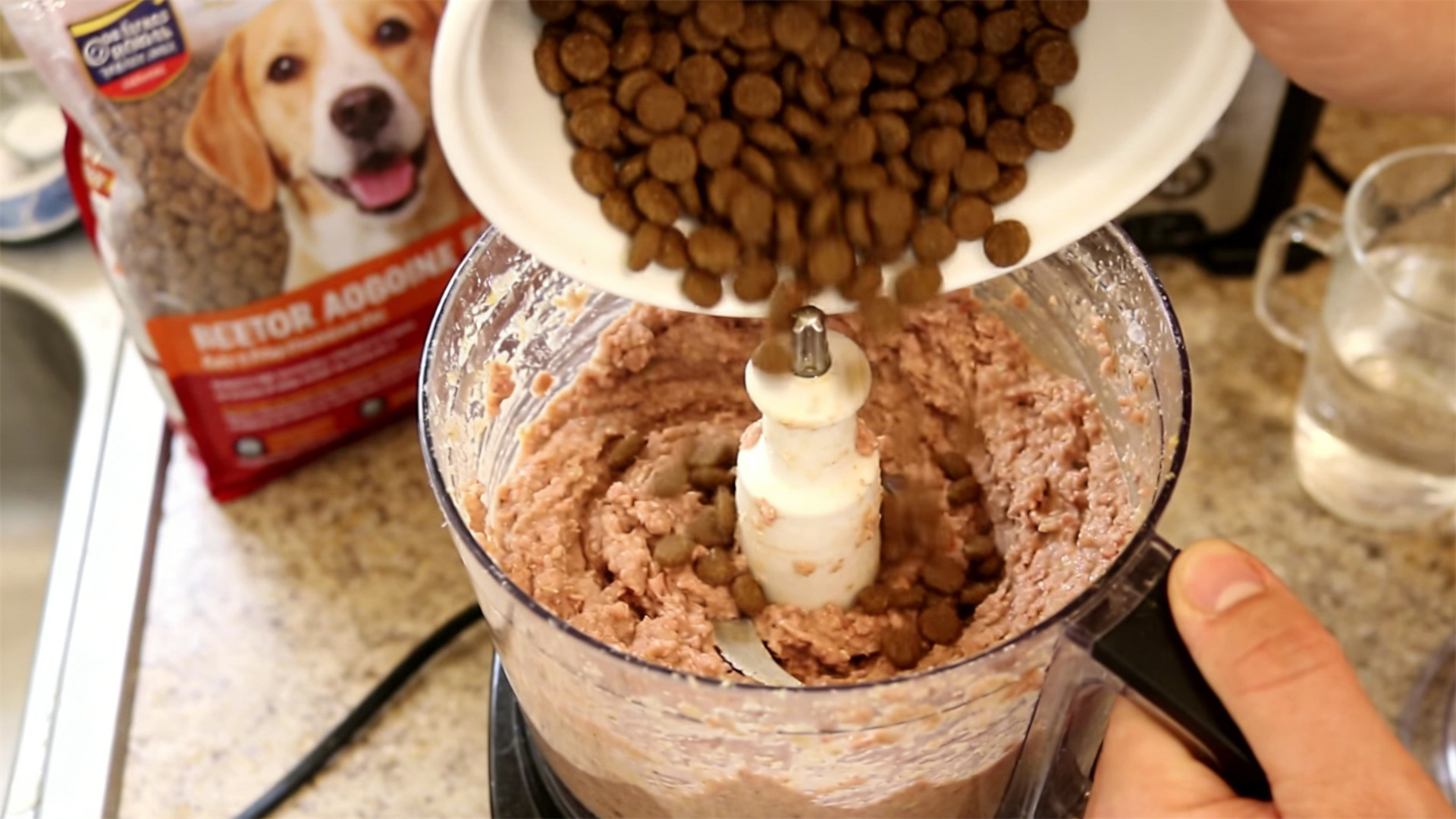
Pureed Meals (pureed dog food for seniors): The gold standard. You can puree commercial wet food, homemade meals, or soaked kibble into a smooth, lump-free consistency. Use a blender or food processor.
Soaked and Mashed Kibble: For a transitional option, soak high-quality senior kibble in warm water, bone broth, or a senior dog liquid supplement until it is completely soft, then mash thoroughly.
Commercial Wet/Pouched Foods: Dog food pouches for seniors and high-quality canned foods are excellent, convenient options. Choose formulas specifically for senior or veterinary dental diets for seniors.
Special Feeding Tools: Use a slow feeder for pureed dog food (a flat lick mat or a slow feeder bowl with shallow patterns) to encourage slower, more mindful eating and provide mental stimulation.
Hand-Feeding or Syringe Feeding: For dogs with a very poor appetite or recovering from surgery, hand-feeding small amounts of puree or using a syringe (without the needle) can ensure intake. Consult your vet first.
Special Reminder: Watch for signs of malnutrition in older dogs, including pronounced weight loss, lethargy, a dull coat, and muscle wasting. If you see these, consult your vet immediately.
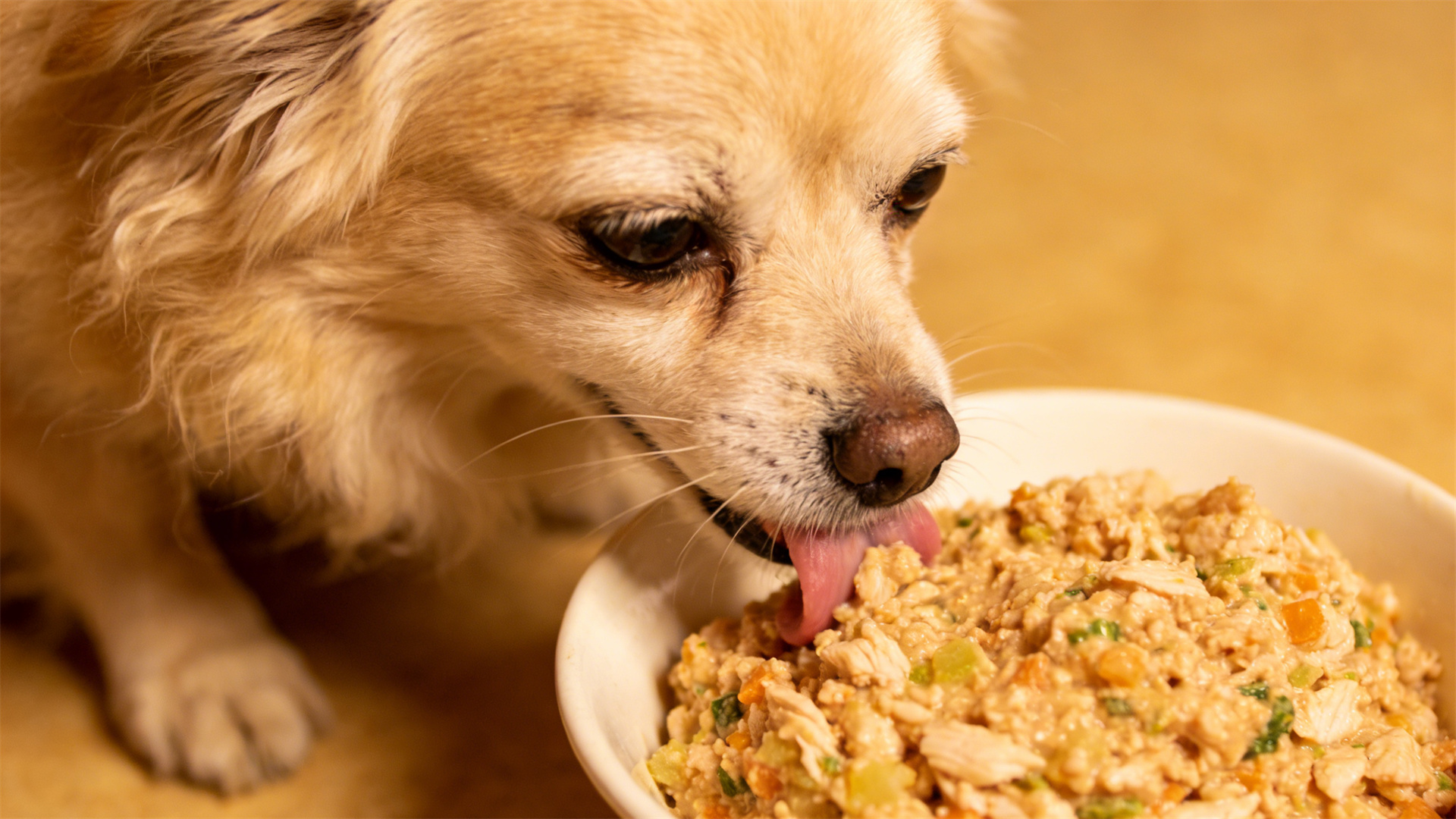
🍲 Section Four: Culinary Care – Recommended Soft Foods and Homemade Recipes
Knowing what to feed an old dog with bad teeth opens a world of nutritious, soft options.
Best Wet Dog Food for Toothless Senior Dogs: Look for brands with named meat proteins as the first ingredient, controlled minerals, and added joint supplements. Grain-free or with whole grains like brown rice are both good choices, depending on your dog's needs.
Homemade Soft Dog Food Recipes for Seniors: Homemade food allows for complete control over ingredients. Here are two simple recipes.
Recipe 1: Gentle Chicken and Rice Puree
Boil chicken breast (no bones, no skin) until fully cooked. Cook white rice or oatmeal separately. Combine 2 parts chicken with 1 part rice/oats in a blender. Add a splash of low-sodium chicken broth or water and blend until smooth. You can add pureed vegetables like carrots or green beans for extra fiber and vitamins.
Recipe 2: Hearty Beef and Vegetable Mash
Ground beef or turkey is a great base. Brown the meat thoroughly, drain excess fat. Steam or boil vegetables like sweet potato, peas, and carrots until very soft. Mix the meat and veggies together, adding a spoonful of plain pumpkin for fiber. Mash or blend with broth to desired consistency.
Nutritional Boosters: Enhance any meal with a drizzle of dog bone broth benefits including hydration and joint support, a dollop of plain yogurt, or a vet-recommended high-calorie gel for dogs if your senior is underweight.
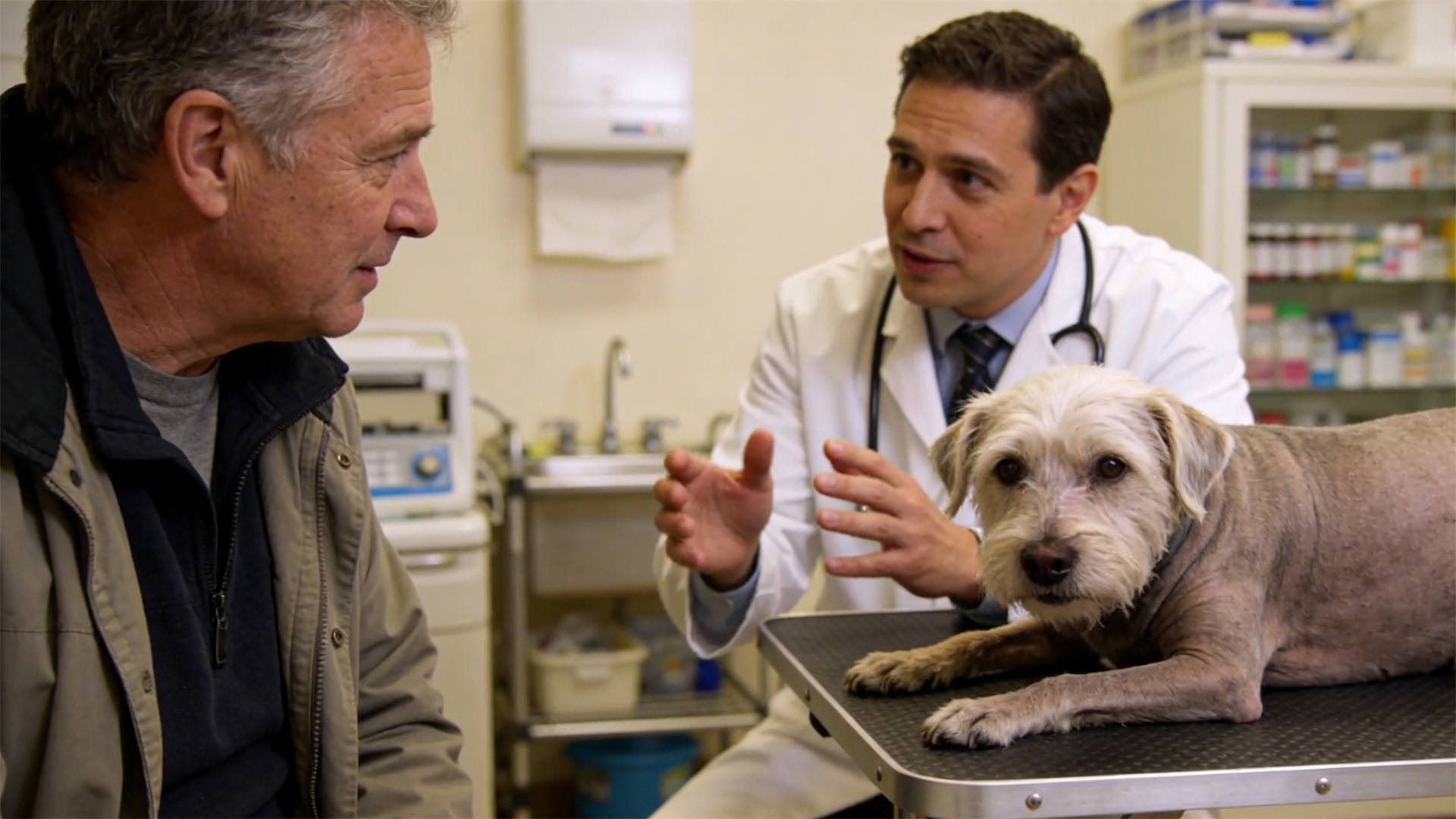
🏥 Section Five: Your Partner in Care – The Critical Importance of Regular Veterinary Visits
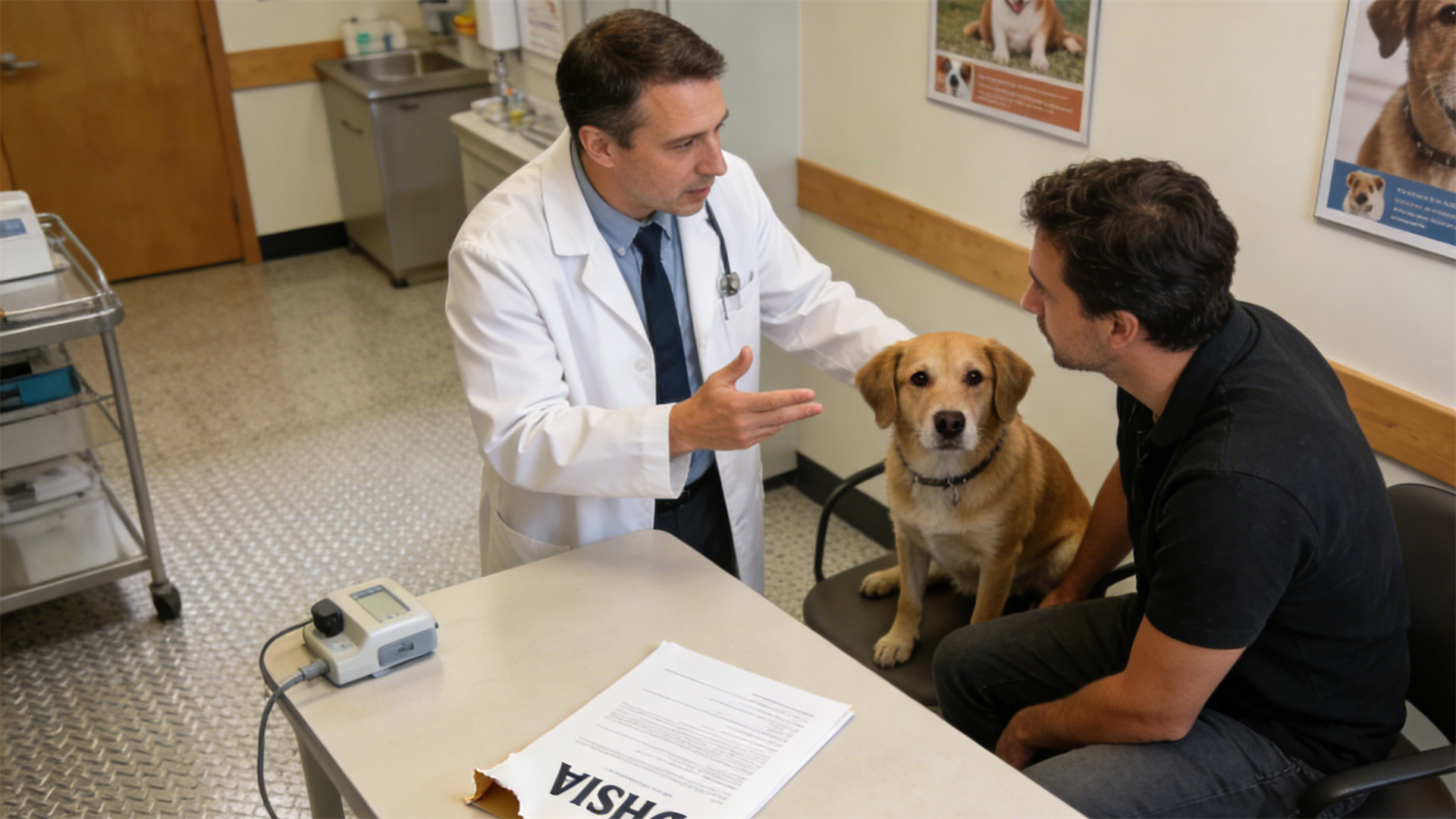
Navigating senior dog tooth loss nutrition is a team effort with your veterinarian. Regular check-ups (at least twice a year) are non-negotiable.
Your vet can monitor your dog's weight and body condition, addressing any senior dog weight loss promptly. They can perform blood work to assess kidney, liver, and thyroid function, ensuring the diet you've chosen is supporting their internal health. They can also recommend appetite stimulants for senior dogs if loss of interest in food becomes an issue and prescribe therapeutic veterinary dental diets for seniors that are formulated for precise nutritional management. These visits are your best tool for proactive, preventative care.
💝 Conclusion: A Journey of Love and Adaptation
Caring for a toothless senior dog is an act of profound love and commitment. While the path requires adaptation—from learning to puree meals to mastering the art of the slow feed—the reward is seeing your beloved companion continue to enjoy life's simple pleasures. Remember, tooth loss is not the end of vibrant health; it is simply a new chapter that requires a different menu. By focusing on high-quality, easily consumed nutrition, ensuring ample hydration, and maintaining a strong partnership with your veterinarian, you can provide your toothless best friend with everything they need for comfort and contentment in their golden years. Stay observant, be patient, and cherish every moment. You've got this.