You've noticed it. The subtle shifts. Your once-energetic companion now spends more time napping. They might hesitate at the top of the stairs or seem momentarily confused in the backyard. As a devoted dog owner, you chalk it up to "just getting old." But a nagging thought persists: Is this normal aging, or is it something more? This article is your guide. We will explore the nuanced difference between the natural slowing down of senior years and Canine Cognitive Dysfunction (CCD), a form of dog dementia. By understanding the signs, you can become your dog's best advocate and ensure their golden years are as comfortable and joyful as possible.
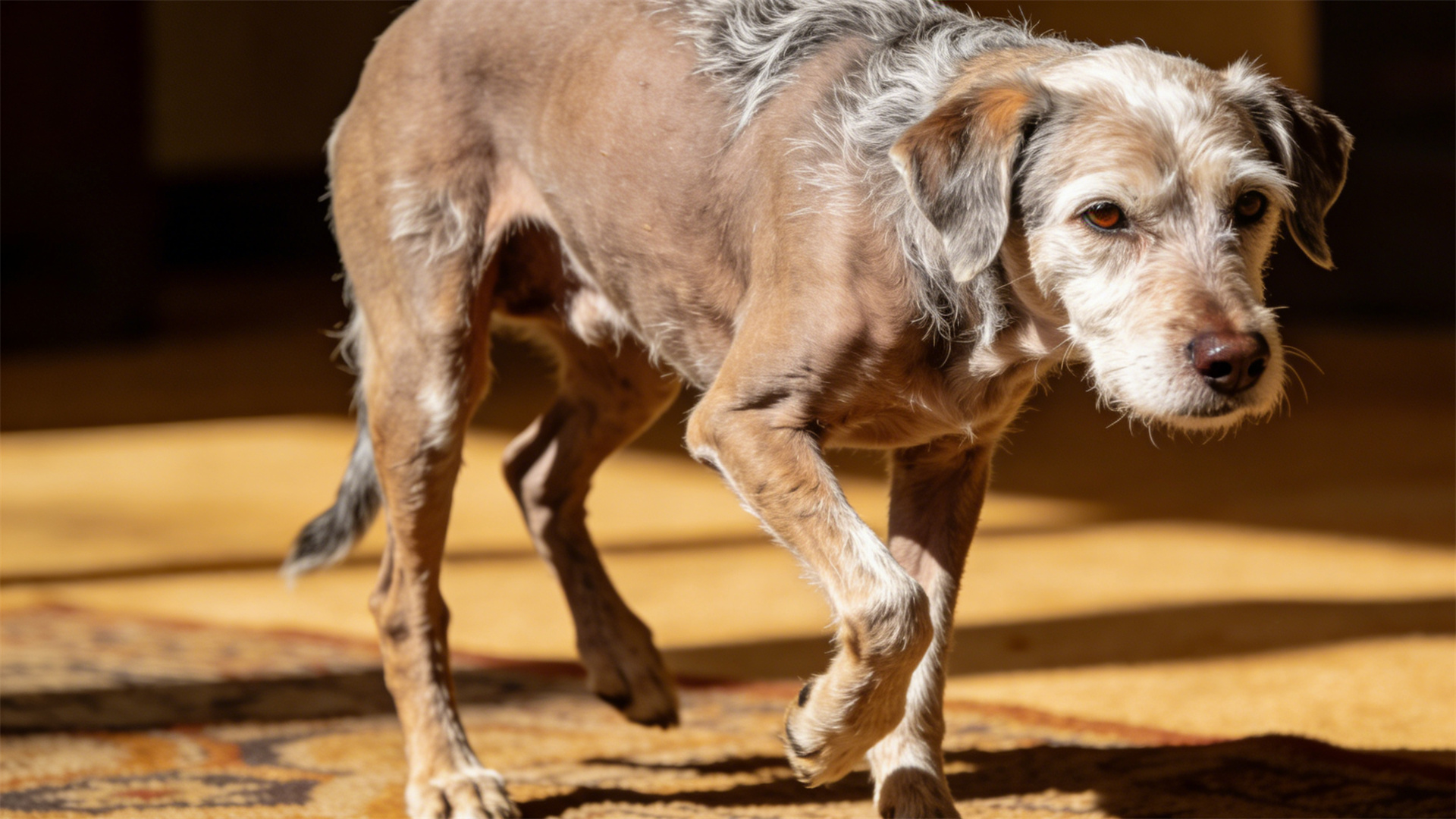
🐕 Section 1: Normal Aging in Dogs – What to Expect
Growing older is a natural process, not a disease. In dogs, normal aging brings about gradual changes that may slow them down but typically do not alter their core personality or fundamental understanding of their world. These are changes you can anticipate and accommodate with love.
Physical Changes of Normal Aging
Reduced Mobility: Arthritis or general stiffness may cause slower movement, reluctance to jump, or difficulty rising. This is often managed with joint supplements, gentle exercise, and comfortable bedding.
Sensory Decline: A graying muzzle, clouding eyes (nuclear sclerosis), and diminished hearing are common. They may not respond as quickly to calls or might bump into furniture in low light.
Altered Sleep Patterns: Senior dogs often sleep more soundly and for longer periods during the day and night.
Behavioral Changes of Normal Aging
Mild Slowing Down: Less interest in marathon play sessions or long walks, preferring shorter, more frequent outings.
Occasional Forgetfulness: Might take an extra moment to remember a familiar command or where their food bowl is, but generally retains learned routines.
Increased Attachment or Independence: Some dogs may become more velcro-like, while others appreciate quiet solitude. Neither is extreme.
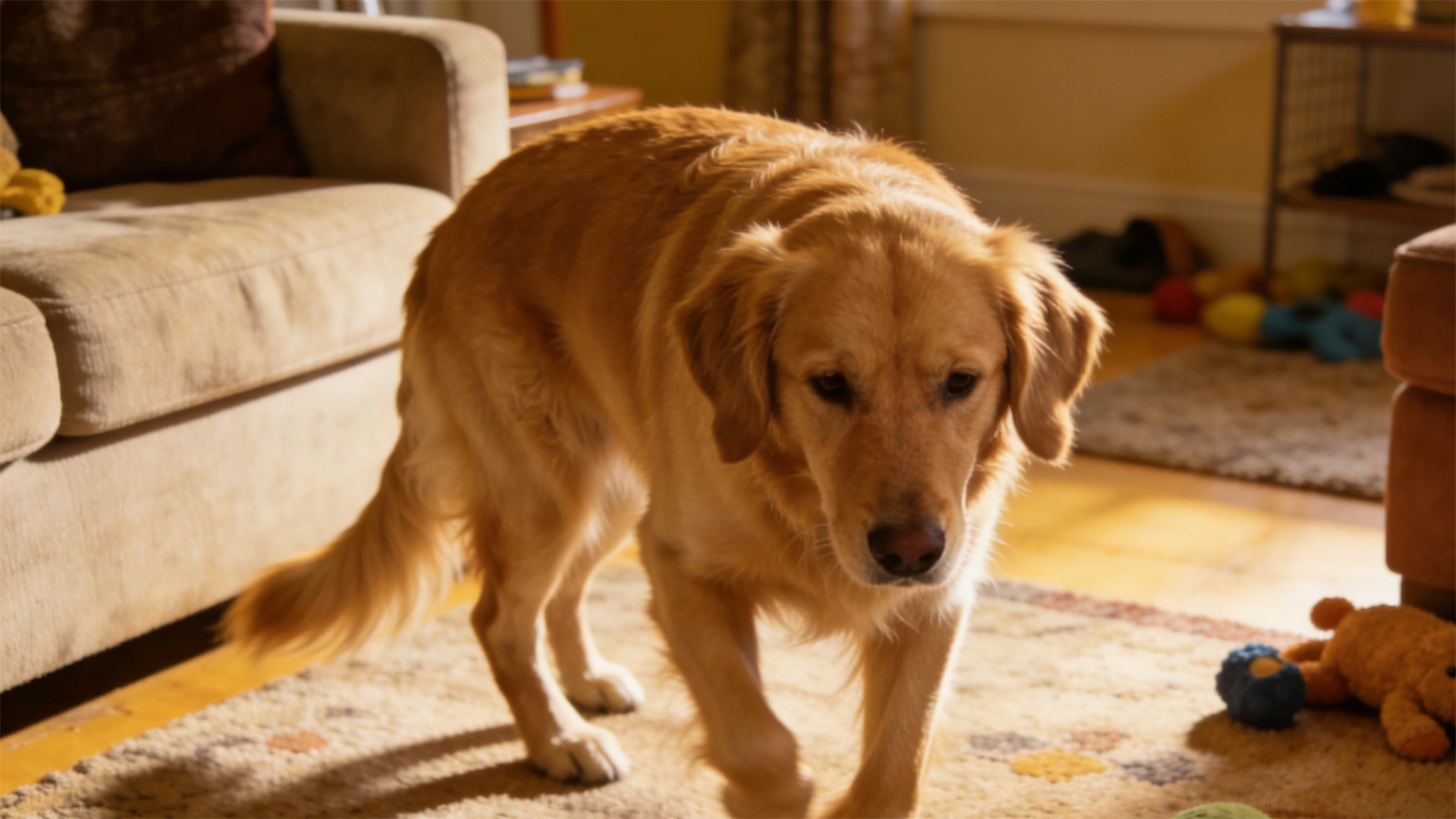
🧠 Section 2: Understanding Canine Cognitive Dysfunction (CCD)
While aging is natural, Canine Cognitive Dysfunction (CCD) is not. It is a pathological neurobehavioral syndrome caused by physical and chemical changes in the brain, akin to dementia or Alzheimer's disease in humans. Think of it this way: normal aging might make the computer run slower, but CCD is like the software becoming corrupted. It is a progressive disease that affects learning, memory, perception, and awareness. Sadly, it is under-diagnosed, as signs are often mistaken for "just old age." Recognizing CCD is the first critical step toward management.
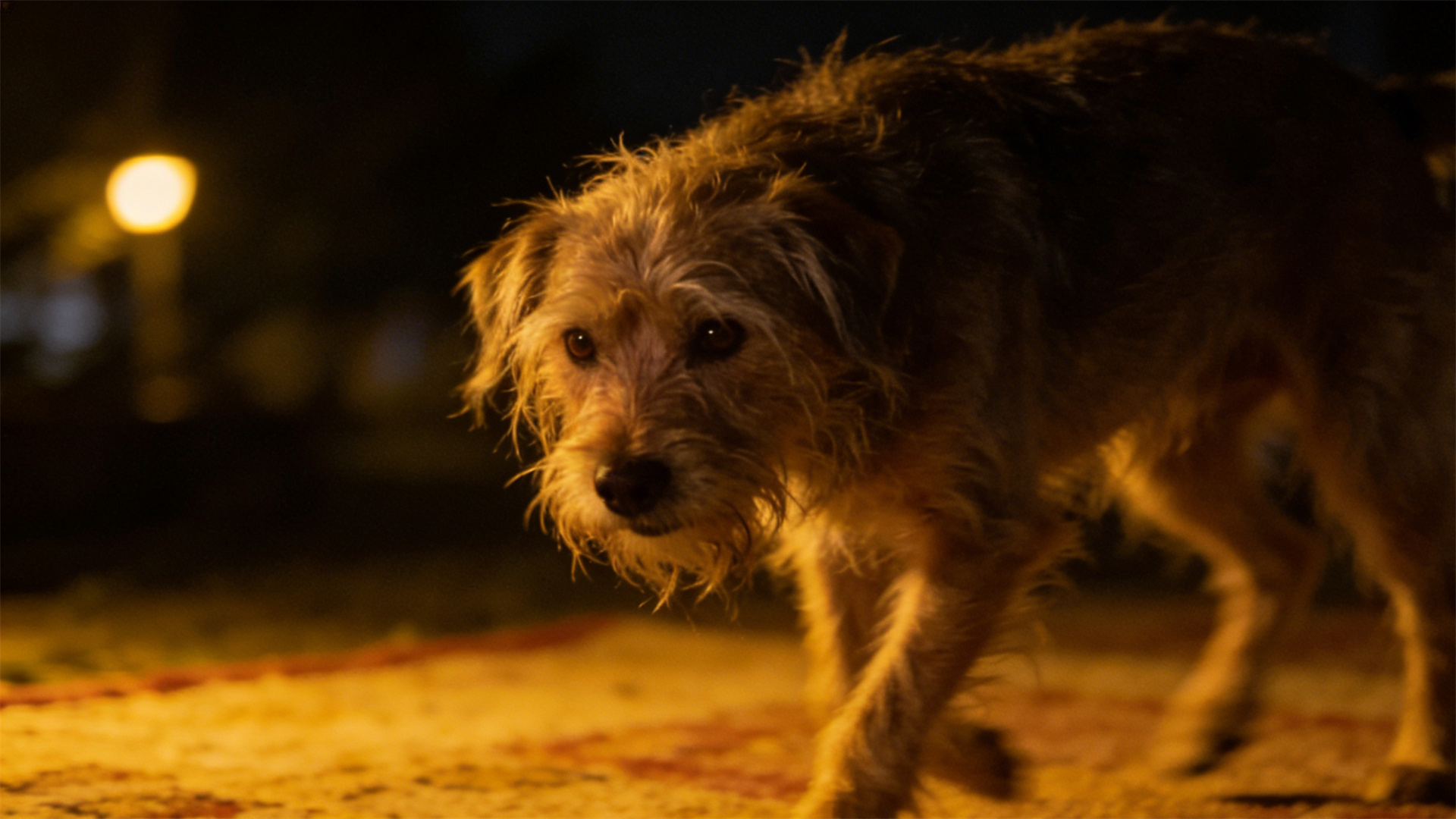
🔍 Section 3: The DISHAAL Protocol – Key Signs of CCD
Veterinarians use a framework called DISHAAL to diagnose CCD. This acronym covers the primary behavioral domains affected. Here’s what each letter means, with concrete examples you can watch for at home.
D: Disorientation
This is more than poor eyesight. Your dog may get lost in familiar places like your home or yard, stare blankly at walls or floors, get stuck in corners or behind furniture, or have difficulty finding the door.
I: Interactions
Noticeable change in how your dog interacts with you, your family, or other pets. This can manifest as increased irritability, snapping, or seeming "grumpy." Conversely, some dogs become excessively clingy and needy, while others withdraw and seem disinterested in affection.
S: Sleep-Wake Cycle Changes
One of the most disruptive signs. Your dog may pace, whine, or bark at night for no apparent reason ("sundowning"), while sleeping excessively during the day. This reversed cycle is a hallmark of CCD.
H: House Soiling
This is a loss of learned behavior, not incontinence. Your previously house-trained dog may forget to signal to go out, eliminate indoors shortly after coming inside, or even seem confused about where to eliminate.
A: Activity Level Changes
This can swing in two directions: Apathy (loss of interest in walks, play, or greetings) or Repetitive, Purposeless Activity (such as pacing, circling, or licking).
A: Anxiety
New onset of anxiety in situations that were previously neutral or positive. This may include separation anxiety, fear of familiar people or sounds, or general restlessness.
L: Learning and Memory
Difficulty learning new tasks or, more tellingly, forgetting previously well-known commands, routines, or household rules. They may also stop responding to their name consistently.
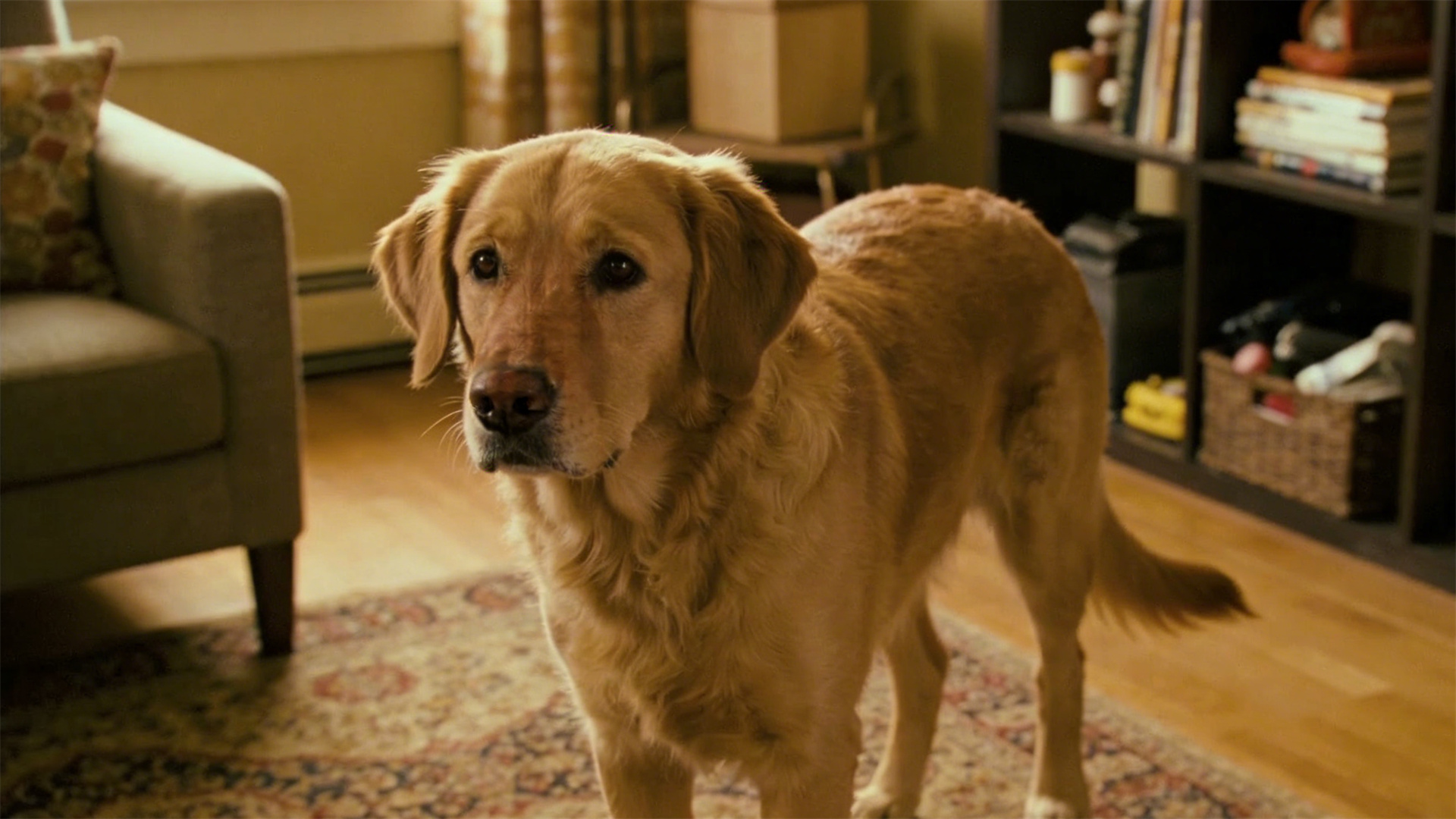
📊 Section 4: The Critical Differentiation – A Side-by-Side Comparison
This table helps visualize the key differences. Remember, CCD signs are progressive and represent a decline from the dog's normal baseline.
Sleep Changes. Normal Aging: Sleeping more soundly throughout the night. CCD: Waking up frequently at night, vocalizing, or appearing confused.
Response to Family. Normal Aging: May be less playful but still seeks affection and recognizes everyone. CCD: May seem to forget family members, act withdrawn, or become unusually and persistently clingy.
Spatial Awareness. Normal Aging: Might bump into things due to poor eyesight or hearing. CCD: Gets lost in the house, stares at the floor or walls for prolonged periods, gets stuck in corners.
House Training. Normal Aging: May have accidents due to medical issues like incontinence or a weaker bladder. CCD: Forgets the concept of house training, may eliminate anywhere without signaling distress.
Activity and Interest. Normal Aging: Less endurance for play but still enjoys short, favorite activities. CCD: Profound loss of interest in all activities (apathetic) or engages in aimless, repetitive pacing.
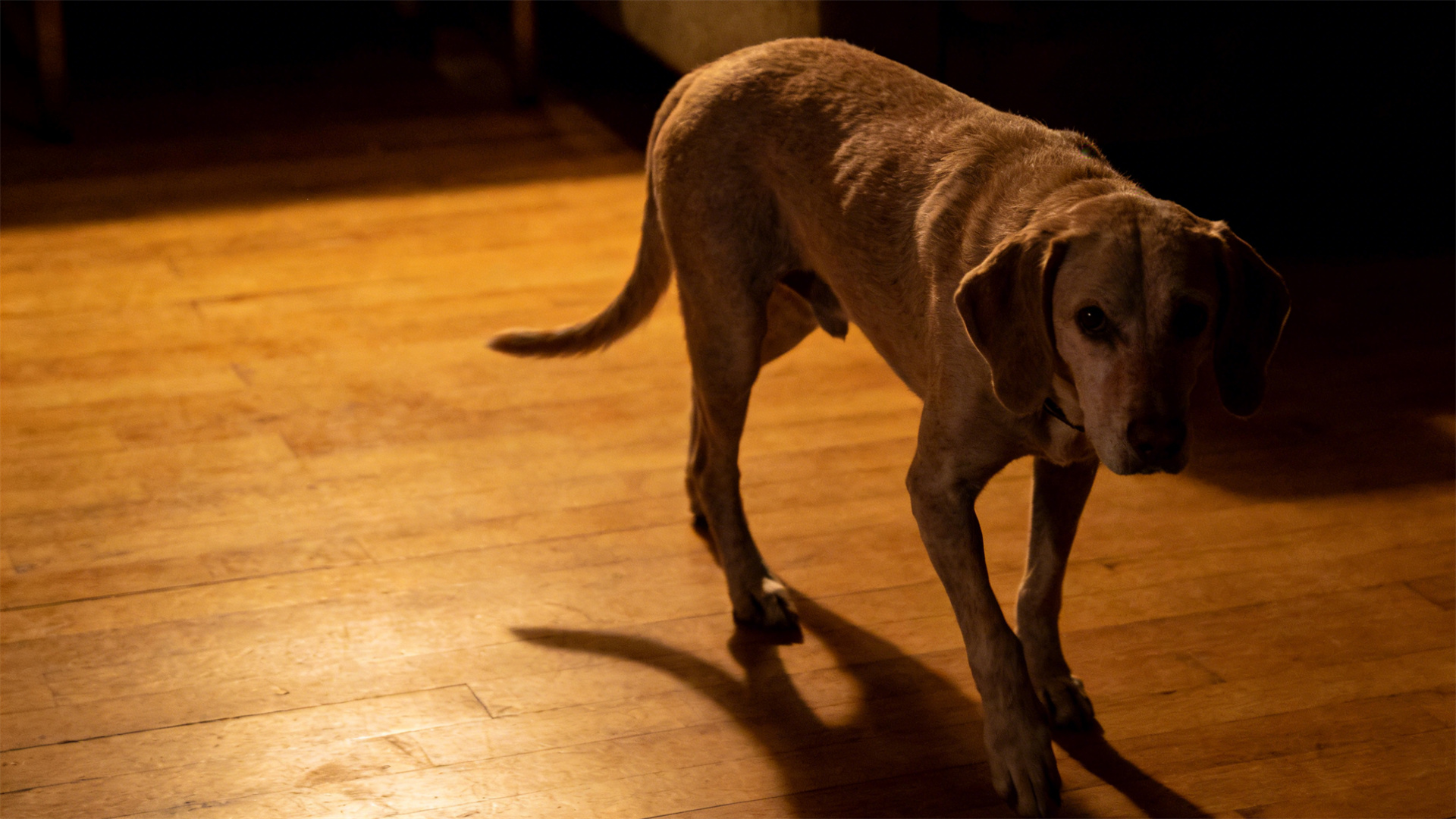
🩺 Section 5: What to Do If You Suspect CCD
Special Reminder: Do not assume behavior changes are purely cognitive. Many medical conditions mimic CCD symptoms. A veterinary consultation is non-negotiable.
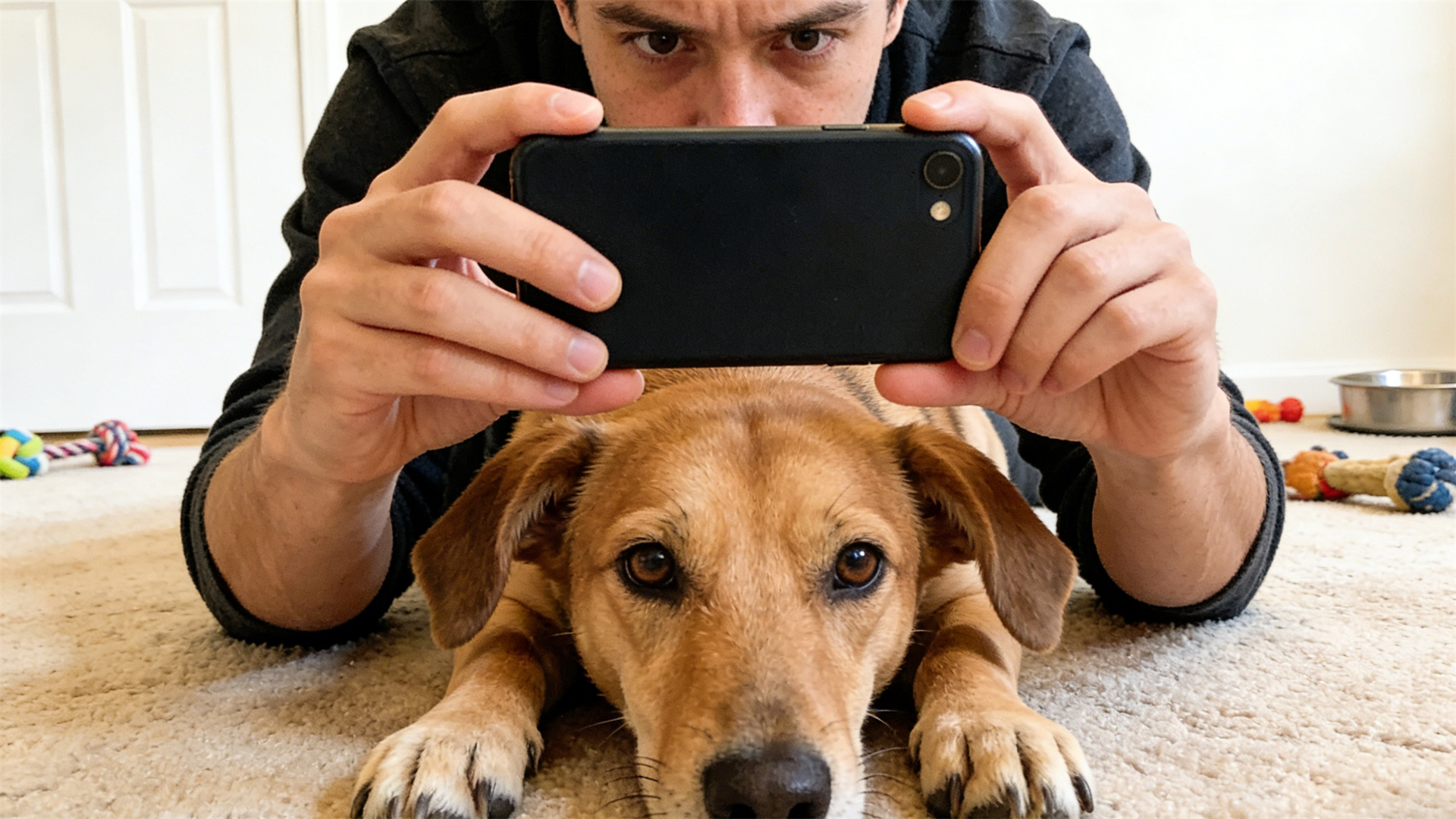
Step 1: Document Your Observations
Start a journal. Log specific incidents using the DISHAAL categories. Note time of day, duration, and what preceded the behavior. This objective data is invaluable for your vet.
Step 2: Schedule a Comprehensive Veterinary Consultation
This visit is to rule out other causes. Your vet will likely perform:
- A full physical and neurological exam.
- Blood work and urinalysis to check for conditions like kidney disease, diabetes, or thyroid issues.
- Pain assessment (arthritis pain can cause lethargy and irritability).
- Vision and hearing tests.
Only after other causes are excluded can a diagnosis of Canine Cognitive Dysfunction be considered.
Step 3: Explore Diagnosis and Management Plans
While there is no single "test" for CCD, diagnosis is based on history, observation, and ruling out other diseases. Management is multi-faceted:
Veterinary Treatment: This may include prescription medications (e.g., selegiline), supplements like SAM-e, omega-3 fatty acids, or medium-chain triglycerides (MCT oil) to support dog brain health.
Home Care Strategy: Your vet will work with you to create a tailored home plan, which leads us to the next section.
❤️ Section 6: Management and Support at Home
Your daily care can profoundly impact your dog's quality of life. The goals are to reduce anxiety, support remaining cognitive function, and maintain safety.
Mental Enrichment and Engagement
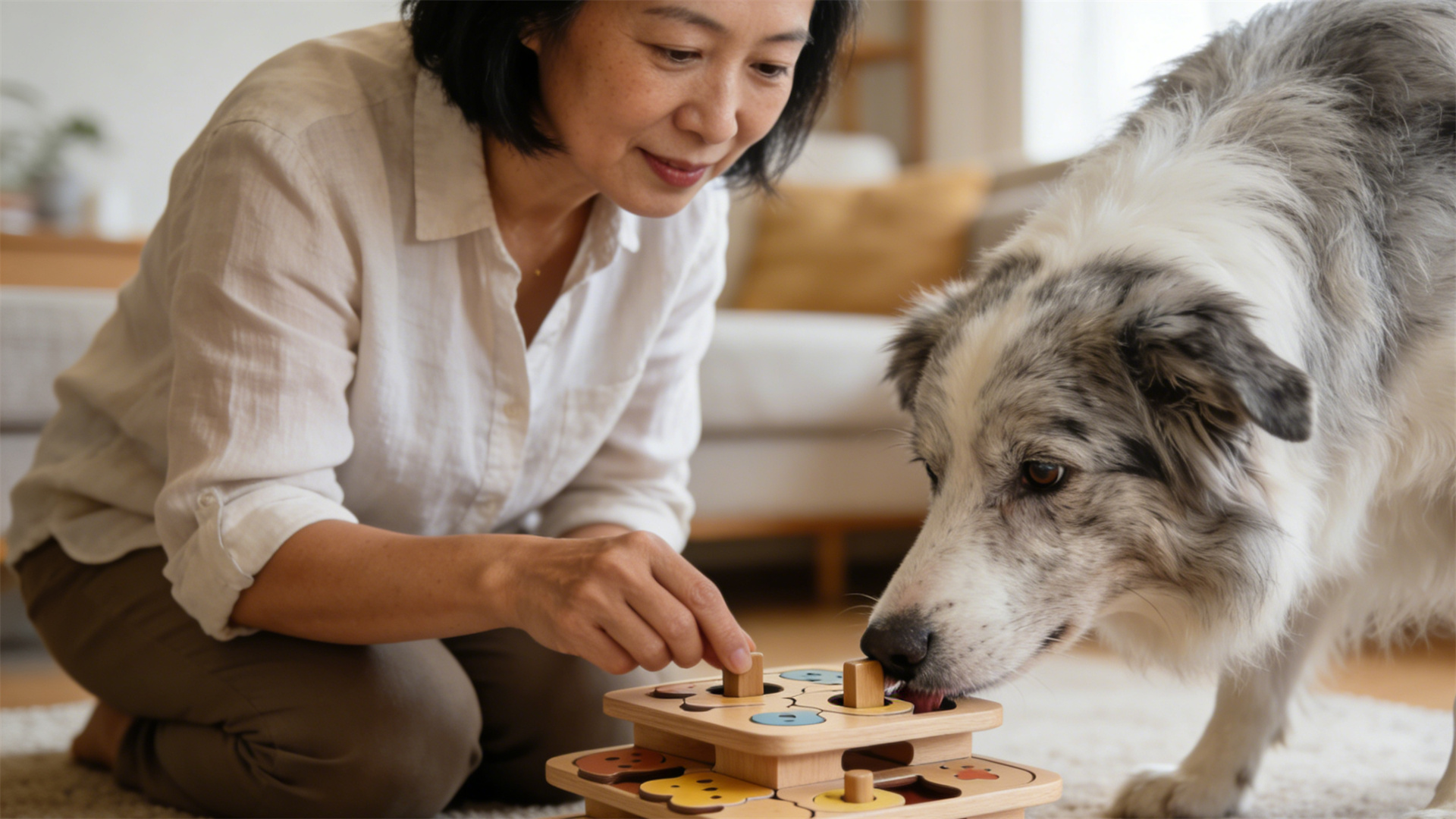
Keep the mind active with short, positive sessions. Use food puzzles, hide-and-seek scent games, or gentle training refreshers. The key is low-pressure success.
Routine and Environmental Management
Consistency is King: Feed, walk, and provide playtime at the same times every day.
Safe Space: Avoid rearranging furniture. Use baby gates to block off unsafe areas like stairs.
Night Lights: Can greatly reduce nighttime disorientation and anxiety.
Physical Health Support
Maintain a senior-appropriate diet and ensure gentle, regular exercise to promote good circulation and joint health. Regular vet check-ups are crucial.
The Foundation: Patience and Compassion
Never punish confusion or accidents. Your dog is not being stubborn; they are likely frightened or unaware. Respond with calm reassurance. Your loving presence is their anchor.
🌈 Conclusion
Noticing your older dog's changes can be heart-wrenching, but knowledge is power. Understanding the difference between normal aging and Canine Cognitive Dysfunction empowers you to seek the right help. While CCD is a progressive condition, early veterinarian diagnosis for dog dementia and a dedicated management plan can slow its progression and significantly enhance your dog's comfort and well-being. You are not alone. Partner with your veterinarian, arm yourself with information, and continue to provide the unwavering love that defines your bond. Your attentive care is the greatest gift you can give your loyal friend in their senior years.