Healthy

Summer heatstroke first aid: Cooling procedures within the golden 3 minutes and prevention of organ failure

J

Joshua

Nov 23,2025 • 5 Min Read

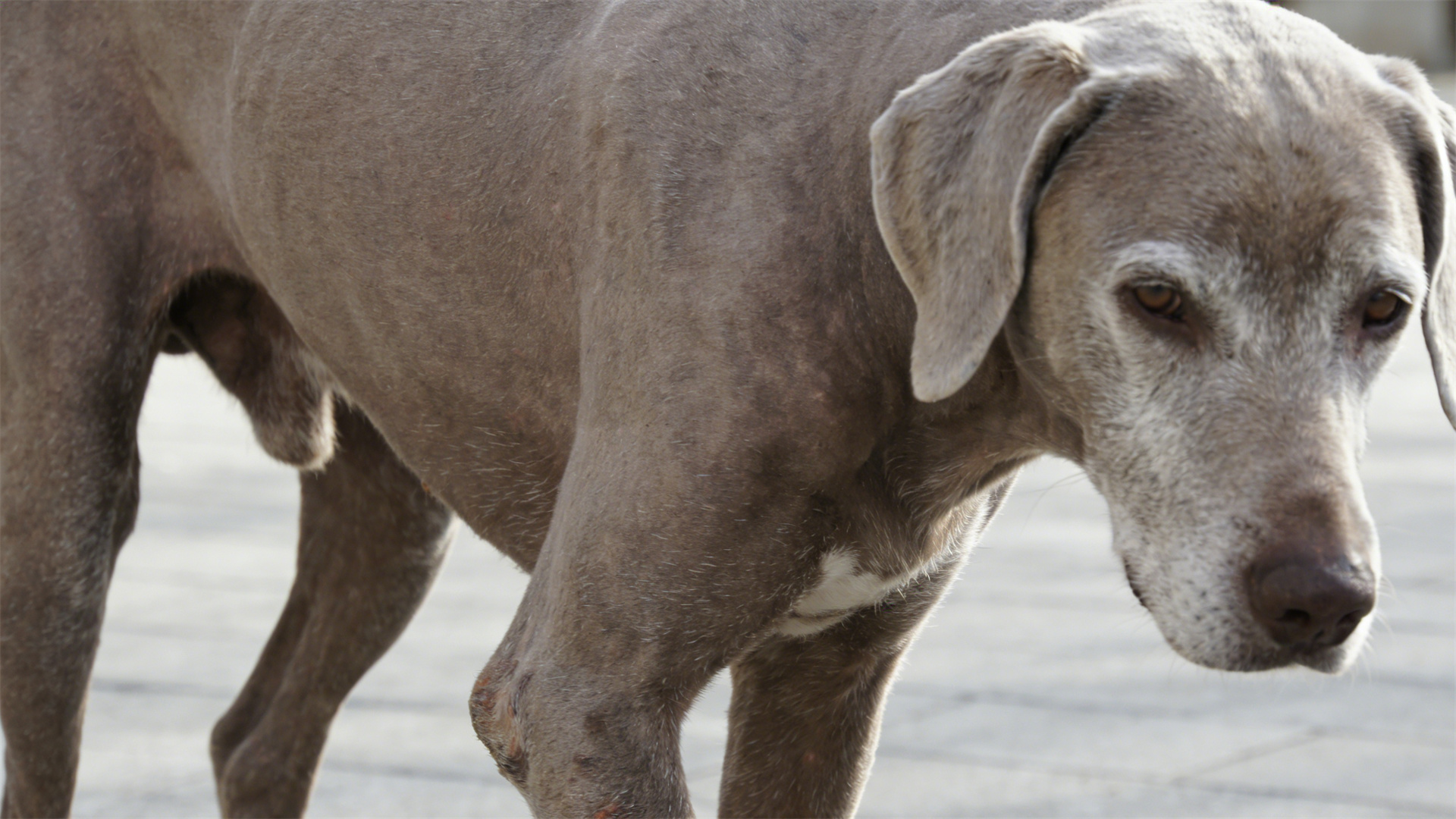
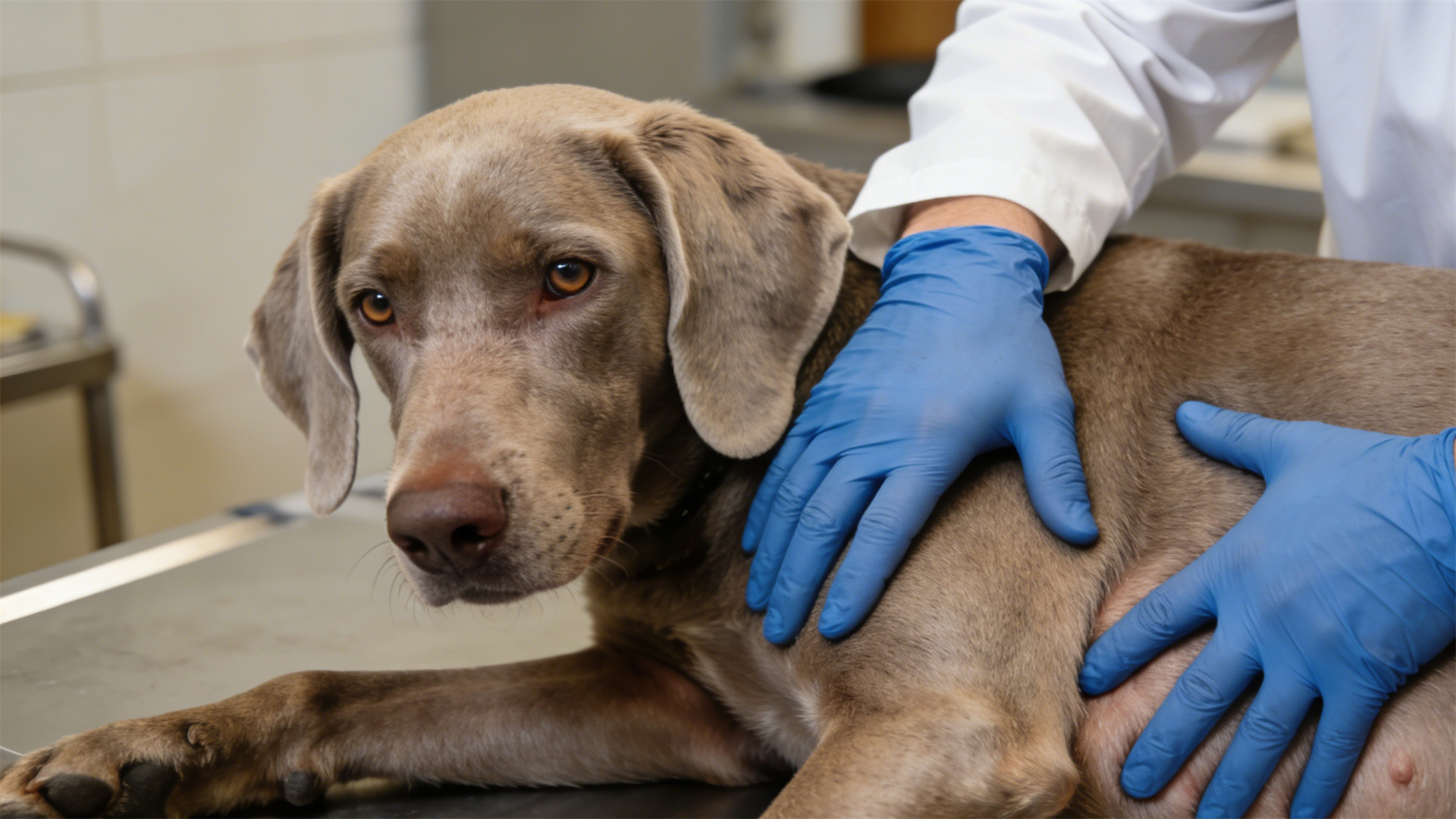
Heatstroke is a true medical emergency that can kill a healthy dog in less than 15 minutes. When your dog's body temperature spirals out of control, a devastating chain reaction begins inside their organs. Your actions in the first golden three minutes are the single most critical factor that will determine whether your pet survives or succumbs to catastrophic organ failure. This guide provides a clear, step-by-step canine heatstroke first aid protocol you must know and the essential knowledge to prevent this crisis from ever happening.
Summer heatstroke first aid: Cooling procedures within the golden 3 minutes and prevention of organ failure

🔥 Immediate Action: Your Step-by-Step 3-Minute Cooling Protocol

If your dog is displaying signs of heat stroke in dogs—such as excessive panting, bright red gums, staggering, or collapse—you must act immediately. Do not wait. Follow these steps in order. Every second counts to cool your dog down and halt internal damage.

🚨 The Critical First Aid Sequence

  1. Move the Dog: Get the dog out of the heat and into shade or air conditioning immediately. Do this first.
  2. Call for Help: You must contact a veterinarian or emergency clinic immediately. Tell them you suspect heatstroke and are on your way. This call is non-negotiable and should happen as you begin first aid.
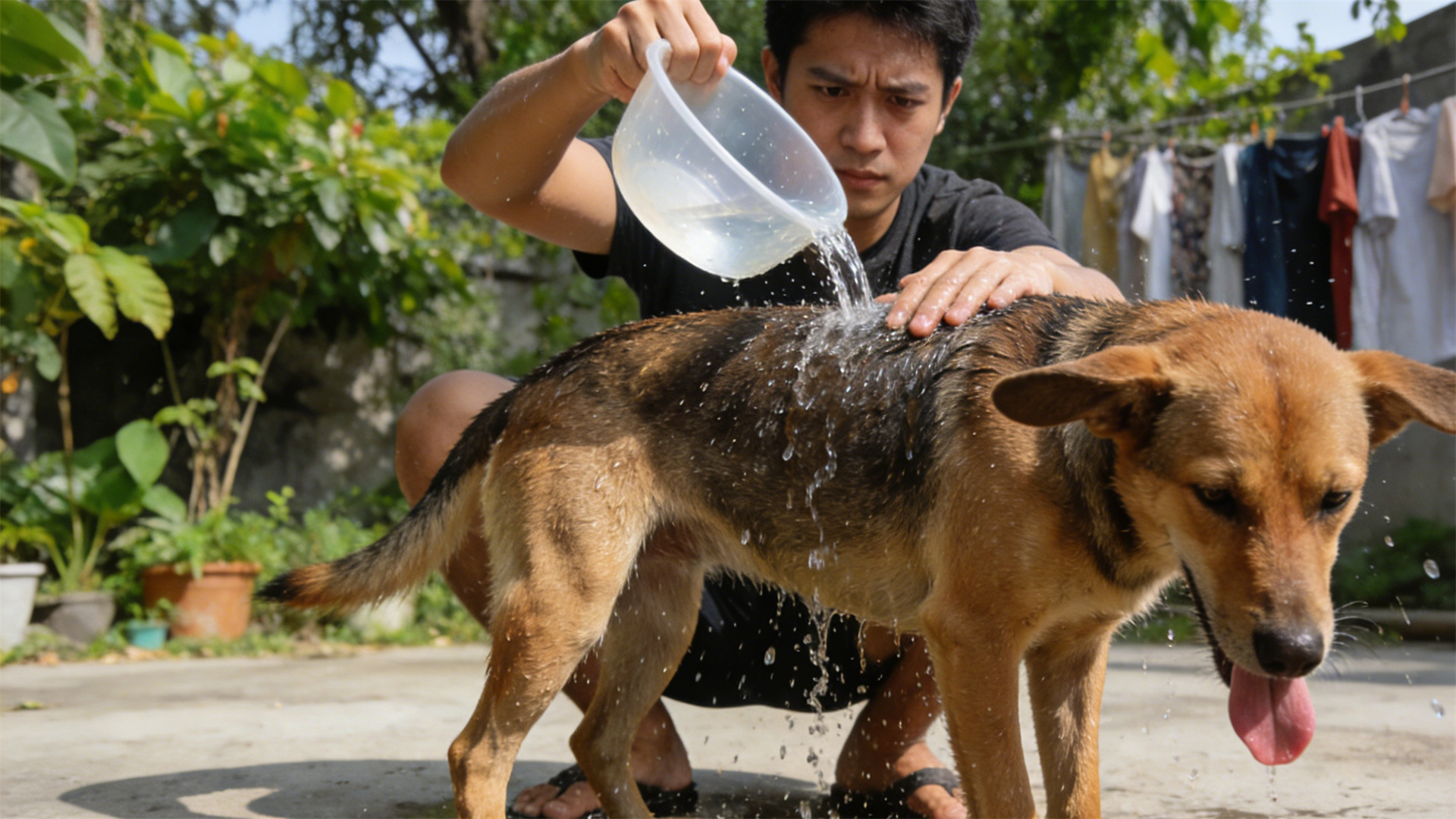
  3. Begin Active Cooling: Use cool, not cold, water. Pour or spray it over the dog’s head, neck, armpits, and groin. Never use ice or ice water, as this causes dangerous blood vessel constriction.
  4. Promote Evaporation: After applying cool water, use a fan to blow air over the wet dog. If a fan isn't available, create airflow by any means possible. Evaporation is key to pulling heat away.
  5. Offer Water Cautiously: Only if the dog is conscious and can swallow without choking, offer small amounts of cool water to drink. Do not force water.
  6. Transport to the Vet: Get the dog to the veterinarian even if they appear to recover. Internal organ damage is often not immediately visible and requires professional assessment.

Summer heatstroke first aid: Cooling procedures within the golden 3 minutes and prevention of organ failure

💡 Understanding and Prevention: Why Speed Saves Lives

To understand why those three minutes are so golden, you need to know what heatstroke does inside your dog’s body.

🧠 Why Speed Matters: Preventing Organ Failure

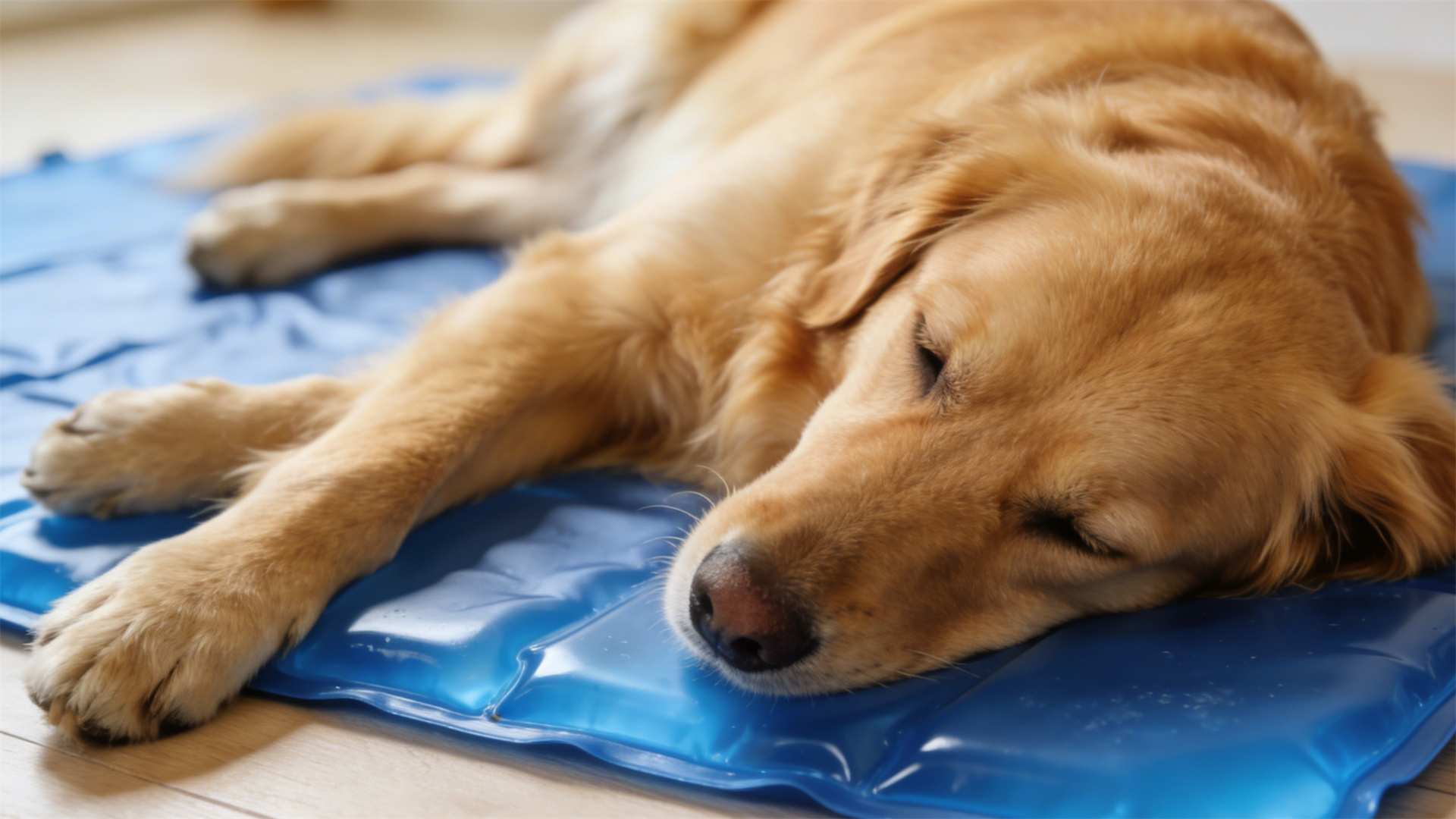
When a dog's temperature soars past 104°F (40°C), a catastrophic cascade begins. The extreme heat cooks cells, triggering systemic inflammation and causing the blood's clotting mechanisms to go haywire—a condition known as Disseminated Intravascular Coagulation (DIC). This leads to countless tiny blood clots forming, which then blocks blood flow to vital organs. Simultaneously, the body’s tissues start to die, releasing toxins. The combined effect swiftly leads to kidney failure, liver failure, intestinal hemorrhage, and brain damage. Rapid cooling within those first minutes is the only way to stop this biochemical cascade before it becomes irreversible.
Summer heatstroke first aid: Cooling procedures within the golden 3 minutes and prevention of organ failure

🛡️ Preventing Canine Heatstroke: A Proactive Guide

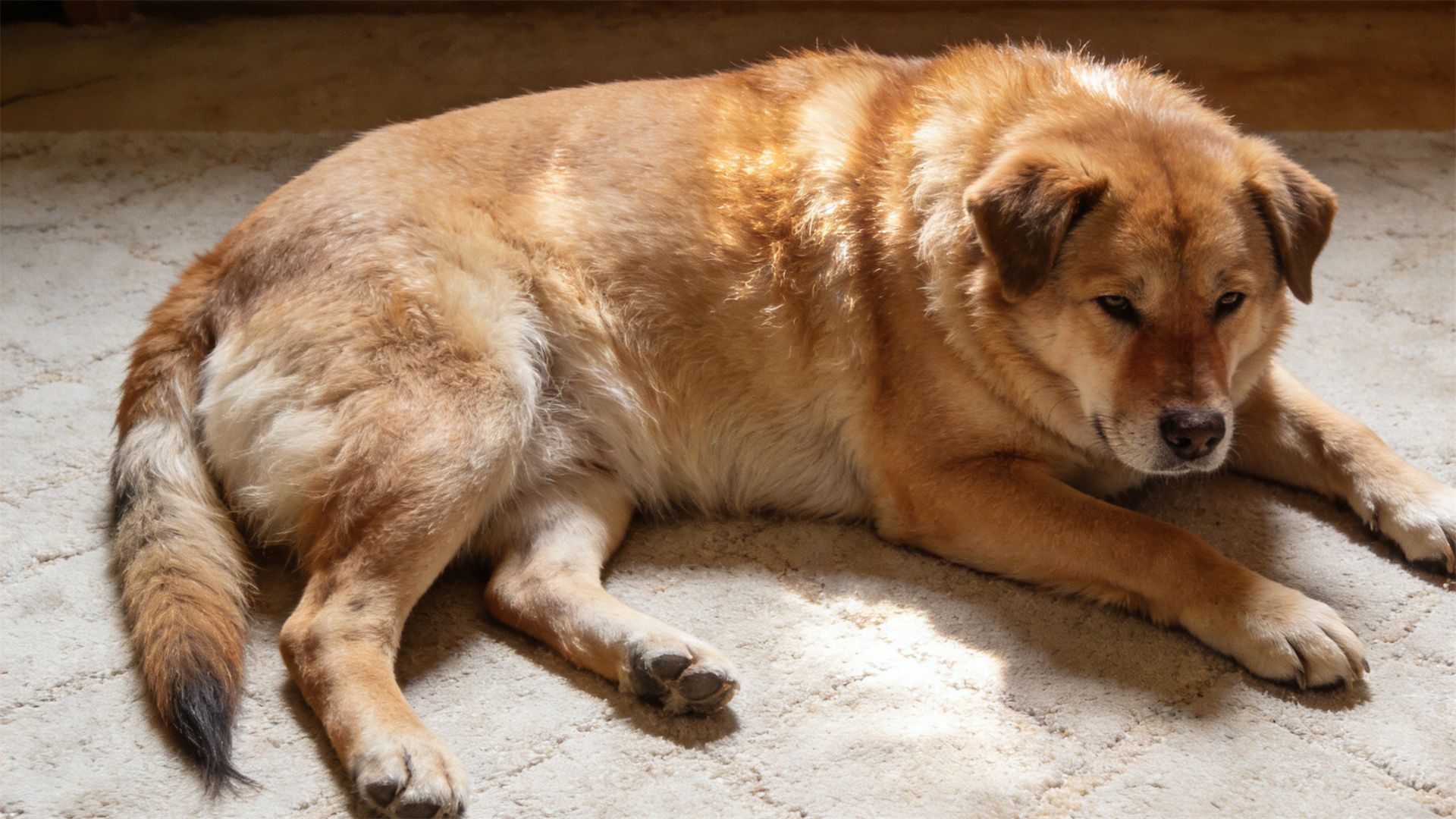
Knowledge and preparation are your best defenses. Certain dogs are at higher risk: brachycephalic breeds (like Bulldogs, Pugs), obese dogs, seniors, puppies, and those with thick coats or heart conditions.

Here are your actionable prevent dog heatstroke tips:

Summer heatstroke first aid: Cooling procedures within the golden 3 minutes and prevention of organ failure

✅ Conclusion: Be the Lifeline Your Dog Needs

The power to save your dog from the ravages of heatstroke lies in your hands and your immediate response. Memorize the golden three-minute protocol—move, call, cool with water, fan, offer water cautiously, and transport. Your swift action is the critical intervention that can halt the slide into organ failure and mean the difference between a full recovery and a tragic loss.

This knowledge is too important to keep to yourself. Share this guide with fellow dog owners, post it in your community groups, and talk about it at the dog park. By spreading awareness of these canine heatstroke first aid steps, we can all become a community of prepared pet guardians, ensuring our beloved companions stay safe and enjoy many more healthy summers to come.
Next Article→
Advertisement

Found this article helpful?

Share it with more new dog owners and raise pets scientifically together.

You May Have Missed

Cognitive impairment in older dogs (CCD): How to differentiate between aging and dementia
Healthy

Cognitive impairment in older dogs (CCD): How to differentiate between aging and dementia

You've noticed it. The subtle shifts. Your once-energetic companion now spends more time napping. They might hesitate at the top of the stairs or seem momentarily confused in the backyard. As a devoted dog owner, you chalk it up to "just getting old." But a nagging thought persists: Is this normal aging, or is it something more? This article is your guide. We will explore the nuanced difference between the natural slowing down of senior years and Canine Cognitive Dysfunction (CCD), a form of dog dementia. By understanding the signs, you can become your dog's best advocate and ensure their golden years are as comfortable and joyful as possible.

The perfect temperature for dog bath water: scientific advice for protecting the skin's natural oil layer.
Healthy

The perfect temperature for dog bath water: scientific advice for protecting the skin's natural oil layer.

For many dog owners, bath time is a routine chore—a necessary step in the journey of pet parenthood. We lather, we rinse, we dry, hoping for a cleaner, fresher-smelling companion. Yet, nestled within this simple ritual is a critical variable that often goes overlooked: the temperature of the water. Far from being a minor detail, the water temperature you choose is a pivotal factor in your dog’s dermatological health. Using water that is too hot can be as damaging as neglecting the bath altogether, stripping away the very foundation of healthy skin. This guide delves into the scientific rationale behind the perfect bath water temperature, offering actionable advice to transform bath time from a potential hazard into a cornerstone of proactive canine wellness.

Can dogs eat fruit? 2026 "Red and Black List" and recommended intake levels.
Healthy

Can dogs eat fruit? 2026 "Red and Black List" and recommended intake levels.

As a doting dog parent, you’ve probably wondered, while slicing a watermelon or snacking on blueberries, if your furry friend can join in. That hopeful gaze is hard to resist! The question "can dogs eat fruit" is incredibly common, and the answer is a careful, conditional yes. 🐶 Many fruits are packed with beneficial vitamins, minerals, fiber, and hydration. However, the canine digestive system is not the same as ours, and significant, even lethal, dangers exist with certain fruits. Navigating this fruity landscape requires a clear map. This definitive 2026 guide provides exactly that: a vet-reviewed "Black List" of safe options, a critical "Red List" of toxic hazards, and precise, size-based serving recommendations. Your first and most important rule? Always consult your veterinarian before introducing any new food to your dog's diet.

Glucosamine and Chondroitin: The Starting Point for Joint Protection in Large Dogs
Healthy

Glucosamine and Chondroitin: The Starting Point for Joint Protection in Large Dogs

Watching your gentle giant struggle to rise from a nap, or hesitate before a short flight of stairs, is a heart-wrenching experience for any large dog owner. The reality is that joint health is one of the most critical, yet vulnerable, aspects of a big breed's well-being. From playful Great Dane puppies to dignified senior Mastiffs, the immense weight and rapid growth that characterize these magnificent animals place unparalleled stress on their joints. This article serves as your comprehensive starting point, delving into the world of glucosamine and chondroitin—the cornerstone supplements for proactive joint protection for large dogs. We'll cut through the confusion, providing you with expert-backed, practical knowledge to help your canine companion move with comfort and confidence throughout every stage of life.

Diarrhea classification in dogs: When can I give them probiotics, and when is it necessary to seek veterinary care?
Healthy

Diarrhea classification in dogs: When can I give them probiotics, and when is it necessary to seek veterinary care?

If you’re a dog owner, you’ve almost certainly faced the unpleasant sight and worrying scenario of your canine companion having a bout of diarrhea. It’s one of the most common health issues presented to veterinarians, yet it can range from a minor, self-limiting tummy grumble to a critical symptom of a life-threatening condition. The pivotal question in that anxious moment is: “Do I manage this at home, or is this a veterinary emergency?” The answer lies not in a one-size-fits-all approach, but in mastering the art of classification. By learning to accurately classify your dog's diarrhea, you become empowered to choose the correct path—whether that's supportive home care with probiotics or seeking immediate professional veterinary intervention. This guide will equip you with the knowledge to make that critical distinction.

At-home eye care: How to properly use eye wash to relieve tear stains
Healthy

At-home eye care: How to properly use eye wash to relieve tear stains

If you're a dog parent, you've likely seen those rusty-red streaks under your furry friend's eyes. Tear stains are a common Grooming concern, but they can also be a window into your dog's health. While countless wipes and potions promise miracles, the cornerstone of effective management is a simple, vet-approved canine eye wash and a proper technique. This comprehensive guide will empower you with the knowledge and step-by-step process for safe, effective at home dog eye care, turning a potentially stressful task into a bonding ritual that promotes comfort and ocular health.