Watching your gentle giant struggle to rise from a nap, or hesitate before a short flight of stairs, is a heart-wrenching experience for any large dog owner. The reality is that joint health is one of the most critical, yet vulnerable, aspects of a big breed's well-being. From playful Great Dane puppies to dignified senior Mastiffs, the immense weight and rapid growth that characterize these magnificent animals place unparalleled stress on their joints. This article serves as your comprehensive starting point, delving into the world of glucosamine and chondroitin—the cornerstone supplements for proactive joint protection for large dogs. We'll cut through the confusion, providing you with expert-backed, practical knowledge to help your canine companion move with comfort and confidence throughout every stage of life.
🐾 What Are Glucosamine and Chondroitin.
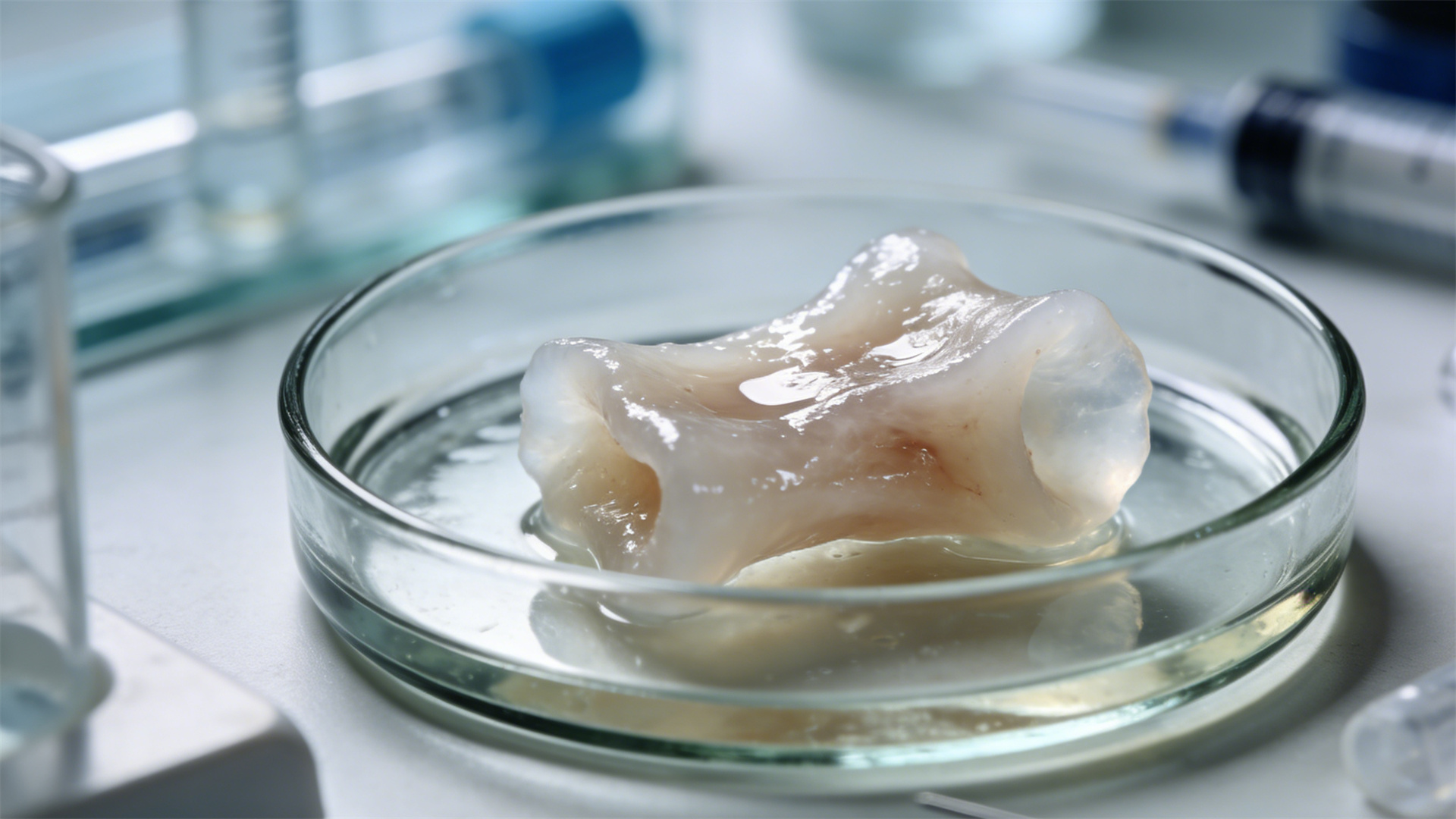
To understand how these supplements work, we must first define them. Glucosamine and chondroitin are natural compounds that are fundamental building blocks of healthy cartilage—the smooth, rubbery tissue that cushions the ends of bones in a joint.
Glucosamine: The Cartilage Builder
Glucosamine is an amino sugar that the body produces naturally. It plays a pivotal role in forming and repairing cartilage, as well as other body tissues like ligaments and tendons. In supplement form, it is typically derived from shellfish shells (glucosamine hydrochloride or sulfate) or made synthetically.
Chondroitin: The Fluid Retainer and Shock Absorber
Chondroitin, or chondroitin sulfate, is a complex carbohydrate that helps cartilage retain water. This hydration is essential for shock absorption and lubrication within the joint. It also supports the enzymes that slow down cartilage breakdown. It is commonly sourced from animal cartilage, such as bovine or shark cartilage.
Together, they form a powerful synergistic duo often recommended as a first-line, foundational approach for canine joint support.
⚙️ How Glucosamine and Chondroitin Work for Joint Health.
Think of a healthy joint as a well-oiled, perfectly cushioned hinge. Over time, especially in large dogs, the cartilage can wear down, leading to inflammation, pain, and stiffness—a condition known as osteoarthritis. This is where glucosamine and chondroitin supplements for dogs step in.
- Cartilage Repair and Maintenance: Glucosamine provides the raw materials needed to stimulate the production of new cartilage matrix components.
- Inhibition of Destructive Enzymes: Chondroitin sulfate helps block specific enzymes (like metalloproteinases) that break down cartilage, thereby slowing the degenerative process.
- Enhanced Joint Lubrication: By helping cartilage retain water, chondroitin improves the cushioning and lubricating properties of synovial fluid, reducing bone-on-bone friction.
- Anti-inflammatory Effects: Both compounds have mild, natural anti-inflammatory properties that can help reduce joint swelling and discomfort associated with canine osteoarthritis management.
Their action is nutraceutical—meaning they support structure and function, often providing the necessary substrate for the body to heal itself. For more on supporting your dog's overall well-being, explore our guide on weight management for dogs, a crucial factor in joint stress.
🐕 Why Large Dogs Need Joint Support: A Matter of Physics and Genetics
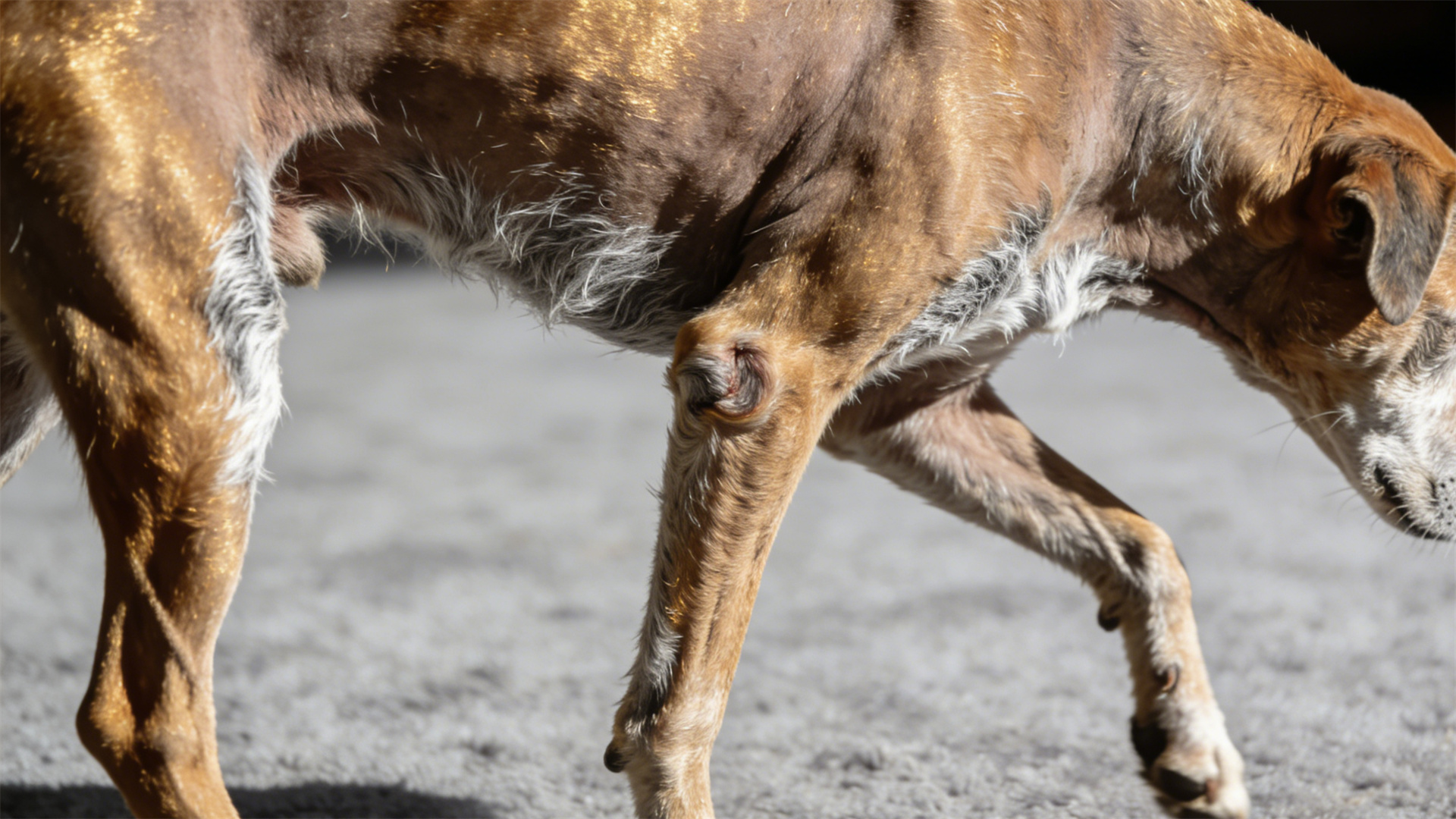
The need for early joint protection for large dogs isn't an overreaction; it's a physiological necessity. Several factors converge to make breeds like Labrador Retrievers, German Shepherds, and Saint Bernards particularly susceptible.
- Size and Weight: Simply put, more mass equals more force exerted on joints with every step, run, and jump. This accelerates normal wear and tear.
- Rapid Growth: Large breed puppies grow at an astonishing rate. This fast development can sometimes outpace the strengthening of bones and joints, making proper nutrition and support vital during puppyhood.
- Genetic Predispositions: Many large breeds are genetically prone to developmental orthopedic diseases like hip dysplasia and elbow dysplasia. Proactive support can be a key part of a management plan.
- Lifespan and Activity: An active lifestyle is encouraged, but it also contributes to joint stress. As dogs age, their natural production of glucosamine declines, making supplementation a valuable tool for improving mobility in large dogs.
Starting a joint health regimen early, even before obvious symptoms appear, is considered a cornerstone of large breed dog arthritis prevention. Have you noticed any early signs of stiffness in your own dog?
🥩 Natural Sources vs. Supplements: Getting the Building Blocks.
Can your dog get these compounds from food? Yes, but with significant limitations for therapeutic support.
Natural Dietary Sources
Glucosamine is found in shellfish shells (like shrimp, crab, lobster), animal bones, and bone broth. Chondroitin is present in animal cartilage—think chicken feet, pork ears, or trachea. While including these in a balanced diet can offer trace amounts, it's incredibly challenging to provide a consistent, potent, and measurable dose solely through food for a large dog with elevated needs.
The Role of Dedicated Supplements
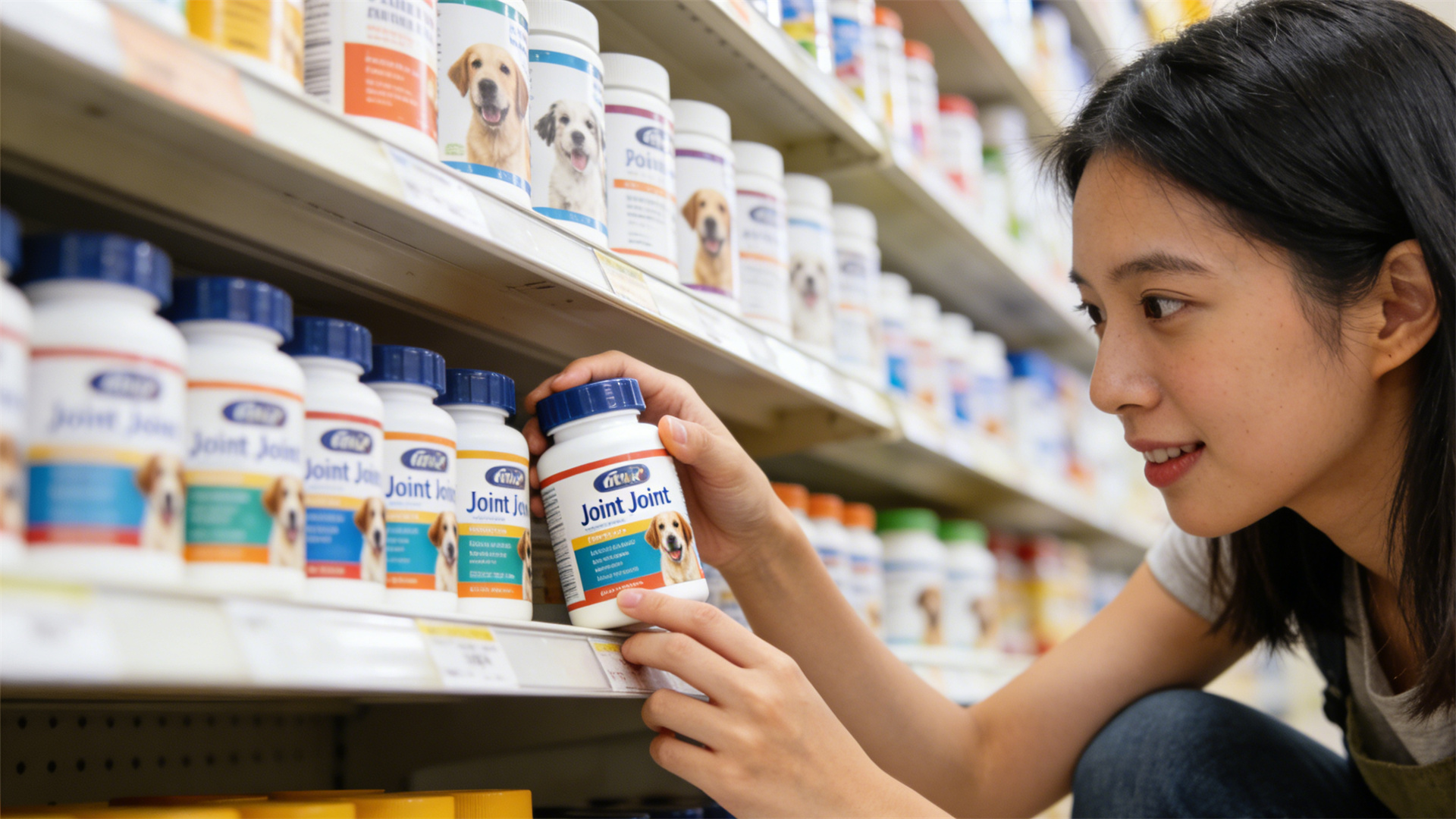
This is where high-quality dog arthritis supplements become indispensable. They deliver a standardized, potent dose of these compounds, often combined with other supportive ingredients like MSM or omega-3 fatty acids. Supplements ensure your dog receives a known, effective quantity daily, which is crucial for achieving and maintaining a therapeutic level in their system for meaningful canine joint support.
🔍 Choosing the Right Supplement: Not All Are Created Equal.
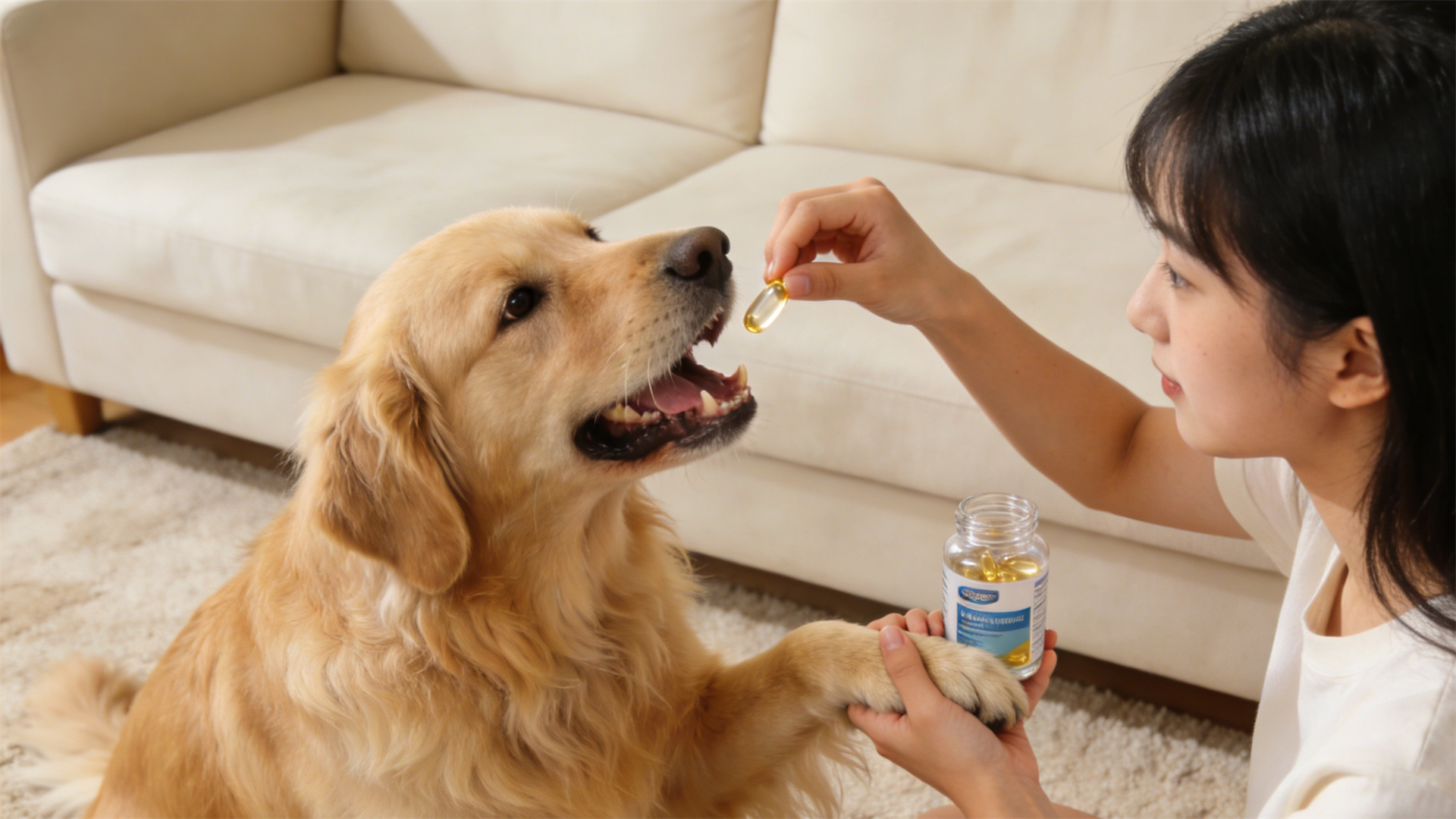
The market for joint supplements for big breeds is vast. Here’s how to navigate it and select a superior product.
- Look for Synergistic Blends: Choose a supplement that contains both glucosamine and chondroitin sulfate, as they work best together.
- Check the Form and Source: Glucosamine HCl and sulfate are both effective. The source should be clearly stated. For chondroitin, ensure it's from a reputable, pure origin.
- Third-Party Testing & Quality Seals: Opt for brands that undergo independent testing (like by NSF or ConsumerLab) for purity, potency, and freedom from contaminants. This is a non-negotiable for safety.
- Breed-Specific Formulations: Some brands offer formulas with dosage guidelines or added ingredients tailored for large dog joint health. Our article on senior dog care discusses how needs evolve with age.
- Consider Additional Beneficial Ingredients: Many best joint supplements for dogs also include MSM (for anti-inflammatory support), Hyaluronic Acid (for joint fluid), or Turmeric.
Special Reminder: Always consult your veterinarian. They can recommend trusted brands and help you avoid products with unnecessary fillers or inadequate potencies.

📏 Dosage and Administration Guidelines.
Dosage is typically based on your dog's weight, and it's paramount to follow the specific instructions on your chosen supplement. However, general guidelines exist.
A common maintenance dosage range for glucosamine for dogs is 20-30 mg per pound of body weight daily. For chondroitin for dogs, it's often about half of the glucosamine dose (e.g., 10-15 mg/lb). Many products simplify this by providing a chart based on weight ranges.
- Loading Dose: Some protocols recommend a higher "loading" dose (often double the maintenance dose) for the first 4-6 weeks to saturate the system and build up in the joints more quickly.
- Consistency is Key: These are not fast-acting pain medications. It can take 4 to 8 weeks of consistent daily administration to see noticeable improvements in mobility and comfort. This is a long-term commitment to early joint protection for large dogs.
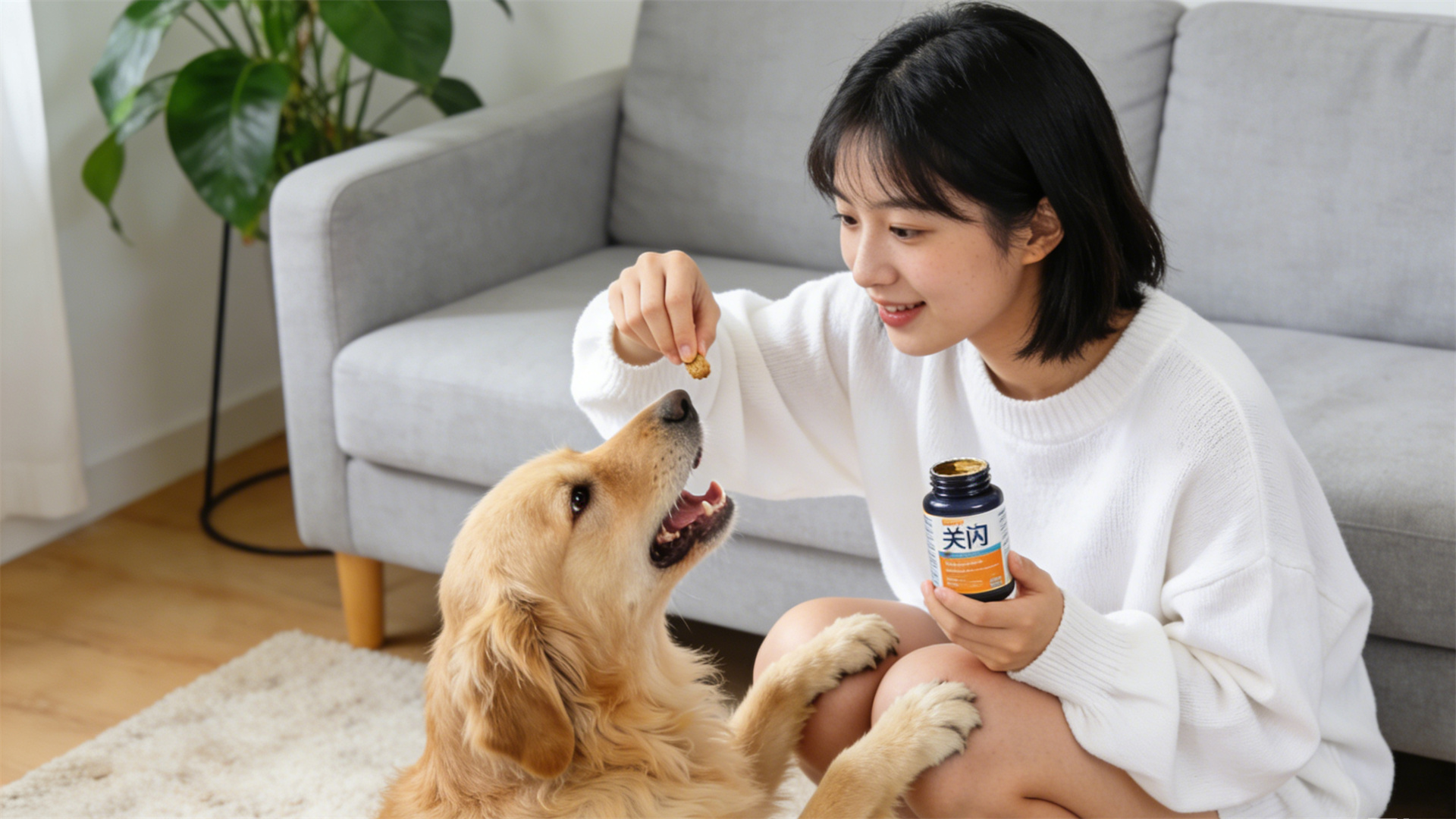
- Administration: Most come in chewable tablets, powders, or liquids. They can be given with food to enhance absorption and minimize any potential stomach upset.
⚠️ Safety and Potential Side Effects.
When sourced from reputable manufacturers and given at appropriate doses, glucosamine and chondroitin for canine joints are generally considered very safe for most dogs.
Potential Mild Side Effects
Some dogs may experience minor gastrointestinal upset, such as soft stools, gas, or nausea, especially when first starting. This can often be mitigated by giving the supplement with a meal.
Important Precautions
- Shellfish Allergies: Since glucosamine is often derived from shellfish, use caution if your dog has a known allergy. Synthetic or non-shellfish sourced options are available.
- Drug Interactions: While rare, there is a theoretical interaction with certain blood-thinning medications (like warfarin). This is why veterinary consultation is mandatory.
- Underlying Conditions: Dogs with certain liver or kidney conditions may require adjusted dosing or monitoring.
For the most current research on safety profiles, refer to studies from authoritative sources like the American Veterinary Medical Association (AVMA).
🚀 Conclusion and Next Steps: Building a Foundation for Lifelong Mobility.
Incorporating glucosamine and chondroitin into your large dog's wellness routine is a proactive, evidence-based strategy for safeguarding their joints. It represents the essential starting point for joint care in dogs, working from within to nourish and protect the very architecture of movement.
However, remember that supplements are one piece of a holistic puzzle. Effective canine joint health and wellness also involves maintaining a lean body weight, providing appropriate, low-impact canine exercise, using orthopedic bedding, and scheduling regular veterinary check-ups.
Your Clear Call to Action: Before purchasing any supplements for large dog joints, schedule a conversation with your veterinarian. Discuss your dog's specific breed, age, weight, and lifestyle. Together, you can formulate a personalized plan—potentially starting with the foundational support of glucosamine and chondroitin—to ensure your beloved giant enjoys every leap, run, and lazy stretch for years to come.