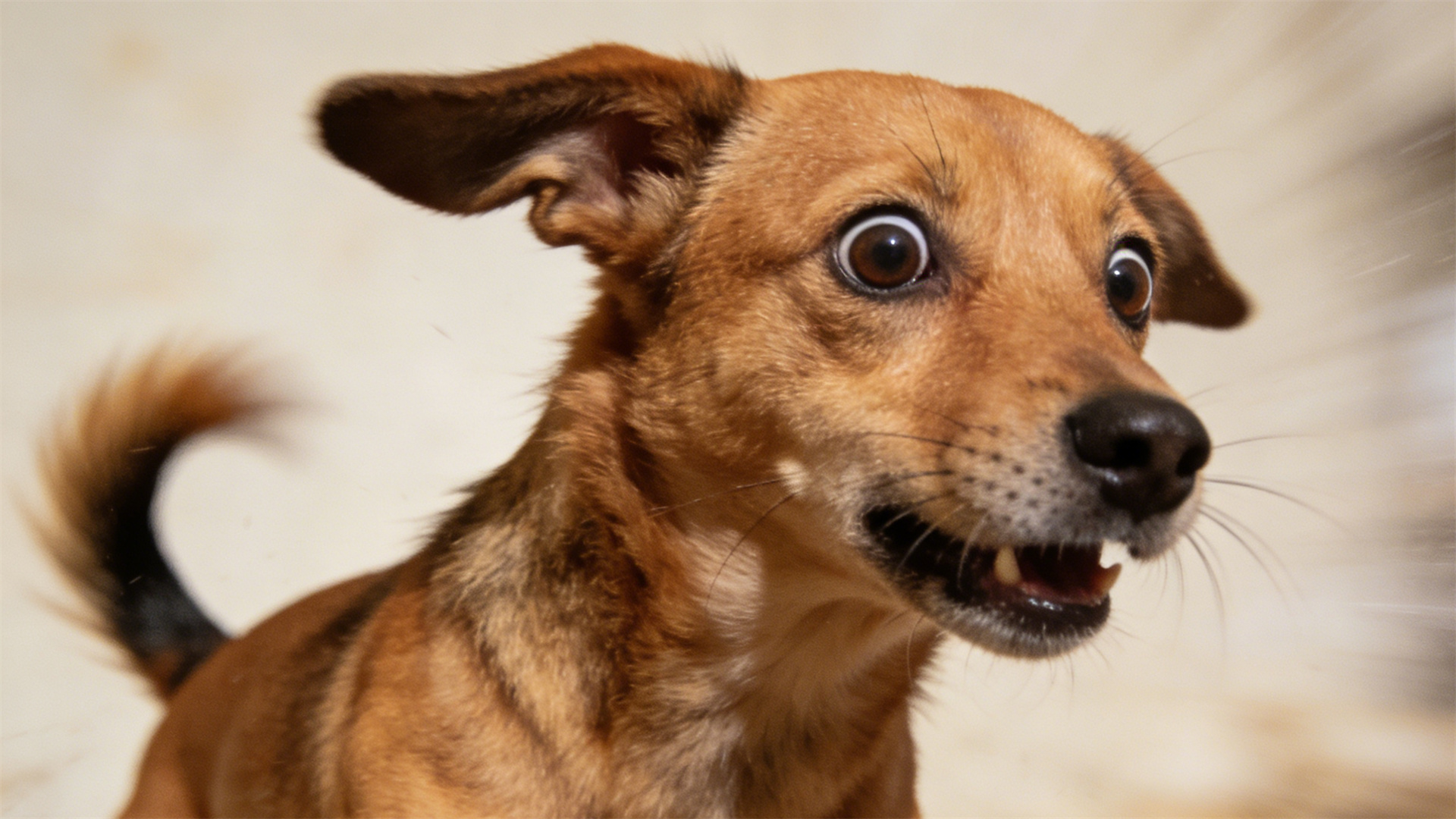
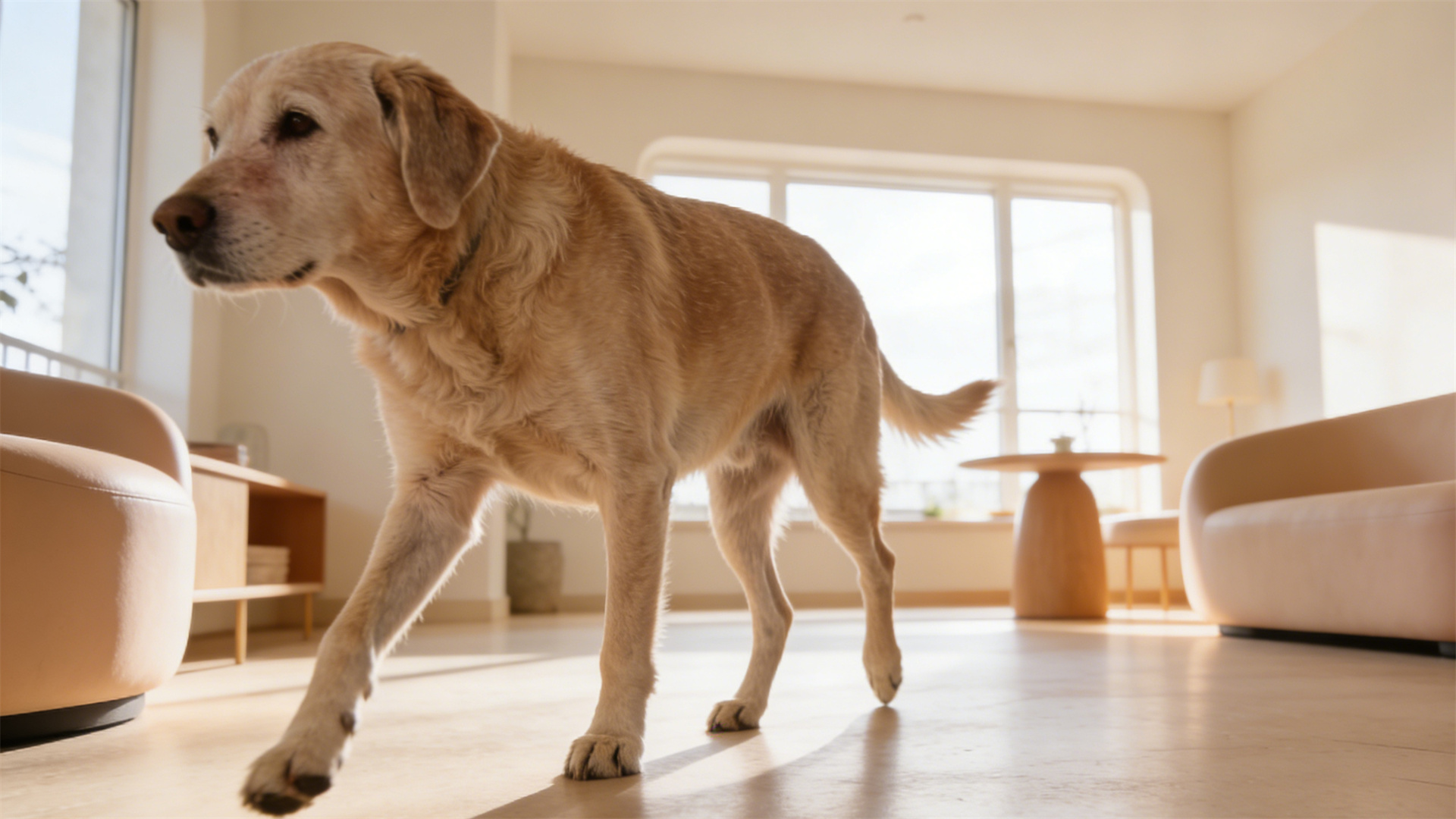
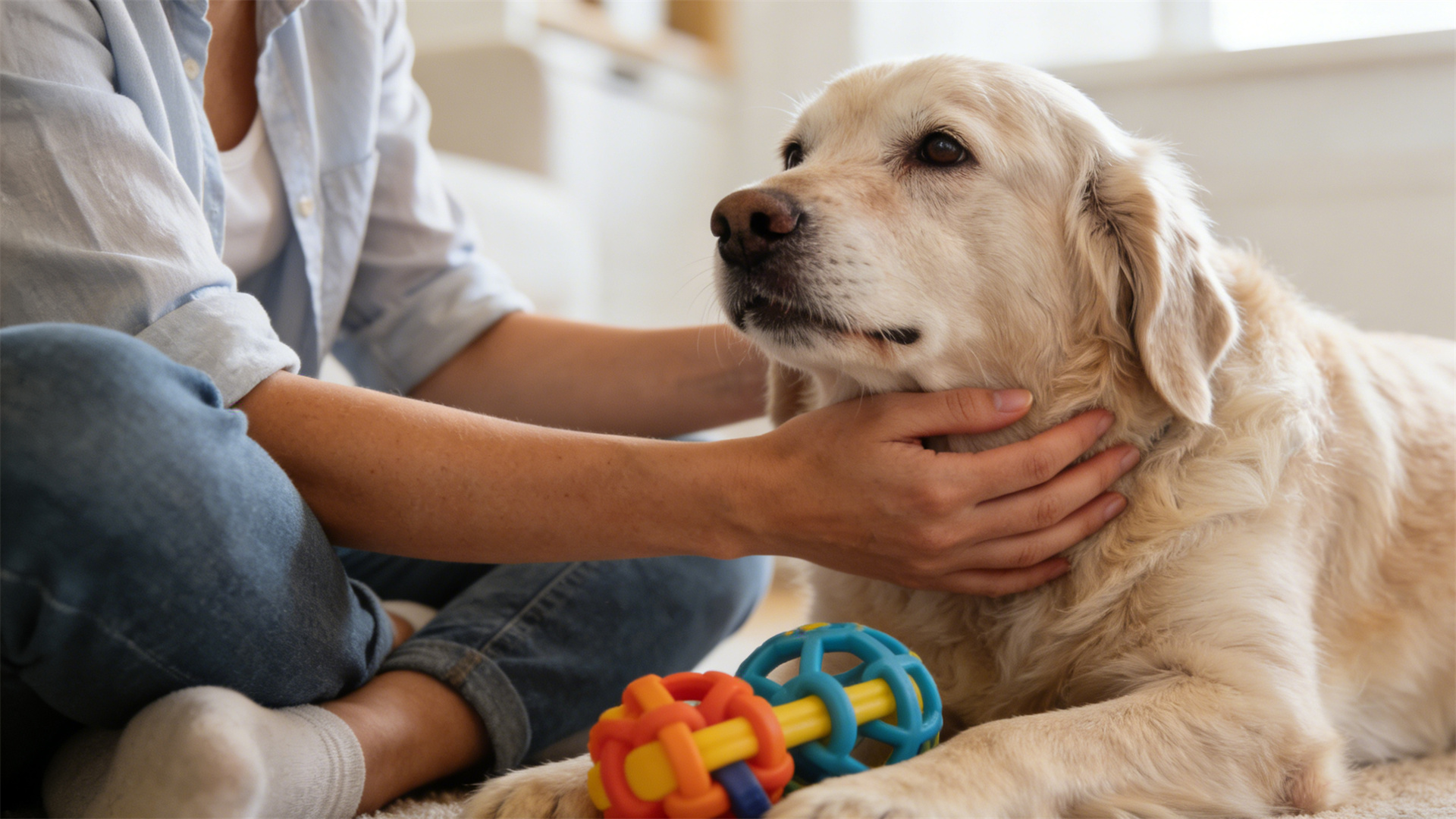
You notice it in the small things. Your faithful companion, now with a frosted muzzle, might pause for a moment, seemingly confused in a familiar corner of the yard. Perhaps their sleep-wake cycle has flipped, or they seem less enthusiastic about a game they once loved. These subtle shifts can be easy to dismiss as "just getting old," but they often point to something more specific: Canine Cognitive Dysfunction (CCD), a condition akin to dementia in humans. While this reality can feel daunting, there is a powerful, positive, and profoundly bonding tool at your disposal: cognitive training. Just as physical exercise keeps the body strong, consistent mental exercise is crucial for maintaining brain health. And the best part? It can be as simple and joyful as play. This article will guide you through using educational toys as a cornerstone strategy to enrich your senior dog's life, slow cognitive decline, and strengthen your unbreakable bond.
🧠 The Aging Canine Brain: Understanding the Changes
Brain aging in dogs is a natural process. As in humans, proteins can build up, blood flow may decrease, and communication between neurons can become less efficient. This can manifest in symptoms often summarized by the veterinary acronym DISHA:
- Disorientation: Getting lost in the house, staring at walls, or seeming confused by everyday routines.
- Altered Interactions: Withdrawing from family, becoming more clingy, or showing less interest in greetings.
- Sleep-Wake Cycle Disturbances: Pacing or whining at night, sleeping more during the day.
- Loss of House Training: Having accidents indoors despite a consistent schedule.
- Changed Activity Levels: Apathy or restlessness and repetitive behaviors.
However, the brain possesses a remarkable quality: neuroplasticity. This is the brain's ability to form new neural connections throughout life. By providing consistent, positive mental stimulation, you are essentially encouraging your dog's brain to "exercise," building and strengthening pathways. This builds a cognitive reserve, which can help the brain compensate for age-related changes and slow down the progression of degeneration.
🎯 Why Educational Toys Are a Powerful Tool
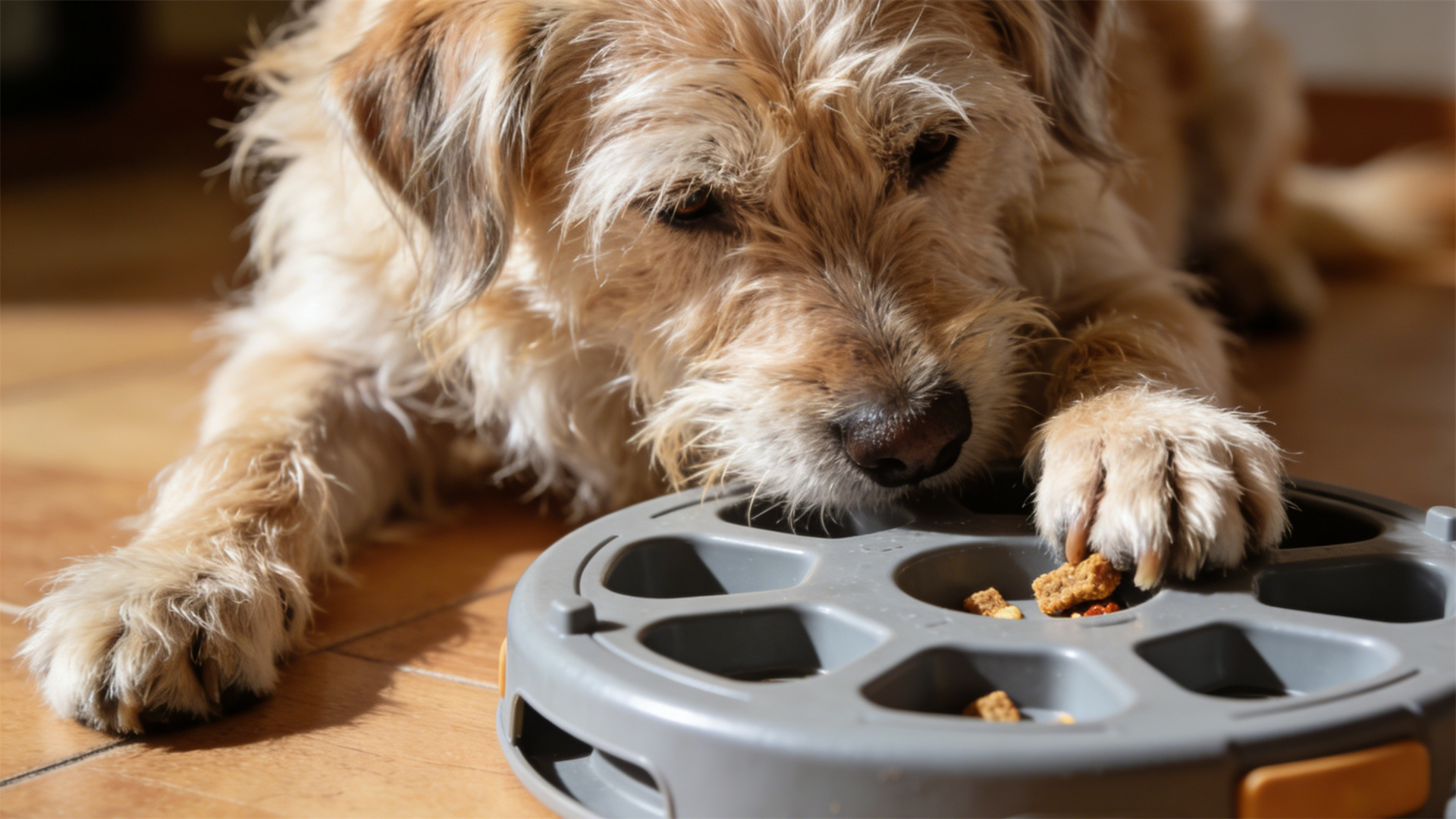
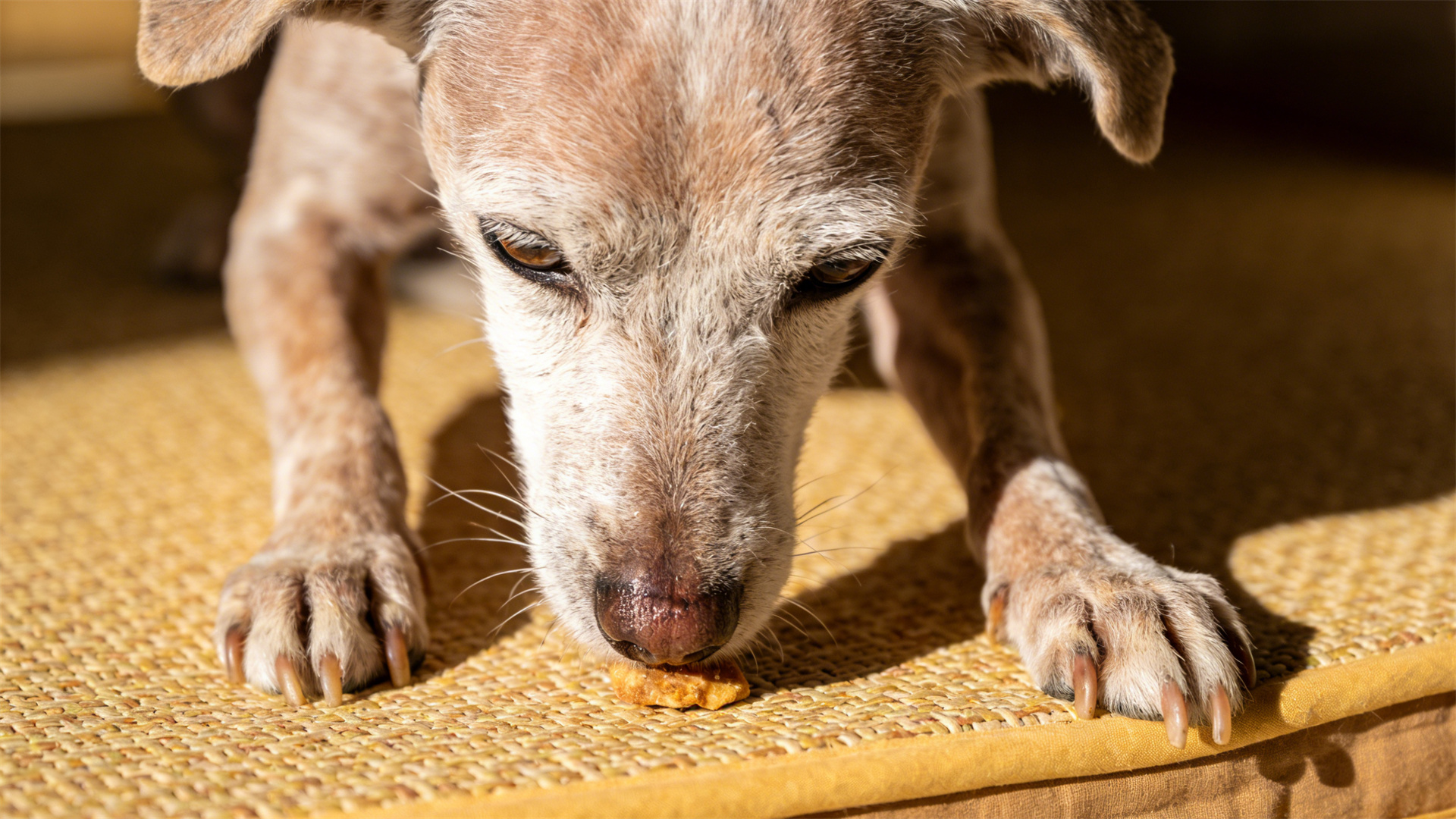
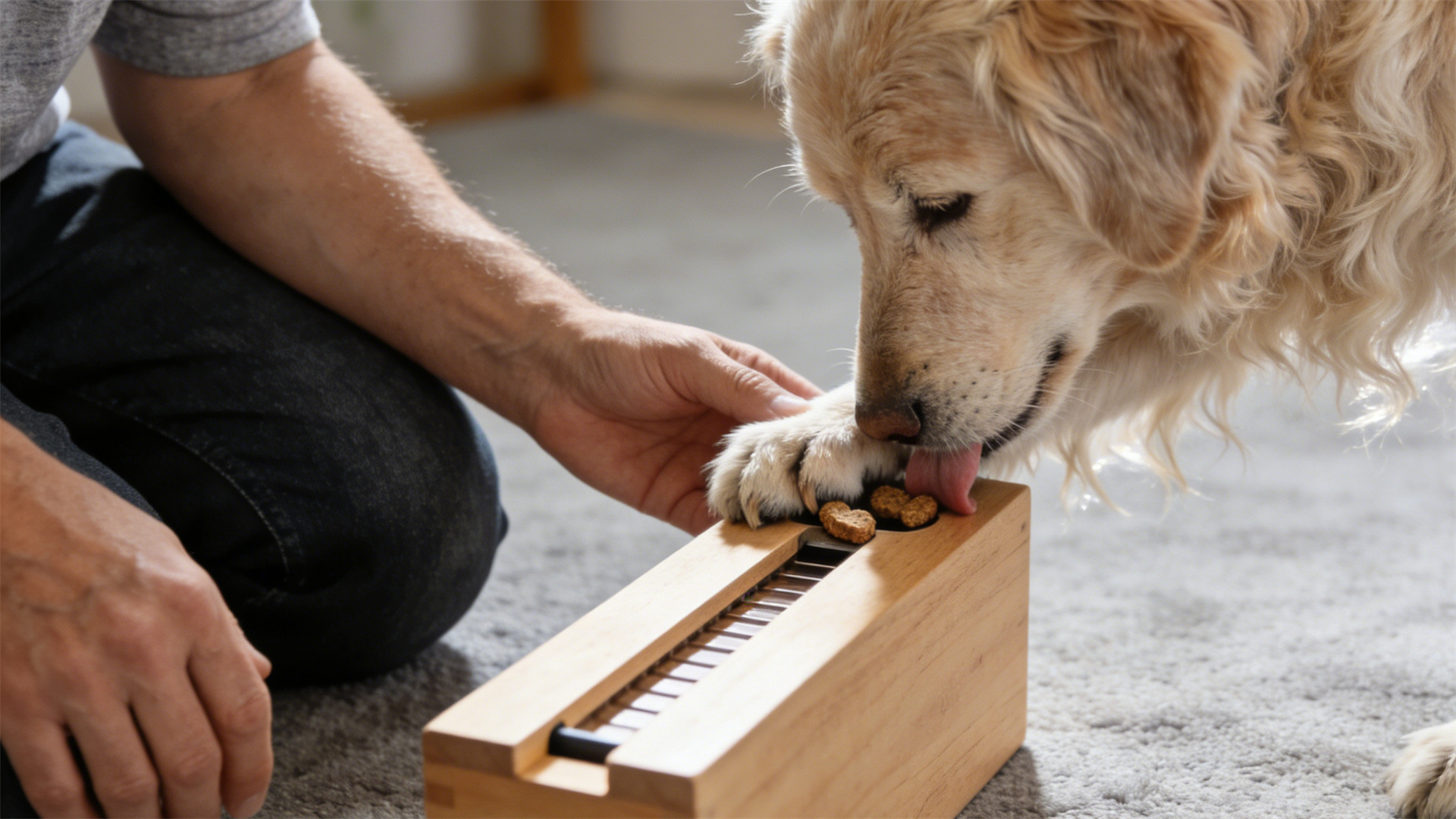
So, why are toys so effective? Educational toys for senior dogs are specifically designed to engage a dog's problem-solving skills. When your dog nudges a puzzle slider to reveal a treat, they aren't just eating—they are planning, using their memory, and executing a motor action. This activity stimulates multiple brain regions simultaneously, from those governing executive function to those processing sensory input.
Beyond direct brain exercise, these toys provide critical mental enrichment. Boredom and anxiety can exacerbate cognitive symptoms. A dog actively engaged in a rewarding, solvable challenge experiences reduced stress and a greater sense of satisfaction. This combination of stimulation and positive reinforcement is the cornerstone of effective cognitive training for older dogs.
🧩 Types of Educational Toys for Senior Dogs
Choosing the right toy is about matching the challenge to your dog's current abilities and physical state. The goal is engagement, not frustration.
🧩 Puzzle Toys for Food Motivation
These are excellent starting points. They use your dog's natural drive for food to motivate problem-solving.
- Targeted Skills: Working memory, cause-and-effect understanding, fine motor skills.
- Examples: Simple sliding puzzles, flip-top lids, or multi-step devices where a lever must be moved to reveal a compartment. For beginners, a simple "muffin tin" game with tennis balls covering treats in the cups is perfect.
⚽ Interactive Treat Dispensers
These toys combine light physical activity with mental work, ideal for dogs who may still enjoy a gentle roll.
- Targeted Skills: Persistence, spatial awareness, gentle physical coordination.
- Examples: Treat-dispensing balls, wobblers, or rollers that release kibble as they are nudged and moved around. Choose lighter-weight options for ease of use.
🌿 Snuffle Mats and Nosework Games
This is low-impact, high-reward mental stimulation for senior dogs. A dog's olfactory system is directly linked to the brain's limbic system, which governs memory and emotion.
- Targeted Skills: Olfactory discrimination, concentration, calm focus.
- Examples: Fabric snuffle mats with folds to hide treats, or simple "find it" games where you scatter treats in a designated, safe grassy area or under a blanket. This is particularly good for dogs with mobility issues.
🥤 Hide and Seek or Memory Toys
These games directly target memory and recall, which are often affected by cognitive decline in dogs.
- Targeted Skills: Short-term memory, object permanence, visual tracking.
- Examples: The classic "shell game" using three cups and a treat, or hiding a favorite (non-food) toy under increasingly complex layers for them to find.

📋 Implementing a Successful Cognitive Training Program
Introducing brain games for old dogs requires a thoughtful approach. Follow these steps to ensure a positive experience for both of you.
1. Start Simple
Special Reminder: The first session must end in success. Choose a toy so easy your dog almost solves it by accident. This builds confidence and creates a positive association with the new activity.
2. Keep Sessions Short & Sweet
Five to ten minutes is ample. You want to end while your dog is still interested, not fatigued or frustrated. Quality over quantity is key for cognitive enrichment for aging dogs.
3. Match the Toy to Ability
Always consider physical limitations. A dog with arthritis may struggle with hard-to-grip puzzle pieces. A dog with vision loss will excel with scent-based games like snuffle mats. Adapt the challenge to them.
4. Rotate Toys to Maintain Novelty
Having a small rotation of 3-4 toys prevents boredom. A toy brought out after a week's break feels new and exciting again, re-igniting curiosity.
5. Always, Always End on a Positive Note
If they're struggling, help them solve it, reward lavishly with praise and a treat, and then put the toy away. The session should always conclude with joy and reward.
💡 Beyond Toys: A Holistic Approach to Brain Health
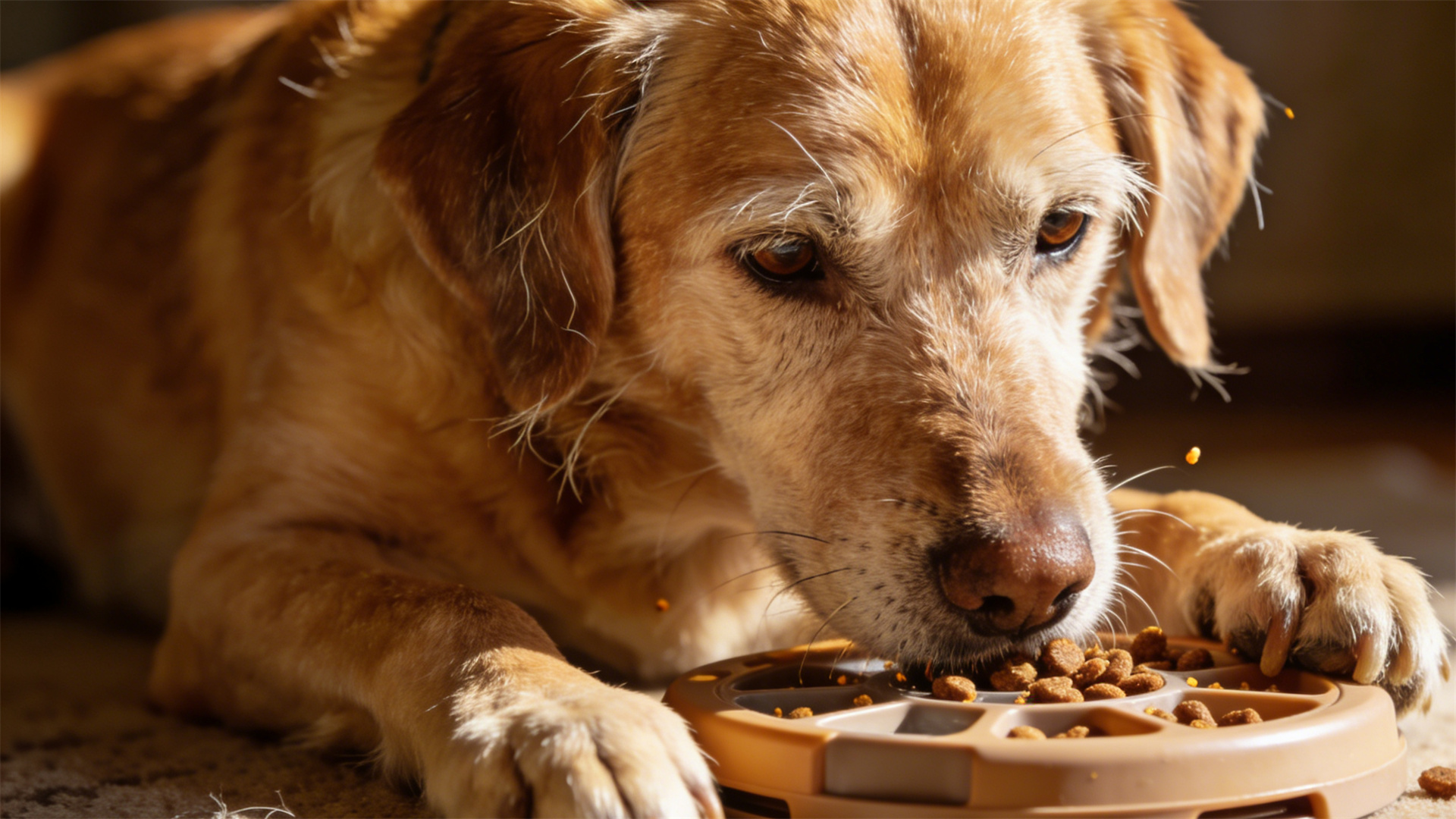
While interactive toys for senior dogs are a fantastic tool, they are most effective as part of a holistic care plan:
- Diet: Consult your vet about foods or supplements rich in antioxidants, Omega-3 fatty acids (like DHA), and vitamins E and C, which support senior dog brain health.
- Veterinary Care: Regular check-ups are essential to rule out other medical conditions (like hearing loss, pain, or thyroid issues) that can mimic or worsen cognitive signs.
- Combine with Gentle Training: Reinforce known cues like "sit" or "touch" during play. Learning new, simple tricks (like "turn around") also promotes neuroplasticity.
❤️ Conclusion: A Journey of Connection
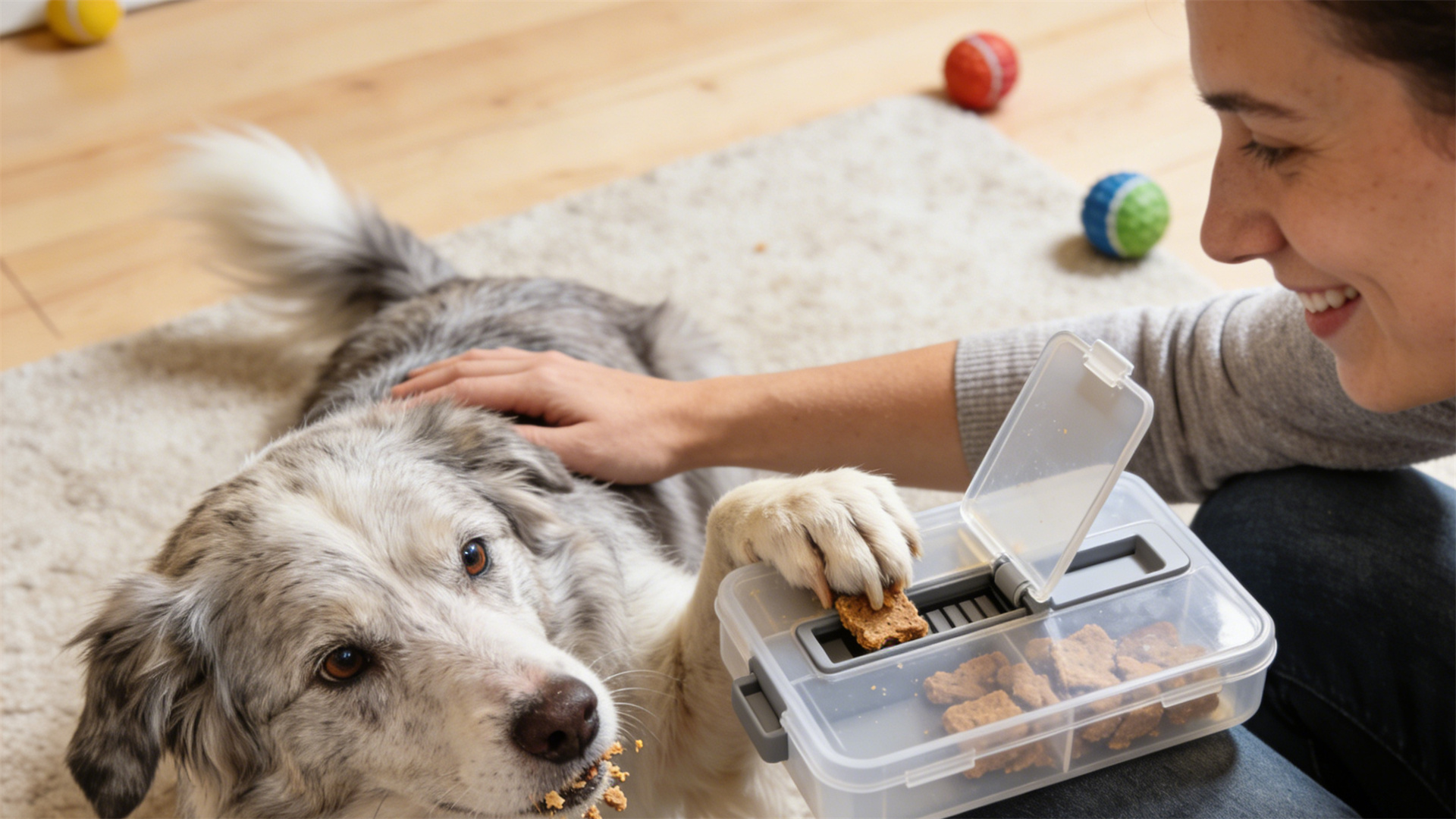
Embarking on a path of cognitive training with your older dog is one of the most compassionate acts of care. It moves you from a passive observer of aging to a proactive partner in your dog's wellness. The moments spent together, watching them puzzle out a challenge and celebrate their success, are priceless. You are not just slowing down brain degeneration; you are actively filling their golden years with engagement, accomplishment, and shared love. Every game played is a testament to your bond and a direct investment in their quality of life.
❓ Frequently Asked Questions (FAQ)
Is my dog too old to start cognitive training?
Absolutely not. The brain's neuroplasticity means it can benefit at any stage. Start with very simple, low-pressure activities. It's never too late to enrich your dog's mental world.
My dog gets frustrated quickly and walks away. What should I do?
This is a sign the task is too hard. Simplify it dramatically. Use higher-value treats, demonstrate the solution yourself, or use a puzzle with the compartments already partly open. The goal is to rebuild their confidence.
Are there any toys to avoid for seniors?
Avoid toys that are too physically demanding, have very small parts that could be a choking hazard, or are made of hard material that could hurt sensitive teeth or gums. Always prioritize safety and comfort over complexity.
How often should I use these educational toys?
Aim for short, daily sessions if possible, even just 5 minutes. Consistency is more important than marathon sessions. Think of it as part of their daily routine, like feeding or a short walk.
Can these toys actually prevent dog dementia?
While we cannot guarantee prevention, a lifestyle rich in mental stimulation for elderly dogs is the strongest known factor in building cognitive reserve and delaying the onset and progression of symptoms associated with Canine Cognitive Dysfunction. It is the best proactive strategy you have.