As the summer sun intensifies, many dog owners reach for a seemingly logical solution to help their furry friends beat the heat: the clippers. The thought is compassionate—“A shorter coat must mean a cooler dog.” However, for a significant number of breeds, this well-intentioned act is one of the most detrimental grooming mistakes you can make. Shaving them doesn't cool them down; it strips away their built-in, naturally engineered climate control system. This article delves into the science behind the double coat and explains why, for the health and safety of your dog, certain breeds should never be shaved.
Image Alt: A healthy, fluffy double-coated dog like a Siberian Husky standing next to a shaved one, highlighting the stark difference in coat integrity.
🐕 The Science of the Double Coat: Nature’s Perfect Insulation
A double coat is precisely what it sounds like: two distinct layers of fur working in harmony. This sophisticated system is not just for winter warmth; it is a year-round, multi-functional protective barrier.
Anatomy of a Double Coat
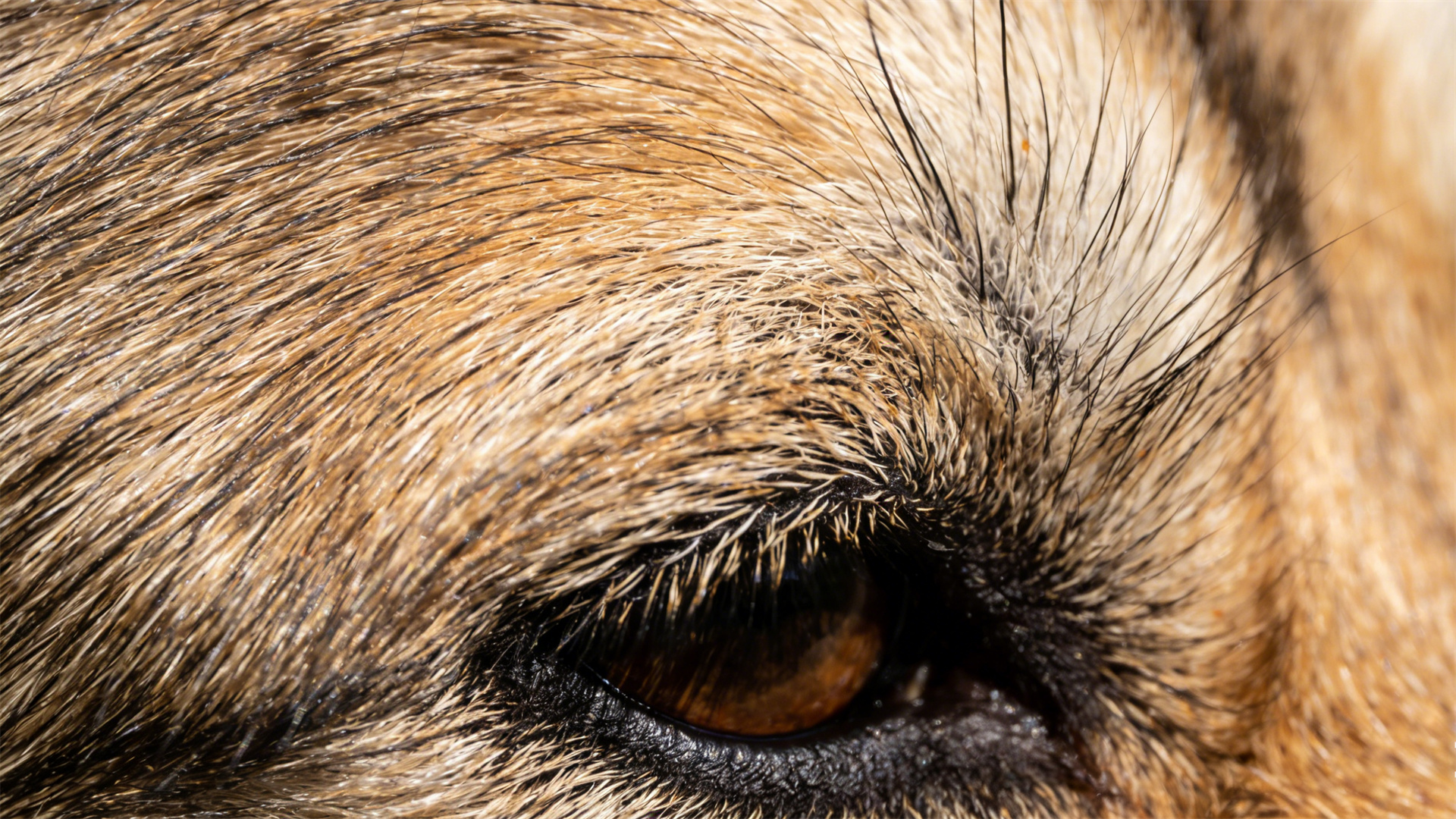
Undercoat: This is the soft, dense, woolly layer closest to the skin. Its primary jobs are insulation and moisture-wicking. It traps a layer of temperature-regulated air close to the body.
Guard Hairs: Also called the topcoat or outer coat, these are longer, coarser, and water-resistant. They protect the skin and undercoat from external elements.
Function: More Than Just Warmth
The double coat is a marvel of canine thermoregulation. Contrary to popular belief, it keeps a dog cool in summer and warm in winter. The trapped, still air in the undercoat acts as a buffer against external temperatures. In heat, it prevents the external warmth from penetrating to the skin and slows down the rate at which the dog's body temperature rises.
- Sun & Skin Protection: The guard hairs shield delicate skin from harmful UV rays, preventing sunburn, sun damage, and reducing the risk of skin cancer.
- Barrier Function: It repels water, dirt, and allergens, and provides a physical barrier against insect bites, scratches, and minor irritants.
⚠️ Breeds at Risk: The "Never Shave" List
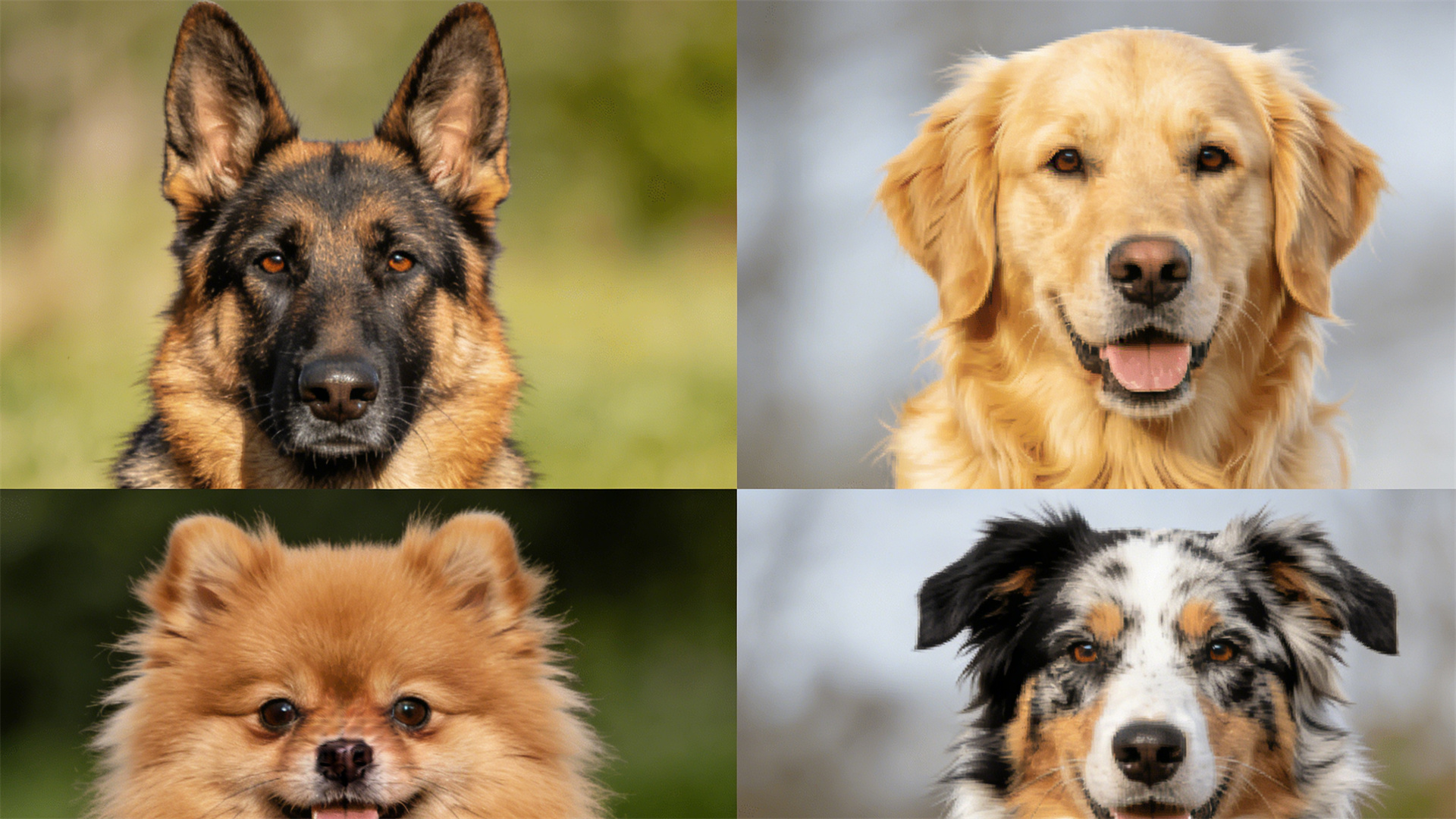
This protective double coat is essential to the well-being of many breeds. Shaving them disrupts a critical biological function. The following breeds, and any mixed breeds exhibiting this coat type, fall into the category of dog breeds never be shaved.
Image Alt: A collage of popular double-coated dog breeds including a German Shepherd, Golden Retriever, Pomeranian, and Australian Shepherd.
Nordic & Cold-Climate Breeds
These breeds have exceptionally dense undercoats developed for harsh climates: Siberian Husky, Alaskan Malamute, Samoyed, Chow Chow.
Herding & Working Breeds
Their coats are designed for all-weather work: German Shepherd, Australian Shepherd, Shetland Sheepdog, Border Collie, Belgian Malinois.
Retrievers & Sporting Dogs
Their water-resistant topcoat is vital: Golden Retriever, Labrador Retriever, Newfoundland, English Springer Spaniel.
Spitz-Type & Others
Characterized by their plush, insulating fur: Pomeranian, Shiba Inu, Keeshond, American Eskimo Dog.
🔥 The Real Dangers of Shaving: Consequences Beyond the Coat
Removing this natural system exposes your dog to a host of preventable health issues and long-term damage.
1. Impaired Thermoregulation & Overheating
Paradoxically, shaving a double-coated dog increases its risk of overheating in dogs. Without the insulating undercoat, the dog loses its buffer against heat. Sun and hot air can now directly reach the skin, causing the body to absorb heat faster and making it harder to maintain a safe core temperature.
2. Severe Sunburn and Skin Cancer
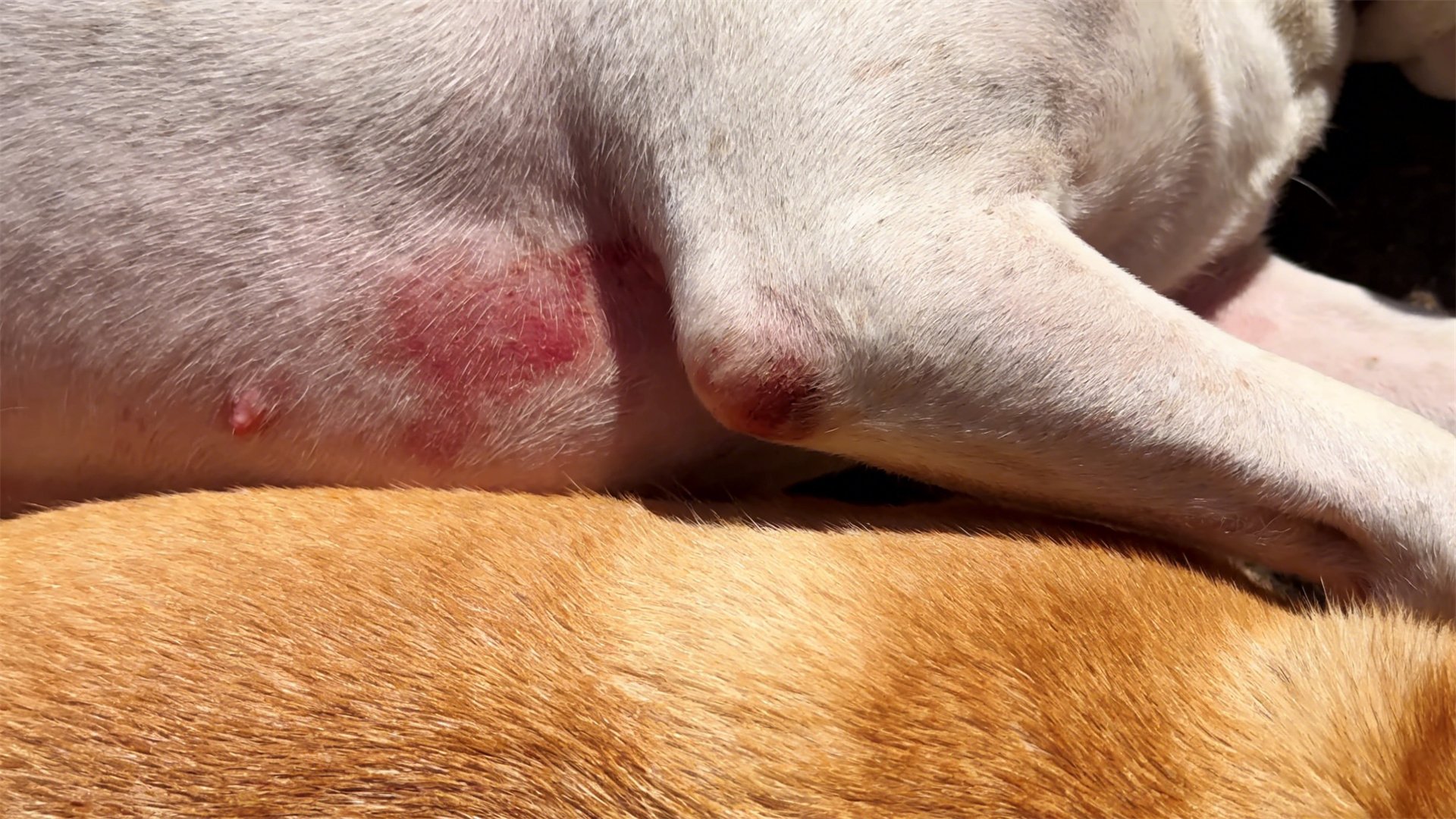
Canine skin is not designed for direct, prolonged sun exposure. A shaved dog is highly susceptible to painful dog sunburn, particularly on areas with less pigment like the belly. Chronic UV exposure significantly raises the risk of squamous cell carcinoma and other skin cancers.
Image Alt: Close-up showing the pink, sunburned skin of a shaved dog compared to healthy, protected skin.
3. Coat Alopecia and Permanent Damage
One of the most distressing risks is coat alopecia. The shaving process can damage the hair follicles, disrupting the growth cycle. The coat may grow back patchy, uneven, or wiry. In severe cases, the undercoat may grow back faster, choking out the guard hairs, or it may not grow back at all, leaving the dog with permanent, bald patches.
4. Loss of Protection and Increased Injury Risk
The dog loses its shield against insects, allergens, and environmental irritants, leading to more skin problems. Furthermore, improper shaving can cause clipper burn (painful skin irritation), nicks, and cuts.
Image Alt: A professional groomer carefully brushing out the thick undercoat of a dog, with a pile of removed fur nearby.
💡 Proper Summer Grooming Alternatives: Safe Ways to Keep Cool
The goal for summer dog grooming a double-coated dog is coat management, not removal. Here are effective, safe strategies:
Priority #1: Frequent and Thorough Brushing
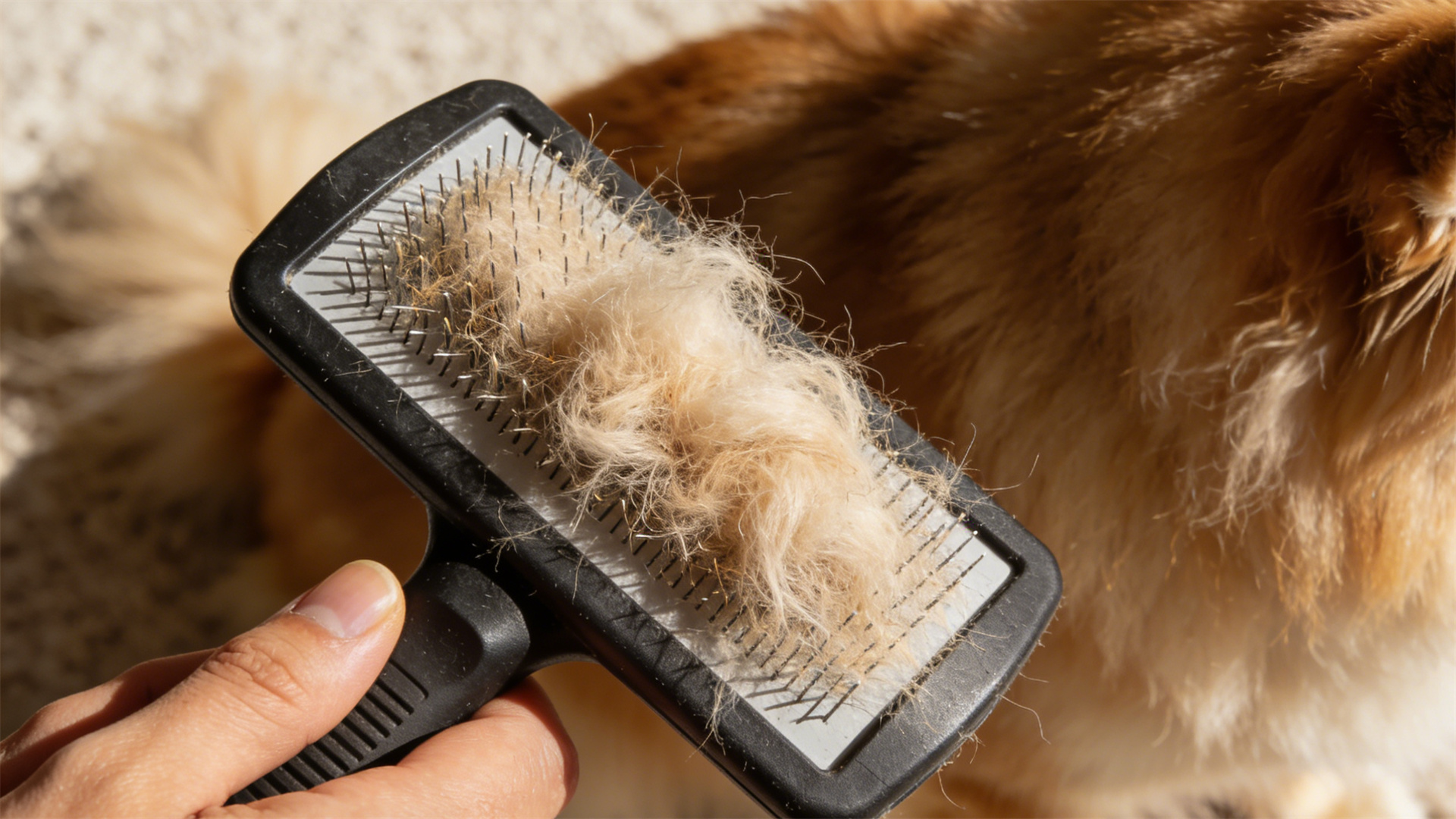
This is the single most important task. Regular brushing with the right tools (an undercoat rake, de-shedding tool, and slicker brush) removes the loose, dead undercoat (undercoat removal). This prevents matting and allows for better air circulation through the coat without destroying its structure.
Seek Professional De-Shedding Treatments
A professional groomer can perform a “de-shed” bath and blow-out, which uses specialized products and high-velocity dryers to safely extract massive amounts of loose fur you can't reach at home.
Provide Environmental Cooling
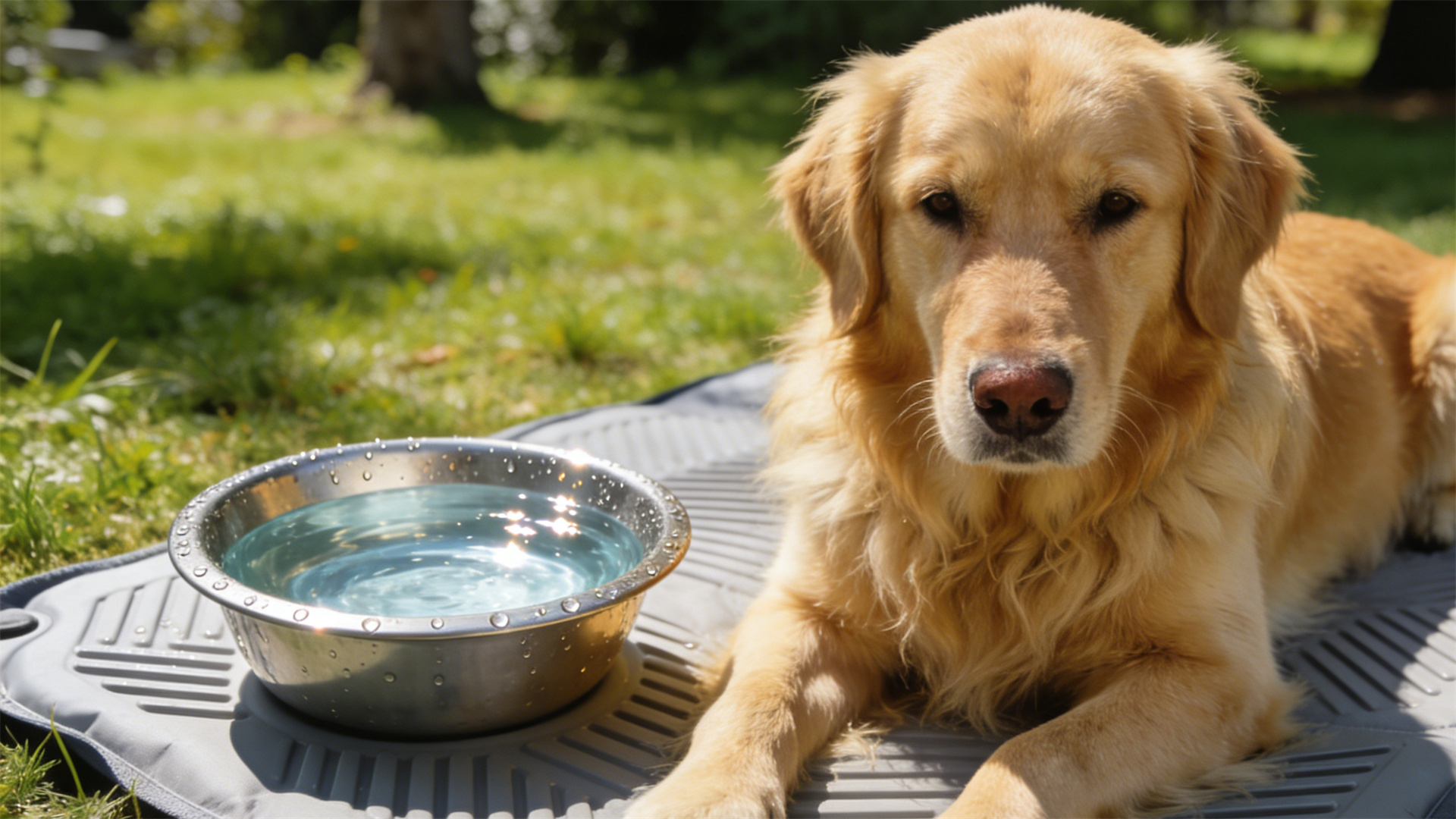
- Cooling Mats & Vests: Provide a cool surface for your dog to lie on.
- Ample Shade & Water: Always ensure access to fresh water and shaded areas.
- Smart Exercise: Walk during cooler early mornings or late evenings.
Acceptable Trims vs. Harmful Shaves
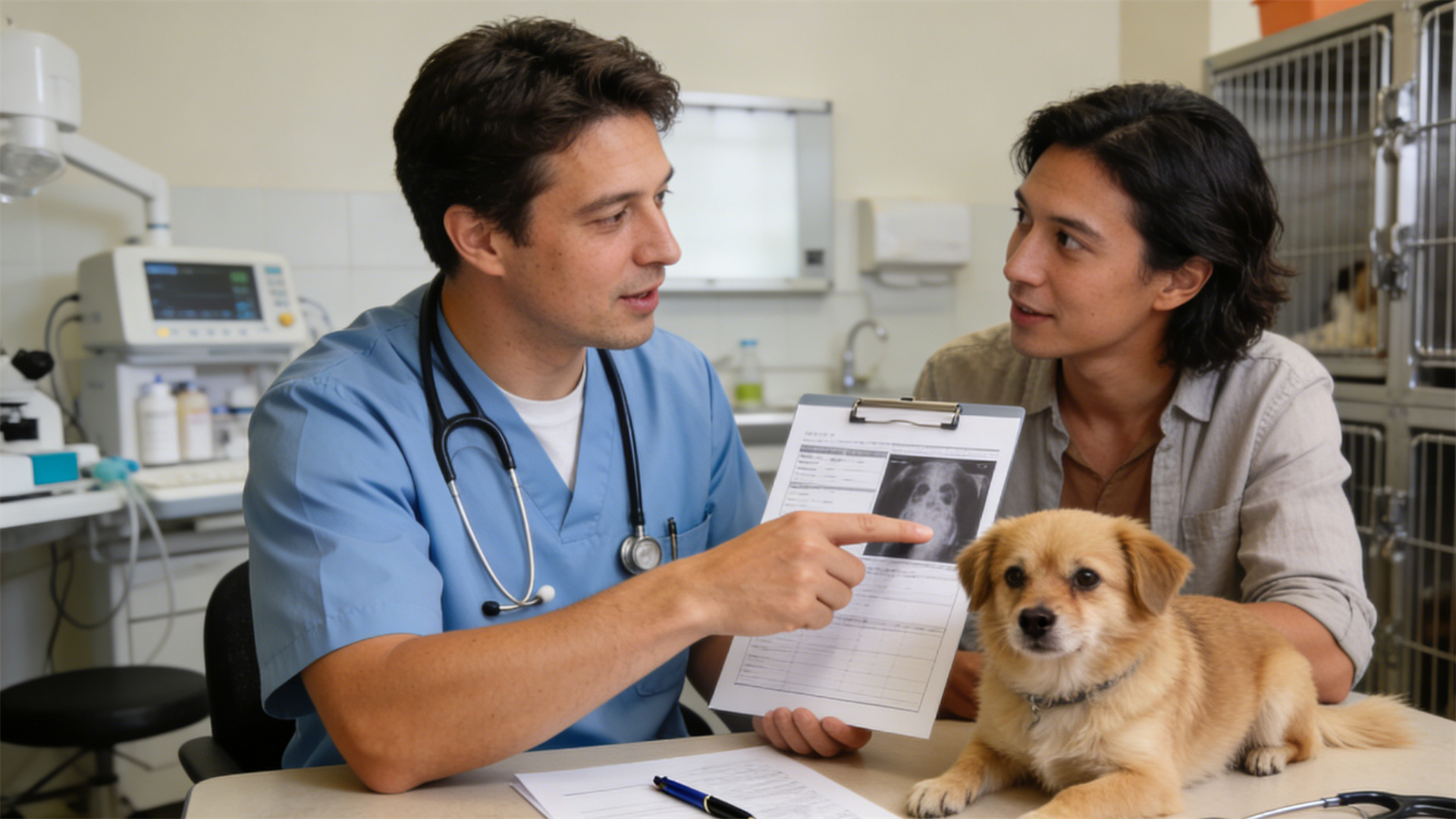
A light, hygienic trim of the sanitary areas, paw pads, and feathering on the legs/belly for neatness is fine. A full-body shave down to the skin is not. Special Reminder: Always consult your groomer or vet for breed-specific advice before any major trim.
Image Alt: A happy double-coated dog resting on a cooling mat in the shade with a bowl of fresh water nearby.
Conclusion: Trust Nature’s Design
A dog's double coat is a brilliant evolutionary adaptation, not a winter burden. The shaving dogs risks are significant and can lead to long-term health problems, including impaired cooling, severe skin damage, and permanent coat damage. The best way to help your double-coated companion thrive in the summer is through consistent grooming care that works with their natural biology, not against it. Protect their coat, and you protect their health.