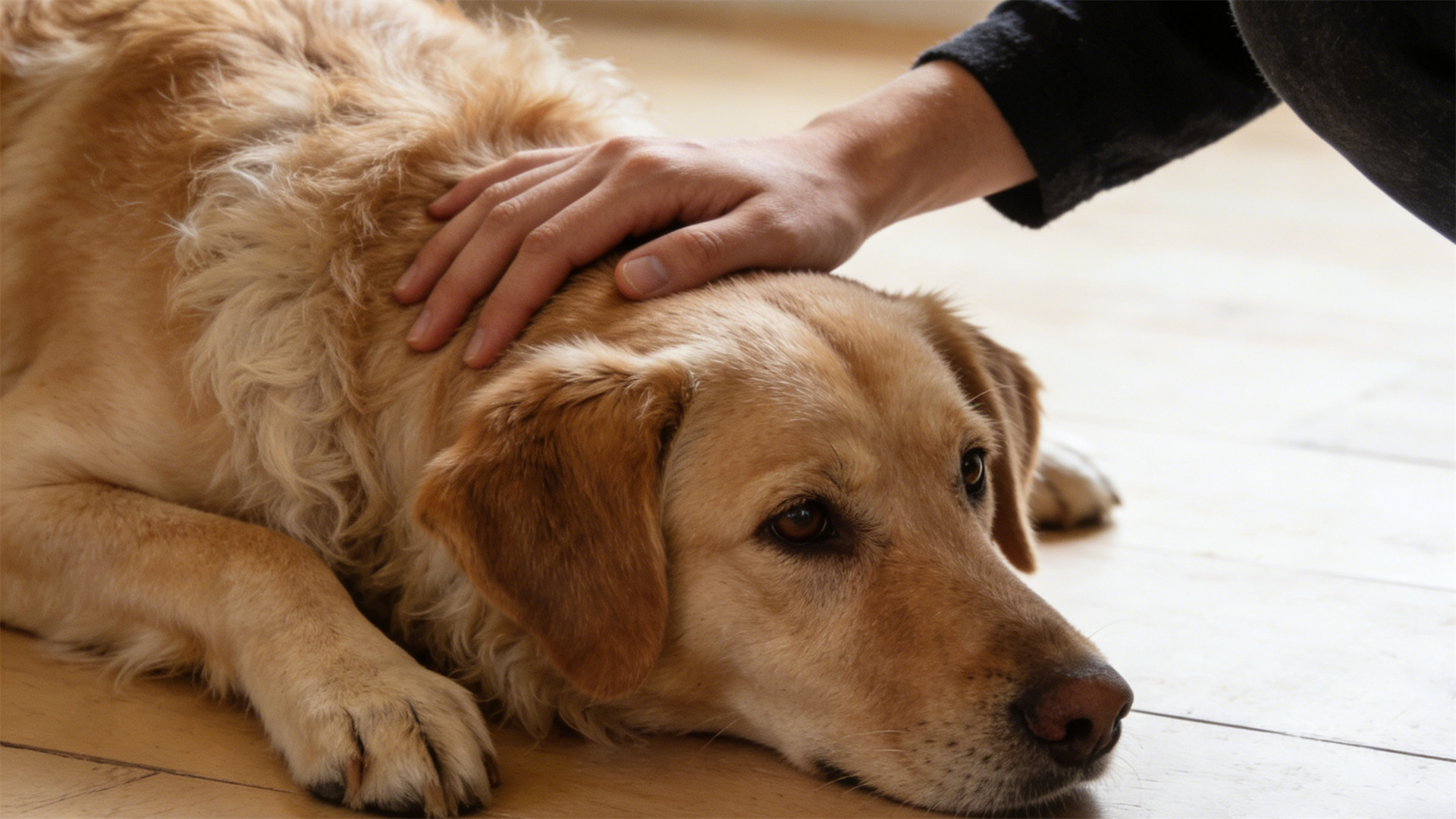
You brush your dog’s magnificent, flowing coat until it gleams in the sunlight. To the world, they are the picture of canine health and beauty. Yet, beneath that luxurious exterior, a silent struggle may be occurring. Your dog is itchy, restless, and constantly seeking relief on the corner of the rug. This is the hidden paradox for many owners of long-haired and double-coated breeds: a stunning coat masking distressed, inflamed skin. The culprit is rarely neglect, but rather a fundamental misunderstanding of what these breeds need. True eczema prevention in dogs like Golden Retrievers, German Shepherds, and Samoyeds does not stop at a tangle-free topcoat. It demands a dedicated strategy focused on one core principle: creating and maintaining breathable skin beneath that dense undercoat.
🐾 The Problem: The Suffocating Undercoat
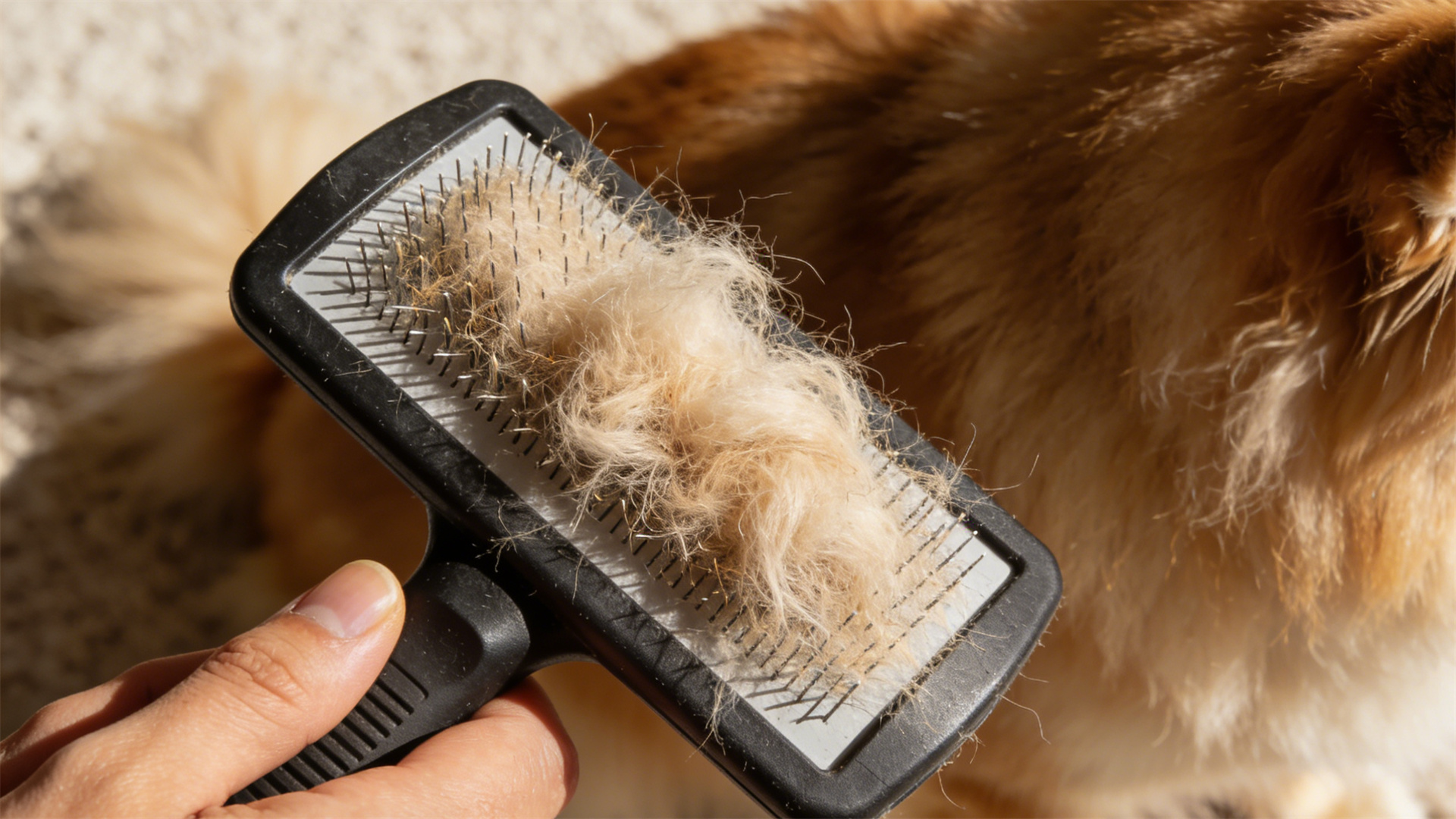
To solve the problem, we must first understand the unique architecture of your dog's fur. Breeds adapted for cold or all-weather work possess a double coat. This ingenious system consists of a topcoat of longer, water-resistant "guard hairs" and a dense, soft, woolly layer beneath called the "undercoat." This undercoat acts as superb insulation, trapping warm air in winter and cool air in summer. However, in our domestic environments, this same feature can become a liability.
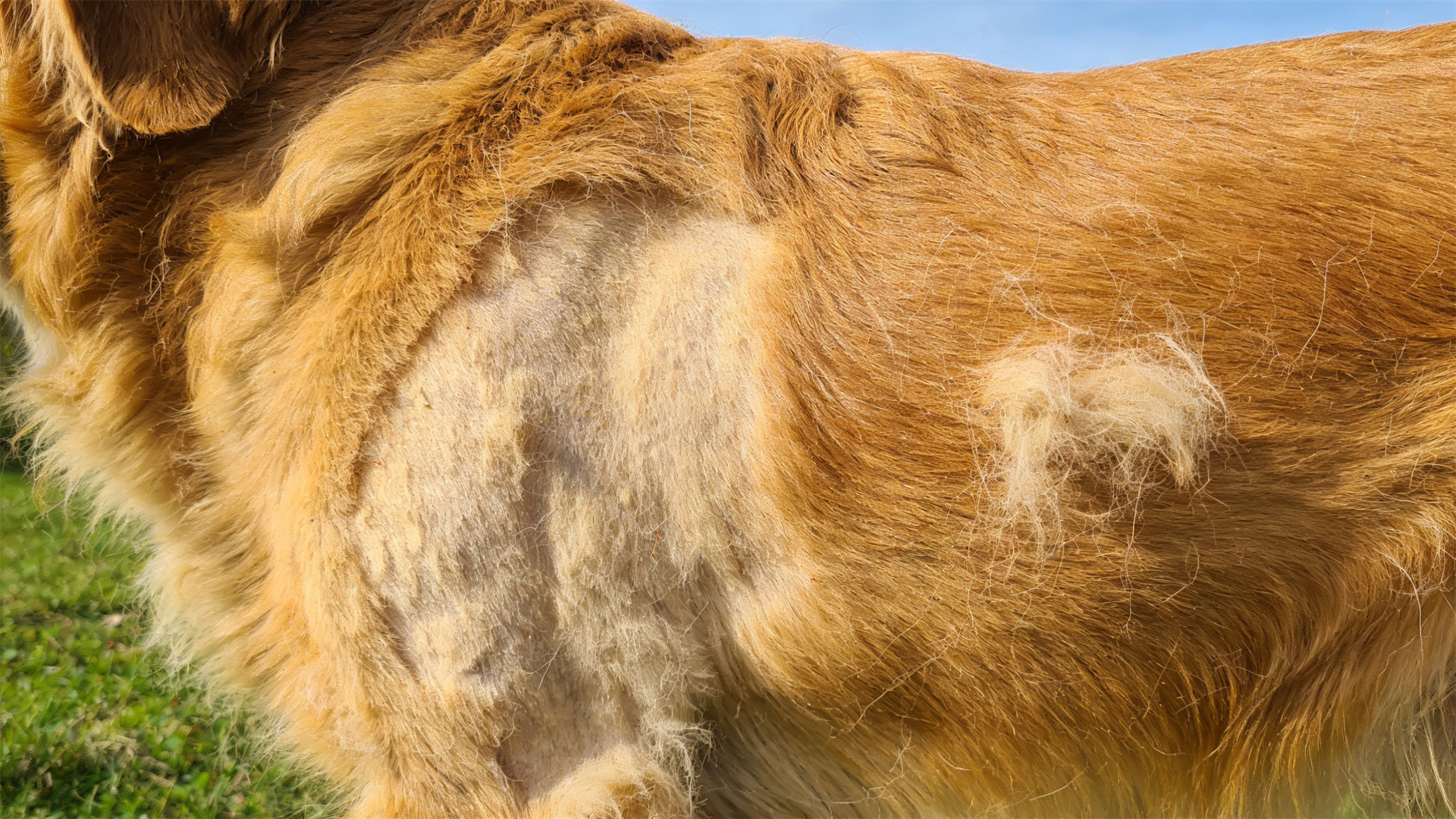
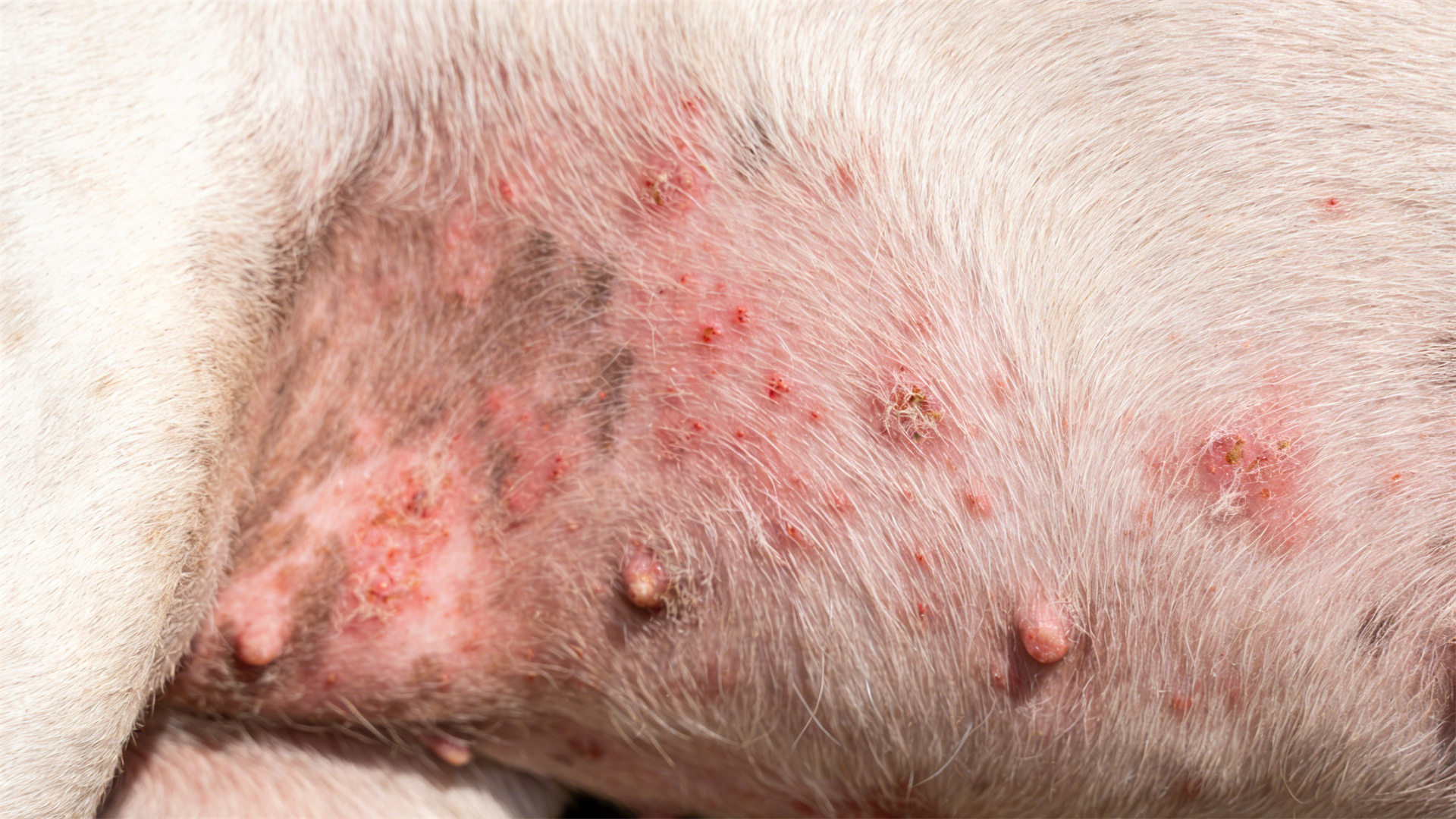
The undercoat is designed to "blow" or shed seasonally, but for many pets—especially those in climate-controlled homes—this cycle can become irregular. Dead undercoat hairs, natural skin oils (sebum), moisture from baths or swimming, pollen, dust, and dander all become trapped in this dense layer. What results is a microclimate directly against the skin: warm, dark, and perpetually moist. This environment is a paradise for Malassezia yeast and staphylococcal bacteria, which proliferate and trigger intense inflammation. This inflammation manifests as the redness, itching, pustules, and scaly patches we recognize as canine eczema (often diagnosed as pyoderma or dermatitis). The cycle is vicious: itching leads to scratching, which breaks the skin barrier, inviting more infection and inflammation.
🛡️ The Solution: A Pillar-Based Strategy for Breathability
Combating this requires moving beyond Grooming grooming. We must adopt a holistic, proactive regimen built on four essential pillars. This strategy dismantles the suffocating microclimate and restores a dry, aerated, and healthy environment for the skin.
Essential Pillar One: Strategic Grooming
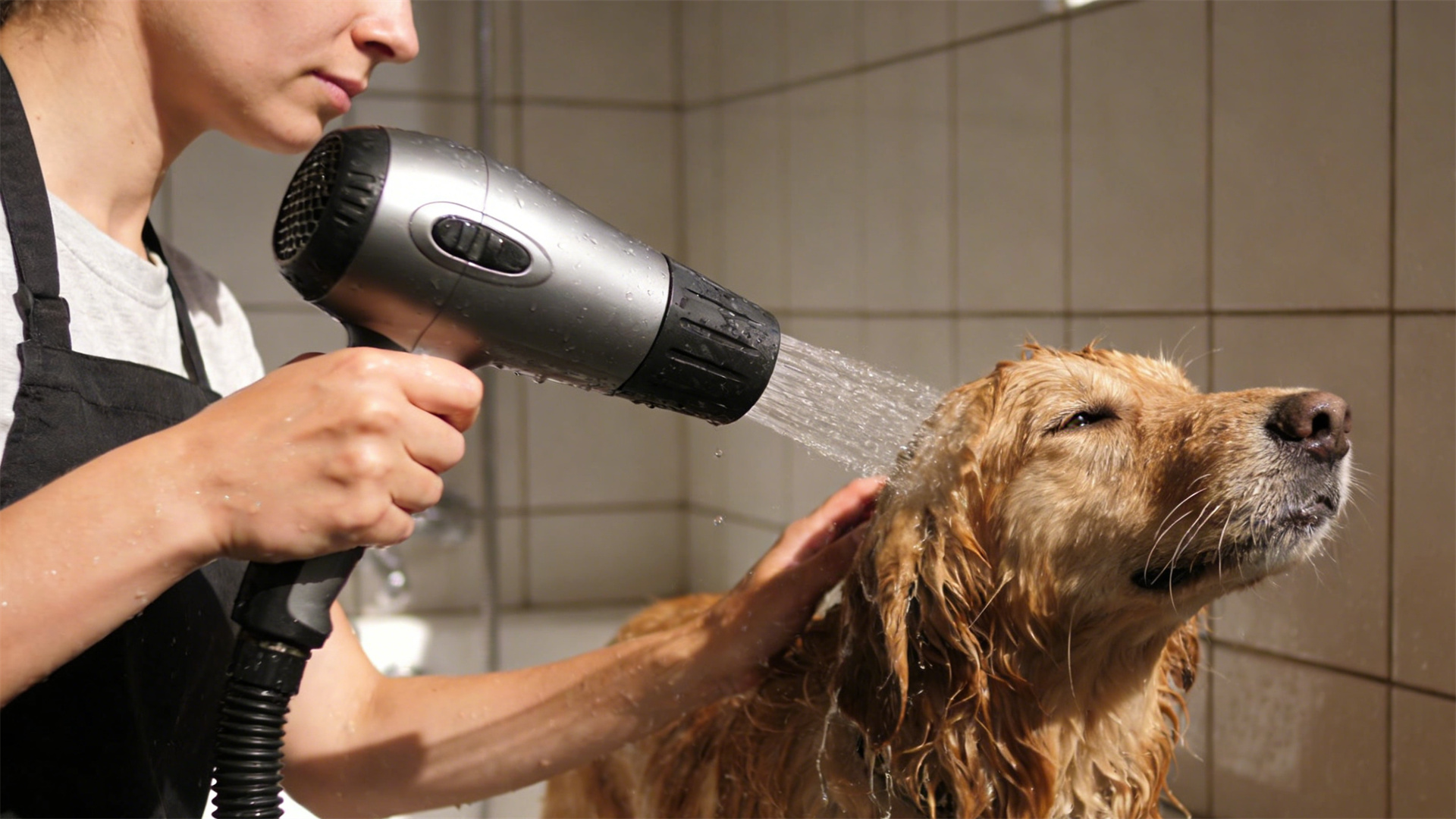
This is the cornerstone of eczema prevention. Brushing must be redefined as a skin health intervention, not just a detangling session. The goal is to mechanically remove dead undercoat to allow air to circulate.
Tool Mastery: A standard slicker brush glides over the surface. You need tools that penetrate. An undercoat rake has long, finely spaced teeth designed to pull out loose undercoat without damaging the topcoat. A de-shedding tool (like a Furminator-style blade) can be effective but must be used with caution to avoid cutting guard hairs.
Technique is Everything: Employ the "line brushing" technique. Part the coat with one hand, creating a clear line of skin, and brush the exposed undercoat in that section from root to tip. Work systematically over the entire body. This ensures you reach the skin layer where the problem originates.
The Non-Negotiable Step: Drying. After any wetness—be it a bath, rain, or a swim—complete drying is mandatory. Towel-drying alone is insufficient for a double coat. A high-velocity dryer is a game-changer. It blows water out from the skin and separates hairs, forcing air directly to the skin's surface. This process can turn a 3-hour air-dry into a 30-minute safe, thorough procedure.
Essential Pillar Two: Bathing and Product Philosophy
Frequency: Over-bathing strips protective oils, leading to dry, irritated skin and paradoxically, increased oil production. For most long-haired breeds, a bath every 4-8 weeks is sufficient, unless soiled. The "less-is-more" approach often wins.
Product Selection: Always use a hypoallergenic dog shampoo formulated for sensitive skin. Look for soothing ingredients like colloidal oatmeal, aloe vera, or ceramides. Avoid shampoos with heavy fragrances, dyes, or harsh sulfates. For dogs with a history of skin issues, a veterinary-formulated medicated shampoo (containing chlorhexidine or miconazole) may be recommended for periodic use.
The Golden Rule (Reiterated): Absolute, utter dryness after the bath. Use that high-velocity dryer on a cool or warm setting until you can run your fingers through the fur at the skin level and feel only warmth and fluffiness, not dampness.
Essential Pillar Three: Dietary Support for Skin Barrier
The skin is the body's largest organ, and its health is a direct reflection of internal nutrition. A resilient skin barrier is better equipped to resist inflammation and infection.
Key Nutrients: Omega-3 Fatty Acids (EPA & DHA): Found abundantly in fish oil, these are potent natural anti-inflammatories. They help modulate the immune response in the skin and improve overall skin quality. High-Quality, Digestible Protein: The building blocks of skin and hair. Ensure your dog's food lists a named meat (e.g., chicken, salmon, lamb) as the first ingredient. Zinc: A critical mineral for skin repair and immune function. Many high-quality commercial diets contain adequate zinc, but deficiencies can manifest as crusty skin lesions.
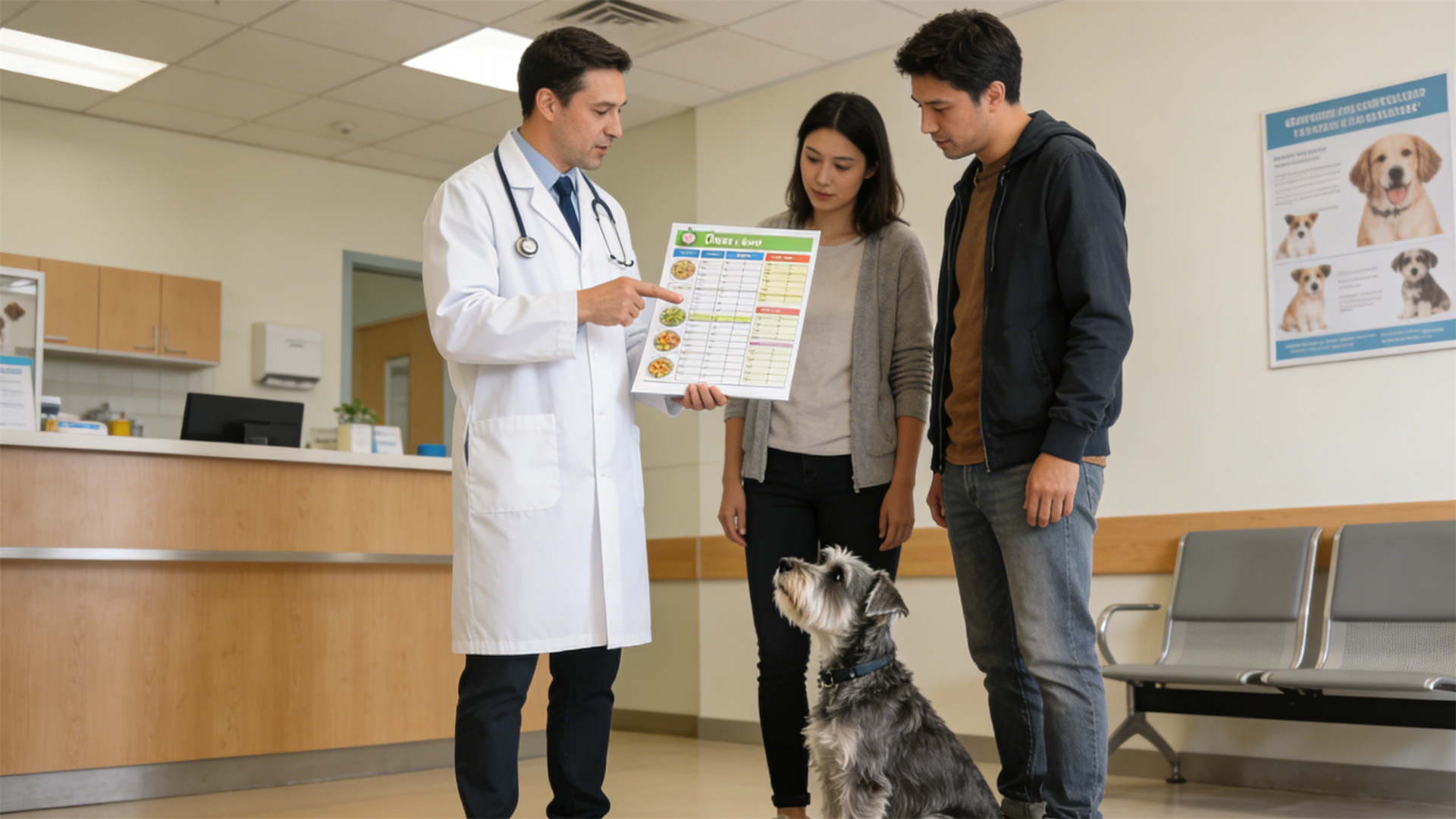
For dogs with recurrent or unexplained dog skin inflammation, a food sensitivity may be a contributing factor. Working with your vet to trial a limited-ingredient diet or a novel protein diet can help identify potential triggers like beef, dairy, or chicken.
Essential Pillar Four: Environmental and Seasonal Management
Your home environment plays a crucial role in your dog's skin breathability.
Humidity Control: High indoor humidity replicates that dreaded moist microclimate. Using a dehumidifier, especially in damp basements or during humid summer months, can create a less hospitable environment for skin pathogens.
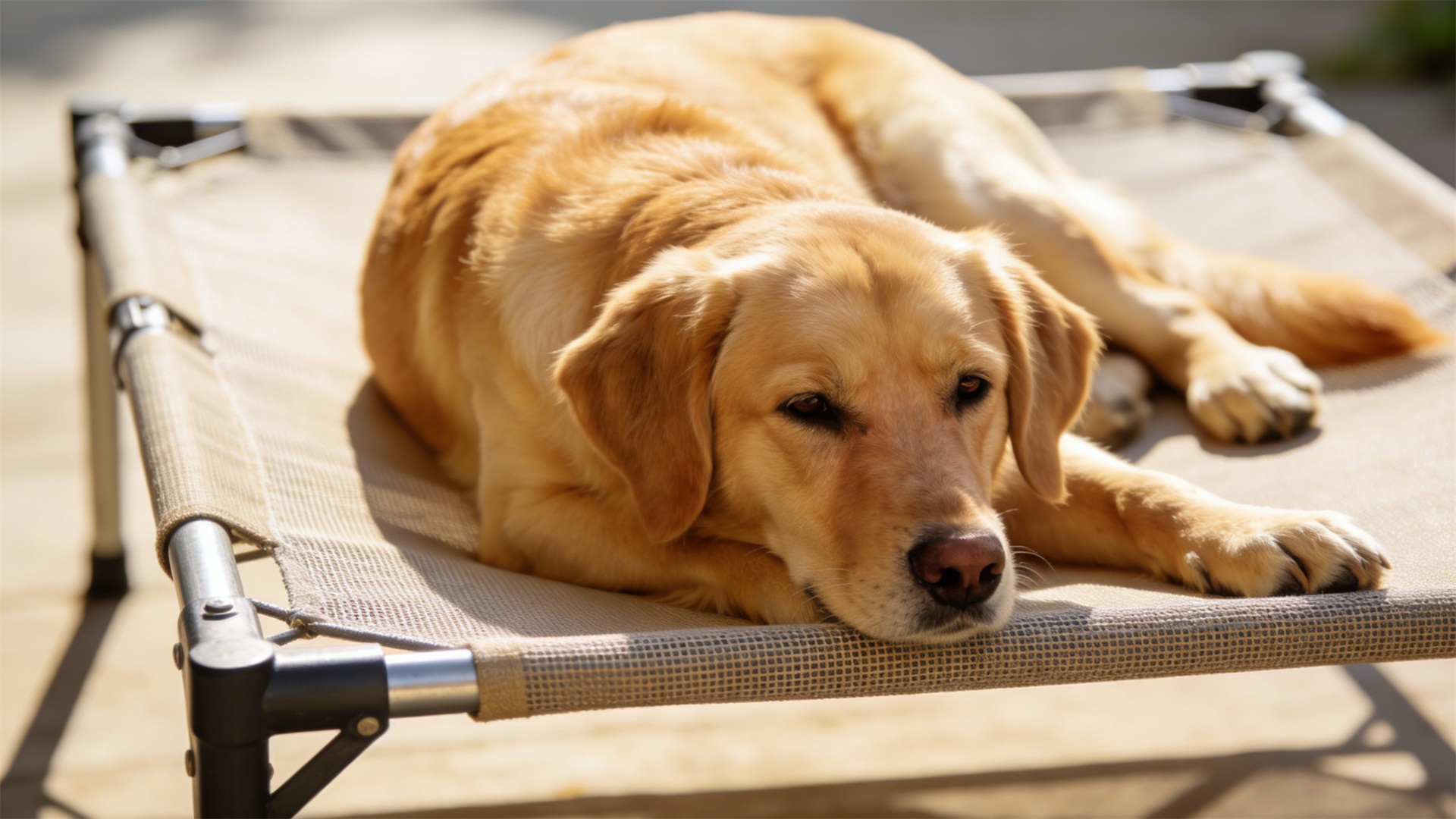
Bedding: Avoid plush, non-breathable beds that retain heat and moisture. Opt for raised cot-style beds that allow air circulation underneath or beds with natural, washable cotton covers that can be cleaned weekly.
Seasonal Vigilance: Summer: Humidity, swimming, and allergens are at their peak. Increase brushing frequency to remove pollen and ensure meticulous drying after every swim. Winter: Indoor heating creates extremely dry air, which can paradoxically irritate skin and cause a spike in static undercoat. A home humidifier can help, and maintaining your grooming routine is vital even though shedding may seem less.
🔍 Actionable Steps and Warning Signs
Let's distill this strategy into a clear, actionable plan. Start with these three foundational steps:
One. Establish a weekly undercoat inspection and brushing routine. Set a calendar reminder. Use line brushing with an undercoat rake for at least 30-45 minutes per session for a large breed.
Two. Invest in a high-quality high-velocity dryer and practice the drying technique after every instance of wetness. Consider this non-negotiable medical equipment for your dog's skin health.
Three. Review your dog's diet with a critical eye or in consultation with your vet. Ensure it is rich in omega-3s and high-quality protein. Consider adding a vet-approved fish oil supplement.
Despite our best efforts, sometimes professional help is needed. Contact your veterinarian immediately if you observe any of the following red flags:
- Persistent or worsening redness (erythema) of the skin.
- A persistent foul, musty odor, often indicative of yeast overgrowth.
- The appearance of pustules, papules, or open sores (hot spots).
- Excessive scratching, licking, or biting that leads to hair loss or self-trauma.
- Any sign that your dog is in significant discomfort or pain.
💖 Conclusion
As an owner of a glorious long-haired dog, you are not helpless against the threat of eczema. The path to prevention is clear and empowering. By shifting your focus from the beauty of the outer coat to the health of the skin beneath, you embrace a proactive philosophy. Consistent, strategic care built on the pillars of grooming, appropriate bathing, intelligent nutrition, and environmental management will dismantle the suffocating microclimate under the undercoat. This commitment replaces it with an environment where the skin can breathe, remain resilient, and stay healthy. The result is the true pinnacle of canine well-being: a happy, comfortable companion who enjoys not only a breathtakingly beautiful coat but also the gift of quiet, itch-free comfort every single day.