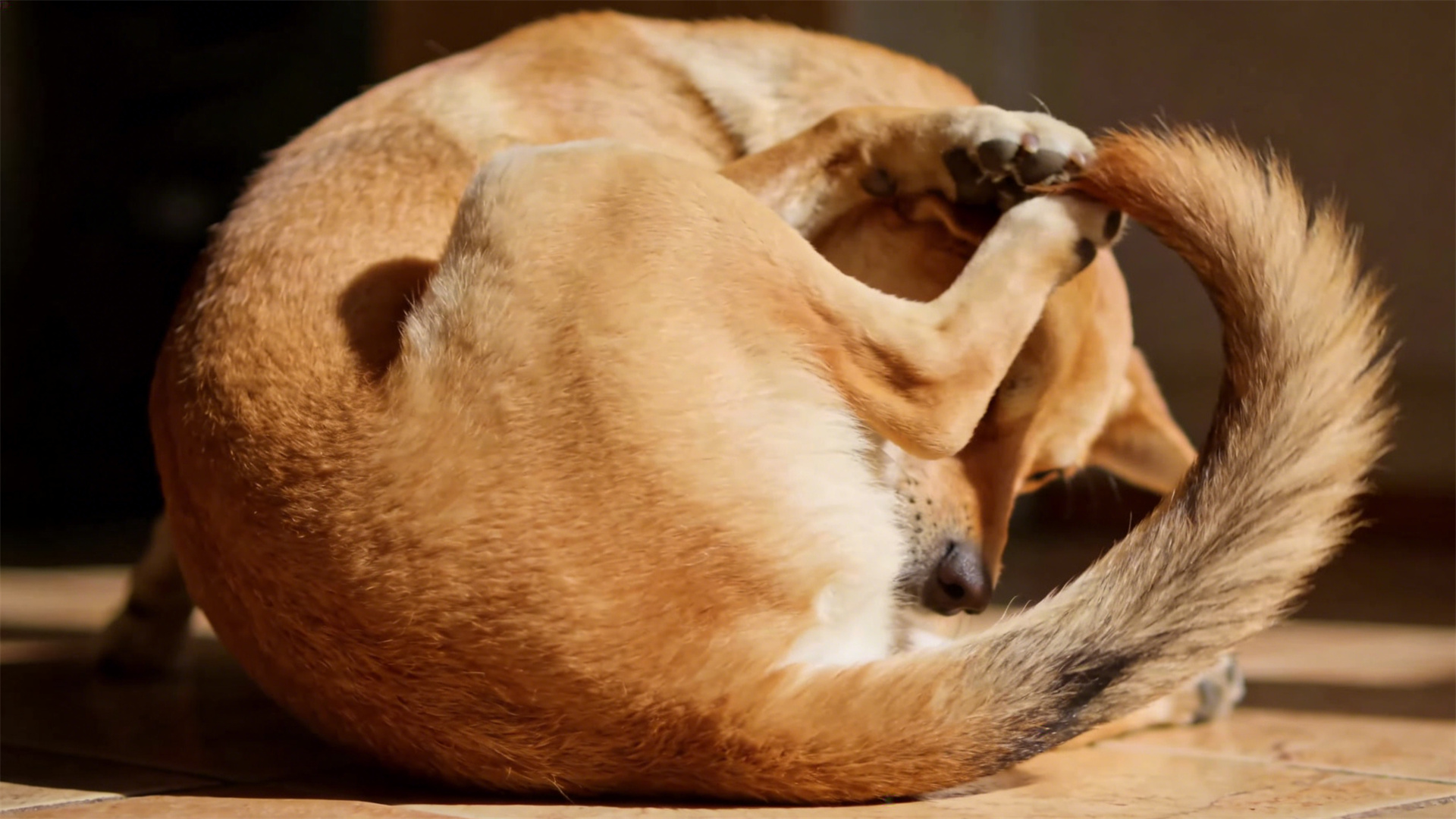
As a dog owner, few sights are as simultaneously amusing and perplexing as watching your dog spin in frantic circles, determined to catch that elusive tail. It’s a classic canine quirk, often laughed off as a moment of goofy antics. But when the spinning becomes a daily ritual, when it intensifies to the point of exhaustion or injury, that amusement can quickly curdle into concern. Is this just a naughty phase, a silly habit? Or could it be a red flag for something more serious, like brain damage or a neurological disorder? Understanding the stark difference between playful behavior and a pathological compulsion is not just academic—it’s crucial for the long-term health and happiness of your four-legged family member.
🤔 Understanding Canine Compulsive Behaviors: It's Not Just "Being Bad"
In veterinary behavioral medicine, actions like tail chasing in dogs, flank sucking, shadow chasing, or repetitive barking are classified as compulsive behaviors. These are defined as repetitive, invariant sequences of movement that serve no obvious purpose or goal. They are driven, often appearing as if the dog must perform the action and may have difficulty stopping.
It is critical to dismiss the notion that these are simple acts of mischief or "naughty dog behavior." While a puppy might chase its tail in a moment of playful discovery, true compulsive tail chasing is a symptom of an underlying issue. These behaviors frequently arise from a state of conflict, stress, frustration, or anxiety. They can also be triggered or exacerbated by medical problems and, in some cases, have a genetic component. Certain breeds, like Bull Terriers (known for spinning and tail chasing) and German Shepherds (prone to flank sucking), are predisposed, suggesting a neurological or inherited basis for these canine compulsive disorders.
🌀 The Mechanism: From Stress to Stereotypy
Here’s a simplified look at how a normal behavior becomes compulsive:
- Trigger: The dog experiences a stressful or frustrating situation (e.g., prolonged confinement, lack of exercise, an anxious owner, a chaotic environment).
- Displacement: The dog performs a normal, out-of-context behavior (like a quick tail chase or grooming) to relieve the temporary stress.
- Reinforcement: The action provides a neurochemical release (e.g., endorphins), which temporarily feels good. The behavior is self-reinforcing.
- Stereotypy: With repetition, the behavior becomes "hardwired" as a default coping mechanism, occurring even in the absence of the original trigger. It has now become a compulsive behavior.

⚖️ Naughtiness vs. Brain Damage: A Critical Distinction
Labeling all tail chasing as "naughtiness" is not only inaccurate but potentially dangerous, as it overlooks a spectrum of possible health problems. Let's break down the continuum:
Playful/Normal Behavior: Brief, occasional chasing, especially in puppies. The dog is relaxed, can be easily distracted, and stops on its own. This is exploration and play.
Attention-Seeking Behavior: The dog may have learned that chasing its tail gets a laugh, a look, or even scolding from its owner—which is still attention. This is modifiable through training.
Compulsive Disorder (Psychological): Persistent, intense, ritualistic chasing. The dog seems driven, may ignore commands, and becomes frustrated or resumes chasing if interrupted. This stems from anxiety, chronic stress, or frustration.
Medical/Neurological Issue: This is where the question of "brain damage" comes in. Persistent chasing can be a direct symptom of a physical problem within the neurological system or elsewhere in the body.
Special Reminder: While focal seizures, brain tumors, or encephalitis are extreme causes, they are real possibilities. However, it's statistically more likely to be a compulsive disorder rooted in anxiety or a different medical issue like pain or skin irritation. The key is not to jump to the worst conclusion but to systematically rule out causes through professional evaluation.

🔍 Common Causes: Medical vs. Behavioral
A proper diagnosis starts with understanding the potential root causes. A "dog behavior problem" is often the final symptom, not the primary disease.
🩺 Medical & Neurological Causes
- Skin Issues: Allergies, flea bites, anal gland impaction, or a wound at the tail base can cause irritation that initiates chasing.
- Pain: Arthritis in the tail (coccygeal vertebrae), hip pain, or spinal issues can manifest as tail chasing or nipping.
- Neurological Disorders: This is the realm of potential "brain damage." Focal seizures can present as repetitive snapping at the air or at a body part. Conditions like cognitive dysfunction syndrome (canine dementia) or structural brain abnormalities may also lead to compulsive actions.
- Vestibular Disease: Affecting balance, this can cause a dog to circle, which may be mistaken for tail chasing.
🧠 Behavioral & Psychological Causes
- Stress & Anxiety: The most common trigger. Changes in routine, a new pet/baby, loud noises (thunderstorms, fireworks), or generalized anxiety can manifest as compulsions.
- Frustration & Conflict: Being tethered, seeing squirrels outside a window without being able to chase, or inconsistent rules can create conflict that fuels compulsions.
- Boredom & Lack of Stimulation: Insufficient physical exercise and mental enrichment is a huge contributor. An under-stimulated brain will find its own (often undesirable) activities.
- Reinforcement: As mentioned, any attention (even negative) can reinforce the behavior.
🚨 Identifying a True Compulsive Behavior
How can you tell if it's a problem? Look for these red flags that distinguish a compulsive behavior from playful antics:
- Repetition and Duration: The behavior occurs in predictable, prolonged bouts, sometimes lasting minutes.
- Interference with Normal Life: The dog stops playing, eating, or sleeping to perform the behavior.
- Difficulty Interrupting: The dog seems "in a trance" and may snap or show frustration if you try to stop it.
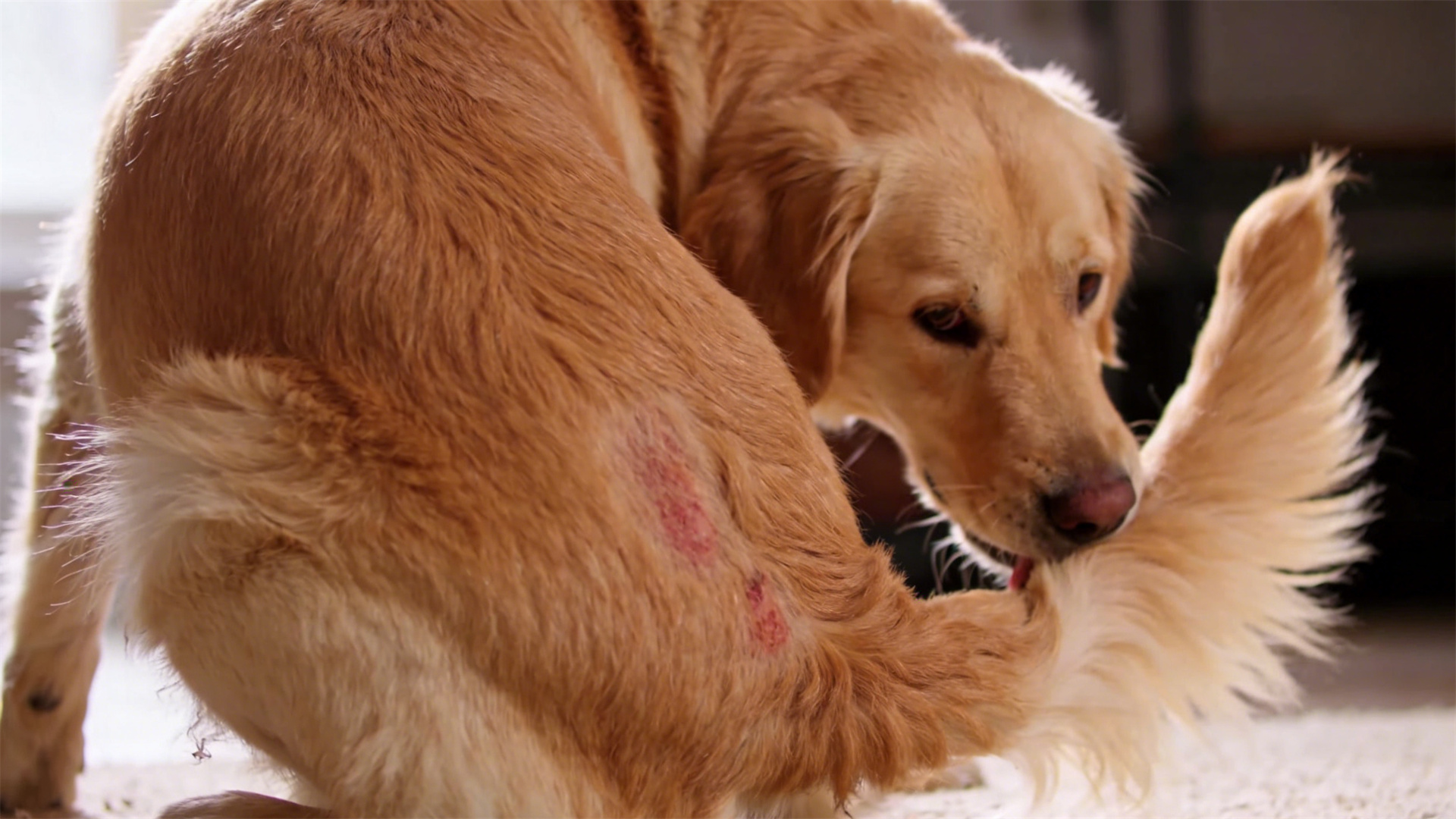
- Self-Injury: Worn-down pads from spinning, hair loss on the tail, or actual wounds from biting.
- Context: It occurs in specific, often predictable situations that may be stressful or under-stimulating.
🏥 Diagnosis and Treatment: A Path Forward
Step 1: The Veterinary Work-Up. This is non-negotiable. Before any behavioral modification, a full medical exam is required to rule out physical causes. This may include:
- Detailed physical and neurological exam.
- Blood work (CBC, chemistry panel) to assess overall health and organ function.
- Imaging, such as X-rays (for pain) or an MRI (to look for neurological issues like tumors).
- Trial treatments for parasites or allergies.
💊 Treatment: A Multi-Modal Approach
Treatment is rarely a single solution. It's a combination tailored to the dog's specific cause:
1. Medical Treatment: If a cause like pain, seizures, or a skin condition is found, treating it is the first priority. For primary dog obsessive-compulsive disorder, medications like SSRIs (e.g., fluoxetine) or tricyclic antidepressants can be prescribed by a vet to help regulate brain chemistry and lower the underlying anxiety, making behavioral therapy possible.
2. Behavioral & Environmental Modification:
- Remove/Reduce Triggers: Identify and minimize stressors.
- Increase Enrichment: More physical exercise, structured walks, puzzle toys, scent work, and training sessions. A tired, mentally satisfied dog has less "energy" for compulsions.
- Establish Predictability: Consistent routines for feeding, walks, and playtime reduce anxiety.
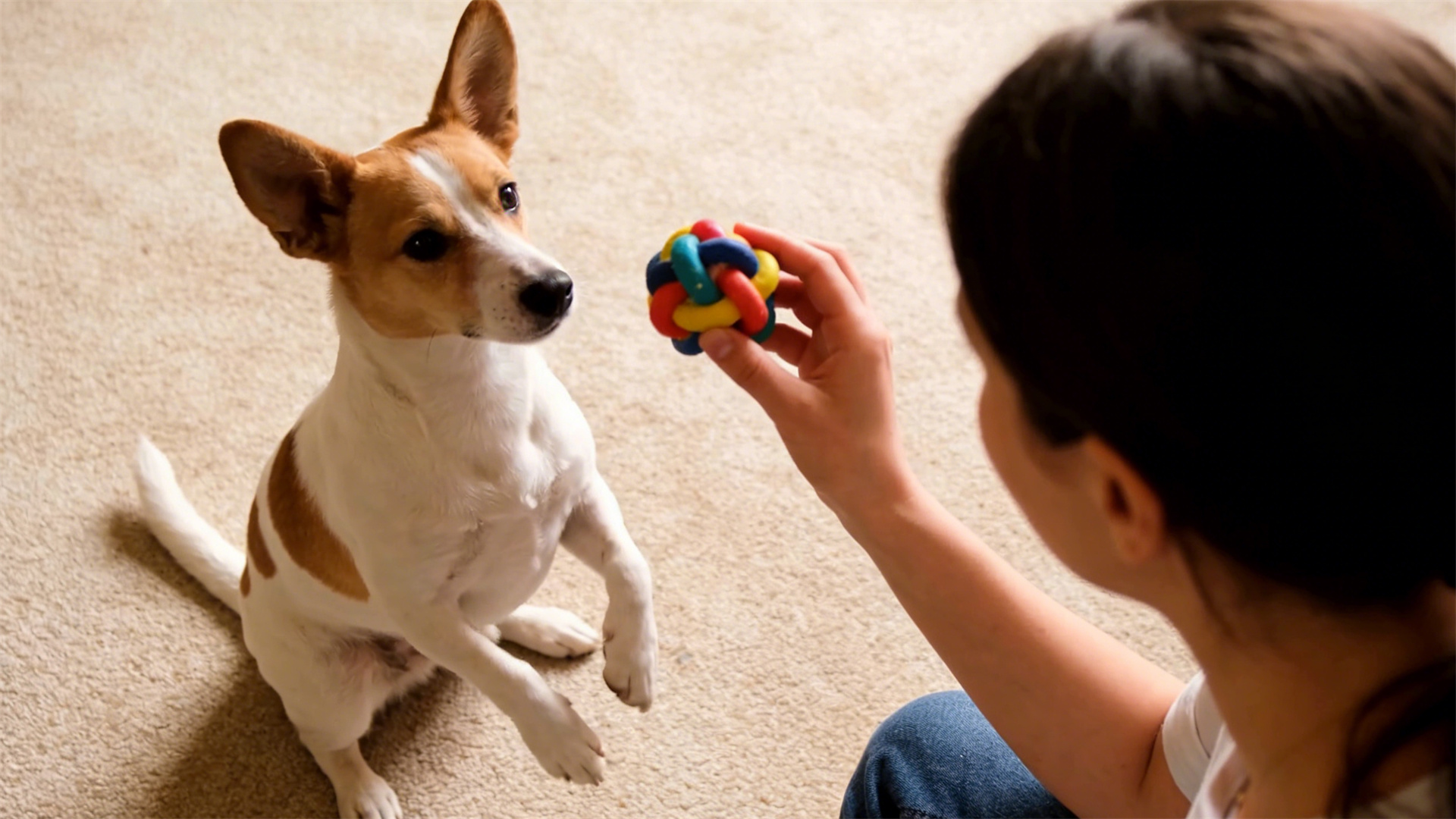
- Train Incompatible Behaviors: Teach a "sit and watch me" or "go to your mat" command that is physically incompatible with tail chasing. Reward calm, relaxed behavior.
3. Management: While working on the root cause, prevent rehearsal of the behavior. This might involve using a basket muzzle (to prevent self-injury), keeping a house line to gently redirect, or using baby gates to manage space.
💚 Conclusion: A Call for Compassion and Action
Compulsive behaviors like tail chasing are rarely, if ever, simply a matter of a dog being "naughty." They are distress signals—cries for help that can originate from the skin, the joints, the anxious mind, or, in more severe cases, the neurological system. Dismissing them denies our dogs the healthcare and understanding they deserve.
Early and thoughtful intervention is paramount. By partnering with your veterinarian and potentially a certified veterinary behaviorist, you can uncover the "why" behind the spin and embark on a treatment plan that addresses the root cause. The goal is not just to stop the chasing, but to restore your dog's ability to live a calm, engaged, and happy life—free from the internal drive that compels them to chase what they can never truly catch.