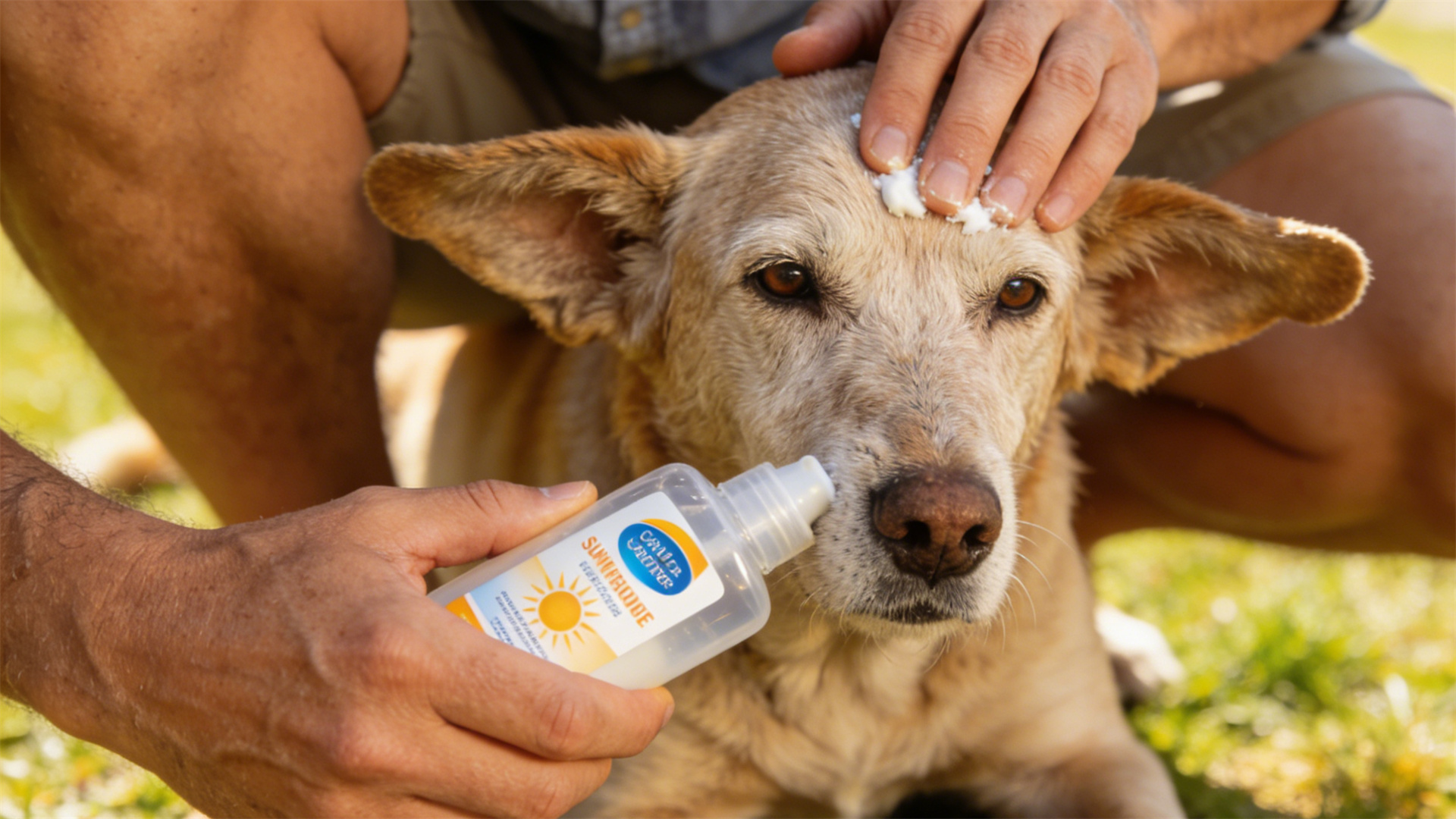
Is your dog driving you both crazy with constant scratching, licking, and chewing the moment spring arrives. You're not alone. As flowers bloom and pollen fills the air, countless dogs suffer from seasonal allergy flare-ups, manifesting most commonly as miserable skin redness and relentless itching. While environmental allergens are the trigger, the solution may lie in their bowl. This comprehensive guide explores how a targeted springtime allergy diet for dogs can fortify their skin barrier and calm inflammatory responses from the inside out, offering profound relief for your itchy companion.
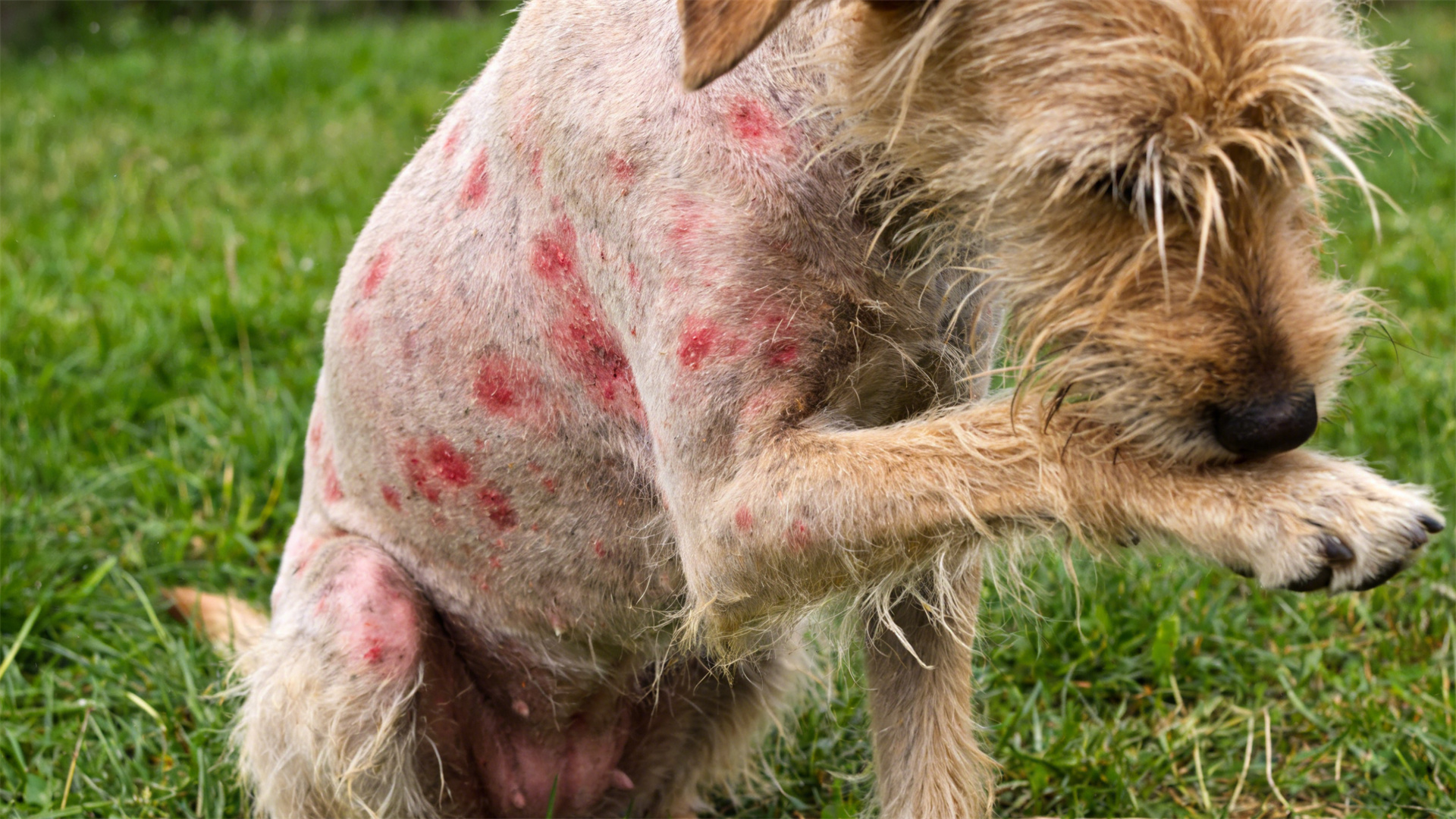
🐾 Understanding Canine Springtime Allergies: The Root of the Itch
Canine springtime allergies, often referred to as atopic dermatitis, are primarily caused by an overreaction of the immune system to inhaled or contacted environmental allergens. Common culprits include tree pollens, grass pollens, mold spores, and dust mites. When a susceptible dog encounters these allergens, their body releases histamines and other inflammatory compounds. This leads to the telltale symptoms we see. Intense itching, especially around the paws, ears, groin, and underarms. Red, inflamed skin that may feel warm to the touch. Recurrent ear infections and obsessive foot licking. Hair loss and hot spots from traumatic scratching. Understanding this inflammatory cascade is key, because diet plays a direct role in either fueling or cooling this internal fire.

🔗 The Diet-Allergy Connection: Food as Medicine
You cannot control the pollen count outside, but you can control what goes into your dog. Diet is a powerful tool for managing seasonal allergies for two critical reasons. First, a compromised gut barrier can allow larger, partially digested protein molecules into the bloodstream, confusing the immune system and potentially worsening its reactivity to environmental allergens—a concept known as "leaky gut." Second, certain nutrients directly influence the skin's health and the body's inflammatory response. By adjusting your dog's diet, you aim to. Strengthen the skin barrier to act as a better shield against allergens. Modulate the immune system to reduce its hypersensitivity. Provide building blocks for skin repair and reduce systemic inflammation. This makes hypoallergenic dog food for itching or a carefully formulated home diet not just about avoiding food allergies, but about creating a body that is more resilient to all allergens.
💪 Essential Nutrients for Skin Health: The Building Blocks of Relief
A truly therapeutic springtime allergy reducing diet is rich in specific nutrients that target skin and immune function. Prioritize these foundational elements.
Omega-3 Fatty Acids: The Inflammation Soothers
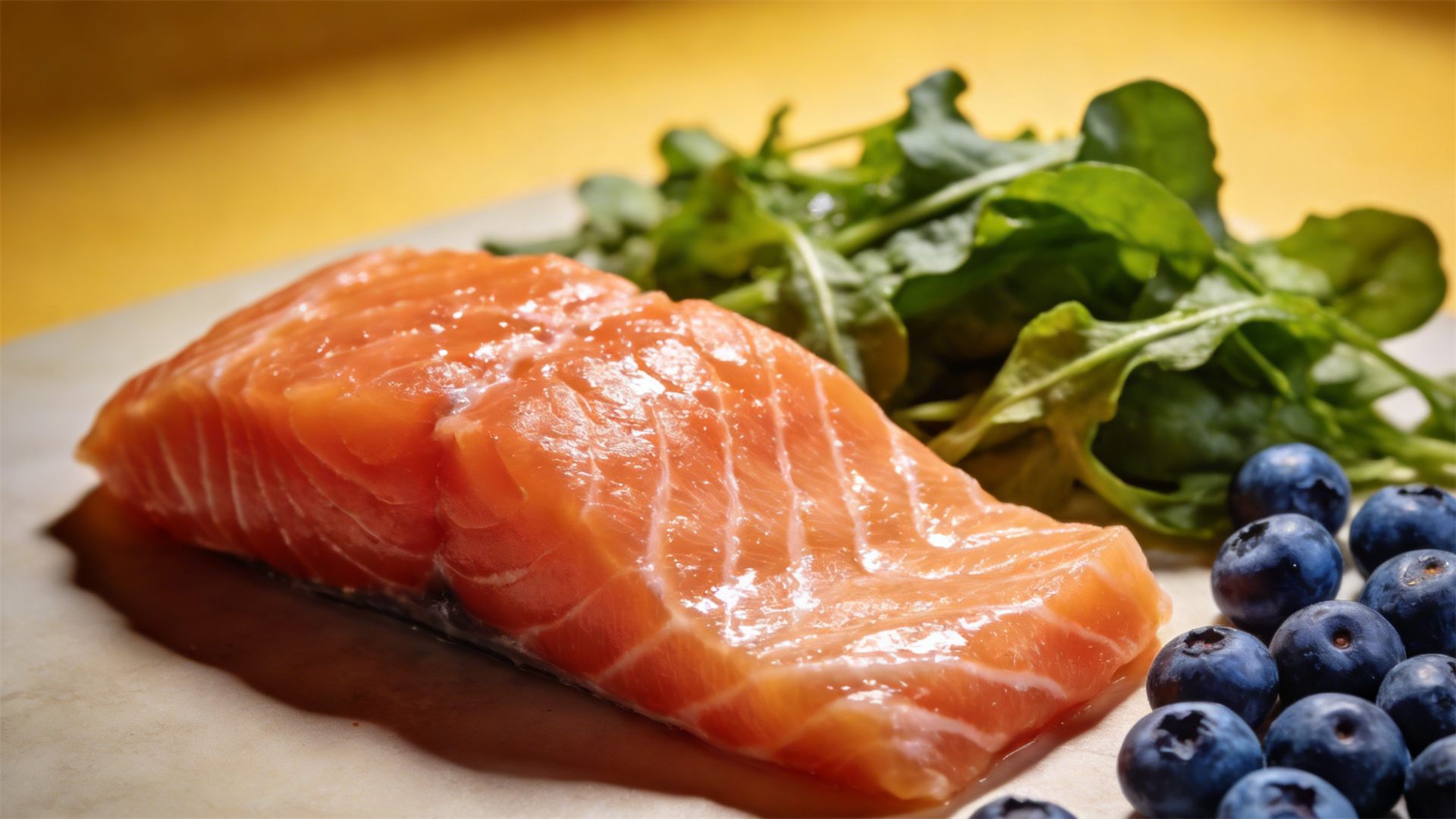
These are the superstars for alleviating dog allergies with food. Omega-3s, particularly EPA and DHA from marine sources, are potent natural anti-inflammatories. They help cool the skin's inflammatory response to allergens. Excellent sources: Cold-water fish like salmon, sardines, mackerel, and krill oil. High-quality fish oil supplements are often the most effective way to achieve a therapeutic dose. A 2011 study in the Veterinary Dermatology journal found that omega-3 supplementation significantly improved clinical signs of atopic dermatitis in dogs.
Antioxidants: The Cellular Protectors
Antioxidants combat free radicals generated during inflammation, protecting skin cells from damage and supporting immune health. Key antioxidants and their sources: Vitamin E: Found in leafy greens, sunflower seeds, and almonds. Vitamin C: Present in berries (blueberries, cranberries), broccoli, and sweet potatoes. Polyphenols & Flavonoids: Abundant in colorful fruits and vegetables like apples, carrots, and spinach.
Bioavailable Protein: The Repair Crew
High-quality, easily digestible protein is essential for repairing damaged skin tissue and maintaining a healthy coat. The goal is novel or hydrolyzed proteins that are less likely to provoke an immune response. Recommended protein sources for allergic dogs: Duck, rabbit, venison, kangaroo, or hydrolyzed chicken/fish protein where the molecules are broken down so small they don't trigger a reaction.
Supporting Players: Zinc, Biotin, and Probiotics
Zinc is crucial for skin cell regeneration and immune function. Biotin (a B vitamin) supports healthy skin and coat. Probiotics promote a healthy gut microbiome, which is intrinsically linked to a balanced immune system, making them a valuable part of a canine atopic dermatitis diet.
🥗 Recommended Foods and Ingredients: What to Feed
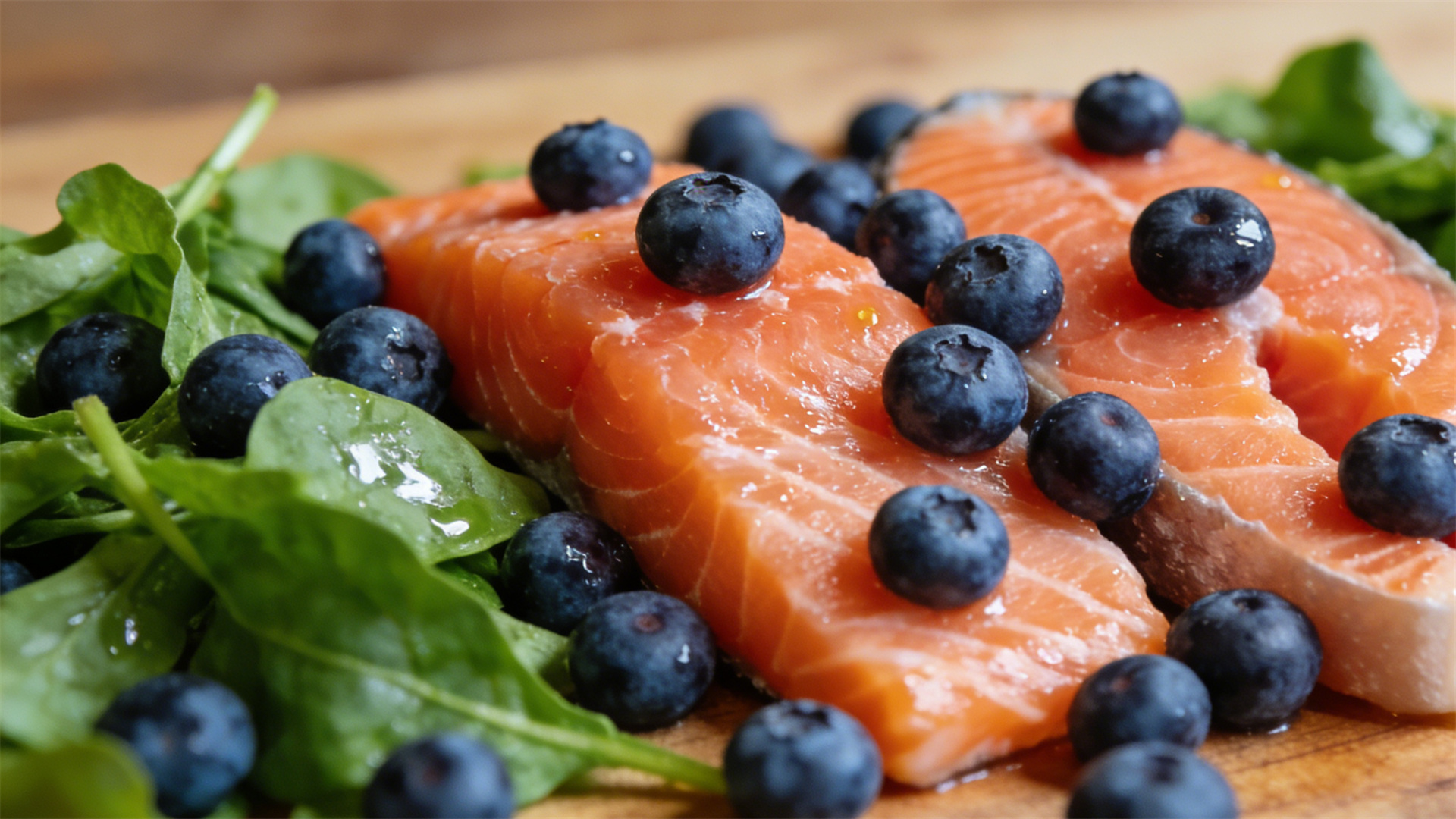
Building your dog's meals around these nutrient-dense, whole foods can make a dramatic difference. This list forms the basis for both commercial food selection and home cooked food for dog seasonal allergies.
Novel Protein Sources: Duck, rabbit, lamb (if not fed before), venison, bison, or fish like salmon. These provide the essential amino acids without relying on common allergens like beef or chicken.
Healthy Carbohydrates: Sweet potato, pumpkin, peas (if tolerated), and butternut squash. These are generally well-tolerated and provide energy and fiber.
Leafy Greens & Vegetables: Spinach, kale, green beans, zucchini, and broccoli. Packed with antioxidants and phytonutrients.
Beneficial Fats: Fish oil (for Omega-3), flaxseed oil (plant-based Omega-3, less efficiently used), and coconut oil (contains lauric acid, which can have antimicrobial benefits for the skin).
Functional Add-Ins: A spoonful of plain, unsweetened yogurt or kefir for probiotics. Blueberries or diced apple for antioxidants.

🚫 Foods to Potentially Avoid: Common Irritants
While true food allergies are less common than environmental ones, certain ingredients can be inflammatory or cross-reactive, potentially worsening springtime symptoms. During allergy season, consider eliminating or reducing these from your dog food for seasonal allergies plan. Common Allergens: Beef, dairy, chicken, wheat, soy, and corn. These are frequent culprits in food allergy cases and may contribute to general inflammation. High-Glycemic Fillers: White rice, corn syrup, and wheat flour. These can cause blood sugar spikes linked to inflammation. Artificial Additives: Colors, flavors, and certain preservatives (like BHA, BHT) can stress the immune system in sensitive individuals. An elimination diet, guided by a veterinarian, is the gold standard to identify specific food triggers.

📋 Implementing the Dietary Change: A Step-by-Step Guide
Transitioning to a new diet requires care to avoid digestive upset and to accurately assess its effects. Follow this practical guide for how to adjust dog food for spring allergies.
Step 1: Veterinary Consultation. This is non-negotiable. Rule out other causes of itching like parasites or infections. Discuss your dietary plan, get recommendations for therapeutic diets, and determine appropriate supplement doses.
Step 2: Choose Your Path. Decide between a high-quality commercial limited ingredient dog food or a vet-formulated home-cooked diet. Commercial diets offer convenience and balanced nutrition; home cooking offers ultimate ingredient control.
Step 3: The Slow Transition. Over 7-10 days, gradually mix the new food with the old, increasing the ratio of new to old each day.
Step 4: Introduce Supplements. After the transition, add one supplement at a time (e.g., fish oil, then probiotics) a few days apart to monitor tolerance.
Step 5: The Patience Period. It can take 8-12 weeks of strict adherence to the new diet to see significant improvement in skin and itch levels. Keep a symptom journal to track progress.
Step 6: Maintain and Monitor. Once you see improvement, stick with the successful formula. Be vigilant about treats and table scraps, ensuring they align with the allergy-friendly diet.

❓ Frequently Asked Questions (FAQ)
Is a grain-free diet necessary for dogs with seasonal allergies?
Not necessarily. True grain allergies are less common than protein allergies. However, some dogs benefit from a diet free from wheat or corn. Focus on the protein source and overall ingredient quality first. The FDA has investigated a potential link between certain grain-free diets and heart disease, so consult your vet.
Can I just add supplements to my dog's current food?
While adding fish oil or probiotics to a mediocre diet can help, the greatest impact comes from a holistic dietary overhaul. Removing inflammatory triggers while adding supportive nutrients creates a synergistic effect for itchy dog skin relief food.
How do I know if it's a food allergy or a seasonal allergy?
Seasonal allergies are, by definition, worse during specific times of the year. Food allergy symptoms are typically year-round. However, they can coexist. If your dog's symptoms improve significantly on a strict elimination diet even during spring, food is likely a major component. Diagnosis should always involve your veterinarian.
Are there any "antihistamine foods" for dogs?
Some foods contain quercetin, a natural bioflavonoid sometimes called "nature's Benadryl." It has mast-cell stabilizing and anti-inflammatory properties. Foods like apples (with skin), broccoli, and blueberries contain quercetin. While not a replacement for veterinary-prescribed antihistamines, they are a beneficial dietary addition.

🎯 Conclusion: Your Path to a Happier, More Comfortable Dog
Managing your dog's springtime misery extends beyond medicated baths and antihistamines. By embracing a strategic, nutrient-dense springtime allergy diet for dogs, you address the problem at its root—calming inflammation and building a resilient skin barrier from within. Remember the core principles: prioritize omega-3s and antioxidants, choose novel or hydrolyzed proteins, avoid common irritants, and transition with patience. The reward is watching your dog find relief from relentless itching, trading frantic scratching for peaceful naps in the spring sun.